|
|
Old-School Delights |
|
A selection of rarities from the early '80s and the ol' mail bag. |
|
|
| |
|
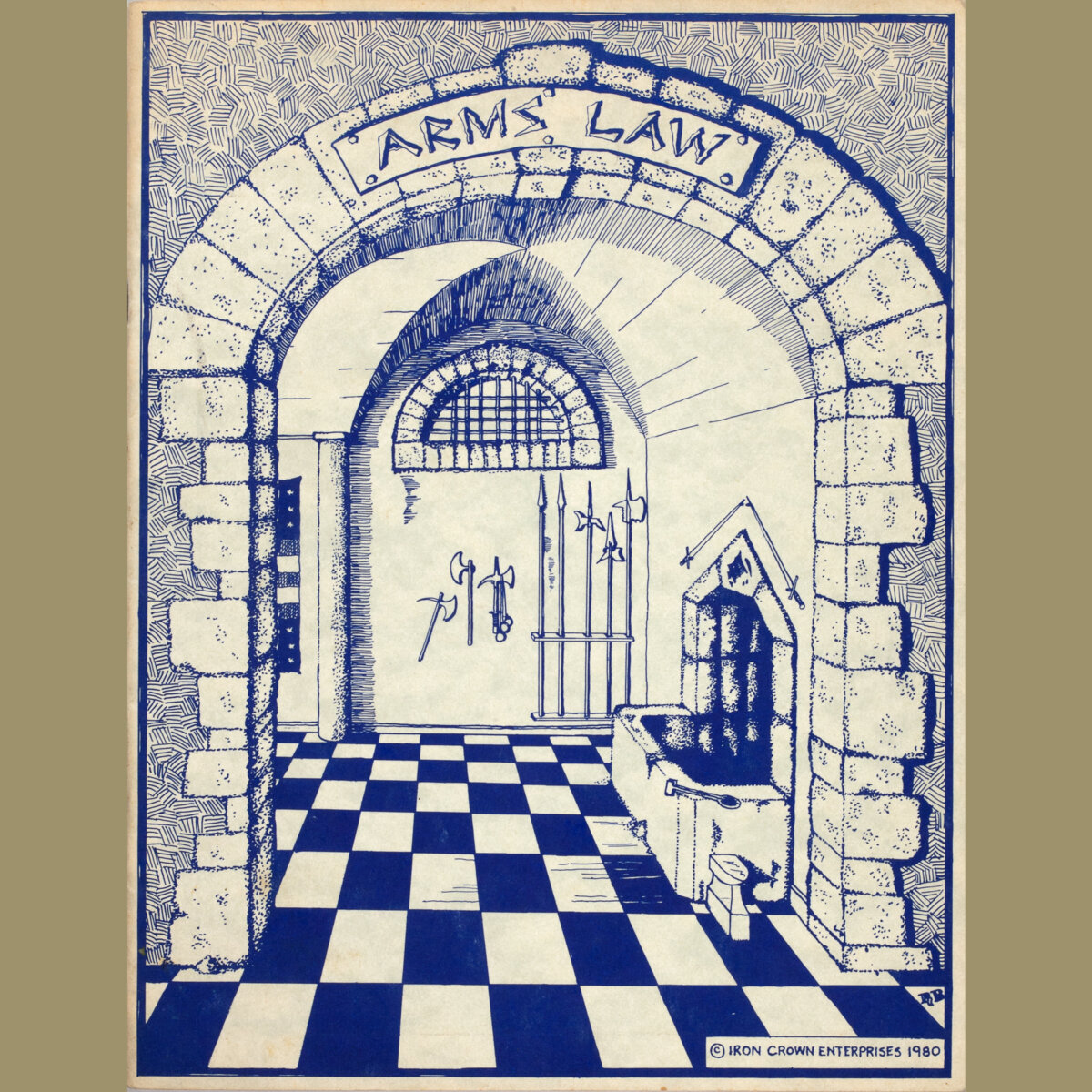
This is Arms Law (1980), the very first product published by Iron Crown Enterprises.
It is a percentile based combat system derived from the system the company founders used to replace D&D’s standard combat for their long-running homebrew game at the University of Virgina. It was conceived as the first in a series of rules modules that would constitute a new system called Rolemaster. Subsequent releases were Claw Law, Character Law, Spell Law and Campaign Law.
The low page count of the booklet might imply a simple system, but nope. See, the thing is that the booklet sits on top of a stack of tables printed on cardstock, about a quarter inch thick. People call it Chartmaster for a reason.
To attack, you roll a percentile, add your attack bonus and any modifiers, then subtract the target’s defense. That result is checked against a dedicated chart for the weapon used, and cross-referenced with a chart corresponding to the target’s armor, which will give a damage value that is subtracted from the target’s pool — take enough hits, fall unconscious or die. Rinse, repeat, for every single exchange of combat in the game. It’s a lot. Too much? For me, yea, but I know a lot of folks who swear by RM. Even though I don’t particularly care for the results though, I appreciate the spirit of RM to the core. Rules tinkerers of the world unite! Oh, also, the infamous critical hit and fumble tables for each type of weapon are in here. These are legendary in their deadliness. I bet I am not alone in using just the crits and fumbles in my D&D game and pitching the rest of the combat system. |
| |
The Complete Warlock (1978)
|
| |
|
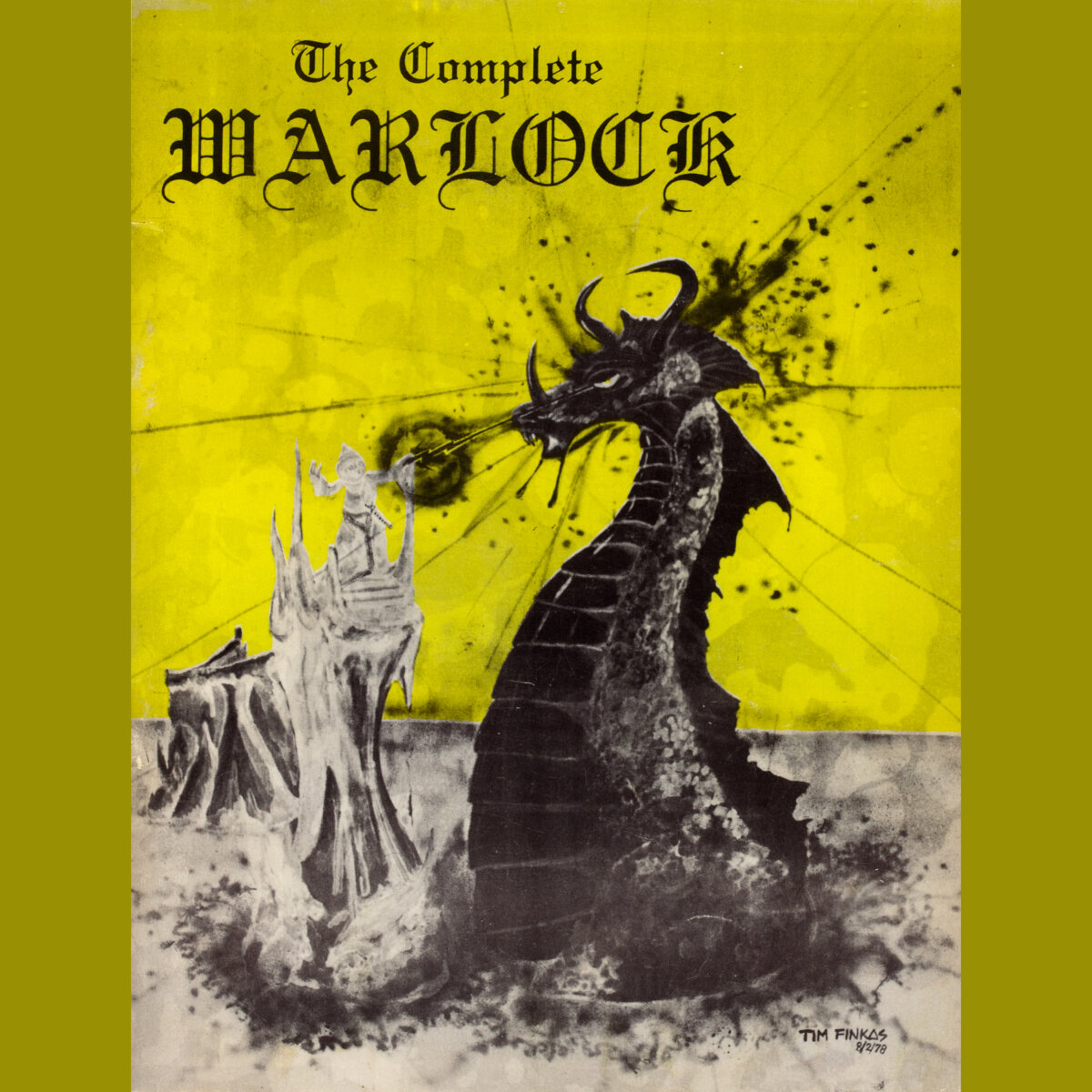
Another entry in the “Fix D&D” sub-genre of RPG design, this is The Complete Warlock (1978), from Balboa Games. It is essentially a hack of the original white box D&D and, surprisingly, refers to the original text near constantly. Though published in 1978, it was developed in 1976, making it a pretty early example of this sort of exercise. It’s a shame it didn’t get to press earlier — in a case of parallel innovation, a lot of the work here resembles somewhat the final product of Advanced D&D and I think coming out in the shadow of the Players Handbook effectively buried this game.
There are three main topics in the book. The first is a new combat system, because of course there is. It’s overly complicated and not worth discussing, really, except that it uses a resolution table that is similar in its arrangement to RuneQuest and in some ways anticipates design fads of the ‘80s like the universal table in Marvel Super Heroes. There is also a critical hit table. It isn’t as robust as Rolemaster, but it does take into account different weapons and hit locations. Again, pretty early for this sort of thing!
Second is magic, which is overhauled primarily through spells. I don’t think this set of spells is either better or worse. Just different. A little more plainly worded, a little more plausible and conservative in effects. This is probably a good place to note that this book is far easier to read and navigate than the OD&D books.
Third is an overhaul of the thief. This is done by essentially giving them a massive list of thieving abilities to choose at each level, similar to a spellbook. This is pretty cool, works as a better skill system that anything D&D muster for two more decades and actually feels similar to the way advancement is presented in 3E.
Not much in the way of interior art, but what a cover by Tim Finkas, right? So evocative. Love that dragon. |
| |
|
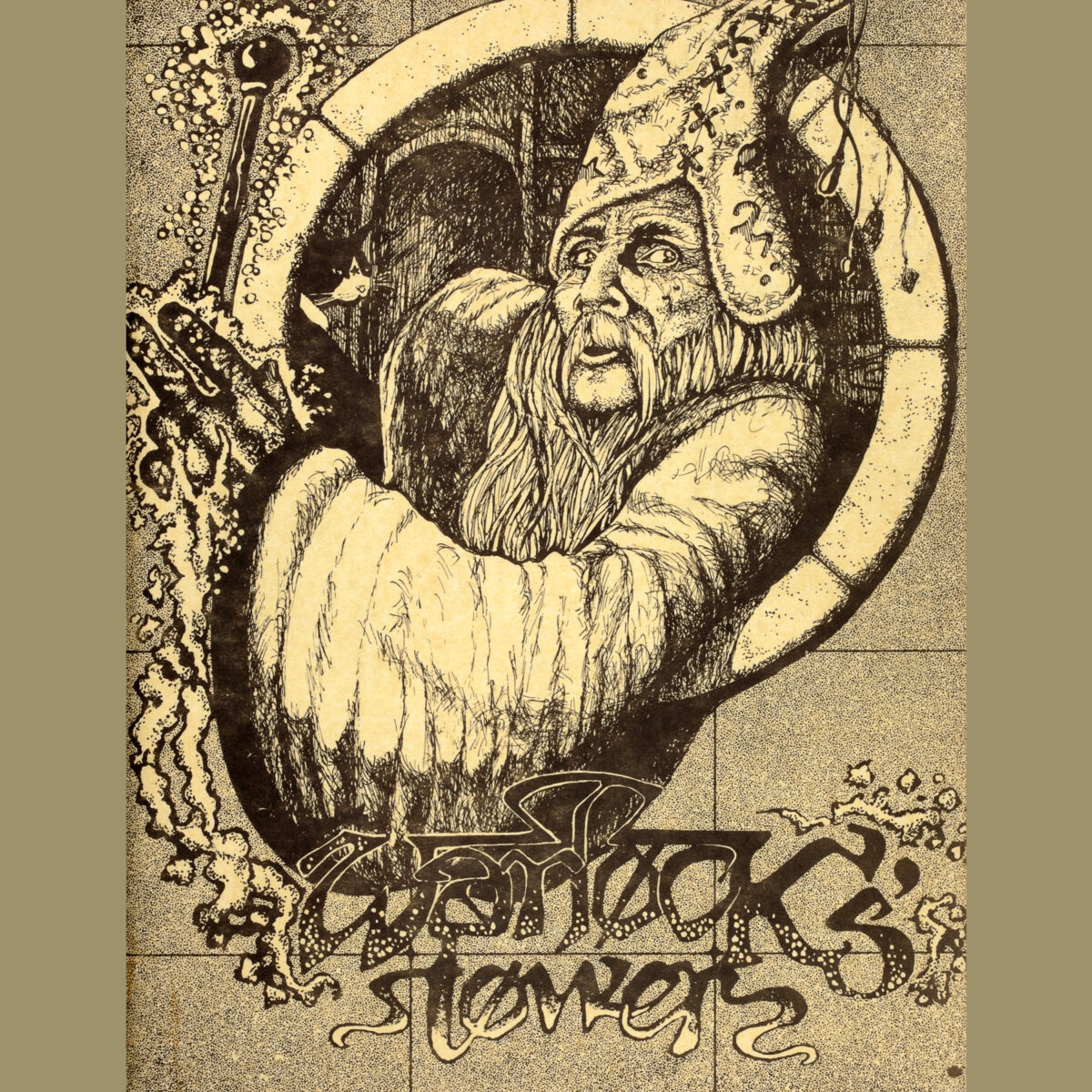
In the introduction to The Complete Warlock, the authors say they don’t have space to overhaul monsters and magic items, though they would like to at a later date (…ballsy, then, to call it “Complete,” really). This is the later date: Warlock’s Tower (1979).
The monsters are mainly pulled from mythology and folklore and standard fantasy clichés. There are no surprises (well, one surprise: the Giant Capybara? Who wants to fight a capybara tho?). The written descriptions are nice in a way, a step up from OD&D, but the lack of separate stat blocks (the stats are described in the prose, ugh) hurts the usability. The magic items are more interesting. Basically, magic effects are distilled into keywords, which then are associated in batches with specific sorts of items. It’s a bit like the videogame Diablo, or the way 3E handles status effects and is super interesting.
There is also advanced rules for thieves and wizards, more spells, guidance for centaur and were-creature player characters and expanded advancement tables through 40TH LEVEL! That’s a lot of levels (an elf needs 10.4 million XP to get there, jeeze).
All in all, less measured than the first volume, but also, there’s the creep in of the weird impulses all these old school books succumb to. They just, inevitably, get extremely idiosyncratic. I love it when that happens.
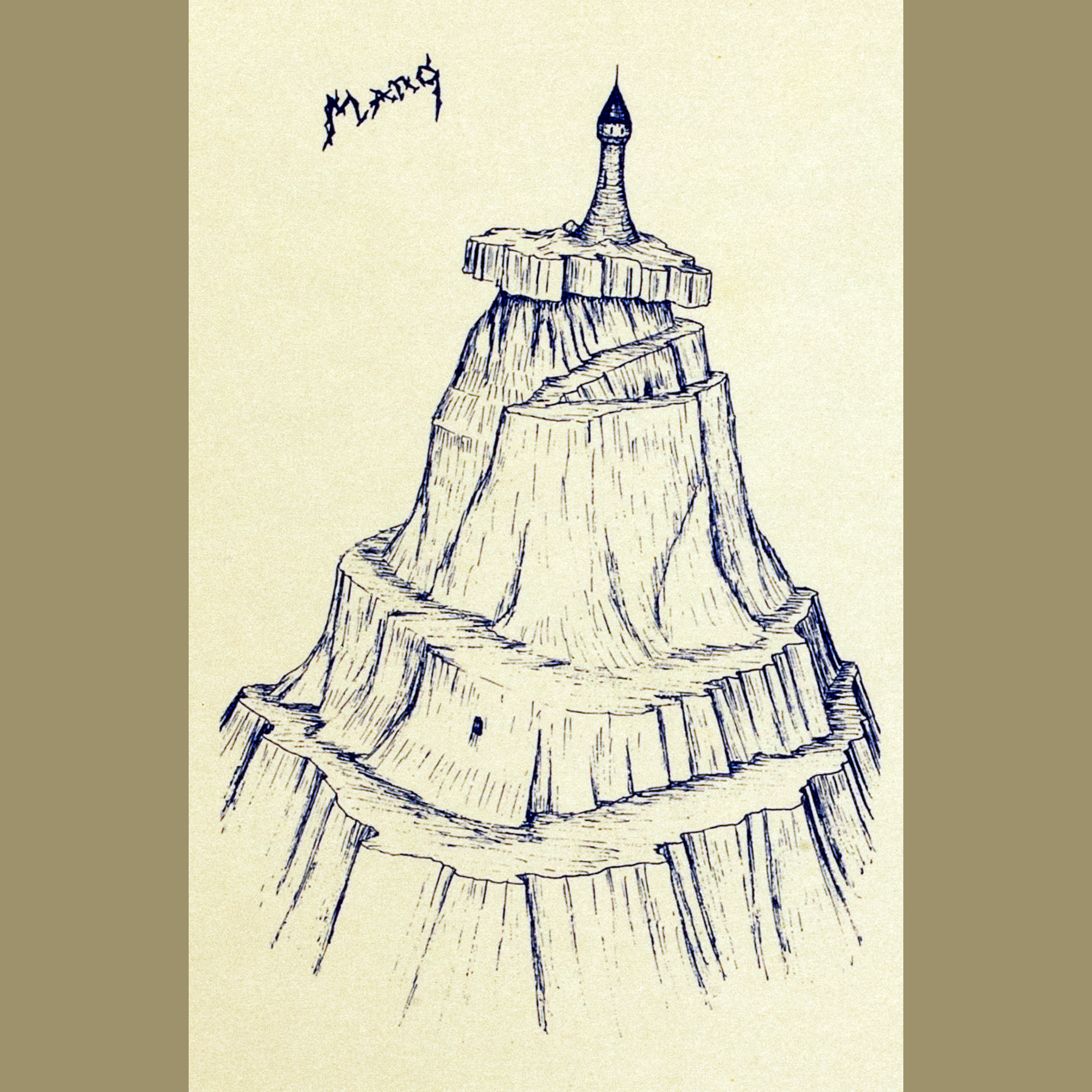
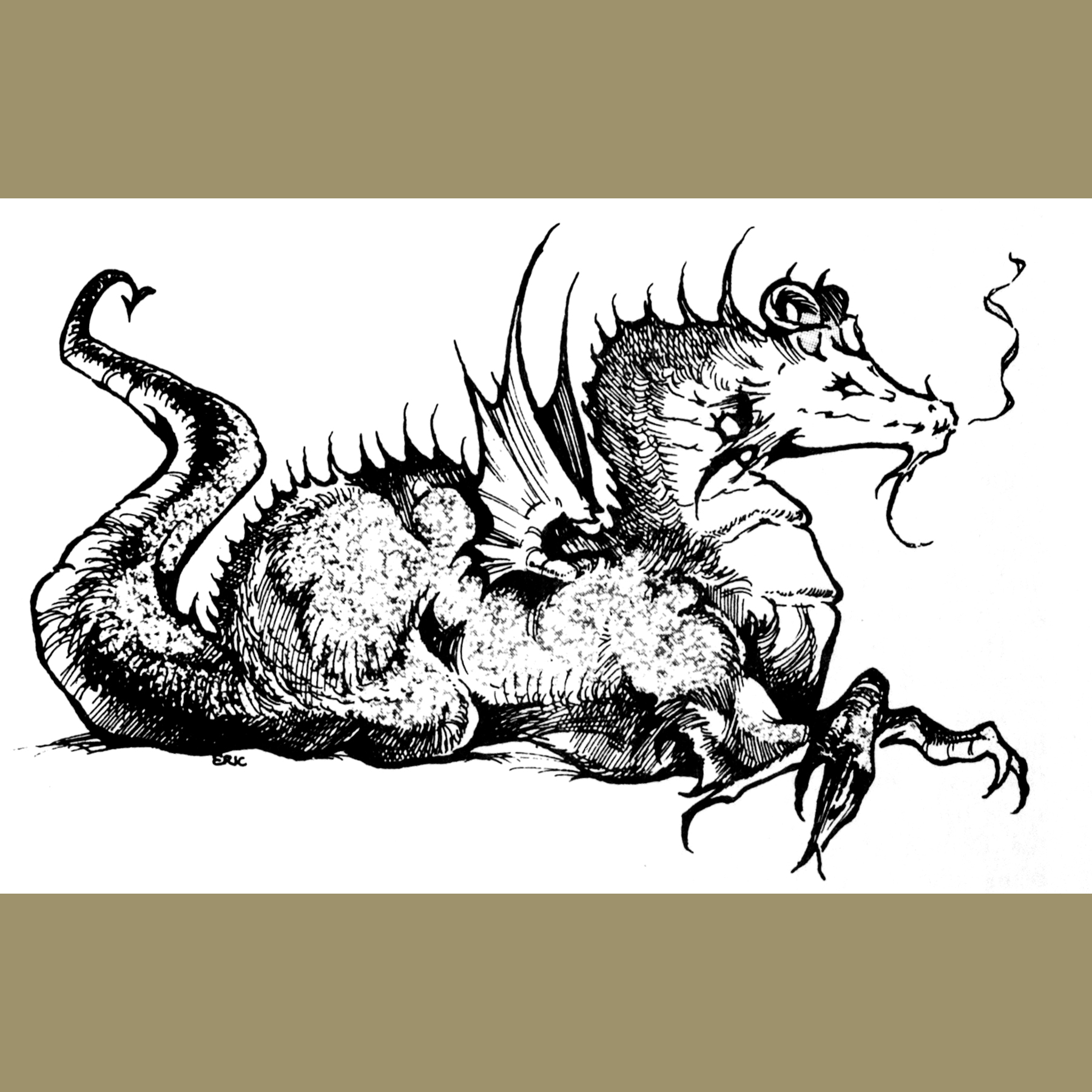
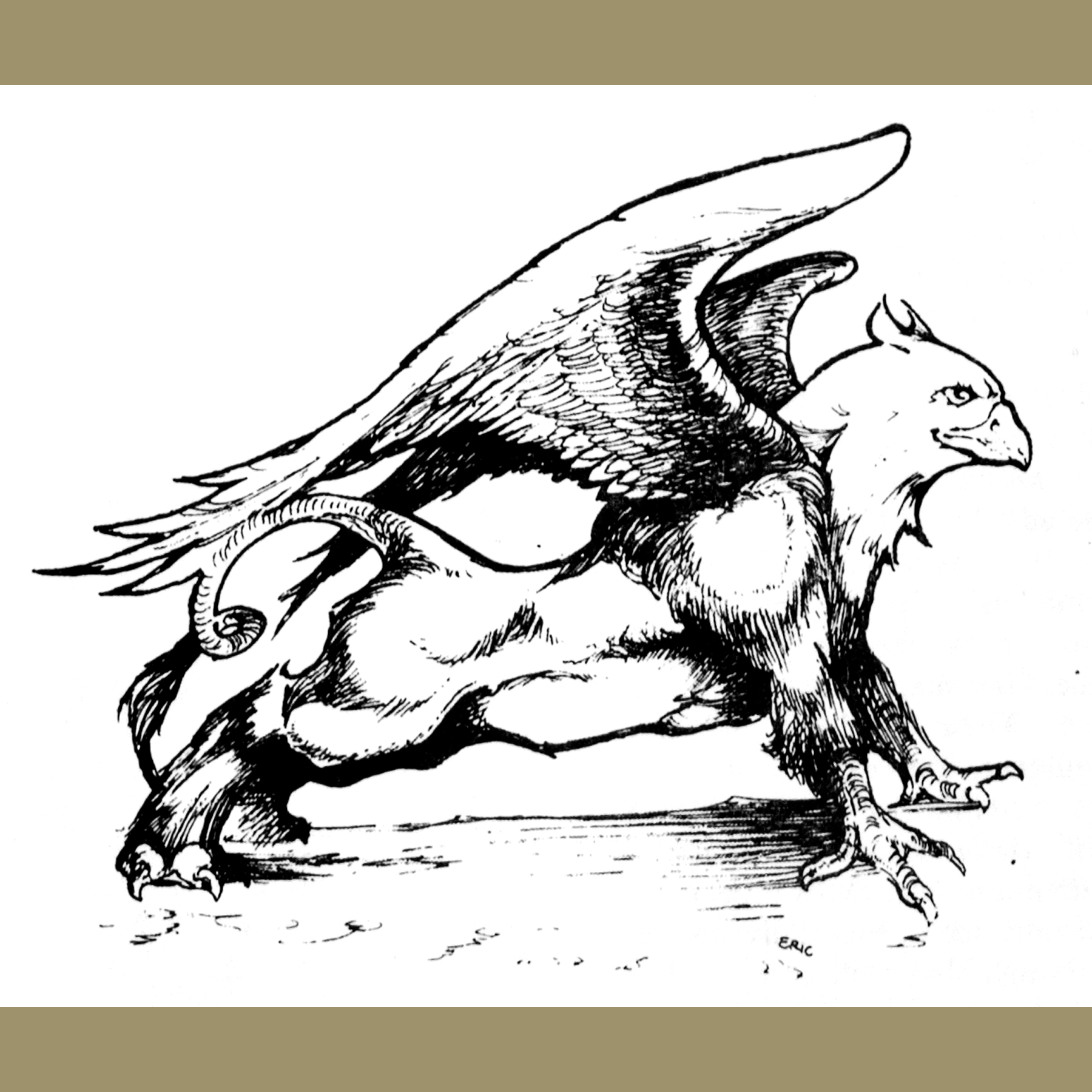
Another cool cover from Tim Finkas. Eric Alley did the monsters. I gotta say, for an indie product in ‘79, this has pretty high production values. |
| |
The Warlock Menagerie (1980)
|
| |
|
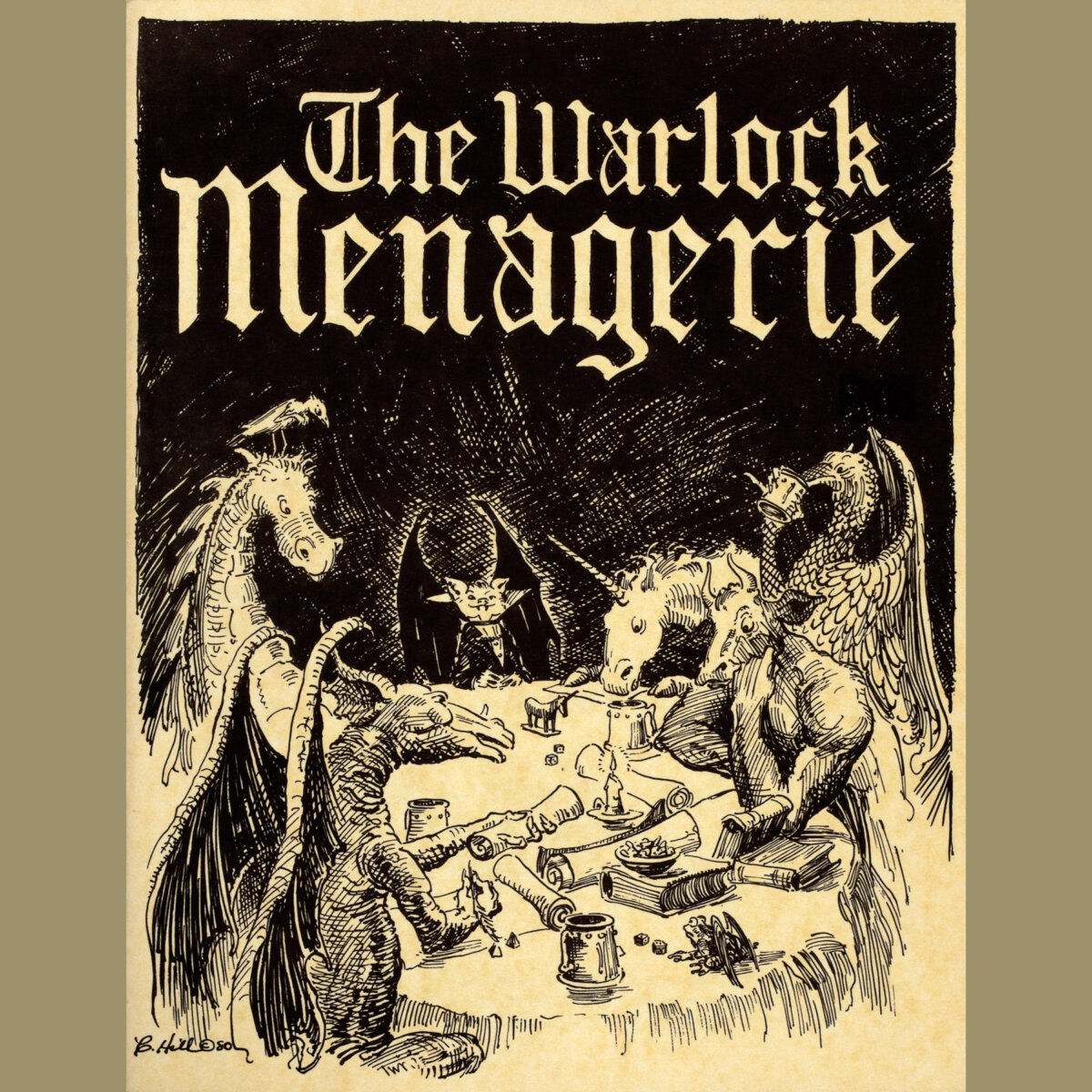
The Warlock Menagerie (1980) is the last of Balboa Games’ rulebooks. They also had an adventure and a book of villains, but I’ve not been able to get my hands on those.
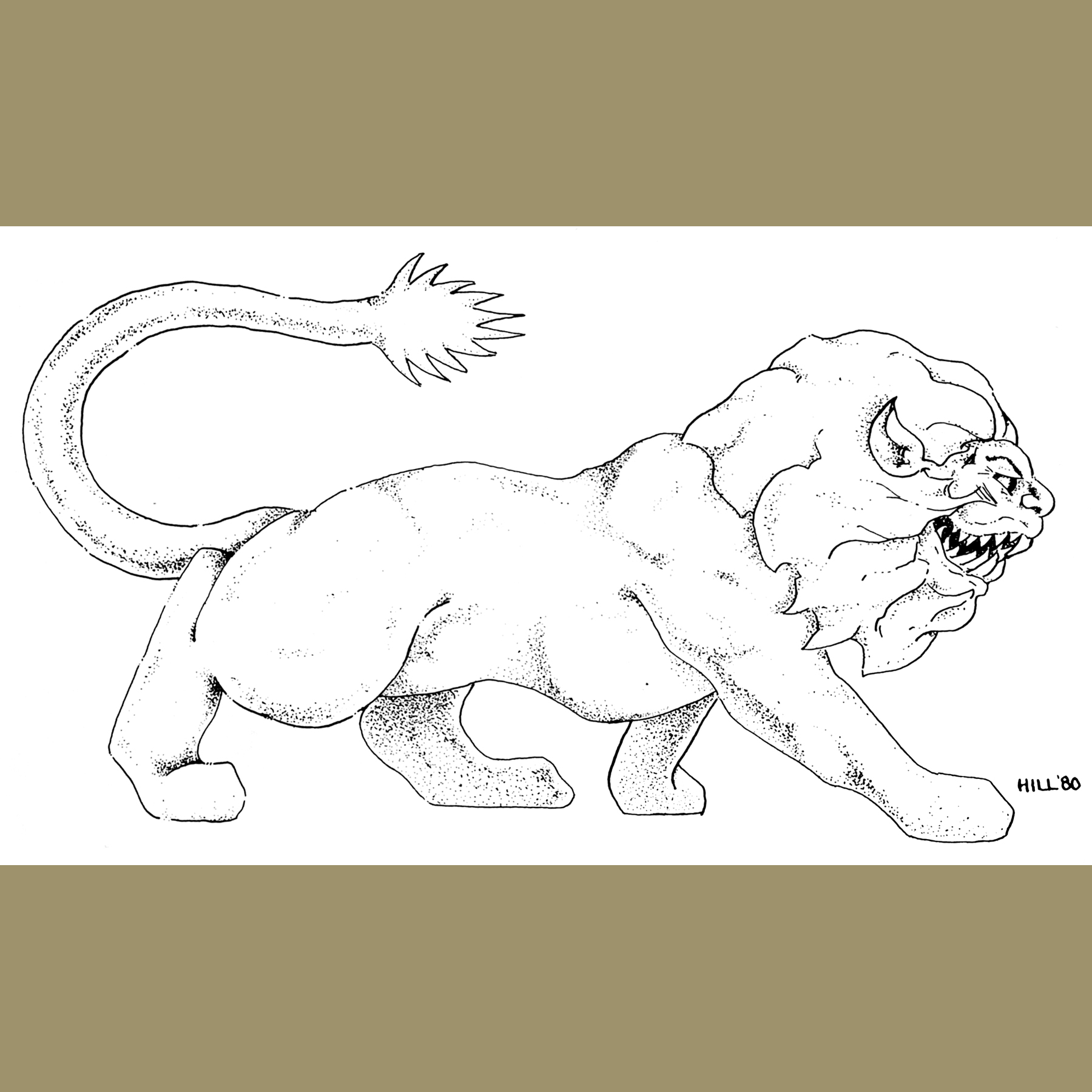
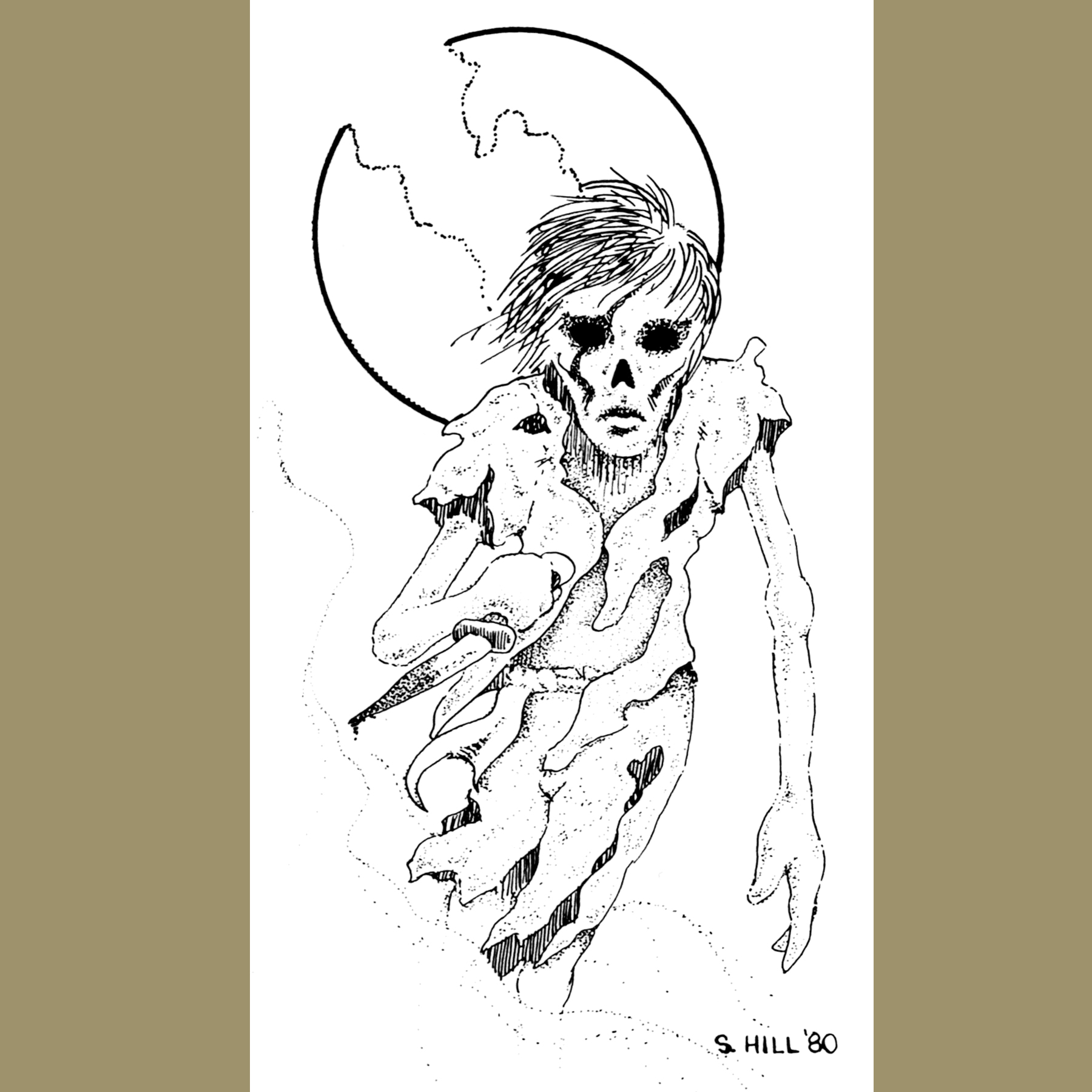
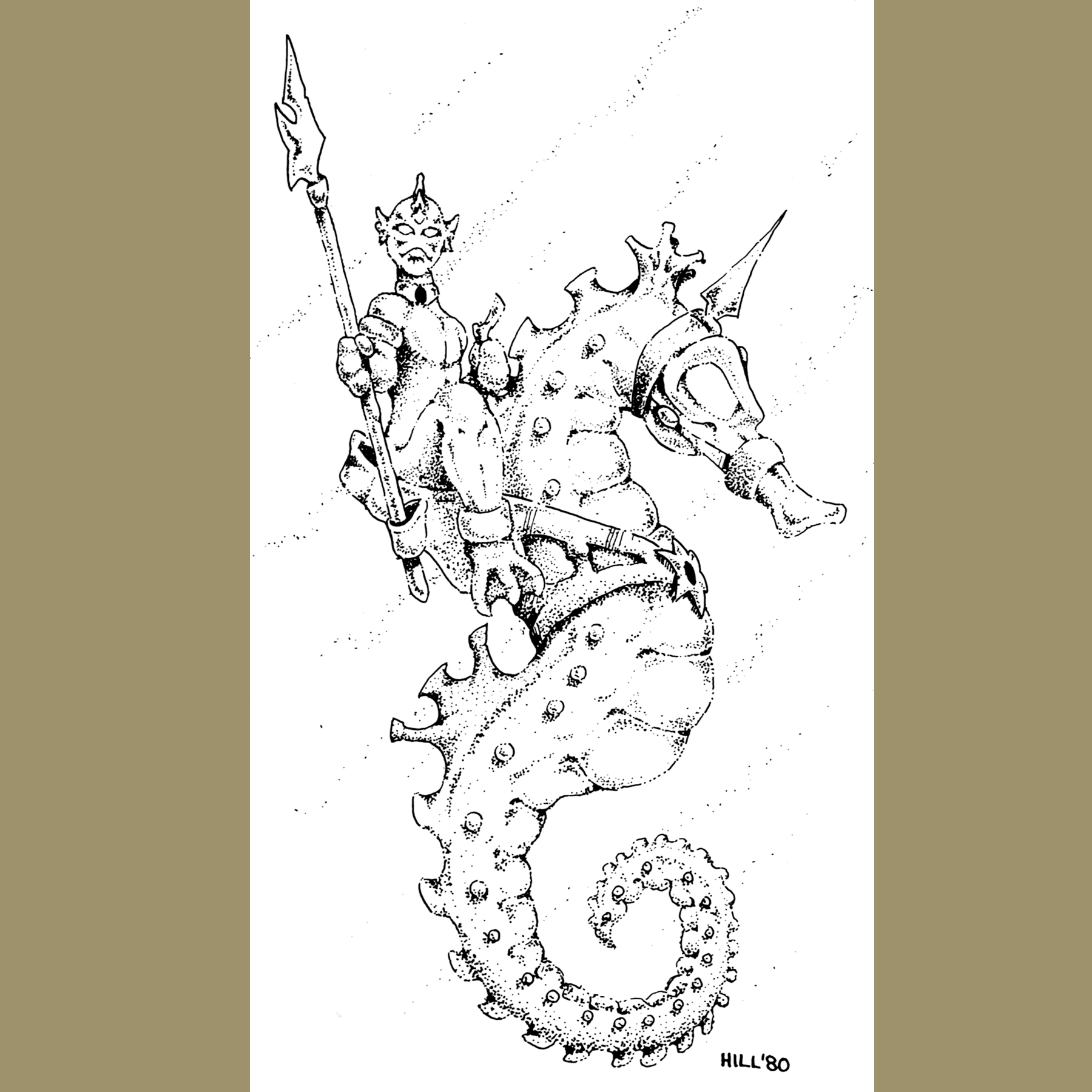
Anyway, this is fully a monster book. As with the previous book, there are no stat blocks. Monsters are described in prose that is peppered with numerical traits — it isn’t an ideal way to present monsters, honestly, but I like the breezy, advicey tone. There’s a lot of information on how particular monsters think and live, which is rudimentary in 1E D&D and only starts to really develop in the later Monstrous Compendiums as a matter of course. The monsters are mostly drawn from folklore (and the manticore is wingless, as is right and proper — well done!).
There are also three profiles of monsters drawn from fantasy fiction: The ticklemouse from Stephen Goldin’s Clockwork Traitor, the Xorno Tree from William Rotsler’s The Far Frontier and the Hralcin from The Door into Fire by Diane Duane. I’ve never heard of any of these books before, which is fine. I particularly like the Xorno Tree, because I am always down for a carnivorous plant, but they are all interesting in their way. The most interesting thing about the section, though, is that all three are put forth as examples of how (and why) to adapt monsters from fiction. It’s still pretty good advice, but it is also a pretty good example of how casually and enthusiastically derivative the hobby was in the old days. Everything is a sourcebook, then, and now! |
| |
Dragons of Underearth (1982)
|
| |
|
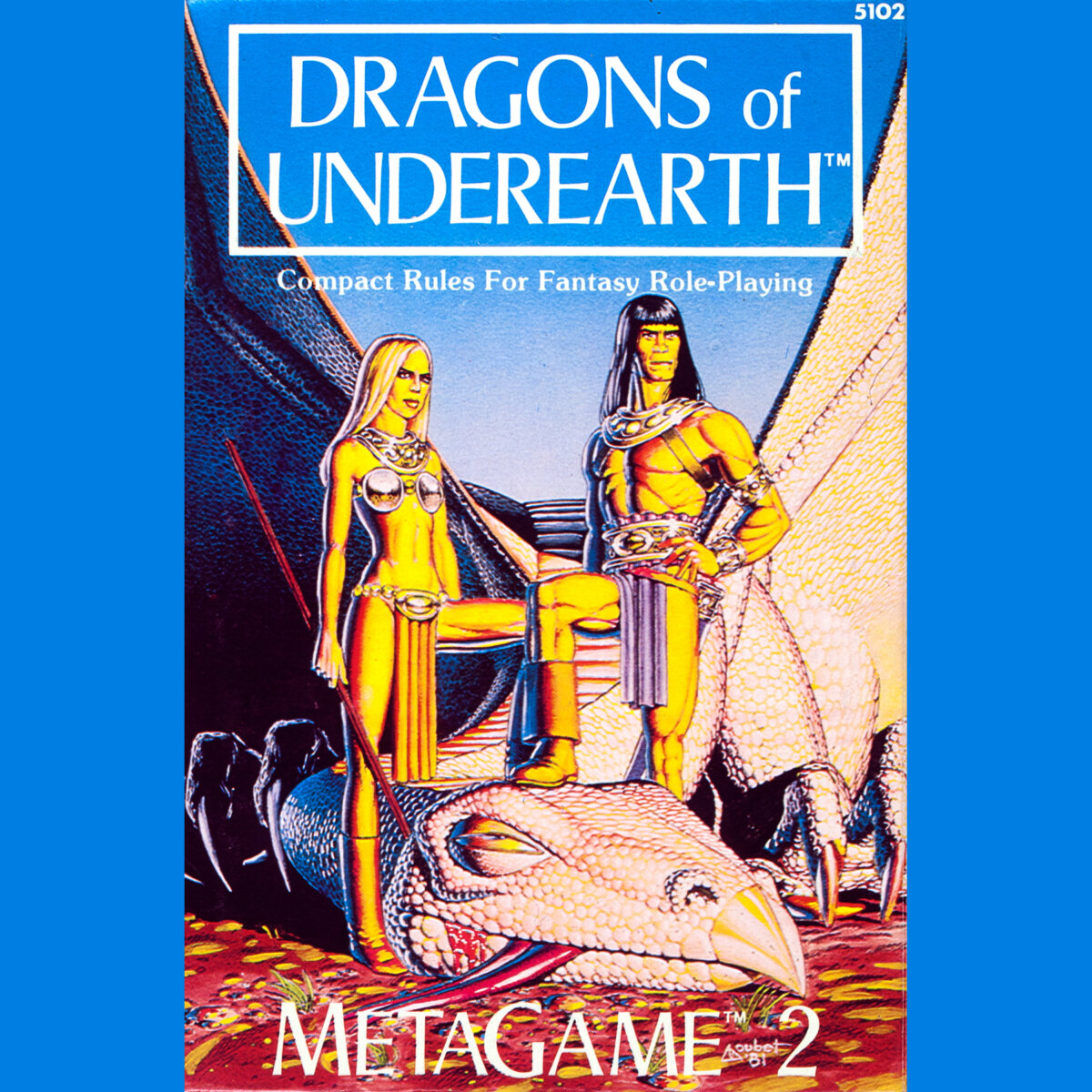
I bought this because of Denis Loubet’s excellent cover. Look at it! So good, so smooth, so warm. What is it? Something damn strange: Dragons of Underearth (1982). But what’s that? Steve Jackson’s Fantasy Trip, sort of.
The Fantasy Trip is great, a lean and mean point-buy RPG focused on tactical combat that began life as too microgames, Melee and Wizard. Based on the success of those games, in 1980 Metagaming had Jackson design a more advanced game, a full-fledged RPG consisting of three books and an adventure (Advanced Melee, Advanced Wizard, In the Labyrinth and an adventure, Tollenkar’s Lair). All those things were supposed to be in one box set, but got released separately, seemingly because it was cheaper to do it sans box. That, and other difficulties, led to Jackson bailing on the company and the game. After that, The Fantasy Trip gets even more confusing, with a series of supplements coming out that were advertised as being compatible with both versions of the game, or lacked any compatibility information at all. Many of them, like Dragons of the Underearth, came packed, infuriatingly considering the history of the game, in boxes. Unsurprisingly, Metagaming shuttered in 1983.
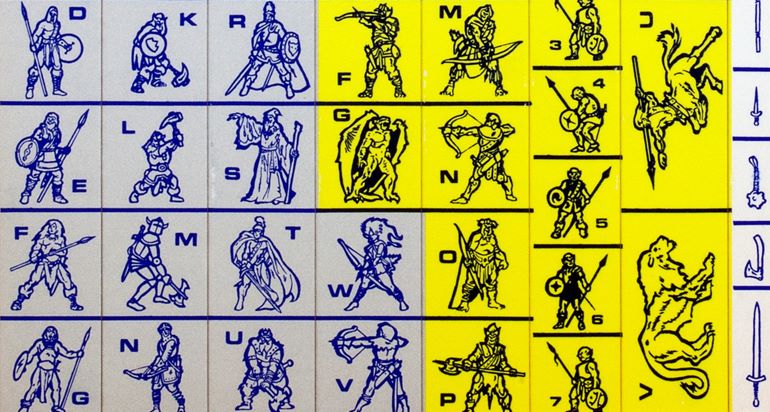
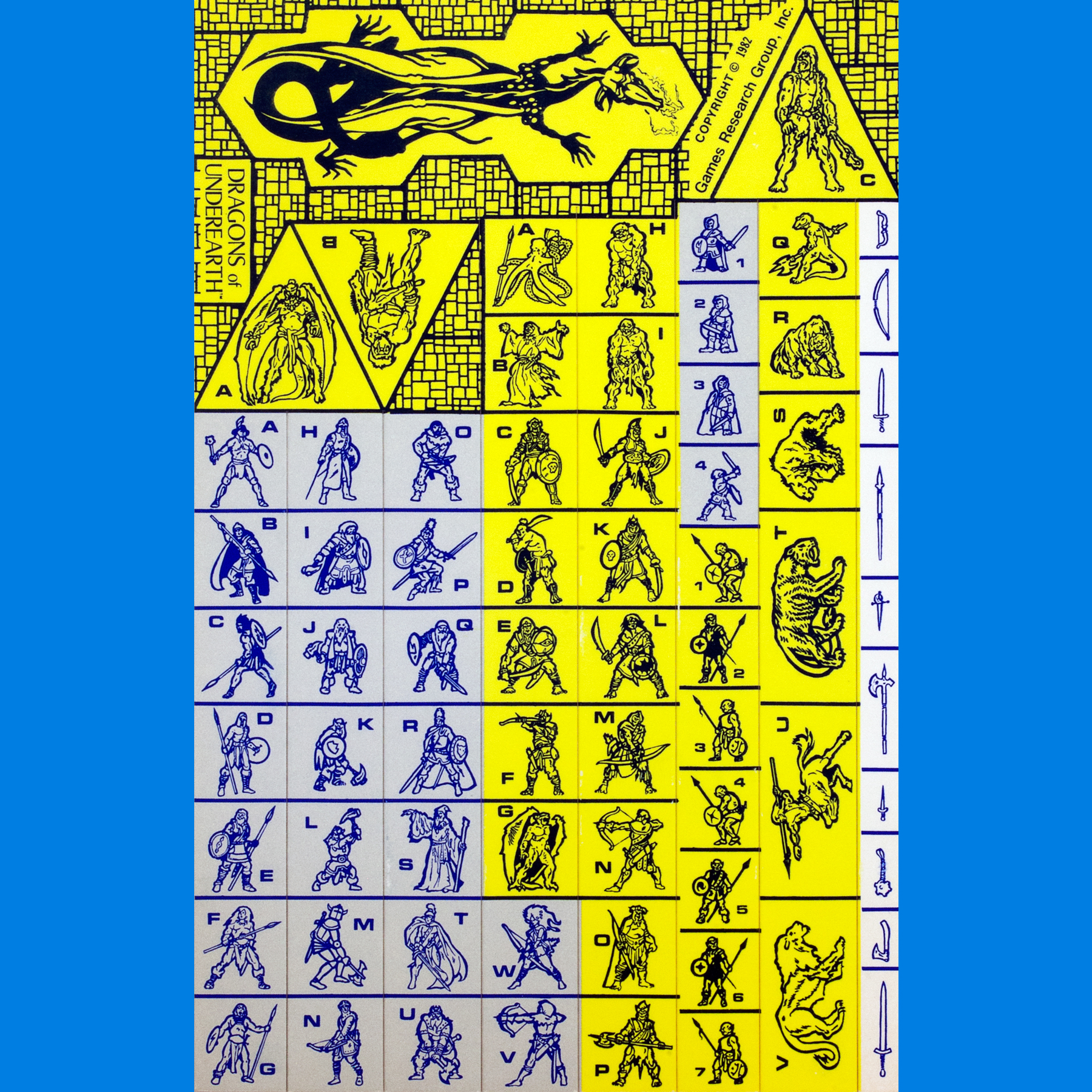
This thing is appealing in a lot of ways. The box is small and reminds me of a videogame box. The art is good. The tokens are sharp as hell. But it is just a watered-down version of Fantasy Trip. Or rather, the previous box, Lords of Underearth, was a watered-down version. This is technically an advanced watered-down version. Dear god. |
| |
|
Just a quick reminder that I've decided to pare down my collection and want to get this stuff to folks who will appreciate it. You can check out the list; it has terms and prices (everything is negotiable) and you can even have me slam a little "Discarded from Stu's Library" stamp onto the front page to simultaneously increase and lower the value of your new treasure. Fun! |
| |
Vintage RPG
Copyright Stu Horvath, 2024, except when not
| |
|