|
|
Make Mine Marvel (circa 1989) |
|
Every summer, I get nostalgic for the end of fifth grade, and for the Marvel RPG books I obsessed over. This year is no different. |
|
|
| |
|
This time around, I'm leading off with my 2016 essay on the Gamer’s Handbook of the Marvel Universe, which explains my preoccupation. That's followed by the posts from last year about the four core volumes of the handbook. Then you'll see the posts about the four annual updates, which ran on the site this week. We wrap up with a brief post on Secret Wars, this week's podcast and a pull from the mailbag. Phew! |
| |
Gamer’s Handbook to the Marvel Universe (1988)
|
| |
|
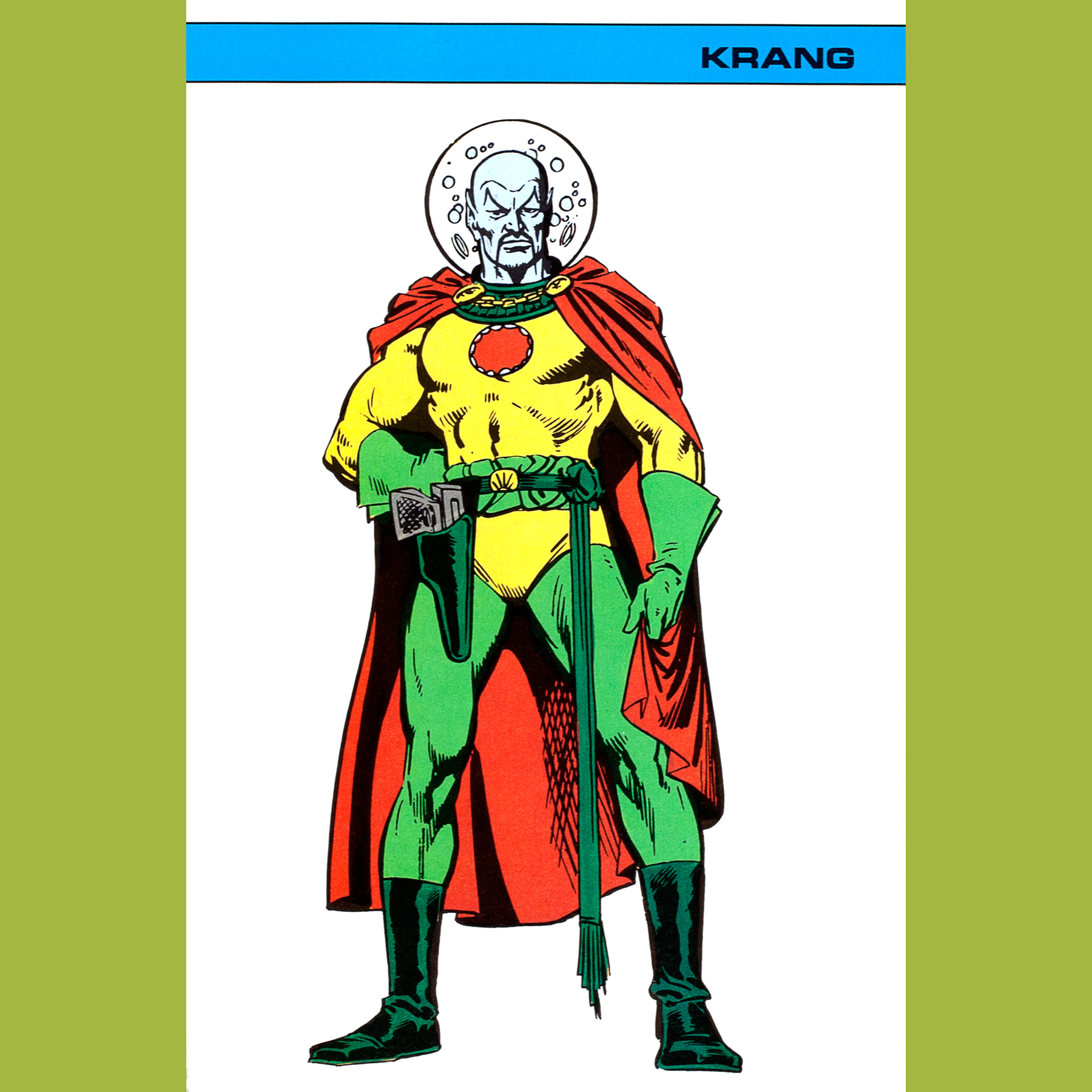
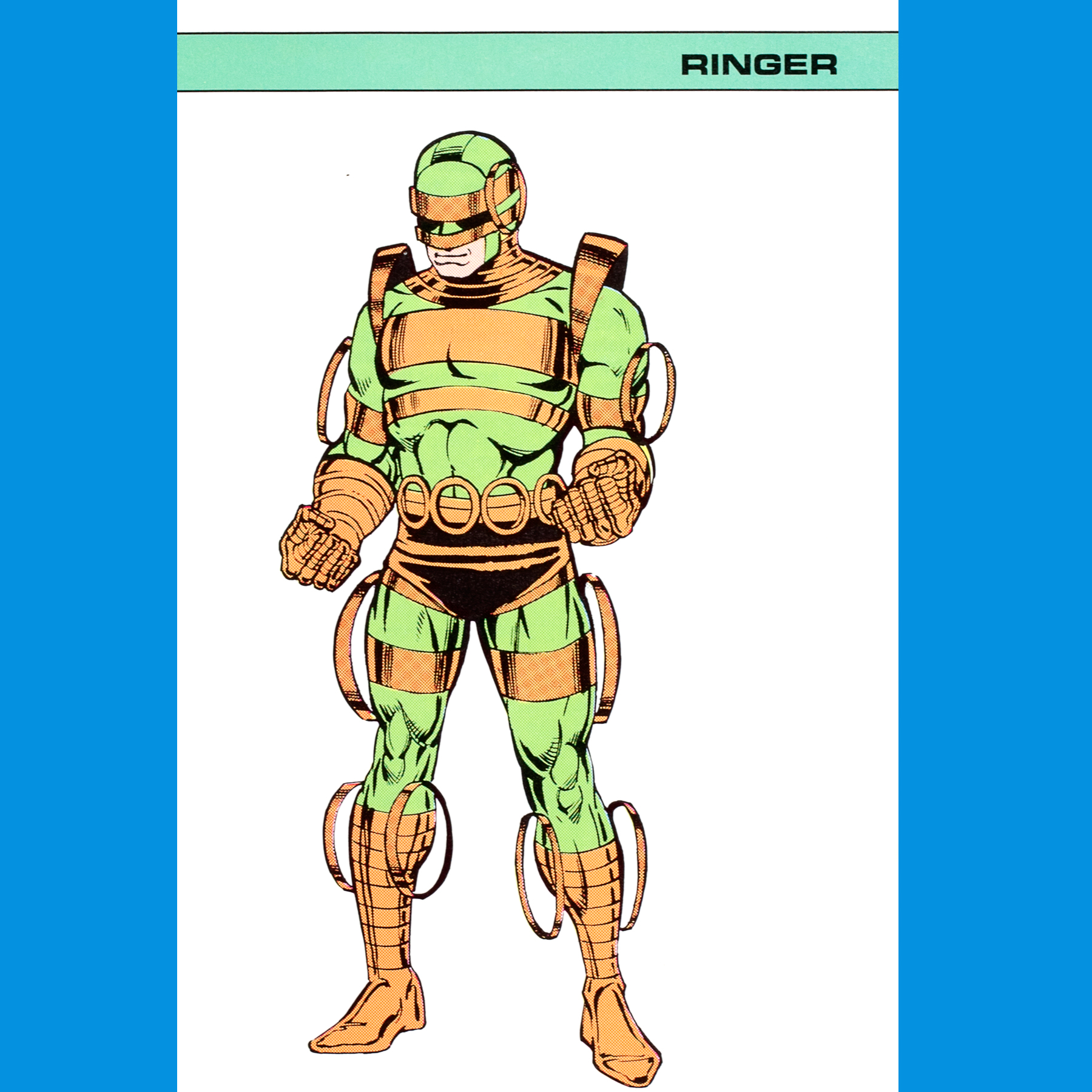
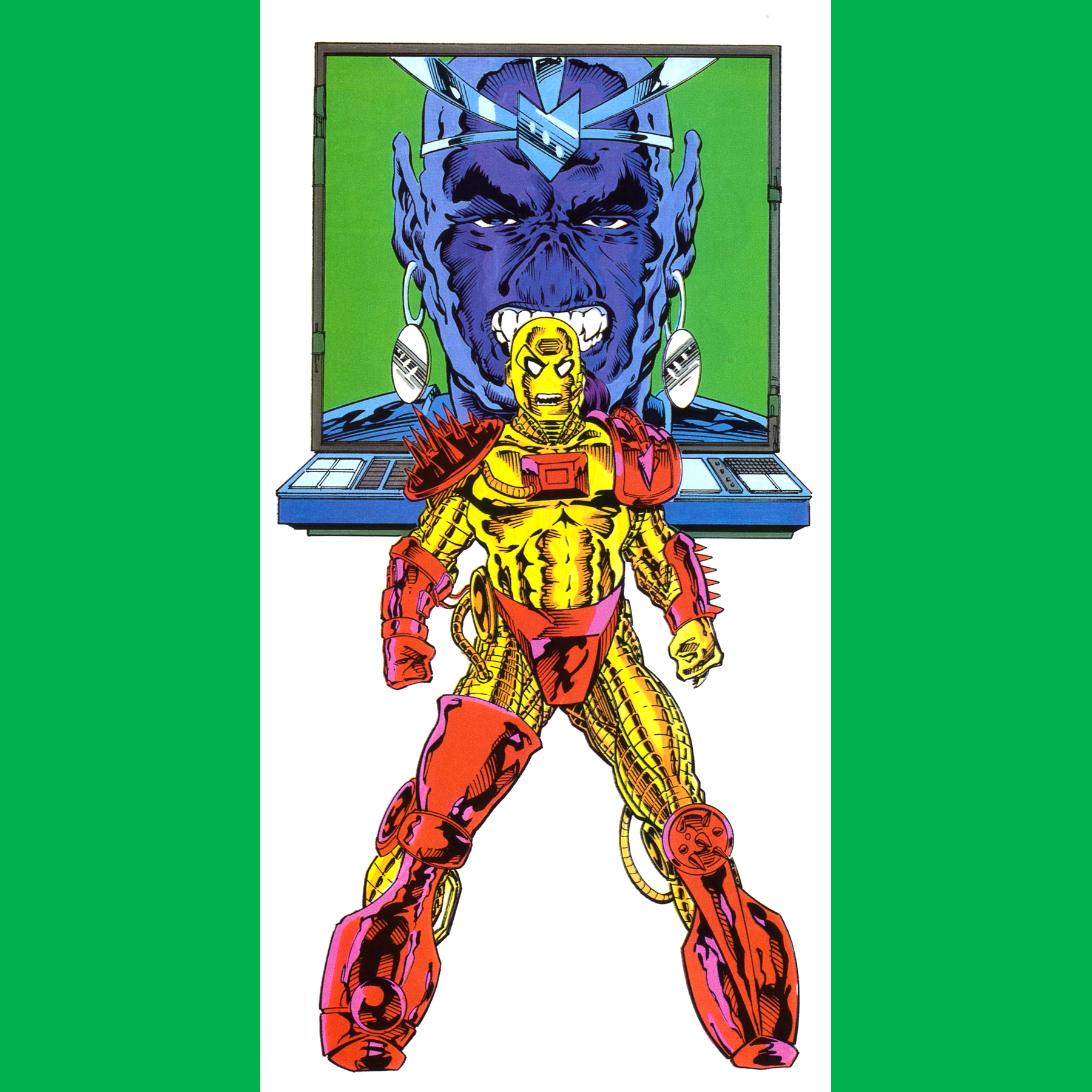
Click on the images to see even more weird Marvel characters
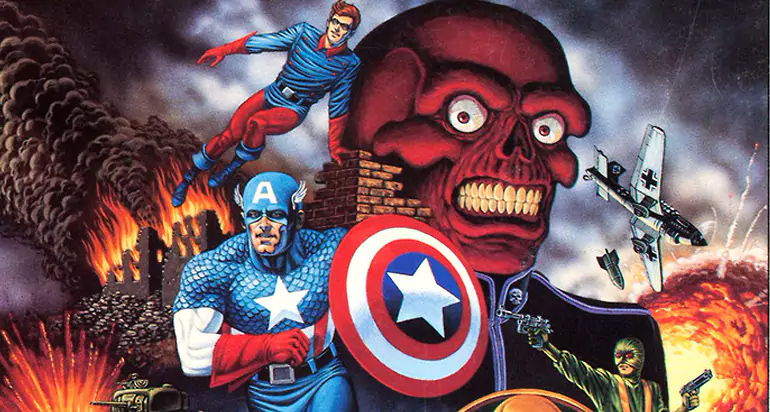
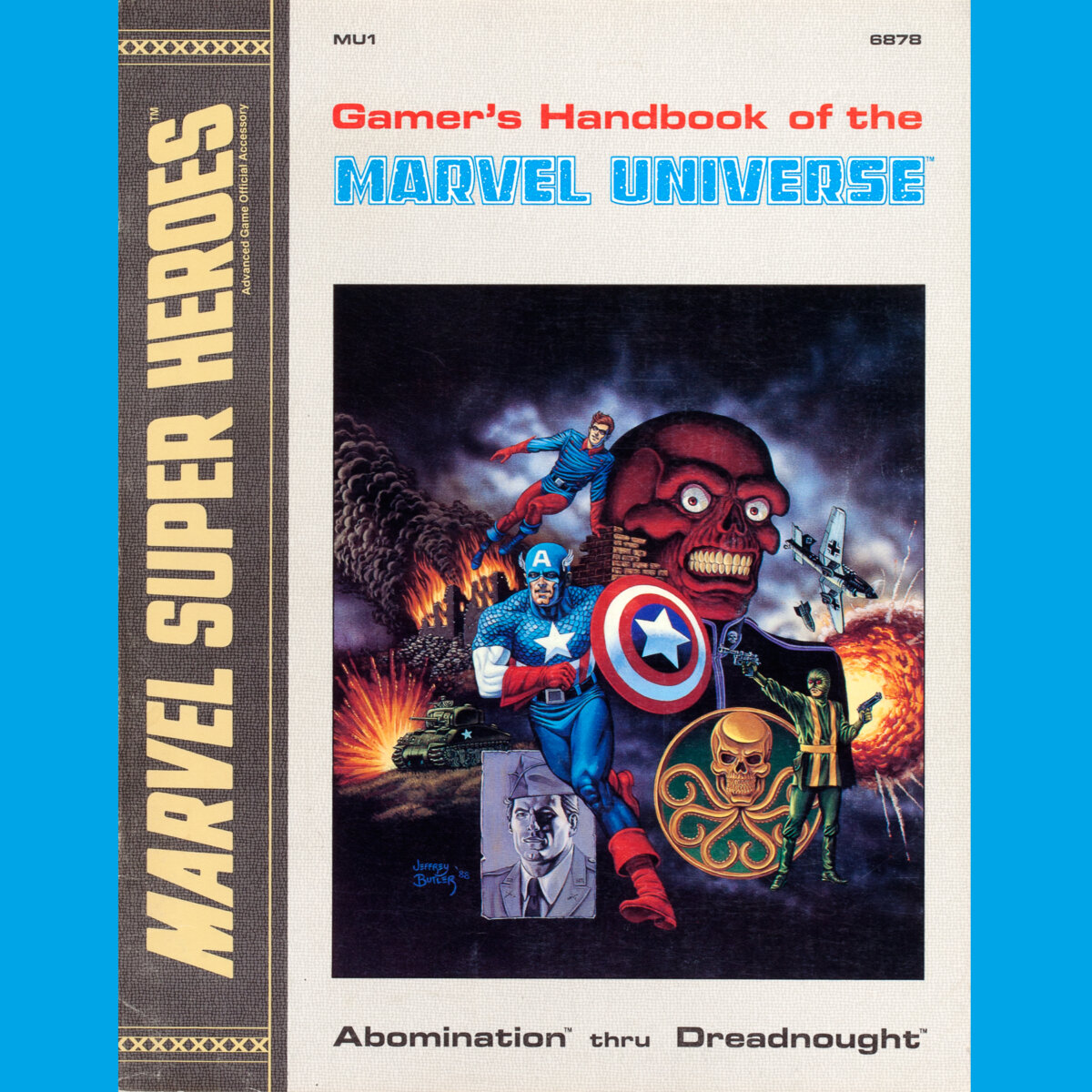
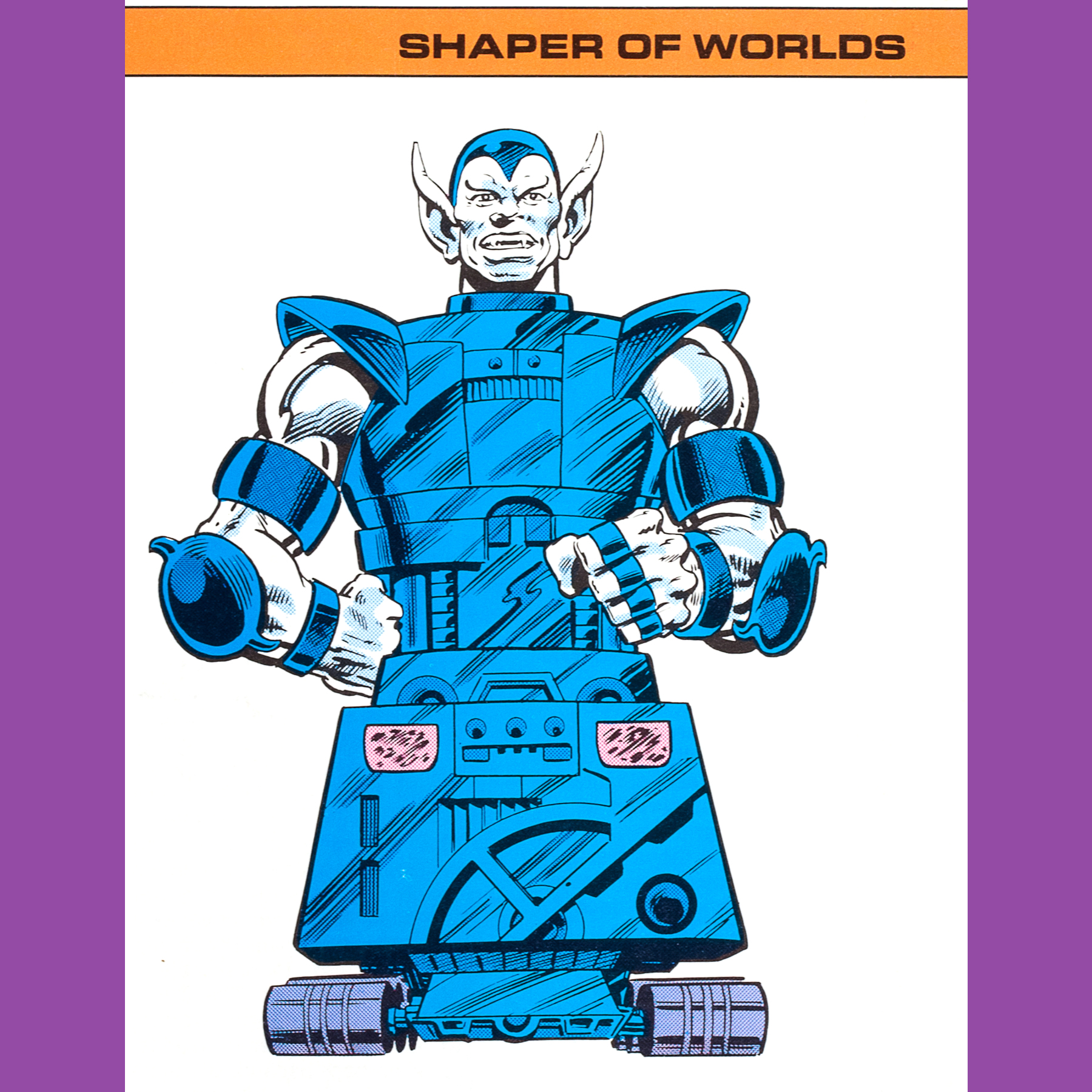
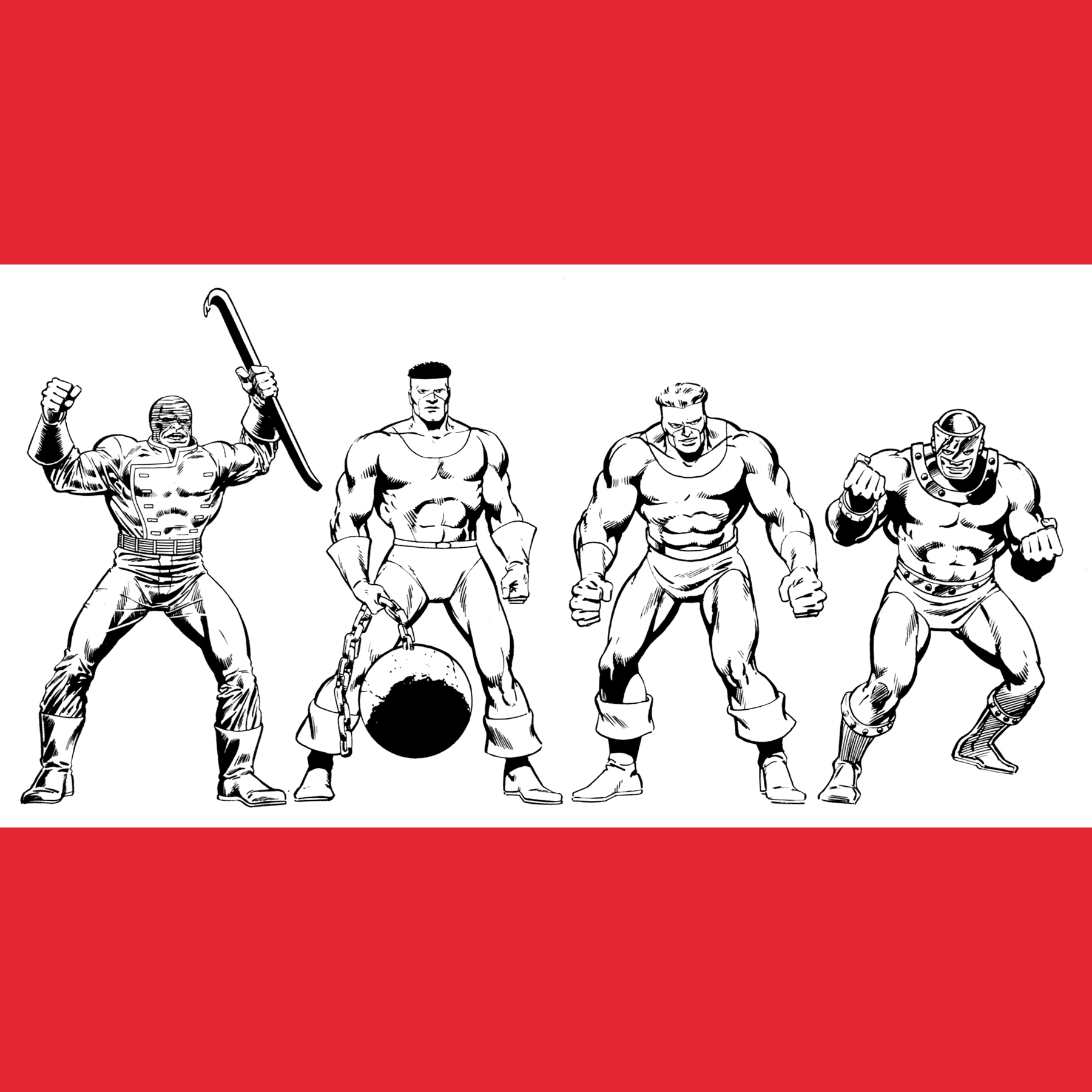
I love these books. This is the first volume of the Gamer’s Handbook to the Marvel Universe (1988), for TSR’s Marvel Super Heroes RPG — Abomination thru Dreadnought. When I got copies of these in 1989, I already had a bunch of D&D books, but I didn’t really understand how to play (or have anyone to play with). These books, though, hooked into my newfound interest in Marvel comics and, thanks to the accompanying attribute lists, fed into the inevitable “who would win in a fight” conversations at the comic shop, or sitting on the stoop or wherever me and my friends were idly spending time. Seeing attributes contribute even obliquely to those conversations went a long way toward helping me figure out the Marvel RPG and, soon after, D&D itself. Neat!
Anyway, these are essentially a four-volume encoding in RPG terms of the Marvel universe circa 1988. Important characters and jobbers and innocent bystanders alike. Even now, it seems like a massive undertaking requiring a pretty deep appreciation of the source material. Weighing in at about 1,000 pages across the four volumes, it is nearly three times the length of the Marvel Encyclopedia from DK, and that isn’t even taking into account the four annual update books. |
| |
|
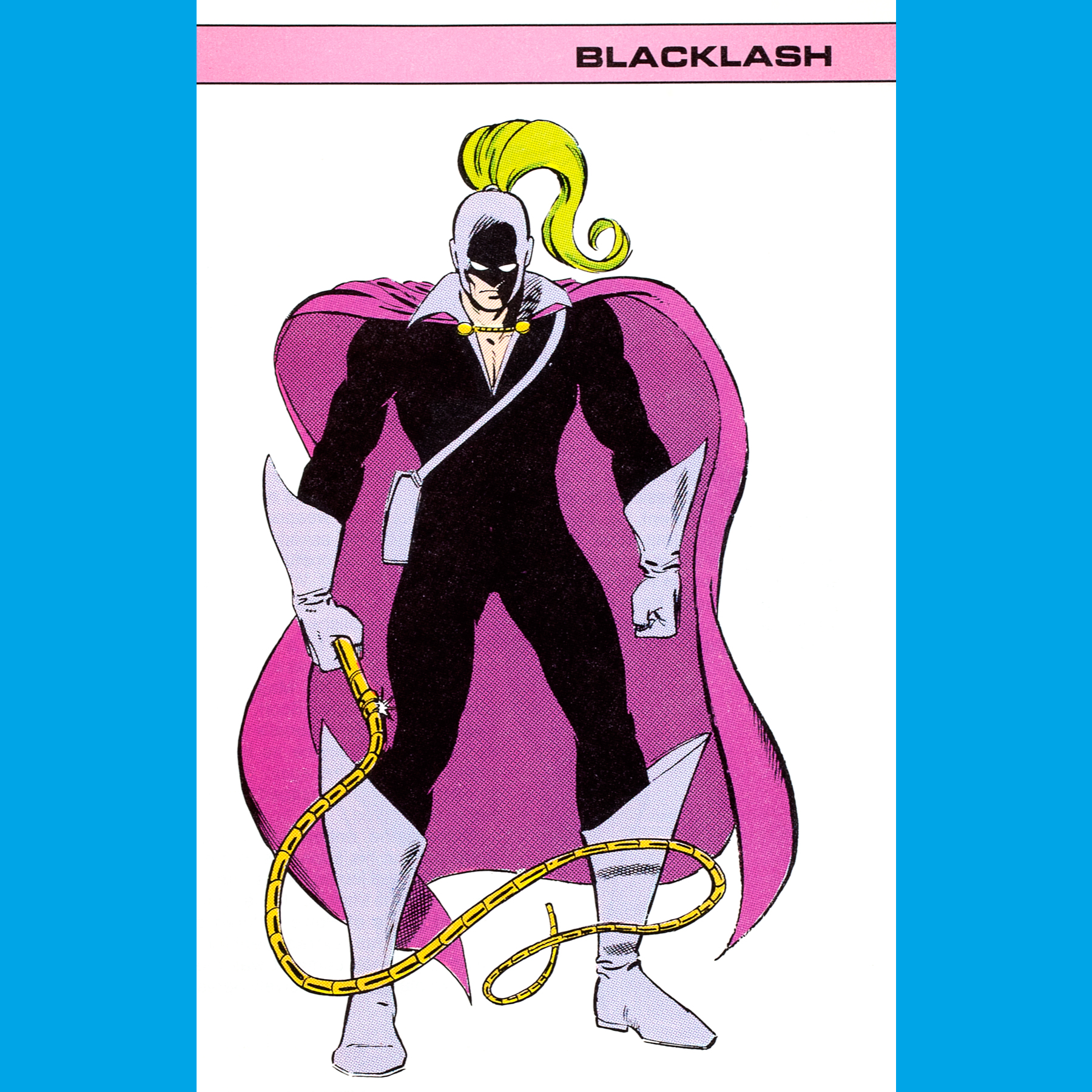
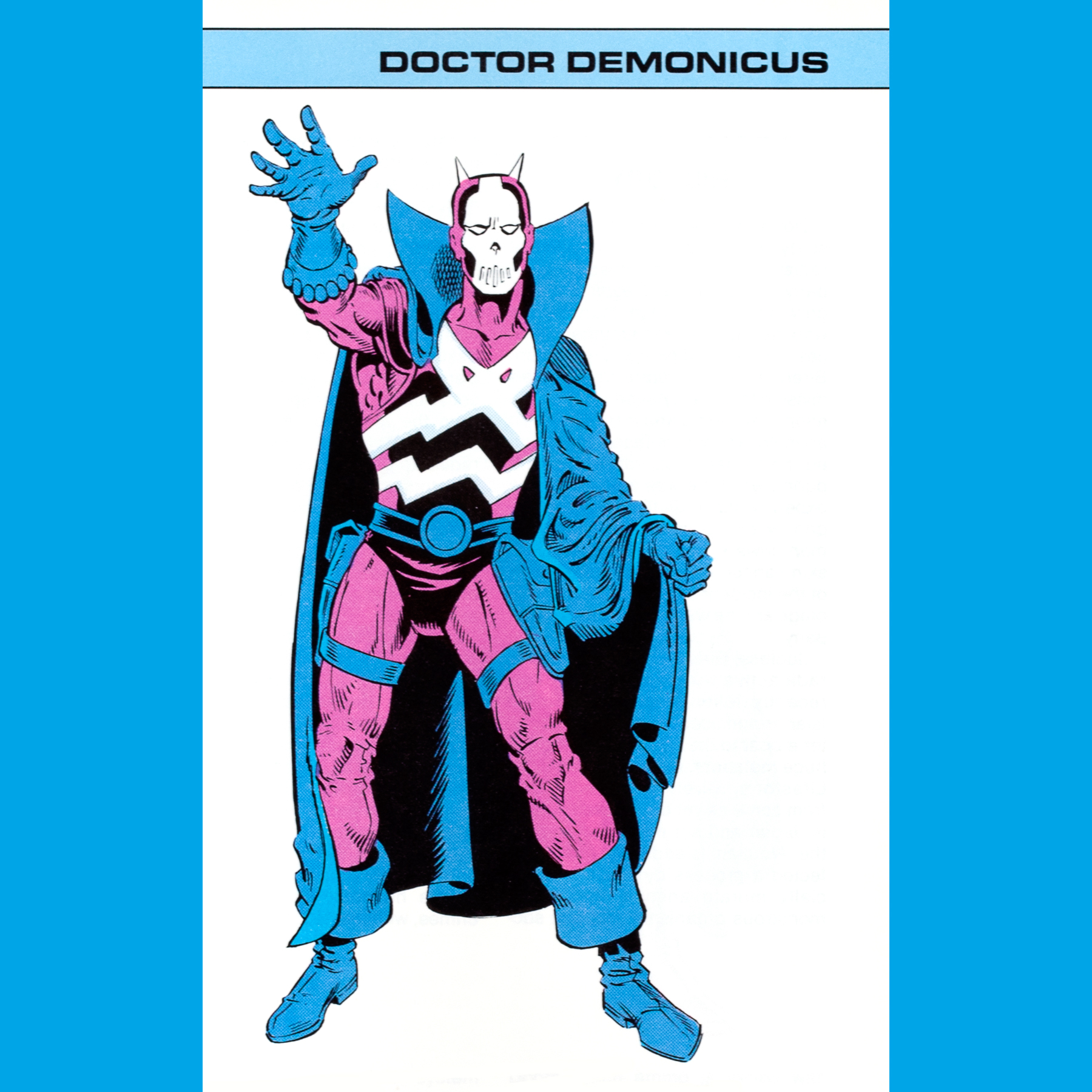
These books, encyclopedic though they may be, are not entirely original. Much of the material, including the big full-color model sheet illustrations, originated in the Official Handbook of the Marvel Universe series of reference comics. This was a deeply confusing line (and collection of sub-lines and one-shots) that ran in different formats from 1982 through 1993, then again in the aughts. The original 15 issues were comic sized, with distinctive wrap-around covers where a mass of characters on a white background were walking left to right. That run included a book of dead characters and a book of tech. The second series ran 28 issues and was updated and reconfigured and also included Marvel’s licensed characters, like GI Joe. The ‘90s version switched formats to three-hole punched comic-sized cardstock sheets with custom binders. There are 36 of those and I suspect they took their cue from the format of the TSR books.
That was a mountain of source material for the RPG. I can’t imagine processing it all. Or owning all the Official Handbook issues — the worst thing about them was the fact that it was so difficult to get them all out of the back issue bins. Or the crummy printing. Maybe that was the worst thing about them.
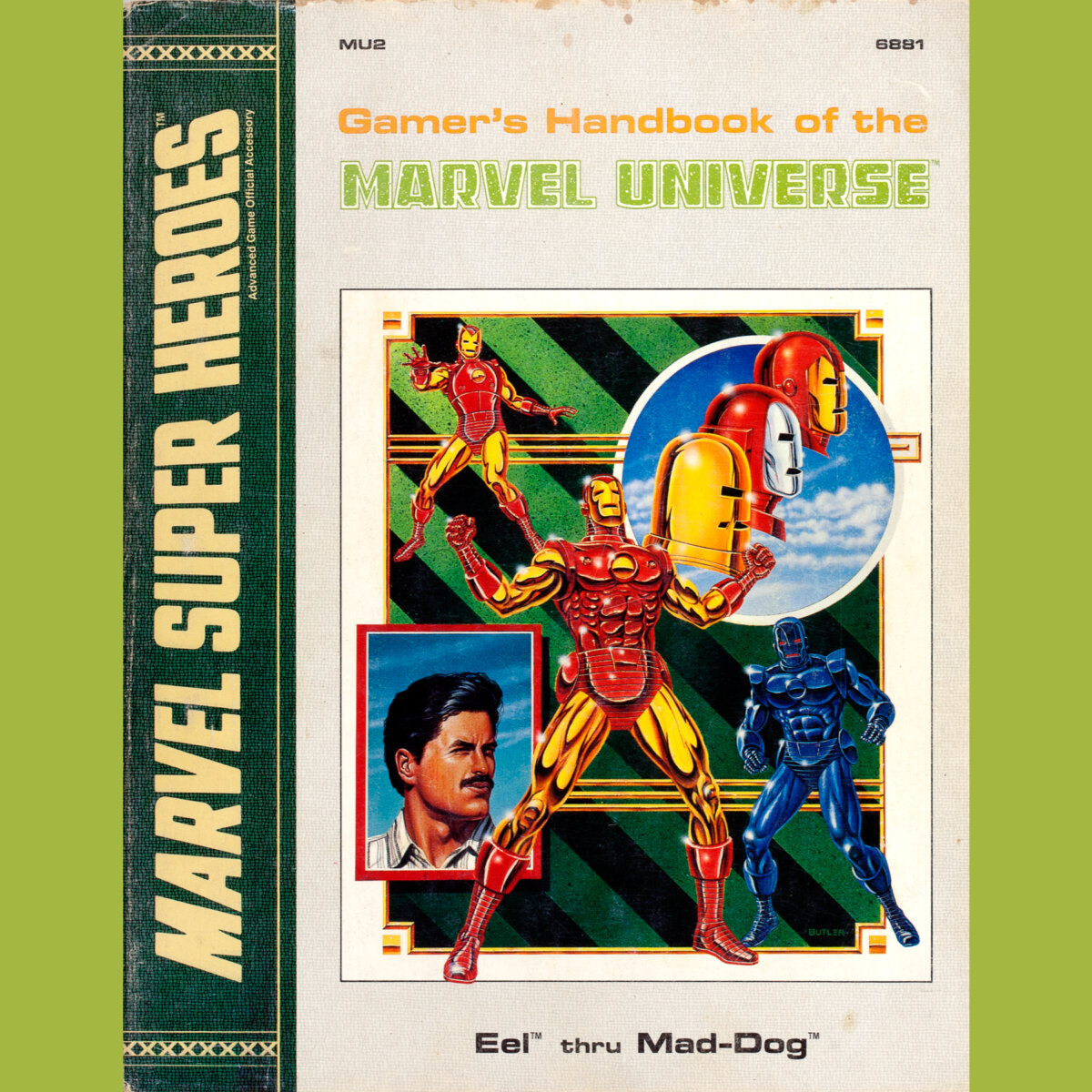
Anyway, this cover makes me laugh for some reason. So many Iron Mans! Also, this volume has Hobgoblin in it, so it is probably the best one. |
| |
|
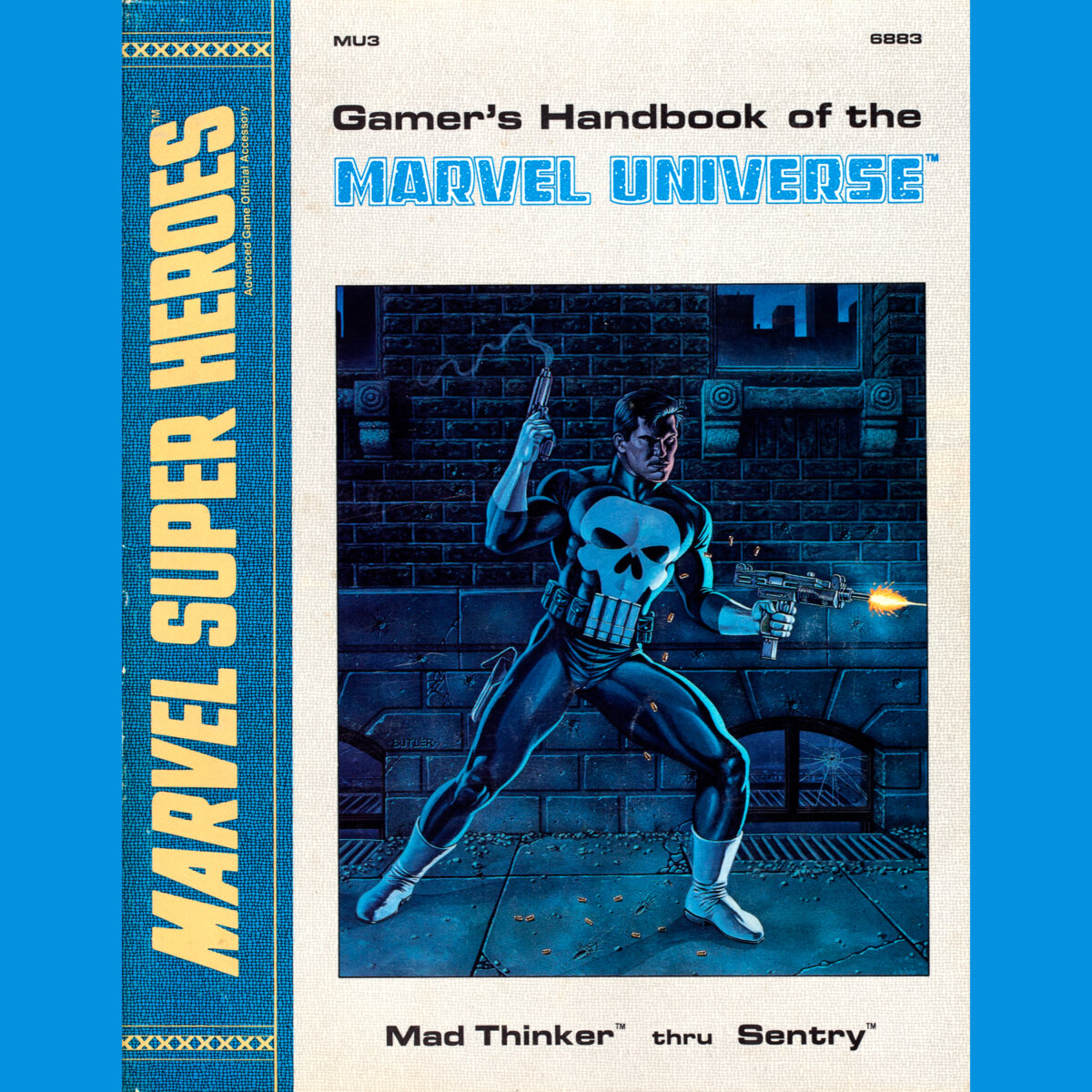
Volume three of the Gamer’s Handbook of the Marvel Universe — Mad Think thru Sentry (1988)(no, not that Sentry) has the Punisher on the cover. I like Jeff Butler’s super clean style here and elsewhere in the Marvel Super Heroes line, it suits the not-yet-over-the-top-gritty tone of the comics of the era, mostly. The fact that Frank Castle gets a cover all to himself does say something about the state of the comic world in 1988, though it is slightly hard to take Butler’s version of the character all that seriously.
Anyway, these books are collections of looseleaf, bound together with a strip of removable glue and sold in a folder cover. I lost my original copies a long while ago, and for a long time, my replacement copies were bound, but lacked the folder cover (except volume one). It took so long to find replacements! Between the easily lost covers and the natural attrition of looseleaf pages over time, these have become a bit hard to come by, unfortunately.
Durability aside, looseleaf was an attractive form factor at the time for TSR. The very next year, the D&D Monstrous Compendium would come out in its own binder. I can’t help but wonder if these books were a trial run for that. |
| |
|
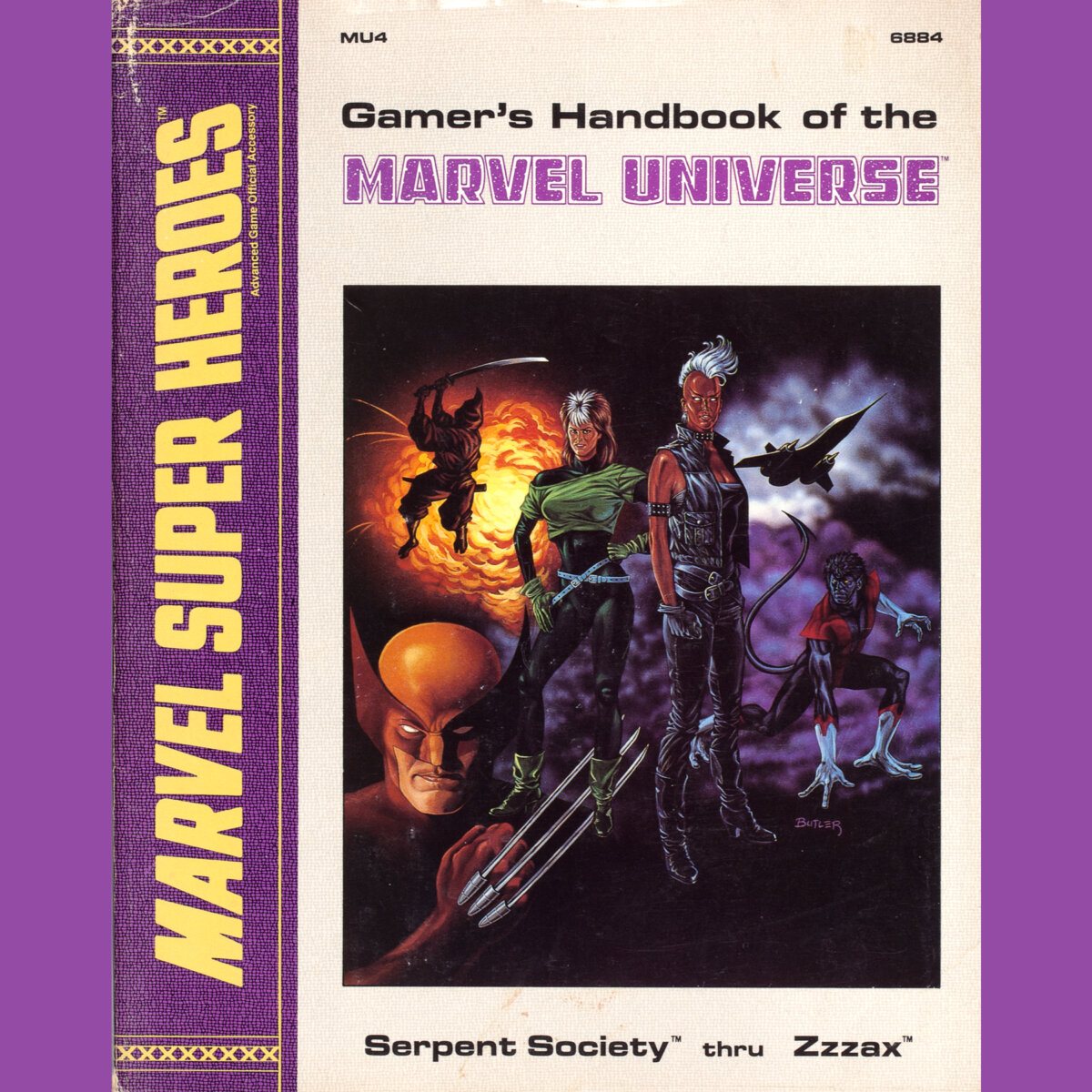
Volume four of the Gamer’s Handbook of the Marvel Universe—Serpent Society thru Zzzax (1988) is the last of the main group of books. They were followed by four annual updates (‘89, ‘90, ‘91 and ‘92), which noted the major story lines, costume changes, deaths and first appearances. All told, these books amount to a clear accounting of five or six years of Marvel comic history. They’re a fascinating time capsule, given their publication on the threshold, then across that threshold, of big changes in the comic industry. But I mostly just like them because they remind me of being a kid.
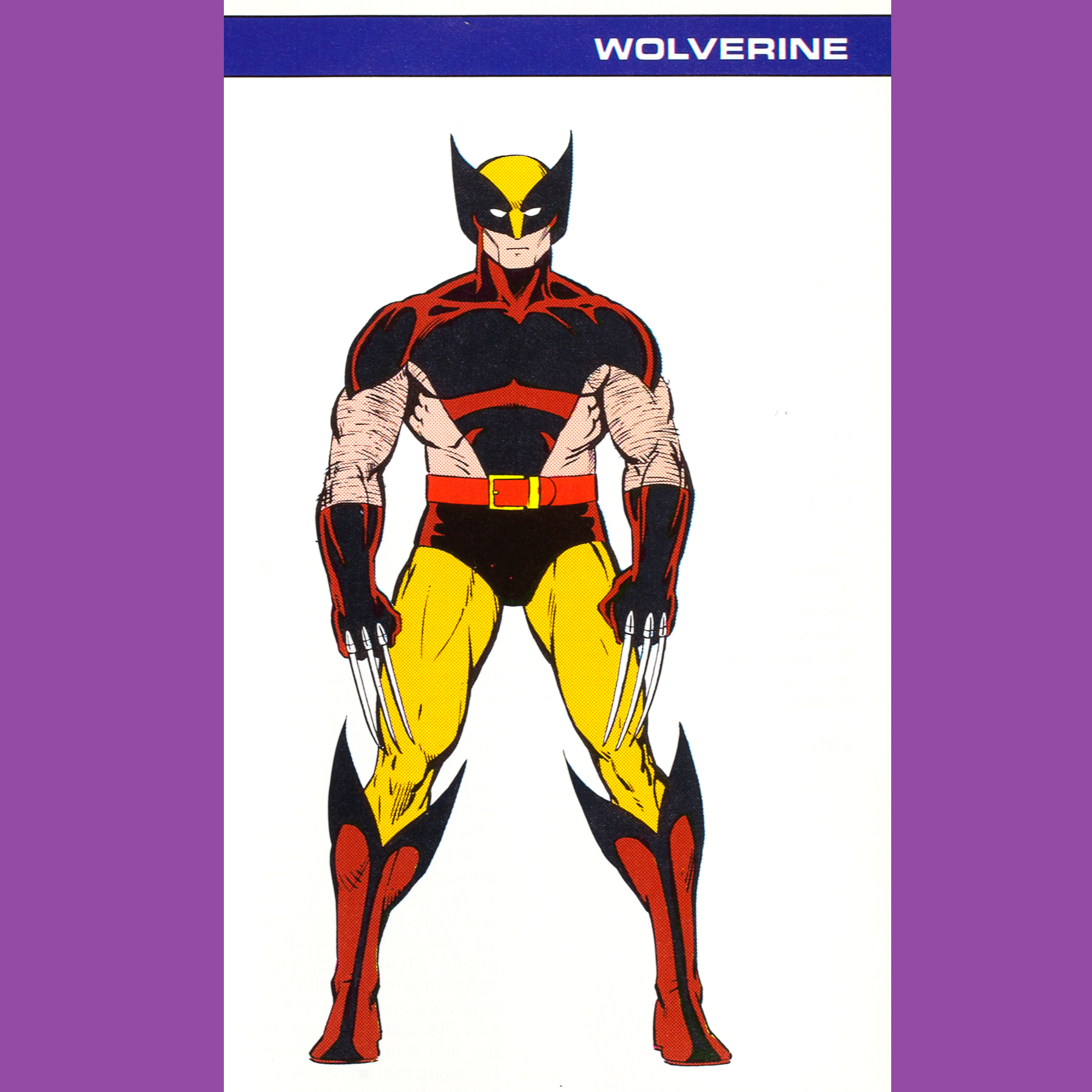
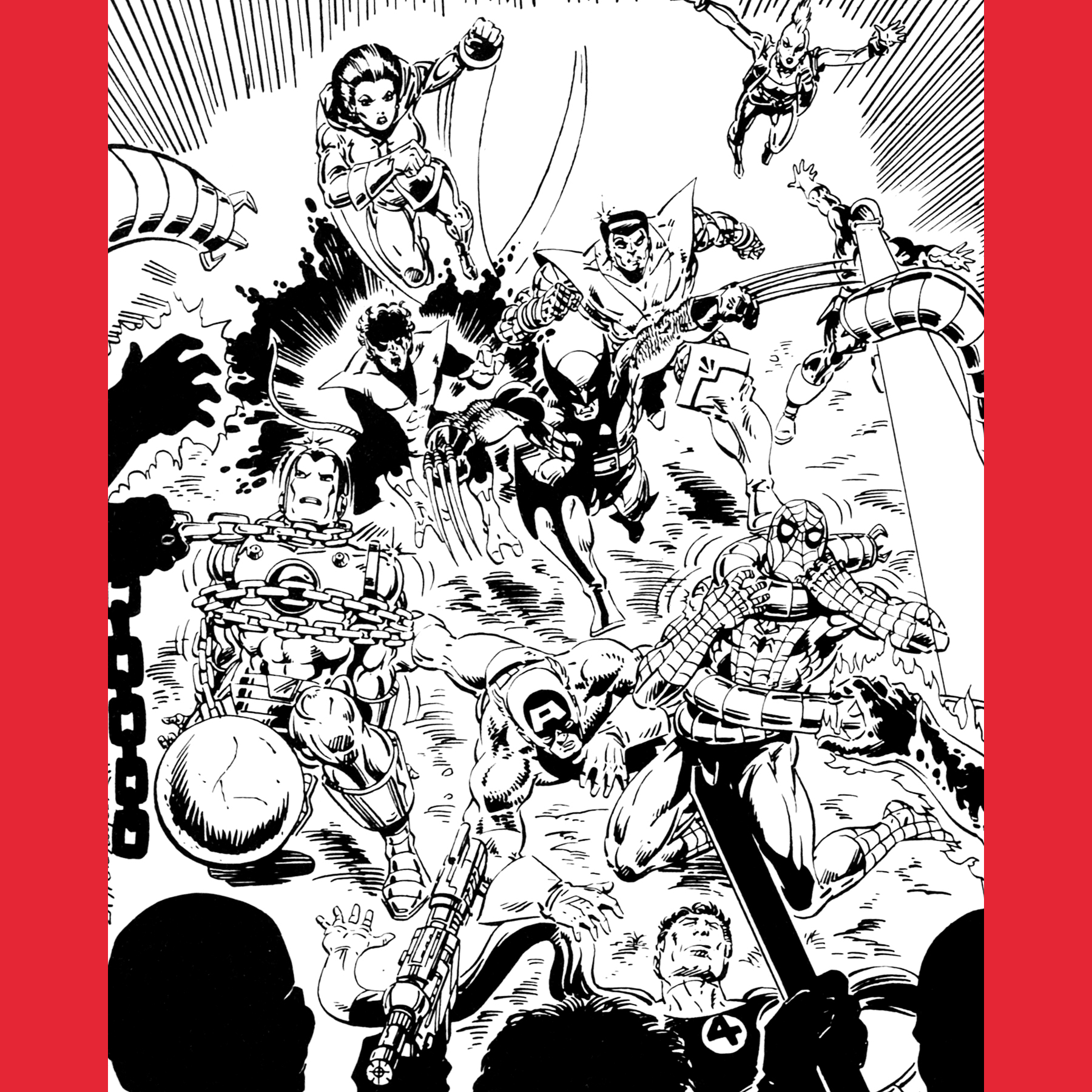
X-men on the cover, which seems like a given. Wolverine was starting his trend of appearing in everything right around then. Also, punk rock Storm forever. |
| |
|
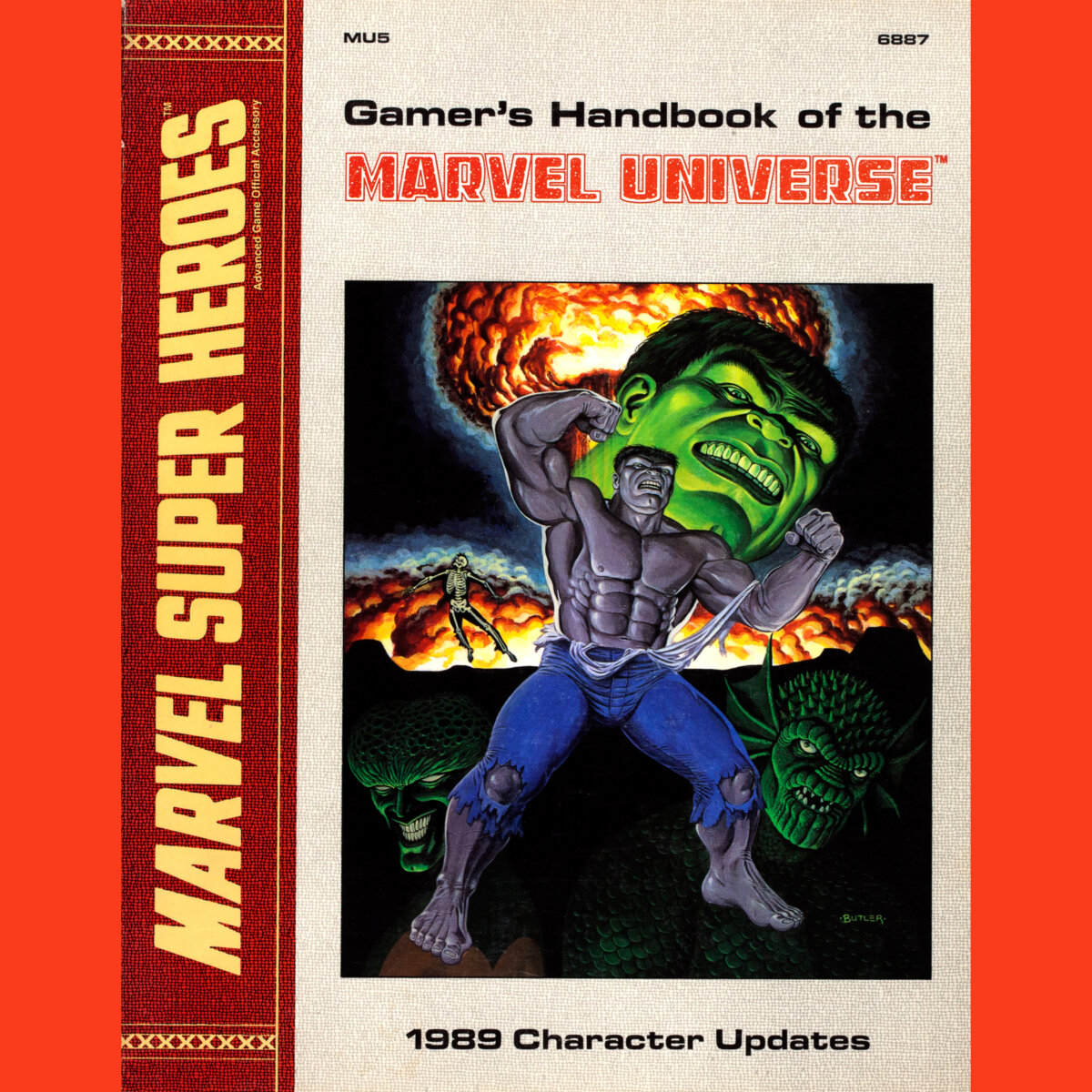
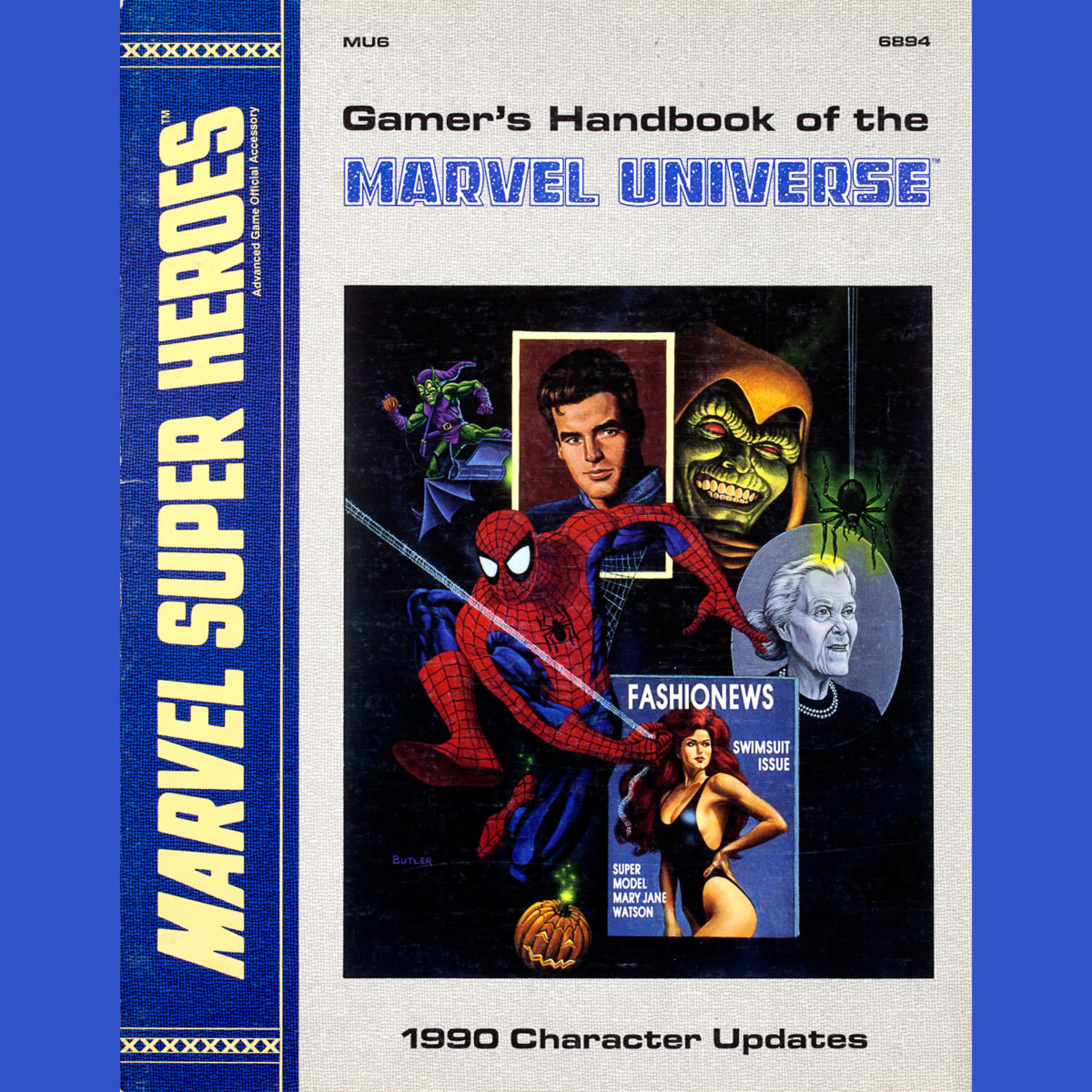
The school year is winding down and summer vacation is on the horizon, so I am once again pulled back to 1988, my early days of discovering comic books and my fixation on the Gamer’s Handbook of the Marvel Universe for TSR’s Marvel Super Heroes RPG. The original set of four released in 1988, alphabetically listing a gigantic slice of characters from the Marvel universe, in alphabetical order, featuring full-color model sheets, on loose leaf paper for maximum convenience. You got histories, powers, the whole nine. And because the Marvel comics universe was alive, beginning in 1989, additional Character Update volumes saw release.
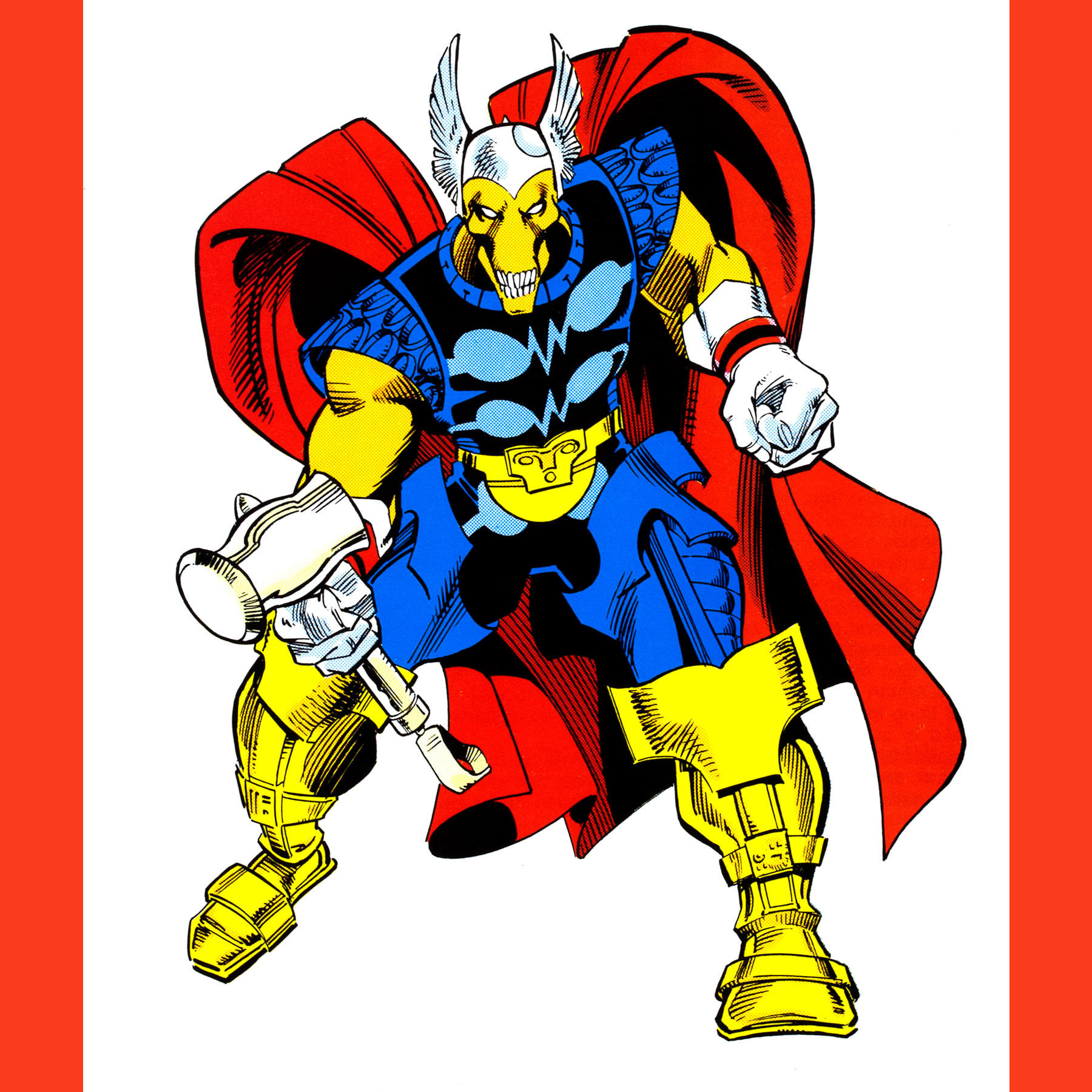
This is the first, and largest, of the Updates. The majority is new characters, most of them losers and second-rate villains who appeared in an issue or two, like Meteor Man. I love those folks best, probably. There is a little bit of catch-up, too, fitting in folks like Beta-Ray Bill and Prowler who didn’t make it into the primary reference. Some marquee debuts, too, like Venom and the X-Babies (lol).
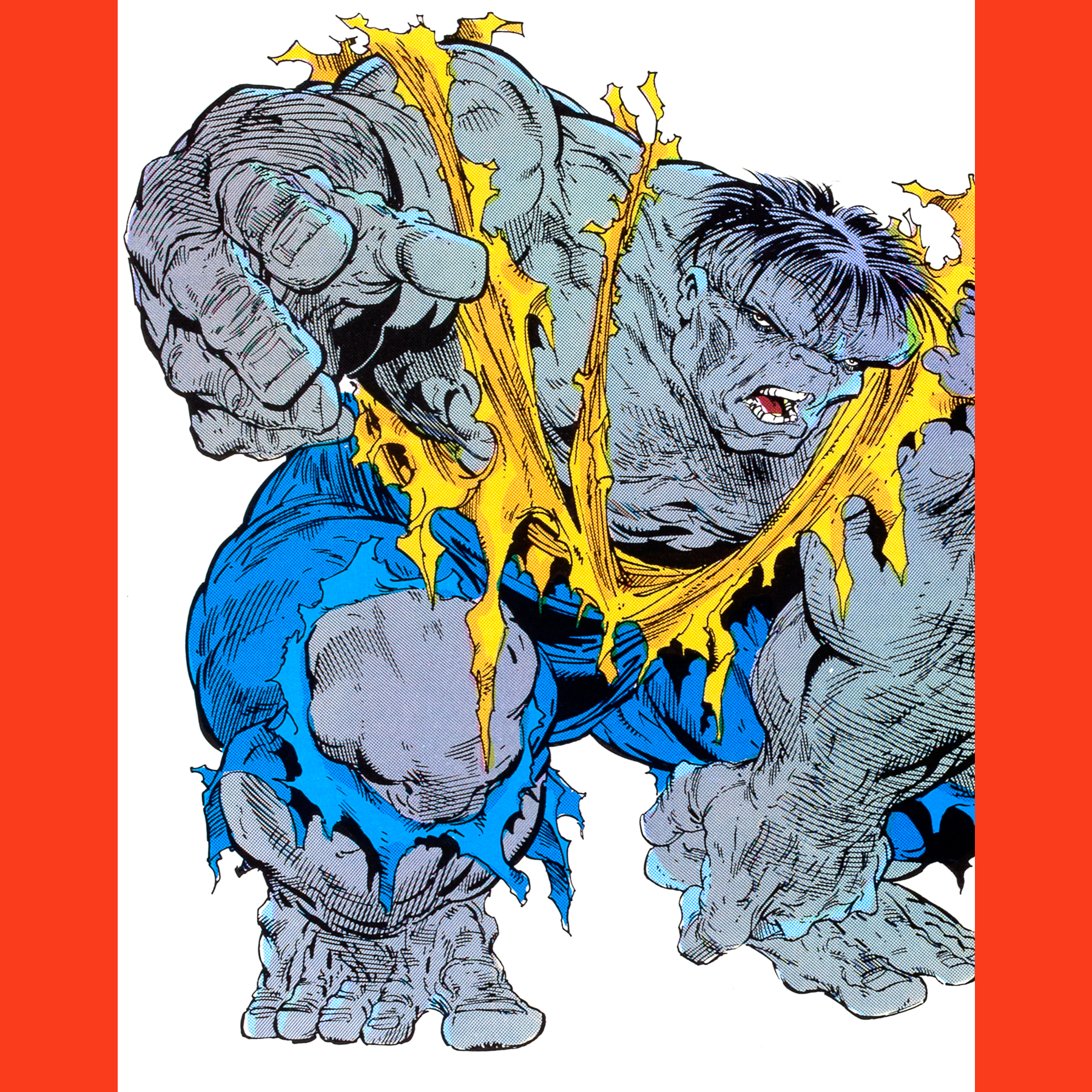
Then there are the storyline updates. Hulk turned gray, Inferno was bedeviling the X-folks, Armor Wars was wrapping up. All these events and more needed to be accounted for in the RPG, and so they were. It’s this stuff that makes these books an unparalleled resource for the history of the Marvel universe at that moment in time. |
| |
|
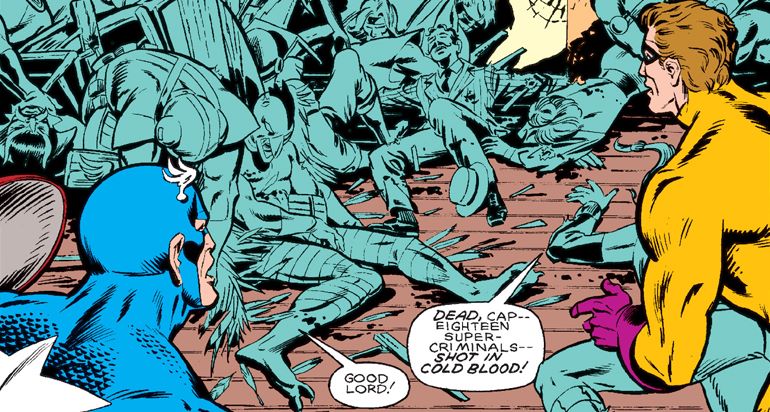
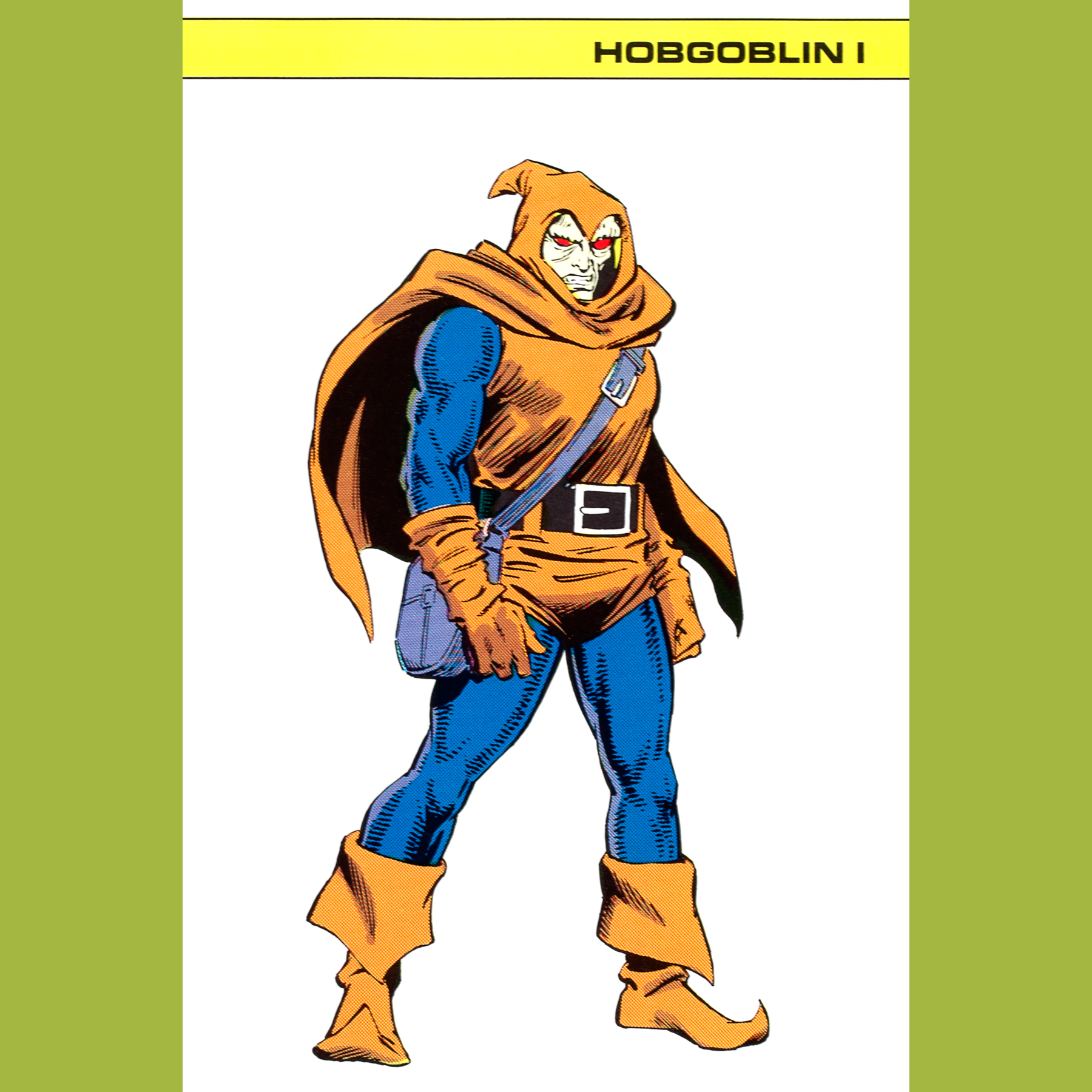
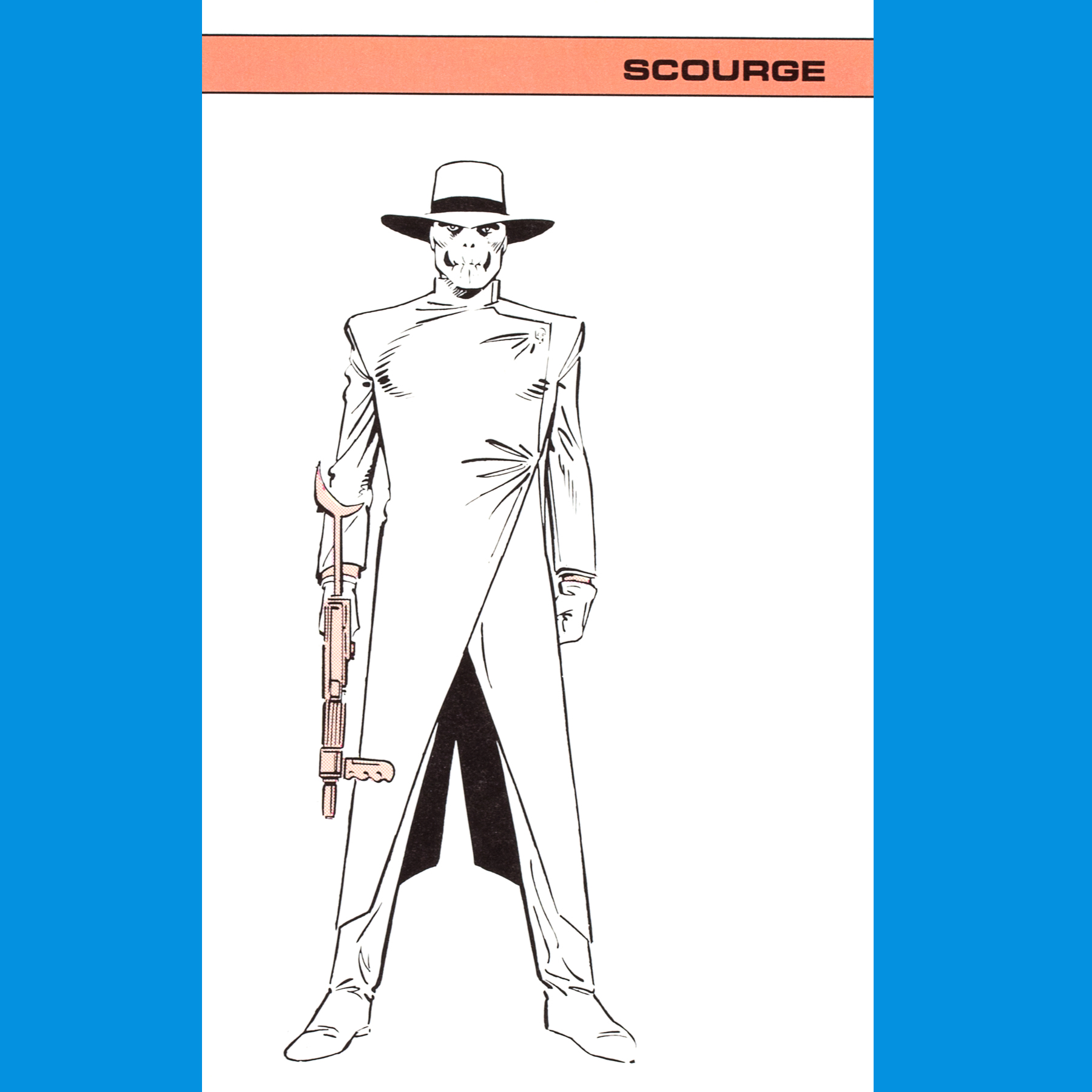
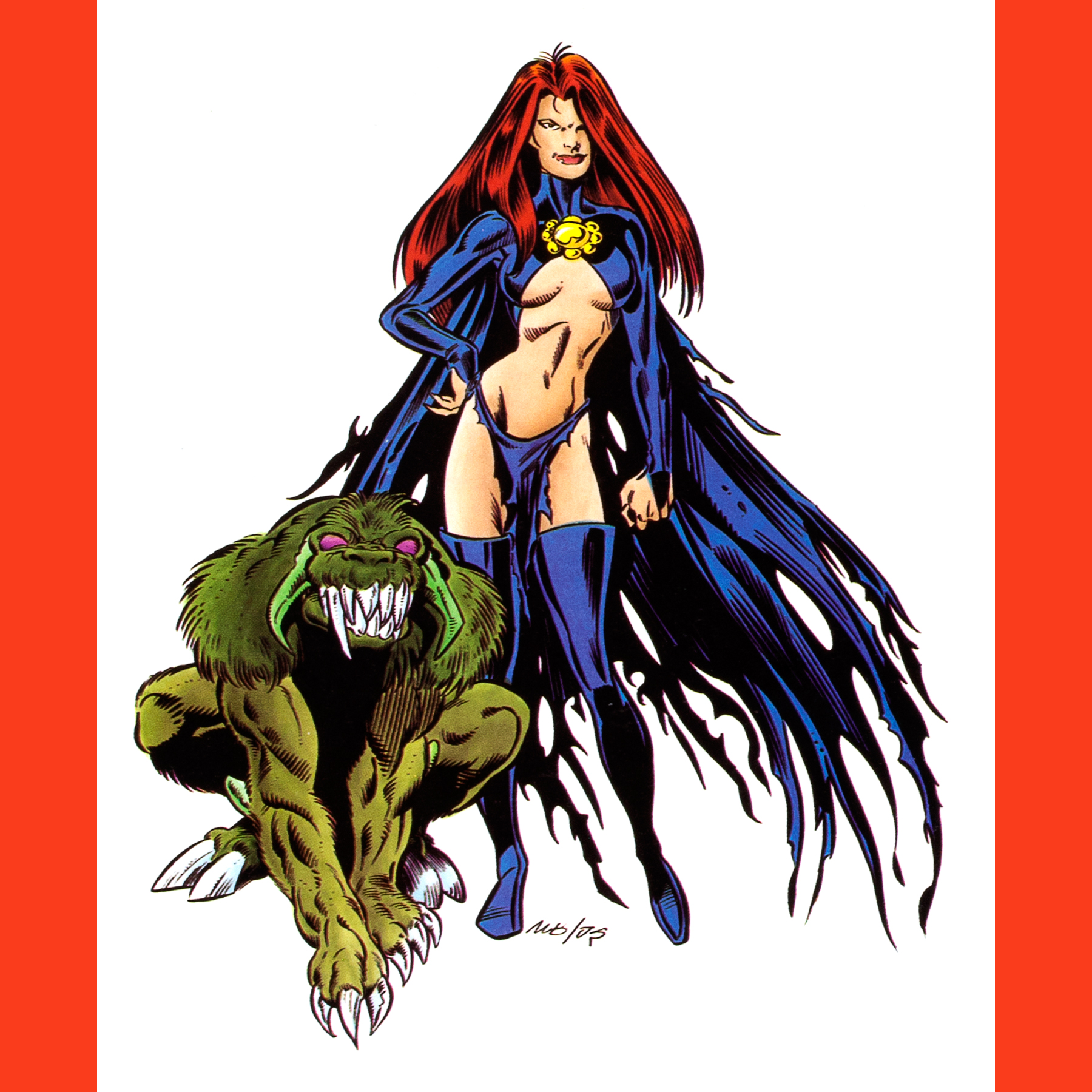
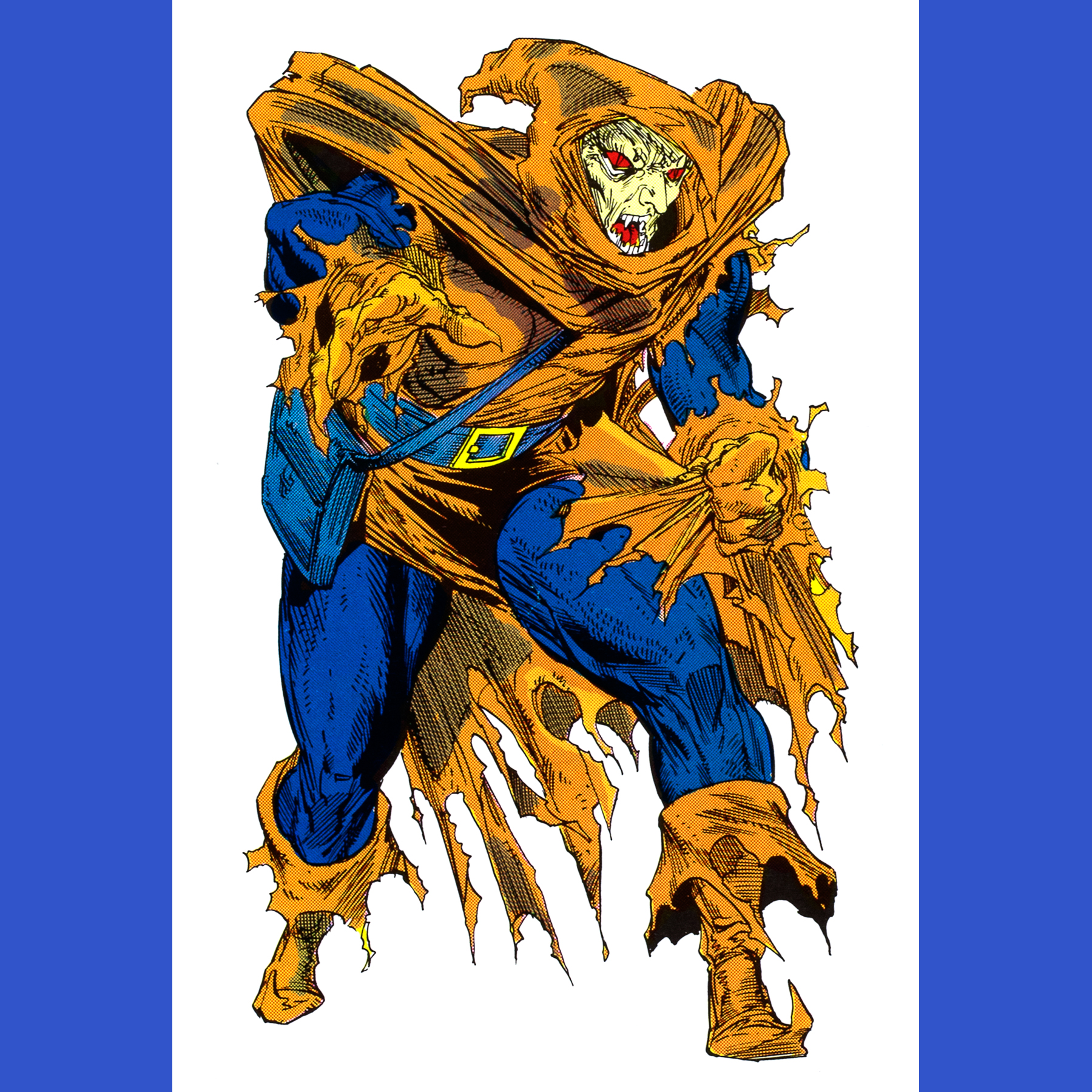
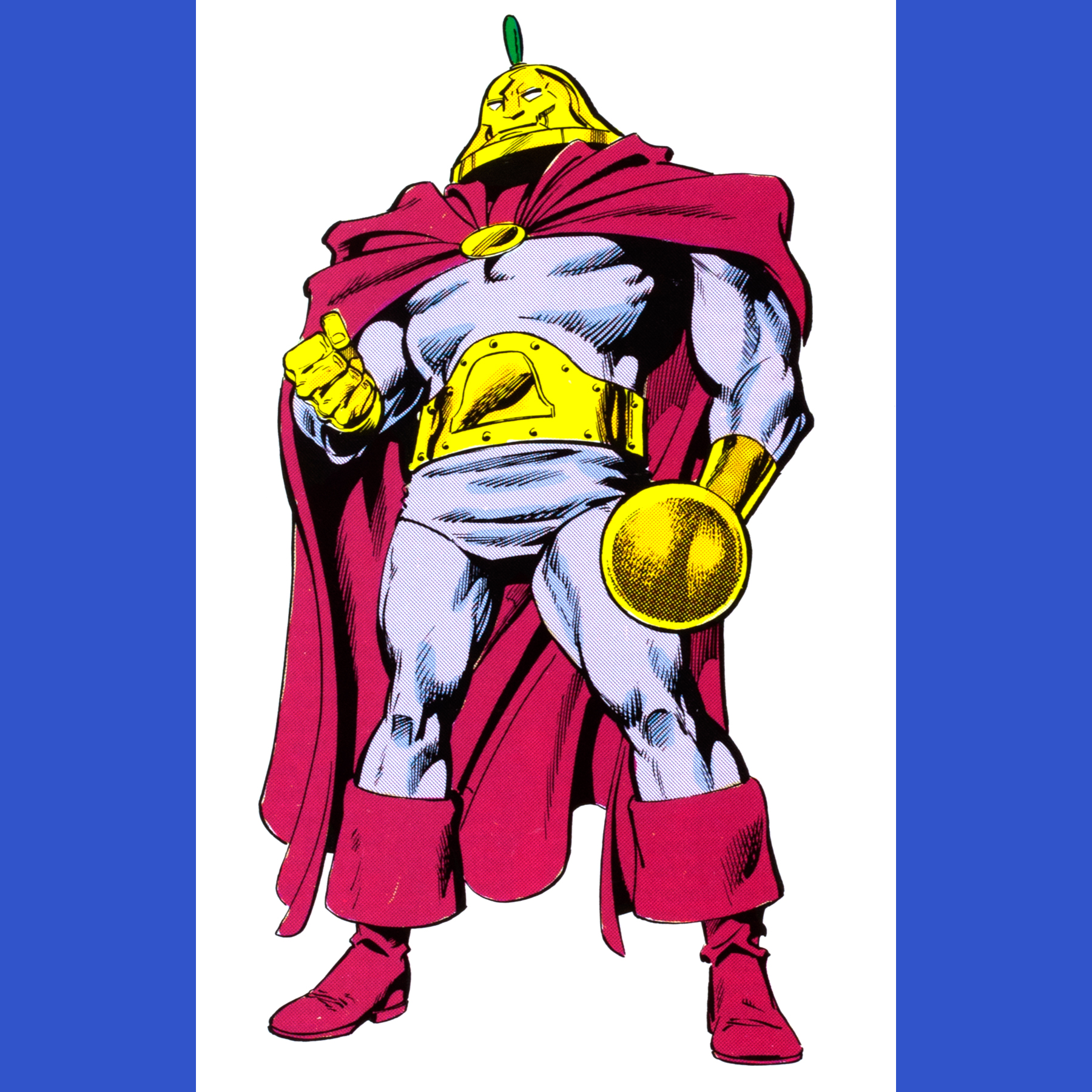
The 1990 Character Updates of the Gamer’s Handbook of the Marvel Universe is a good one. It’s still playing catch-up, and it is doing it for one of my favorite Marvel storylines — the Scourge and his murder of low rent supervillains at the Bar With No Name. Most of those losers didn’t appear in the original four volumes, so a bunch pop up here (years after their deaths, but whatever). The demonic Hobgoblin also emerges from Inferno in these pages, which I’m here for. Death’s Head gets an entry. Death’s Head! Daredevil’s Gladiator, The Rose and Doctor Bong also debut. Haha, Doctor Bong. No, not that kind of bong. |
| |
|
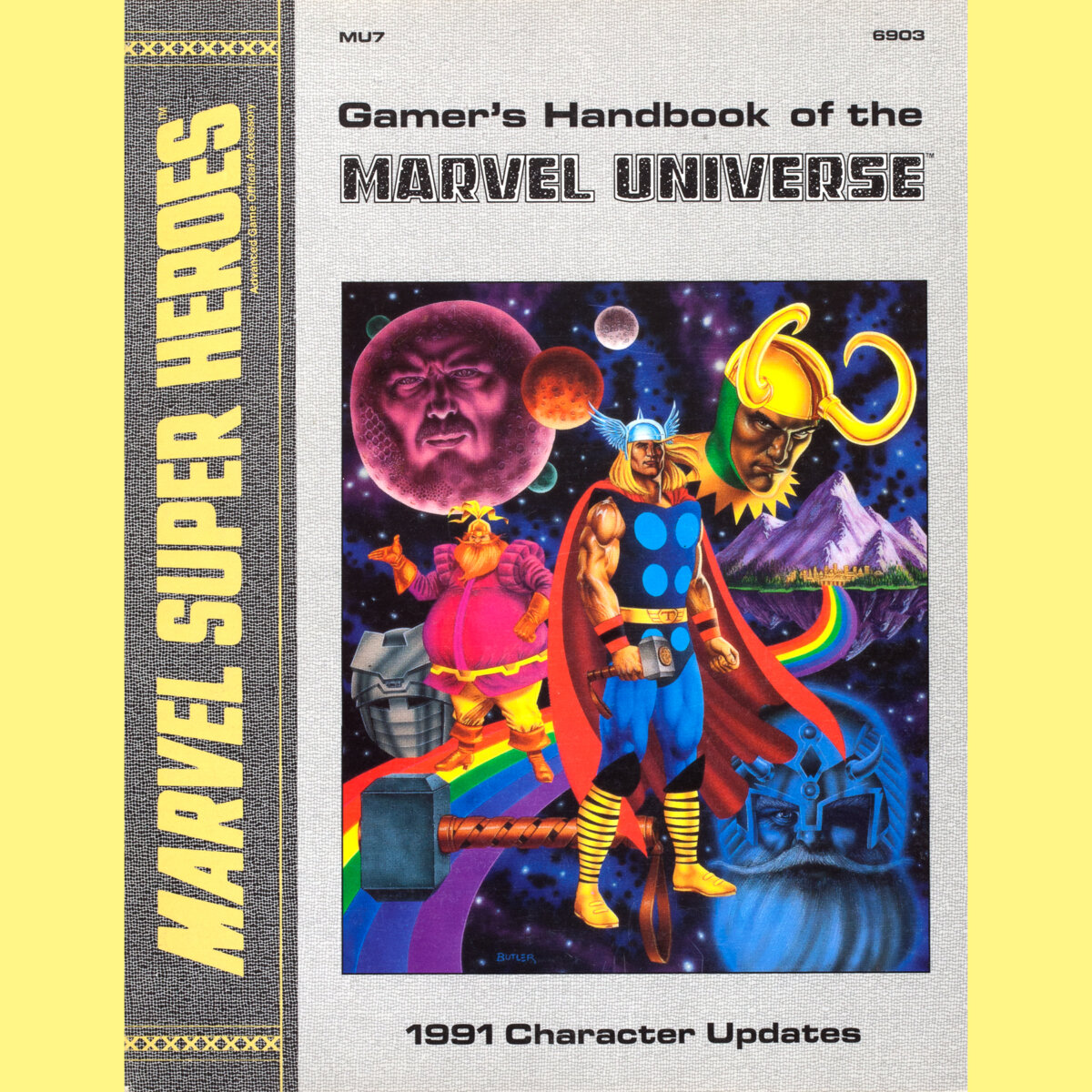
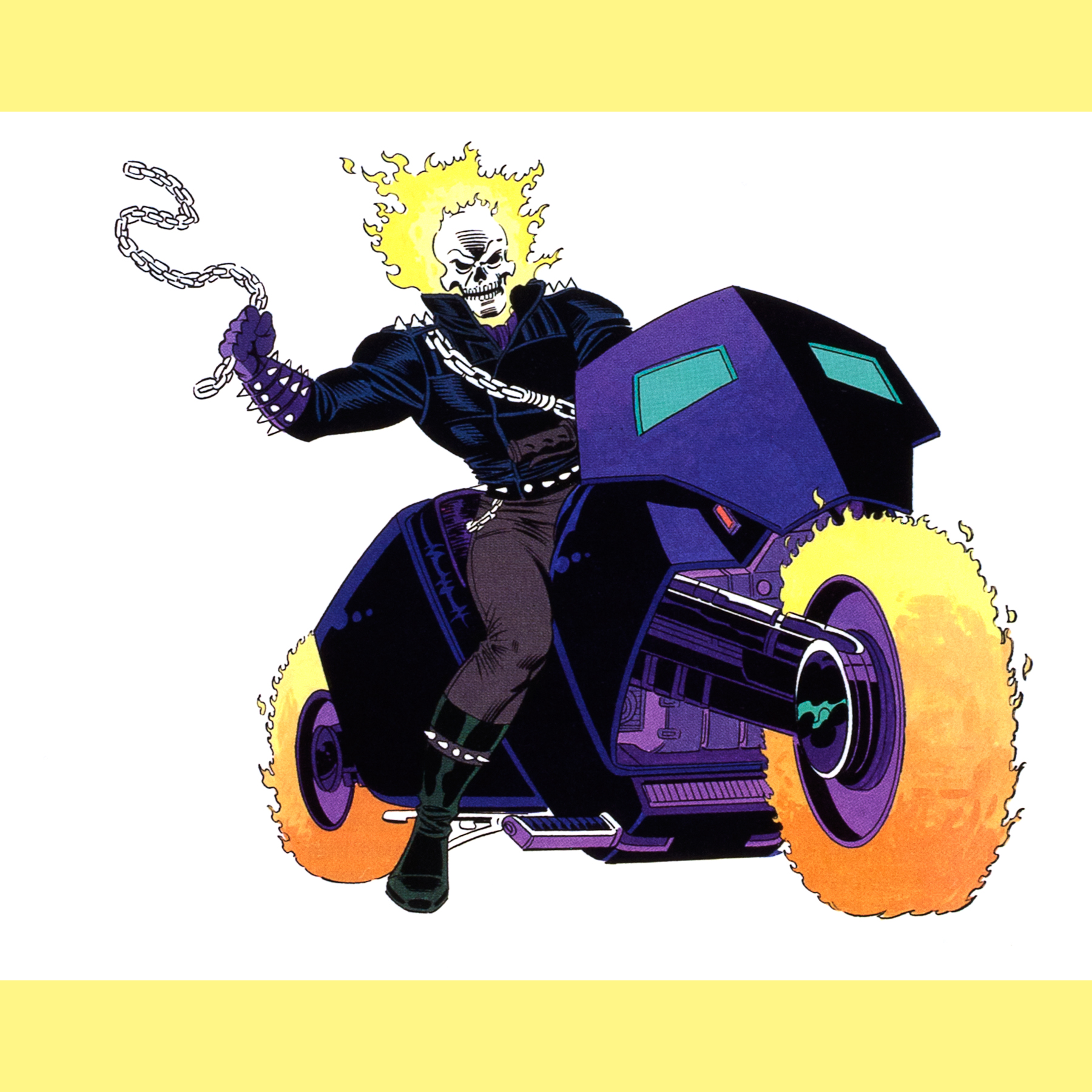
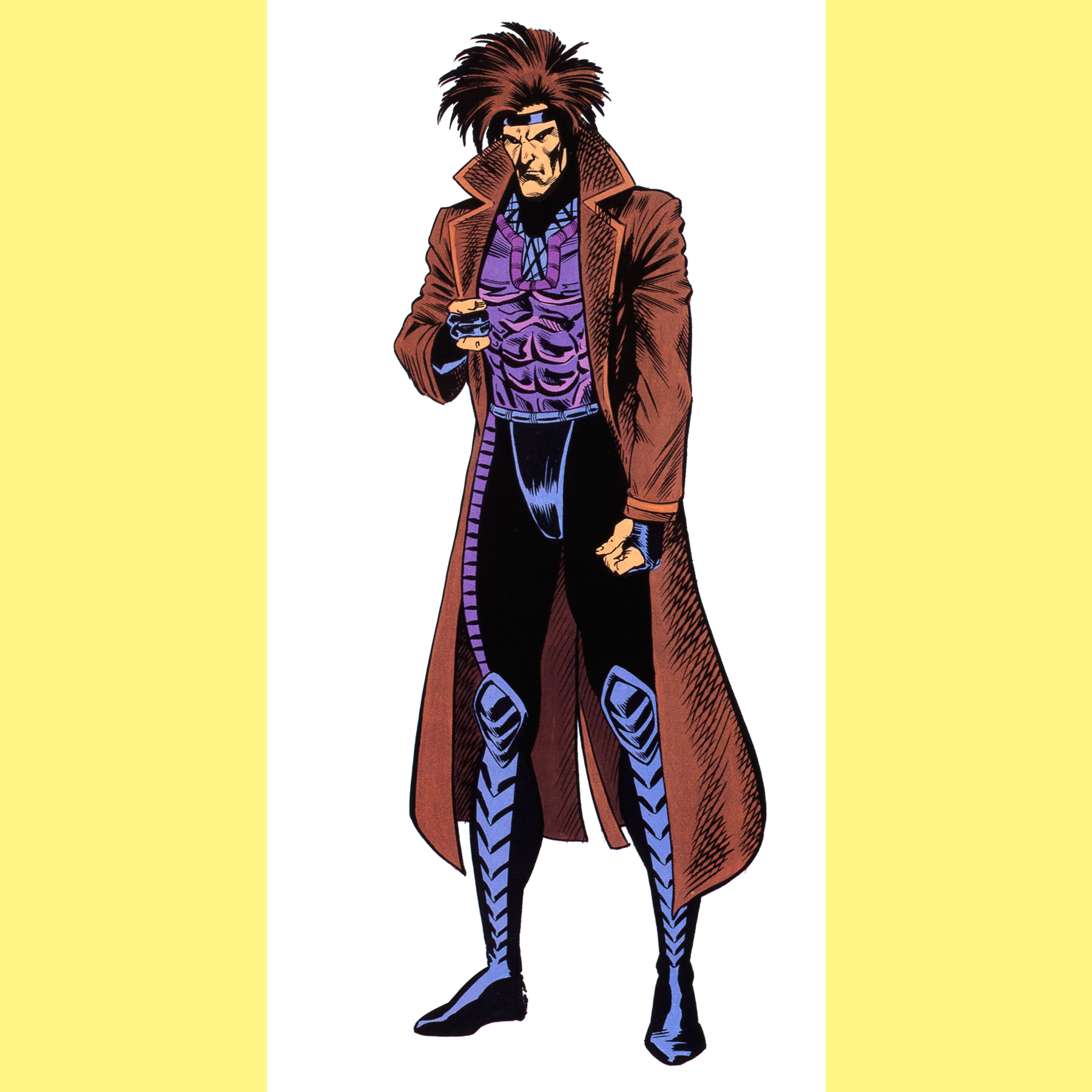
Love that the 1991 Character Updates to the Gamer’s Handbook of the Marvel Universe has Thor and Asgard stuff on the cover, because that was definitely the most important thing going on in Marvel comics that year. Not, like, the massive shift in the X-books where characters like Cable, Gambit and the Mutant Liberation Front first showed up, or the introduction of the new Ghostrider. Catching up continues, with a bunch of entries focusing on Set and the Serpent Crown, a crossover event that played out in Marvel’s 1989 annuals. It’s weird seeing the then new school and old school side by side in this book. |
| |
|
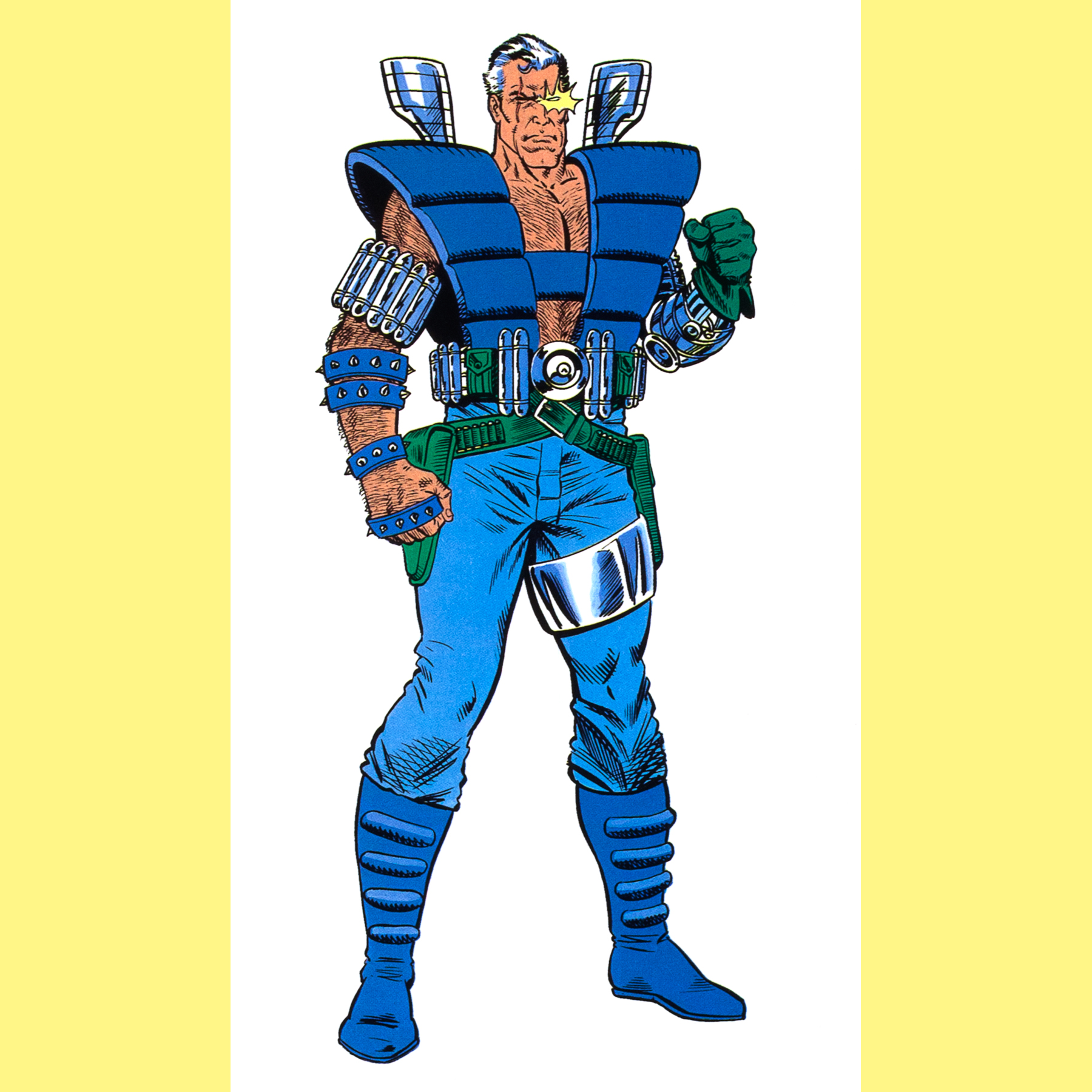
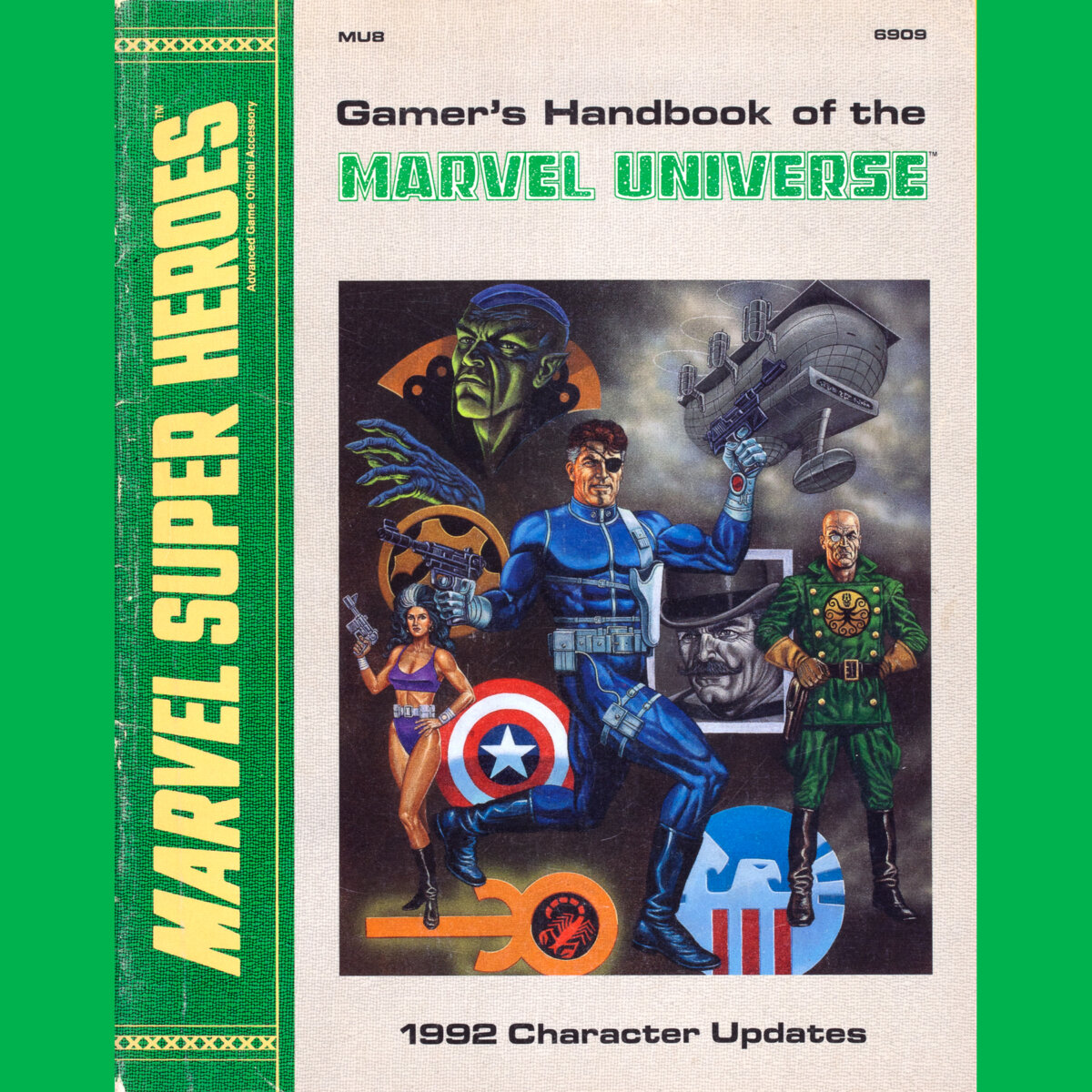
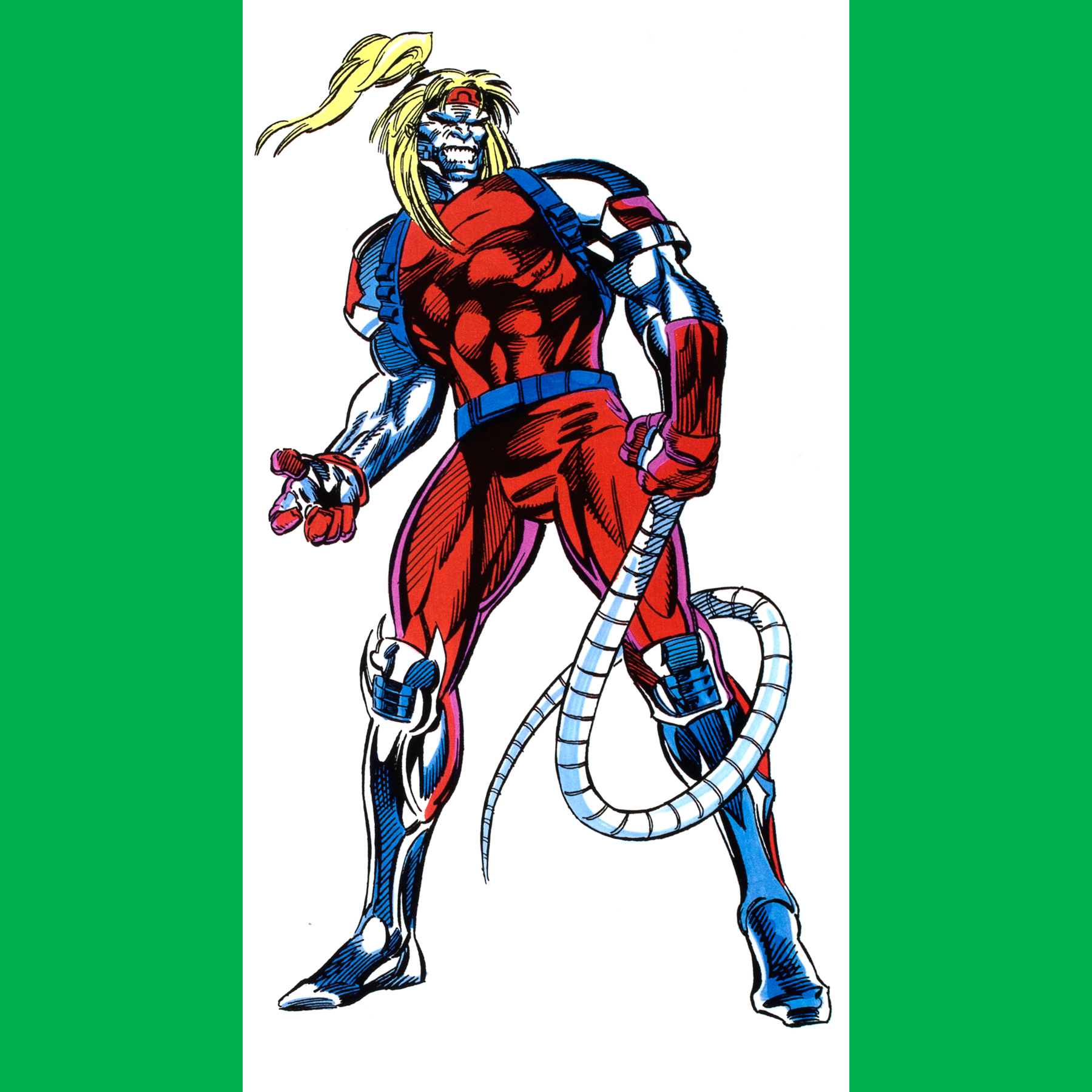
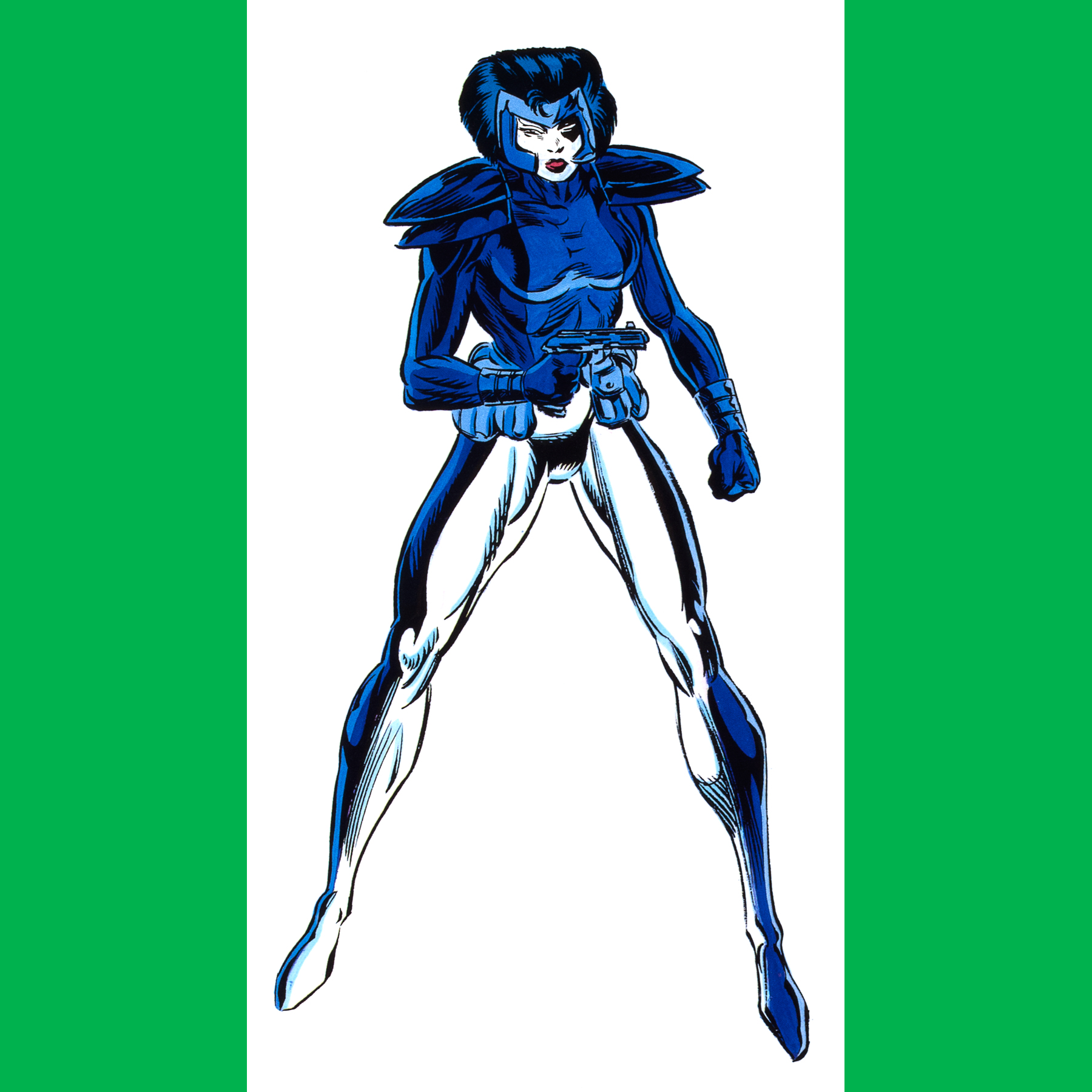
By the 1992 Character Updates for the Gamer’s Handbook of the Marvel Universe, the paradigm shift was nearly complete. Nearly all the art in the book, and most of the new characters for sure, reflect the dominance that Rob Liefeld during this time. Everyone has weird long legs and distorted proportions and pouches. Bishop and Omega Red and Shatterstar, woof. It looks horribly dated now, but then, I dunno, I can see why this was the last volume, and why the Marvel Super Heroes game faded in the wake of this — one was fresh and new, one felt old and dusty. Nick Fury is on the cover, for Pete’s sake! RIP, I guess. It was fun while it lasted. |
| |
Secret Wars Special Campaign Adventure (1984)
|
| |
|
My favorite cross-over event in comics, when I was first getting into them, was Acts of Vengeance. It had a great ad, at least — it was the weirdly identifiable feet of a bunch of super villains, standing in a circle around the broken pieces of superheroes’ iconic weapons. The idea was that all the villains were going to switch nemeses, and thus be assured victory (this might have been the case, but came undone thanks to villainous egos). It was pretty stupid. But I liked it better than Secret Wars.
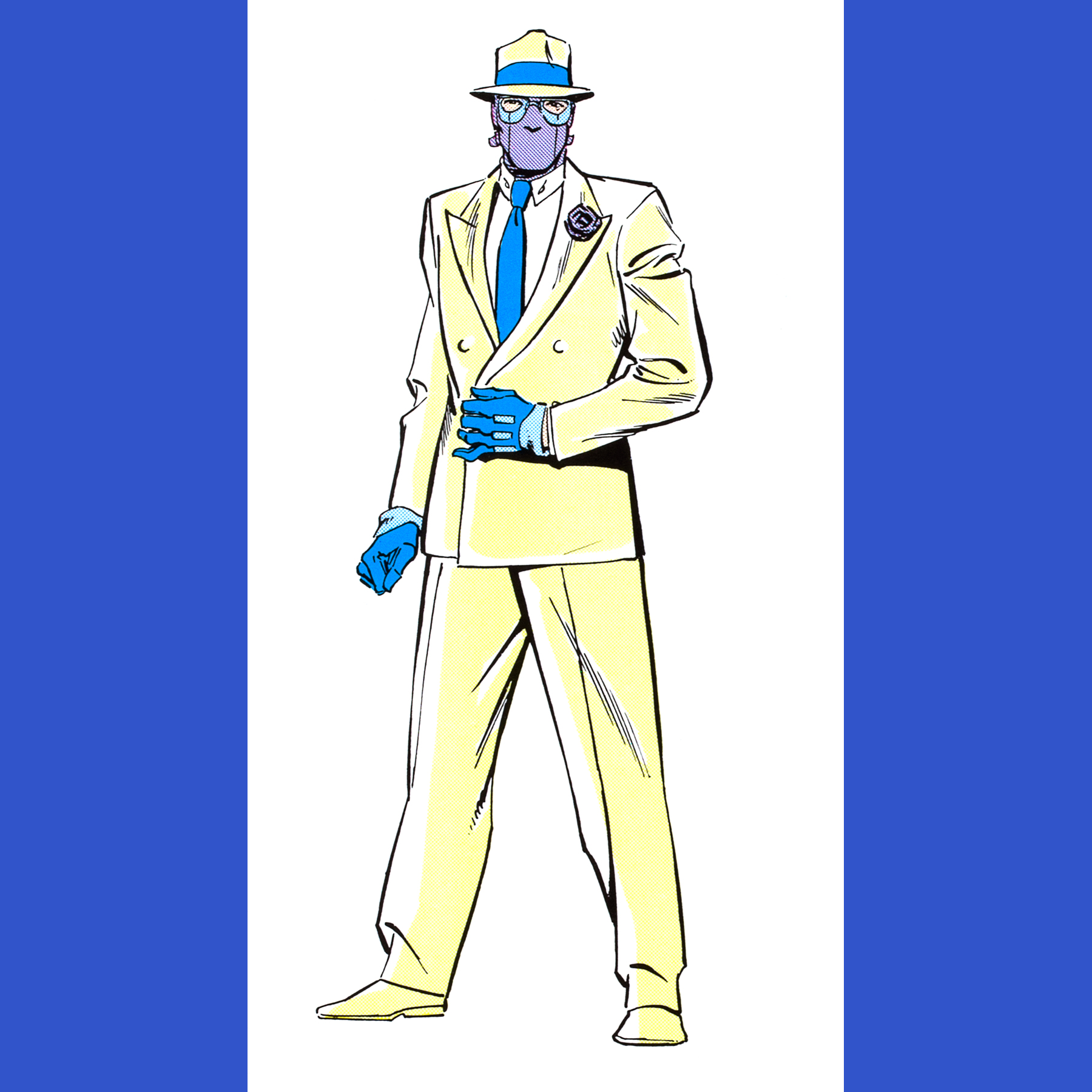
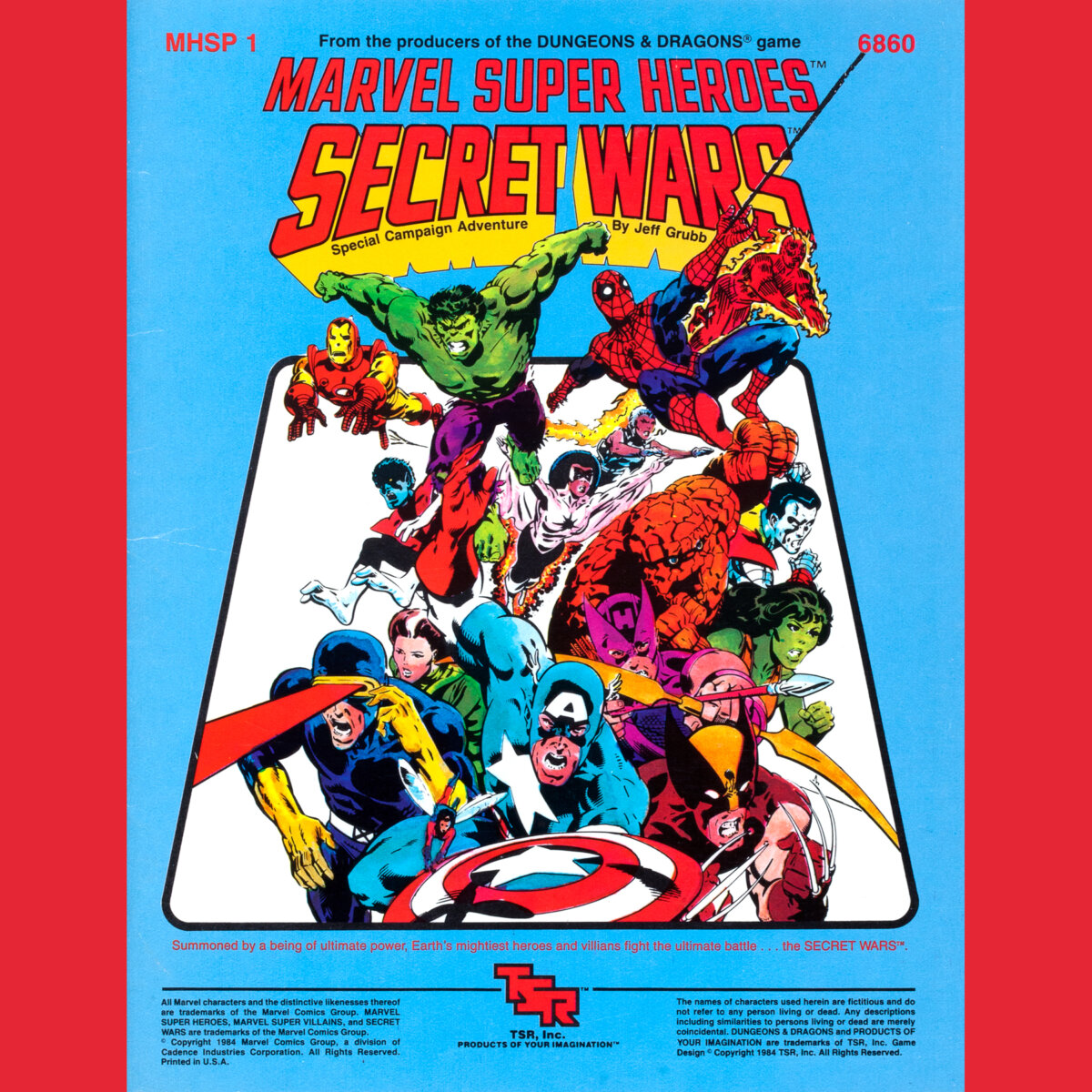
Secret Wars was a big deal, though. Got a toy line. Got a special campaign adventure for the Marvel Super Heroes RPG. In short, The Beyonder, a David Hasselhoff looking dude in a white disco suit, assembles Battleplanet out of the pieces of a bunch of worlds (including Denver?) and then kidnaps a bunch of heroes and villains to makes them fight. I suppose the appeal of this is self-evidence, honestly; I’m just a curmudgeon. Oh, and it’s where Spidey got the black suit.
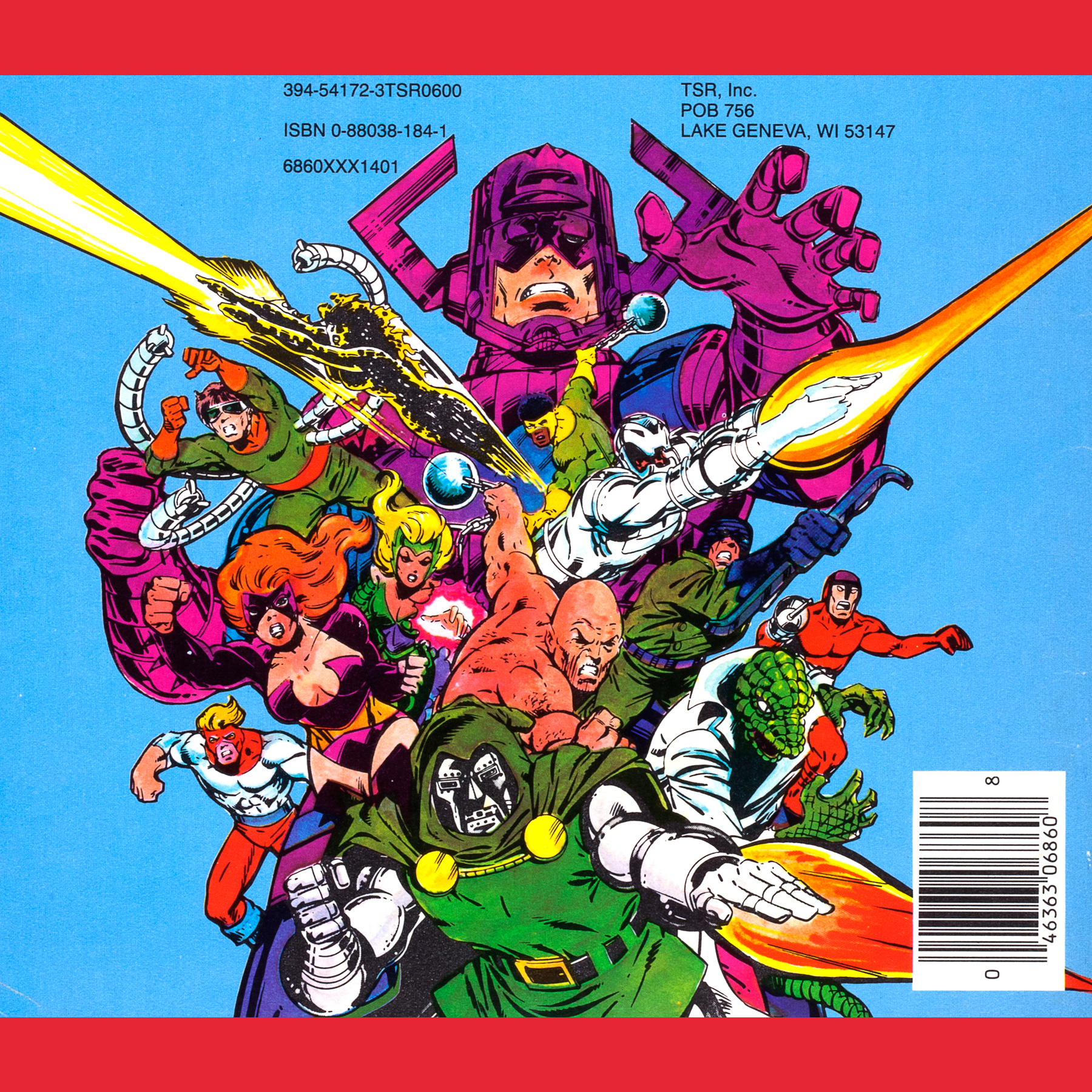
The module is…well, all of that. A big map of Battleplanet. A whole bunch of attribute blocks for heroes and villains. It’s a battle royale. I mean, it aims to simulate the whole storyline, and accomplishes that through a series of events (some of which are as brief as “Spider Woman shows up”), but it is at heart a battle royale. Players either take the role of one hero, or control a team (and one lucky player gets to be Magneto, since he’s considered a hero here). And they go at it against the GM? Who, in addition to running the villain team, also gets to run Galactus as another faction?
I think I want to run this. |
| |
|
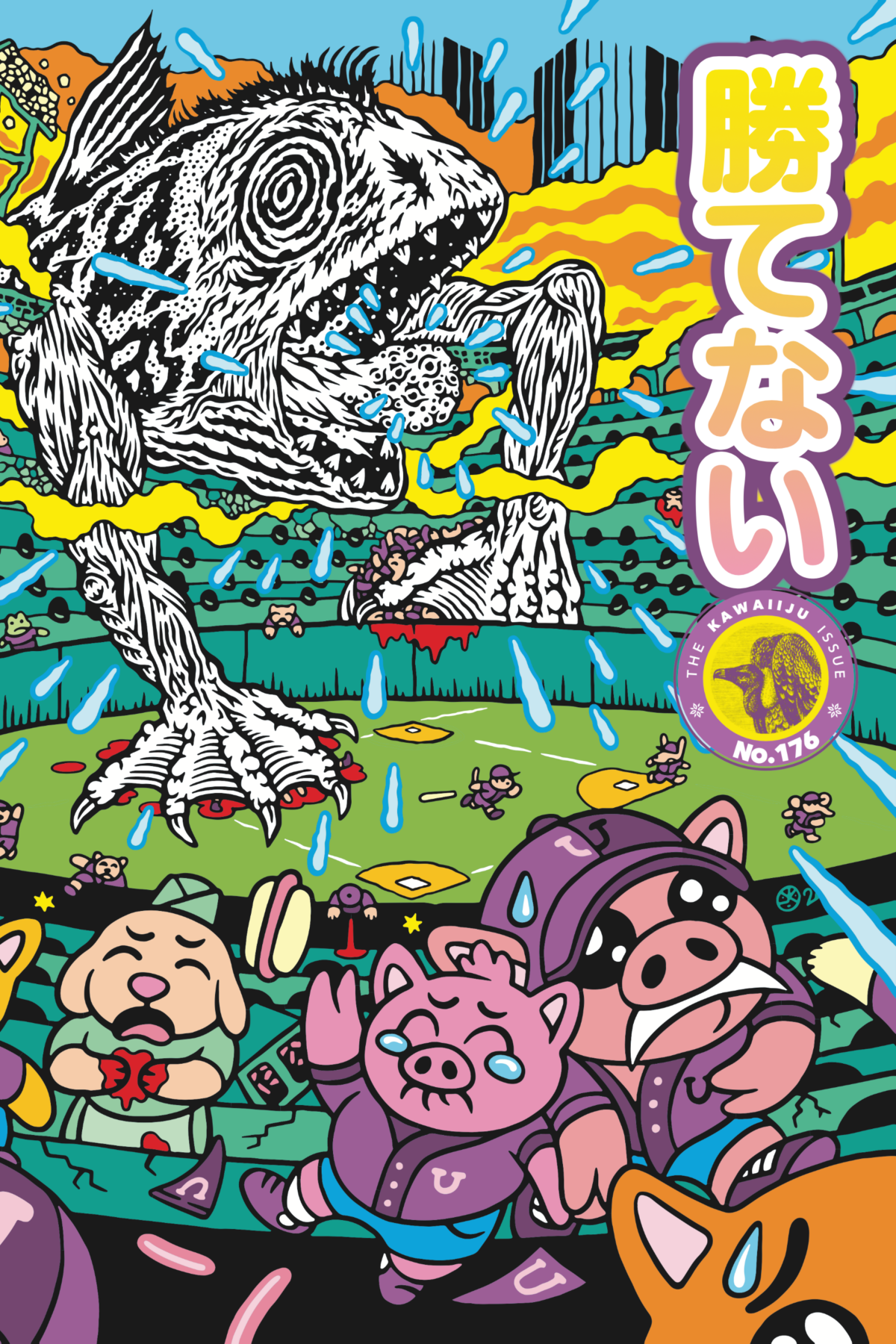
Different sort of mail bag this time. The June issue of Unwinnable Monthly just dropped and I think it might be of interest to youse. It's a theme issue: Kawaiiju. Which means all the essays within examine kawaii or kaiju or some combination of the two. I have an essay that tackles the latter, "A Little Lecture on the Biggest Beasts of Tabletop Roleplaying Games." If that sounds interesting, the issue is on sale now!
And, while I am encouraging you to spend money, the next Whispers from the Wizard's Tower, my Patron newsletter, drops next week, and it will contain a collection of some of my favorite RPG cover art. Sign up on Patreon at the $3 tier or higher to get that. |
| |
Vintage RPG
Copyright Stu Horvath, 2024, except when not
| |
|