|
|
TTRPG to CRPG and Back Again |
|
A look at some of the back and forth between the analog and digital iterations of Dungeons & Dragons. Also, Different Worlds magazine, the latest podcast and a barbaric mail bag! |
|
|
| |
|
FRC1: Ruins of Adventure (1988) |
| |
|
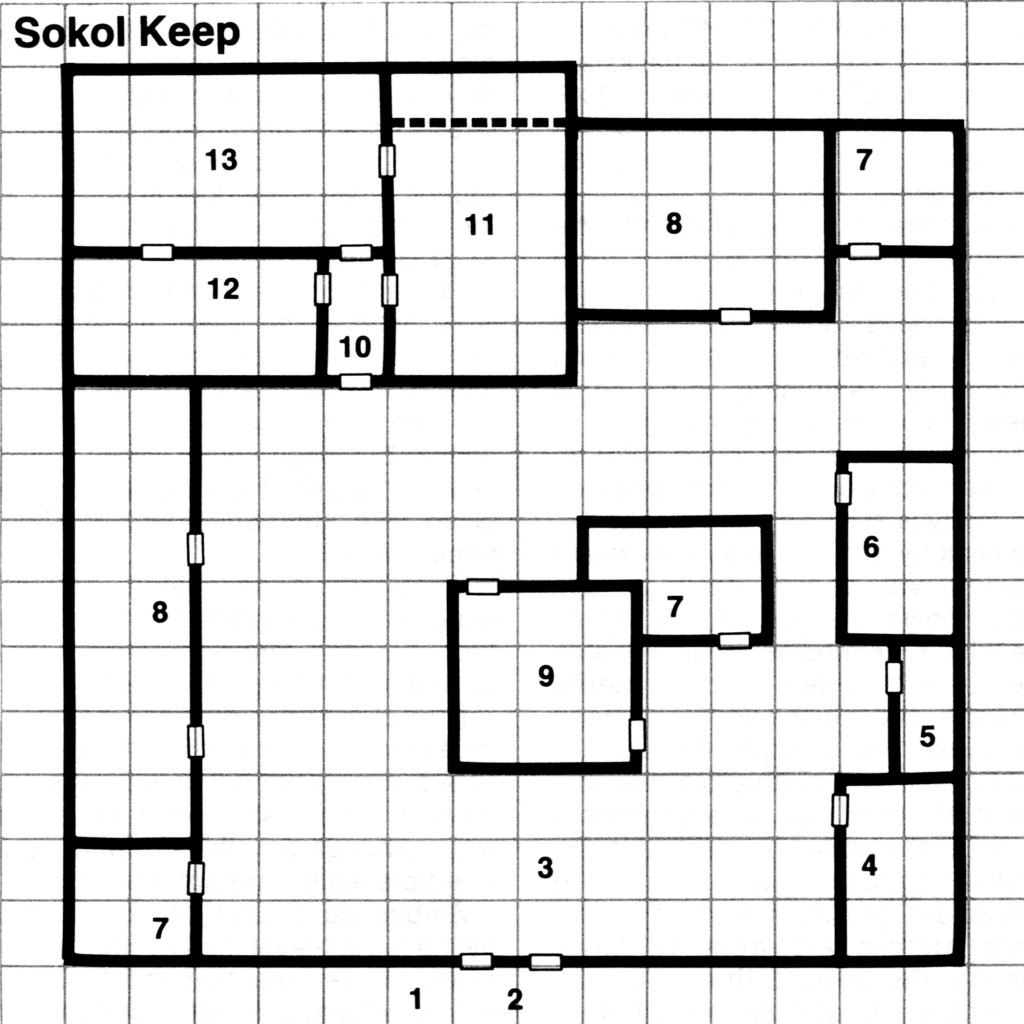
Once upon a time, SSI made a series of Dungeons & Dragons videogames collectively referred to as “Gold Box” games because their boxes were, well, gold. They were a mix of 3D exploration and top-down tactical combat with good graphics for the era (and they generally hold up pretty good today). The first, Pool of Radiance (1988), set in Forgotten Realms, was a big hit. Lots of people explored the pixelated ruins of Sokol Keep and the curiously named city of Phlan, and get warm, nostalgic memories at the mention of the name.
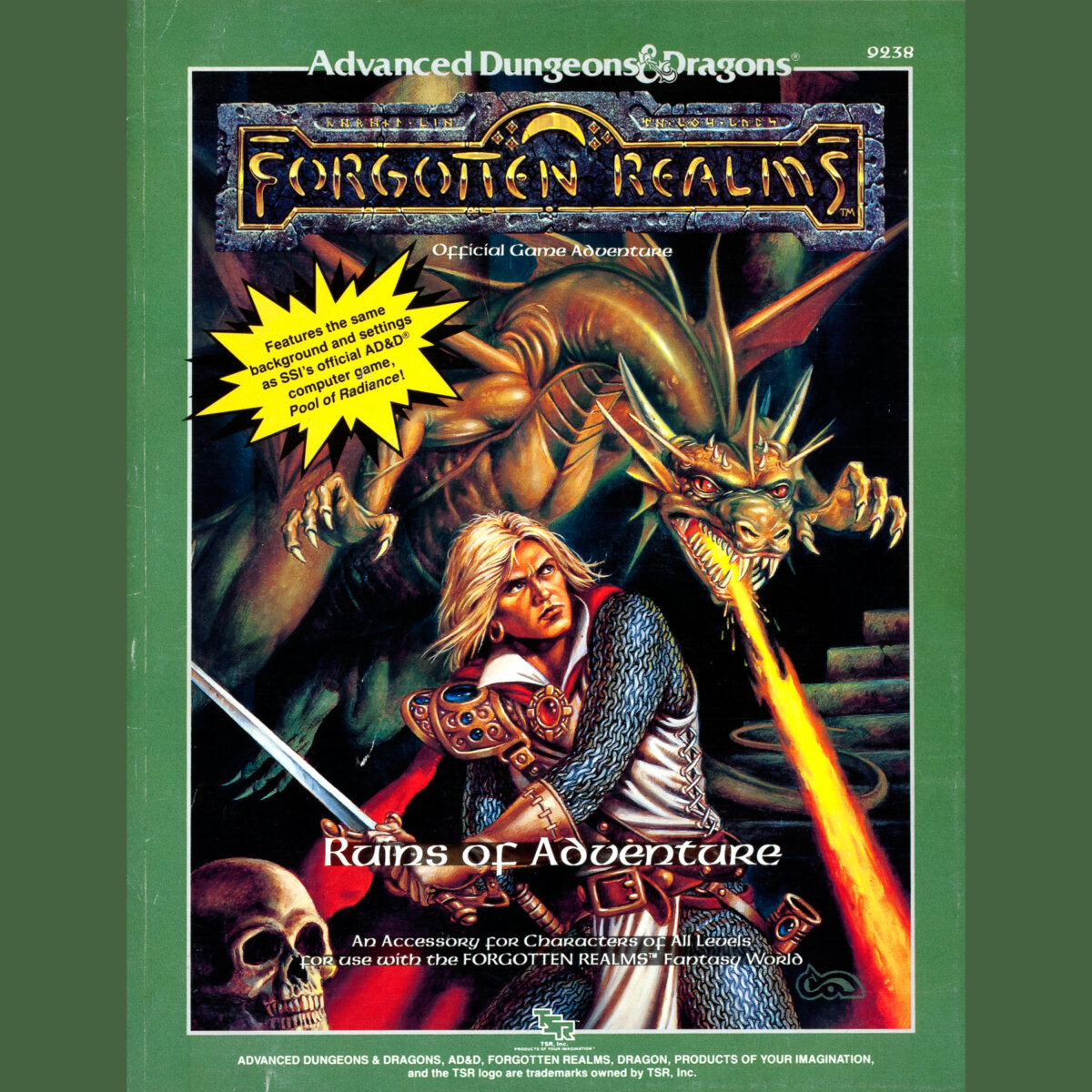
This is FRC1: Ruins of Adventure (1988), a squarebound D&D adventure boasting the same cover painting by Clyde Caldwell as the Pool of Radiance computer game. It sort of bills itself as a companion to the videogame, a way to translate its action to the tabletop, but apparently SSI actually fashioned the videogame out of the tabletop adventure framework (which does adhere in curious regular ways to the computing constraints of the videogame, with maps on 16×16 grids—they feel fine in the game but weirdly claustrophobic in the book). There’s a bit more in the book, too: a Zhent outpost, several lairs of monstrous humanoids I don’t remember from the game and a thri-keen settlement that definitely wasn’t there. There’s lots of background material and lore, too, of course, it being a Forgotten Realms product. And because it is such a loyal reconstruction (or progenitor), it functions as a pretty thorough tip book for the videogame too. Is it good though? I dunno! It’s weird, for sure. It is kind of nice to see a D&D product that isn’t obviously panicking about how videogames are going to destroy the tabletop industry, at least? And it is a nice way to revisit the game without having to figure out how to make it run on a modern machine. Ruins of Adventure is a terrible name, though. |
| |
|
Curse of the Azure Bonds (1989) |
| |
|
To quote NYC Krishna hardcore band, Shelter: “Here we go again.”
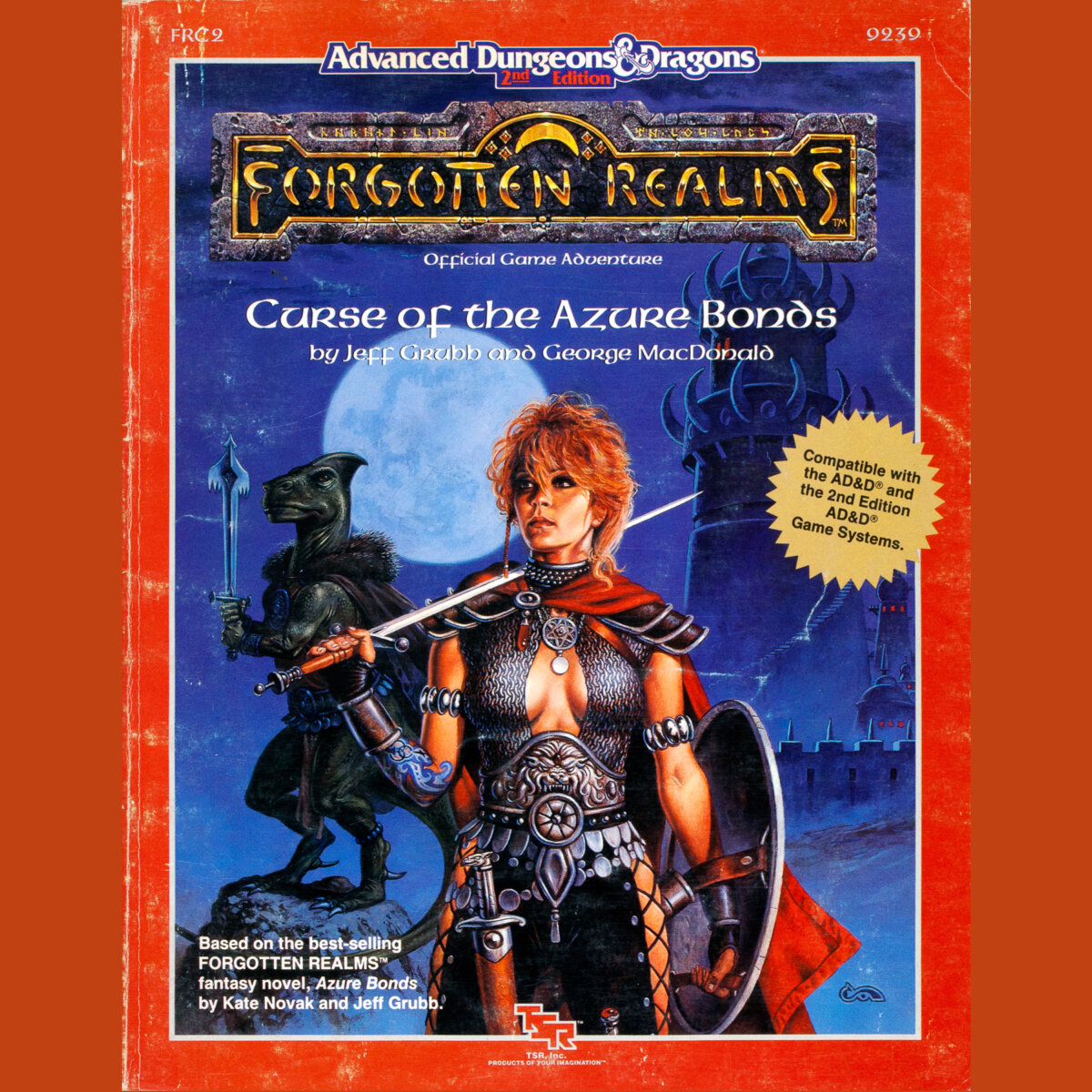
The sequel to SSI’s inaugural gold box game, Pool of Radiance, was 1989’s Curse of the Azure Bonds. That game is also the sequel to Jeff Grubb’s novel, Azure Bonds (1988) which introduces Alias, the amnesiac swordswoman. This tabletop product is…I don’t honestly know. I didn’t play the Azure Bonds computer game so I am relying on online summaries, but I did read the novel, and so all three are muddled together in my head. The cover says the adventure is based on the novel. And the back copy says the videogame is coming soon. So I think this is the middle of the three products. The adventure sure feels videogamey, though less constrained than Pool of Radiance. The maps have more variety in shape, and they aren’t all strung together—there is a lot of traveling going on.
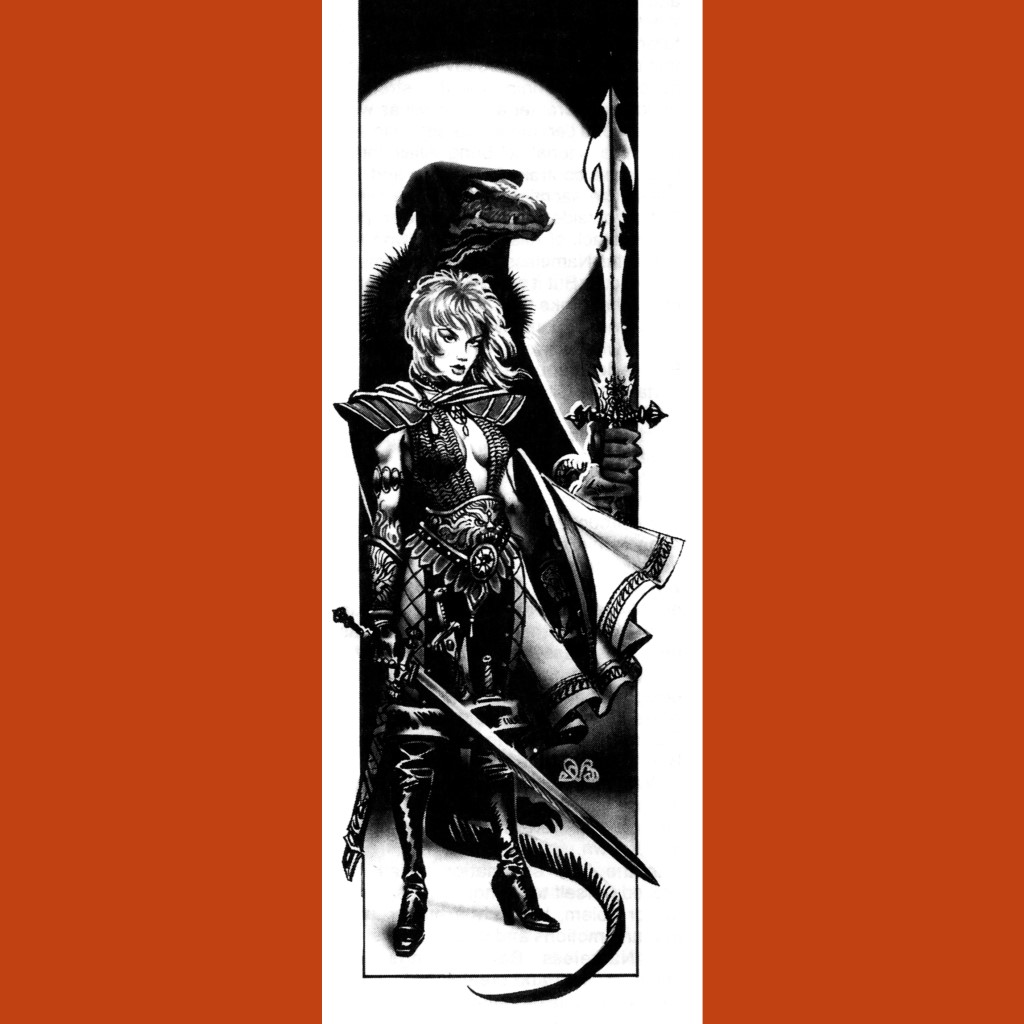
Lotta early Forgotten Realms lore going on. I kinda forgot how big a deal Alias and her saurial paladin sidekick Dragonbait were. A lot of stuff that I think of as so strongly characterizing the first era of Forgotten Realms is pretty fresh and new here—Zhentil Keep, Fzoul, Myth Drannor, even Elminster! I often think the Realms are boring, and I think that is actually true, 90% of the time, but this little slice of it is so full of promise, I can’t help but dig it. It’s weird that it seems to belong more to a videogame than the RPG setting though. |
| |
|
Pool of Radiance: Attack on Myth Drannor (2001) |
| |
|
The multimedia extravaganza mostly dried up after Azure Bonds. The next SSI game got a tie-in novel, but no adventure book. TSR pretty much ignored SSI after that. In 1994, TSR opted to not renew SSI’s license. Black Isle made some notable D&D videogames, and then, for some reason, came Pool of Radiance: Ruins of Myth Drannor (2001), from Stormfront Studios (who had previously worked on the AOL Neverwinter Nights and the SSI Savage Frontier games). It wasn’t as bad as Temple of Elemental Evil (2003, and totally unplayable), but it was close.
Tie-in novels had been back for a little while, based on the strength of the Baldur’s Gate games’ popularity, so no surprise about this videogame also getting a novel. However, it also, briefly marked the return of the weird tabletop companion book, perhaps because the videogame was the first full digital implementation of the 3E rules (probably to its detriment, as it had been developed as a 2E game and been converted mid-development).
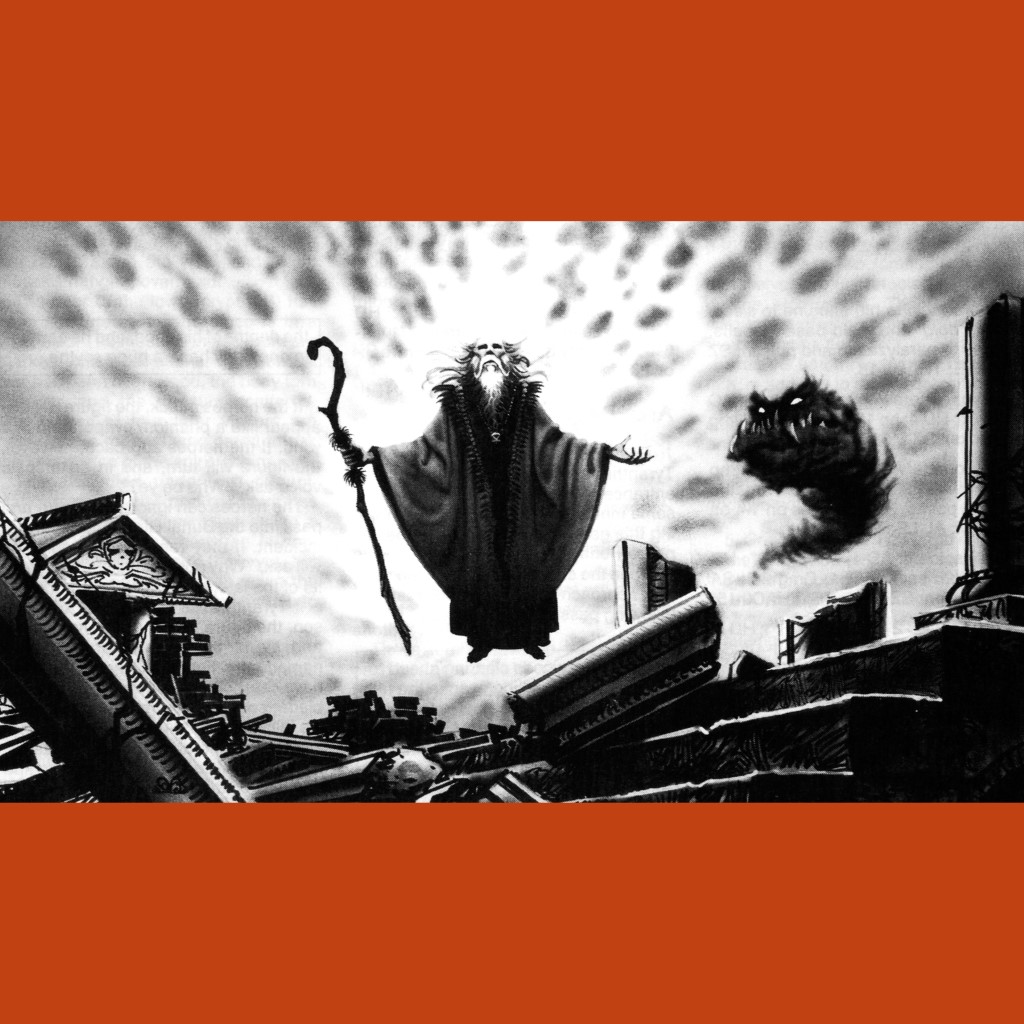
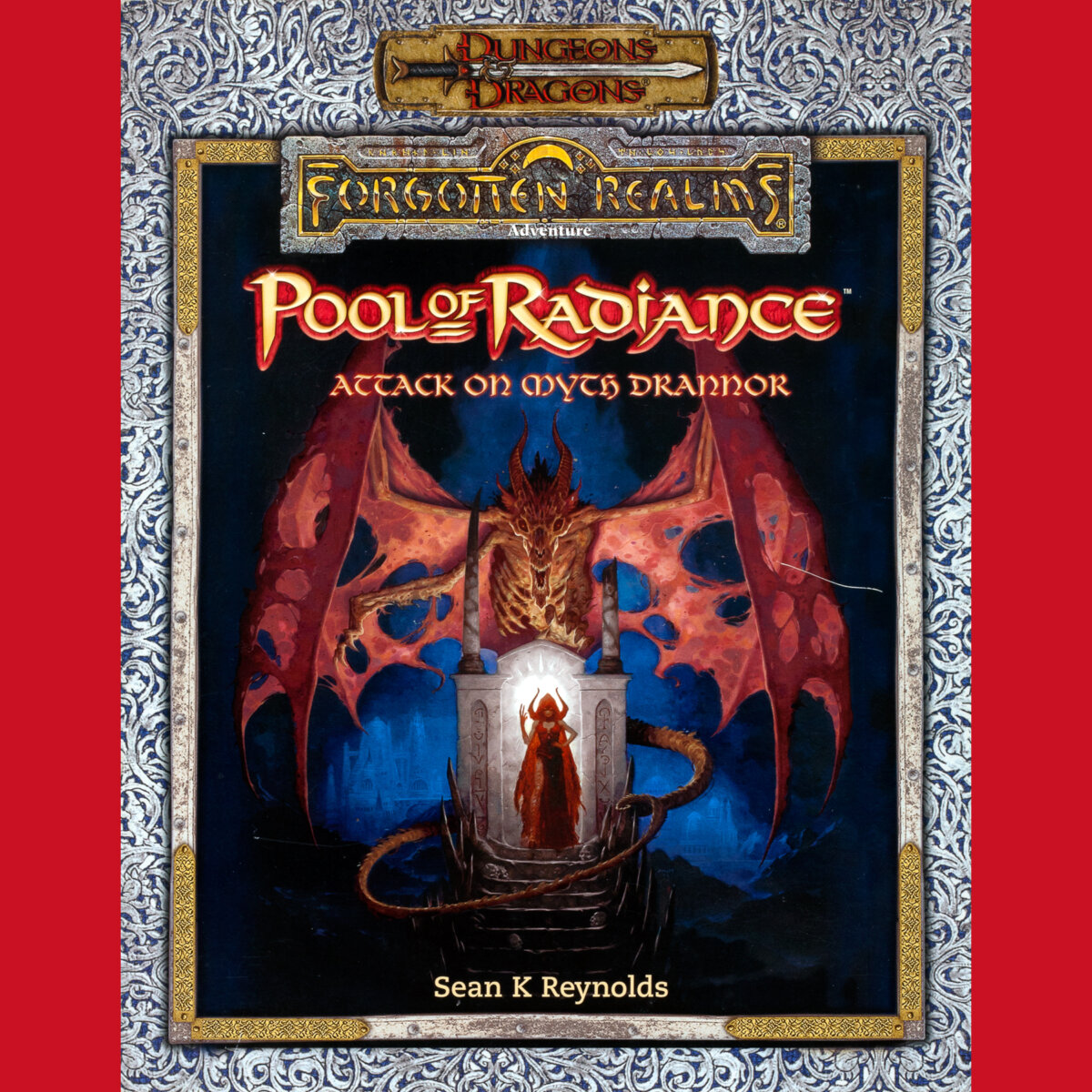
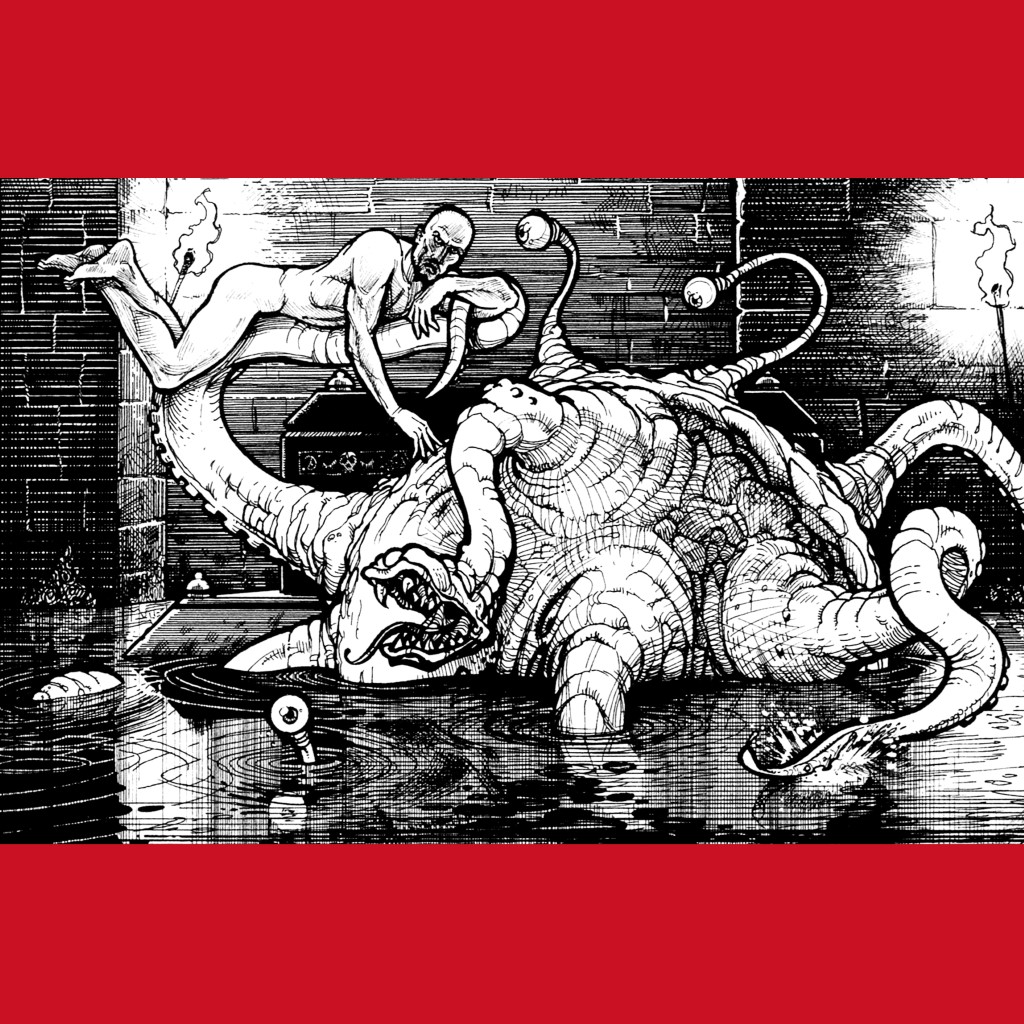
Anyway, Pool of Radiance: Attack on Myth Drannor (2001), exists, one of the not very common soft cover 3E books. Novelty: it ties into the videogame, rather than re-enacting it. The plot centers on the machinations of the Cult of the Dragon and their attempt to use a pool of radiance to empower one of their dracolichs. It seems mostly OK, but veers into some truly weird shit, like the naked man and the deepspawn living in weird symbiosis? I dunno, there are some mysteries I refuse to investigate, even for you, dear readers. A box of text at the end explains that the characters in the videogame destroy the body of the dracolich, but the heroes of the tabletop have the chance to destroy its phylactery and make victory permanent. Seems like a lot of work, honestly. Let the dracolich be free to eat garbage and do crimes, I say.
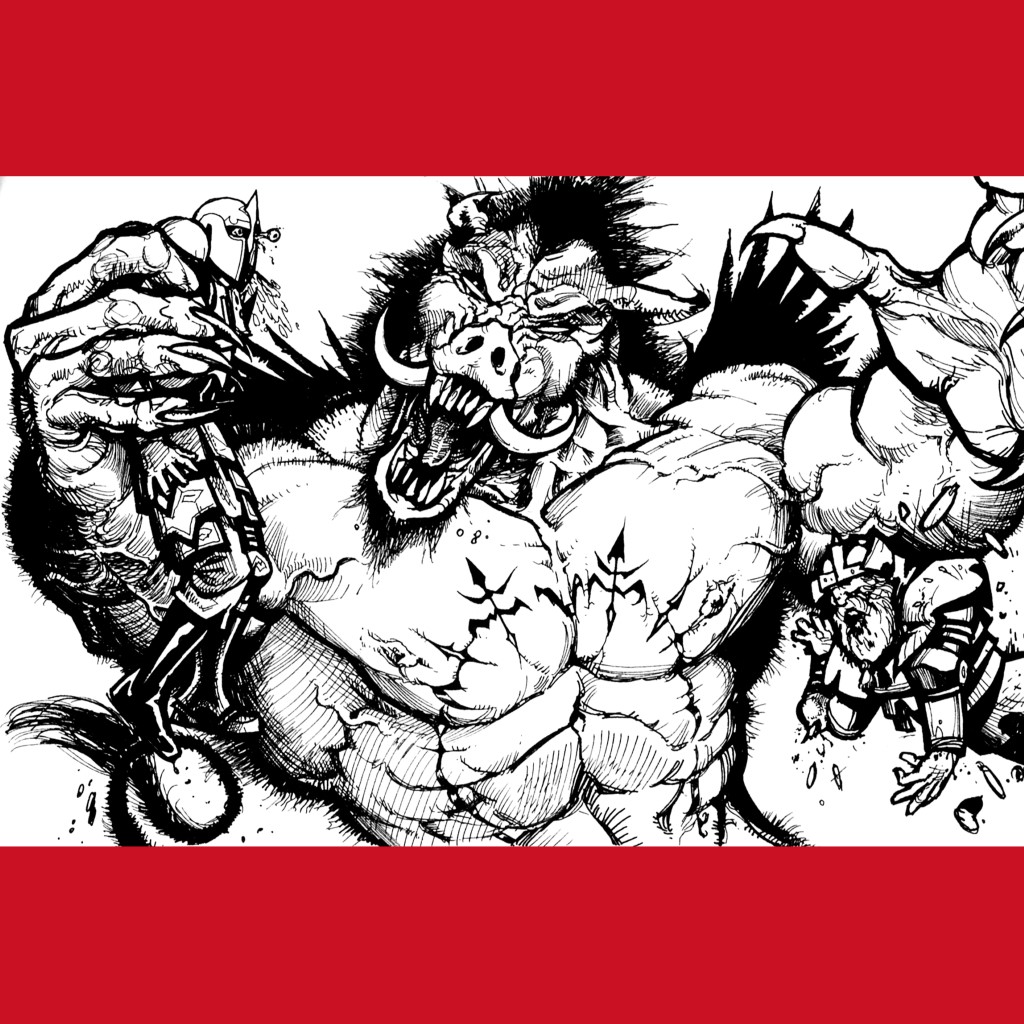
The art is nice, at least. Ted Beargeon and Vince Locke inside, a nice Brom on the cover. |
| |
|
Dragonlance Limited Collector’s Edition (1992) |
| |
|
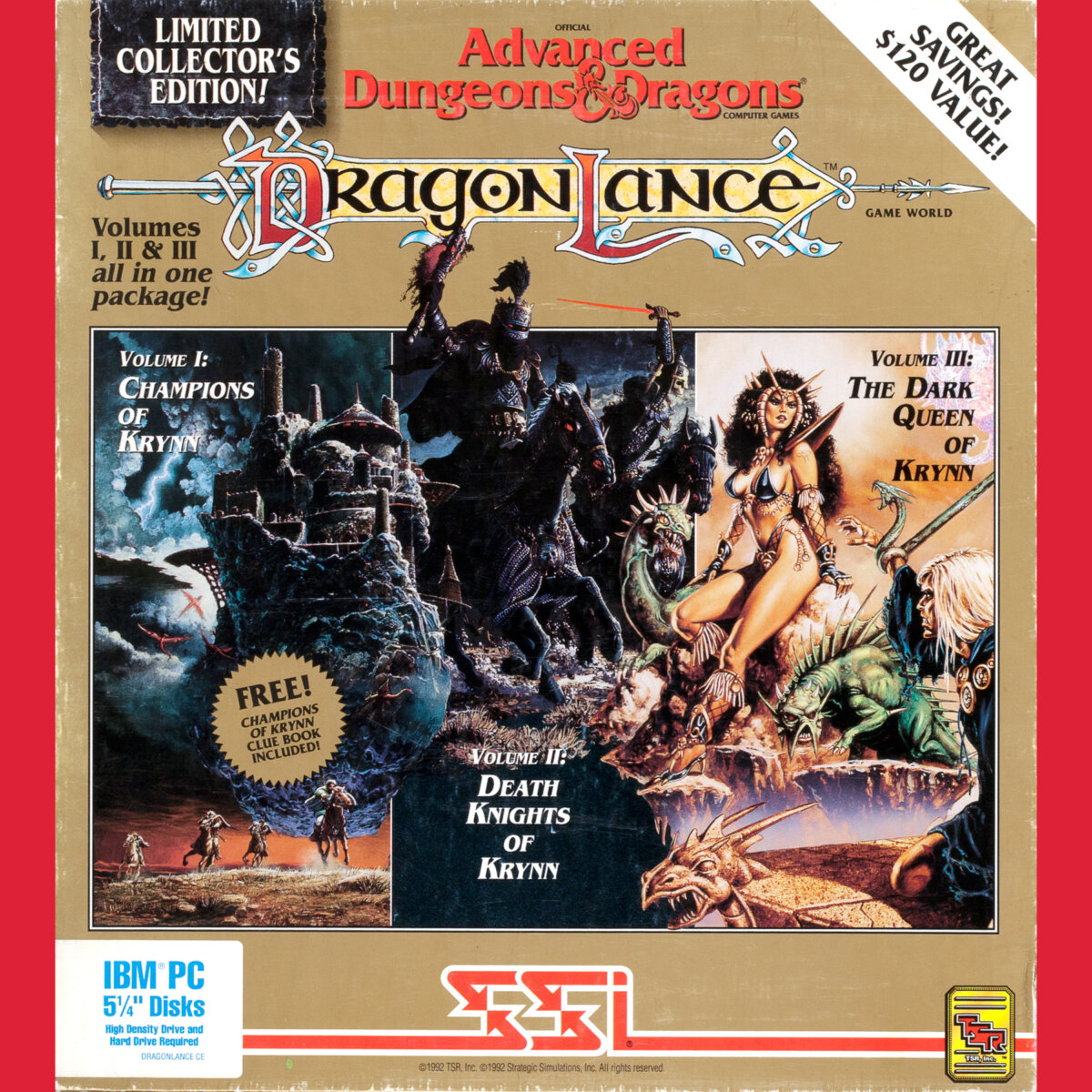
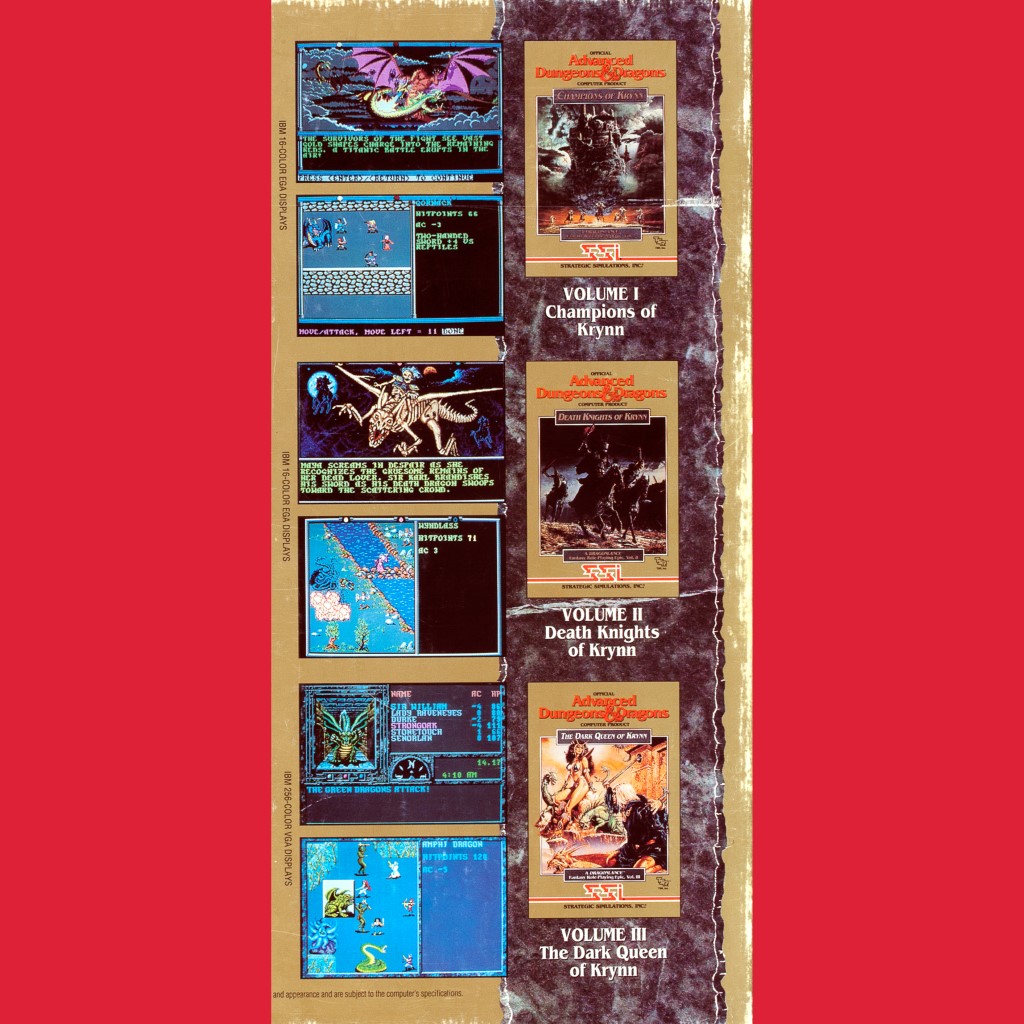
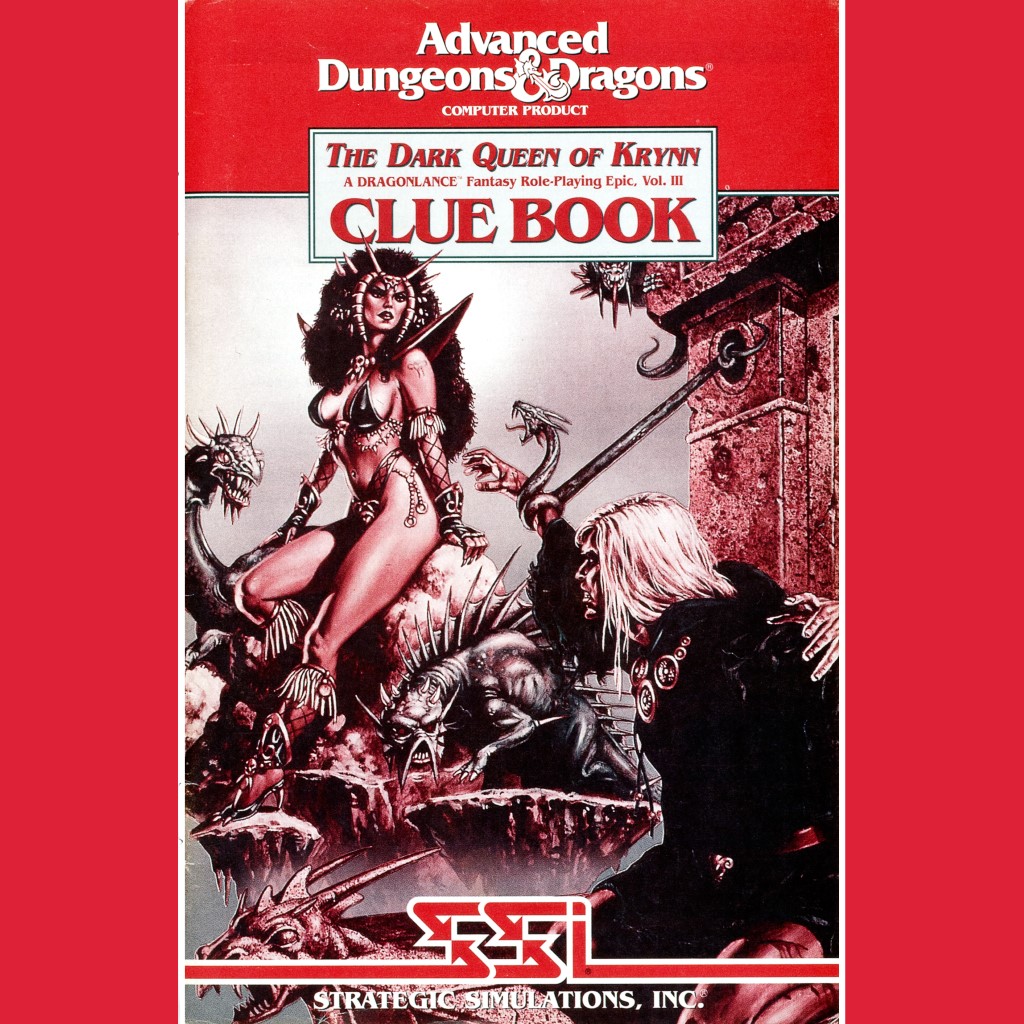
Now these are my Gold Box games. Or, er, game, singular, I guess, since they came in one box. This is SSI’s Dragonlance Limited Collector’s Edition (1992). I got this on clearance the day after Christmas in 1993 and had a transcendent time playing through them on the school break between the holidays. I didn’t finish all three in that time; I definitely remember herding the guys I walked to school with into the computer room at one point to show off how good the graphics were (even though, in Dark Queen, they were pretty much just pixel art versions of Dragonlance paintings).
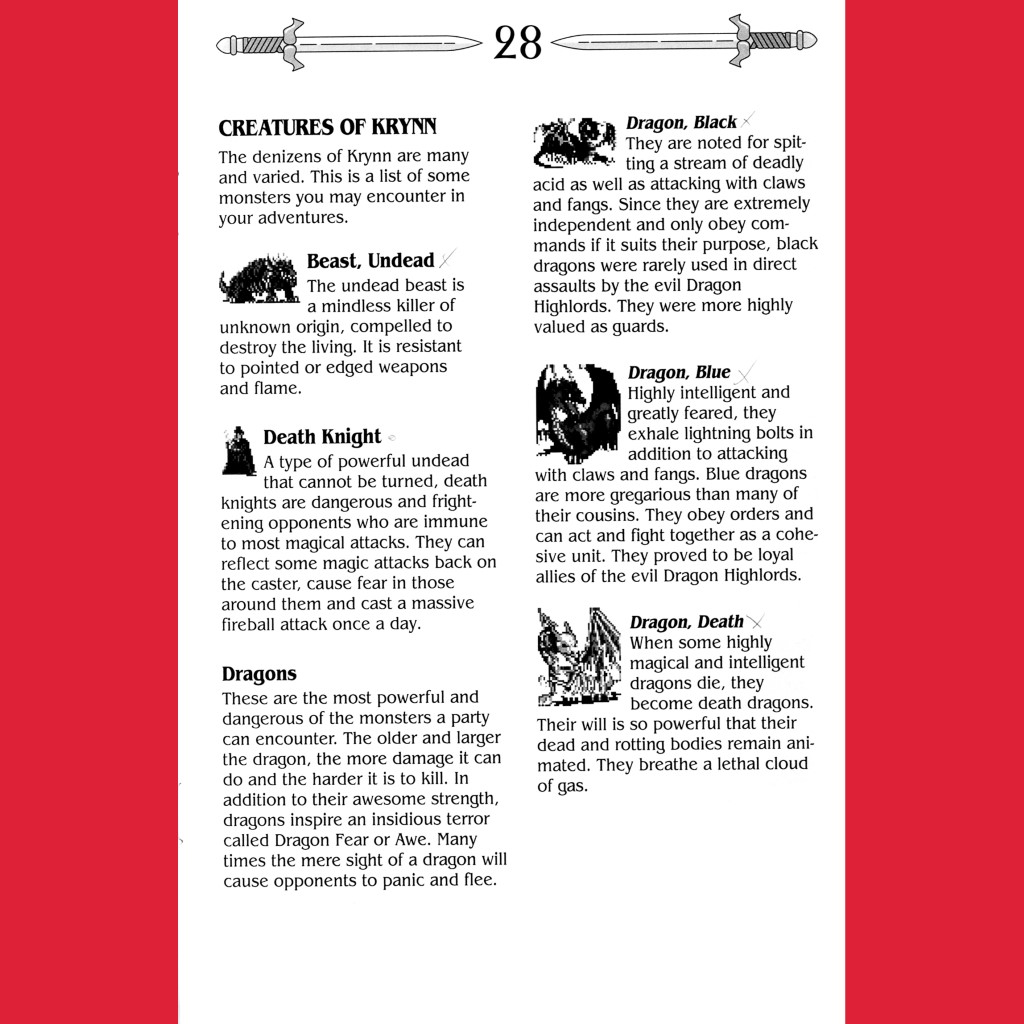
As with Pool of Radiance, looking back through this box and the Adventurer Journal for each game, I am realizing that this is the Dragonlance I love, and when I kind of complain about the RPG material, it’s because it doesn’t measure up to these games. Which is kind of funny, because what I can recall of the stories isn’t great (not that Dragonlance is like high art). There are definitely monsters in the videogames that aren’t supposed to be in Krynn. And in the final game, you explore the other continent, Taladas, and it feels just, entirely divorced from everything that made Dragonlance feel Dragonlancey, despite fighting Takhisis at the end. But they work. They feel like games at the table, even.
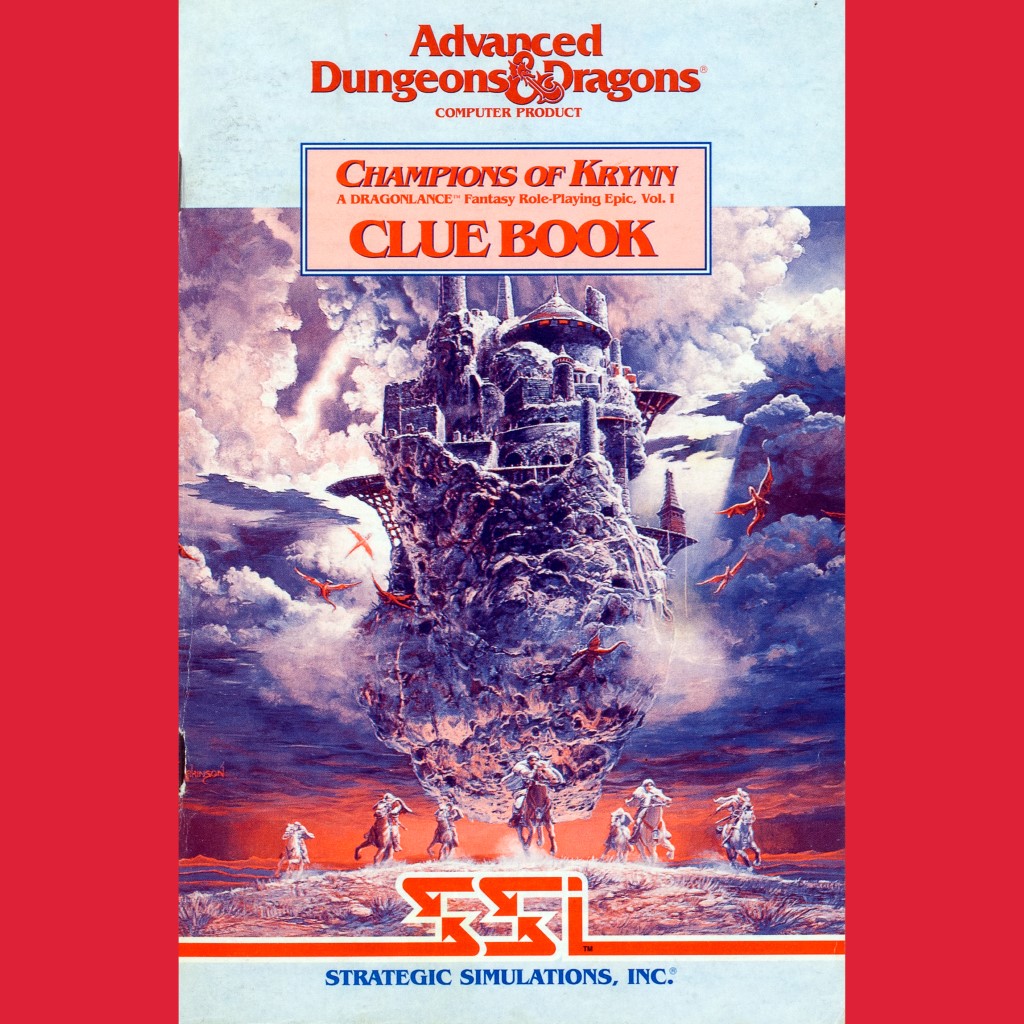
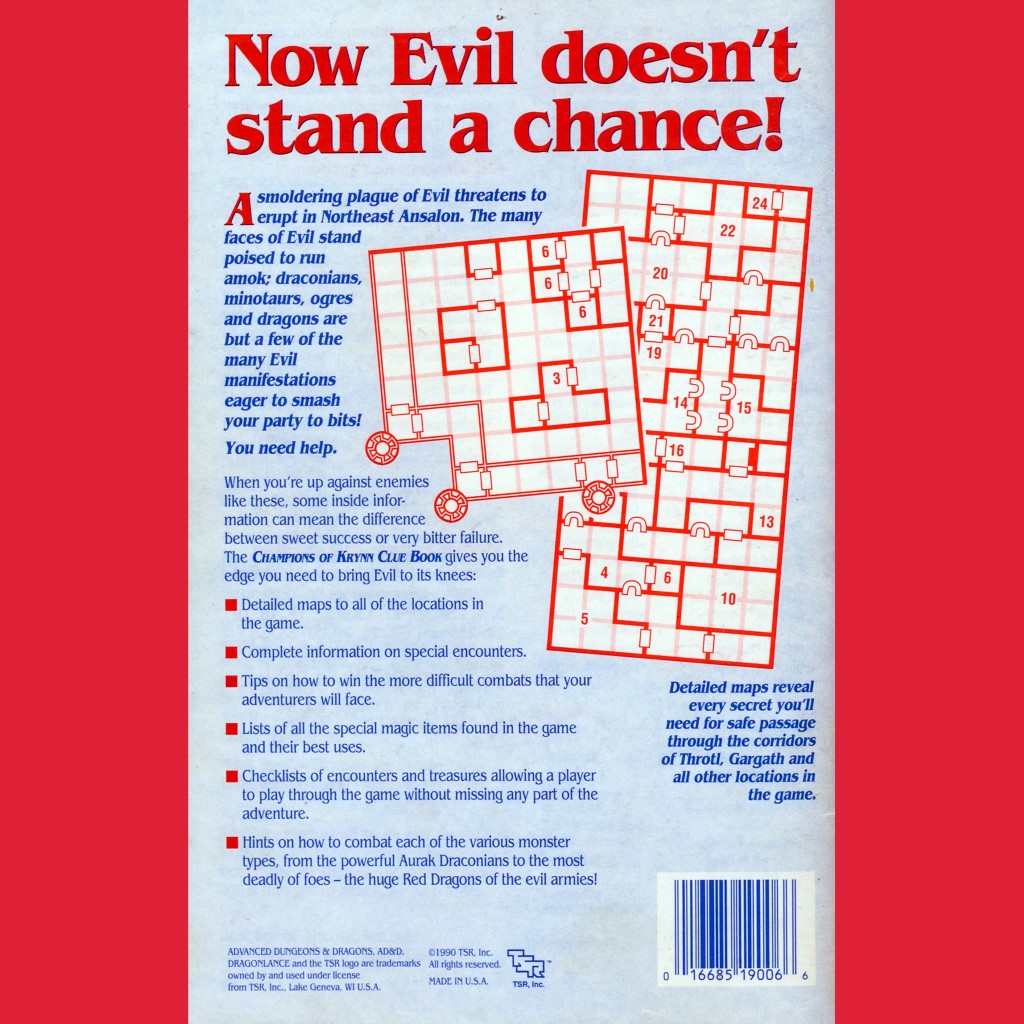
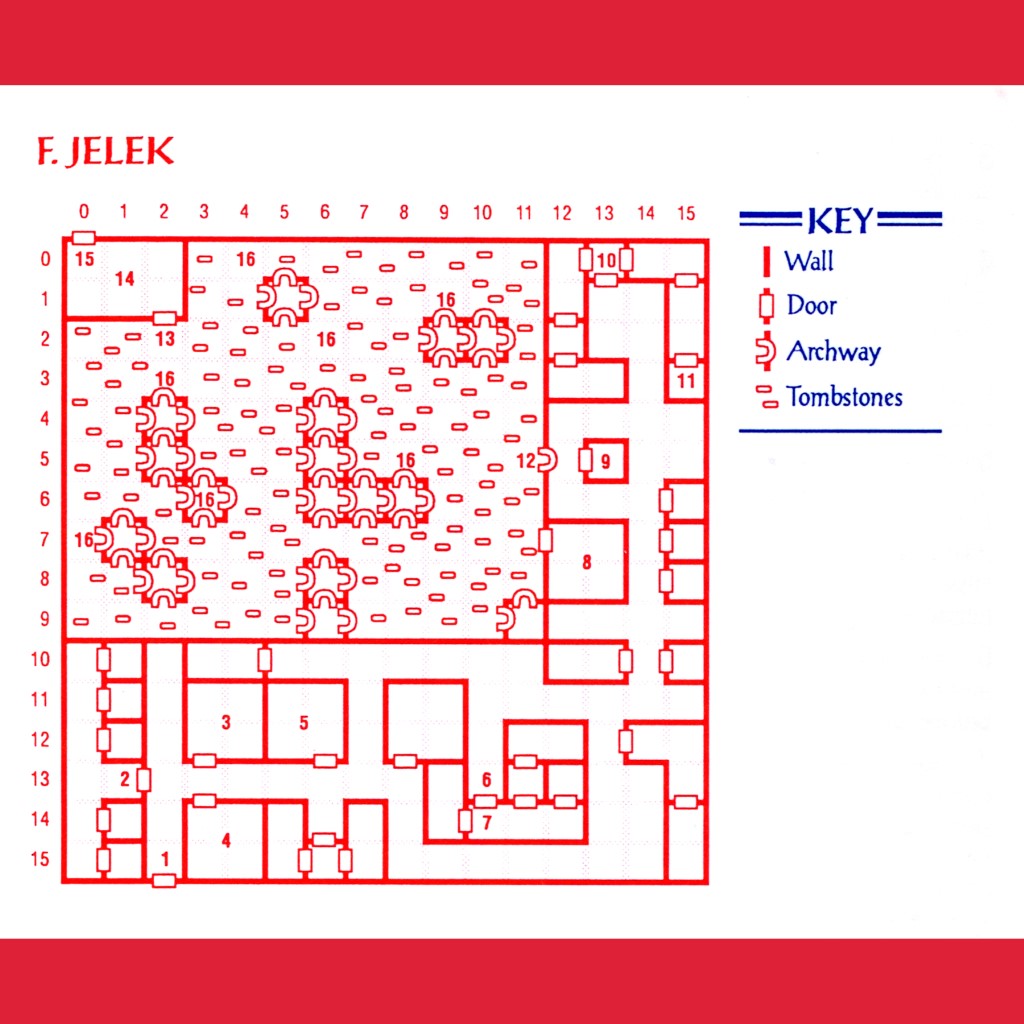
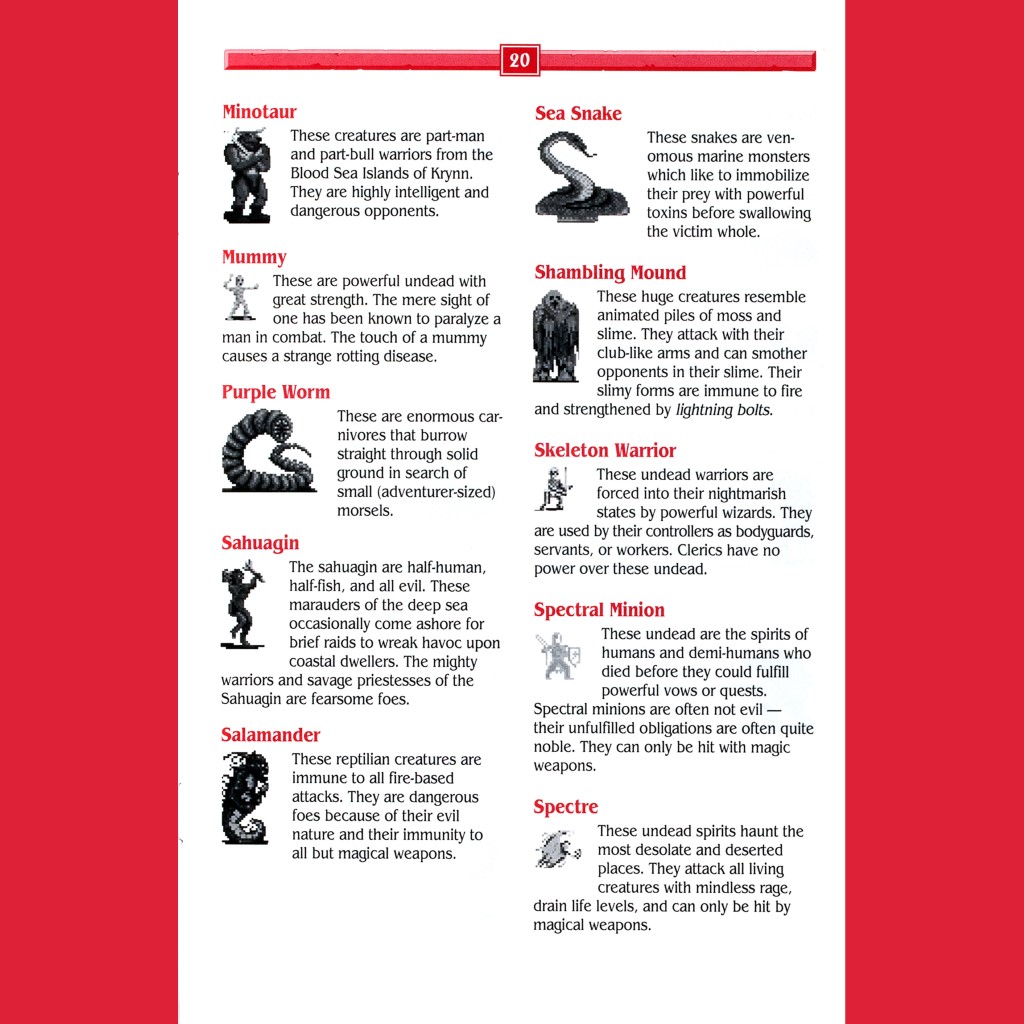
I think Death Knights of Krynn is maybe my favorite, because the NPC questgiver from the first game comes back here as an undead warrior. It also has this really interesting thread of story in the Journal (part of the copyright protection) about a town full of undead that isn’t in the game but was entertaining and mysterious anyway. One of the games has a puzzle sequence that involves a candle and finding the correct path through a market that I definitely lifted for my actual games. Oh, and the clue books! You could buy them from SSI and they gave you maps and room descriptions like a D&D module. When I got this, they were out of the Death Knights cluebook, but someone there was nice enough to photocopy it and send it to me free of charge. |
| |
|
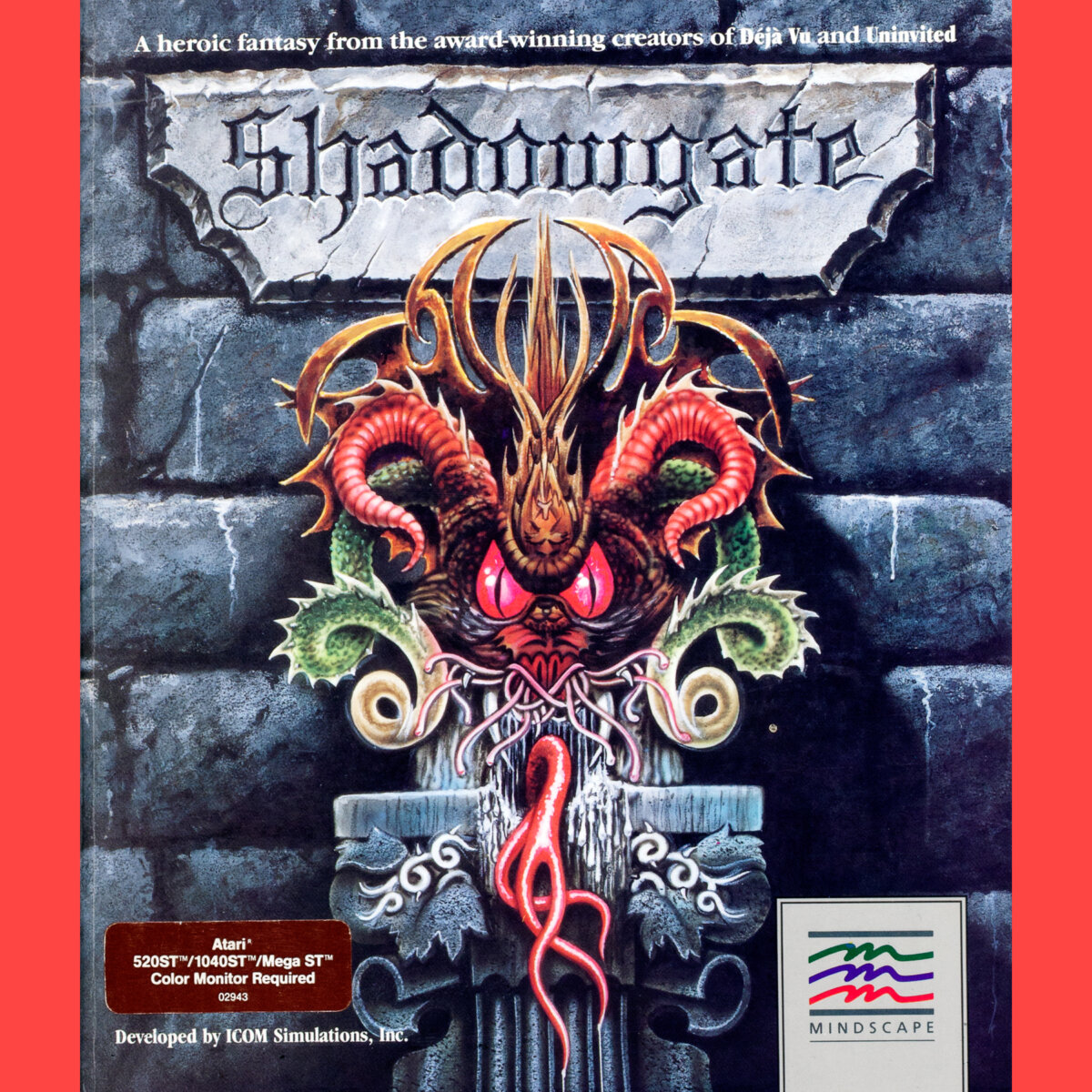
The 1989 NES version of Shadowgate is one of my favorite videogames of that era. It’s a point-and-click dungeon crawl, and is perfect in a lot of ways. For the most part, it lacks the skewed logic of many point-and-click games, though its approach to magic can be tricksy in a way I appreciate. The monsters are interesting, but there is no real combat, it’s all just puzzles in a different form, and they must all be solved if you have any chance of defeating the Warlock Lord and stopping the raising of Behemoth. And boy does the game oozes atmosphere. Thanks to the timer of your torches burning out and the genuinely unsettling soundtrack, the game feels like it has real stakes, real danger.
I knew the NES version was a port/rework of an earlier computer game developed initially for Mac, but it wasn’t until last summer I saw the cover for it. I don’t know why I assumed it would have the same somewhat silly looking gargoyle as the NES release. It didn’t. This cover is so much coooooler. Having fiddled with emulations of the original, I do think the NES version is better — though slightly higher res, the Mac version is black and white and lacks the soundtrack, which is a key component of the game’s success.
Couple funny things. Until I bought the computer version (this one is actually for Atari computers), I didn’t realized that Déjà Vu and Uninvited preceded Shadowgate (the NES ports started with Shadowgate, then Uninvited, then finally Déjà Vu). And I only just learned as I prepared to write this that when SSI closed up in 1994, it was acquired by Mindscape, which had published Shadowgate. There’s no meaningful connection between Shadowgate and the Gold Box games beyond that purchase, but it tingled the back of my brain in a funny way. |
| |
|
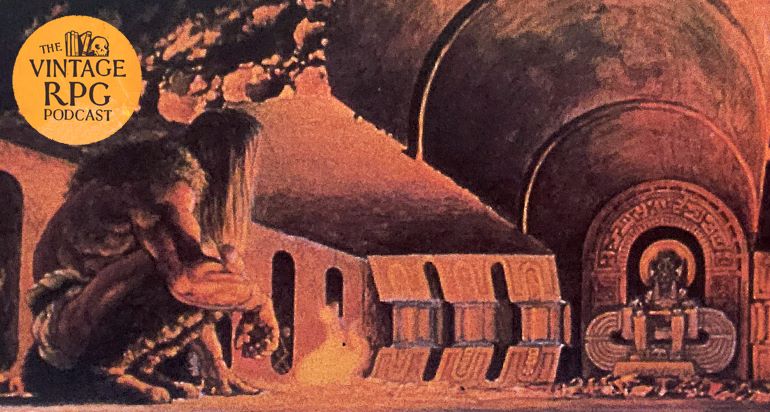
After recording this week's podcast, I pulled images for promoting it from that issue of Cinefantastique and I really noticed Ron Cobb's work in doing so (the image above is one of Cobb's production paintings). Cobb comes off as one of the most interesting people on the Conan production and I got to wondering if there was a book collecting his art. And there was!
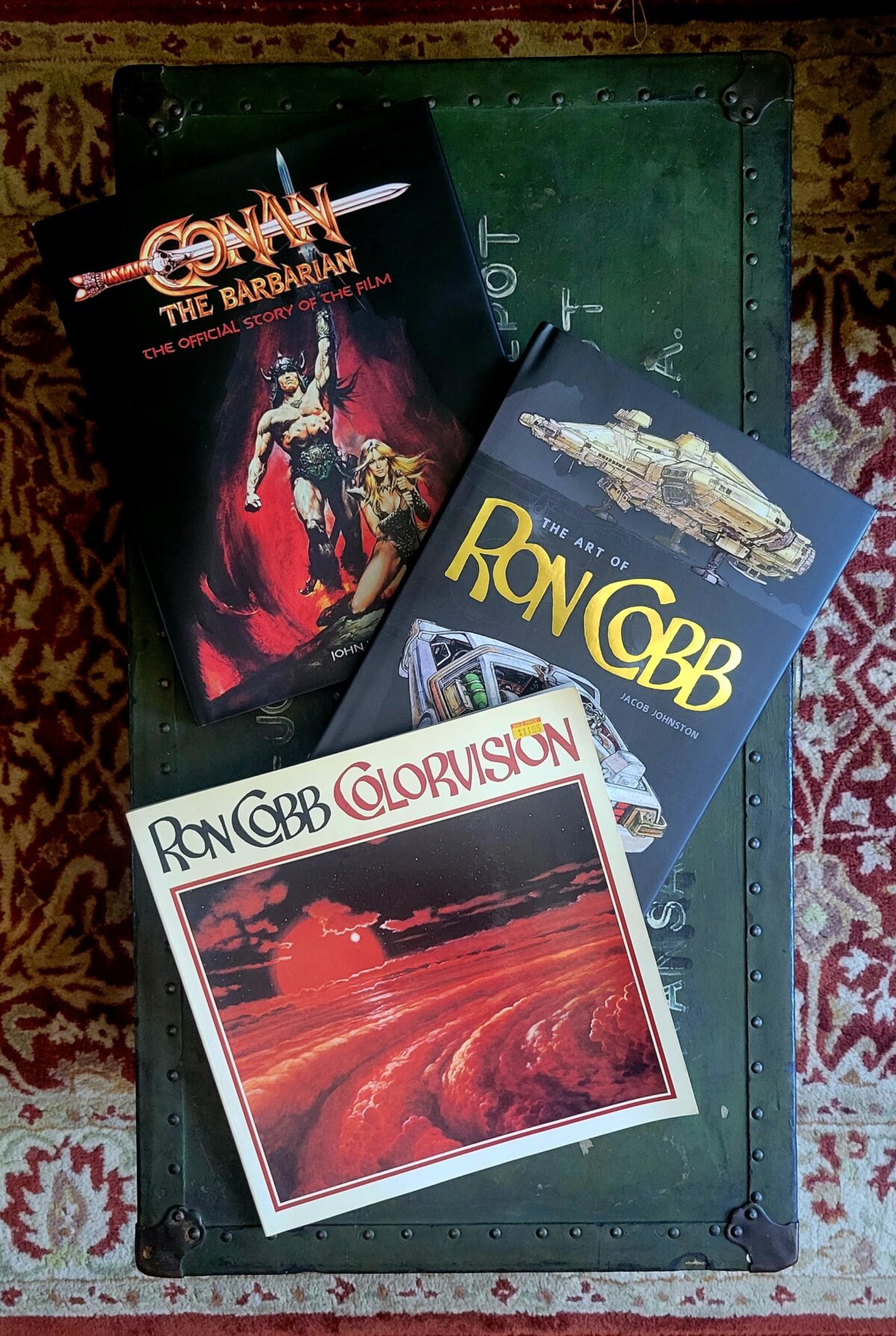
The Art of Ron Cobb came out two years ago. In searching for that, though, I also found Conan the Barbarian: The Official Story of the Film (2023). That looks like a fantastic read in the vein of Sammon's '82 feature package (though whoever prepared the photography in the book is a monster who hates grain and made everything look soft and airbrushed and horrible, so be aware of that if you want to pick it up). And, not satisfied with the modern book when a vintage book is also available, I tracked down Colorvision (1981), which features a different selection of Cobb's art; I think all the Conan stuff appears in the other two books, but there is a heap of his design work for Alien that doesn't appear elsewhere.
Cobb is, I think, one of the key architects of the visual language of fantasy and science fiction in film in the late '70s and the '80s, and one who is underappreciated (compared to Giger or McQuarrie certainly). If this is an area of your interest (and, I mean, come on, you're here), consider checking out the Johnston art book at the very least! |
| |
Vintage RPG
Copyright Stu Horvath, 2024, except when not
| |
|