|
We now return you to your regularly scheduled newsletter...
|
| |
 |
|
Mind Your Wallet! |
|
The Gamelords and their thief-centric RPG walk off into the sunset. |
|
|
| |
|
Getting to the last of my Gamelords stuff. Sad days. I really love what they did with their Thieves’ Guild line and how the booklet supplements acted as regular installments of rules updates and scenarios. That said, I do think you can feel the series beginning to run out of steam a little at this point.
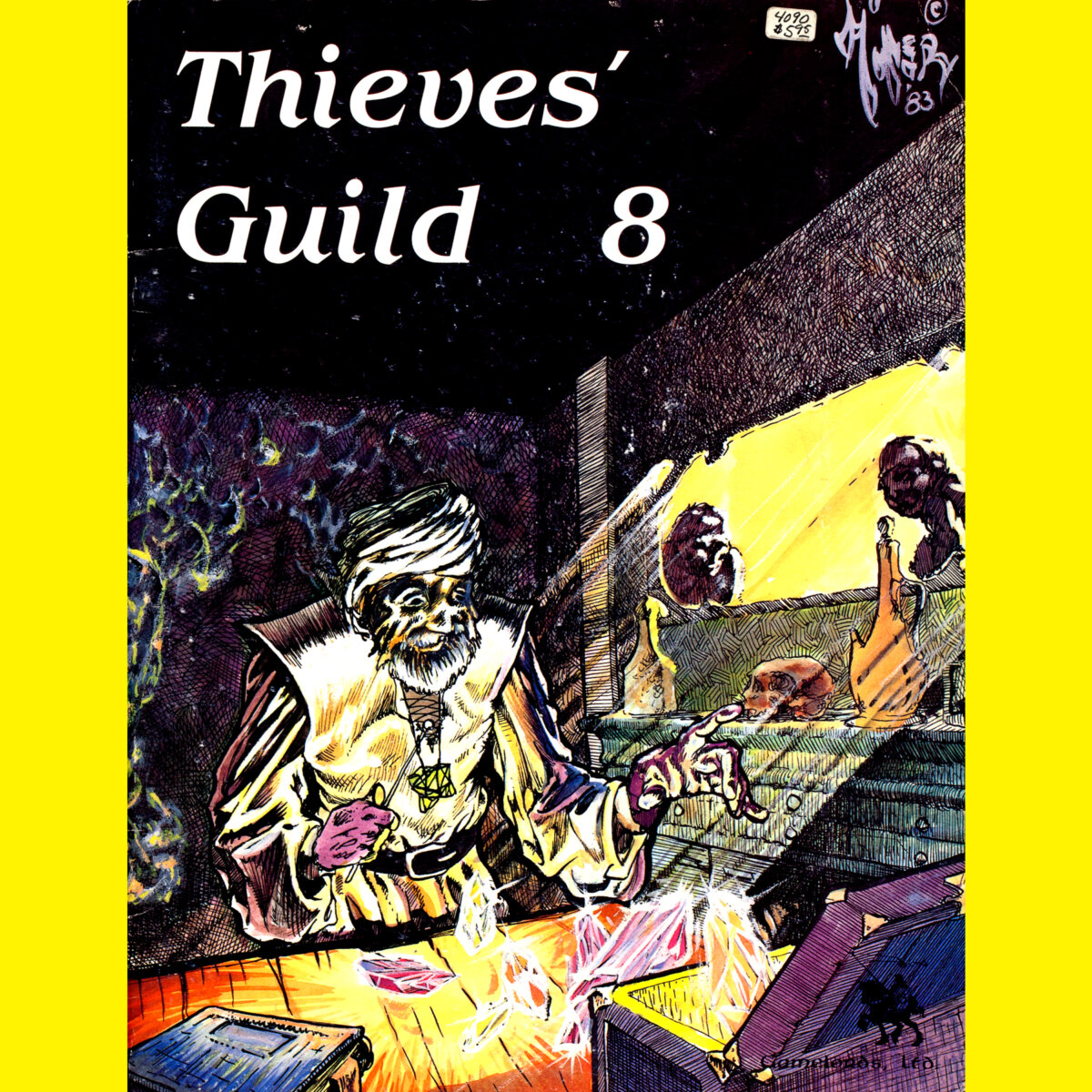
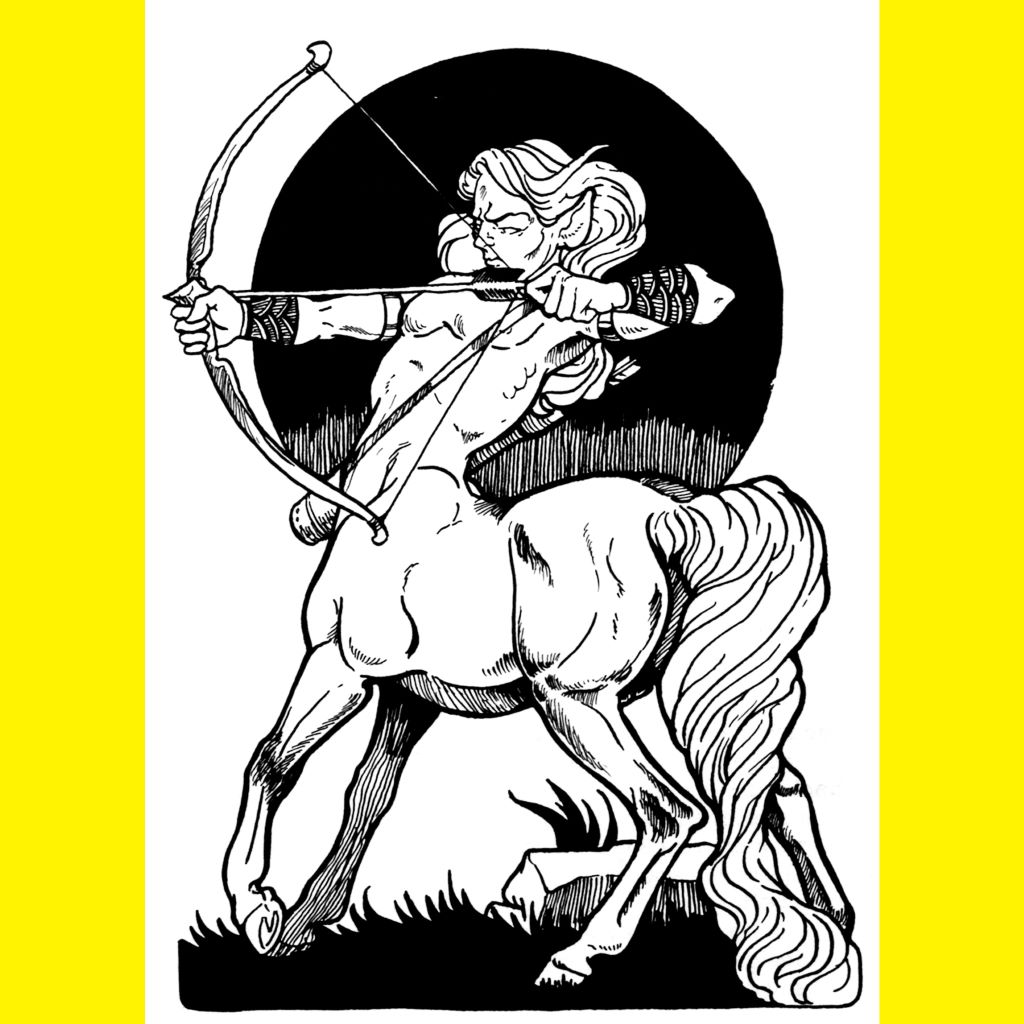
Thieves’ Guild 8 (1983) is really the last of the potpourri approach. It has incredibly complex rules for ranged weapons that include determining the specialties of given bowyers and penalties for firing a bow without bowmen’s leathers. As usual with this sort of complexity, I am both fascinated by the thinking that went into it (its’ extremely interesting!) and appalled at the idea of actually implementing it in play.
Next is a new set of targets for highwaymen to waylay, including a tailor, a mourning knight and a seller of counterfeit relics. This brings the total pool of travelers upon which bandits can ply their trade to about 50, which is a huge resource. I love the idea of structuring at least part of a campaign around this sort of thing and wonder how long it would take before players started to feel bad about it, or if they’d turn into hardened predators. Interesting stuff.
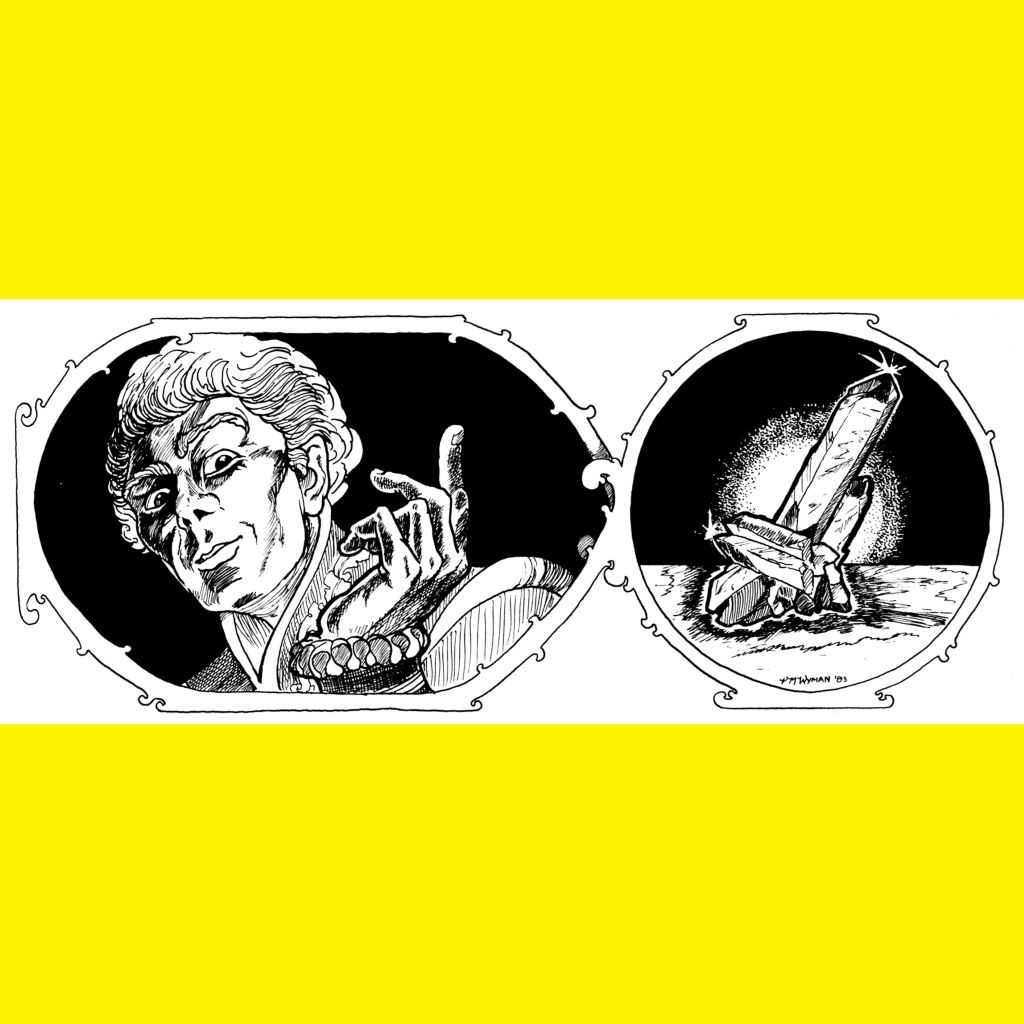
The rest of the book is given over to scenarios, the first is part one of a lengthy adventure in which the players are recruited to journey to a distant valley in order to retrieve a powerful magic crystal for a client. It’s not bad, but it amounts to a long overland journey in which the party is essentially prey for bandits and other hostile actors. This turnabout is perhaps fair play for an ongoing thief campaign, but the travel itself doesn’t strike me as exciting (compare to the travel of the early half of Warhammer’s Enemy Within). The second scenario involves rescuing a wedding party from trolls. I kept waiting for a twist with that one, but none came — just a straightforward rescue. |
| |
|
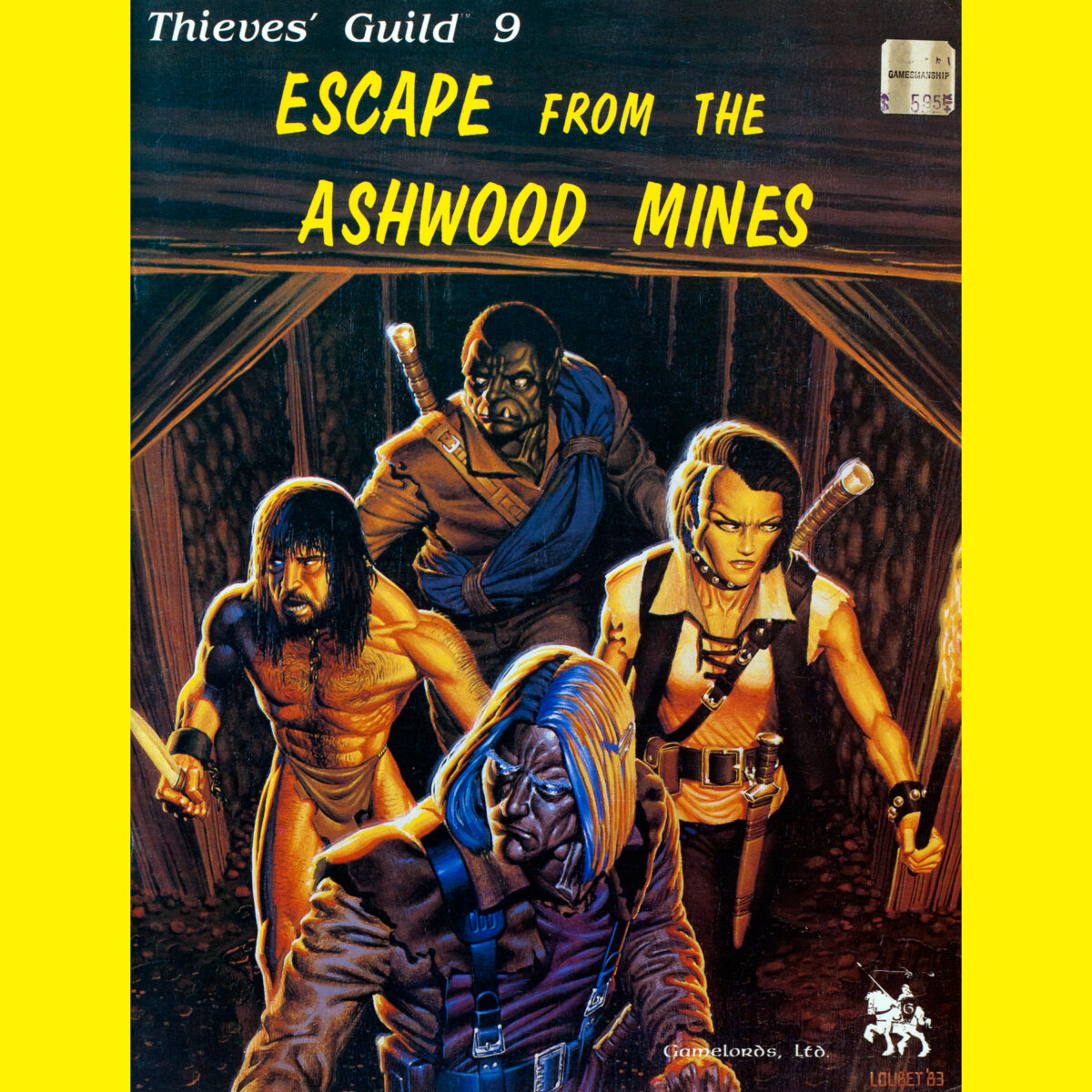
Thieves’ Guild 9: Escape from the Ashwood Mines (1983) |
| |
|
Thieves’ Guild 9: Escape from the Ashwood Mines (1983) consists of two scenarios. The first is the continuation of the one begun in TG8, and sees the party navigating a dangerous forest and arriving in the valley of their destination to find the population suspicious of visitors as potential thieves. The guy who hired them got killed at the end of part one, though, so I don’t see a lot of impetus for continuing on, but should the party decide to, they have to find a way to burgle a large citadel and then escape. The escape is probably the best bit, with several options available and all of them interesting in that they add to the party’s problems (Dragons! Goblins!) rather than minimizing them.
The second scenario is the title story (dig that cover, incidentally, it’s by Denis Loubet). Some noble gets himself thrown in the mines and the players have to rescue him. I like a prison break and this one is tricky, as the mines are well designed, well-guarded complex. Nothing super unexpected, but a solid scenario. |
| |
|
Thieves’ Guild 10: Bandit Gangs and Caravans (1984) |
| |
|
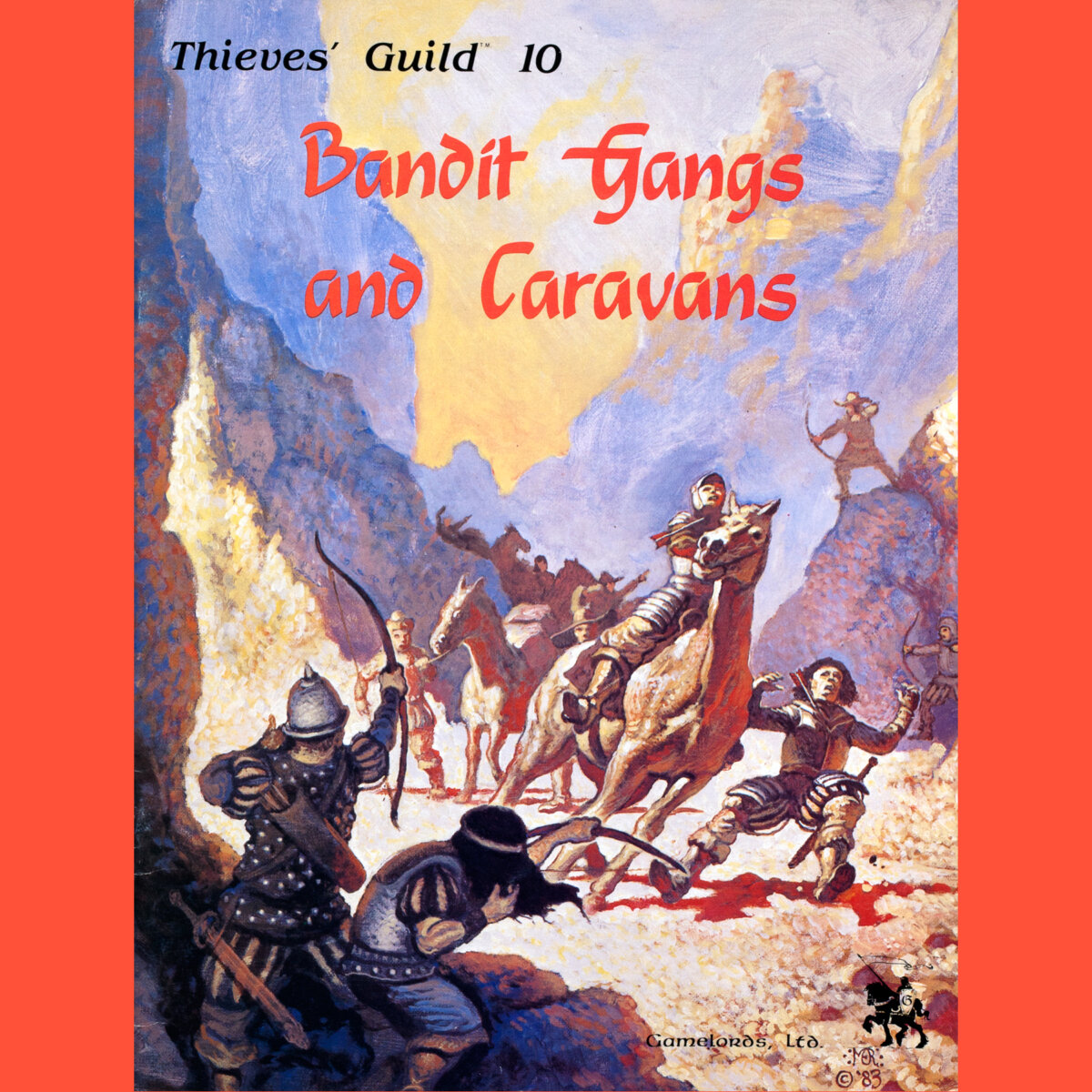
Thieves’ Guild 10: Bandit Gangs and Caravans (1984) is the last installment in the series. Alas! Let us stand and appreciate, for a moment, that the cover is by Mark E. Rogers of Samurai Cat fame. It is a nice cover. I feel like Rogers is underrated in general.
The bulk of the book is dedicated to what the title says. There are rules for creating caravans and, stocking them with enticing loot. The size of a caravan is too large for a player party to tackle alone, probably, so that’s where the bandit gang rules come in. I like all this stuff except the mass combat rules used to resolve the taking of a caravan. Those are a bit of a drag.
There is also one last scenario, and I quite like it. There is a merchant who owes money and the Thieves’ Guild intends to teach him a lesson by having the players break in and steal a notable ruby (and then the guild will ransom it back as interest on his late payment). The idea is for the thieves to break in, get the loot and leave without detection, so the Guild can surprise the merchant with the ransom, which is far easier said than done. The particulars of the mission are left to the players, but they get a lot to work with thanks to the way the scenario details the house, its inhabitants and the other locations of note in the neighborhood. Great stuff! |
| |
|
Within the Tyrant’s Demesne (1983) |
| |
|
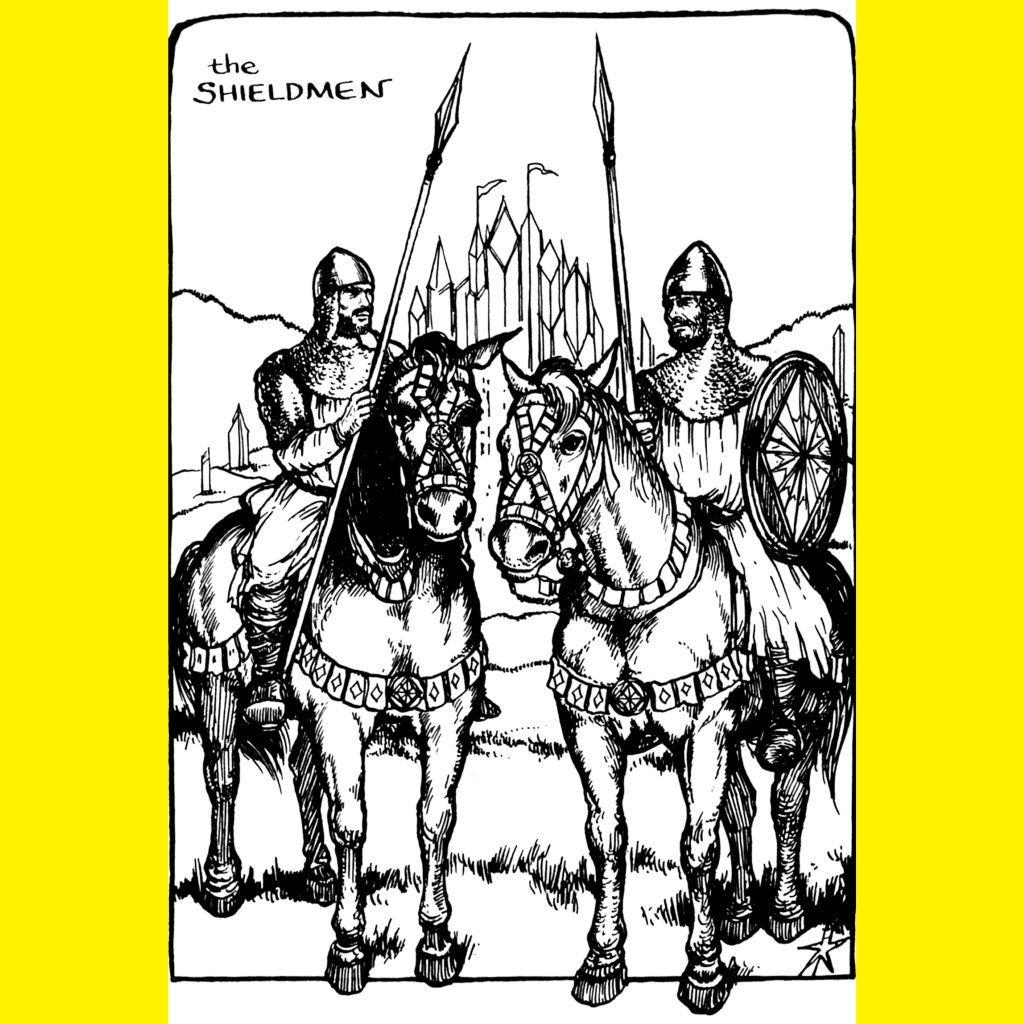
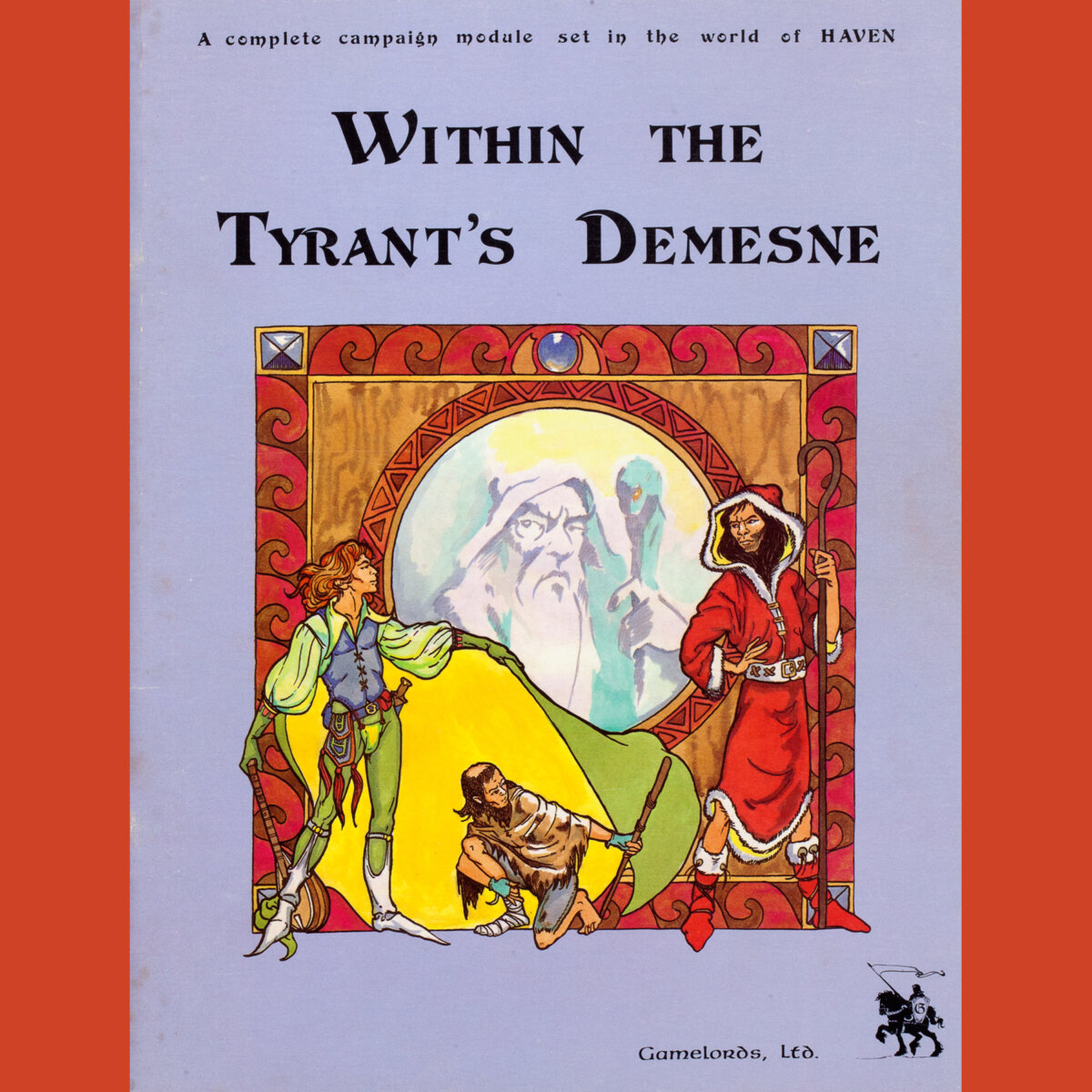
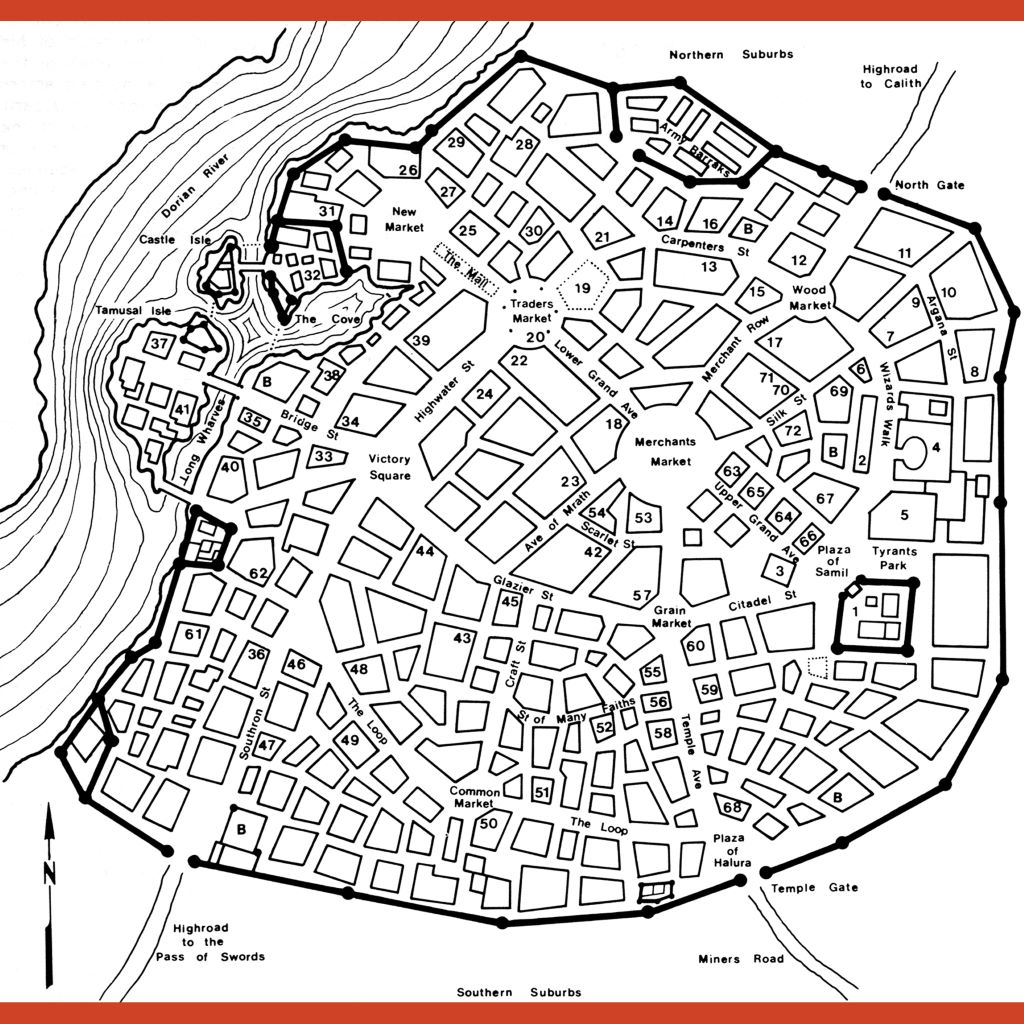
Late in the lifespan of the Thieves’ Guild line, Gamelords began issuing books expanding the campaign setting. Within the Tyrant’s Demesne (1983) focuses on the city dhar Ankhes, part of a somewhat Middle Eastern flavored region north of the main city of Haven.
It’s…fine. The count in charge is corrupt tyrant, kept in power thanks to willingness to allow his allies to profit from criminal enterprises. There are, of course, many people who would like to see the count overthrown. There is also a guild of wizardry in turmoil and an external rivalry with local tribesmen (detailed in the next book) to contend with as well.
All of the information is as well thought out and presented as other Gamelords products, and it is nice to have a Point B for all those merchants to travel to and from so player bandits can pilfer them. But I do think it is a shame that we got these books rather than the final volume detailing Haven before Gamelords passed into history. |
| |
|
City of the Sacred Flame (1983) |
| |
|
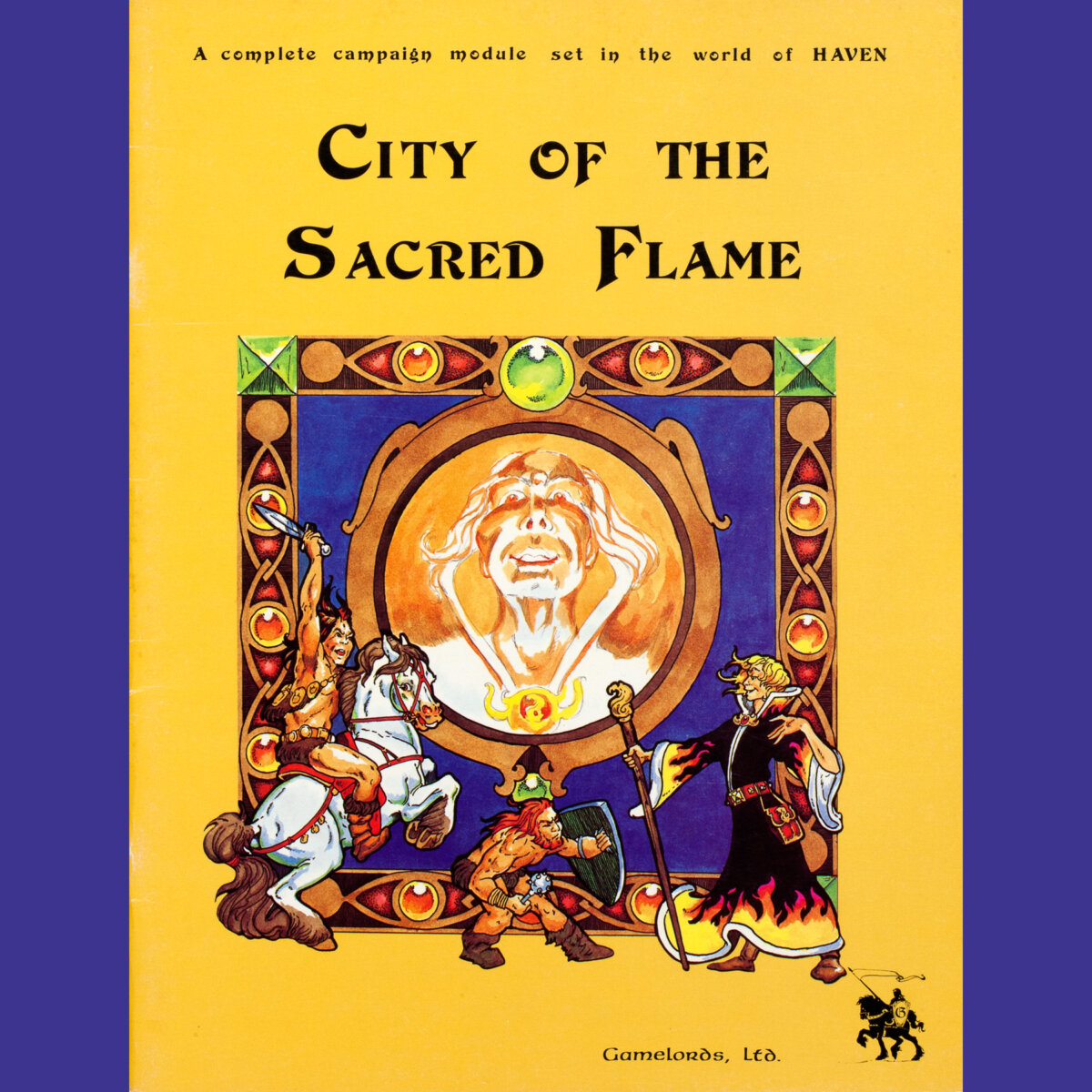
City of the Sacred Flame (1983) is the companion to Tyrant’s Demesne and details the tribes that live in the valley beyond, as well as the titular city, their seat of power. They are in conflict with the tyrant, though mostly too spread out and in varying dispositions to really make the conflict hurt.
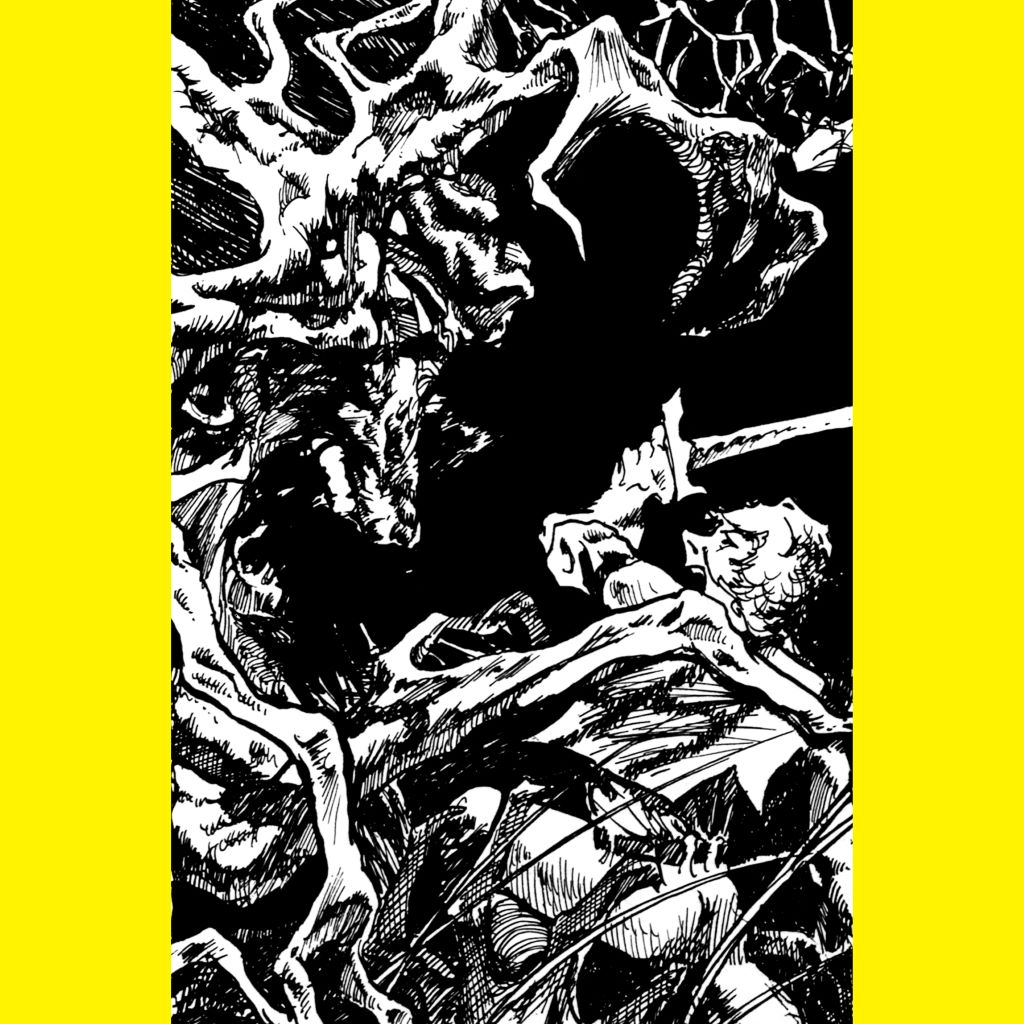
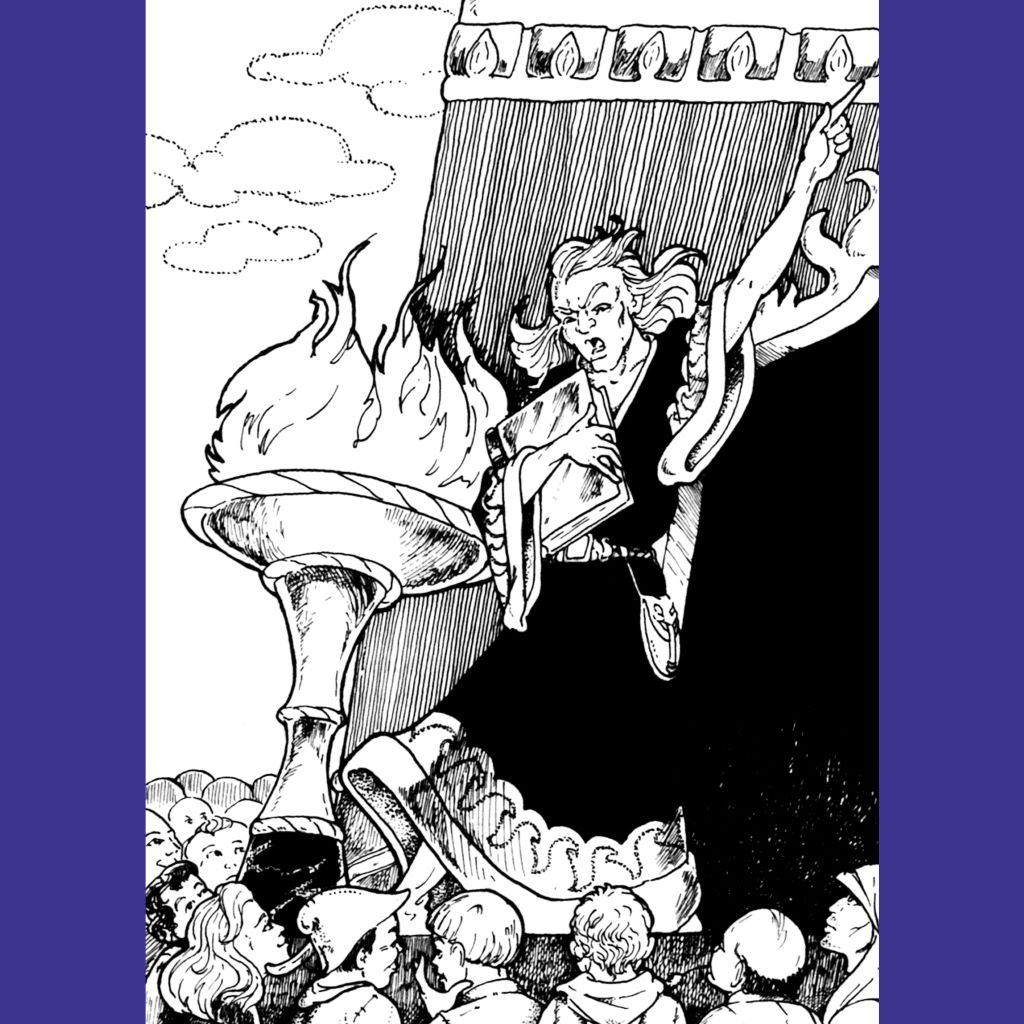
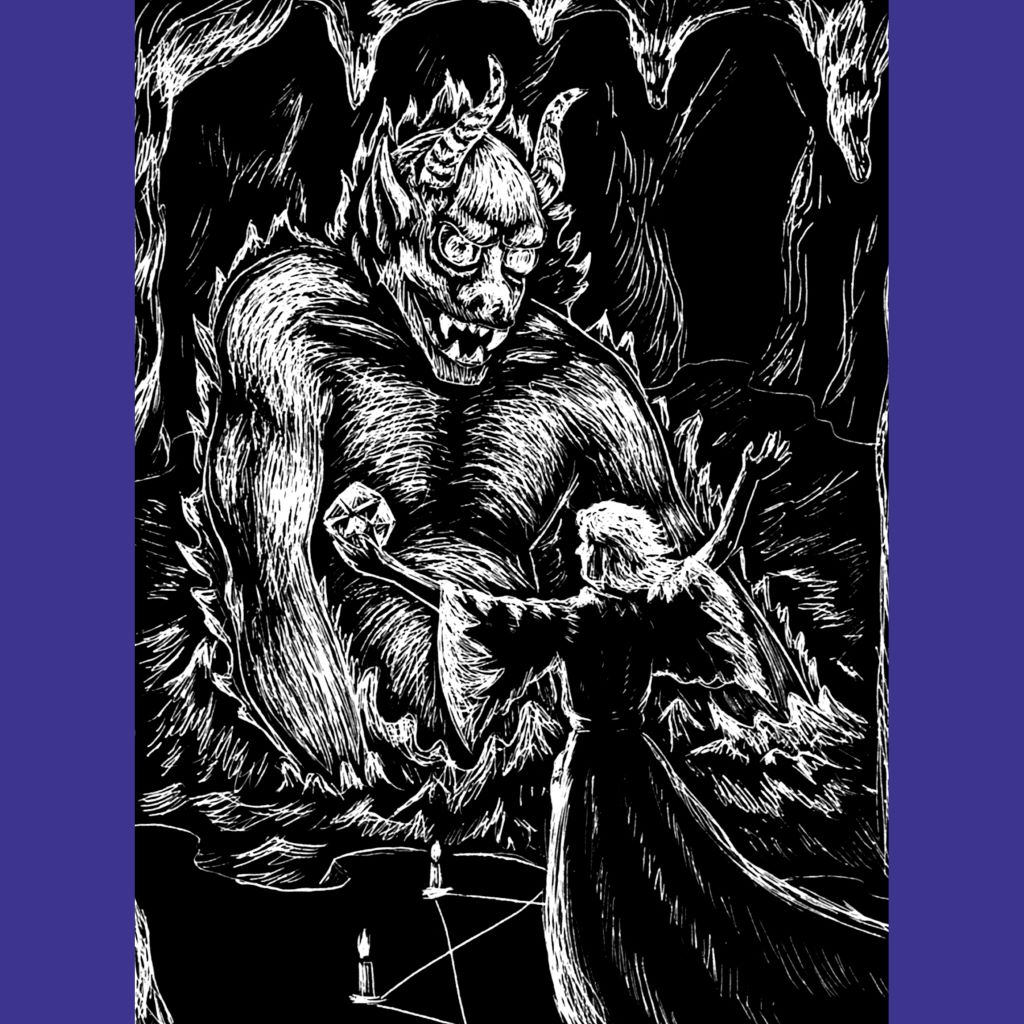
The vague Middle Eastern trapping are still present, though the prominence of gladiatorial fighting also gives the region a whiff of the Roman. I like the flame-worshipers a lot, actually. Basically, the city founder sold his soul for seven years of prosperity before perishing in the flames. Seven beacon lights are maintained now in the city in anticipation for his prophesied return. The truth of that can be sussed out in the course of the first adventure. Somewhat amusingly, it is rather brief and the story rather disappointing, which I kind of love — there is a whole city and cult dedicated to this guy who is now just a constituent part of a demon’s consciousness. It’s weird, and learning the truth I think puts players in an interesting position. The second adventure is an elaborate kidnapping scheme, which has absolutely nothing to do with the first, which is somehow even more appealing. |
| |
|
On the Fourth of July, the fam and I popped into the Silver Ball Museum, a retro arcade in Asbury Park. They used to only be pinball machines, but now they also have vintage arcade cabinets. That night, I watched Tron for the first time in a billion years, too. Both these things likely contributed to this most dangerous purchase: an arcade cabinet marquee for Exidy's 1981 classic, Venture, one of the very first videogames I ever played. Is this how it starts? Am I going to seriously look into getting a Gorgar table next? Or a Gauntlet cabinet? What have I done?! Where am I even going to put this thing? |
| |
Vintage RPG
Copyright Stu Horvath, 2024, except when not
| |
|