|
|
Delving Too Deep |
|
A journey into the modern megadungeon. |
|
|
| |
|
Note: This week's posts all have lots of pictures, which is fine for a website but unwieldy for a newsletter. So I've picked my four favorites for each one. Click through for the rest!
|
| |
|
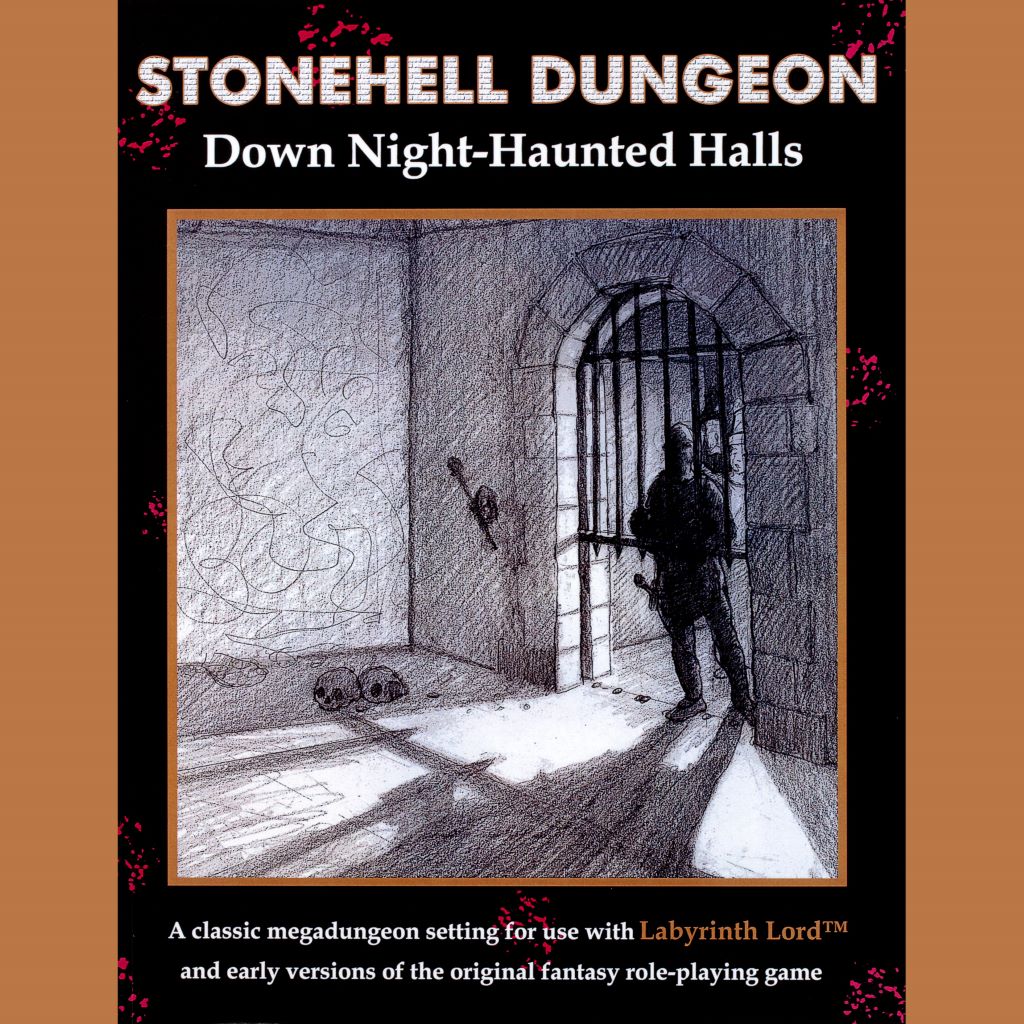
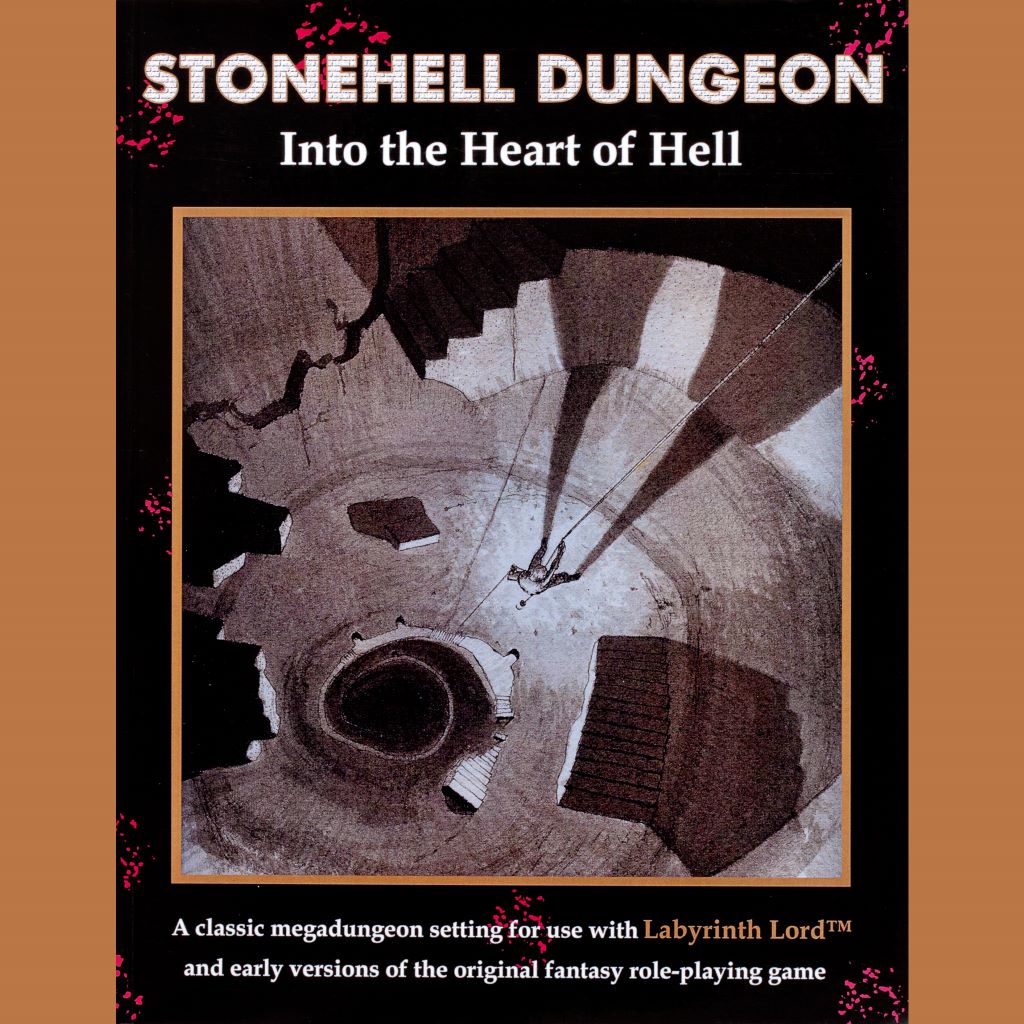
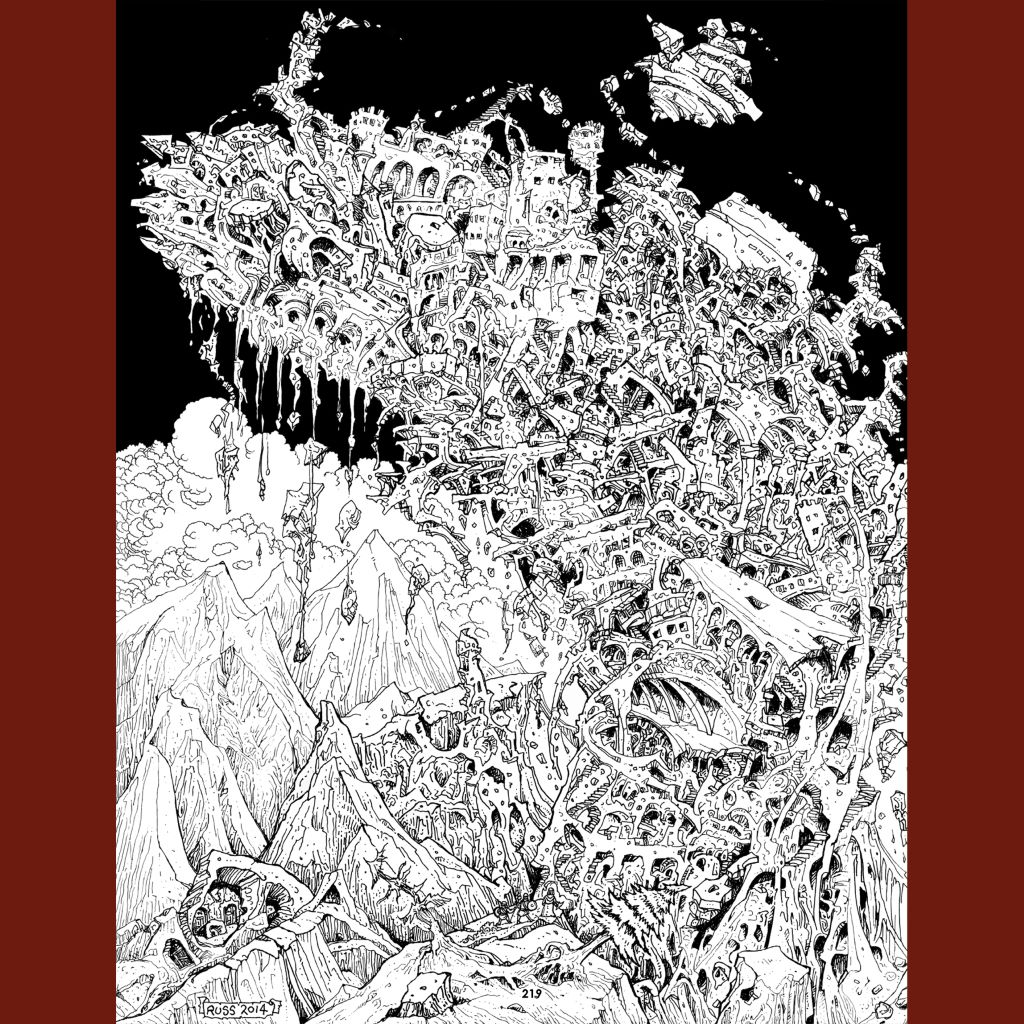
Stonehell is my pick for the best of the 21st century megadungeons (and is, I think, one of the first in the OSR mode). It’s in two parts, the initial Stonehell Dungeon: Down Night-Haunted Halls arriving as a self-published print on demand product in 2009, and the second part, Stonehell Dungeon: Into the Heart of Hell wrapping things up in 2015.
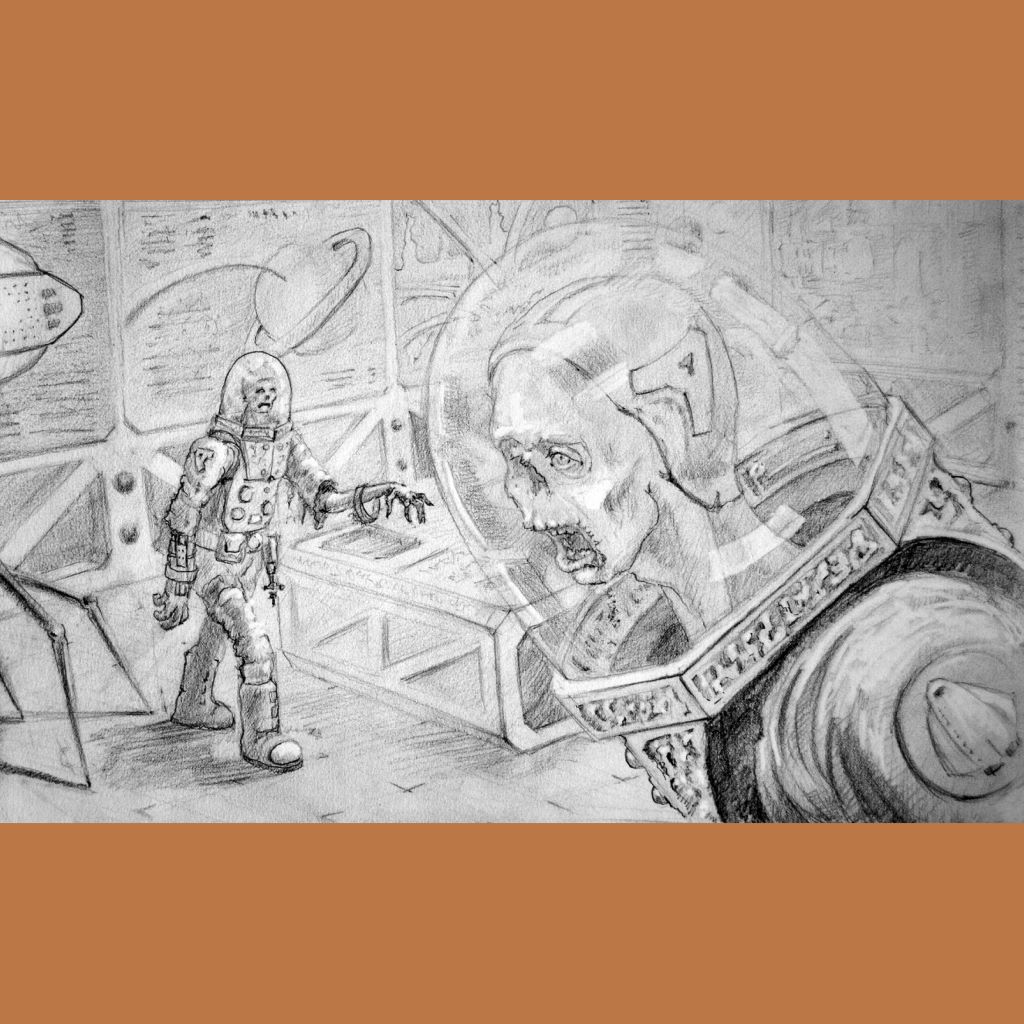
The dungeon began as a tyrant’s prison, where the prisoners were forced to excavate their own living space. The tyrant fell, but when the prison was liberated, not everyone left — lots of folks considered the horrible place their home. The top layers still retain their prison-like feel, and numerous former prison gangs have carved up the complex into small warring kingdoms. Deeper levels get stranger. At the very bottom is the lair of a creature of pure chaos that feeds on the negative emotional energy generated by the inhabitants. The more it eats, the more it destabilizes nearby reality. This goes a long way toward explaining why the place is so weird (there’s a casino down there somewhere, and at least one crashed space ship).
Dungeons are inherently irrational, and even though it is unlikely that a group will ever “solve” Stonehell, I feel that as a whole, it justifies its irrationality in a way few other dungeons of any size do, and this makes it feel unique and special. Its also extremely usable — despite being something like 1300 rooms, each level is made of quadrants that are detailed in a derivative of the One-Page Dungeon system, so everything is clear, brief and even modular — you can rearrange, drop or use any section on its own, should you wish. It’s really quite the accomplishment, especially considering it’s Michael Curtis’ first big outing into design. No wonder he became such a big wheel at Goodman Games! |
| |
|
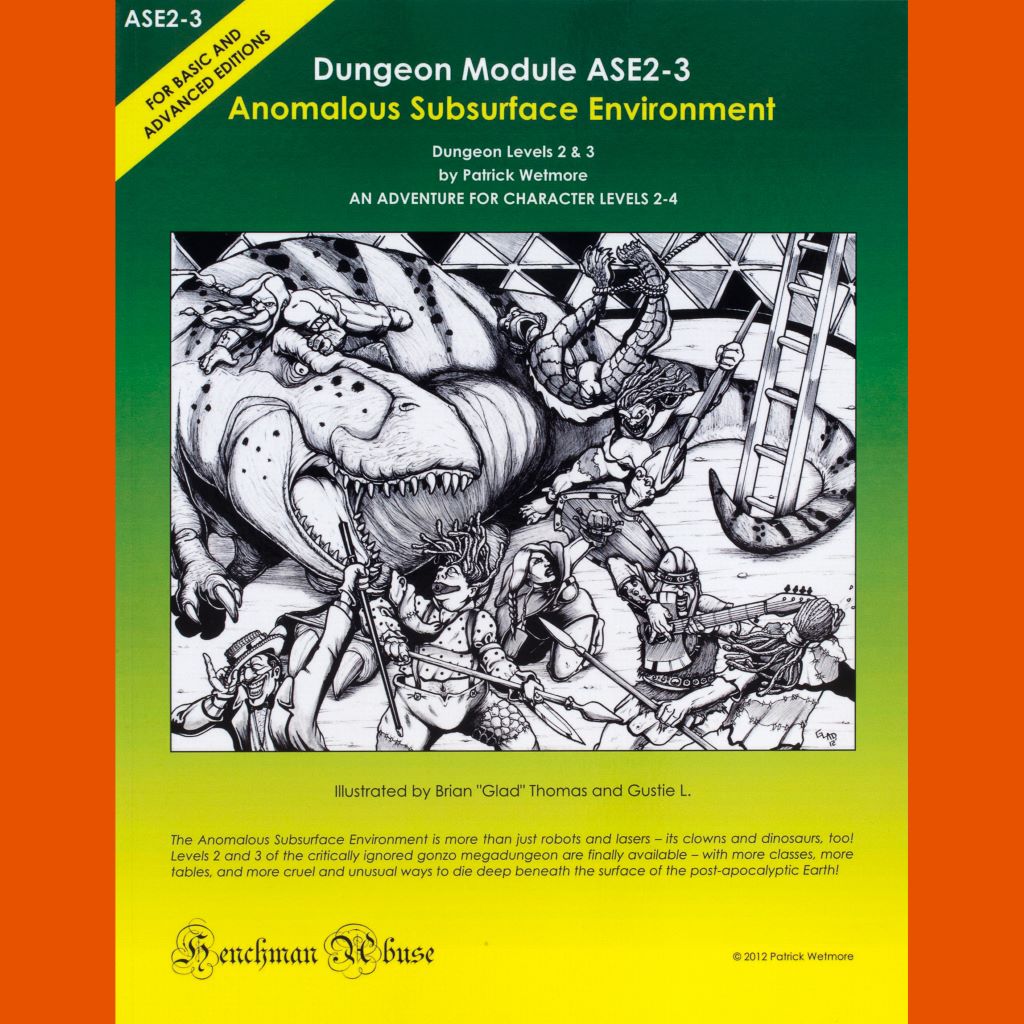
Anomalous Subsurface Environment (2011, 2012) |
| |
|
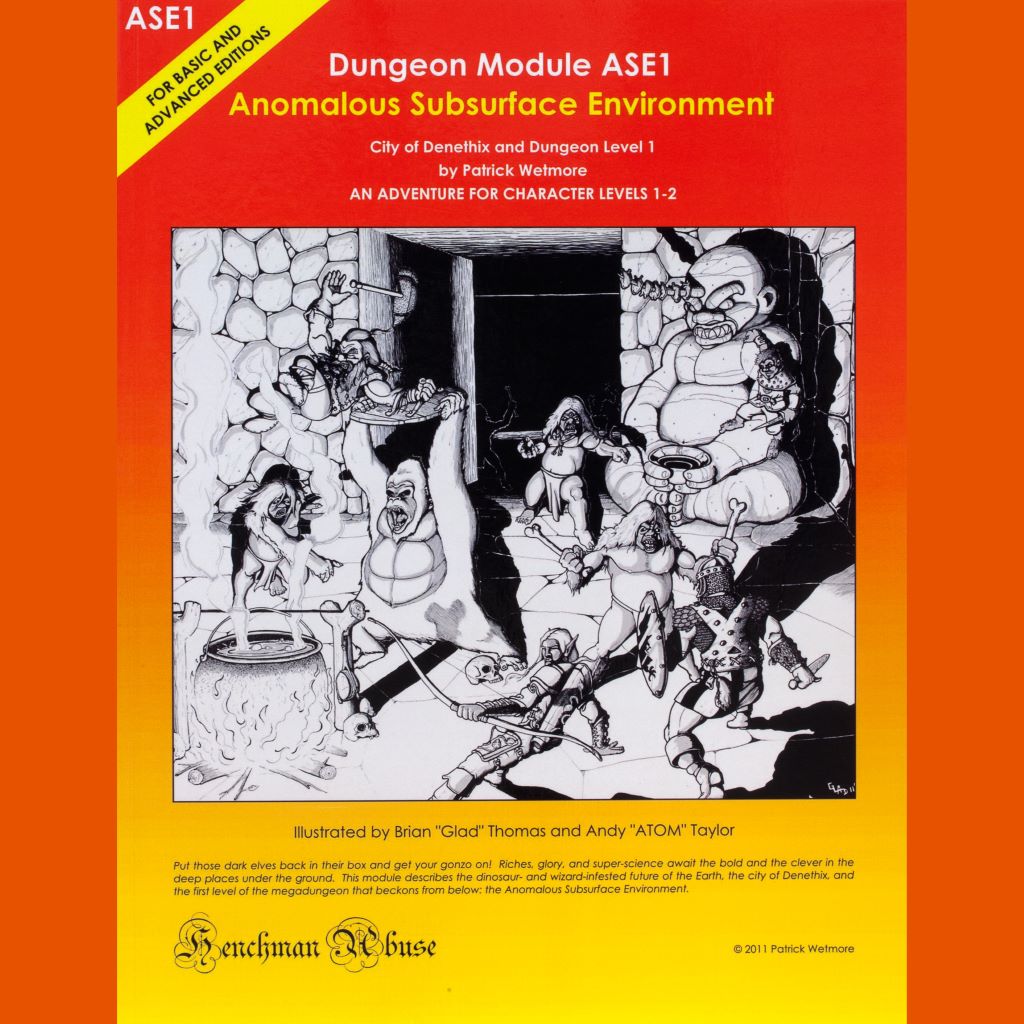
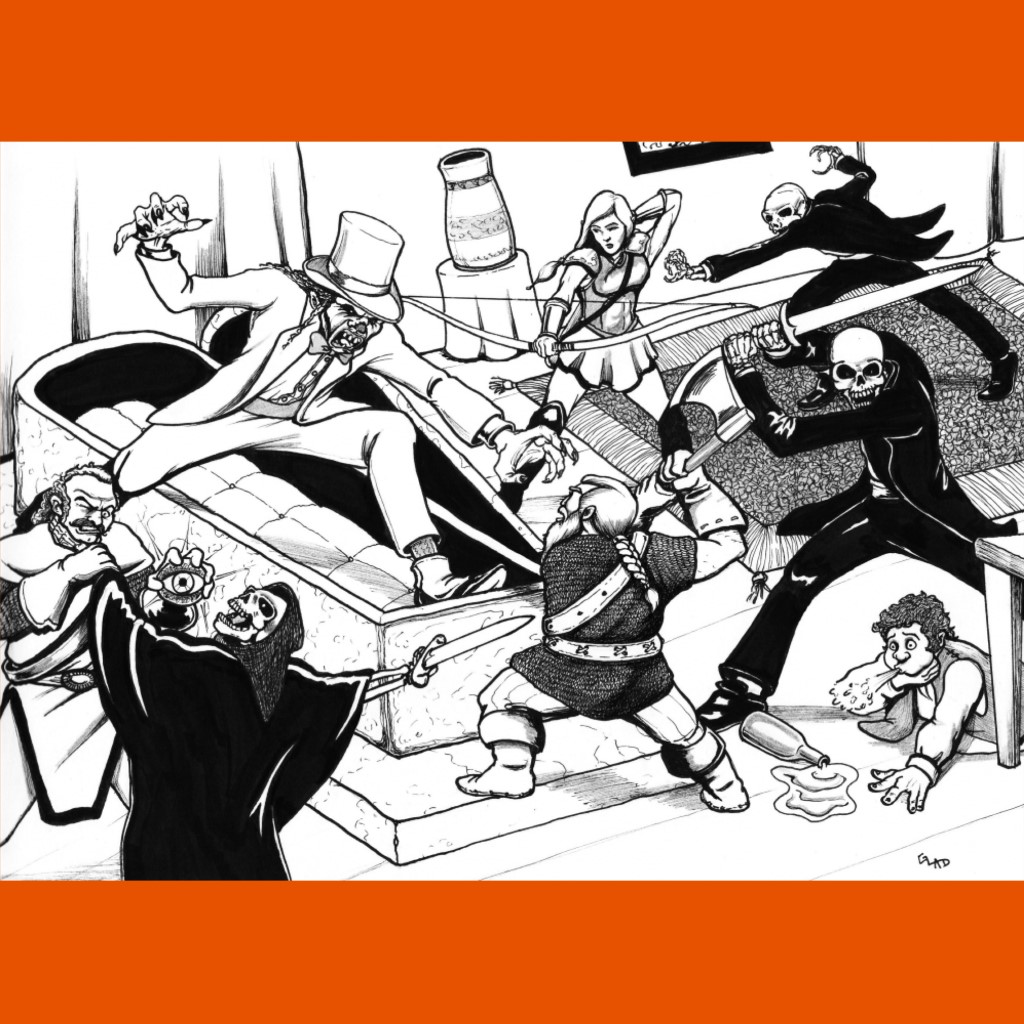
Anomalous Subsurface Environment takes a novel approach to contending with the inherent irrationality of the dungeon by embracing it. There’s no secret at the center that makes it all suddenly make sense (in part because after two volumes — ASE1, 2011, and ASE2-3, 2012, both print-on-demand — the dungeon remains unfinished, but still, the introduction is pretty clear that there are no revelations to be had).
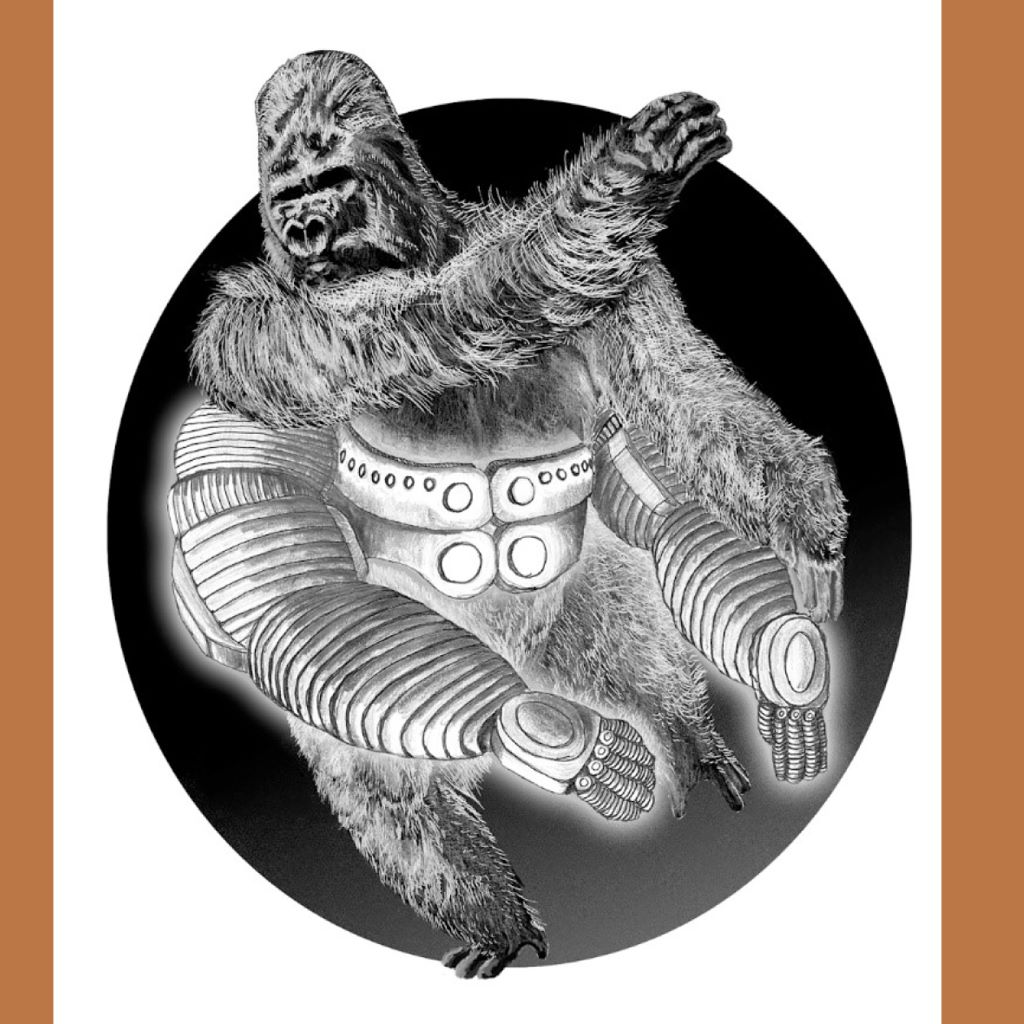
The dungeon came into existence spontaneously and persists thanks to a maintenance staff of self-created elemental spirits and defies any further explanation. The ASE was discovered in our own cyberpunk future by a megacorp that built large facilities around the ASE to research and extract profit. At some point, an unknown disaster forced the megacorp to seal the complex, trapping staff and resources inside. Fast forward 4,000 years into a retro-future resembling Thundarr the Barbarian, where the detritus of high technology mixes with magic and the ASE is, mysteriously, open for exploration once again. Thus, ASEis both as bizarre as its freeform funhouse ancestors but benefits from the narrative framework of modern megadungeons like Stonehell.
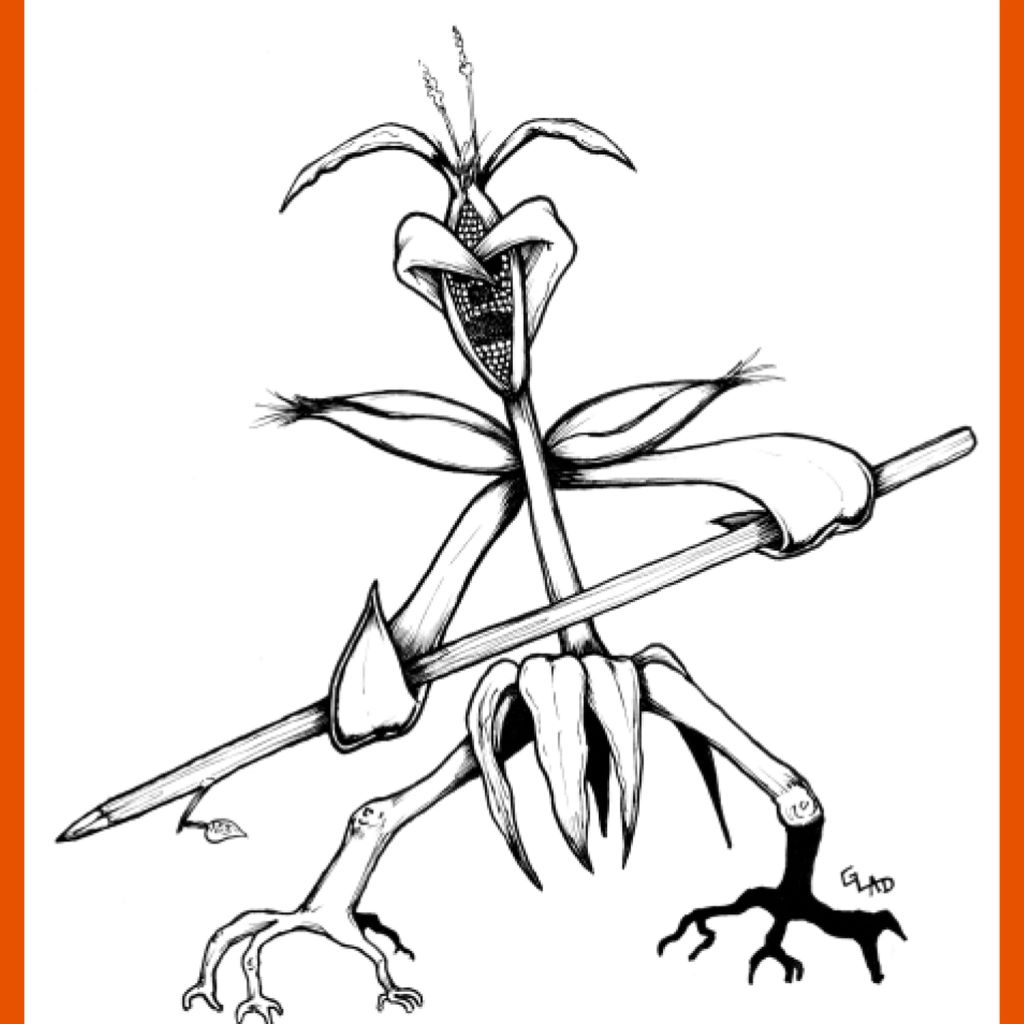
The central implication is that the system of the universe wanted dungeons to exists so badly that it just summoned one into existence, complete with all the silly game logic that had developed over the last 40 years, to see what would happen. The book present the ASE as the product of indomitable will that lacks driving intelligence. This is both brilliant and deeply, deeply weird. Watch out for the cornstalk warriors. |
| |
|
Completely Unfathomable (2022) |
| |
|
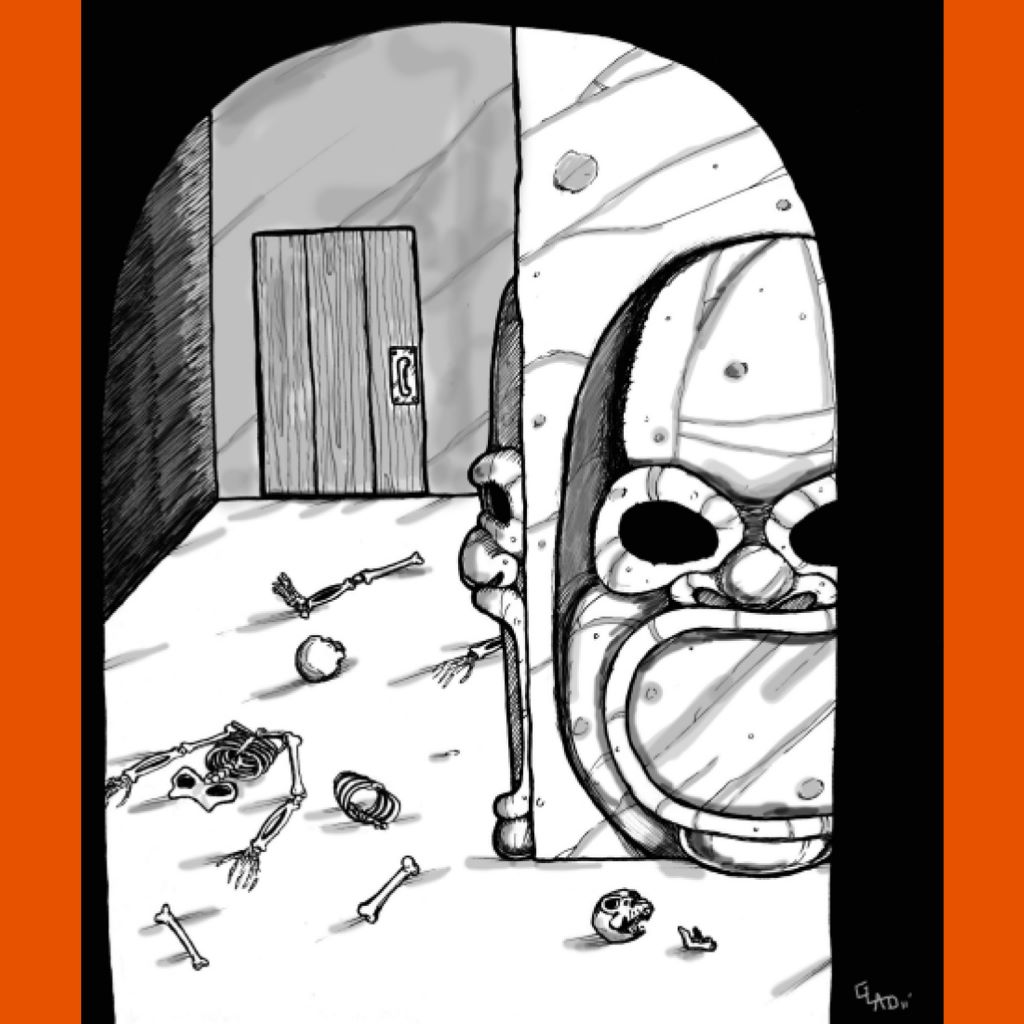
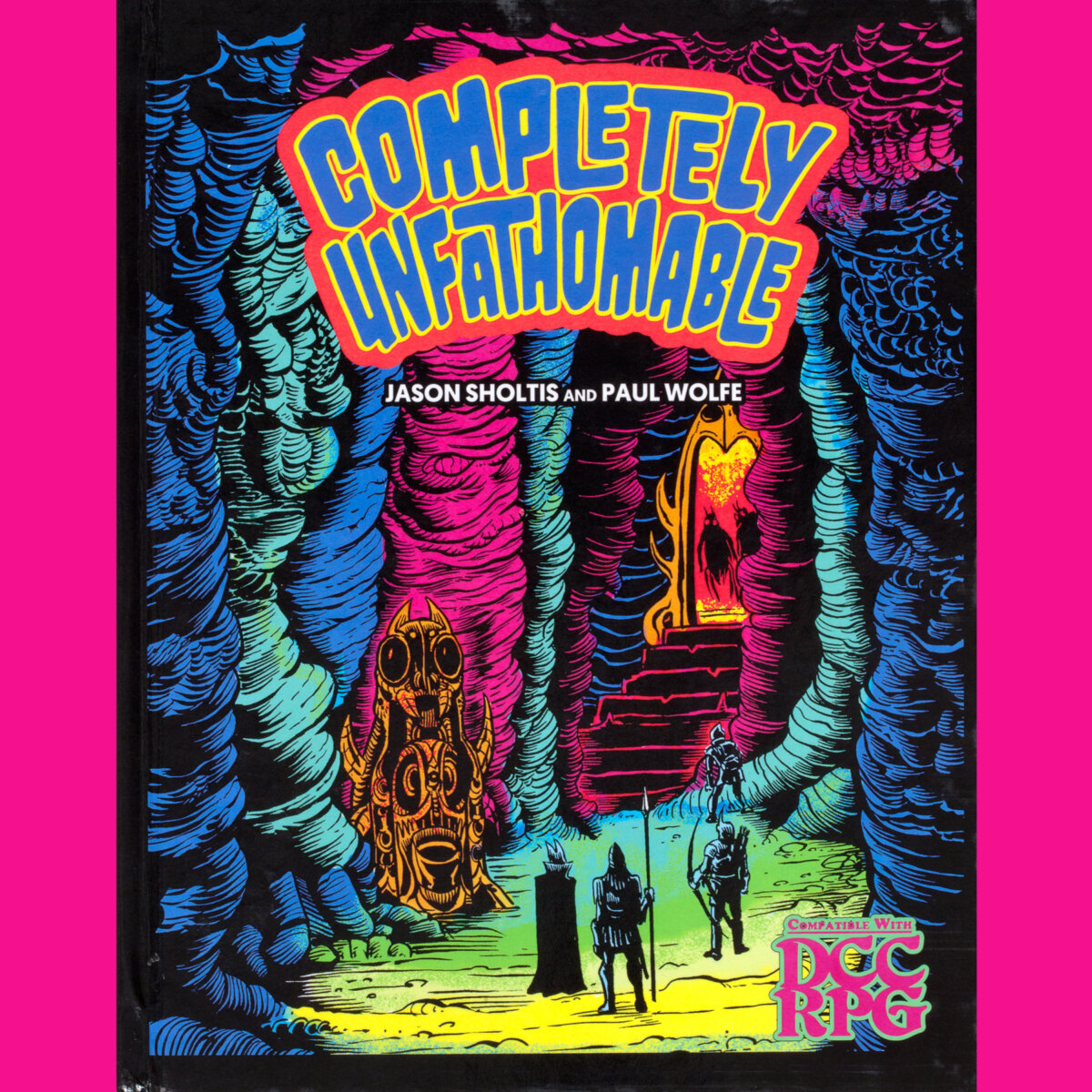
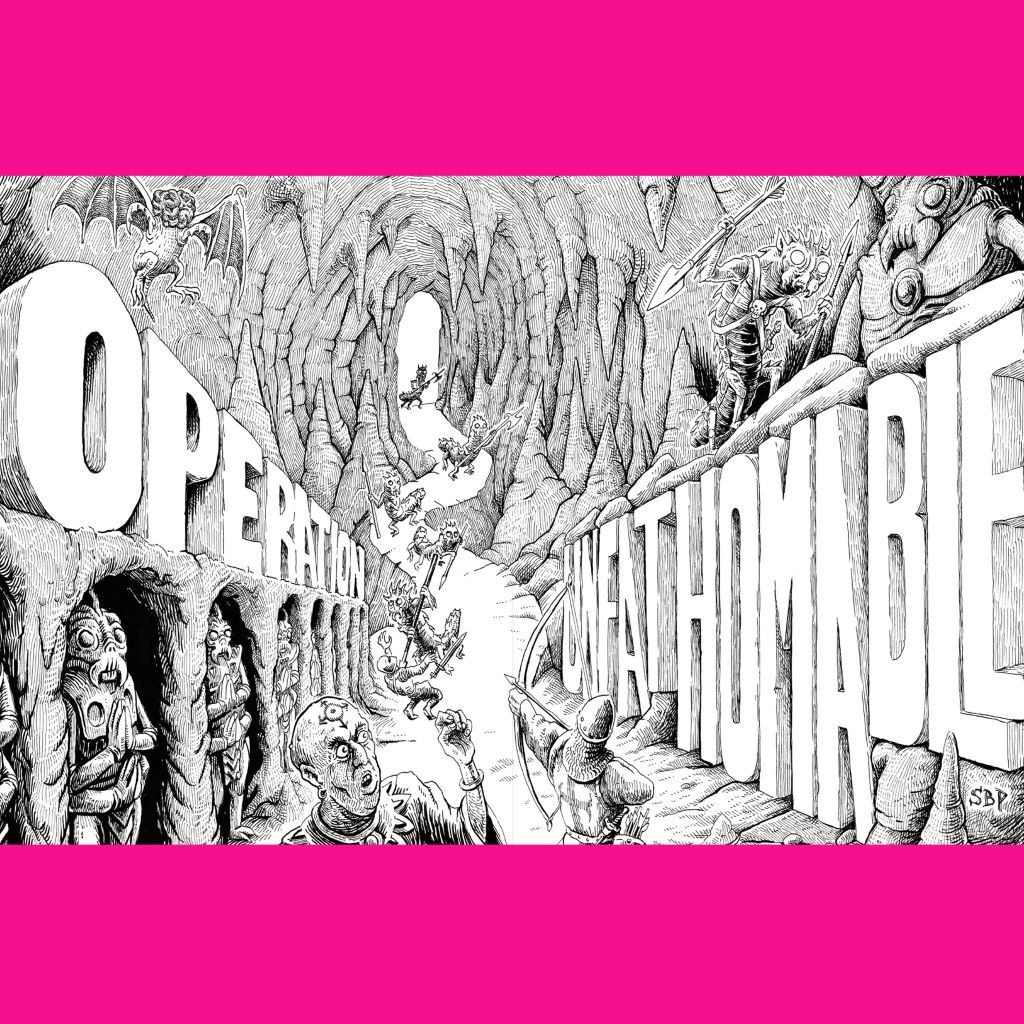
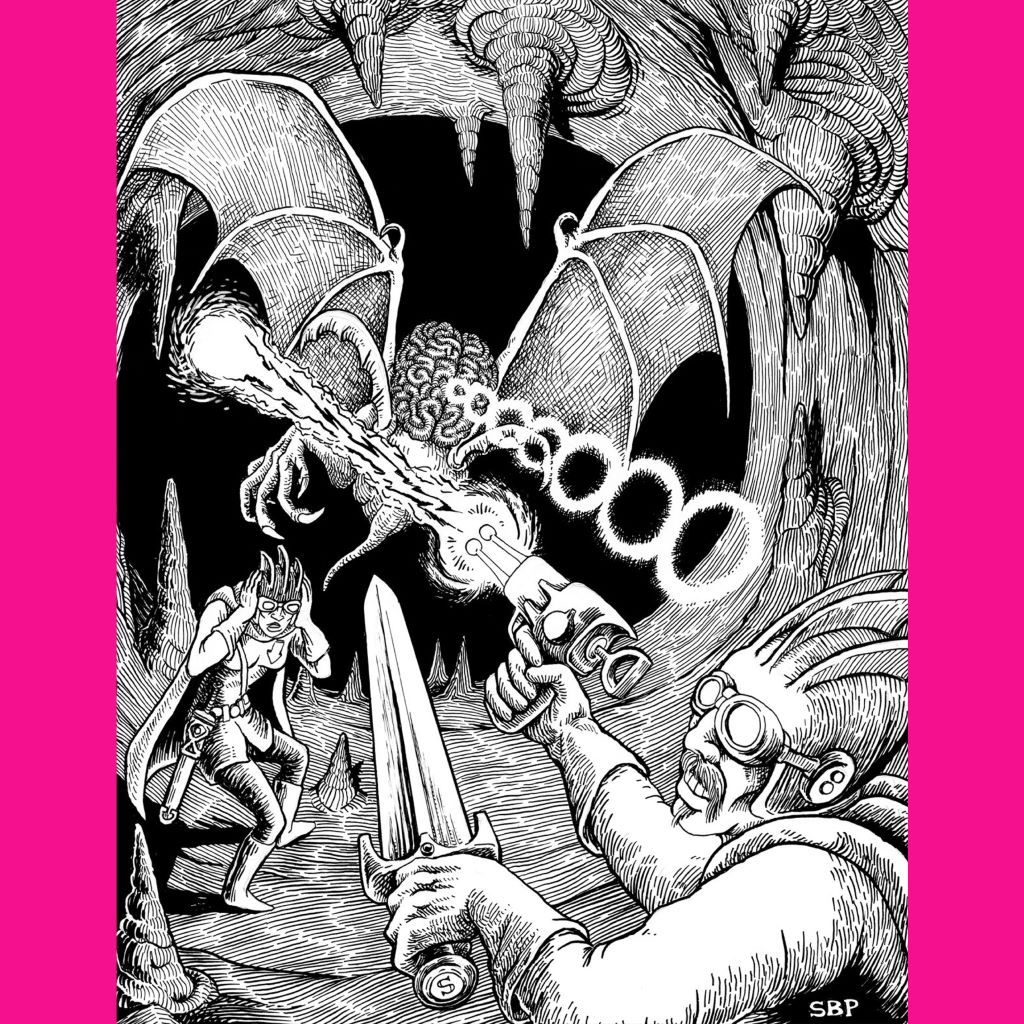
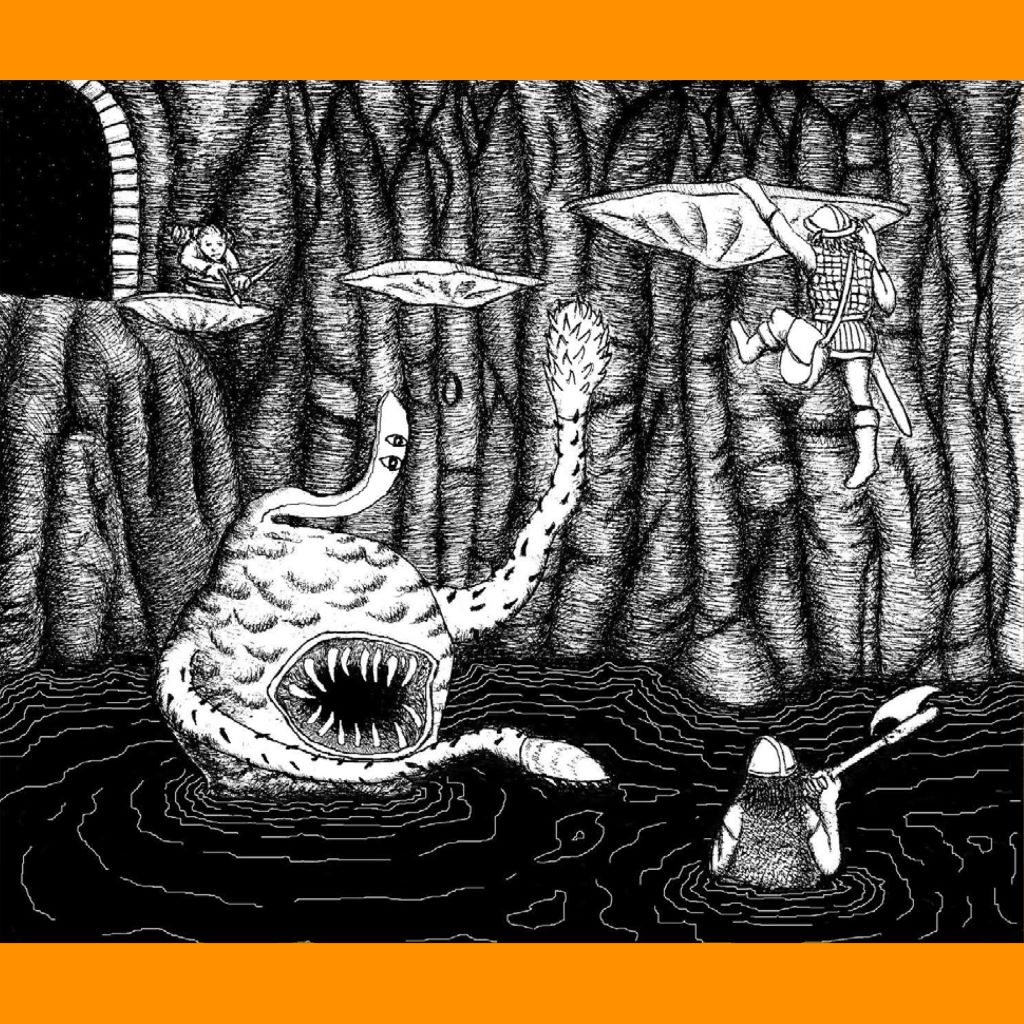
Few megadungeons are quite the smack in the face as Jason Sholtis’ Completely Unfathomable (2022). It actually collects two previous publications, Operation Unfathomable (the underground) and Odious Uplands (a wilderness), and translates them to the DCC system. Everything about this is bold and clear — the writing, the design, the art (by Sholtis himself, as well as Christ Brandt, John Larrey, Stefan Poag and Skullfungus). The art in particular does a lot of work here — strong line work keeps things comic bookish and cartoony, which is a nice contrast to how unrelentingly deadly the book is.
I’m not even sure the cave complex here counts as megadungeon. The maps seem rather reasonably sized, and a lot of the material is dedicated to bespoke encounters rather than detailed room descriptions (it feels more like a collection of hex descriptions, actually). It is an unrelentingly strange place (so are the Uplands, honestly), but I hesitate to call it gonzo, a term that for me evokes the flailing and shouting of Kermit the Frog — gonzo games are just explosions of chaos, one right after another. This is a deeper sort of weird, with odd characters wandering on and off screen in a way that implies a larger sort of ecosystem, but one that remains inscrutable to me. Similar to the way aliens in many ‘60s science fiction novels are just bizarre, and even when you get them explained, they never entirely make sense. Or, like Voyage to Arcturus, where humans grow new organs upon arrival and no one freaks out about it. That’s the vibe here (I mean, the name of the book IS Completely Unfathomable). There’s a strong sense of near-psychedelic wonder as well; granted, the party is probably too busy dying repeatedly to truly appreciate those wonders, but still.
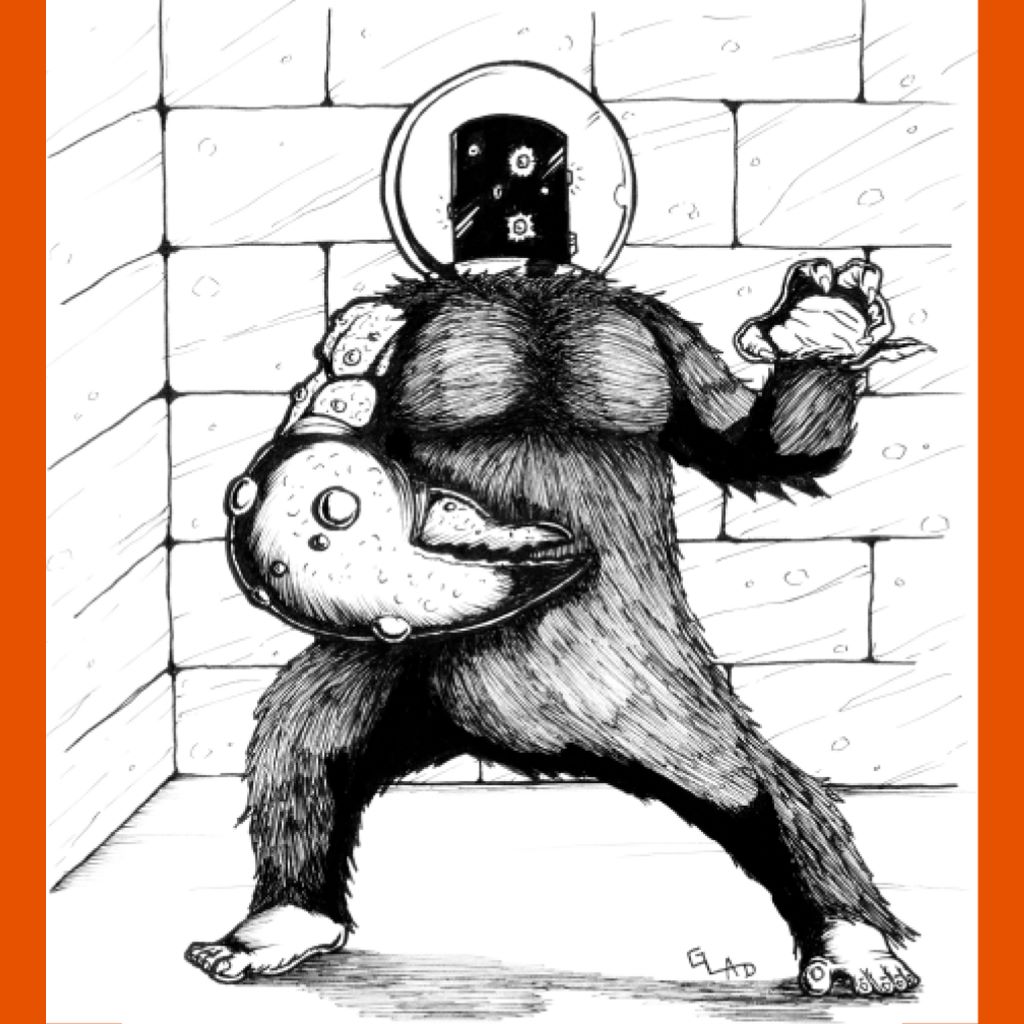
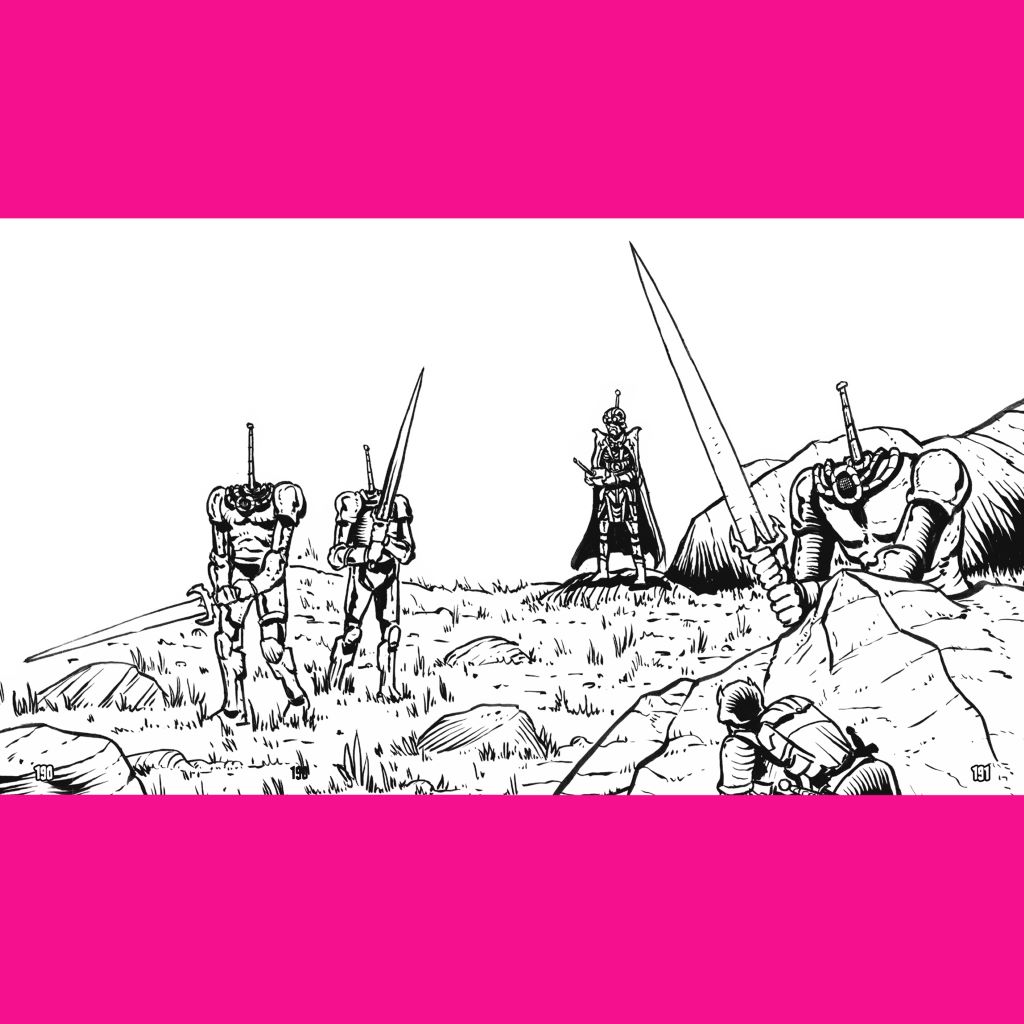
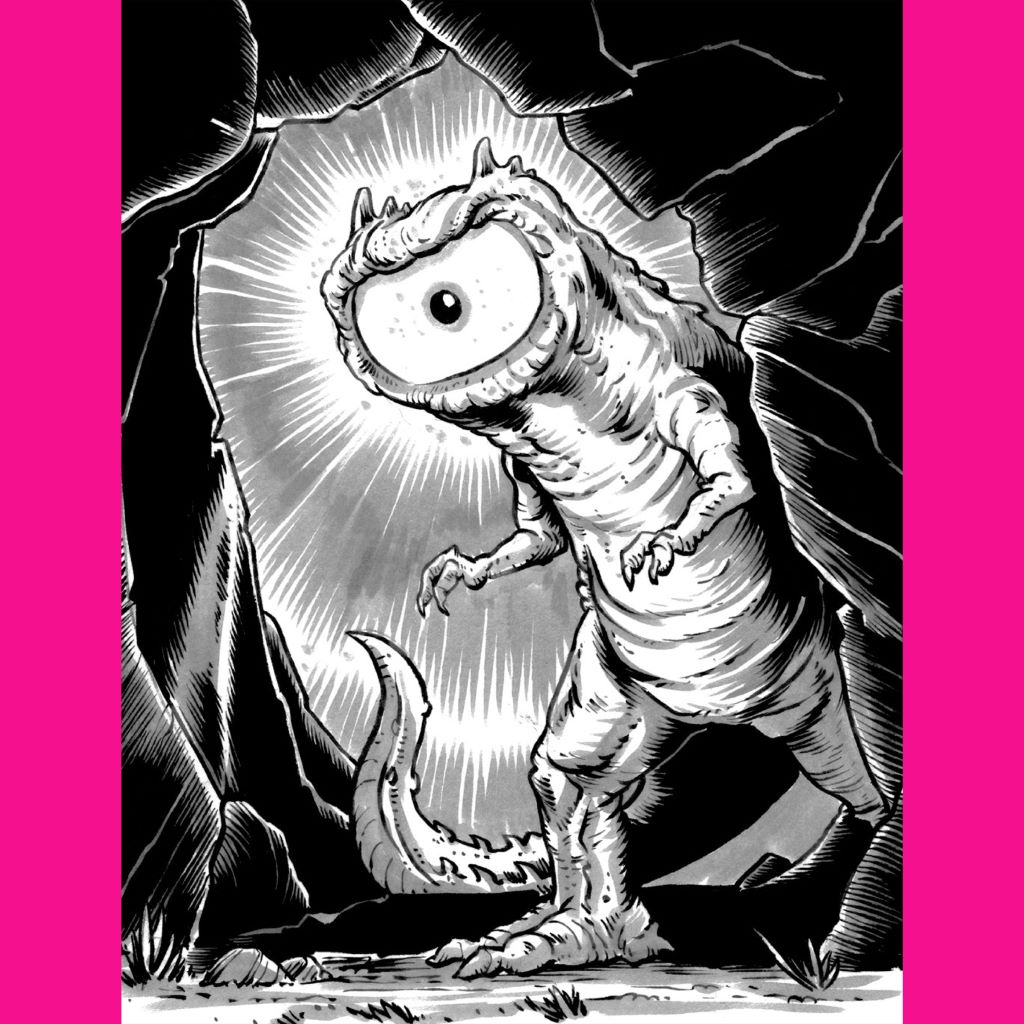
The bestiary is A+ and worth the price of the book alone. So many odd creatures. I particularly like the decapitants (humanoids with aerials and satellite dishes instead of head) and blind antler men (fungus-headed people), but honestly every monster in the book brings something new to the game. |
| |
|
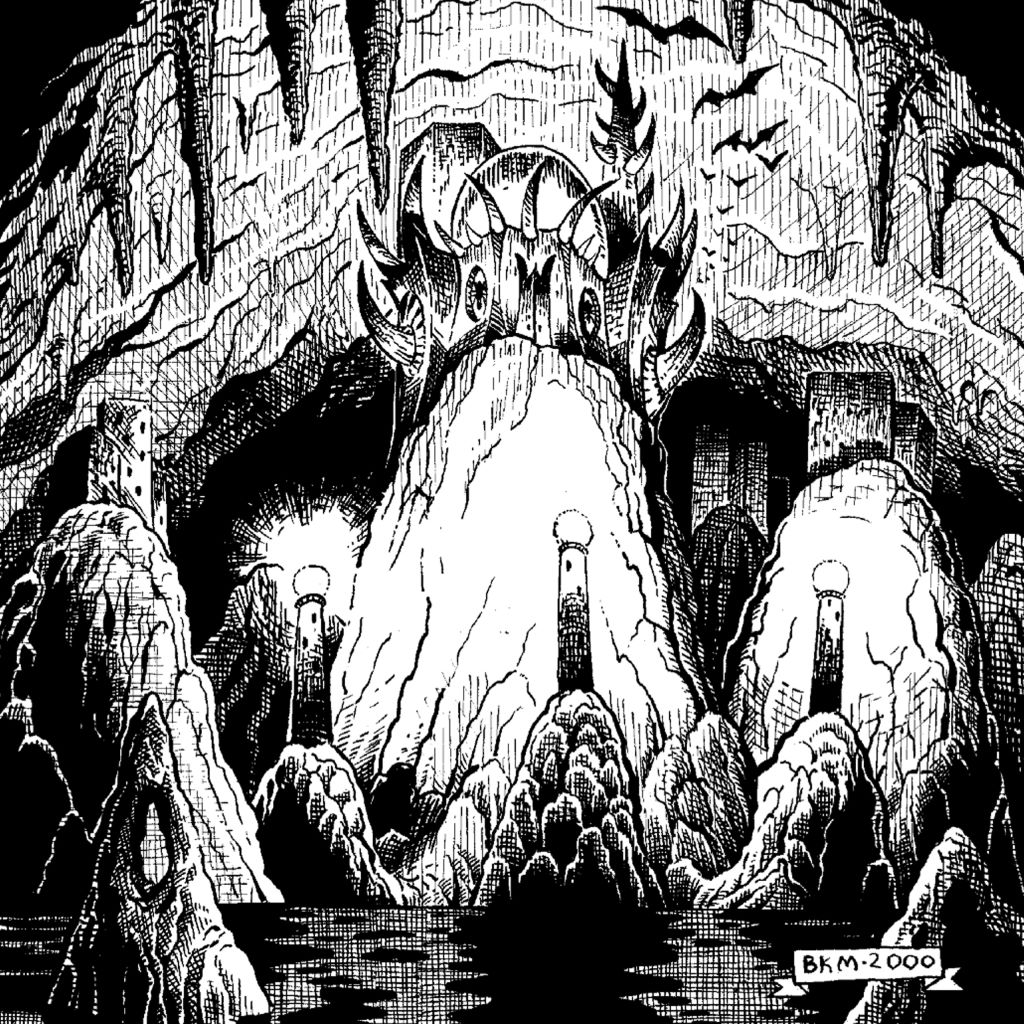
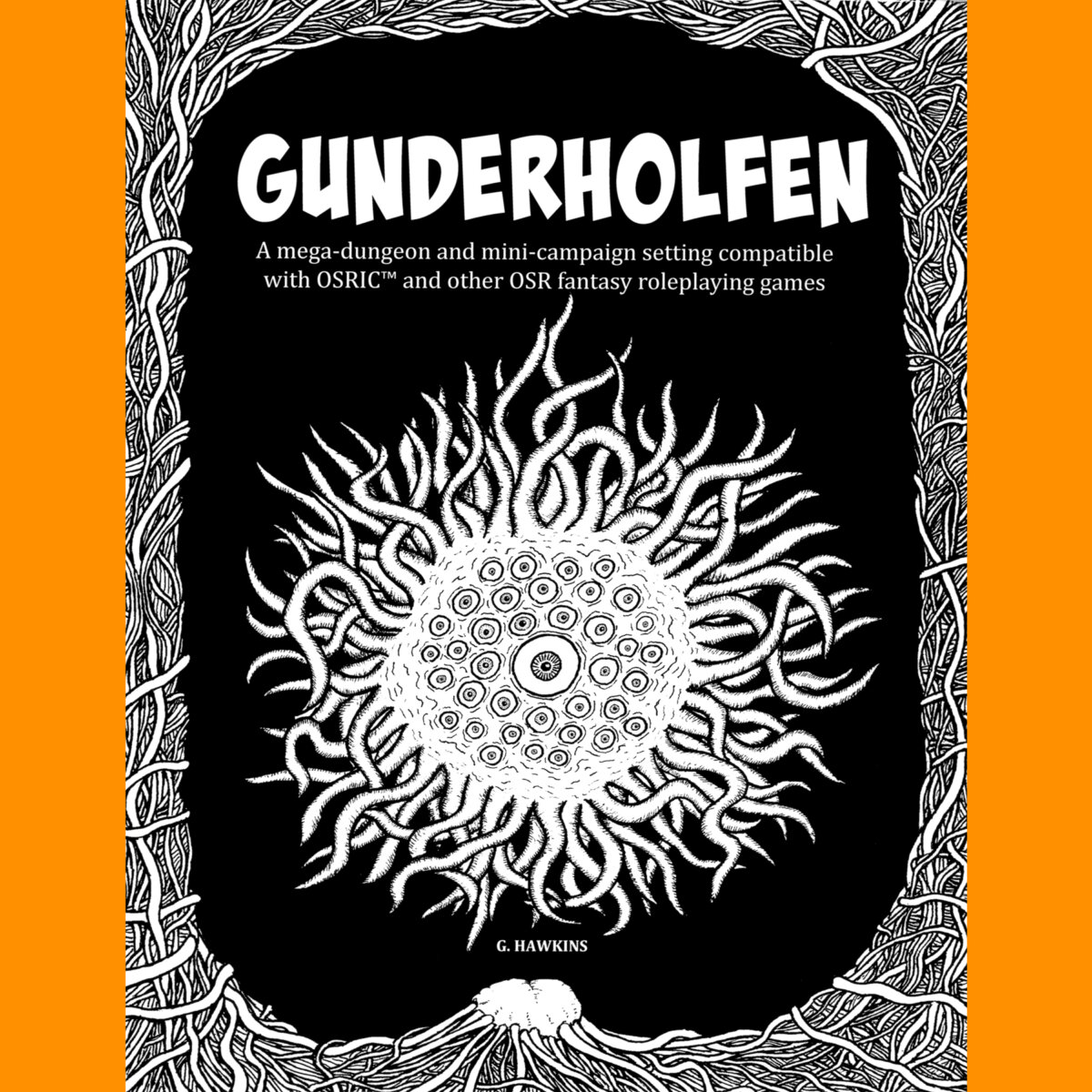
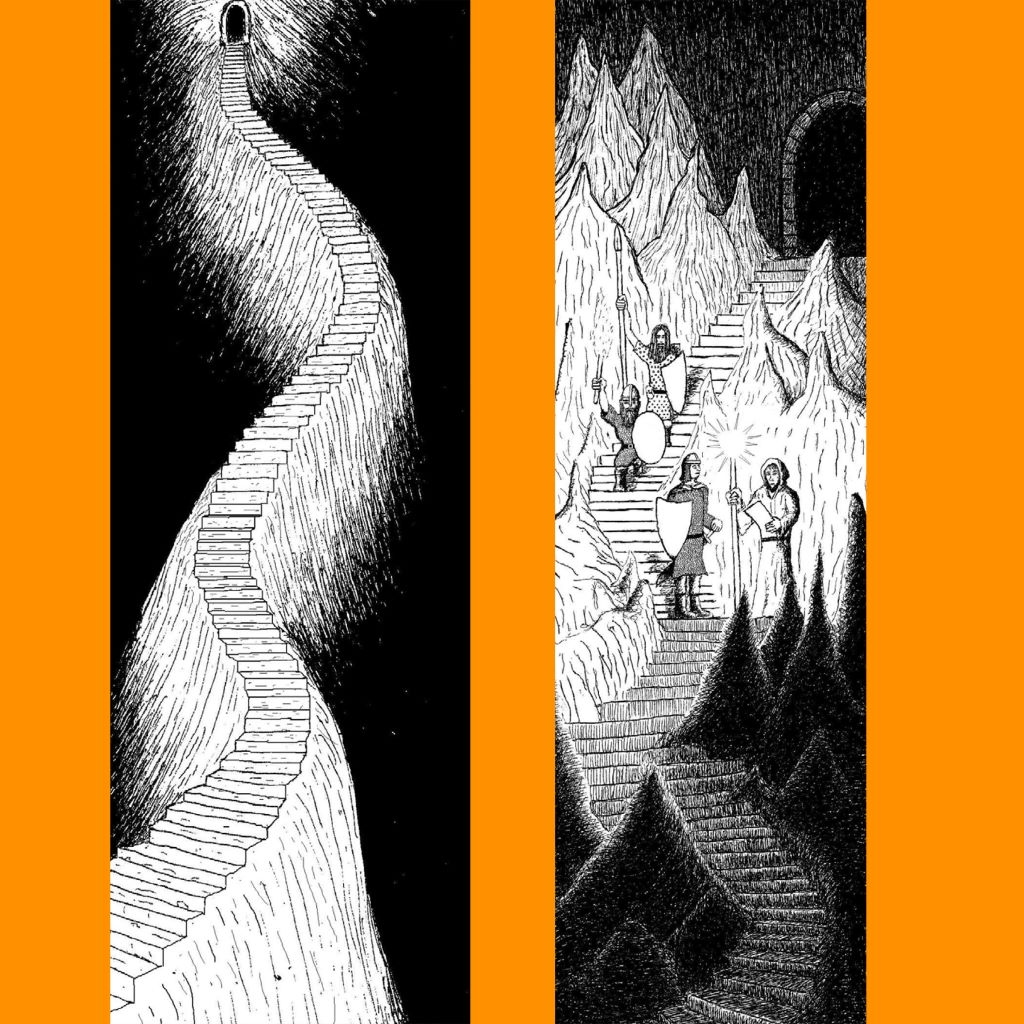
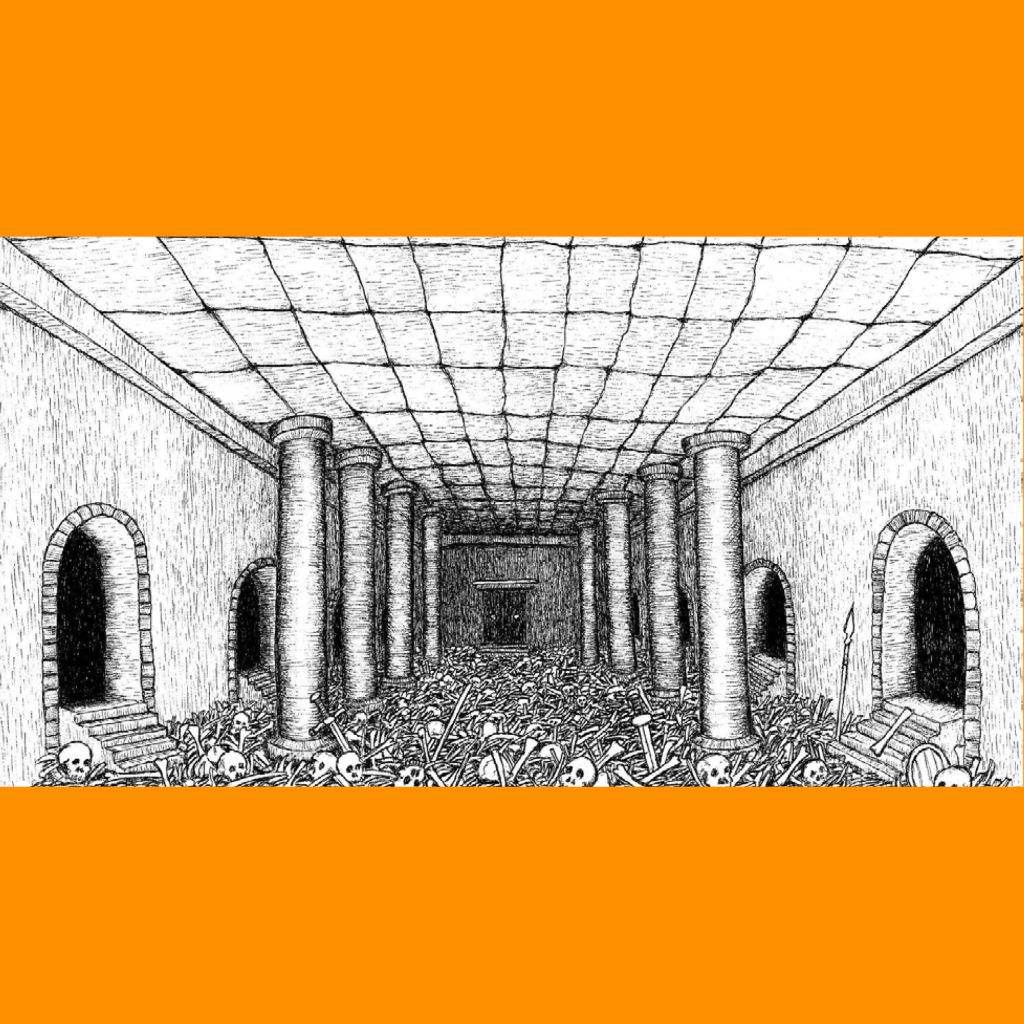
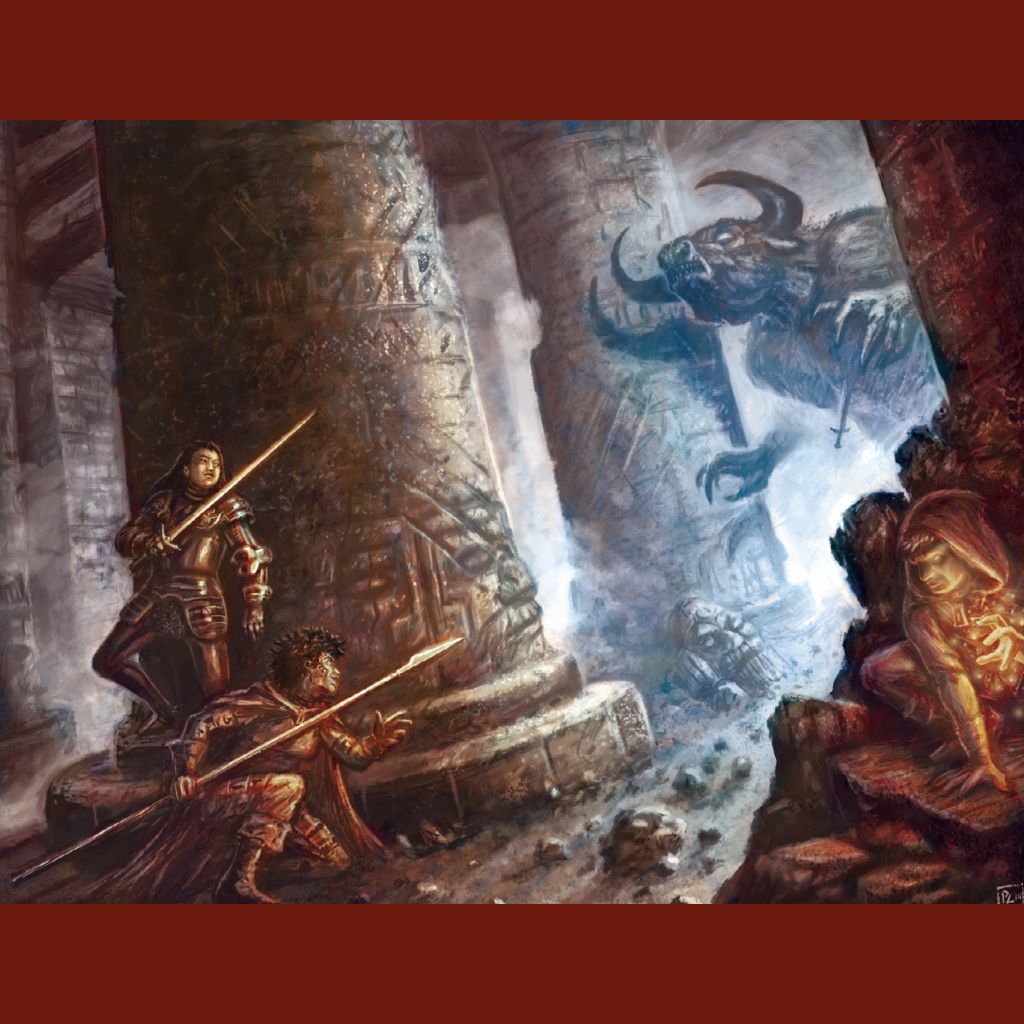
Gunderholfen (2019) is another print-on-demand megadungeon (this is probably the most economical way to go about publishing a megadungeon — this one runs just over 400 pages). Ostensibly a dwarven fortress, then the fastness of an archmage, the complex is something like 900 rooms spread across ten levels, several sub-levels and a floating pocket dimension where the demonic Abyss is leaking in. And, if that isn’t enough, the introductory section says material exists for a whole second volume. If that isn’t impressive enough, apparently the whole thing is a one-person project — design, layout, art and cartography all done by author G. Hawkins. And it is their first published design outing.
I will say, Gunderholfen isn’t quite as vibrant as the other megadungeons I’ve talked about this week. It’s done in a much older style and even then is more Keep on the Borderlands than Dark Tower. There are modern flourishes — I appreciate the tactics for monsters and the social direction for NPCs and factions. But this is ultimately a pretty meat and potatoes old school dungeon crawl, just on a truly massive scale. Expect terse room descriptions of two to three sentences, dominated by monster attribute blocks and some small pieces of advice. It definitely lacks a lot of the weird stuff that gives so much OSR material its zestiness (no cornstalk warriors here). I appreciate that, though, it leaves some room for me (compare to Completely Unfathomable, which has so much energetic personality I dunno how I could ever hope to run it).
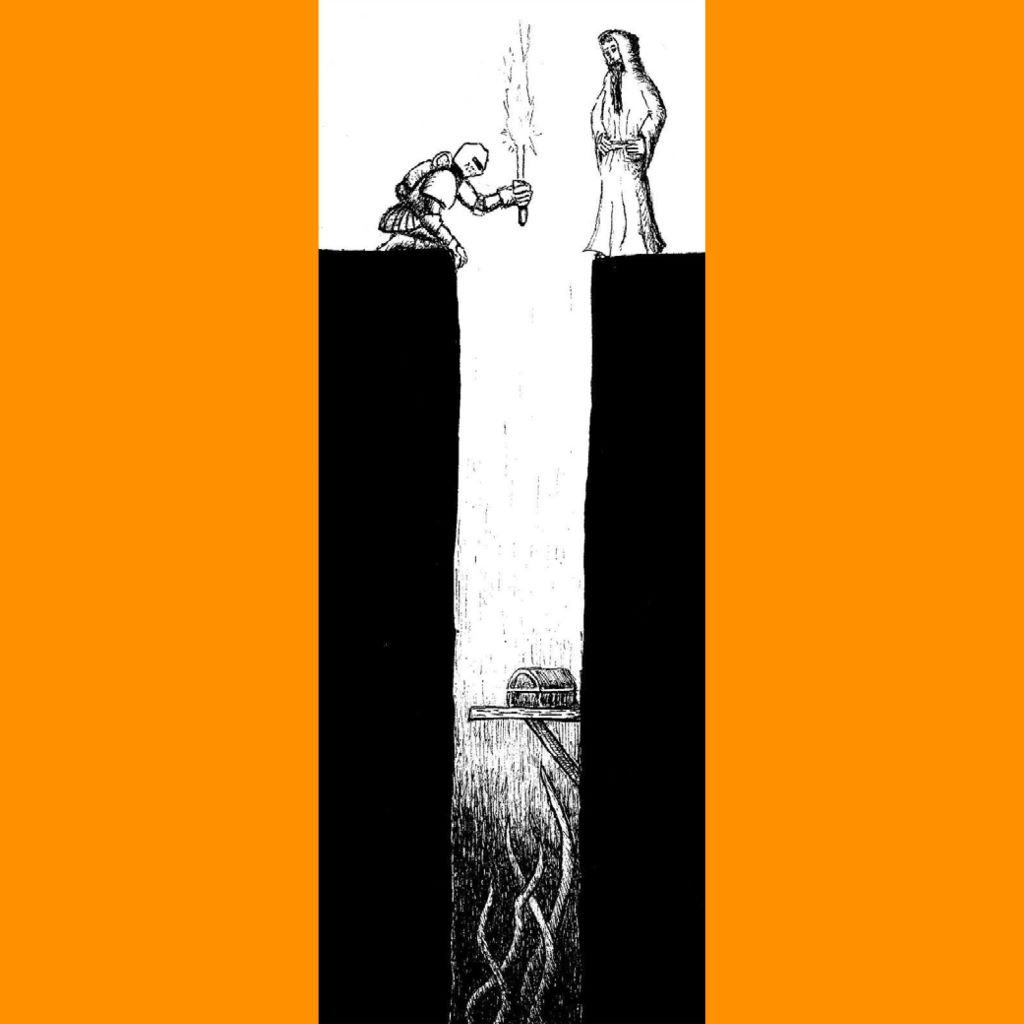
Zesty or not, it’s still a massive accomplishment. I really love Hawkins’ art, too. What he lacks in verbal descriptions he often makes up for in the accompanying illustrations that depict strange and atmospheric spaces. I’d pick up volume two, if it manifests. |
| |
|
Eyes of the Stone Thief (2014) |
| |
|
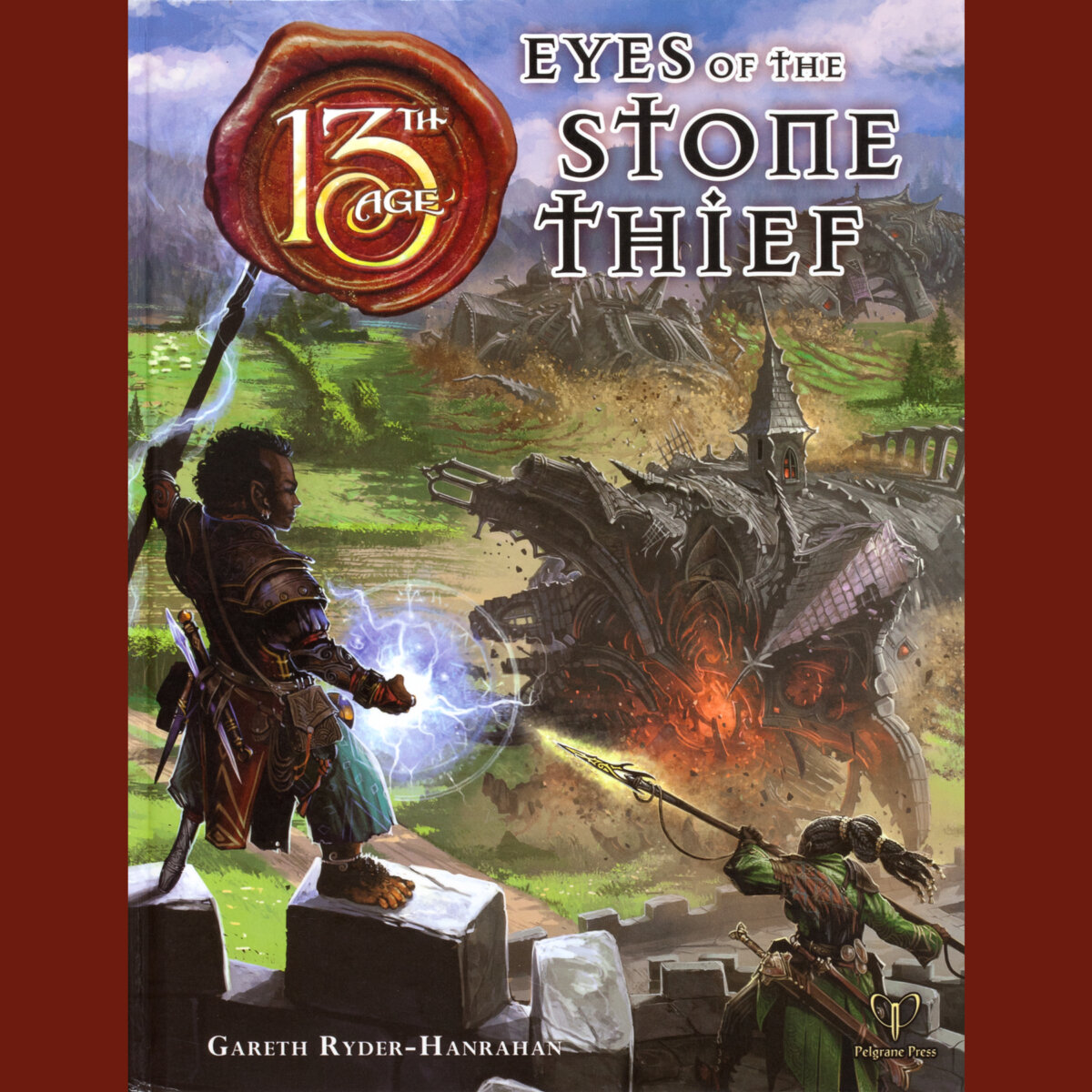
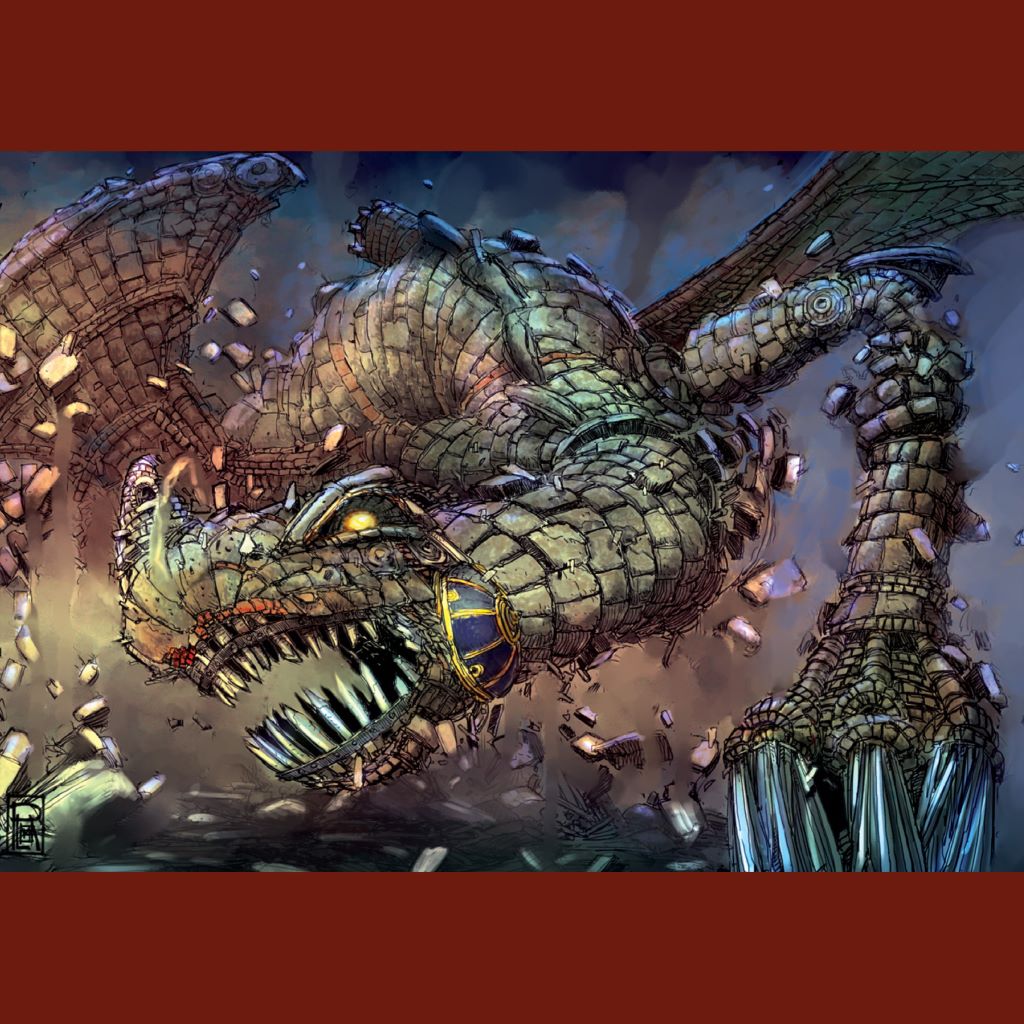
Eyes of the Stone Thief (2014) takes the idea of high concept megadungeons and launches it into the stratosphere. Most dungeons are hostile environments, but passive ones. Really, their dangers threaten player characters because of the forward movement of those players characters, their own initiative and desire to explore. Players trip traps, encounter inhabitants, and ultimately have themselves to blame for any injuries and deaths they suffer. Stone Thief isn’t content to react to players. Instead, the book wonders what a dungeons would be like if it was actively hostile.
In the game 13th Age, the dungeon is made more plausible by presenting them as living things — they can move around, they can eat, they have intelligence. The Stone Thief is the oldest, cleverest and most malevolent of its kind. It offers what perhaps the epitome of the various answers to the question, “What is a dungeon?” Answer: A thing that eats adventurers.
And many other things as well! The illogic of the dungeon space, that so often combines disparate environments in close, baffling proximity, is here explained by how the Stone Thief feeds: namely, by consuming buildings, landmarks and other structures, which it then incorporates in some manner into its interior space. This goes for creatures and people, too. When it surfaces, the Stone Thief unfolds, creating a new arrangements of places and monsters each time. When it dives, it contracts, flattening spaces, putting residents in stasis and destroying intruders.
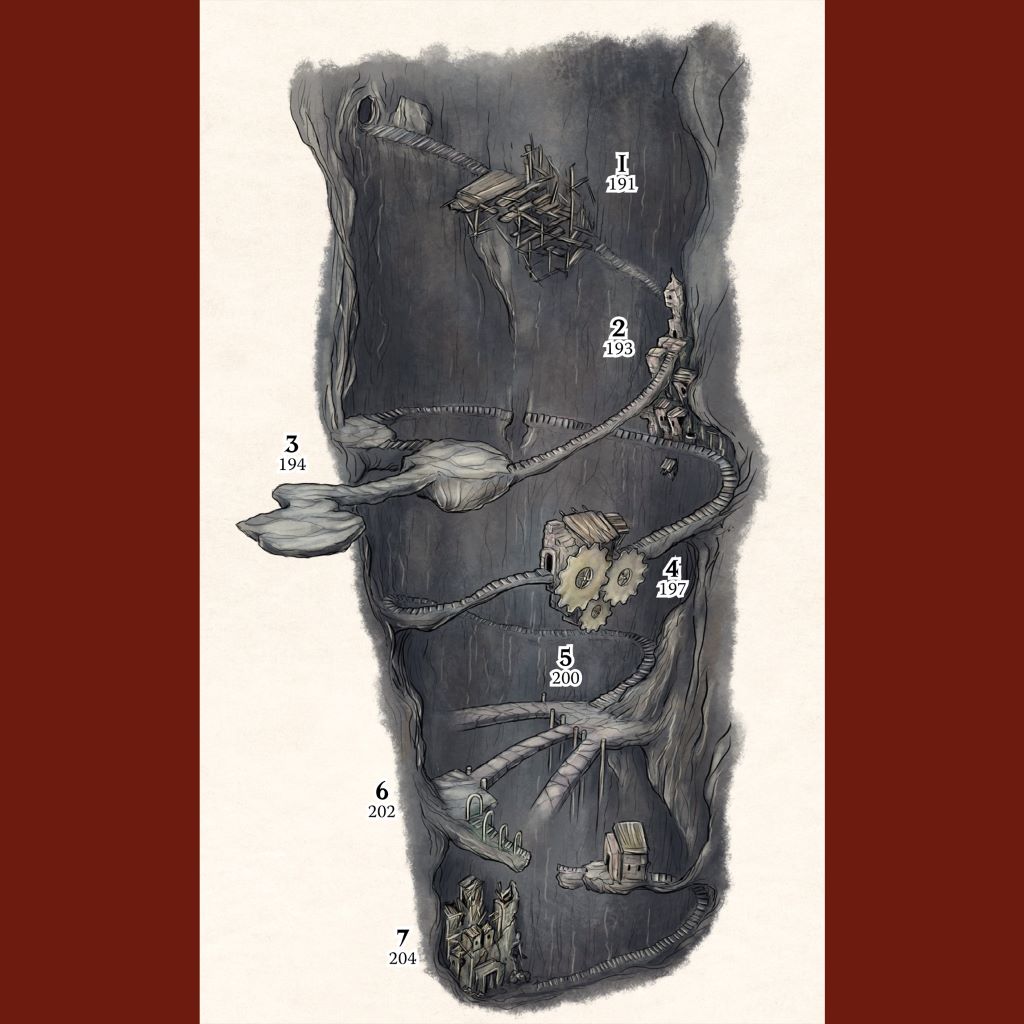
Again, just an astounding concept. Reading through the book is one delight after another. The art is great throughout, though there is no clear credit and I am not really familiar with anyone other than Russ Nicholson. Herwin Wielink’s cartography is the real star, though, imbuing the idea of dungeons spaces as living anatomy a real vividness. |
| |
Shipping Myself to Indiana
|
| |
|
No mail of particular note this week, but I thought I should mention that I will be in Indianapolis for GenCon 2024 next week. Holler if you're in town - I honestly have no desire to play in RPG sessions so I am just going to be wandering around aimlessly. |
| |
Vintage RPG
Copyright Stu Horvath, 2024, except when not
| |
|