|
Who went to GenCon 2024 and entirely forgot about his normal responsibilities? THIS GUY. Sorry about that, friends!
More to come on the big show at the end this week, hopefully. |
| |
 |
|
More Human than Human |
|
Shine up that chrome, meatbags! |
|
|
| |
|
Note: This week's posts all have lots of pictures, which is fine for a website but unwieldy for a newsletter. So I've picked my four favorites for each one. Click through for the rest!
|
| |
|
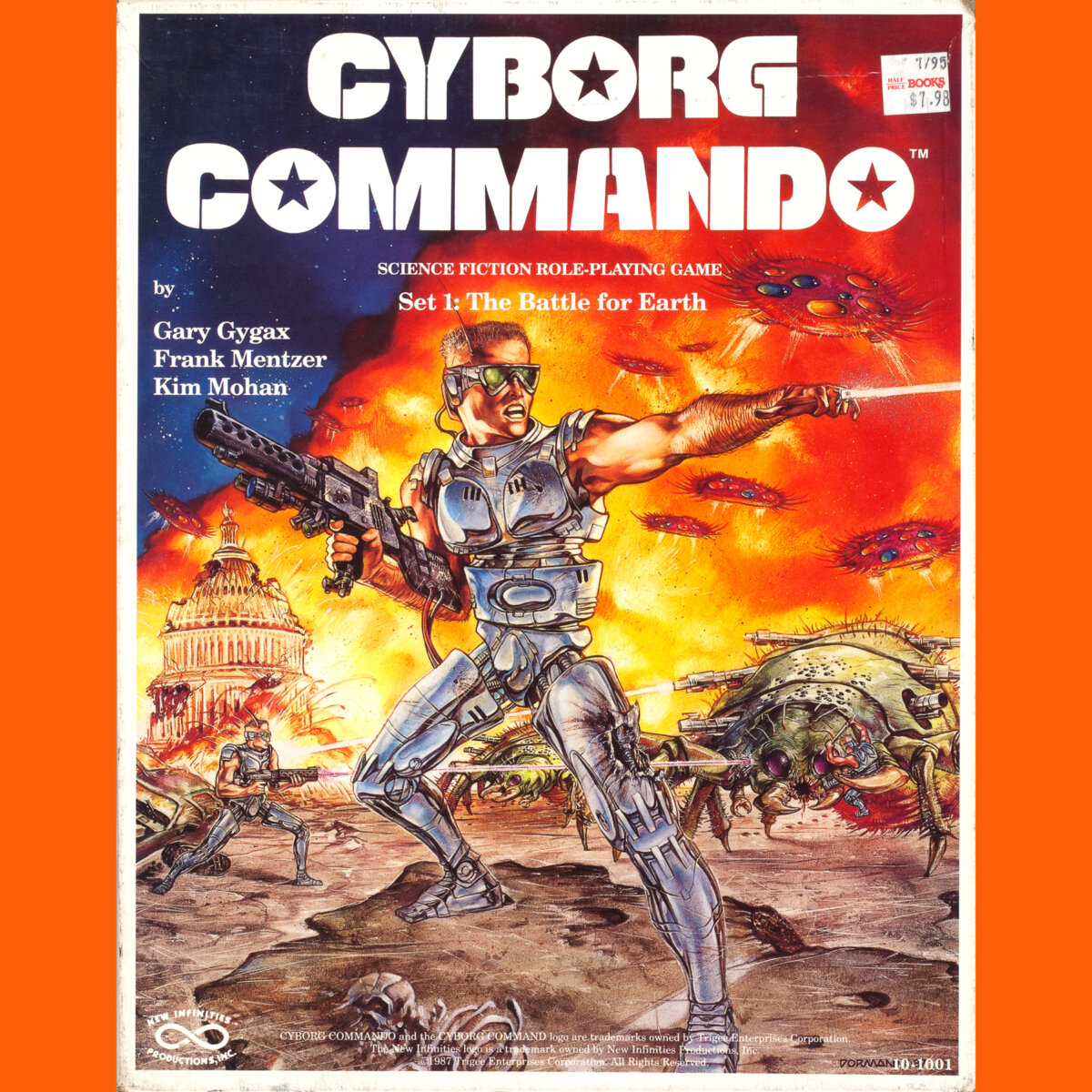
This week is loosely themed around cyborgs. We start with Cyborg Commando (1987). It was the first game from New Infinities, a company formed by Gary Gygax, Kim Mohan and Frank Mentzer after Gygax was run out of TSR. Gygax outlined the game, while Mohan and Mentzer designed it — Gygax was too busy writing the Gord the Rogue novels that were keeping the company afloat to do more than that. As it turns out, Cyborg Commando is a terrible game and released to become one of the biggest flops in the hobby’s history, which probably doomed New Infinities.
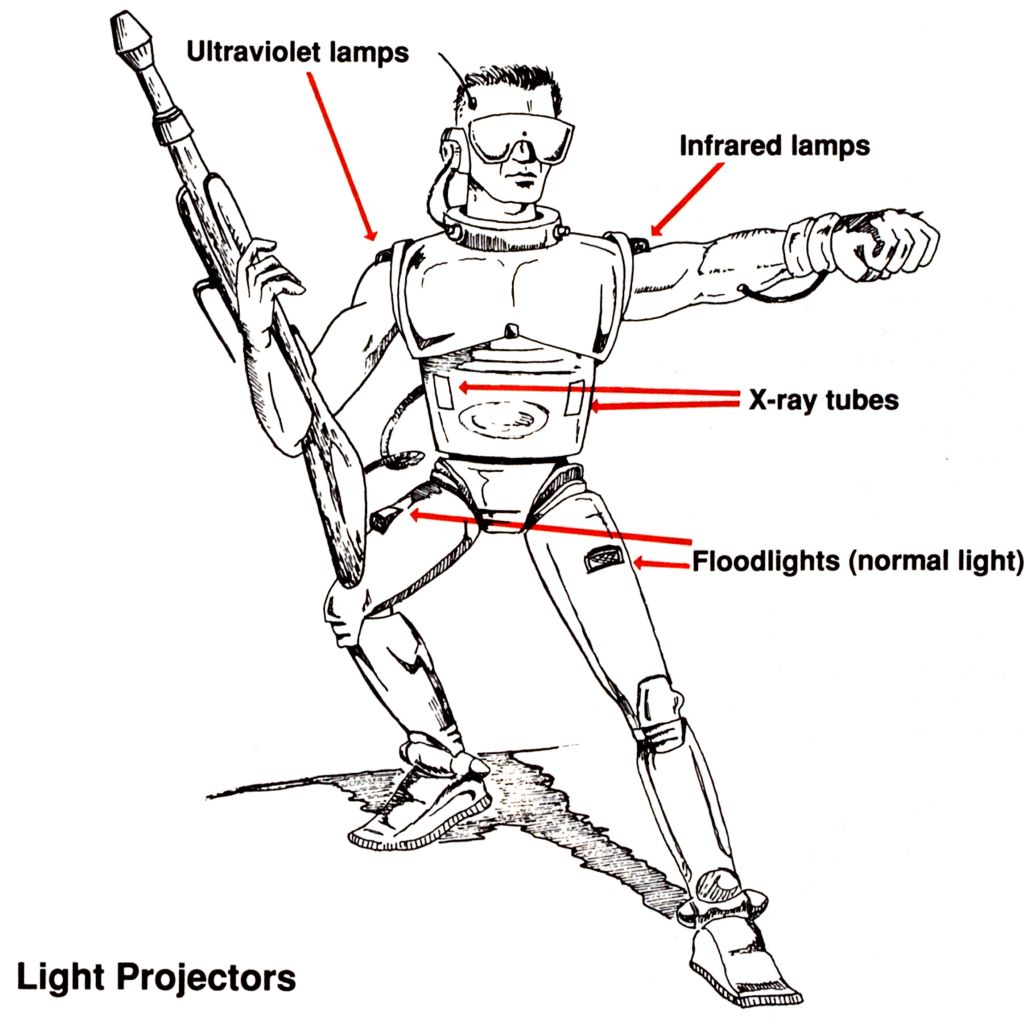
Xenoborgs have invaded Earth, oh no! The only thing that can stop them is CYBORG COMMANDO ™ Force. They do this by rolling 2d10 and multiplying the results. I don’t really understand the math, but that rolling mechanic seems to make skill progression inconsistent — increasing the value of a skill doesn’t proportionally increase the chances of success. Better keep that in mind when testing your Household Organization skill? That is a real game skill contained in a list of seeming hundreds of skills, of which only scant few seem useful in shooting lasers at aliens. Which makes sense, because as far as I can tell, the combat system doesn’t take into account the skill system at all. Similarly, the player book provides information on how cyborgs work, next to none of which has real mechanical or even narrative impact.
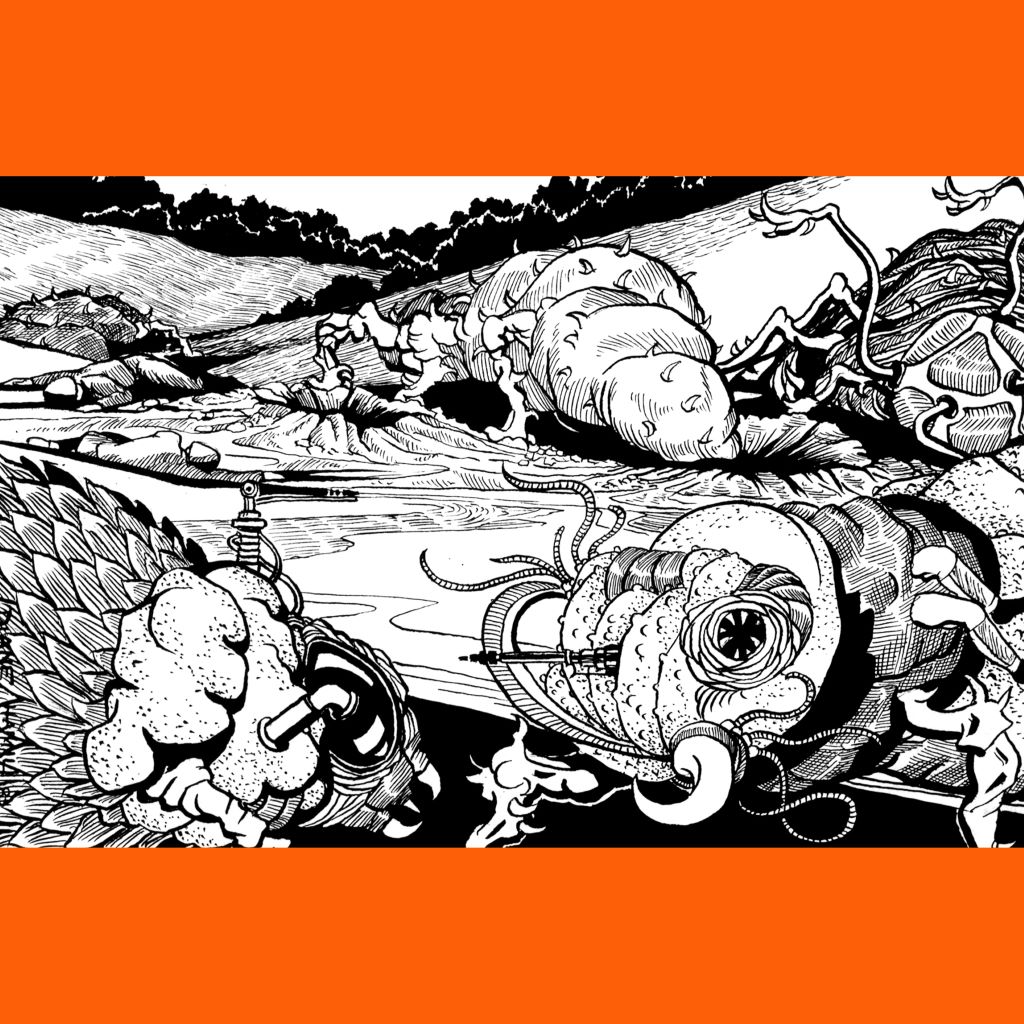
Which brings us to the sourcebook, which details the invasion and the aliens. Sort of. There are lots of lists of things like population data. A lot of latitude and longitude coordinates. Very important for running a campaign. Half the book is dedicated to the aliens, which are giant bugs that grow organic guns. Like the info on the cyborgs in the player book, it is hard to see how useful knowing how xenoborg cells work is for play, or in crafting scenarios.
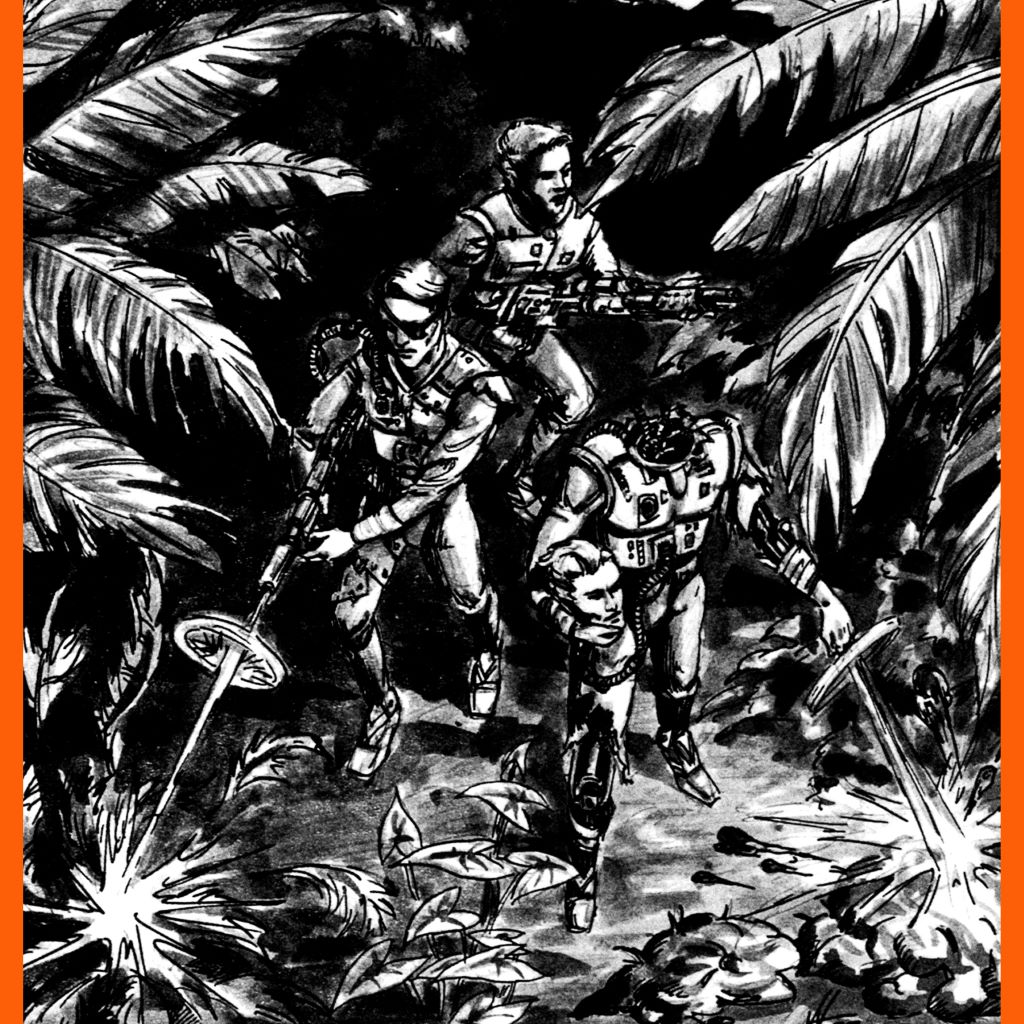
Nice art, generally though, provided by Diane Hamil, Valerie Valusek, Gary Williams and Todd Hamilton. And, while the game is a stinker, I do think that Dave Dorman cover art is pretty classic. |
| |
|
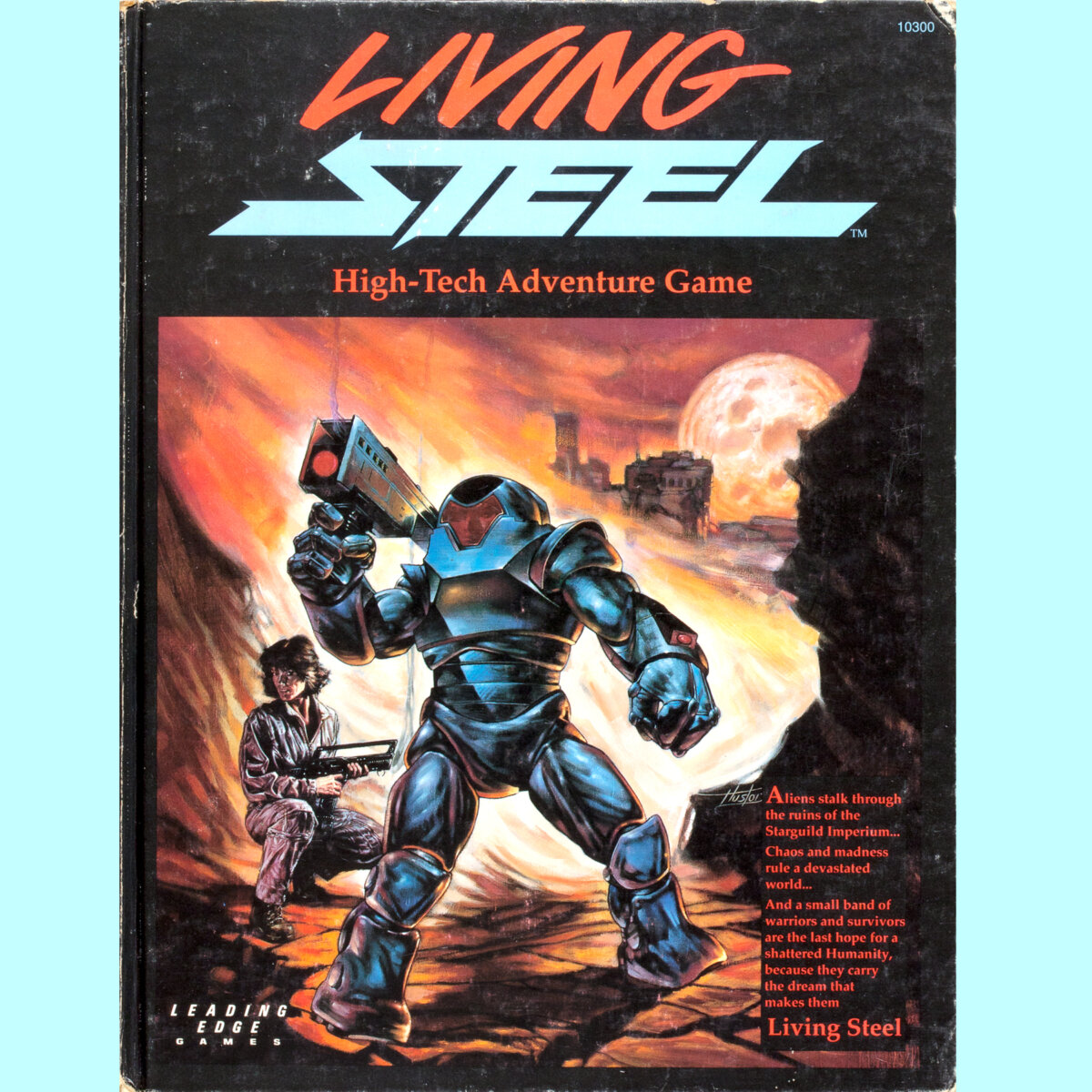
Living Steel is another game, like Cyborg Commando, that looms large in my mind because of ads in Dragon Magazine. I also reflexively connect them both to Terminator for reasons I don’t quite understand. This is the 1988 hardcover; there was a 1987 box set as well.
So, this game is powered a simplified version of Leading Edge’s small arms combat system released the previous year called Phoenix Command (you saw that earlier this month, in fact!). That means it has really complex mechanics that, while they feel satisfyingly realistic, they also take oceans of table time to resolve a few seconds of action. I don’t really care about the system, though, I’m interested in the world — it’s really the only original setting created by Leading Edge and it is interesting!
So, interplanetary human empire. Oppressive, fascistic. It has silenced all dissent, but an outside invasion by aliens, the Spectrals, essentially shatters that control. That’s the backdrop. The game is set on Rhand, a tourism planet that has recently been attacked by the Spectrals. That attack involved the uses of a virus that changed the behavior of the inhabitants, but before they could complete their conquest, the alien ship crashed. Now they, and everyone else on the planet, is stranded and competing for resources. That’s a pretty interesting frame! The players take the roles of centuries old super soldiers who were awakened, King Arthur-like, from cryosleep. They must use their power armor — the titular living steel — to defeat the invaders and destroy the oppressive empire (assuming a way off Rhand can be found).
It’s a good story frame that scales nicely — the backdrop is big and epic, but the concerns are immediate: survive, scrounge, survive some more. It’s a shame it is hampered by such an intense combat system (and, like, that is all the system really is). Aside of a skirmish game, I don’t believe Living Steel saw much more support. Bummer.
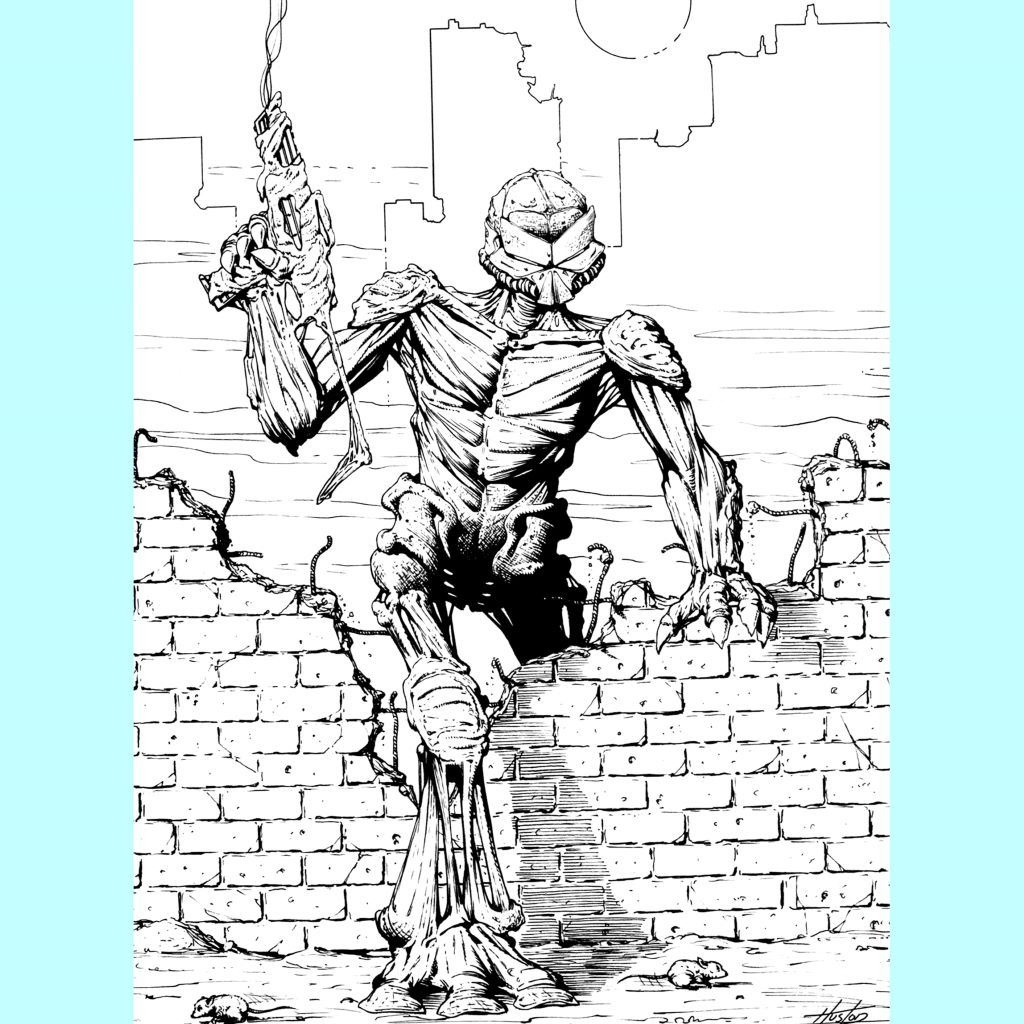
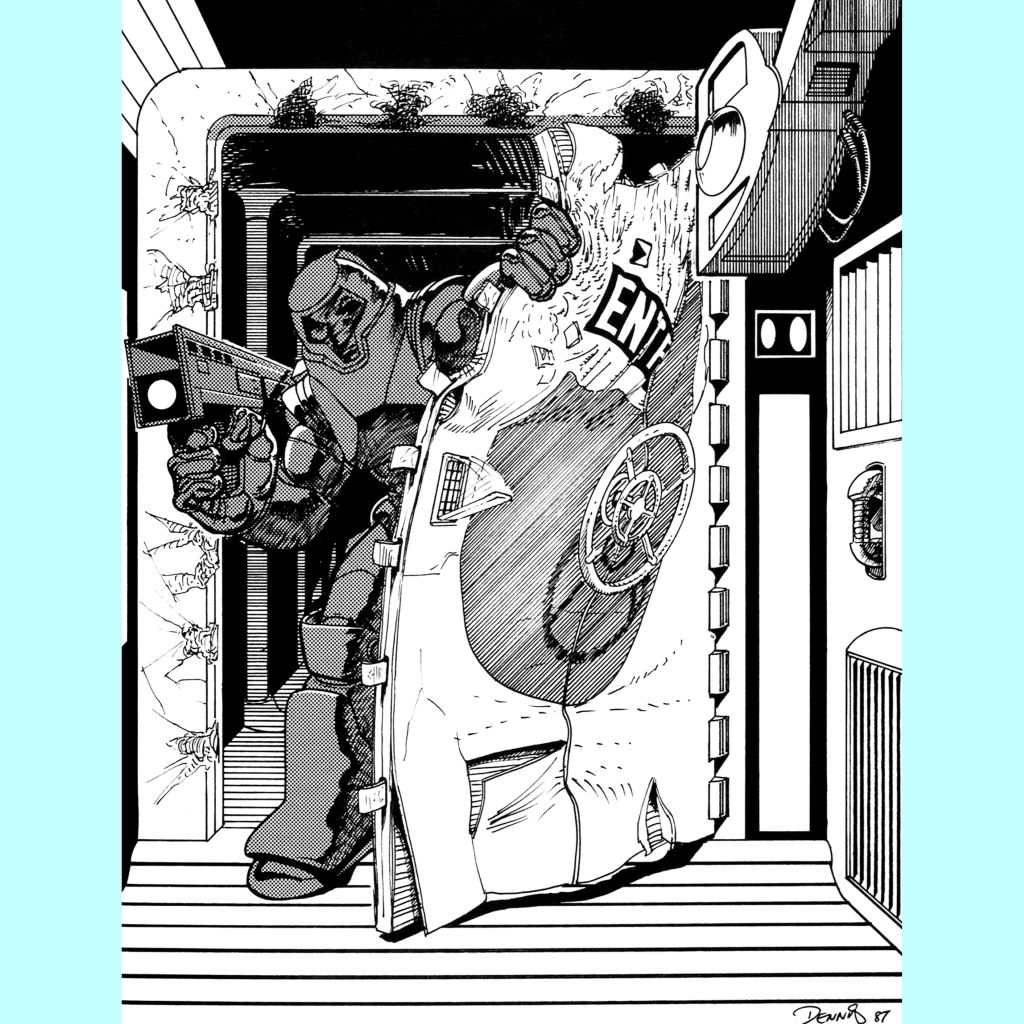
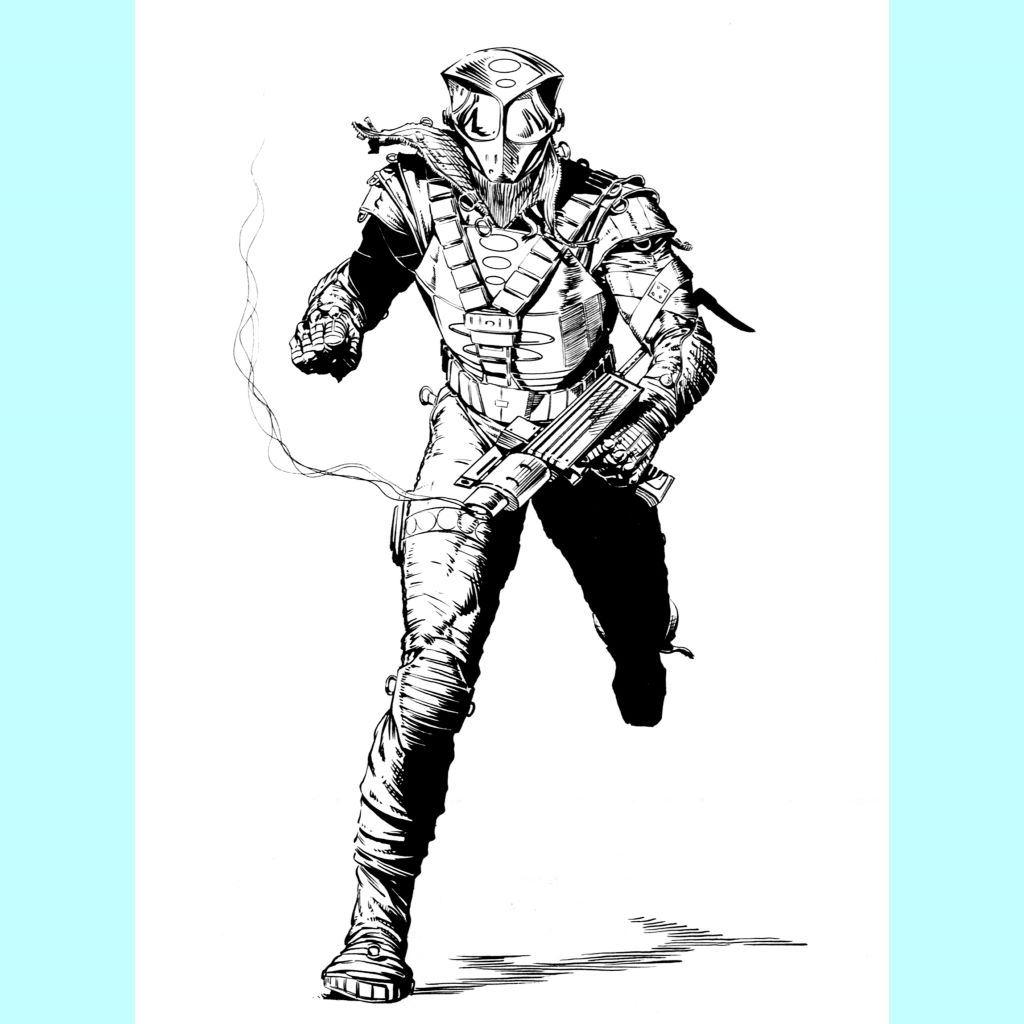
Pretty excellent art throughout the book by Toni Dennis, Nadir Elfarra, Dennis Francis and Steve Huston. The Spectral climbing over the wall is definitely burned in my brain, but that level of quality is kept up throughout. |
| |
|
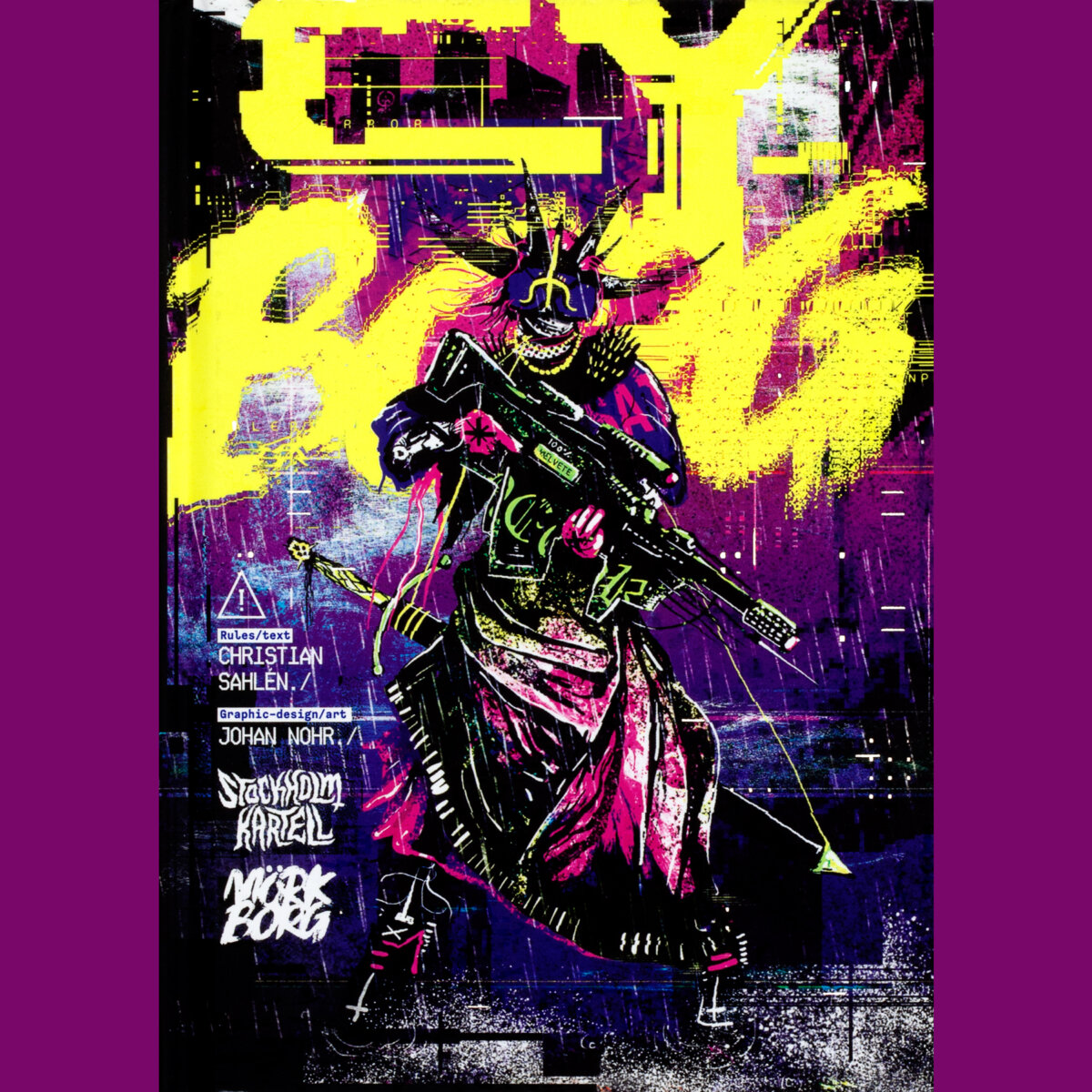
This is CyBORG (2022), Stockholm Kartel’s cyberpunk remix of MÖRK BORG and goddamn.
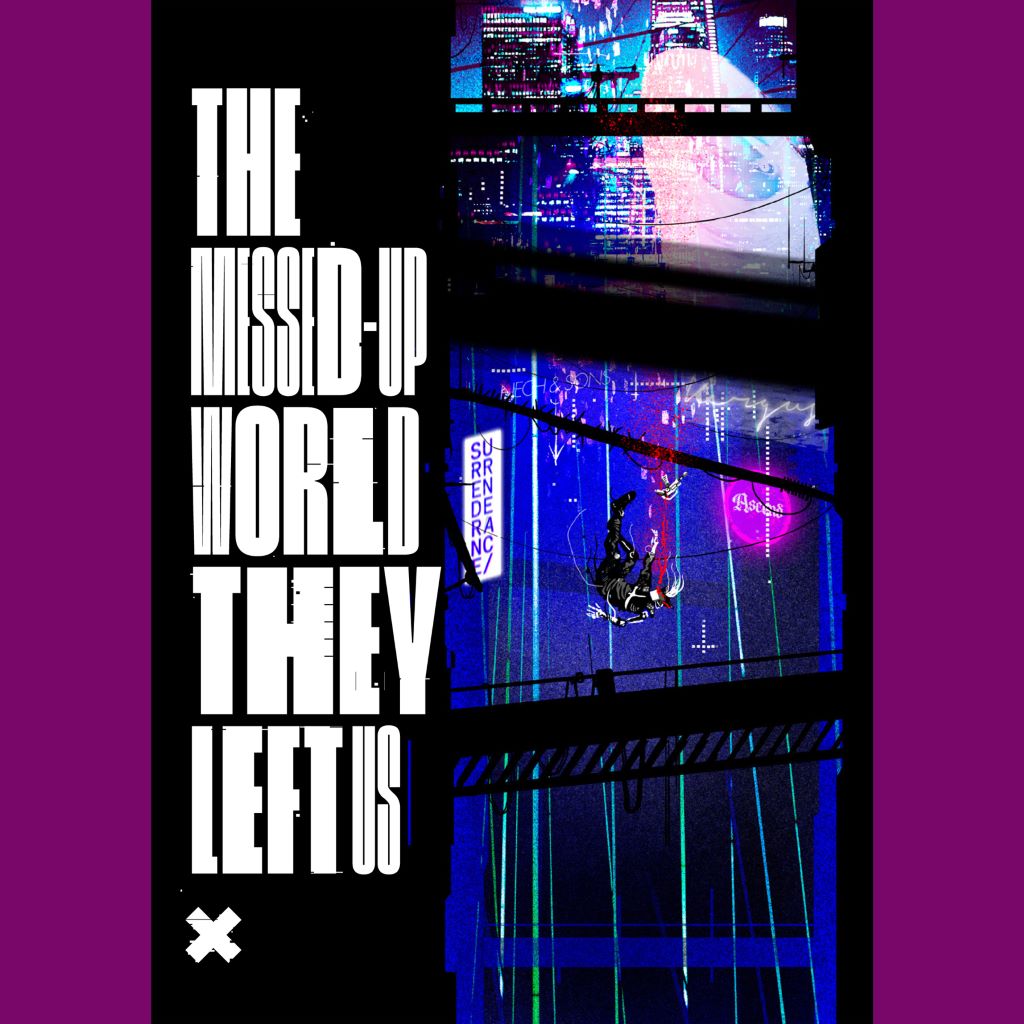
When MÖRK BORG dropped, I was like, this is some super aggressive, brightly colored graphic design and illustration. Just totally eye-shocking. Nothing’s gonna top this. And yet. If you’re a fan of punk or metal or other musical styles interested in speed, you’ll be familiar with a curious phenomenon: what sounds blisteringly fast now, in a few years, will become strangely mid-tempo when compared to the new contemporary tremolo. Same thing here. Looking through CyBORG, Johan Nohr’s art and design for MÖRK BORG suddenly seems evenhanded and levelheaded. CyBORG, meanwhile, sees Nohr absolutely shred. The brights are brighter, the blacks blacker, the fucked uppedness more fuck-ed upp-ed. The introduction of urban design elements and glitchy visual references to the digital world add new levels of grime and grit to scrape through. Truly, I can think of no better visual encapsulation of cyberpunk’s rage as page after page of this book.
The game is, of course, a hack of MÖRK BORG, adhering to those light, D&D-ish systems to provide a fast and easy way to enact your wrath-filled cyberpunk fantasies. There are many tables. There are nanotechnologies and infestations and drugs to feed into your hacker/nanomancer/killer/gear head. There are many corporations to channel your rage at and the world here seems somewhat more firmly realized than in the dying realm of MB. The game is frantically anti-capitalist, which I enjoy enormously (also, I saw someone complaining that if the creators are so anti-capitalist, then why are they charging money for their book; to that ding-dong I say: hur-hur, get fucked, capitalism=/=commerce).
Anyway, I think there is lots of room for different sorts of cyberpunk themed games in this golden age of ours, but that said, I do think the sharp aesthetic plus the sleek and easy systems of CyBORG are going to take up a lot of market share. |
| |
|
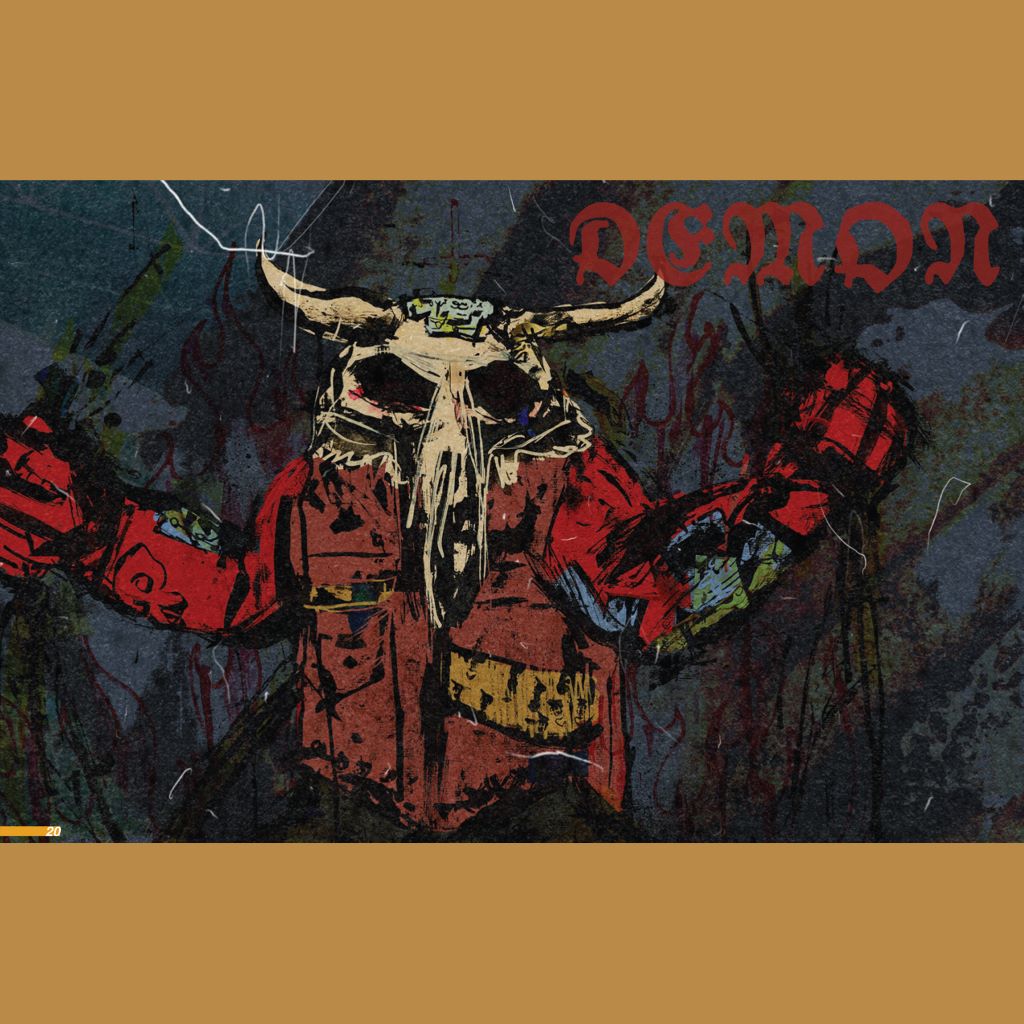
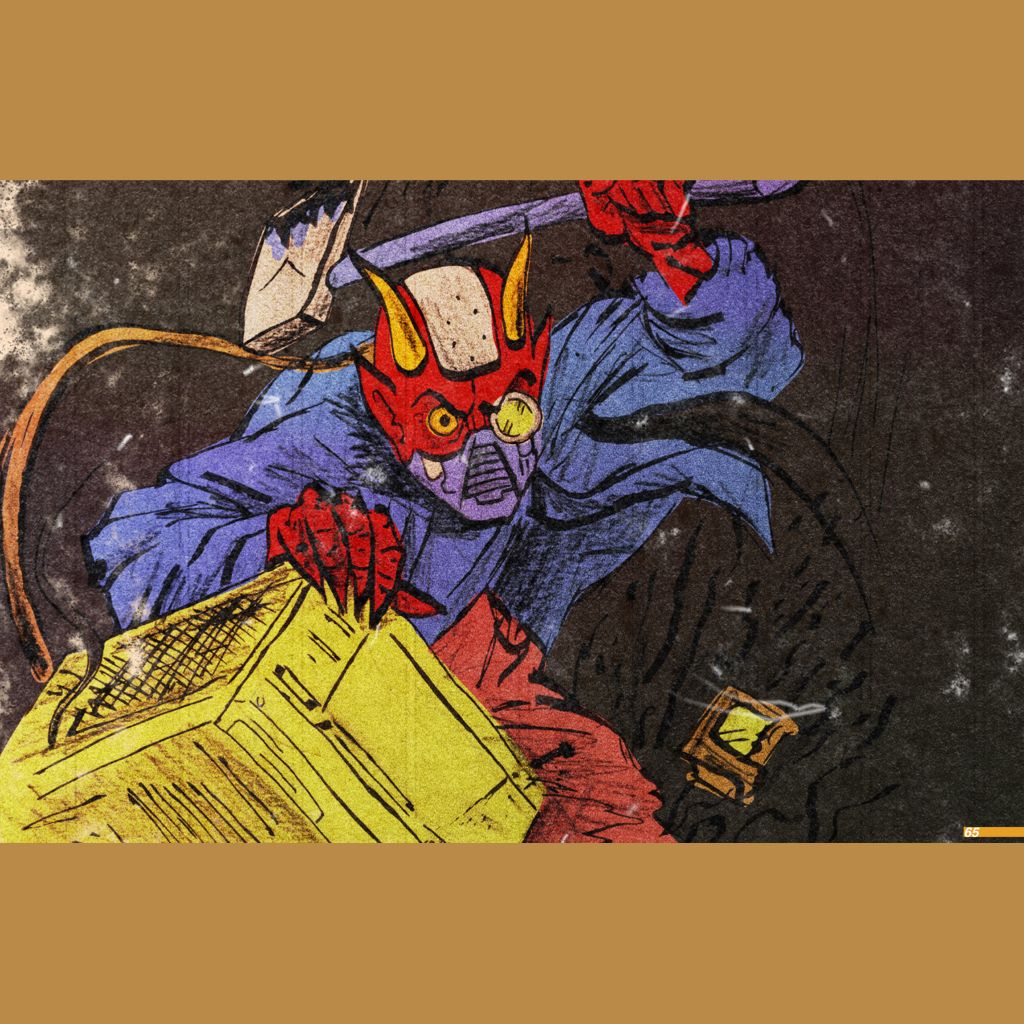
Leave it to World Champ Game Co. to find the edge of a pretty established sub-genre and push past it into something weird and new. This is Cybermetal (2022), an unholy fusion of cyberpunk, heavy metal and black magic. In an alternate timeline, a heavy metal band sacrifices Ronald Reagan on stage to resurrect their dead guitarist and eventually, the gates of Hell open and demons conquer America. In the wake of their victory, they turn a Midwestern city into Pentagram City, a place isolated from the rest of the world by walls of hellfire.
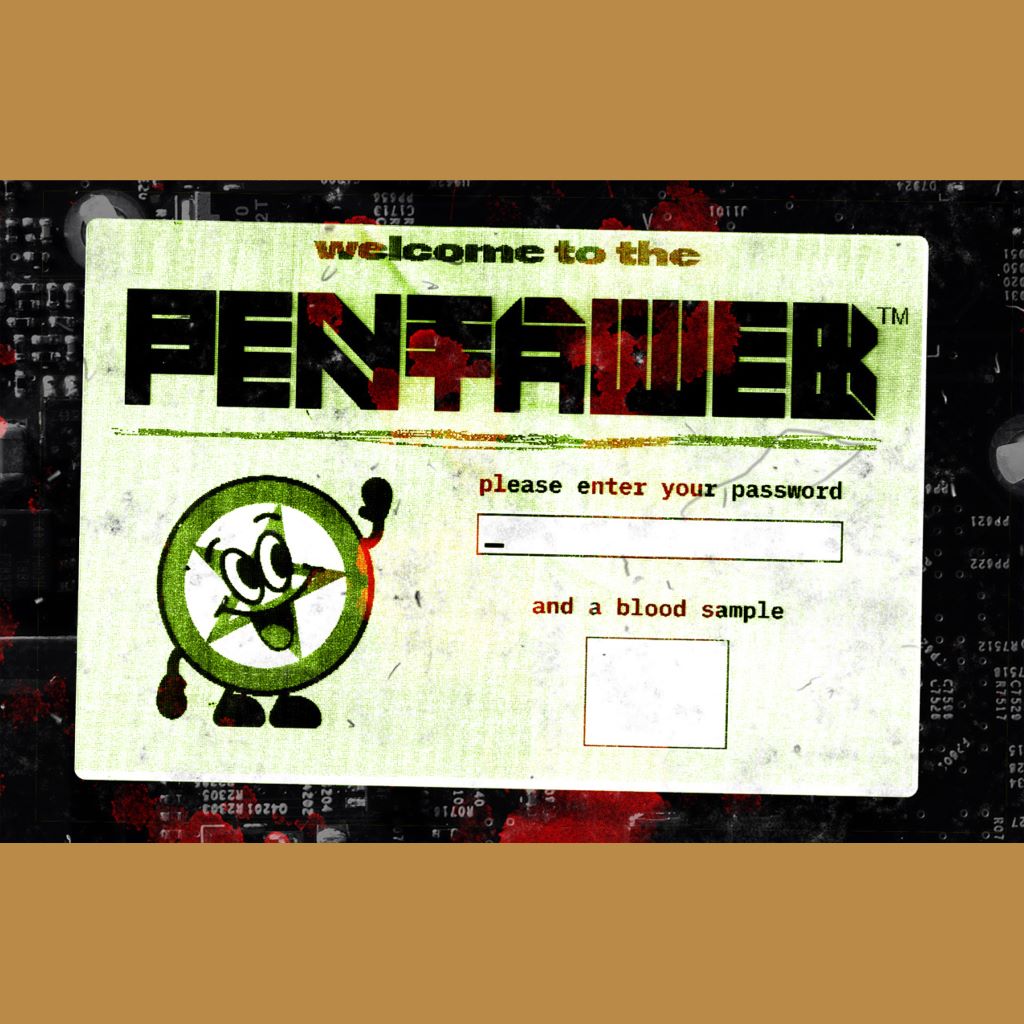
Being cut off meant a greater reliance on analog tech, like radio and walkie talkies and a LAN called the Pentaweb, but citizens of Pentagram City also have access the cybernetics developed during the Hell War to combat the demons. The neuronexus makes skill learning easy (think the Matrix) and combat slow and personal (the tech basically makes the user flicker on a different frequency of reality, so fast weapons just pass right through). In addition to humans, you can play as mutants, demons and husks, which are sort of cyberzombies created in the wake of the Y2K bug.
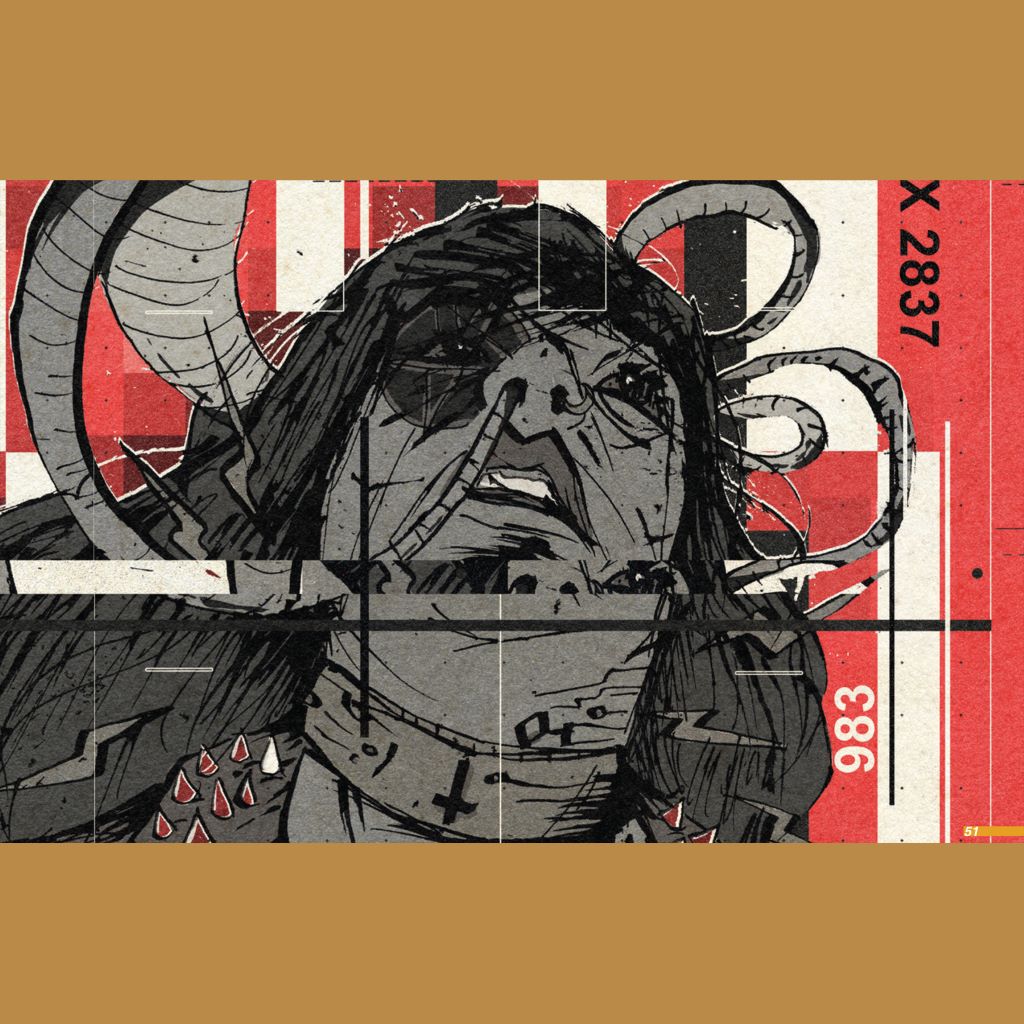
The software system provides lots of cool skills (turn your headbanging into a deadly weapon!). There’s crafting, there’s cyber surgery, rules for gang creation and management and long-term gang projects. There is a bunch of source material on Pentagram City and so, so many passing references to heavy metal. It’s sort of shocking that A. Adam fit all this text in and had room for so much gnarly art, B. That the art in question is as aggressive and unrelenting as CyBORG’s, but also of a totally distinct temperament and C. That the game is so smoothly playable — it uses a percentile skill system and does everything you’d expect from a tightly designed modern light rules set. |
| |
|
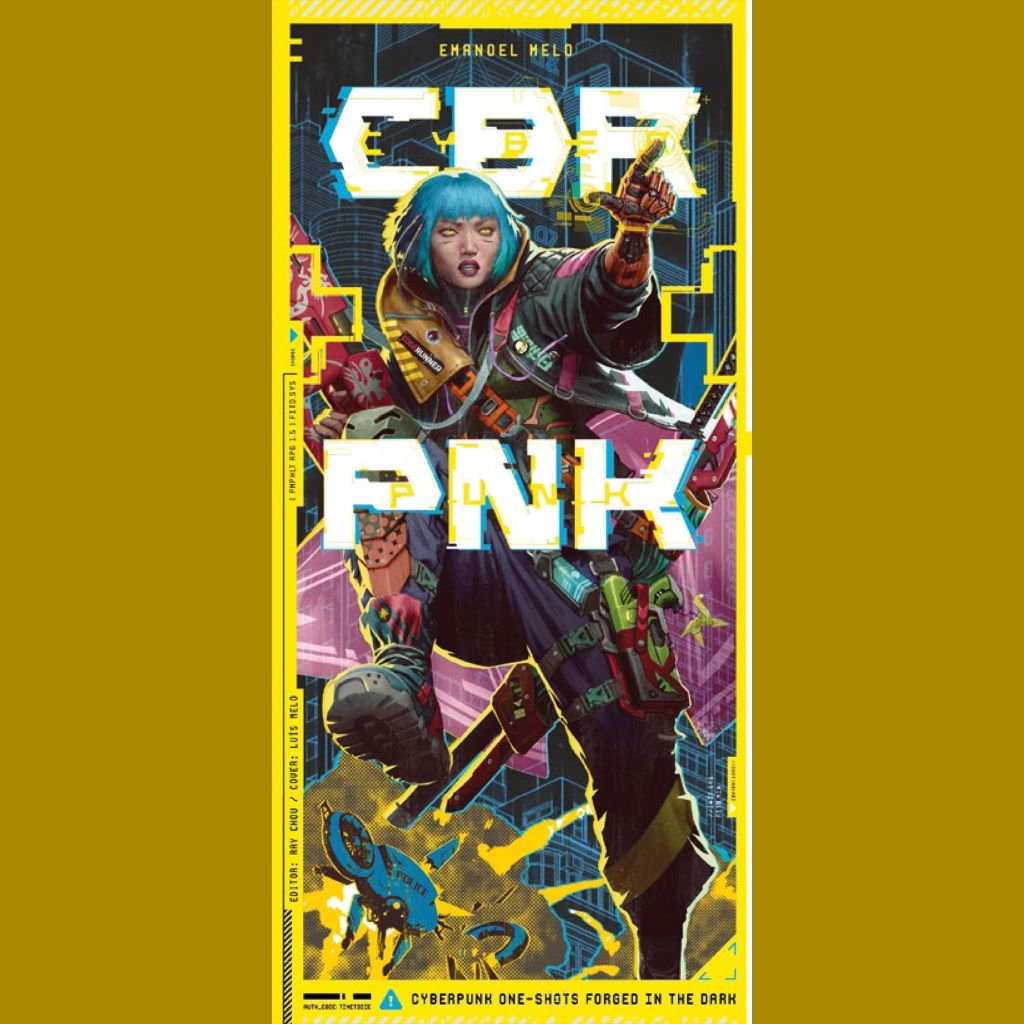
This is CBR+PNK Augmented, a clever little box set of pamphlets housing a razor sharp Forged in the Dark cyberpunk game about a group of Runners pulling One Last Job. It’s so tight, I can barely breath.
OK, so, the fold-out box opens up into two section filled with 4-fold pamphlets. They’re all heavy card stock featuring lovely art and nice design that is both evocative and clean enough to remain usable. There’s lots of spot gloss, too, which is a nice touch. One pamphlet is for the GM, explains how to write scenarios (this is a one-shot game), how to use the progress tracks (a tweaked version of Blades in the Dark’s countdown timers), how glitches effect cyber, consequences for failed rolls, how to handle elite opponents, and so on. There are five player guides/character sheets (suspicion: these might be dry erase safe?) — main thing to know is that there are no playbooks, rather the skill/augment combos make them unique. Dump all the pamphlets out to read the various cybernetics printed on the box interior.
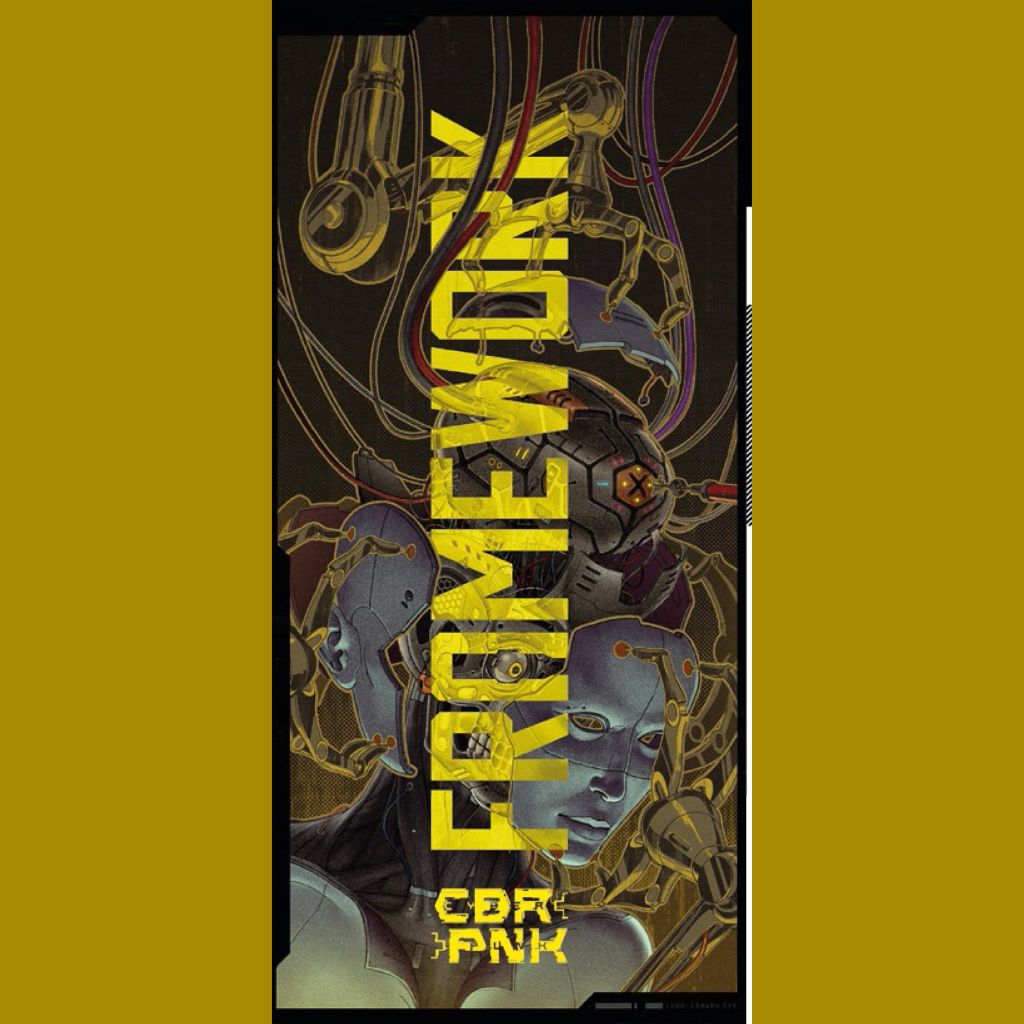
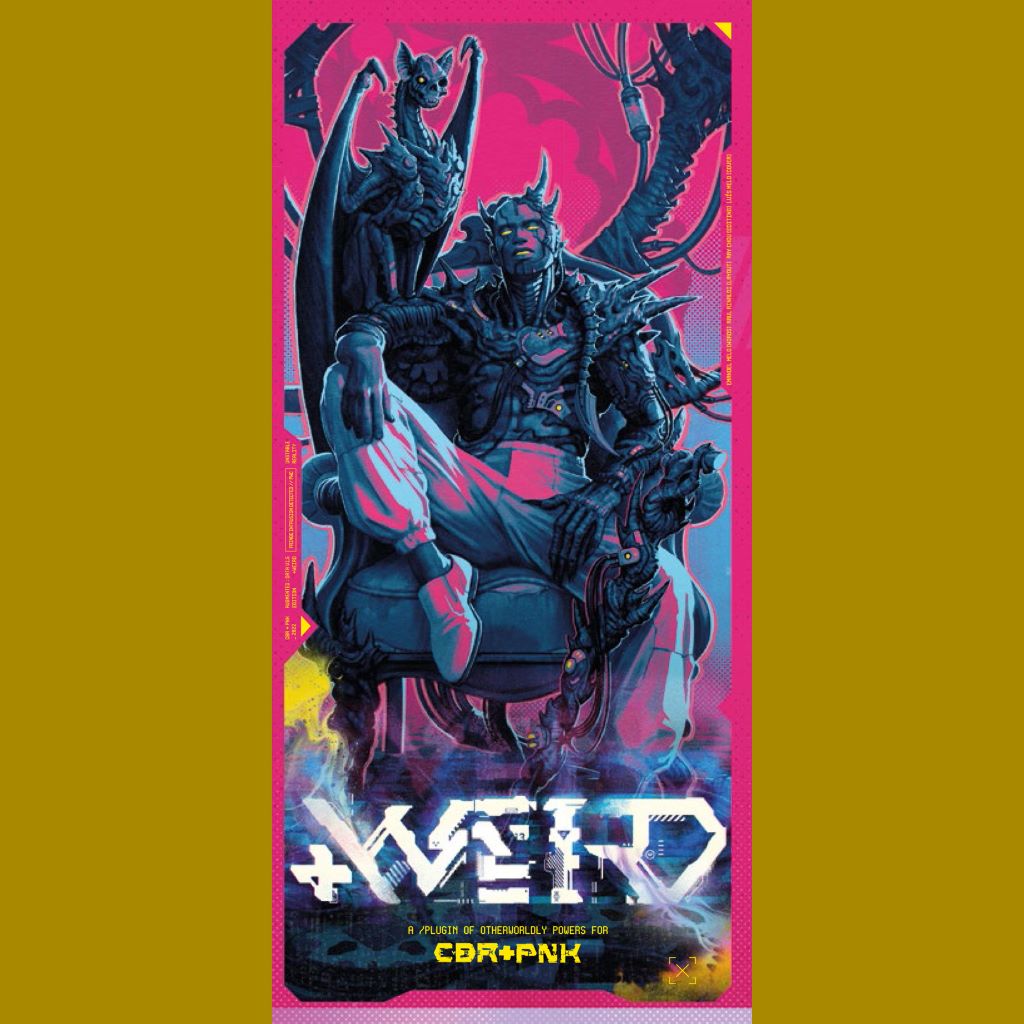
The second set of pamphlets for the GM. There’s “Mind the Gap,” a train based scenario in three acts; “PRDTR,” a scenario inspired by Predator, natch; “Framework” is a deeper guide to crafting scenarios; “+Weird” adds, well, weird shit like magic and mutants; “Cyberpunk Hunters” adds additional opponents; and “Mona Rise: Megalopolis” provides a campaign frame clearly based on William Gibson’s Sprawl.
It’s a super attractive package for a game that proves there is plenty of space for a variety of cyberpunk RPG experiences in the hobby. |
| |
Vintage RPG
Copyright Stu Horvath, 2024, except when not
| |
|