|
|
Modern Monsters for Old School Games |
|
Not only are monsters evolving with the times, but our collective approach towards presenting monsters is shifting in surprising ways. |
|
|
| |
|
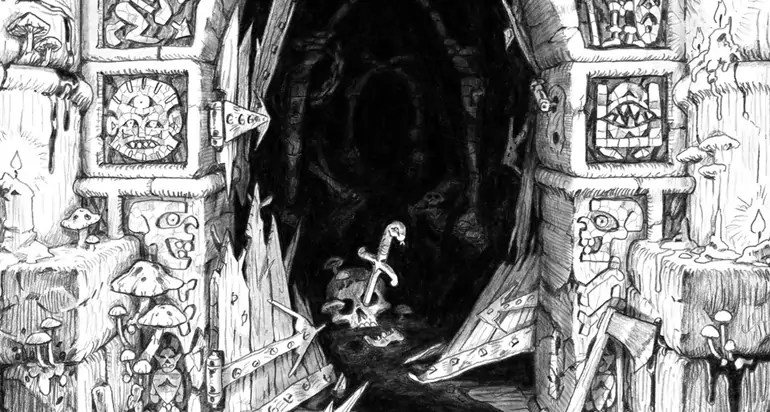
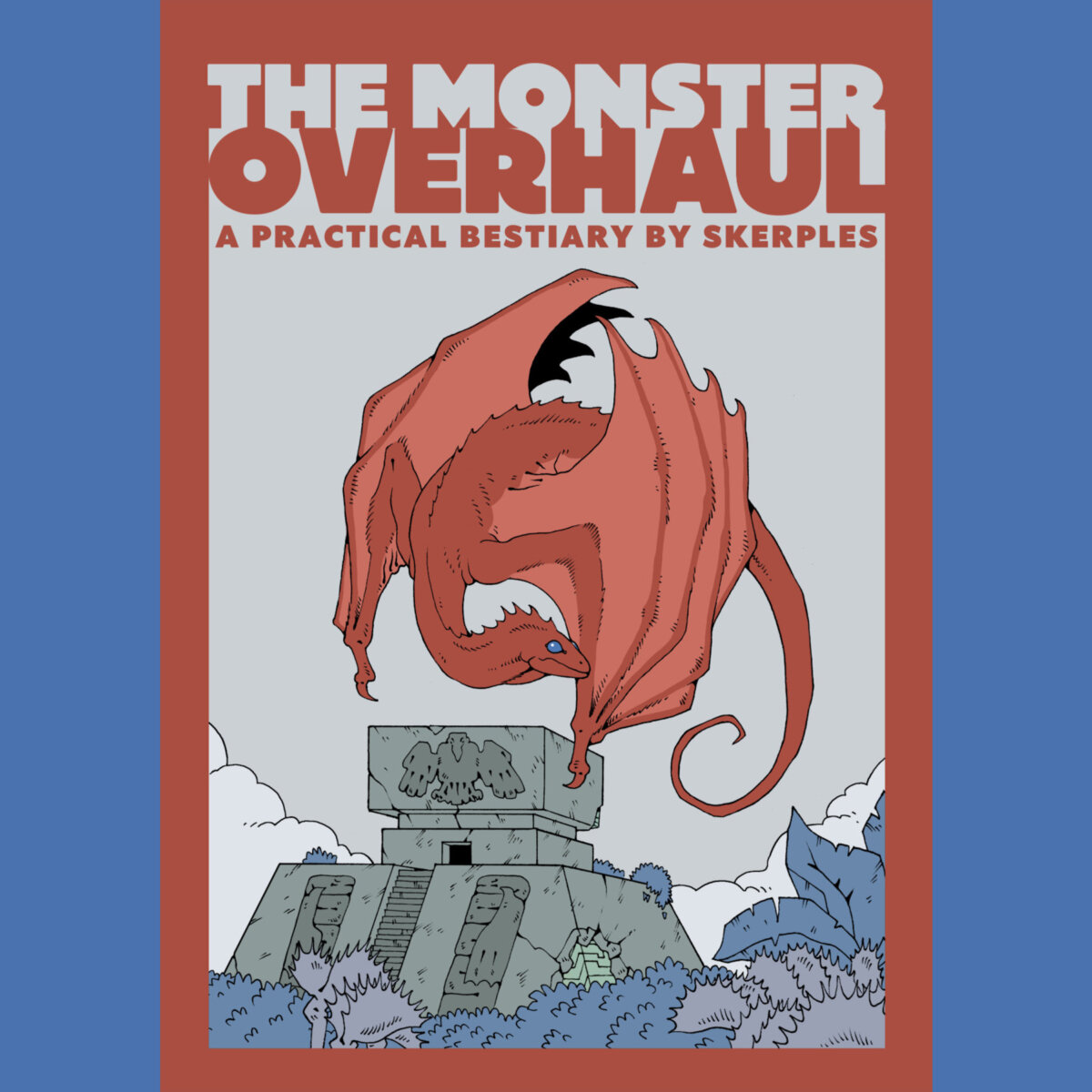
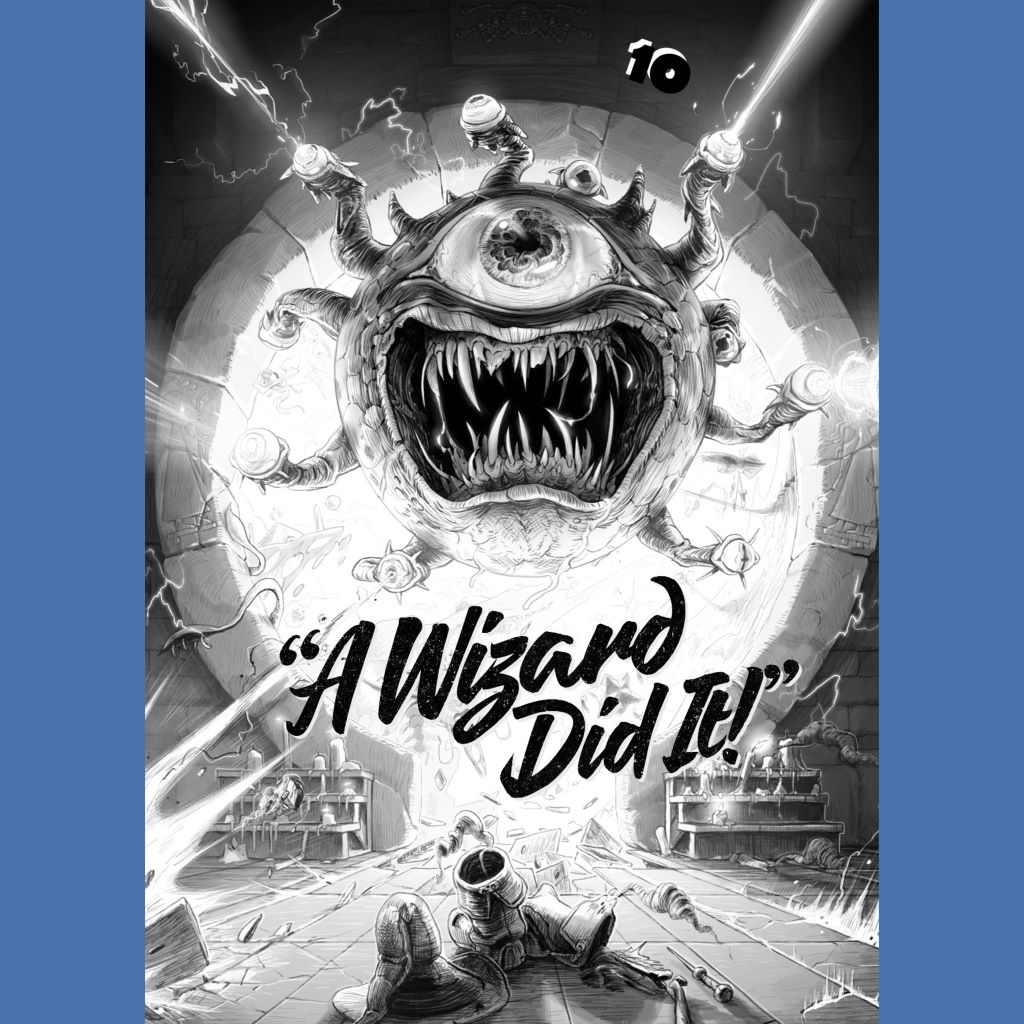
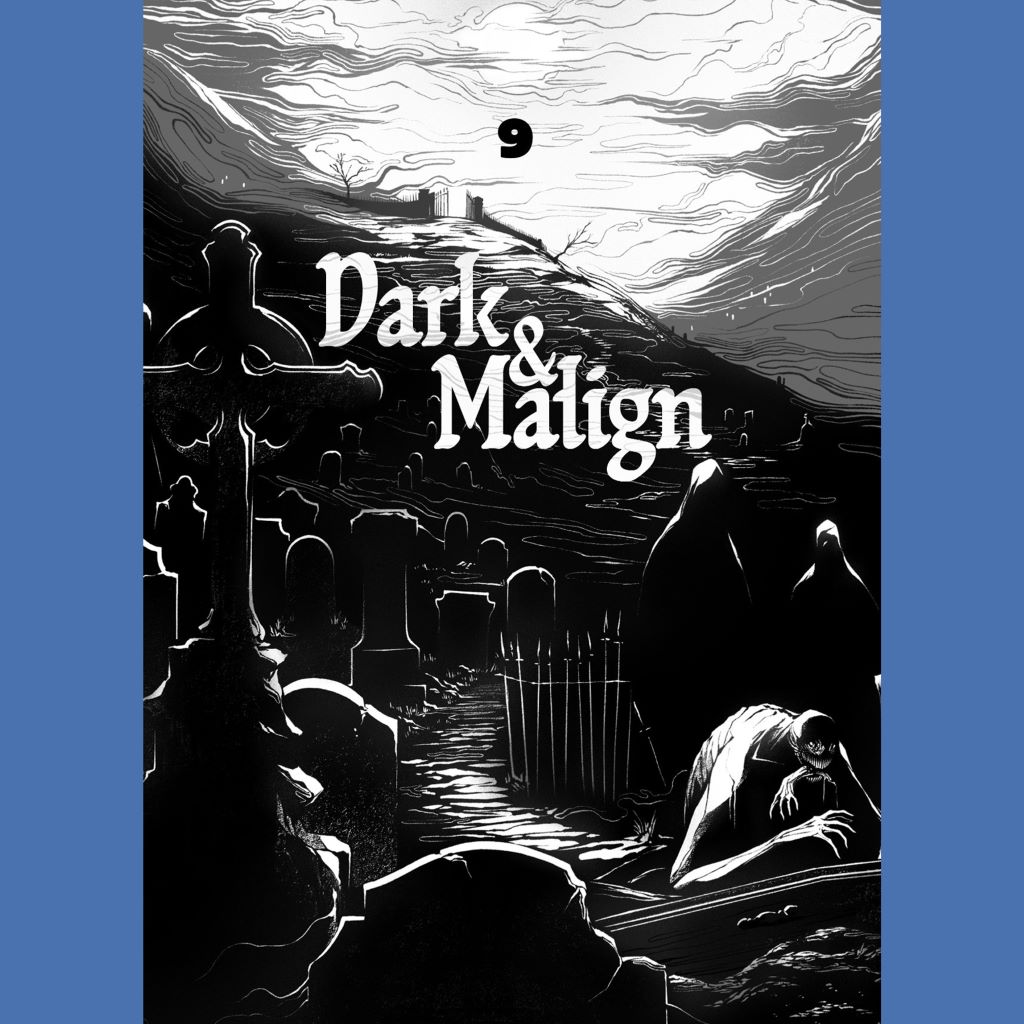
This week's posts all feature scads of images, which is great for websites but not ideal for newsletters. In addition to the cover, I've picked my four favorites; click through to the site to see the rest!
|
| |
|
The Monster Overhaul (2023) |
| |
|
I love monster books, and this week is mostly about monster books! And, if you’re a listener of the Vintage RPG Podcast, you know how much I love our first monster book, Skerples’ The Monster Overhaul (2023).
The subtitle is “A Practical Bestiary,” as it aims to be usable right at the table, on the fly, thanks to lots of tables and good thinking regarding the design. It’s a very usable book and, when not in play, it rewards browsing. The book is divided into 20 categories (each illustrated by a different artist, give or take) of monster, each containing ten monsters that hew to a theme. The categories are unusual: there is “Dragons,” of course, but also “Summer” and “A Wizard Did It.” Summer monsters include the Froghemoth, Mandrake, Chaos Frogs, Pryomancers, Tunnel Hulks and more. Some of these may sound similar to classic D&D monsters, others are entirely new. In addition, the core ten, each theme is supplemented by ten monsters from other themes in the book (for instance, the supplemental Summer monsters include Treants, Catoplebas and Fairies). Tables galore help build and flesh out encounters. Summer includes a set of generic swamp hexes, other entries have lairs and dungeons. There is an entire flowchart table for populating a megadungeon.
Basically, every page of this book makes you think about monsters. How do you make them new, recontextualize them, find different pairings for them, stick them in unusual environments, subvert player expectations of them? Like all great RPG supplements, the book not only offers a set of answers for all these questions and more, it also teaches the reader how to continue answering them long after these published tables and suggestions are exhausted.
Pardon the pun, but a monstrous achievement that should be on every GM’s shelf. |
| |
|
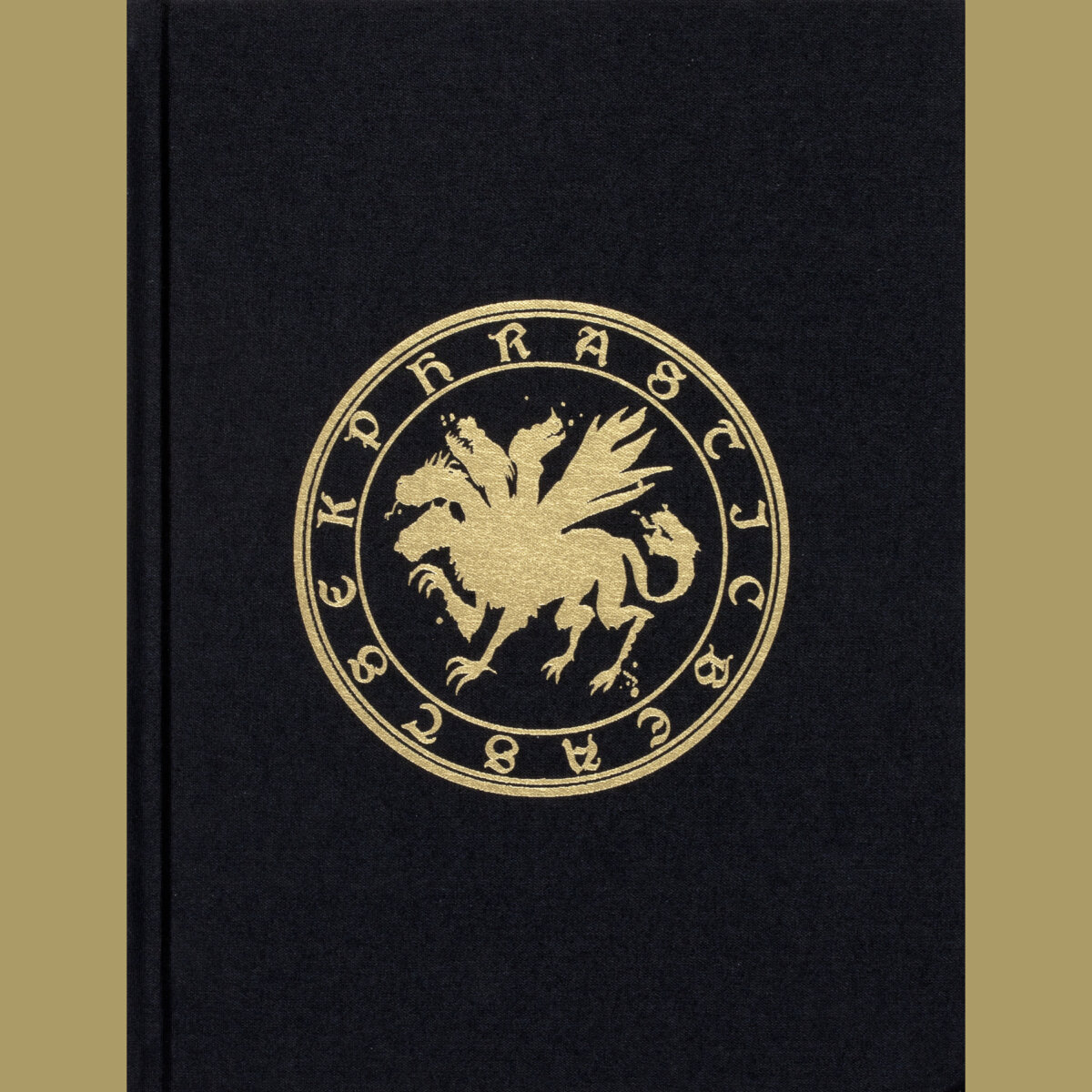
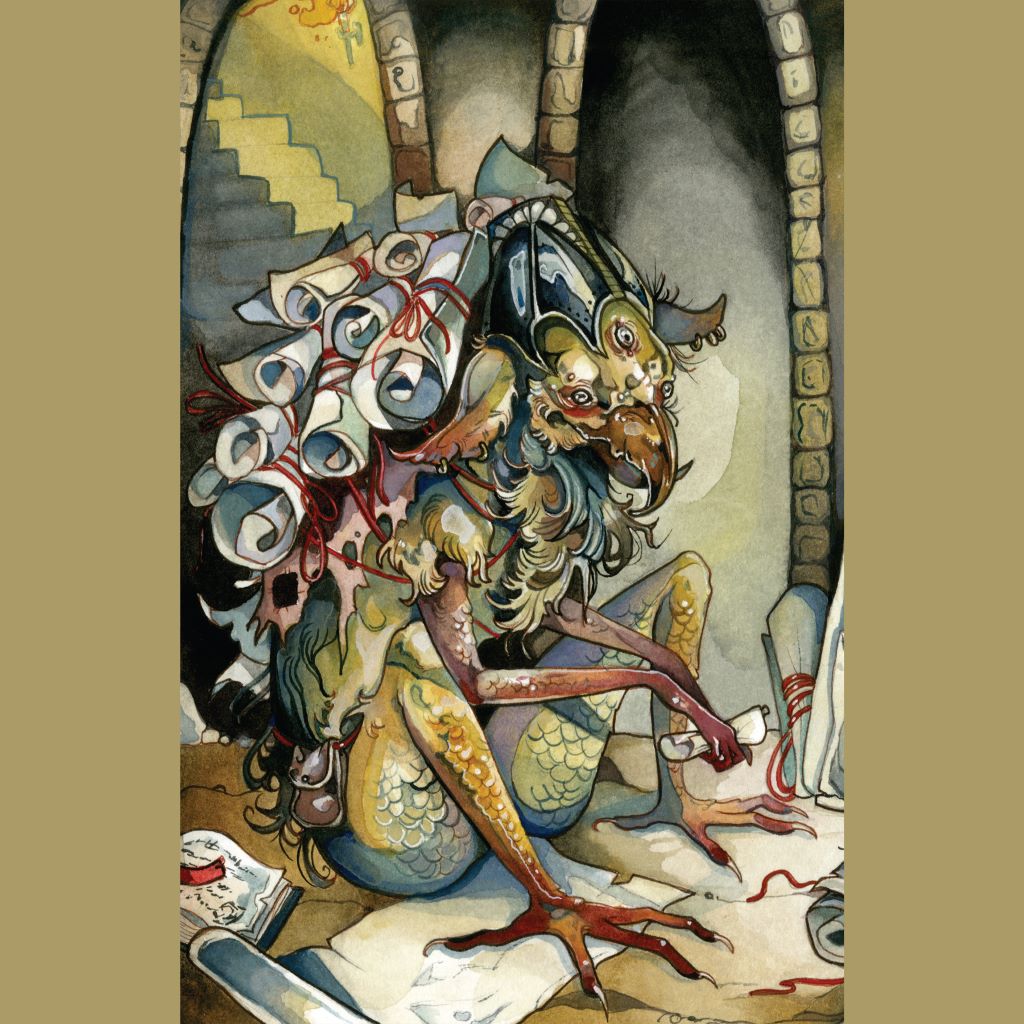
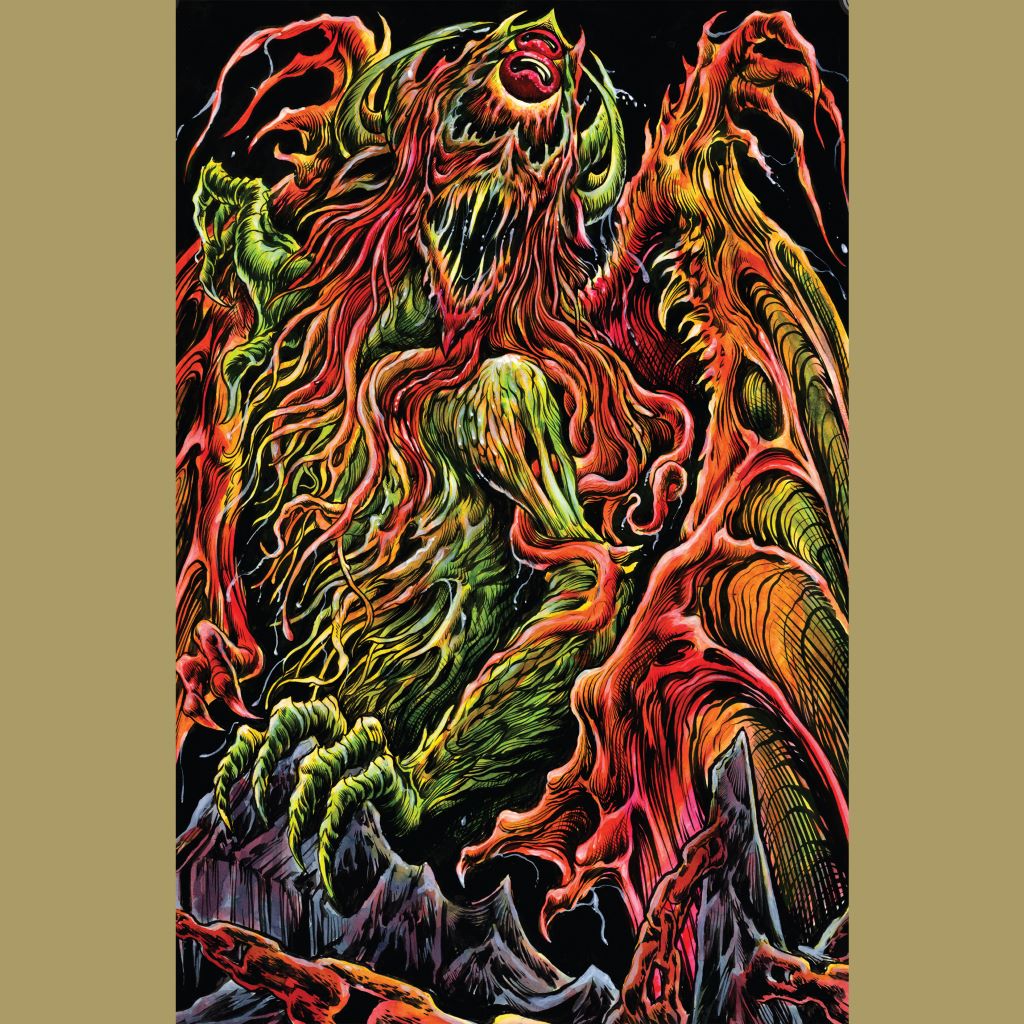
Ekphrastic Beasts (2021) is a beautiful experiment. Ekphrasis means “description” in Greek, but it has come to mean a sort of vivid writing penned in reaction to a piece of art. “Ode to a Grecian Urn,” by John Keats, is maybe the most famous example. Janaka Stucky isn’t reacting to pottery, though — rather, he is describing, and parsing into 5E D&D game terms — monsters painted by a group of artists. They include primarily Ellie Jo Livingston, Jeremy Hush, Joe Keinberger and Nathan Reidt, with single bonus contributions by Arik Roper and Skinner. It’s a compelling body of visual work as a whole, but I find myself particularly engaged by Ellie Jo, who manages to filter very modern ideas through a style that keeps pulling me back to a much earlier Golden Age of Illustration style that I have trouble identifying. Dulac, maybe? Nathan Reidt’s work is also very striking, like a collection of horrible, squishy flesh toys. They’re loathsome in the best possible way.
Stucky’s writings aren’t overshadowed by the amazing art. He ping-pongs back and forth as dictated by the illustrations, fleshing out conventionally folkloric creatures like owl harpies then wringing interesting lore from hard-to-fathom beasts like, well, all of Reidt’s work. Roper and Skinner’s works are paired up ever-battling twin titans. Sometimes the stories seem familiar, sometimes deeply weird, but all the time, Stucky is trying to deconstruct or recontextualize accepted monster tropes in the new creatures he is portraying. It isn’t structured as such, but the end effect of Ekphrastic Beasts is very similar to The Monster Overhaul in pushing the GM’s mind to question preconceptions about monster and push against their cliches.
Same is good. But different is good, too, and often more rare. I want more books to push this way. |
| |
|
A Folklore Bestiary (2022) |
| |
|
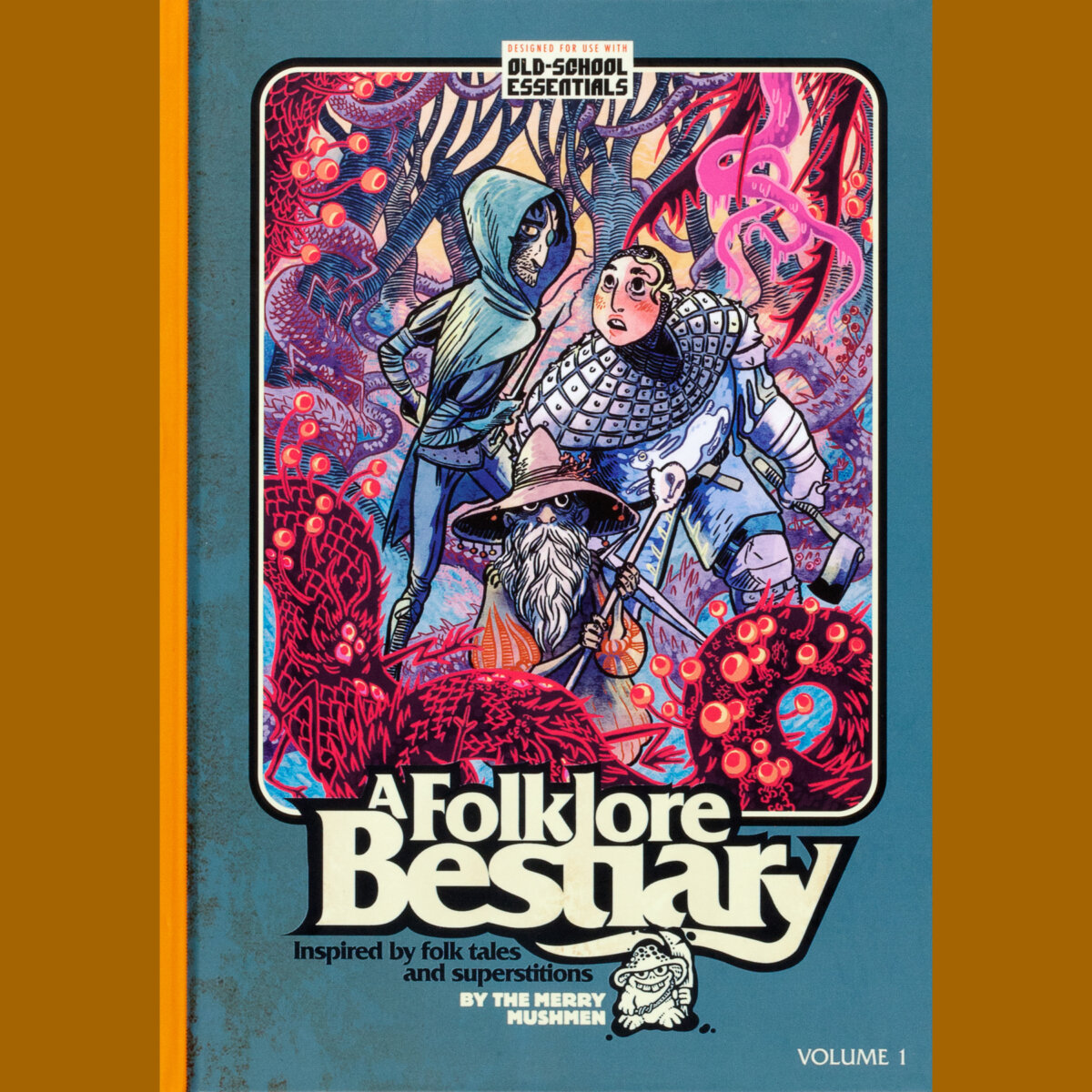
When Gygax put together the Monster Manual, he unwittingly created a sort of “essential assortment” of RPG monsters derived from real world legend — they appear over and over again in other games as default opponents. Gygax selected those monsters from a wider pool derived from books of folklore and mythology that were available in the ‘60s and ‘70s, but I’ve read a lot of those (and their descendants) and, well, there are a lot of folkloric monsters from all over the world that are just, continually overlooked. This is something came into sharper focus for me regarding regions outside of Europe thanks to A Thousand Thousand Islands and Other Magic 2: Monsters of the Americas, but A Folklore Bestiary (2022), from The Merry Mushmen, proves there are still plenty of interesting creatures to mine even from Europe (and the rest of the world, too).
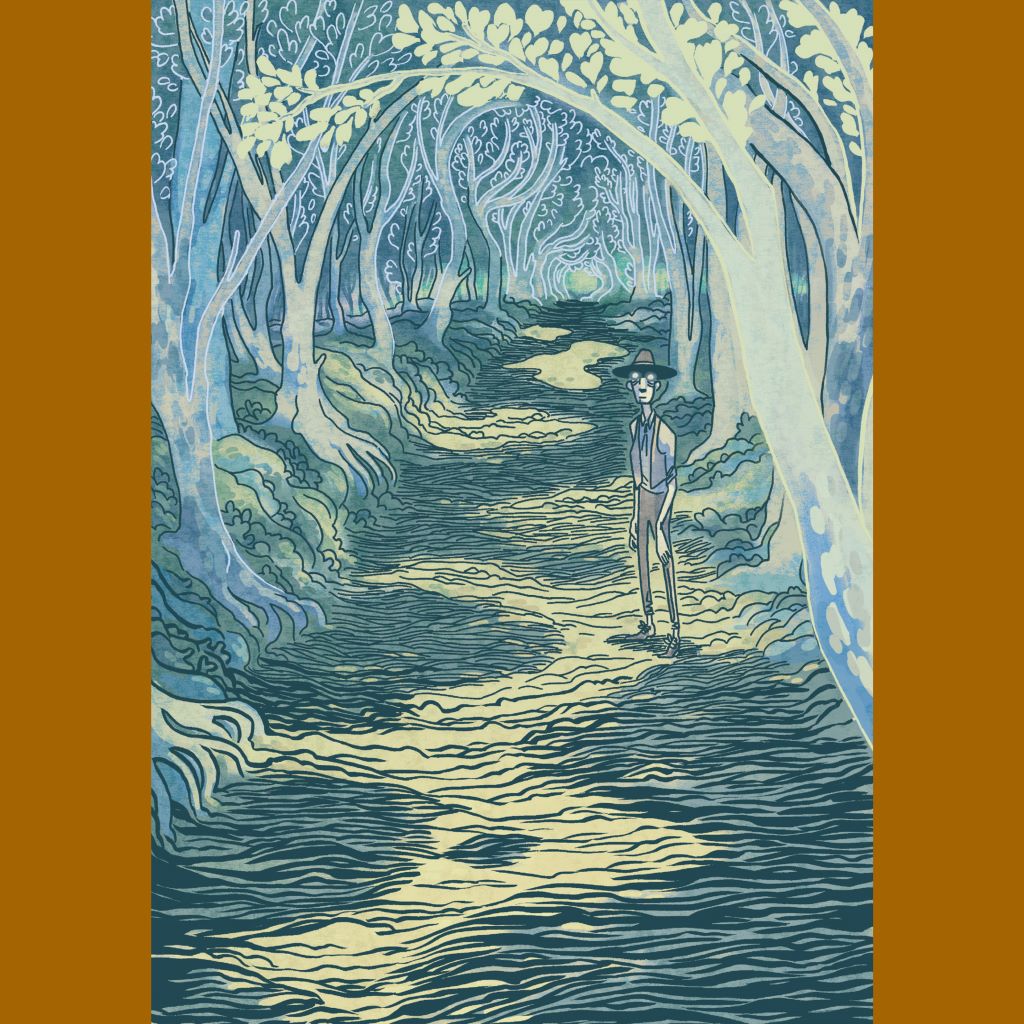
Letty Wilson did all the art. The writing and selection was by a variety of authors, from a variety of locations and this provides GMs with a nice diversity of options. Some are already passingly familiar (dybbuk, Black Shuck, Jack-in-Irons), some are really more like NPCs (the Queen of the Fallow Field, who is a bit like Lady Midday, and Bad Paxti, a nefarious blacksmith). Many function as variants of more generic monsters (Tartaro are basically classic cyclops, with some tweaks, like the fact that they are numbered instead of named or that their eye can emit a blinding beam of light — they’re probably my favorite beastie in the book). Like the previous two books this week, this serves to reimagine and recontextualize familiar monsters, though perhaps more subtly than the other. I’ll tell you, though, I will always take another strange folkloric goblin over some of the eyeroll-worthy monster variants that have cropped up in official D&D. Winged gnolls, for Pete’s sake? |
| |
|
Into the Cess & Citadel (2022) |
| |
|
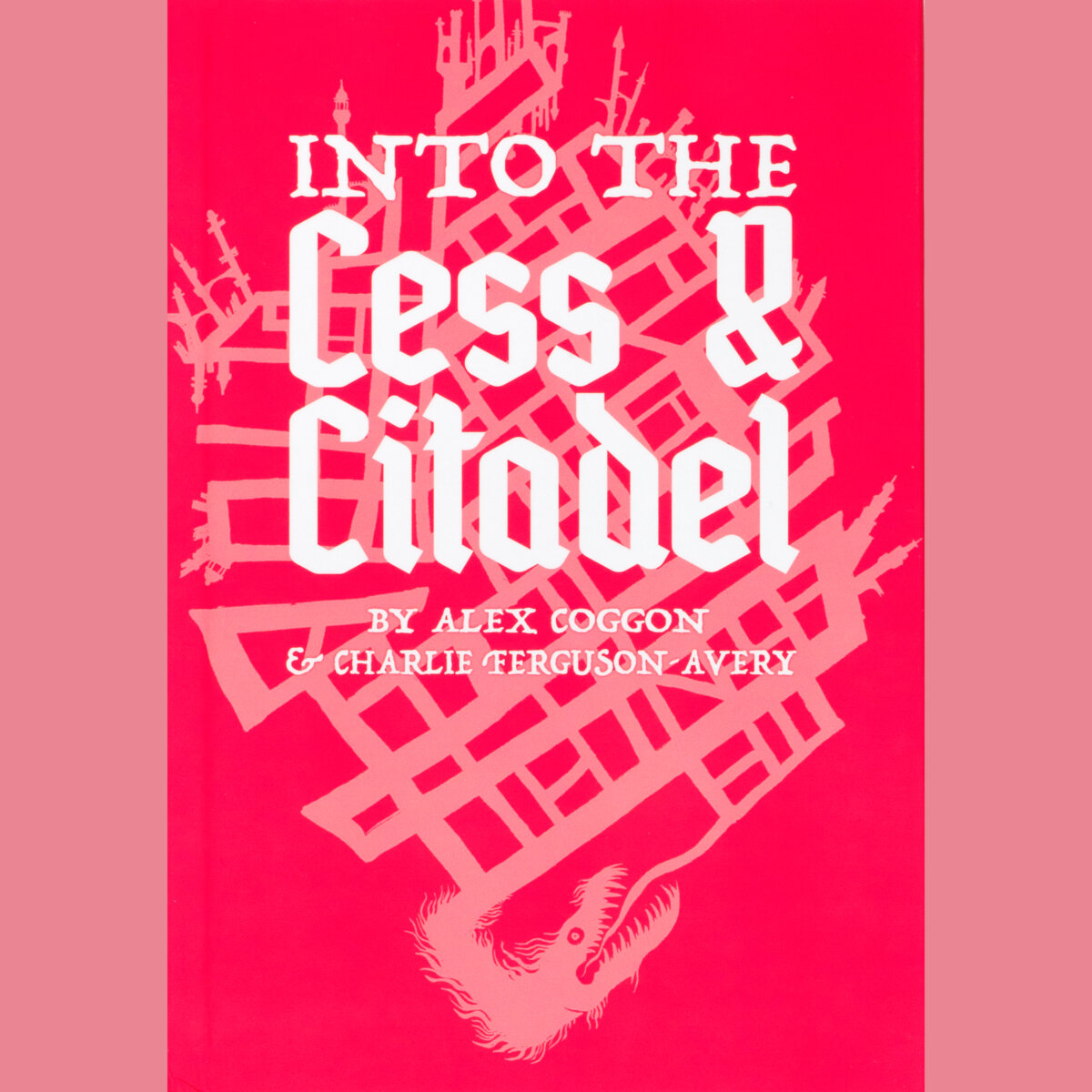
OK, so Into the Cess & Citadel (2022) isn’t exactly what most folks think of as a monster book. But it is. Sorta. Bear with me.
So, this is the companion to Into the Wyrd & Wild, which shares a similar format, organization and purpose. That earlier book was meant to make forests into something more dungeon-like, and provided a whole new weird ecosystem to support that, including a ton of monsters. Similar thing with C&C, a book that looks to present a city in more dungeon-like terms. (Why would you do this? Because unlike forests and cities, dungeons are constrained spaces; no matter how big they are, you only ever have a couple immediate choices, and this makes them easier to plan, run and play.)
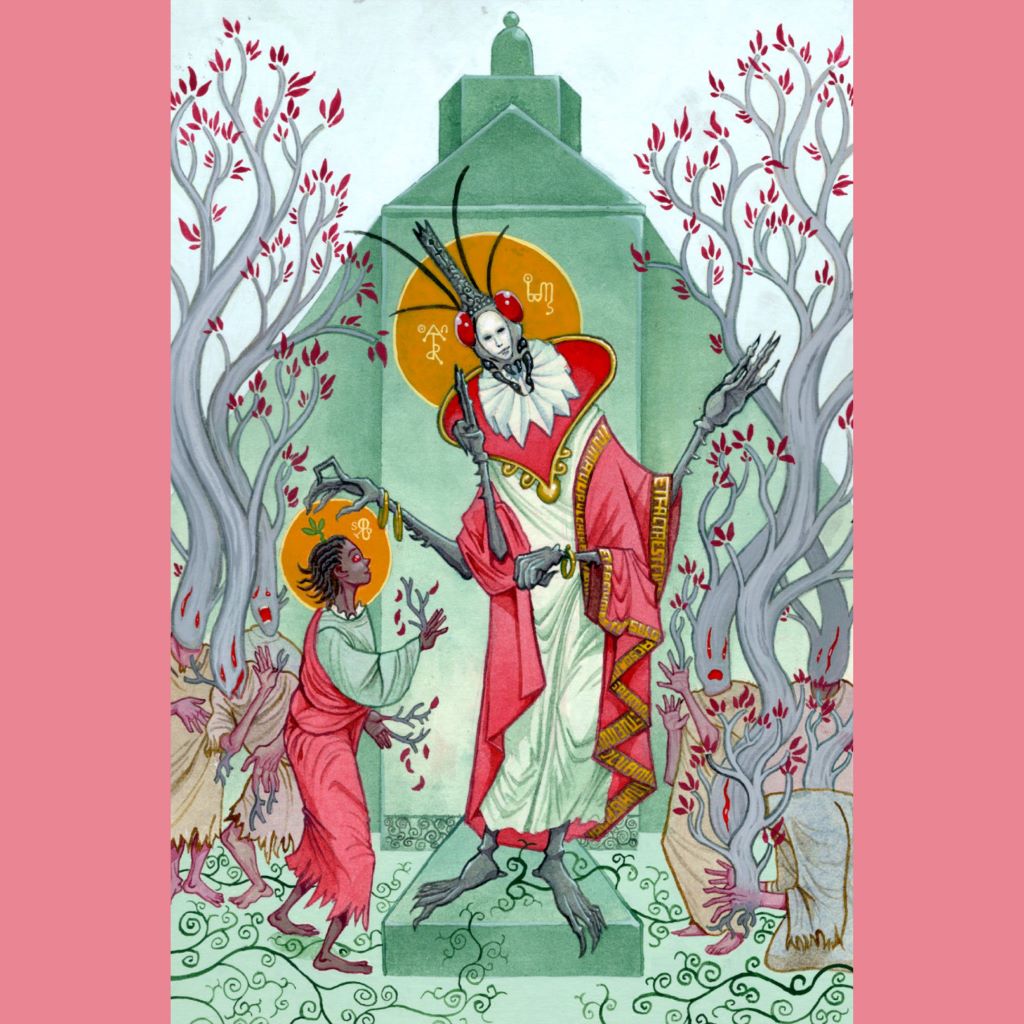
The book has a bunch of rules for generating cities and material to support them in place (like a table of 100 interesting locations). Then there are five more firmly sketched city districts — the undercity, the spires and the foundry, cultivist and archivist districts, all of which have their own unique character, perils and monsters. Many of these place-specific monsters verge on NPCs, or, at least, give the sense that they in some ways belong to the ecosystem of urban civilization. A group of general monsters that can be found anywhere in the city is also provided. They are very cityish — garbage monsters, living cobblestones — creatures extremely adapted to their environment. The city is a dangerous place.
Which is why I decided to include this book in a week of monster books. In the introduction, the book says to never forget that “the city eats people.” It’s true! And I think that provides some necessary context. All the creatures and maladies and traps and NPCs and items and architectural features presented by C&C make up one, gigantic, unbeatable, ever-hungry monster. Take that, Tarrasque. |
| |
|
The Vorpal Almanac (2023) |
| |
|
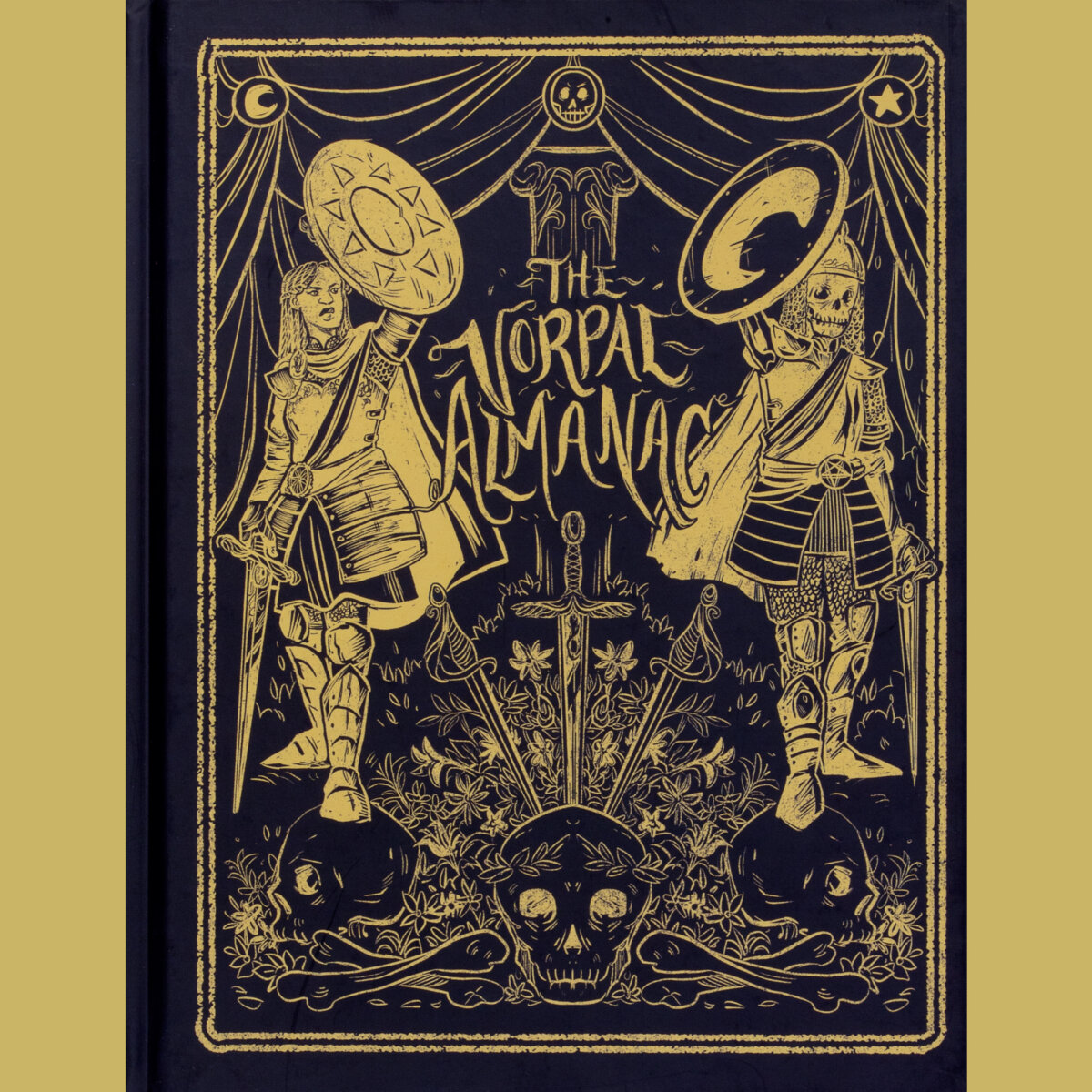
The Vorpal Almanac (2023) is also not what I would call a traditional monster book, but in the spirit of deconstruction and recontexualization that has run through this week’s posts, I think we can extend it some leeway.
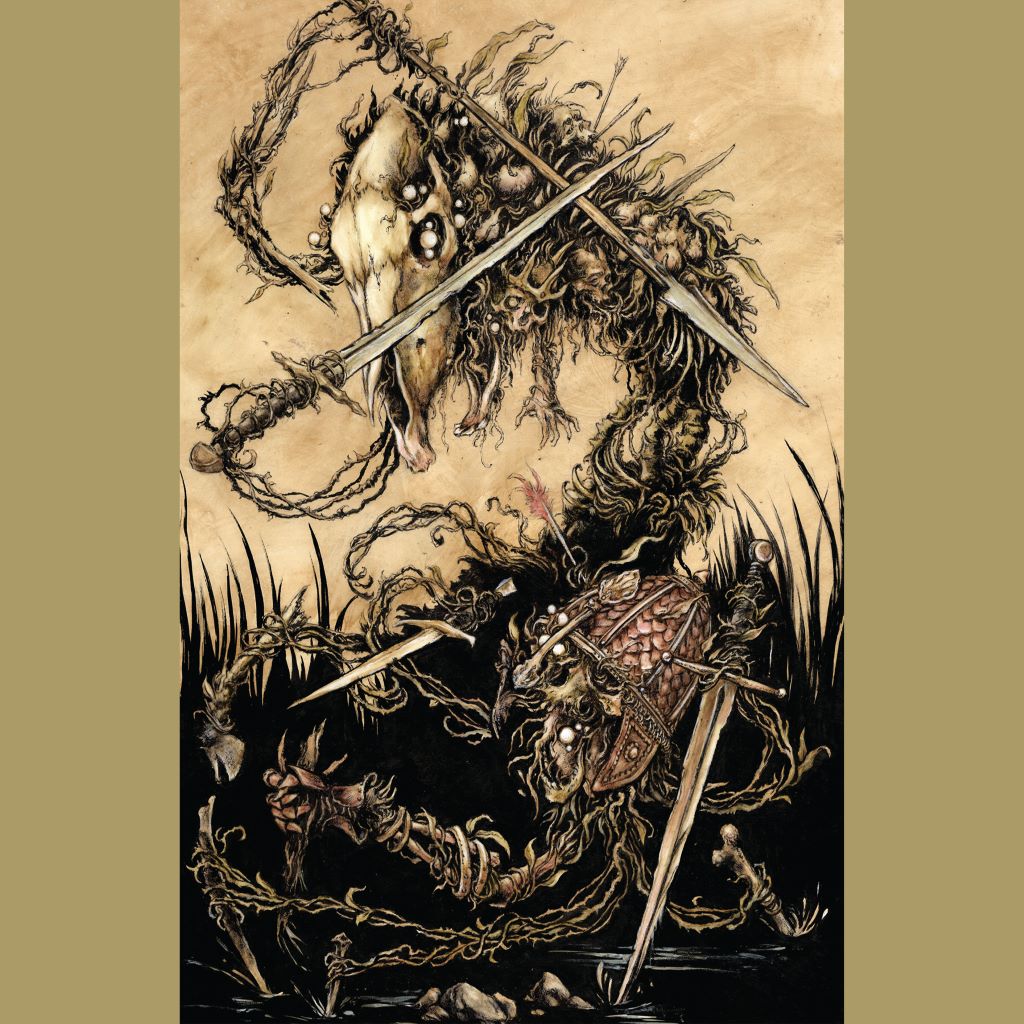
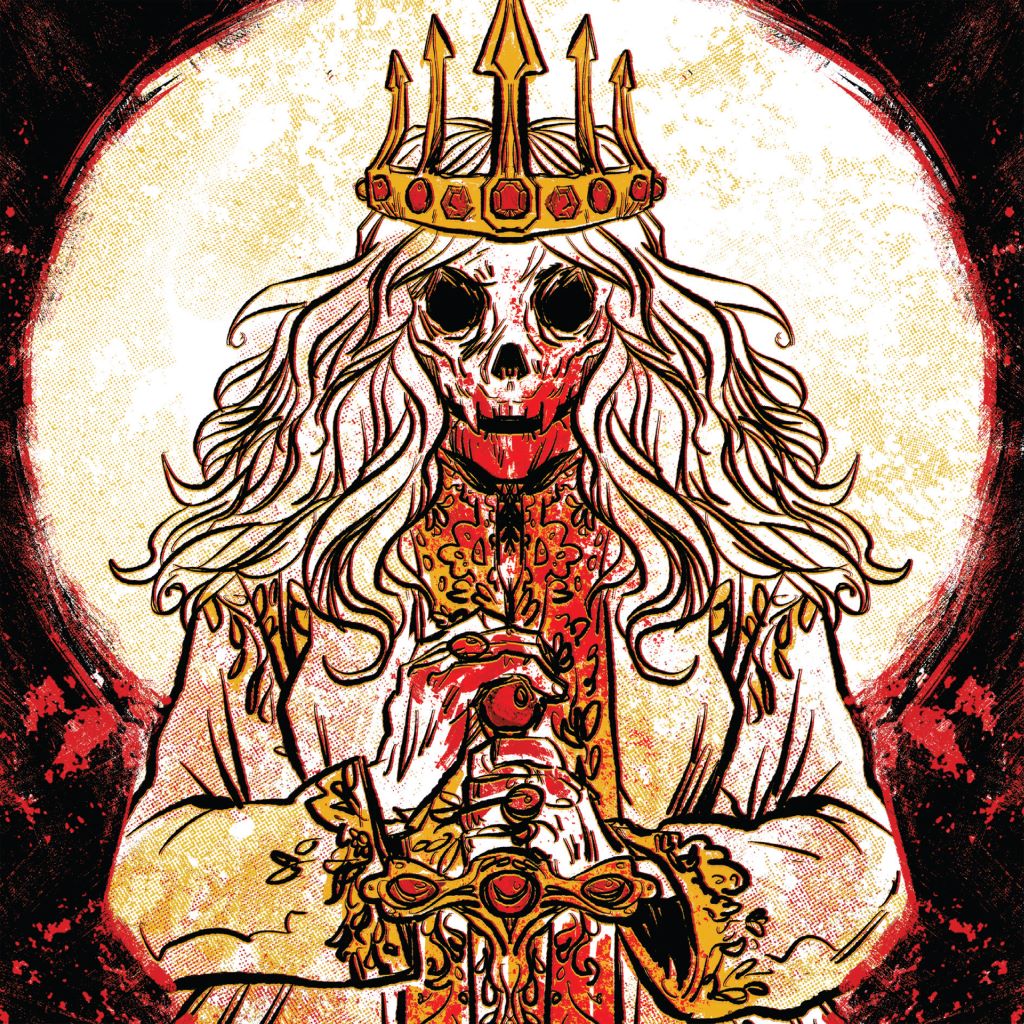
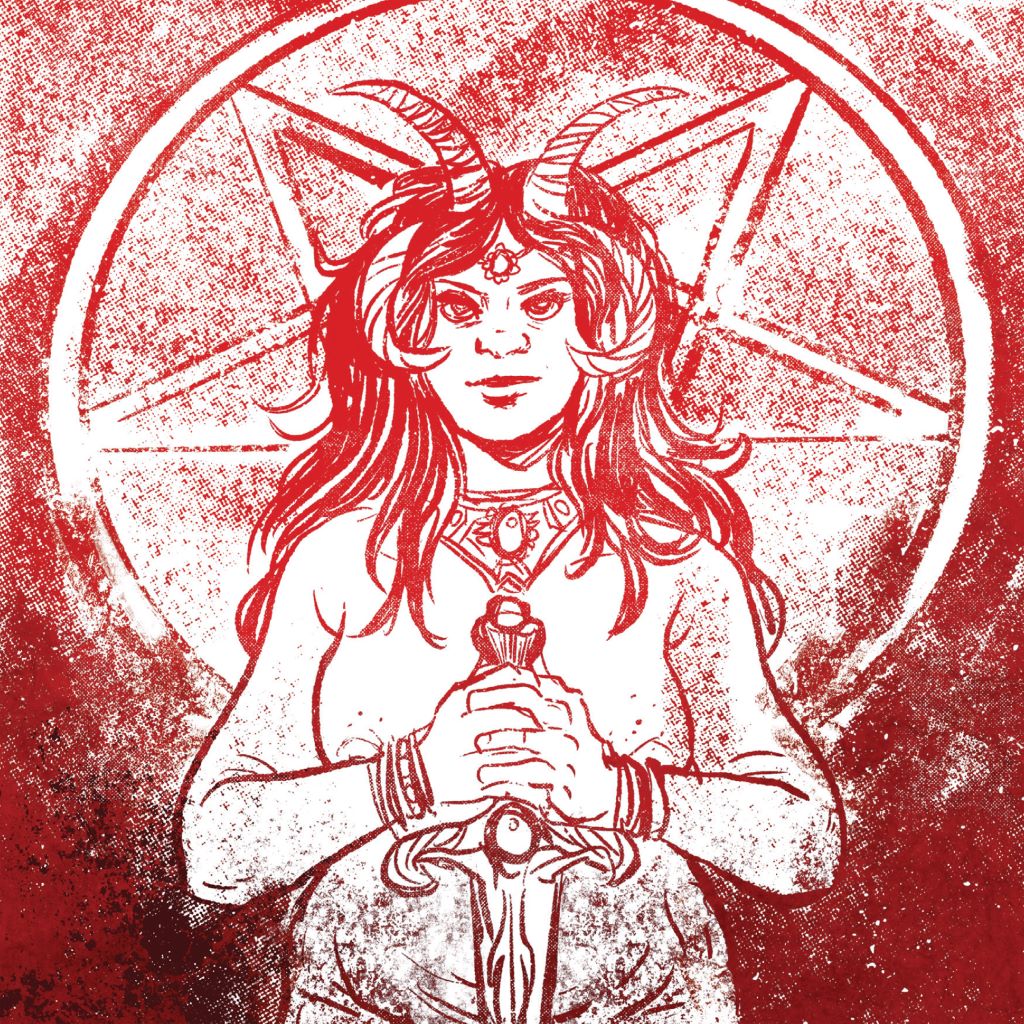
It’s a collaboration between Levi Combs (words) and Sally Cantirino (art) and I love it a lot. It is unambiguous: a collection of 22 unique swords, an illustration (a portrait of the weapon and a previous owner) and flavorful quote on one half of the spread, a brief history and mechanical notation on the other half. An appendix consisting of a few tables allows for customization or the creation of new blades. Elegant. There are a lot of interesting weapons here (and skeletal owners, worth noting) but I think my favorite is Stormclaw, which can sometimes shoot out a bolt of lightning and acts as a lightning rod protecting the wielder from electrical attacks. There are probably more interesting blades in the book, but I like how Stormclaw feels unique and storied through the combination of a name, unusual magical properties and a brief and somewhat unremarkable history. More (all?) magic items should have at least this much individuality.
Monsters, though? Sure. Named swords of special history go back probably as far as swords themselves. Excalibur is probably the most famous, but there are heaps of them, every hero owning at least one (I have to say, though, one of my favorite things about Fafhrd and the Gray Mouser is that their named weapons aren’t special, to the extent that Fafhrd’s “Graywand” is whatever sword Fafhrd happens to be holding at a given moment). Tyrfing is perhaps my favorite legendary sword, forged under duress and cursed to kill a man whenever it was drawn. It’s one of several that inspired Michael Moorcock’s demonsword Stormbringer, and I think we can all agree that Stormbringer was a monster. I’m happy to call Netherfang and Nygotha from The Vorpal Almanac the same. |
| |
|
I was a guest on Monster Market, a podcast about monsters recently (releasing soonish) and my pal Zack brought up Edward Topsell's History of Four-Footed Beasts and Serpents and Insects, sort of the OG Monster Manual. I've known about the book for ages, it gets referenced all the time in monster books, but I've never actually read it. Or seen it. So I looked around on the internet for a copy. There aren't many options! It came down to a dodgy three-volume print-on-demand version that was about 40 bucks a book or a three-volume 1967 facsimile that was...about 45 bucks a book. I trust 1967 more than modern POD, and thus arrive the much-larger-than-expected Da Capo facsimile. It's definitely going to come in handy, and even if it didn't, it was worth it to get that manticore engraving in all it's glory. Note the lack of wings. |
| |
Vintage RPG
Copyright Stu Horvath, 2024, except when not
| |
Add some images to your gallery | |
|