|
Dark Sun’s initial adventure modules (one in the campaign box, and at least seven more individual releases in two separate story arcs) had a novel design innovation. Instead of the familiar booklet for the DM only, there are housed in a foldout box-sleeve a short story and two flipbooks – one for the DM containing the info needed to run the game, one for the players full of illustrations of the action. They’ve got a super cool feel to them (but there is no way they were cost-effective products).
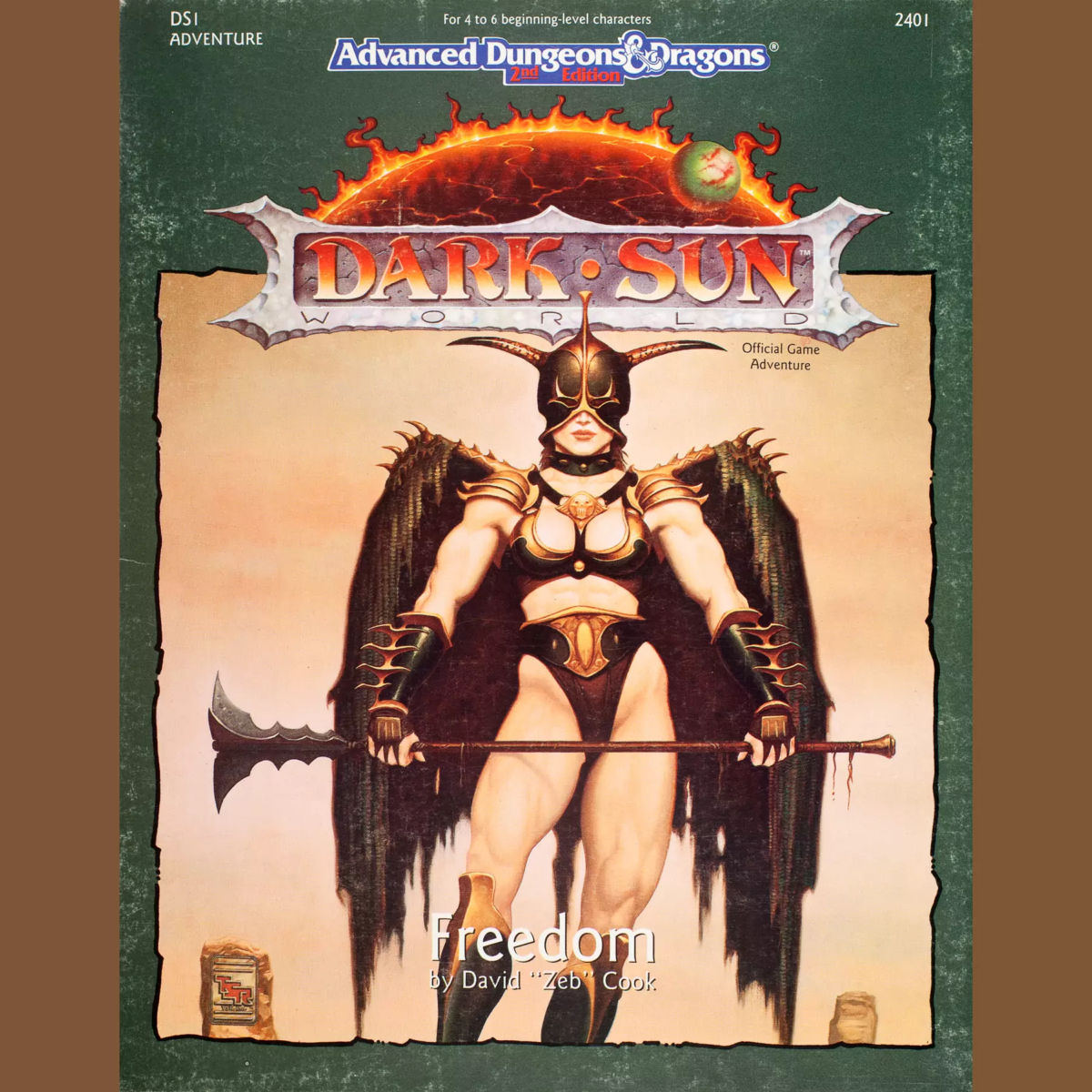
This is Freedom (1991), the first scenario for Dark Sun outside the campaign box. Inside are the aforementioned flip books and a short story that also includes NPC details. The DM flipbook is pretty much solid text, but interesting: it’s full of notes on how to run the encounters and events, from tactics to NPC roleplaying notes. Often, there are forking narrative choices at the end of an encounter. I used to think these were railroady as all get-out, but looking at them again, they’re really ahead of their time, balancing a highly plotted scenario against player choice, with a whole lot of support presented pretty clearly. I…wouldn’t mind bringing this format back, maybe.
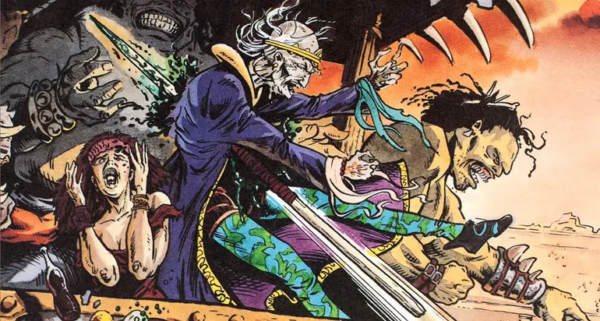
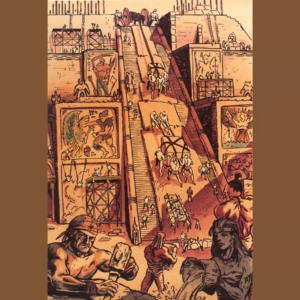
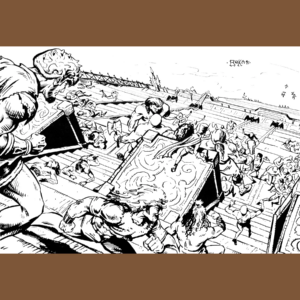
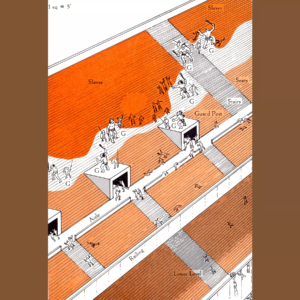
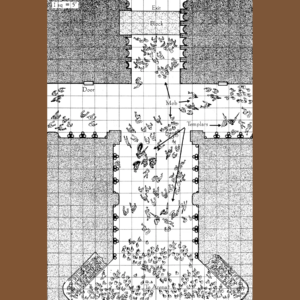
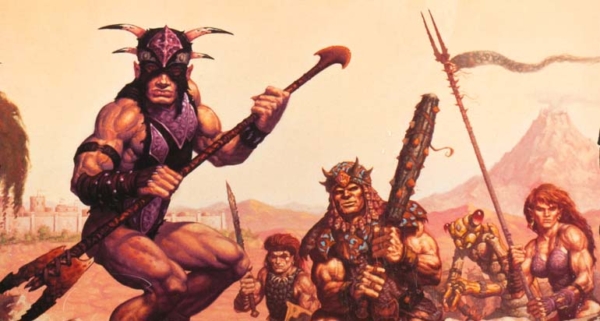
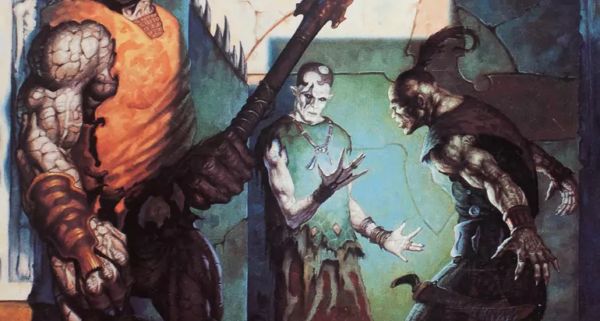
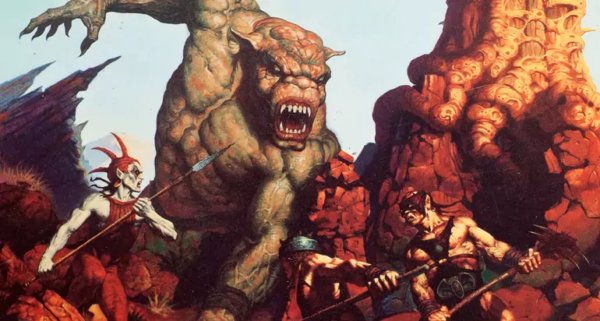
The Player flipbook is where are the maps and rad Baxa illustrations are — many in color! There are some pre-gens in there too. These represent a high production value that was pretty much unmatched elsewhere in the hobby at that time.
There are issues, of course. The scenario mirrors the events of the first Dark Sun novel, The Verdant Passage, with the players beginning as slaves, escaping and then taking part in the uprising against the sorcerer-king. While it never gets weird like Dragonlance, the novel characters appear as NPCs and there is potential for the players to feel like they’re the B-team. It also uses Battlesystem to run the uprising, which, ugh.
Big meta plots were becoming a focus around now, but the Dark Sun metaplot is kind of controversial. This scenario immediately blew up the status quo presented in the campaign box set and that made just as many people uneasy as overjoyed.
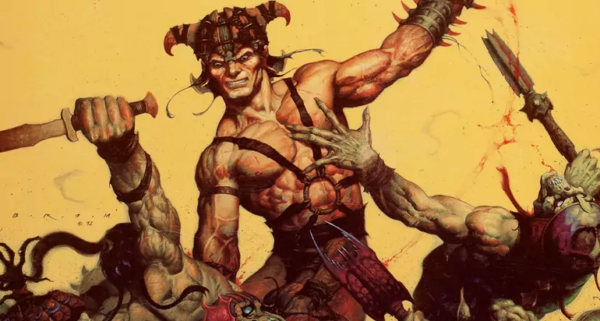
Oh, and, maybe you are like me and always thought this cover art by Brom was weird — Neeva, a gladiator, has like a king’s ransom of metal (rare in the setting) on her and just generally doesn’t look quite right. That’s because the painting predates Brom’s work on the setting, it’s actually the portfolio piece that got him the job. |