|
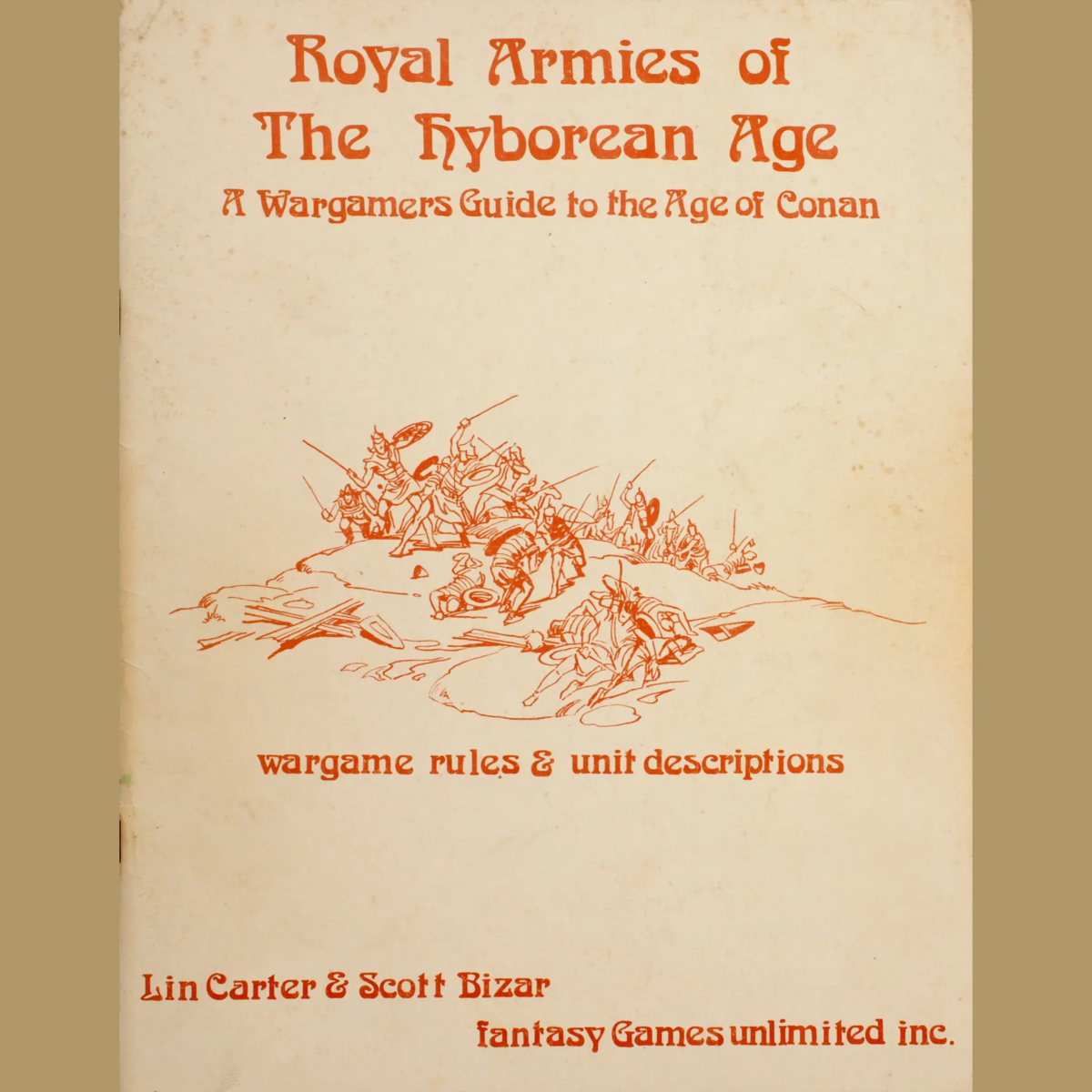
Back in 2023 when we did the podcast episode on Dragon Magazine #1, I expressed surprise that Lin Carter had a byline in there for the expansion to a wargame called Royal Armies of the Hyborean Age (1975). Soon after, a listener found a copy and sent it to me, and here it is! (I’ve lost your name, but remind me if you see this!)
This is one of Fantasy Games Unlimited’s very first publications (alongside a game about gladiators). I don’t have the knowledge required to evaluate it on the merits as a wargame, but I do think it’s an interesting bit of crossover between gaming and lit, being a game that converts the world of Robert E. Howard’s Conan the Barbarian into game terms. Carter was a prolific writer and editor of genre fiction, and I think he deserves much of the credit for the creation of “fantasy” as a marketable genre, thanks to his efforts with the Ballantine Adult Fantasy imprint from 1969 to 1974 (he was instrumental in bringing Lovecraft to a wider audience during the same period). He also wrote a lot of Conan stories and Howard pastiches. I’ve long wondered if he ever encountered fantasy gaming and here is my answer!
Carter notes in his introduction that though Howard’s original stories created a whole world over time, they weren’t written with that notion at the forefront, so there are gaps and contradictions. This meant Carter and his co-designer, FGU founder Scott Bizar, had to make up new material and generally massage Howard’s facts into a cohesive whole. Carter’s explanation of this very much reminds me of Bill Slavicsek’s discussion of the process behind the writing of the Star Wars Sourcebook for West End’s RPG and the subsequent creation of the Expanded Universe. I am sure that Royal Armies is a very early example of converting an imaginary world into game terms.
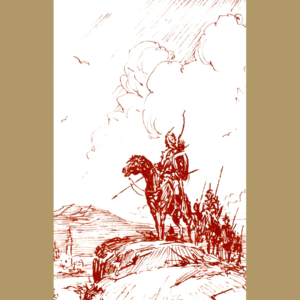
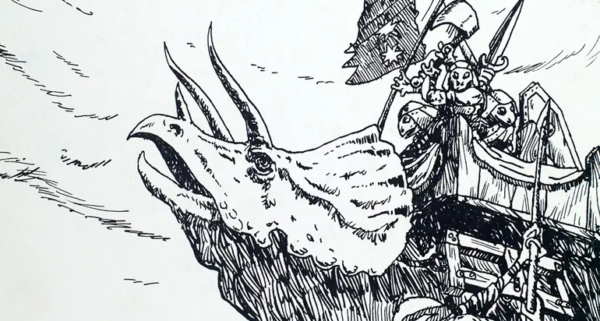
Update: My copy doesn’t have an art credit; dunno if that is a missing page thing with my copy or an omission on FGU’s part in early printings. Poking around online, though, I found they are the work of the amazing Roy G. Krenkel. Thanks to Ossi Hiekkala, who commented that the work looked like Krenkel, which in turn got me to dig a little deeper! |