|
I don’t know if folks pick up on it, but every year since 2021 there has been an annual theme. That year, I was working on Monsters, Aliens and Holes in the Ground, so a large portion of the posts were intentionally reflective of that work and featured many historically important games. 2022 and 2023 had 12 weeks of science fiction games each, in an attempt to make up for scanty sci-fi posts in the years previous. 2024, the 50th anniversary of D&D, had posts featuring the entire Role Aids line, probably the most prominent 20th century D&D knock-off. 2025 had 12 weeks focusing on artists of the fantastic. This year, in the wake of finishing my book on monsters, well, I hope you like monsters, because I have a lot of books on monsters to share with you.
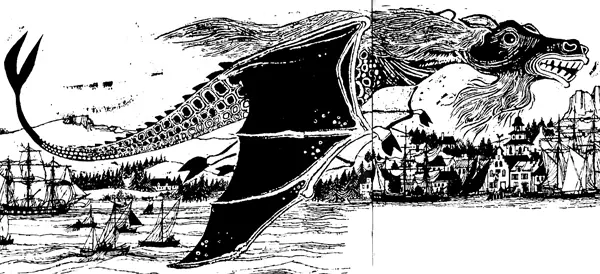
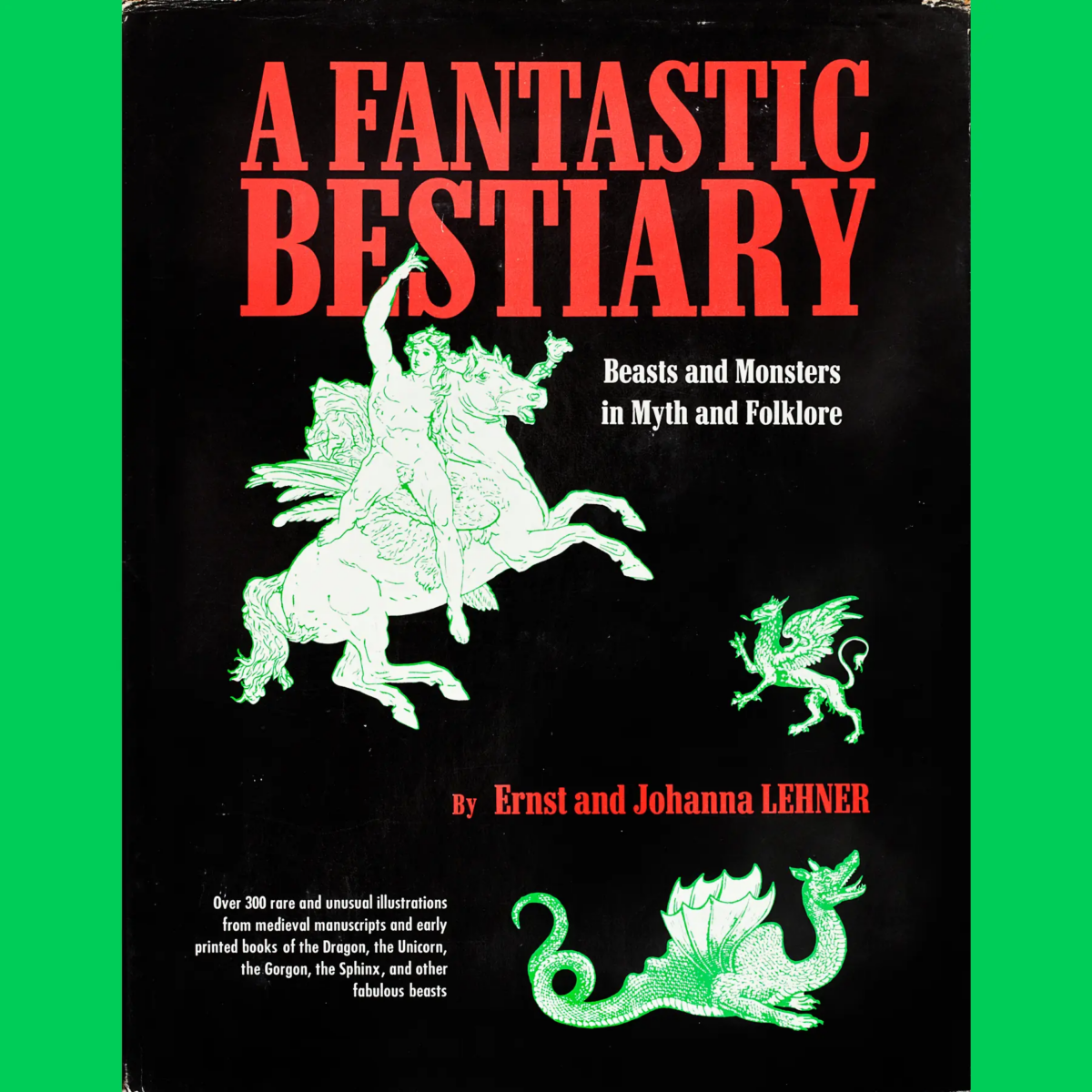
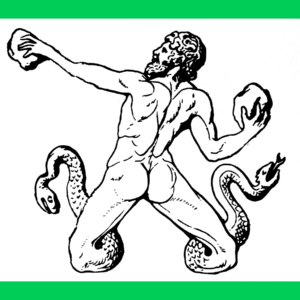
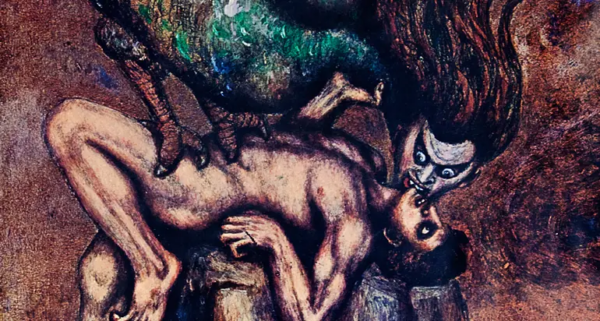
This is A Fantastic Bestiary (1969), by Ernst and Johanna Lehner. Unlike most monster books before and since, this is not an encyclopedia-style book, nor is it a general survey. Rather, it is primarily a collection of monster art, drawn (and re-drawn) from historical sources and accompanied by short passages of text that provide some context. It has a lot in common with Dover Books’ Treasury of Fantastic and Mythological Creatures (1980) and, in fact, remains in print today through Dover’s Pictorial Archive series under the title Big Book of Dragons, Monsters, and Other Mythical Creatures (their Devils, Demons, and Witchcraft, part of the same series, seemed to be on the shelf of every artist and tattooist I knew for a while there, too).
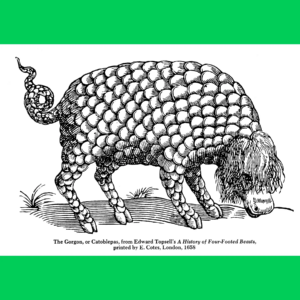
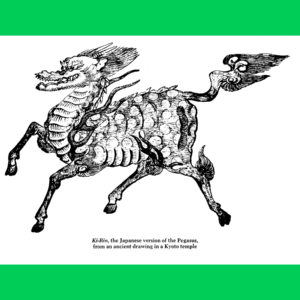
There’s textural evidence that someone who wrote descriptions that appeared in Eldritch Wizardry (and then filtered into Monster Manual) owned and referred to this book—Jon Peterson runs it down thoroughly, but this book is likely the source of the “iron bull” version of the Gorgon, the Shedu (which is an uncommon term for the Lamassu) and D&D’s odd styling of the word Kirin. There is something in the layout and the density of the art, and even the way most of the art is re-drawn from other sources that makes me feel that the look of Monster Manual generally owes a lot to the Lehners. Opening it for the first time was an “A-ha!” sort of moment in that context, but it is also a delightful catalog of historical monster art, a classic in its own right.
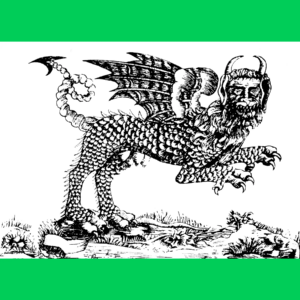
I should also mention that while I believe Roger Zelazny’s The Guns of Avalon is the reason D&D Manticores have wings, blame could also be laid at the feet of the Lehners. In their section on that monster, they include the “monster of Tartary,” a winged, dragon-like creature with a human-seeming head. I believe this is actually a creature referred to as the Terrible Wild Monster, not a Manticore. But to find out more about that, you’ll have to wait for the release of my monster book, sorry! |
 Y'all like zines, right?
