|
By 1992, I had some Grenadier miniatures that included two orc champions on foot and one on wolfback. I also had a handful of Ral Partha’s chaos champions and a few RAFM models from their Call of Cthulhu line, painted badly with Testors enamel. As I mentioned in the previous post, they existed somewhere between toys and display pieces for me. I wouldn’t incorporate minis into an RPG for another couple years.
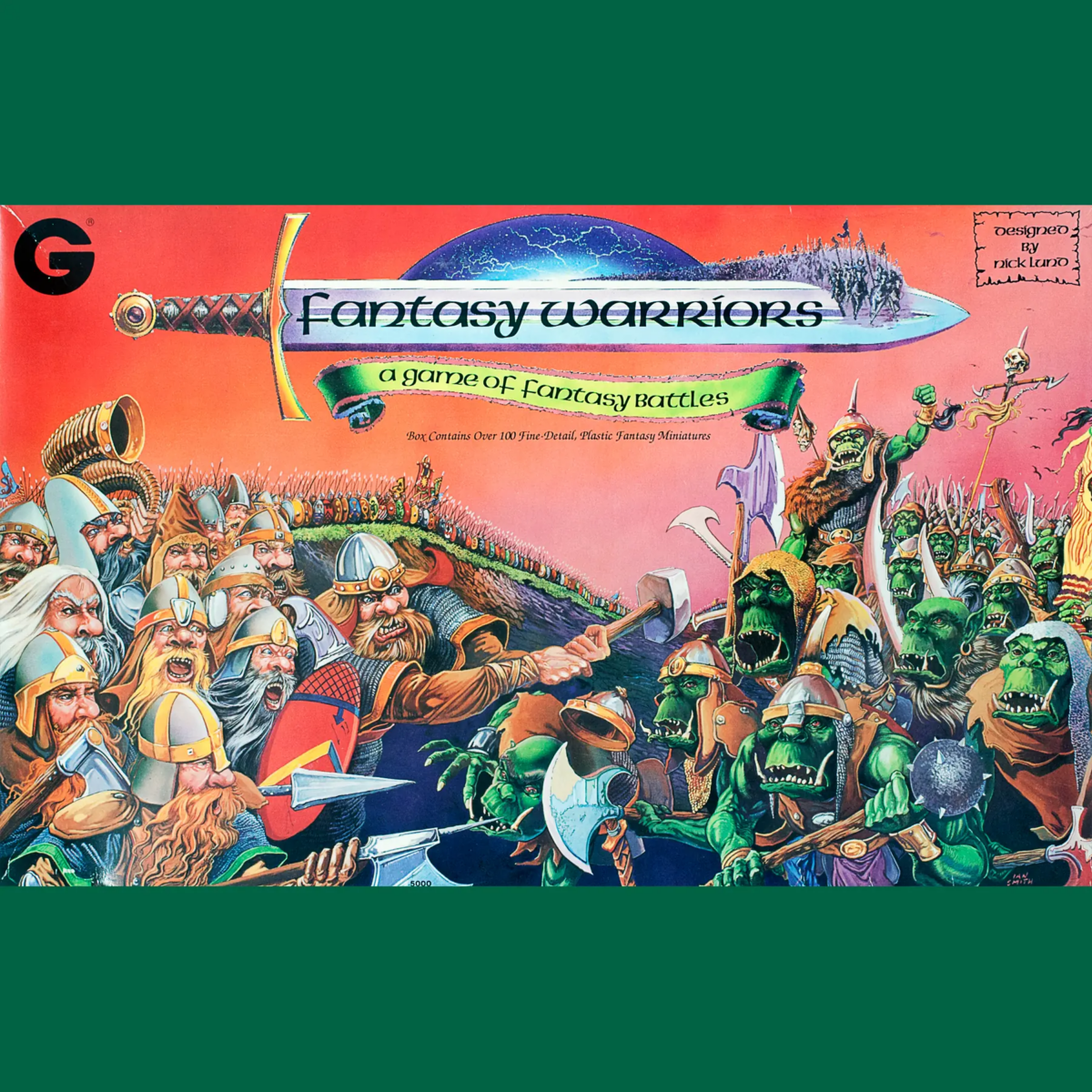
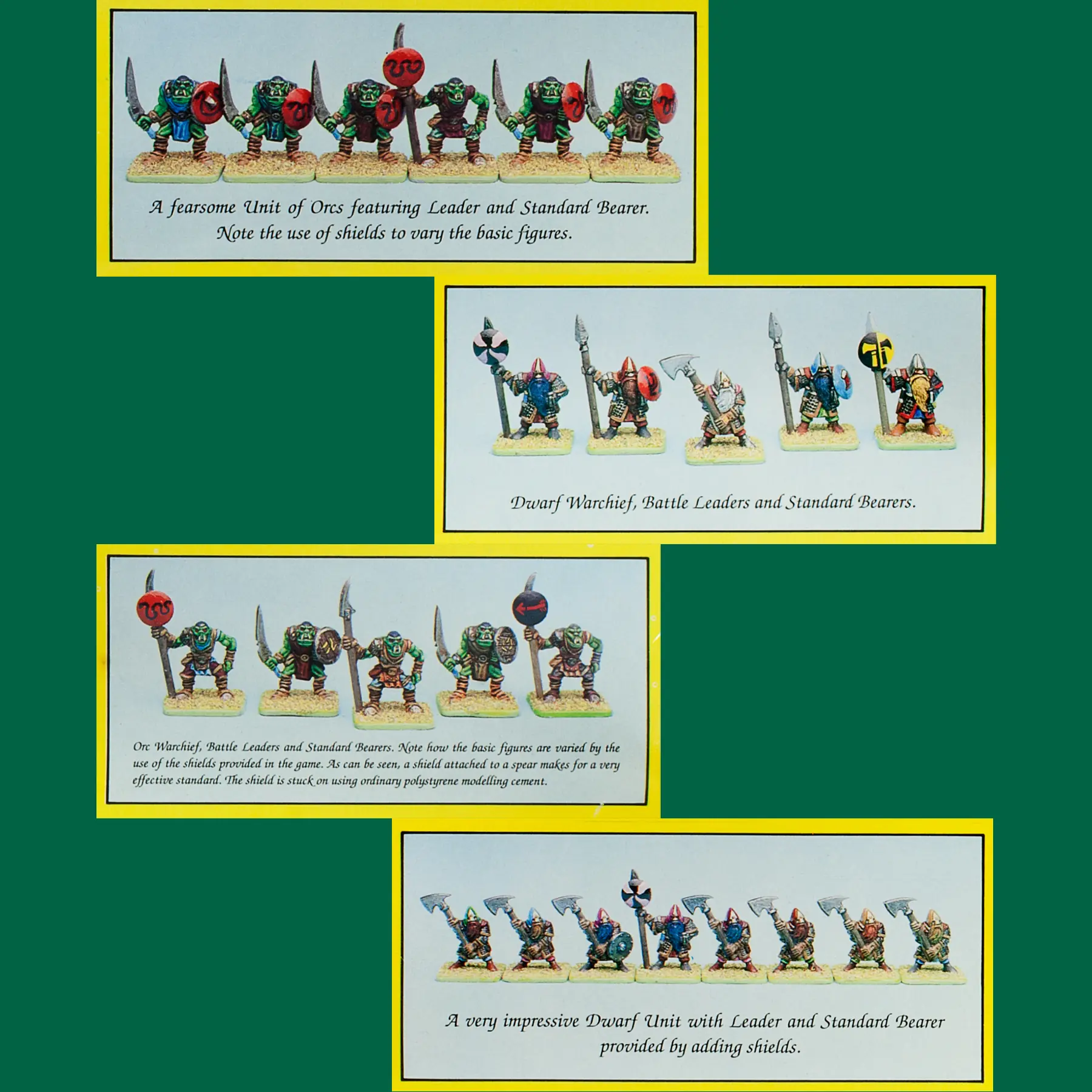
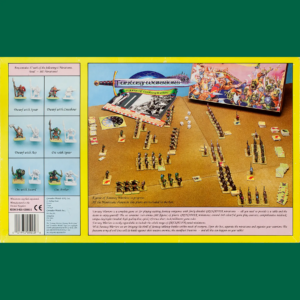
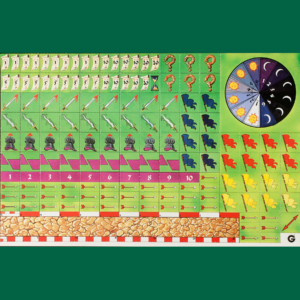
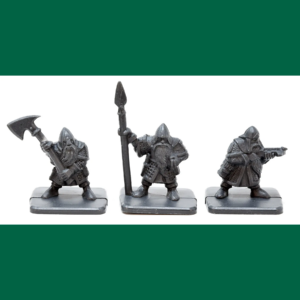
Sometime in the fall of 1992, my pal Ed (who wrote the Paranoia chapter for Experience Points) bought Fantasy Warriors (1990) from Infinity Comics, our local nerd haven. I don’t think either of us knows how that came to happen; it isn’t the sort of thing that Infinity would normally stock, and I can’t imagine Ed special ordering it. My memory of the purchase was one of impulse on Ed’s part, so maybe it was a special order someone later balked on. Regardless, it caught Ed’s eye and went home with him. I remember pouring over the contents in his kitchen, trying to make sense of it. 102 plastic orcs and dwarves, in three varieties each, on plastic sprues, accompanied by a myriad of cardboard tokens and a rulebook printed on paper one step up from newsprint, full of incomprehensible rules. I look at the rules now and they are entirely unfamiliar to me. I am sure we were baffled by them that afternoon. But somehow, we wound up bringing it to the table. Er, floor.
Ed’s bedroom at the time was the attic of his house, which was one big room with ample floor space. We used whatever was at hand to build fortresses (encyclopedias and other books) and we pressed HeroQuest into service and we incorporated the metal miniatures I had. We definitely did not play the rules as written. Rather, I think we cobbled together something like Risk, where each unit in a band contributed a d6 to a dice pool (extra dice for special units, maybe, or terrain advantage?) and high dice beat low dice, with a unit removed for each loss? Something like that. Then we kept bolting on rules for reinforcements and magic and so on to keep the game going. It took up the better part of a weekend, for sure, and at least a couple days of the following week. I remember taking breaks to watch The Wraith and I’m Gonna Git you Sucka when they came on the TV. It was the first, and last, time I played a miniature wargame and, really, it was probably the last time I did something that boiled down to “playing with toys” in the mode of children, at least in the way the point of the game was mostly to keep the game going rather than winning or playing in the framework of the rules.

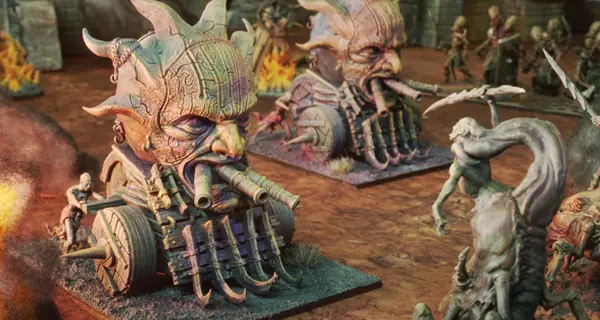
Looking at the game now, it seems like an attempt by Grenadier to put up some competition with Warhammer Fantasy Battles. Despite having lots of cool miniatures in the line, though, that battle was already lost, I think (the first Realm of Chaos book hit shelves in 1988 and I mark that as the death knell for everyone else, even if they didn’t know it yet). It’s kind of wild to look at this box and remember a time when this sort of direct competition with Games Workshop was even remotely possible with this level of production value.
Nick Lund designed the rules, which I have no business evaluating. I have no real context for them. Lund sculpted so many figures for the line, including nearly all the orcs, whom I love unconditionally. Surprisingly, both the orcs and dwarves in this box, though, are the work of Mark Copplestone. His orcs have a rounder jawline which makes their tusks a big more Nosferatu-y. Ian Smith did the cover painting, which is pretty dope. Love that orc getting non-lethally bonked (in general, one of the aesthetic appeals of the line is how much I get the vibe that the rank-and-file orcs want to be doing literally anything other than going to war while the dwarves seem like absolute lunatics).
Oh, I bought this box for Ed as a thank you for his help with Monsters, Aliens and Holes in the Ground (I think, or maybe it was just a random present, I can’t recall) and it was kind of a crummy gift, because he had just had a kid and it was not the sort of thing that could go home with him and survive, so it has stayed in the club house. The original set we played with is presumed deceased, though it might surface someday. Until then, it seemed important to have a copy of it around. Not that we’d play it, but just to have. |