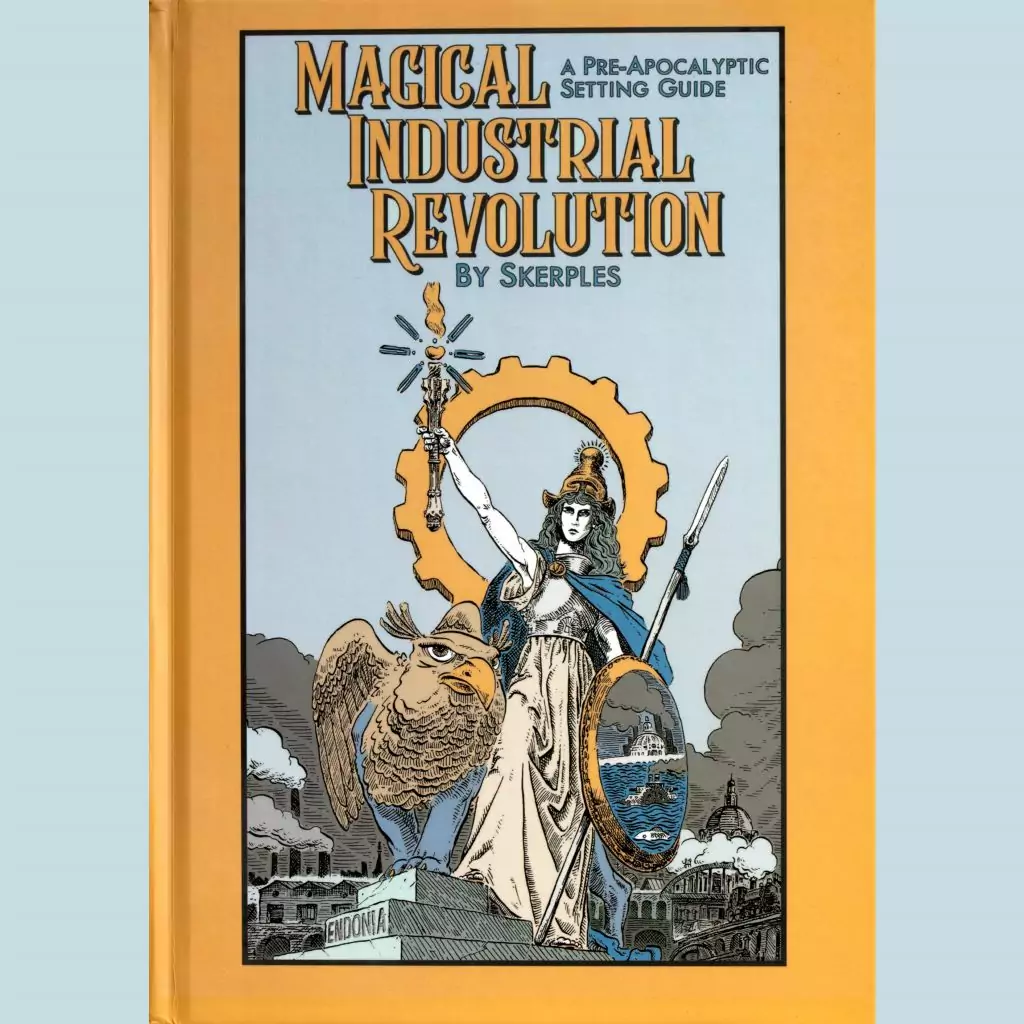
You’re no doubt familiar with the post-apocalypse. Magical Industrial Revolution (2019) is a large system agnostic RPG setting book about the pre-apocalypse, that is, the events running up to a cataclysm (or cataclysms) that sunders the established order.
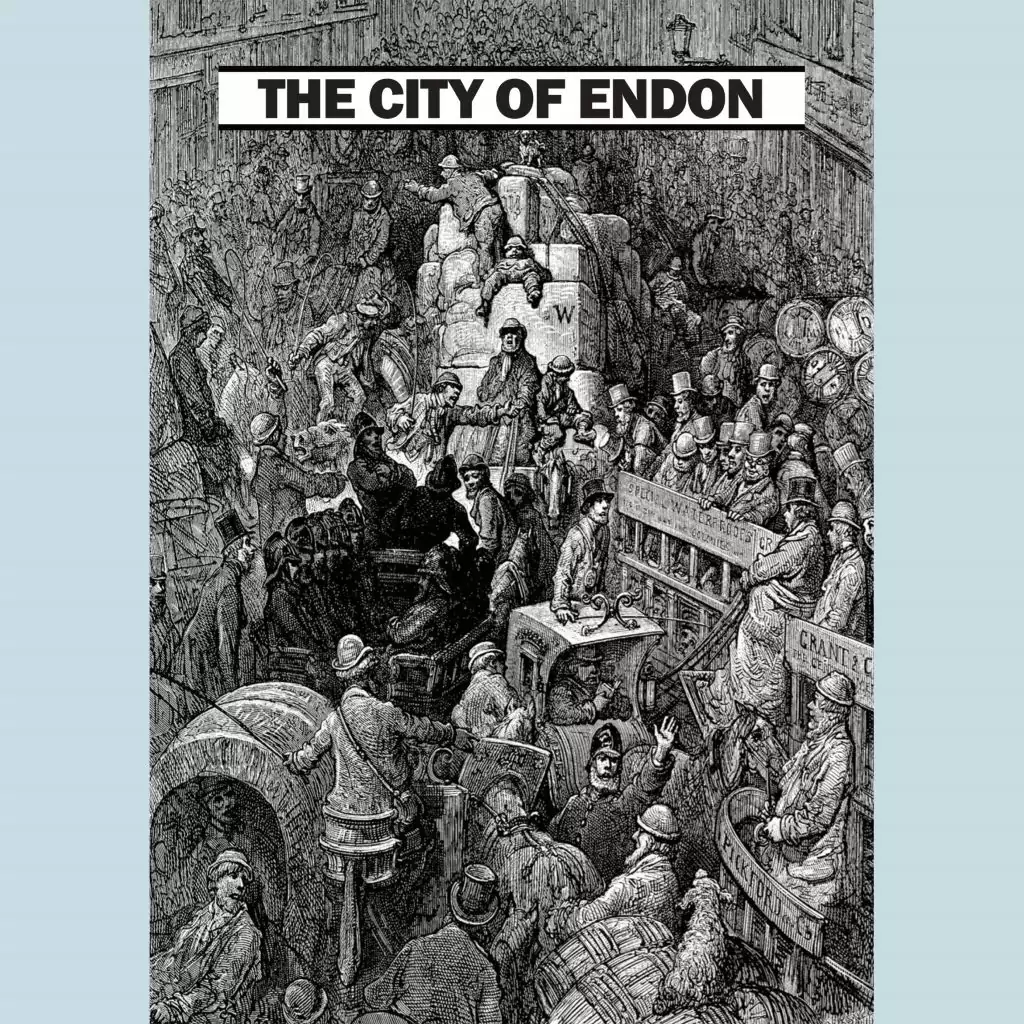
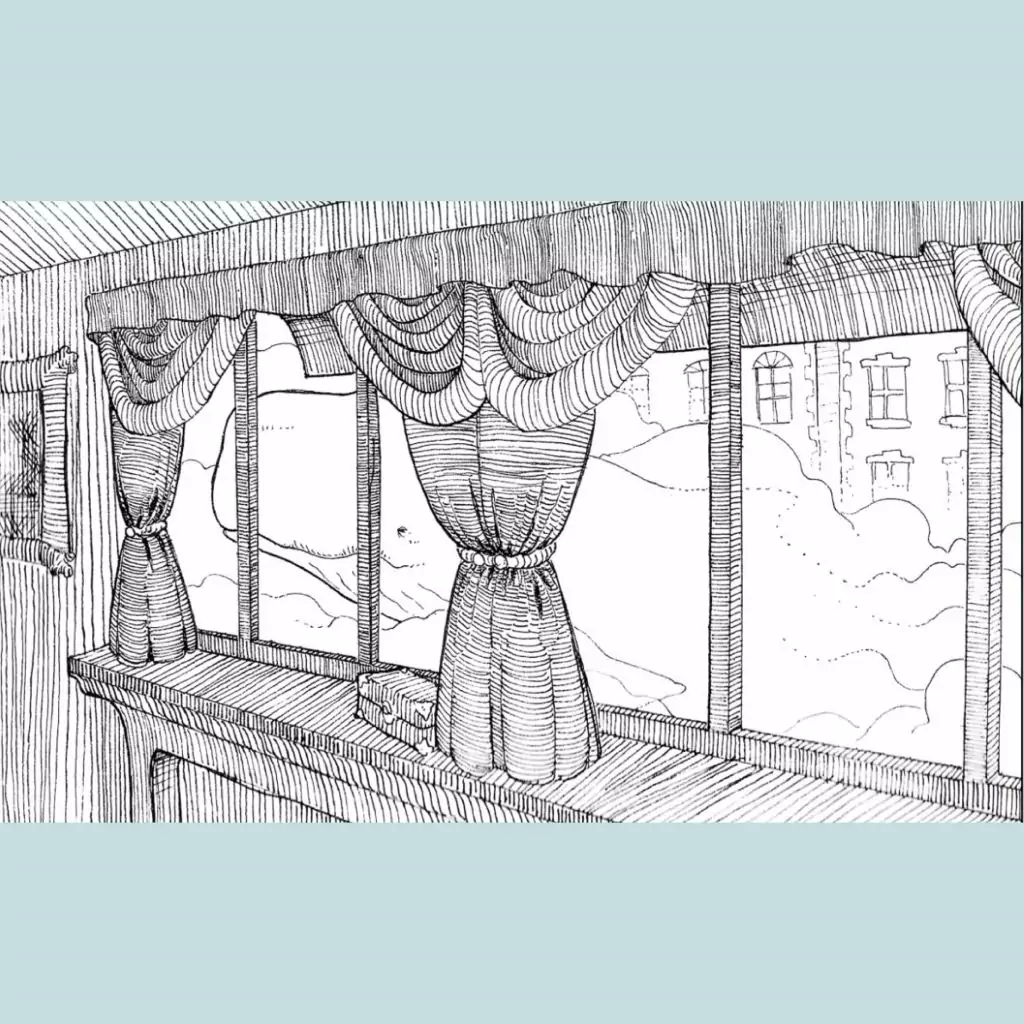
The books focuses on Endon, a strange and magical city (there is a flying ghost whale, to give you an idea of exactly what flavor of strange) where magic is becoming industrialized. There is a good deal of material that brings Endon to life – inhabitants, social and class structures, locations, spells, magic items, odd creatures – but not too much. The vast majority of the city material is modular and in table form, so you can apply it to your own homebrew city and stoke your imagination in interesting directions, but all of it is aimed at creating an interesting place worth caring about. What good is a city on the brink if you don’t give a damn?
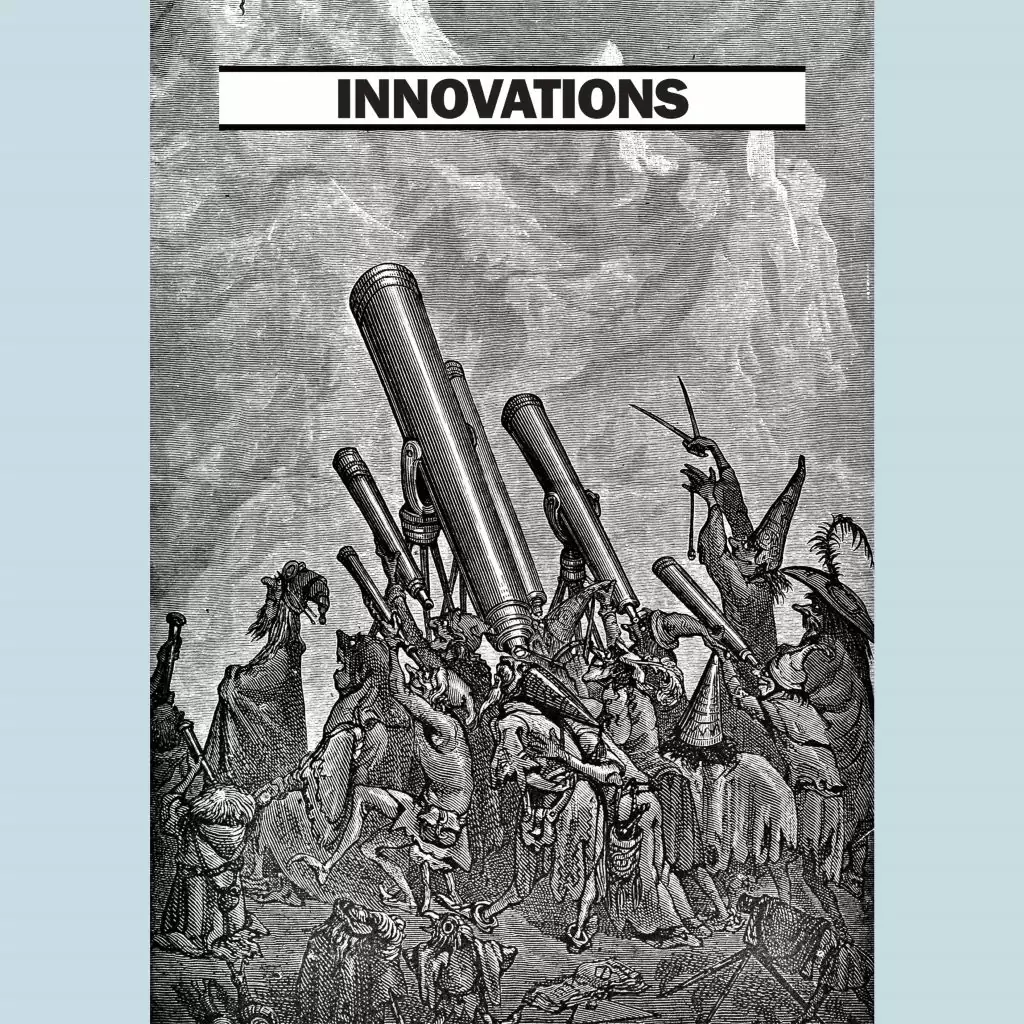
The star of the show is the chapter on magical Innovations. There are eight and they all apply notions of industrialization and civic utility to traditional D&D style magic. What does the ability to create pocket dimensions do to housing in a city? How does a mass transit teleportation system work? What happens when you introduce invisible servants into the work force. And most importantly, what are the unintended consequences when these things catastrophically succeed?
The way the game system manages innovations and their race to the apocalypse is pretty brilliant. Each innovation goes through six phases, which involve key events that players may or may not have a hand in. As they progress, a mechanic called tempo increases, which triggers pre-determined changes to the city and society. As things get worse, players may investigate and try to avert the looming apocalypse, or adventures can play out with the impending doom as a backdrop. If you run your game with more than a couple innovations chugging along, though, it is likely that your last session will likely see the end of the world. That’s pretty cool.
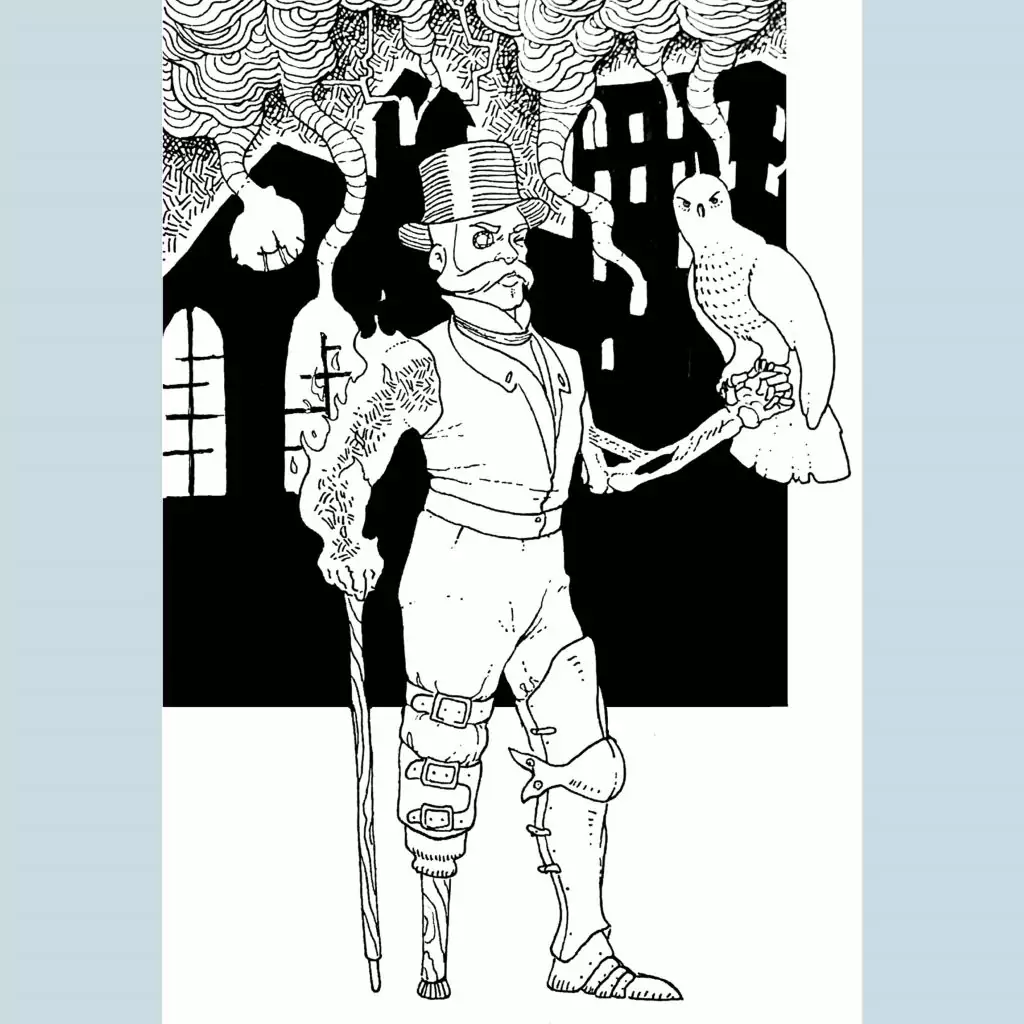
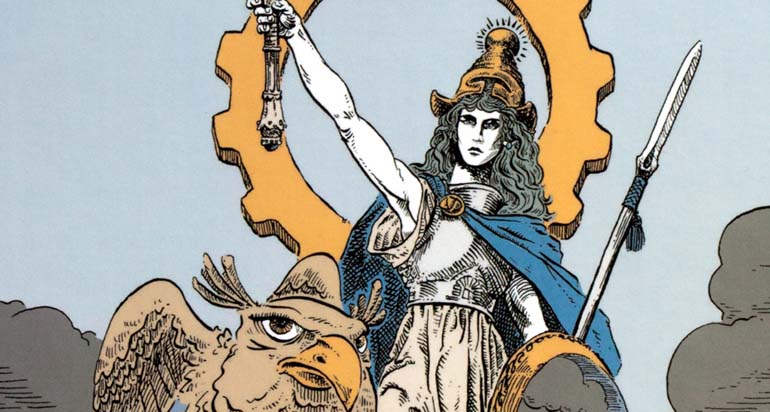
Most of the book is illustrated with Victorian engravings, some modified, some not. Original art blends in rather seamlessly. It took me a long time to realize the cover wasn’t pulled out of an old newspaper and was actually illustrated by Luka Rejec.