|
|
ENNIE AWARD NOMINATION |
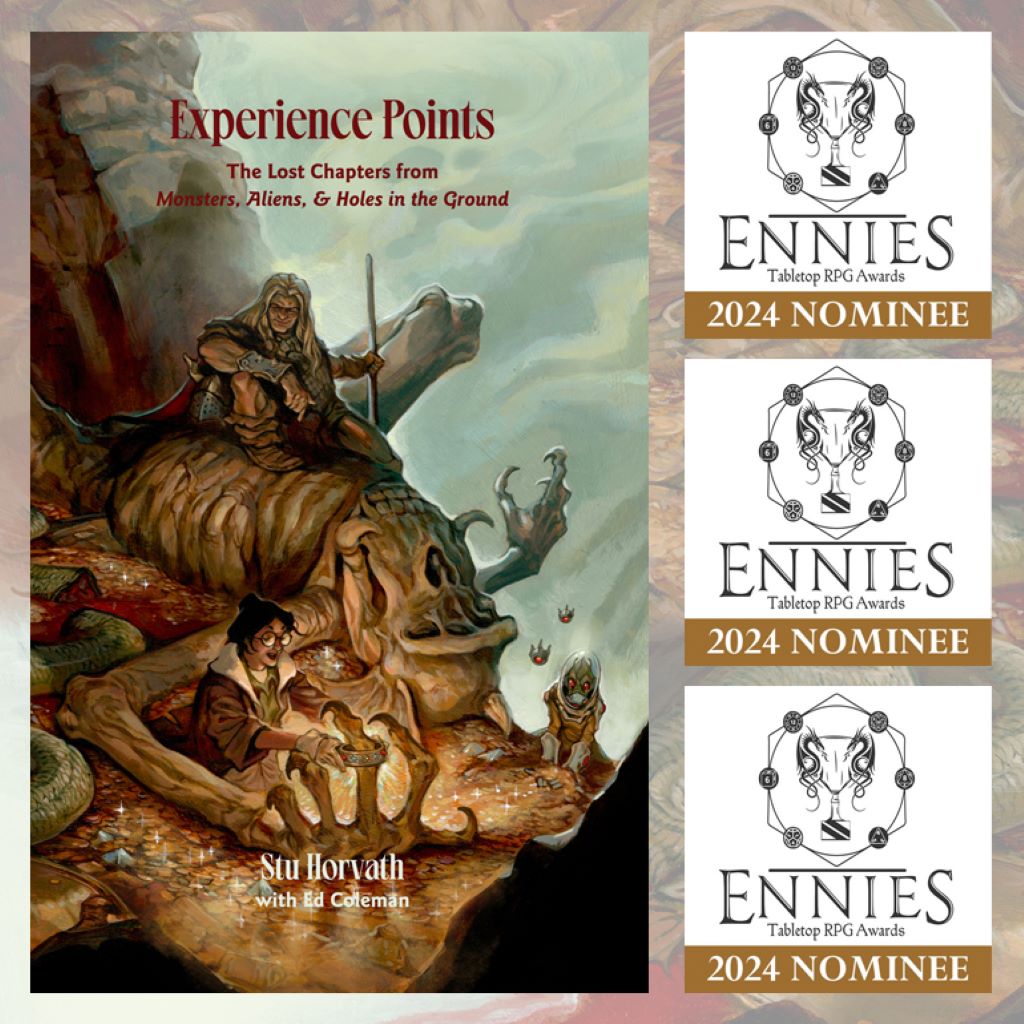
Experience Points: The Lost Chapters from Monsters, Aliens, & Holes in the Ground
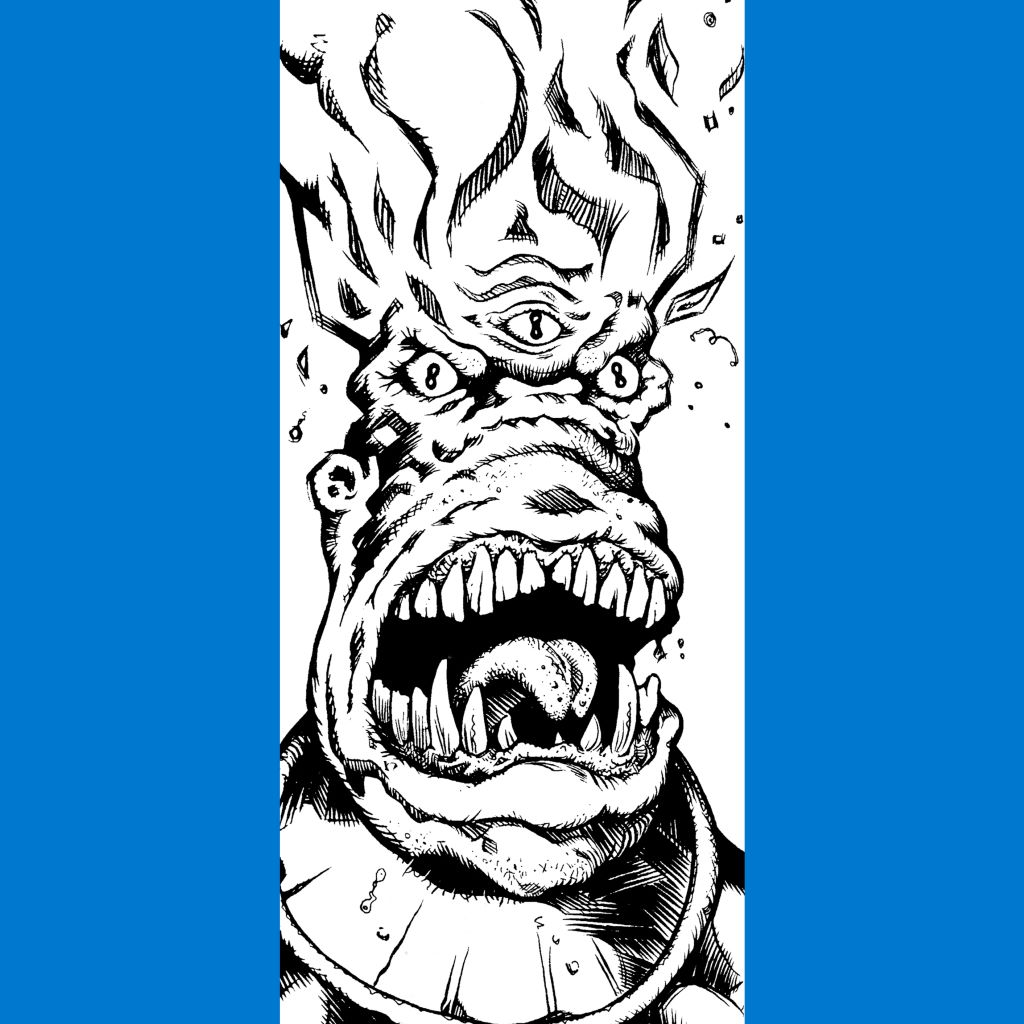
has been nominated for an Ennie Award in the Best RPG Related Product category. Big thanks to Exalted Funeral for submitting the zine, and a heaping pile of congratulations to my co-conspirators Ed Coleman (author of the Paranoia essay), Kyle Patterson (illustrator), Derek Kinsman (designer), Jamie Springer (copy editor), Orrin Grey (line editor) and Joe DeSimone (fact checker), who can all officially append "Ennie-Nominated" to their list of qualifications for all time.
It would be swell if you voted for them! They worked super hard on both this and the main book, on a shockingly tight turn-around, and made an amazing reality out of my rambling thoughts. I'm forever in their debt, really.
The Ennies are a community award, so you, my community, please go and vote! |
|
|
| |
|
We now return you to your regularly scheduled newsletter...
|
| |
|
|
|
'90s Edge, Weird Breasts and a Surprising AriZona Ice Tea reference! |
|
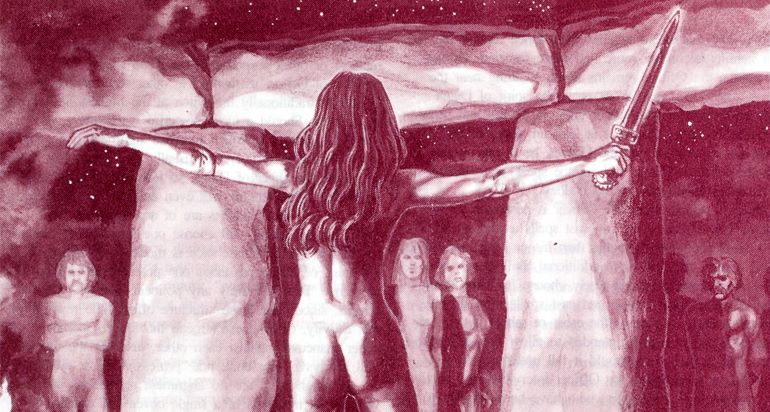
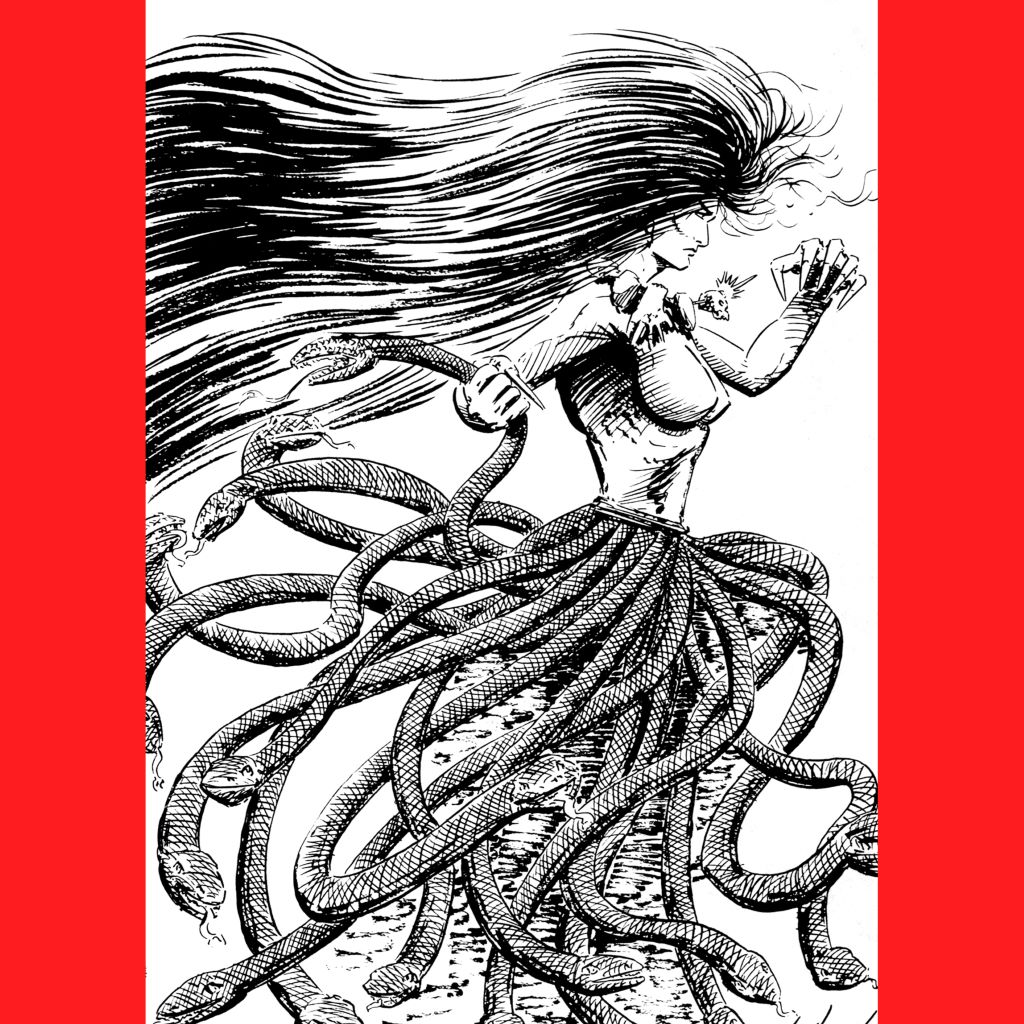
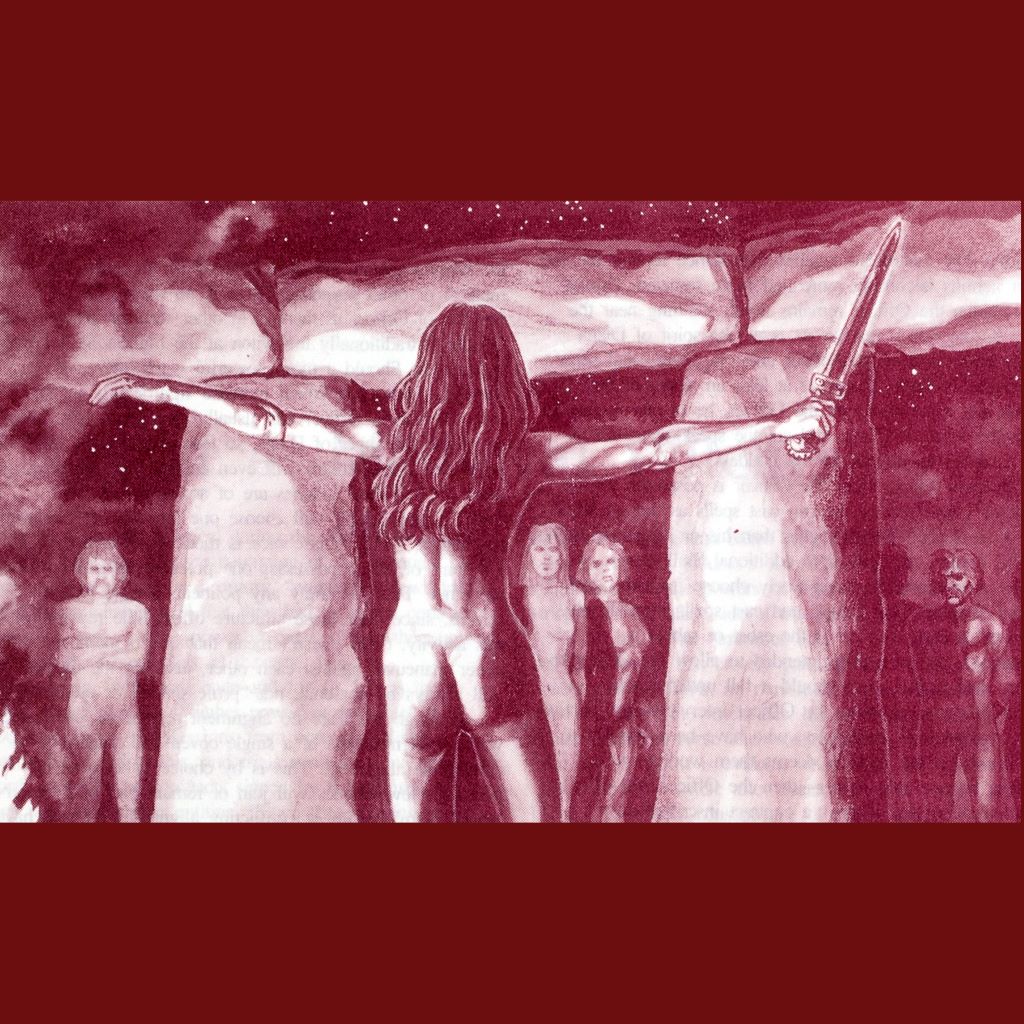
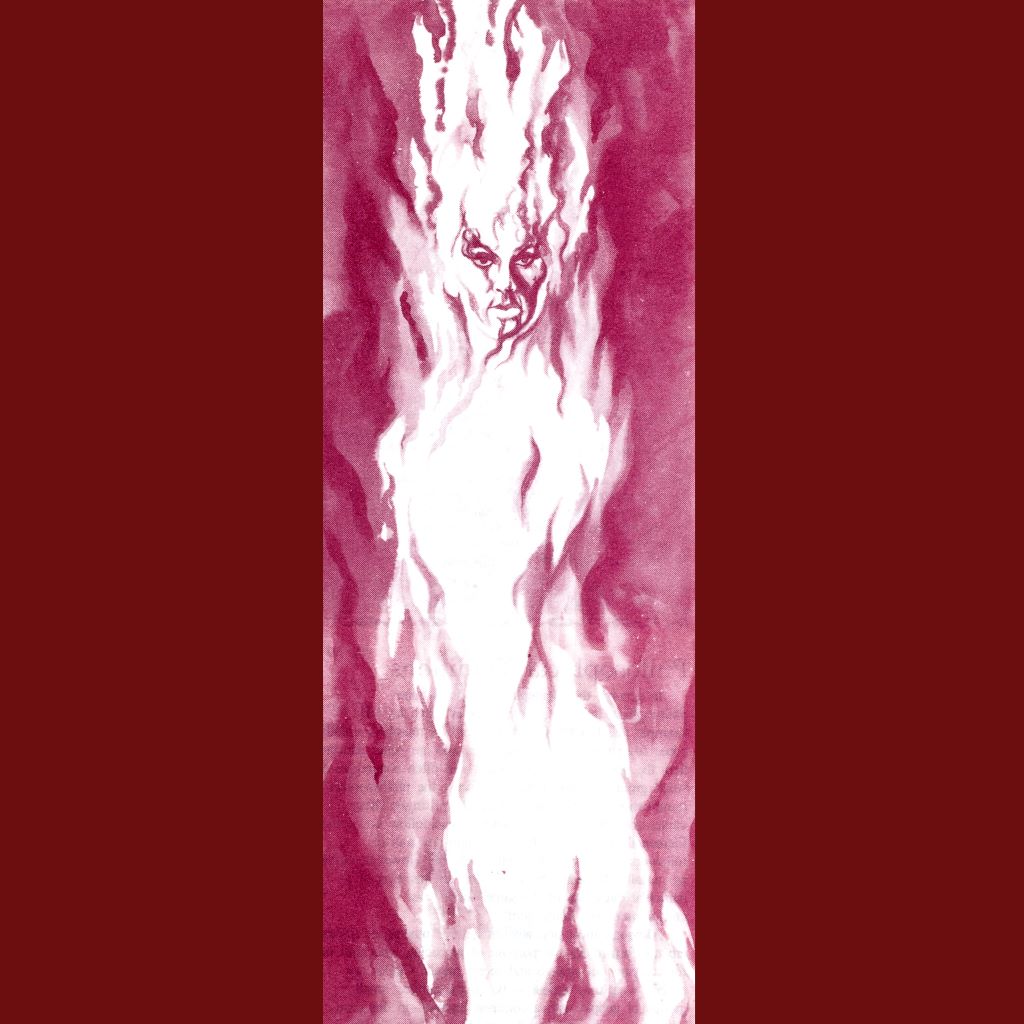
When I cross-posted Witches to Cara, the app flagged the above image as NSFW and, I mean, I guess it is, but I also find it hilarious for an art-focused site to be worried about butts. What would Frazetta think!? |
|
|
| |
|
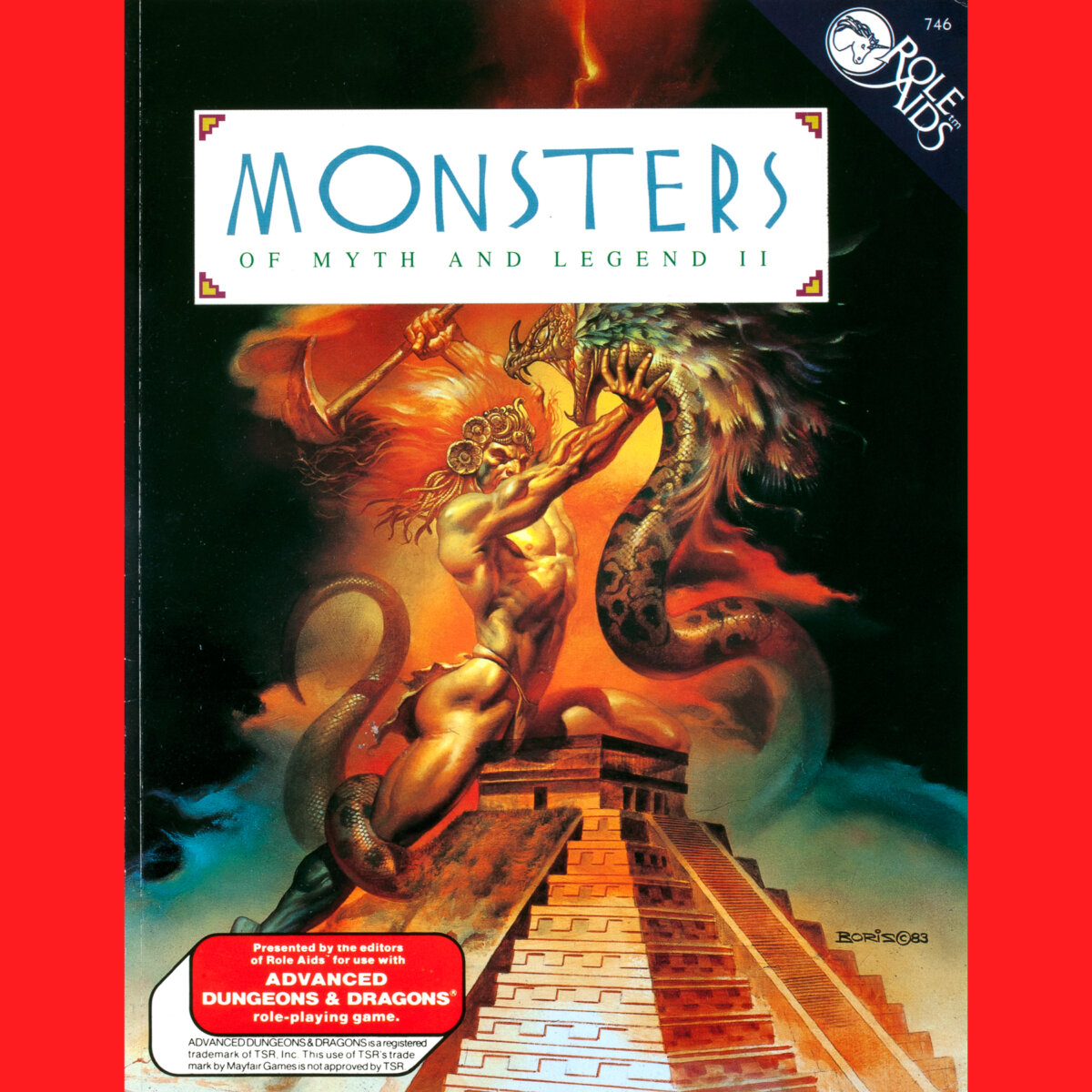
Monsters of Myth and Legend II (1991) |
| |
|
Around 1987, Mayfair Games’ efforts at producing generic Dungeons & Dragons products switched from the Role Aids line to City-State of the Invincible Overlord, newly licensed from the remnants of Judges Guild. Between 1987 and 1989, Mayfair released eight City-State box sets, all shockingly dull. Unsurprisingly, the line wasn’t well-received, so in 1989, Role Aids once again emerged. I believe Ray Winninger (Underground) kick-started the revival; he was basically entirely in charge of Mayfair’s RPGs by 1990 (and would, amusingly, wind up working on D&D, most recently directing the development of 5E in 2020 through 2022).
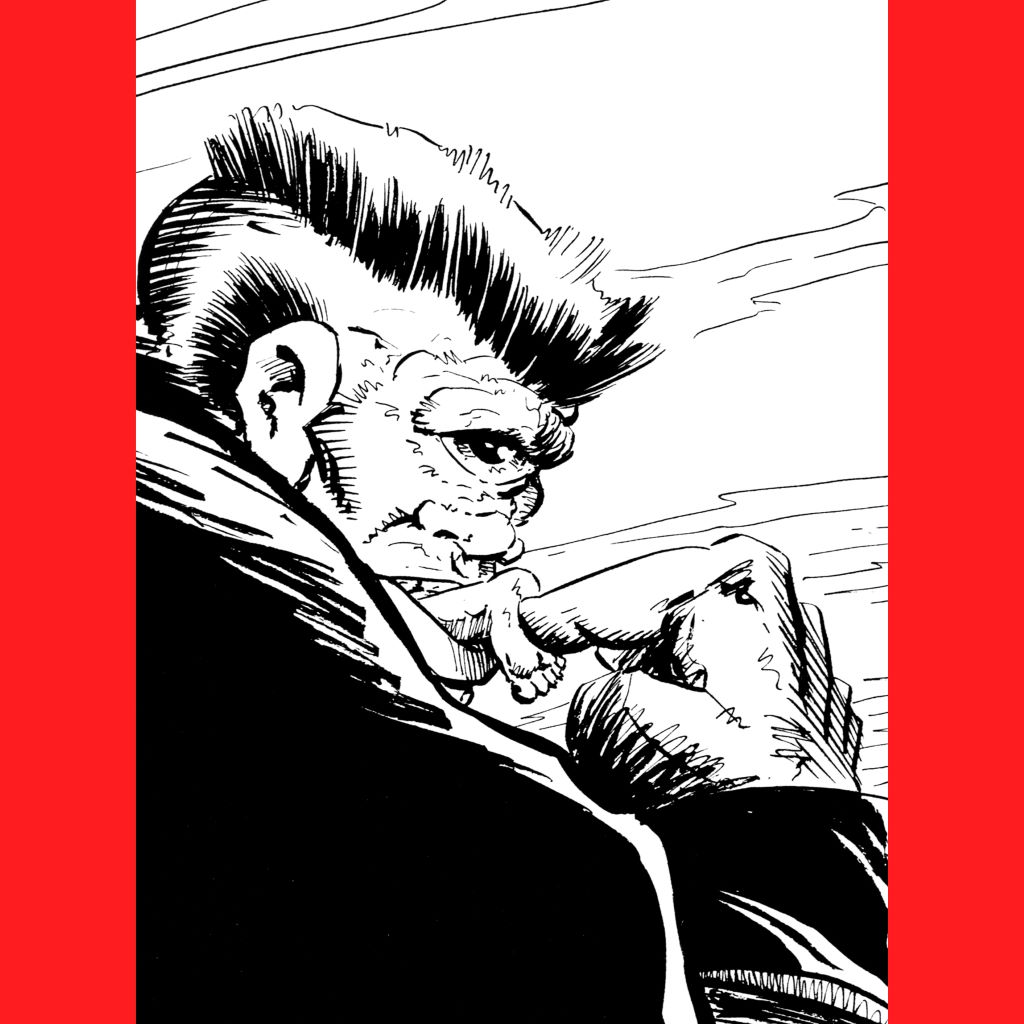
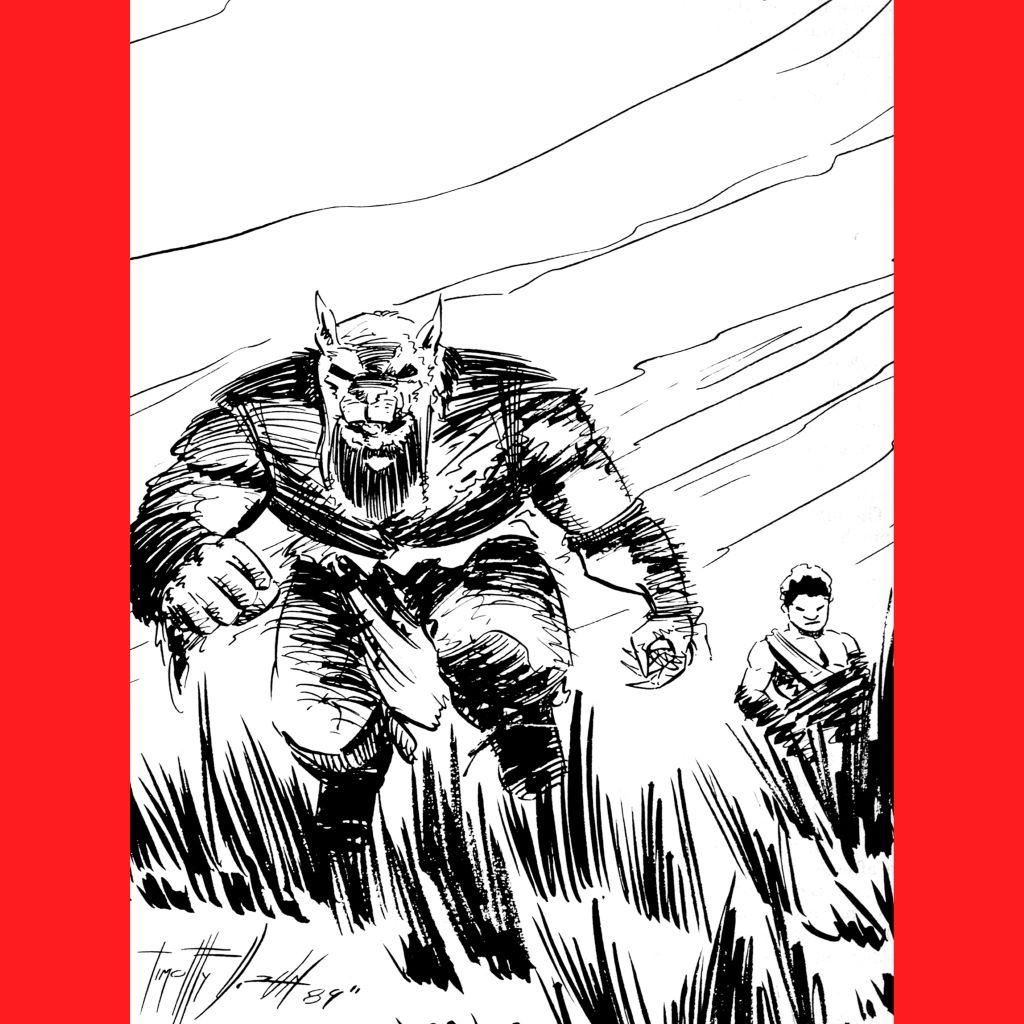
This is the first sourcebook of the second wave, Monsters of Myth and Legend II. It still has some of the old trade dress and features a frankly gorgeous Boris Vallejo painting on the cover. The title treatment is fresh and, like a lot of Mayfair graphic design from about 1989 to 1992, reminds me of an AriZona Ice Tea can (how and why the Southwest art style crept into the design language of the late ‘80s and early ‘90s is a mystery to me). Inside Timothy Dzon. I find his work, in isolation, overly sketchy for my taste, but flipping through the whole book feels more cohesive. There is a funny aversion to nipples, though; I get not wanting to have partial nudity, but I dunno if just erasing nipples is better than adding implausible braziers.
Like the previous book, there is some taxonomical confusion between cultural groups and geographic regions, so the five sections are Africa, Central and South America, Japan, the Inuit and the Middle East. Three of those are overly broad, flattening the beliefs of many cultures and there quite a few insensitivities that are infuriatingly casual (mixing gods, actual monsters and regular people in a book explicitly about non-European monsters sure is a choice). On the other hand, I do think the selection of monsters is pretty good. The ‘90s, man. |
| |
|
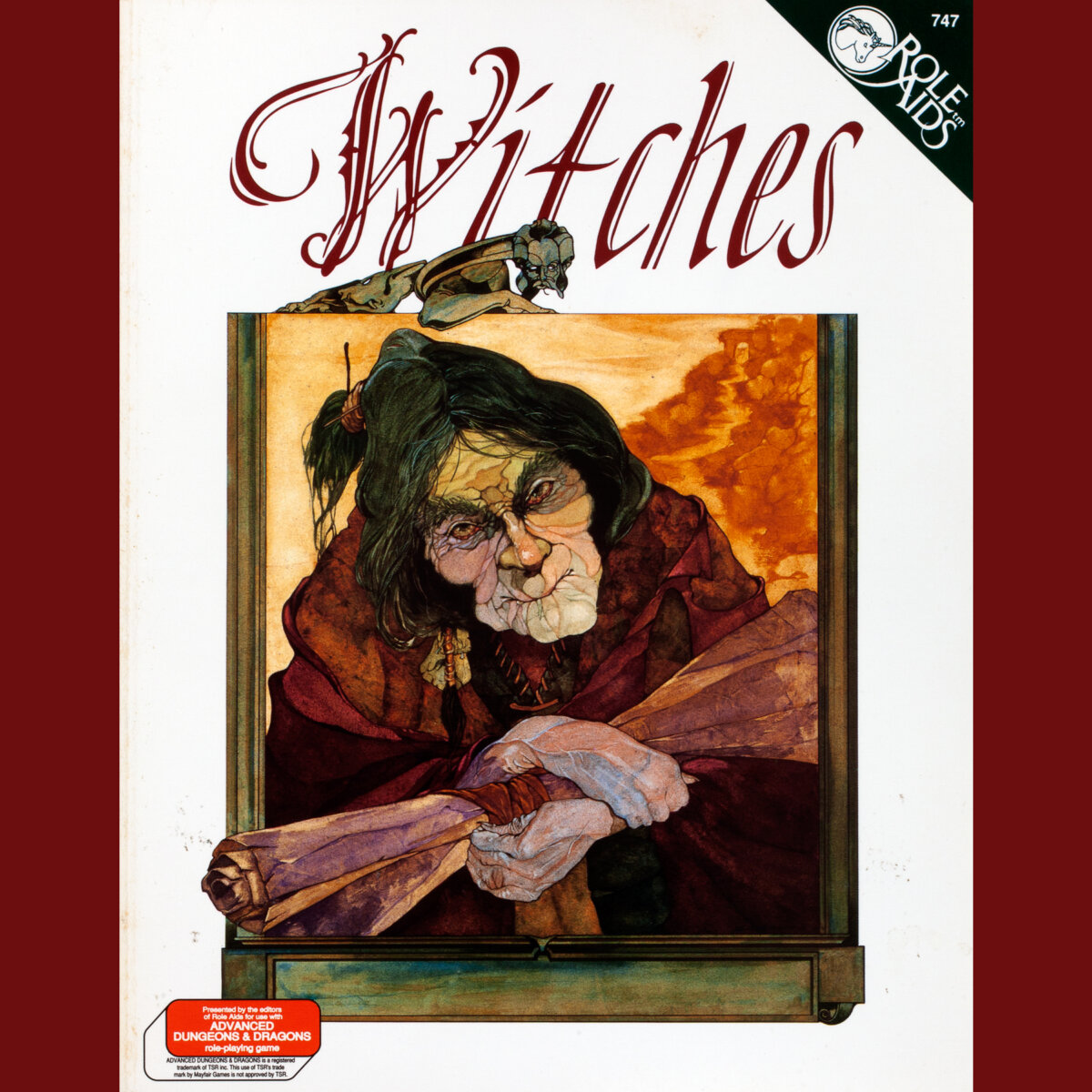
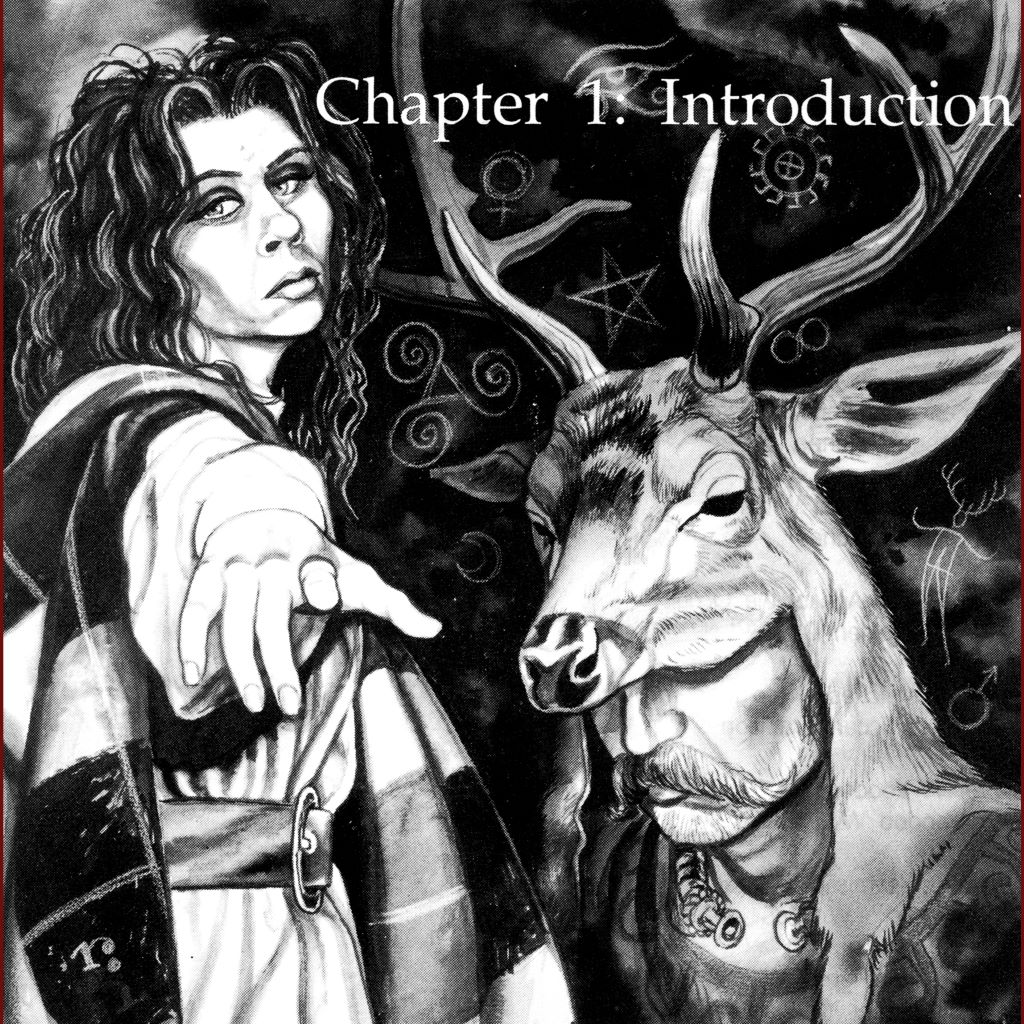
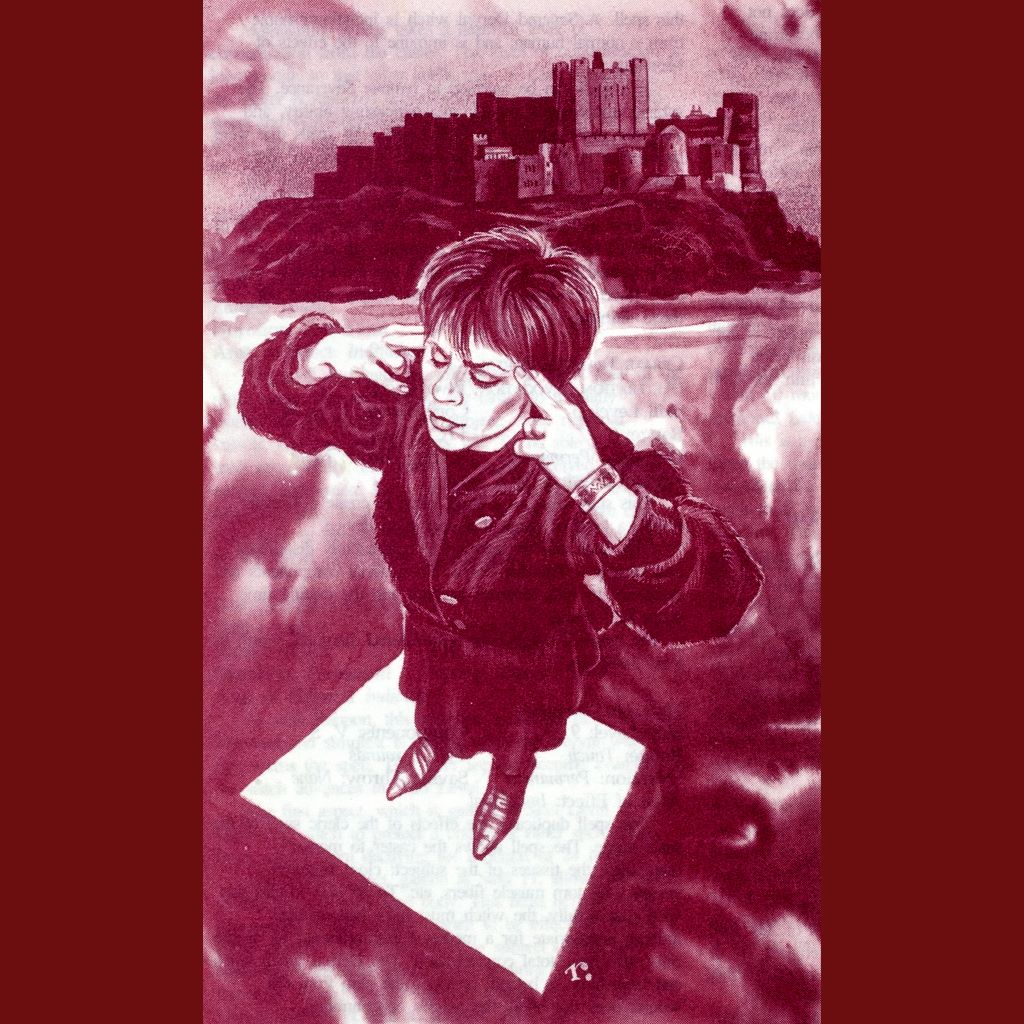
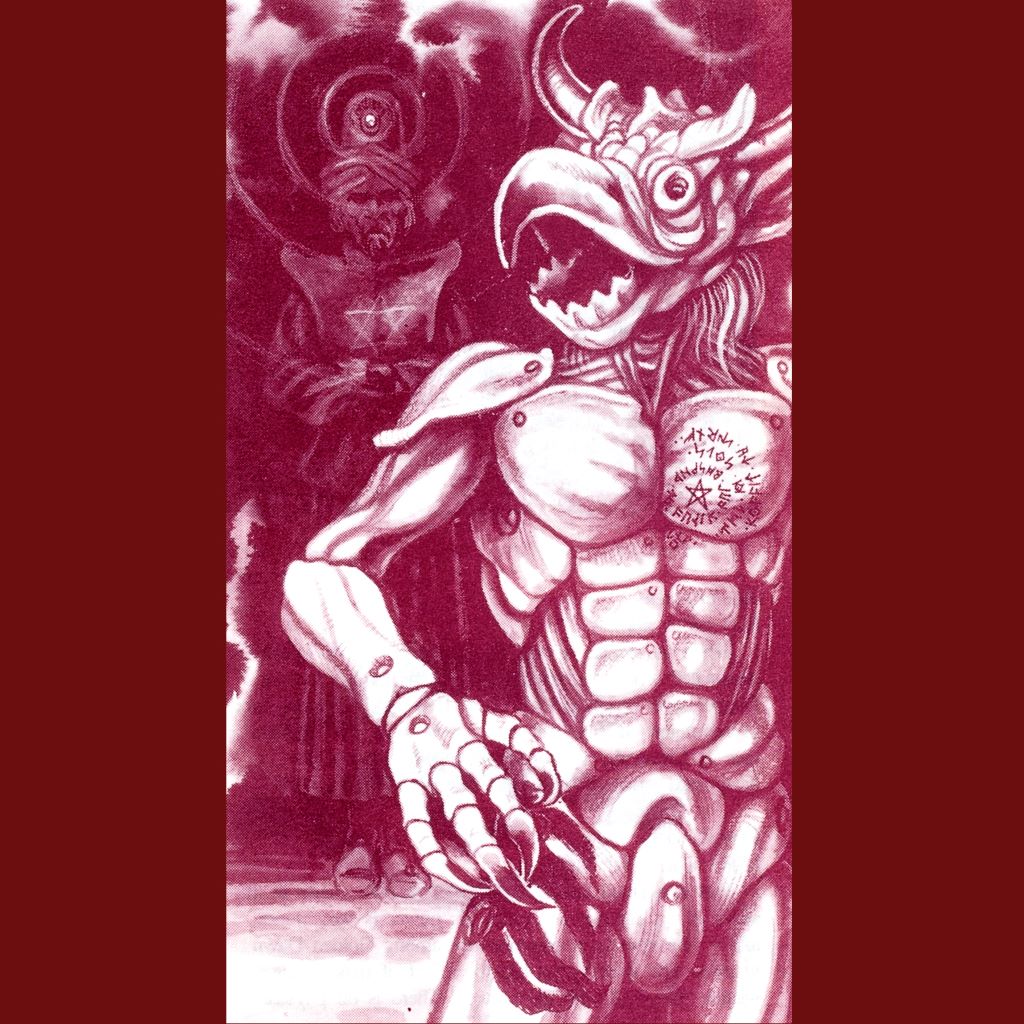
Witches (1990) more fully embodies the new look and feel of the Role Aids line’s second wave. That AD&D disclaimer is way small now (and that size would be one reason TSR eventually sued Mayfair in 1993). The corner logo is still there, but the title treatment for the book isn’t standardized and the cover art, by Chill mainstay Joe De Velasco, is original for the first time since the early ‘80s. Inside, the illustrations are by Roger Raup, which gives this book a consistent level of quality that is a real treat. This is also the last book to use the single accent color, which is a shame, but it does it well.
The book tackles a nice variety of witchcraft modes, from Dianic traditions to more modern systems like the Heremetic, to the fictional witchcraft of Katherine Kurtz’s Deryni novels. It is the first Role Aids book that, which still technically a D&D book, seems entirely unconcerned with being D&D, if that makes sense. Very little of Raup’s illustrations conform to fantasy tropes. The White Wolf World of Darkness games weren’t out yet, but this feels similarly inspired (by Vertigo comics and growing pre-millennial tensions, probably). There is a glimmer here of a whole different way to play D&D that perhaps informs D20 Modern down the line.
And, taken on the merits, it’s a mighty fine resource for translating the flavor of real-world magical systems into RPG terms! |
| |
|
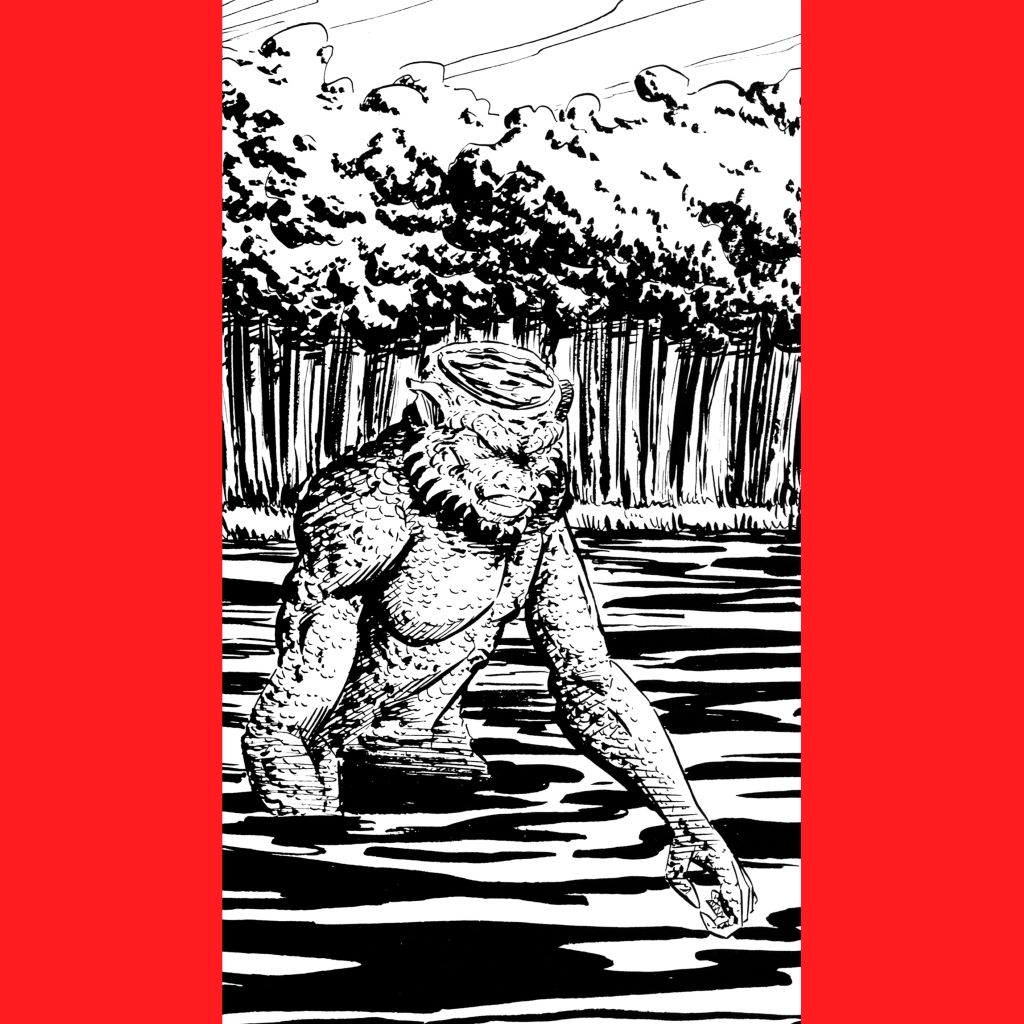
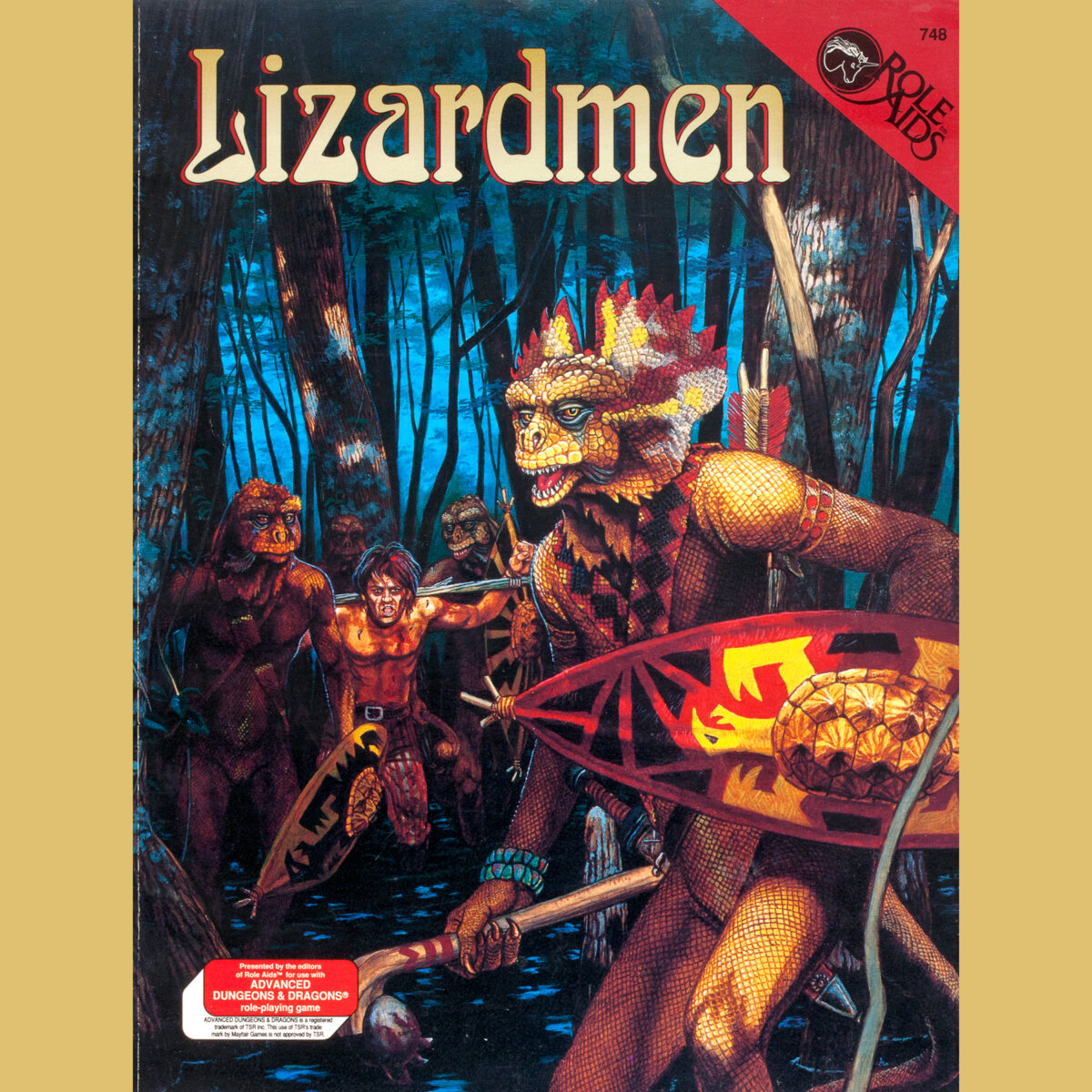
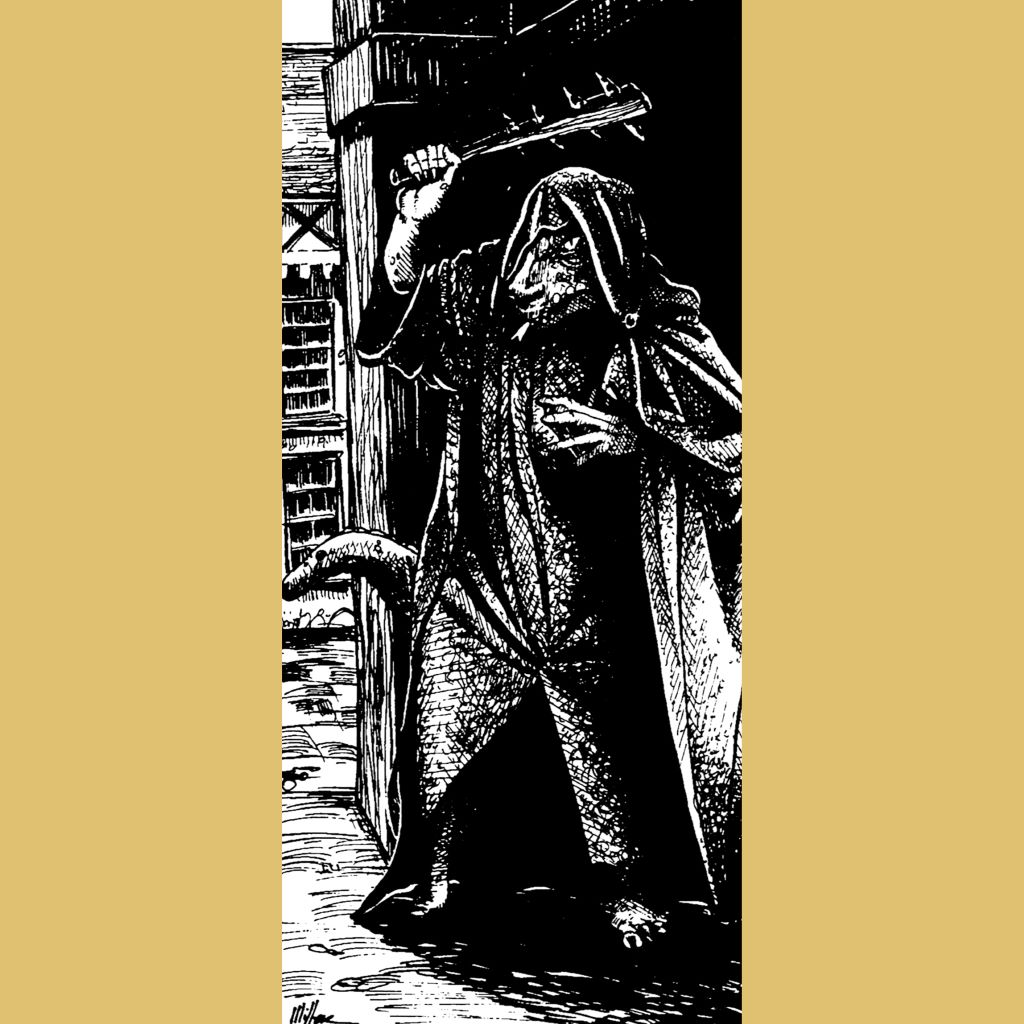
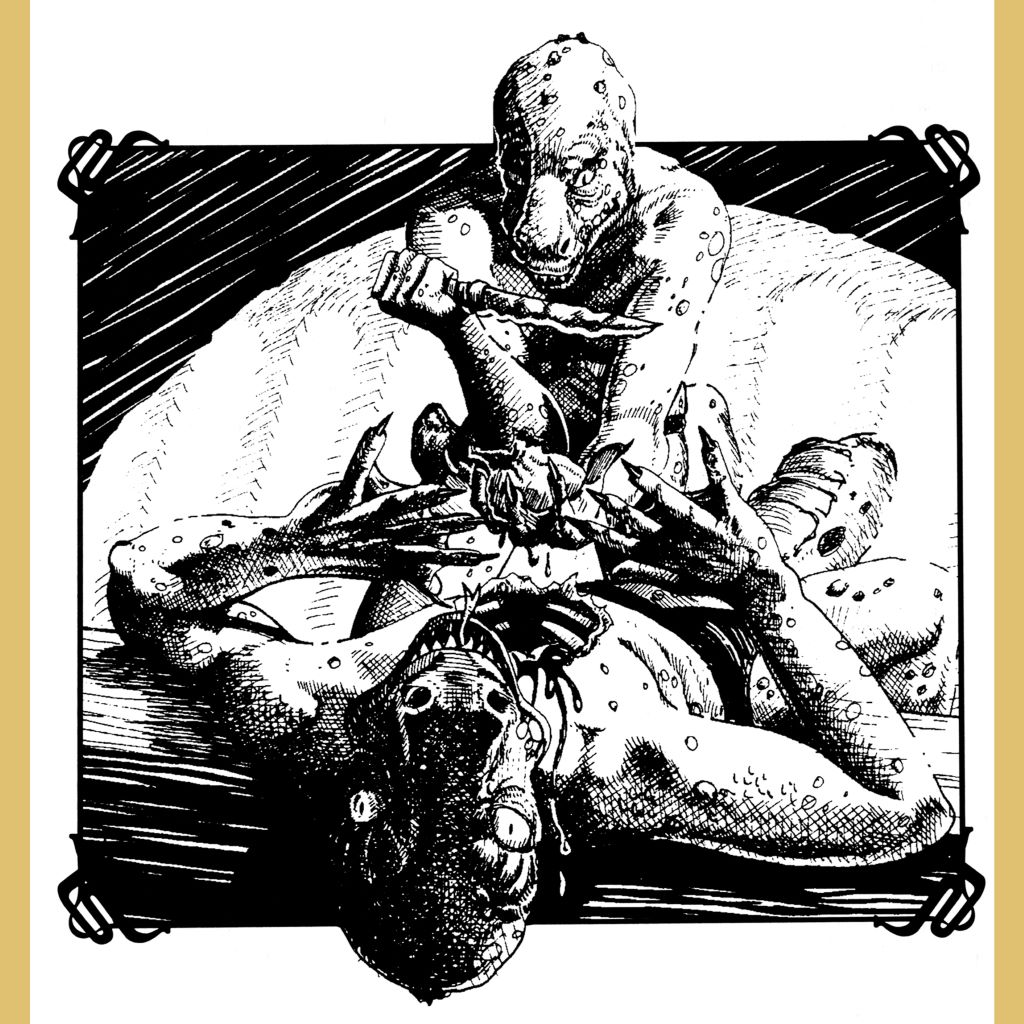
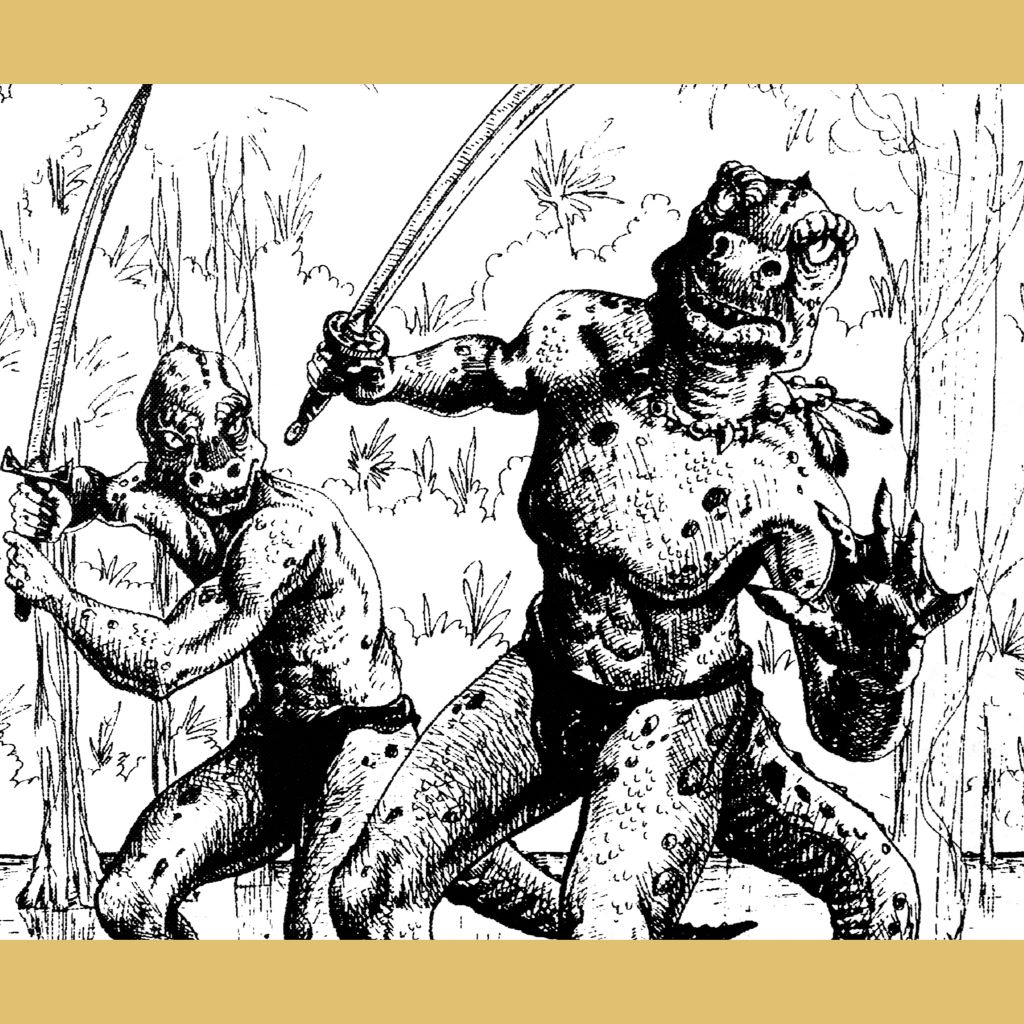
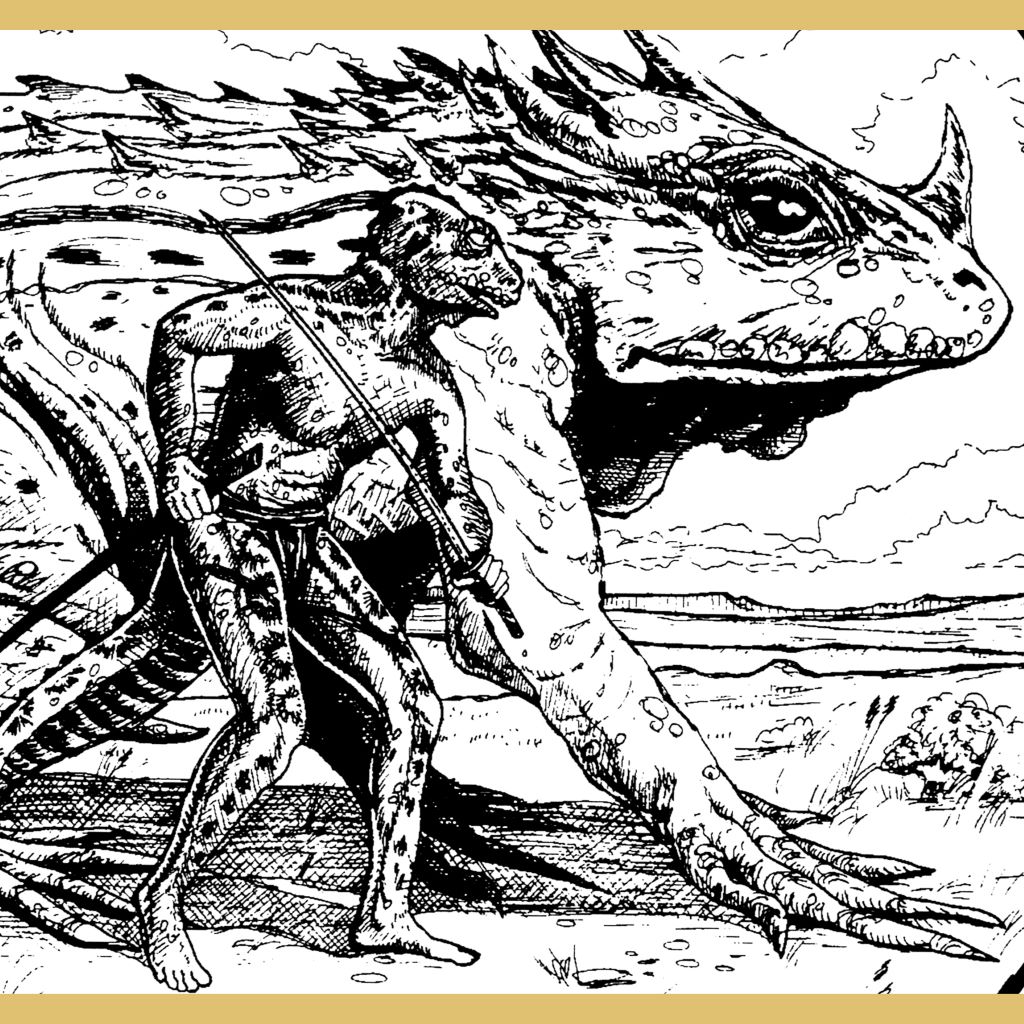
LOL, wut? This is Lizardmen (1991). After Witches, which seems so in touch with the aesthetics and concerns of the new decade, this one is a very strange throwback. Roger Raup cover, but I don’t like it much. Interior art by David O. Miller doesn’t feel rushed so much as half-hearted. Editor is credited as Drake Mallard, which makes me think there wasn’t much confidence in this book, or that Darkwing Duck is bigger on RPGs than I realized. I suspect that this was an older manuscript tidied up and shoved out the door to fill an unexpected gap in the production schedule. The whole thing feels very thrown-together and careless. “Just print it, Bill, no one is actually gonna read it.” Except me, thirty years later. Thanks for that, Drake.
A lizardman for all seasons. Yeesh. It’s pretty apparent that no one involved in putting this book out cared overmuch, so I’m going to match that pace and move right along. |
| |
|
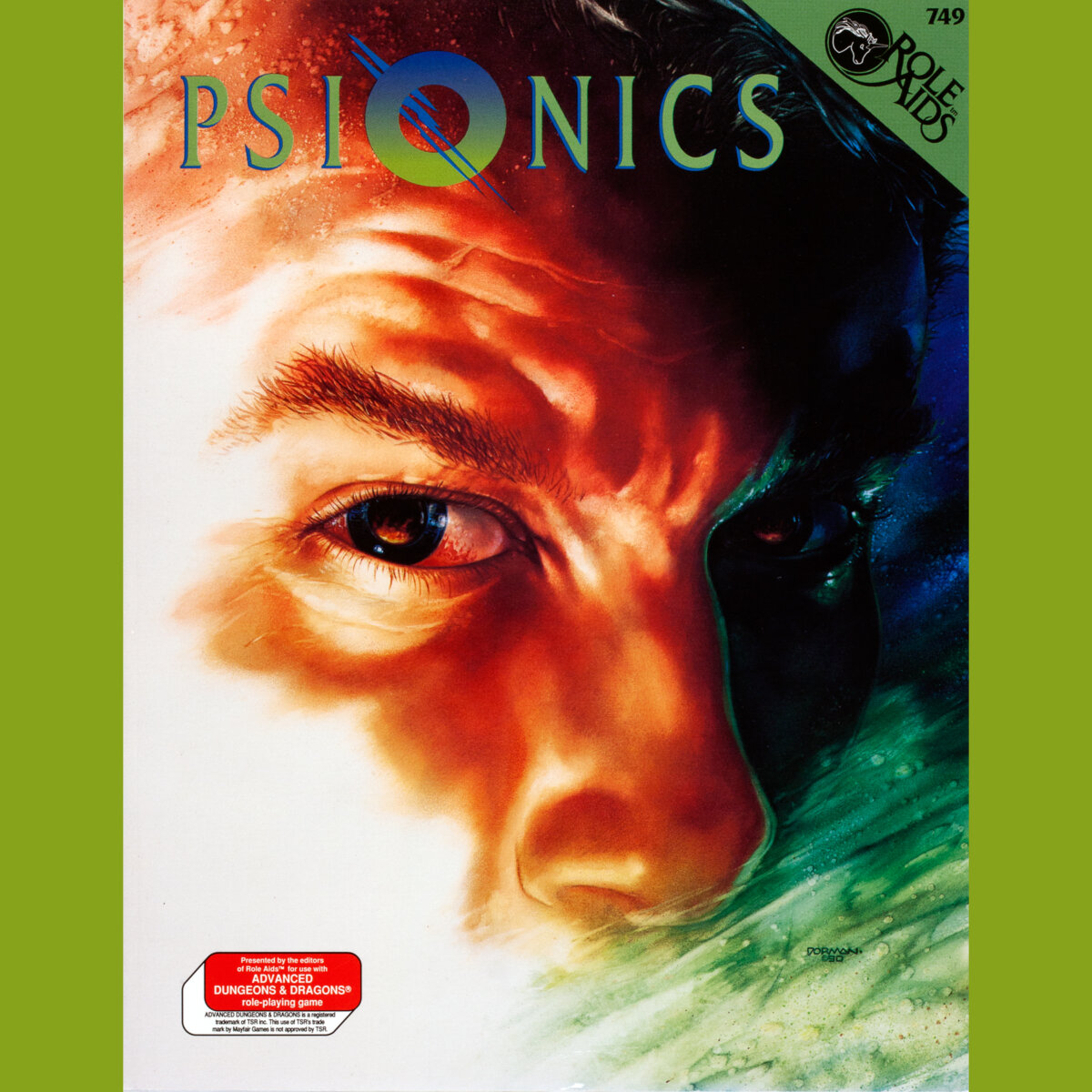
OK, I can see why TSR got annoyed with Mayfair. This is Psionics (1991) which came out the same year as the The Complete Psionics Handbook, the official psionics rules for Dungeons & Dragons. I strongly disliked the TSR psionic system at the time, but I’ve since come around — I really like how priests and wizards are sort of low and wide in terms of power and psionicists are high but very narrow. That makes for unique mixes in party construction I think, even if it also means psionics is maybe a little more cumbersome than it might otherwise have been.
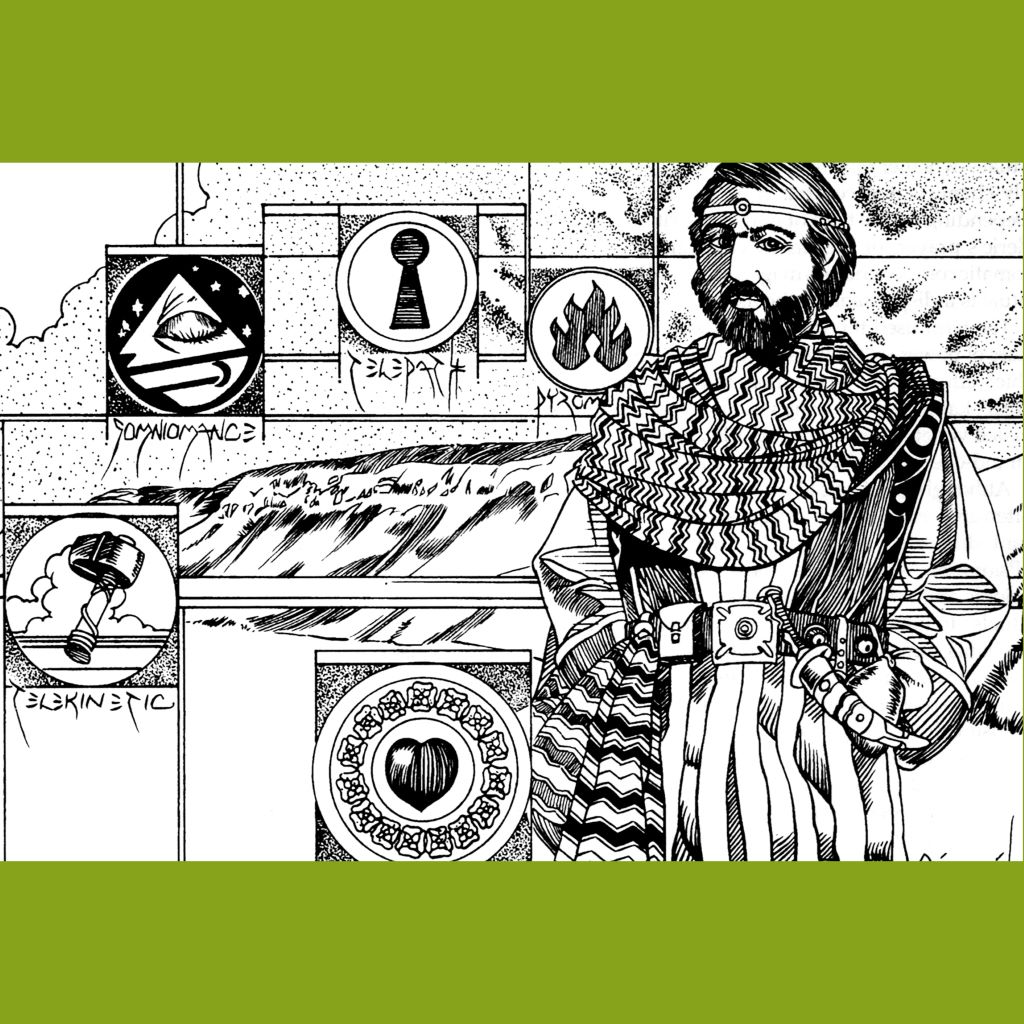
The Role Aids psionics system is definitely the otherwise. Written by Nigel Findley, who was always an interesting read, this structure psionics similarly to the specialist wizards in D&D, with a character concentrating on one school: somniomancy, telepathy, pyromancy, telekenetics and empathy. Each school has unique spell-like powers which are engaged by spending from a pool of daily mental points. This is far more clear cut and comfortable in terms of vanilla D&D than the official D&D system, and I am honestly tickled at the idea of Role Aids kind of competing against D&D by feeling more D&Dish. Because it really is a competition — there is no way you can use both systems.
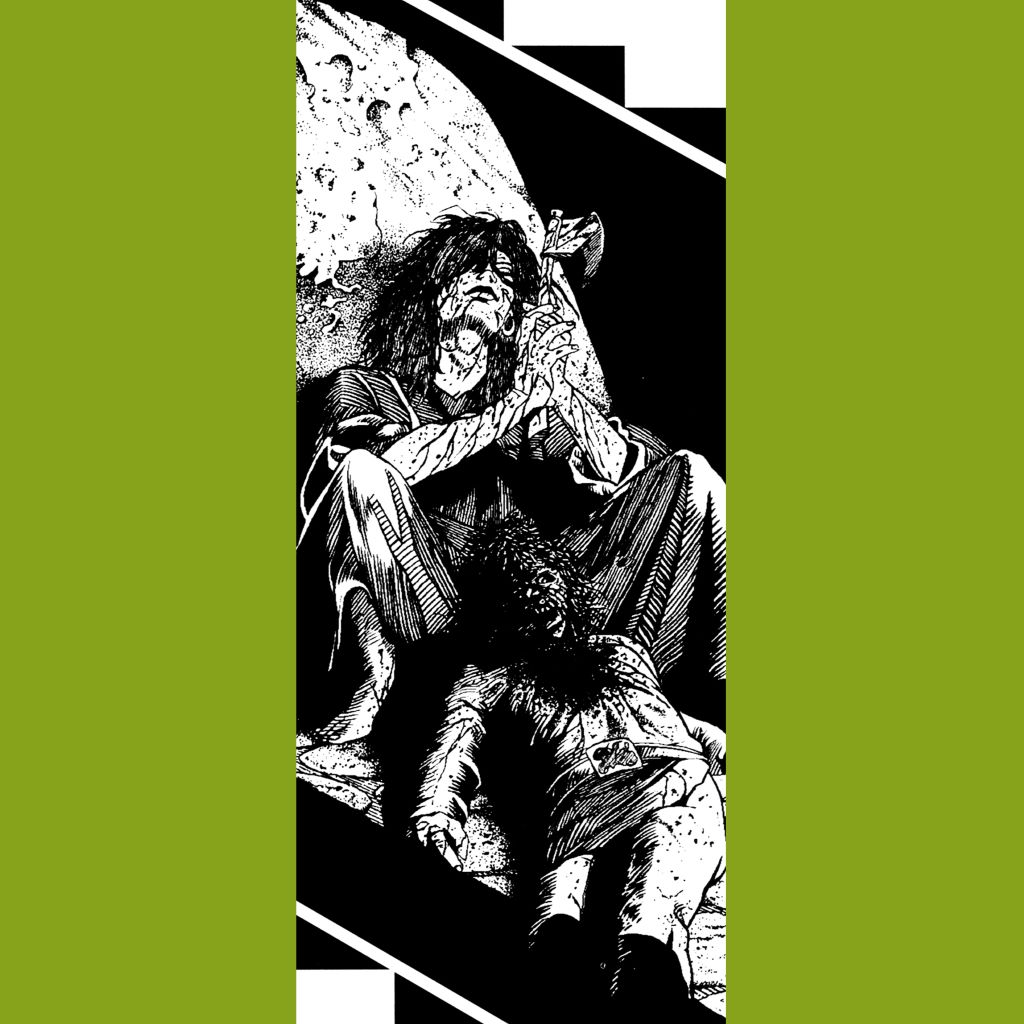
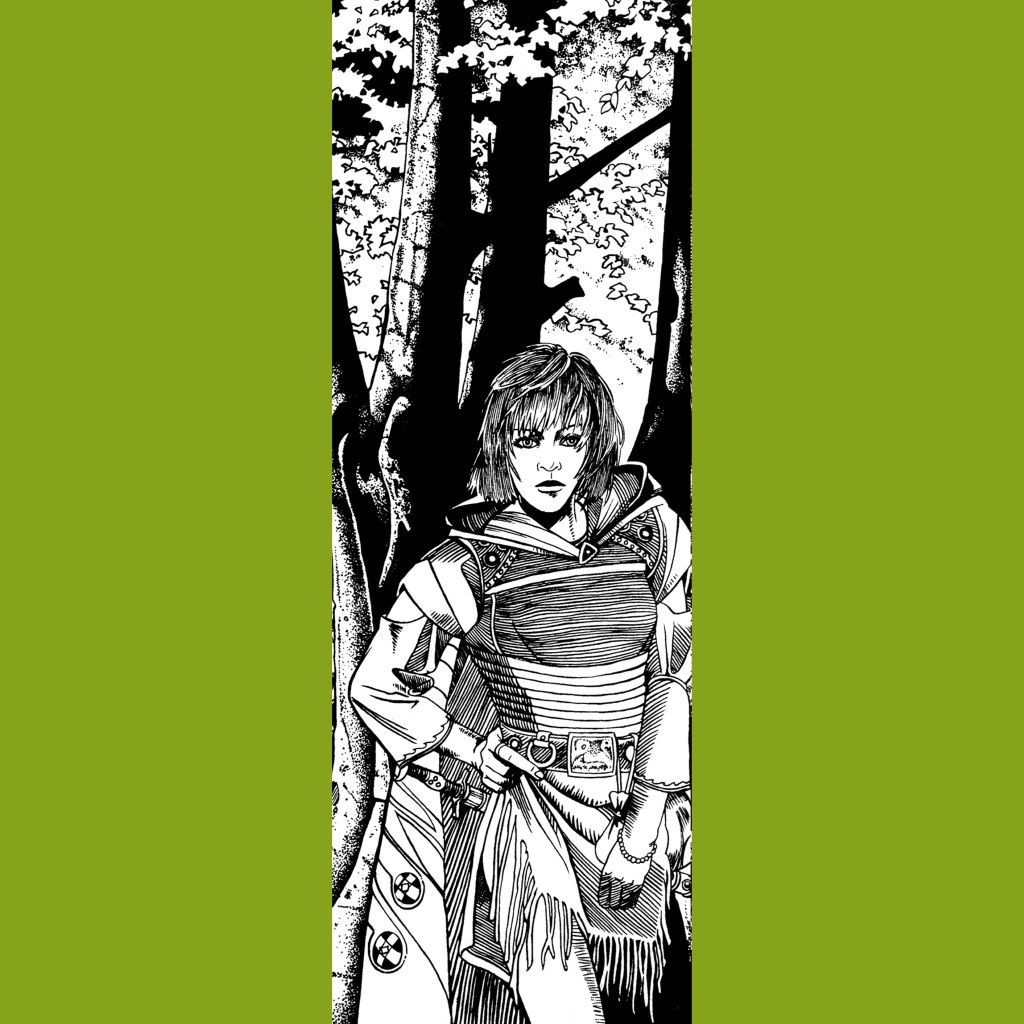
They both have their charms and I am hard pressed to pick a favorite. I will say there is a big tonal difference, though. The official D&D psionics feel very in step with New Age ideas. Findley’s system often feels more horrific? Bob Giarosich’s interior art often underscores this. Same with Dave Dorman’s cover, which instantly gives me vibes similar to Stephen King’s Firestarter. Its maybe too subtle for a cover piece (love the beads of sweat on his forehead) but I think it is real good. |
| |
|
Monsters of Myth and Legend III (1992) |
| |
|
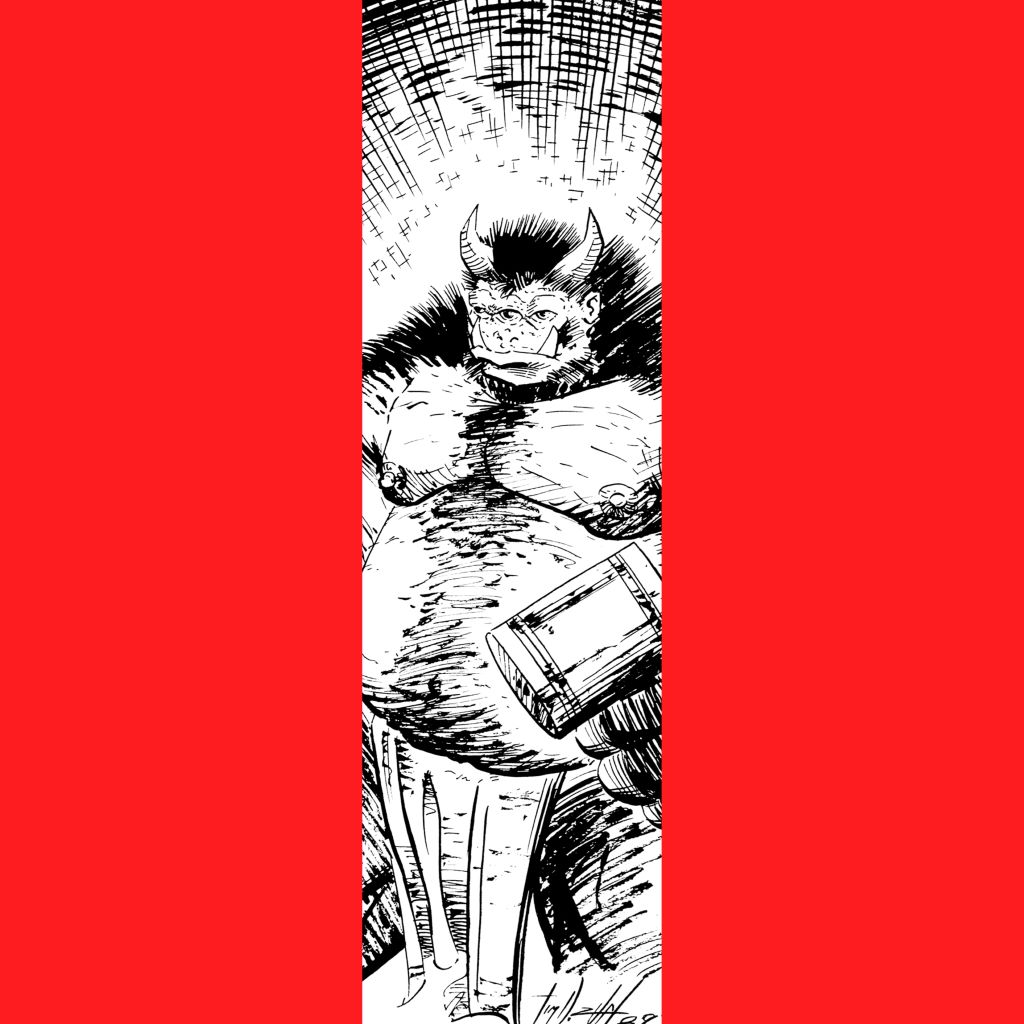
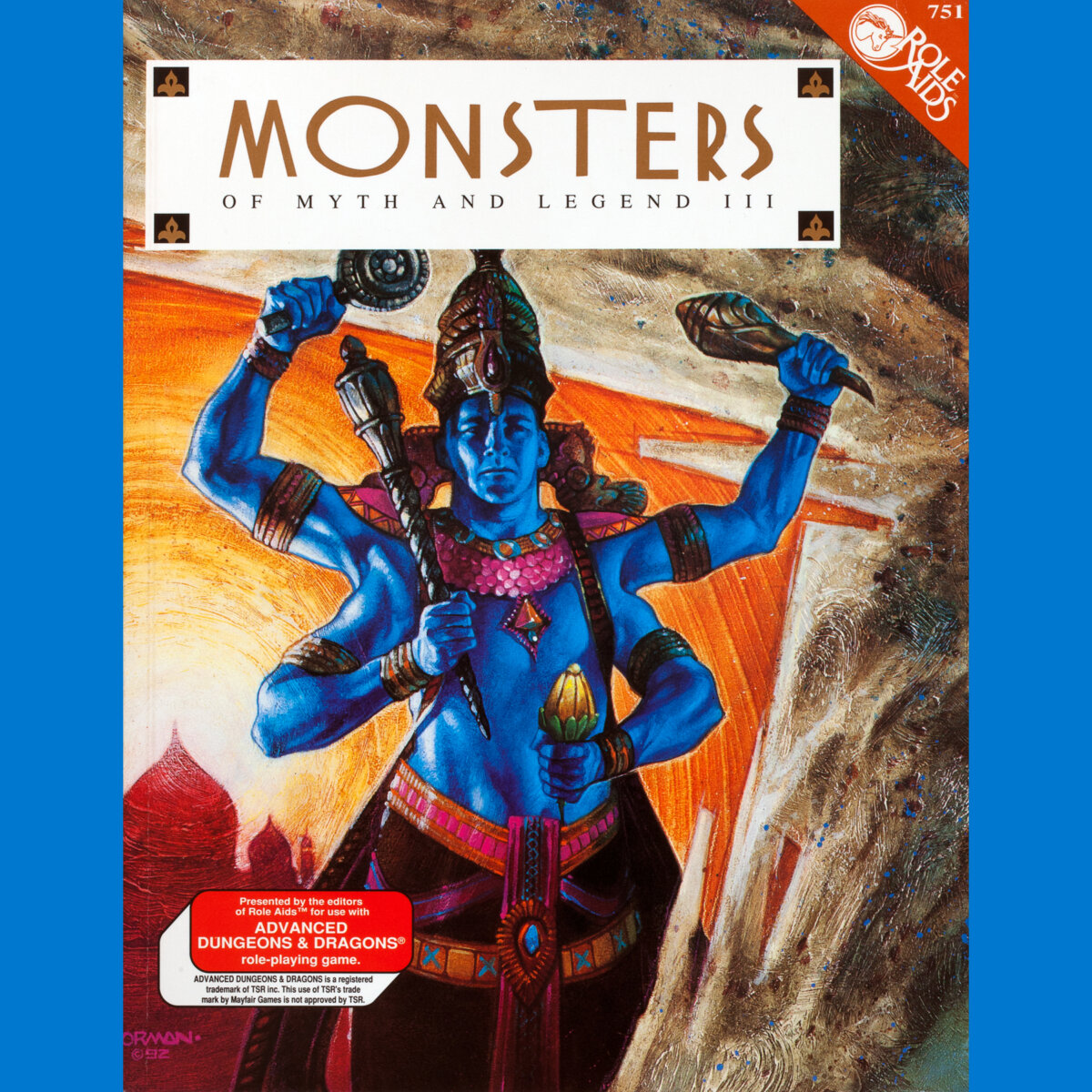
This is Monsters of Myth and Legend III (1992), the final installment in the series. This one finally figures its taxonomy out, grouping both gods and monsters by ethnic group: Egyptian, Finnish, Indian, Oceanic, Persian, Roman, Slavic, Teutonic and Tibetan. It isn’t perfect, but it is way better than pretending there are meaningful mythological commonalities across the entirety of Central and South America the way volume two did. This is supplemented by a pile of new magic items and four spells.
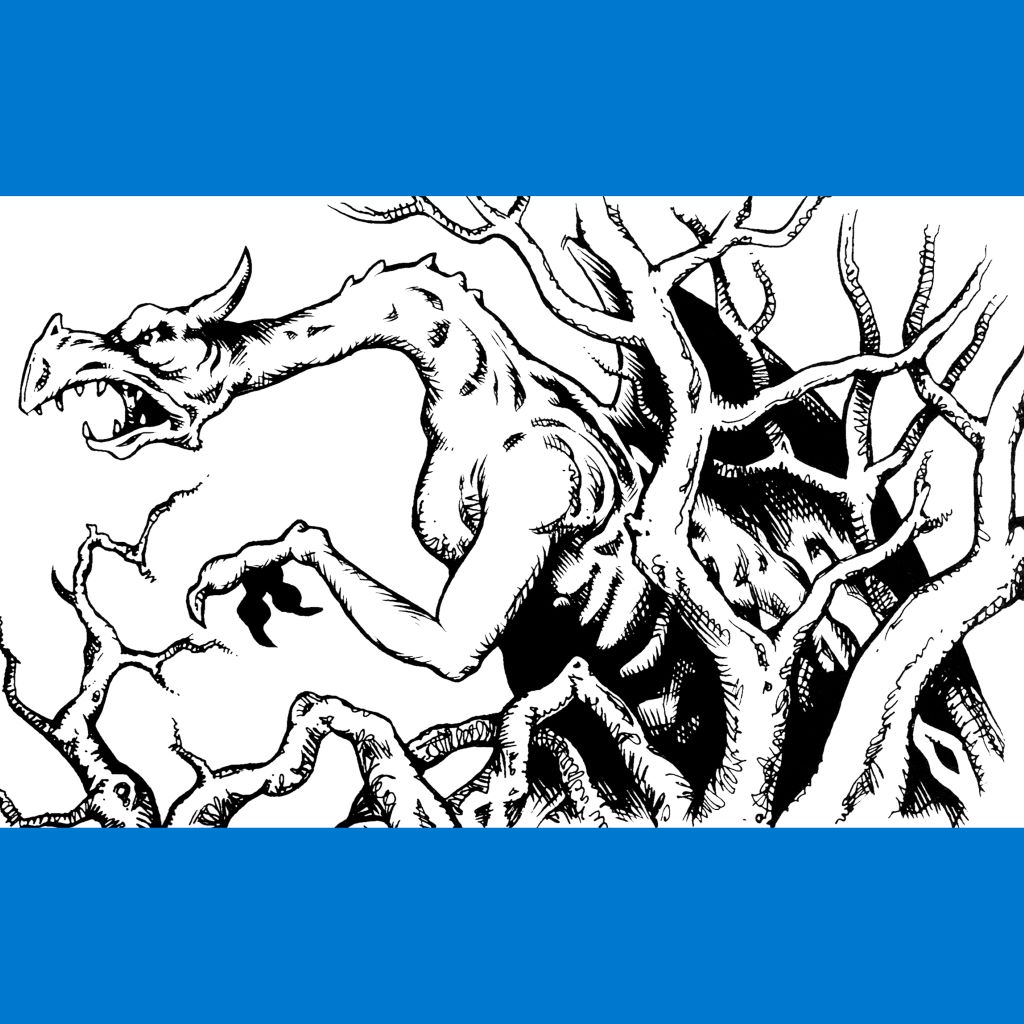
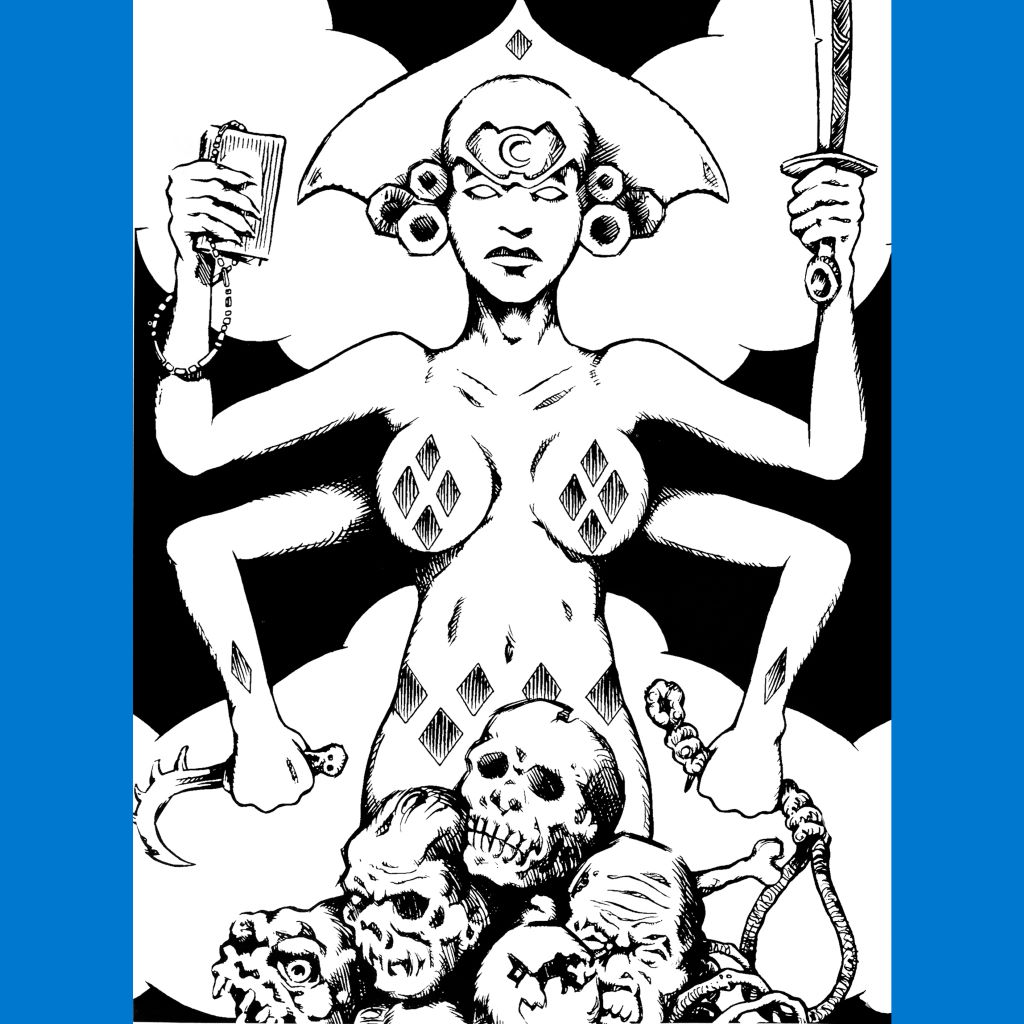
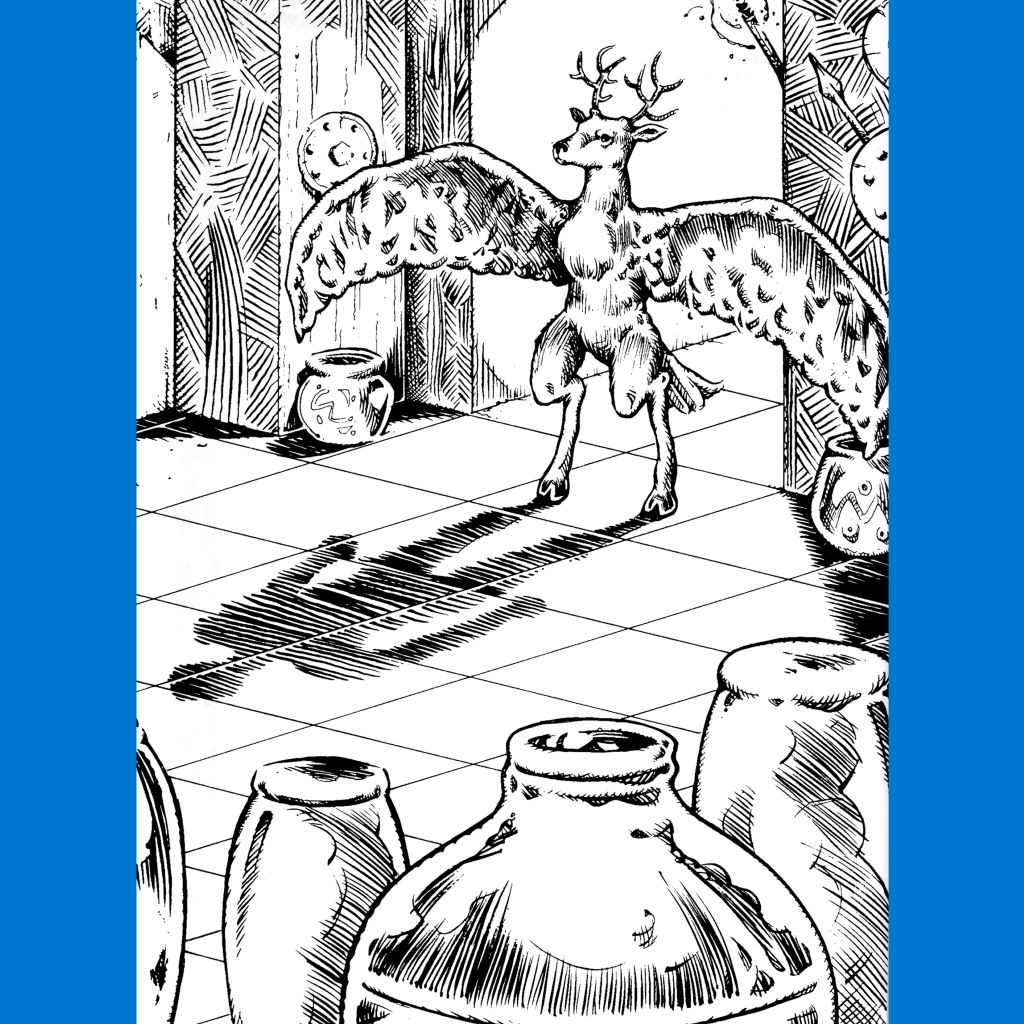
Due to the number of entries, the book is art light and text heavy. Which is maybe for the best: the majority of Steve Fiorilla’s illustrations seem to be different views of the same lumpy-faced troll. On the other hand, more art of better quality and smaller size would help differentiate what is a collection of monsters of pretty deep variety.
Overall, probably the best in the series. I really enjoy how insistent the text is on hewing toward actual mythology rather than the fantasy genre’s accepted interpretations of that mythology. In light of that, it’s funny that they stick perytons in the Roman section without any mention of Jorge Luis Borges. |
| |
|
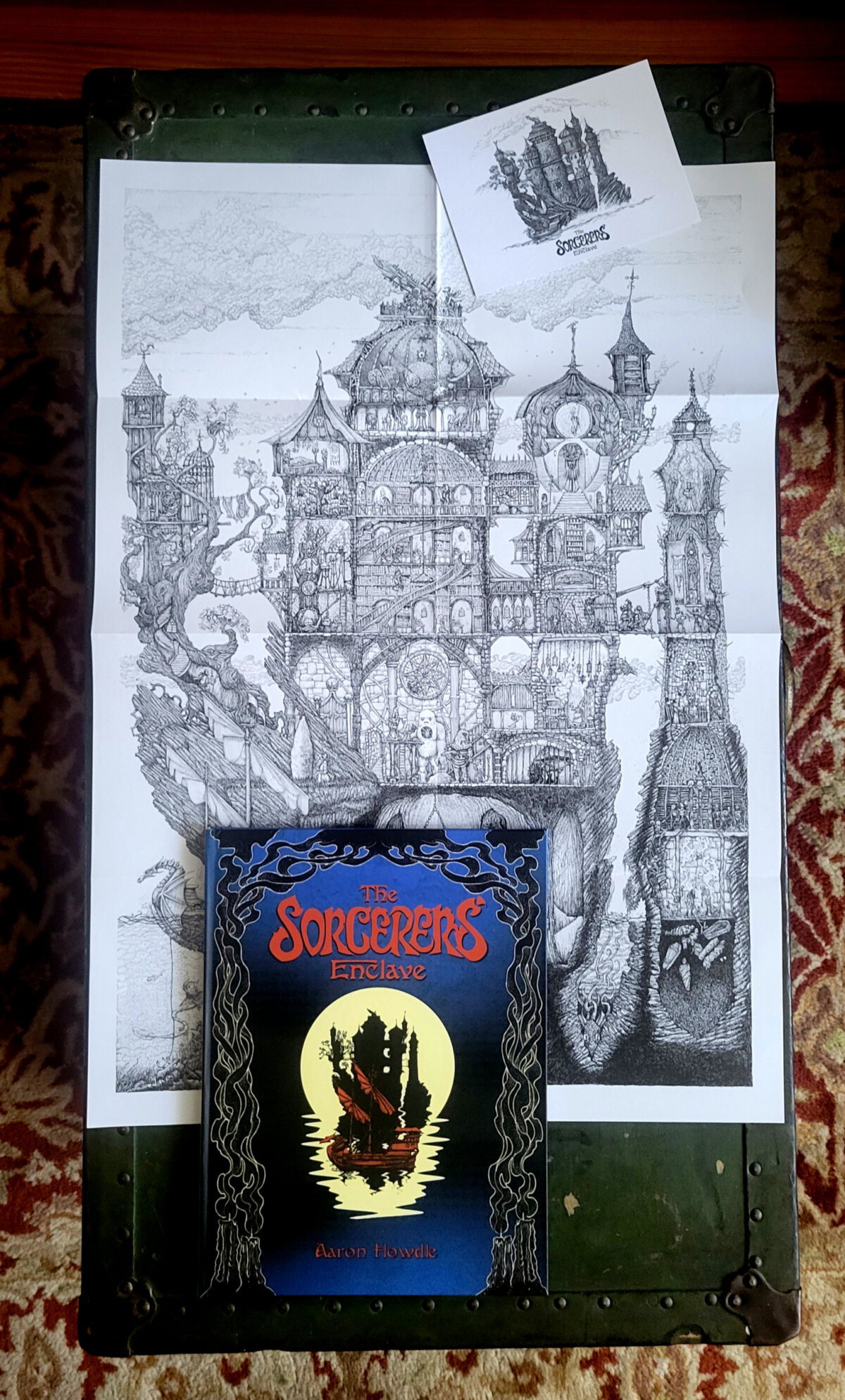
The Sorcerer's Enclave is one of those books I sometimes see where it felt right in some essential, reflexive way. I saw it in the Exalted Funeral shop and knew I was going to love it. And I did! Its a hardcover from Squarehex (accompanied by some poster prints and postcards) that details all the horrible parts of the titular abode. It has strong '80s-era Warhammer Fantasy vibes without feeling derivative. The text is sparse but evocative, the illustrations gorgeously grimy and the whole package is a delight. Not technically an RPG product, but also not not - you could easily slip this into your fantasy game of choice, should you desire. It's lovely on its own, though. |
| |
Vintage RPG
Copyright Stu Horvath, 2024, except when not
| |
|