From the top of Scotland to the lowest point of Cornwall aligns roughly with the distance from Detroit to Atlanta — about 800 miles, or an 11-hour drive. At its widest, a bit north of London and Cardiff, Britain is 300 across — my grueling bus journey home from GenCon in Indianapolis to Newark last year was 700 miles, 2.3 times the width of the UK. There is nowhere in the country where you can stand and be more than 75 miles from the ocean. We have an excess of space in America, true, but to me, the density of stuff in the UK, relative to the amount of undeveloped land seems mind-bogglingly high.
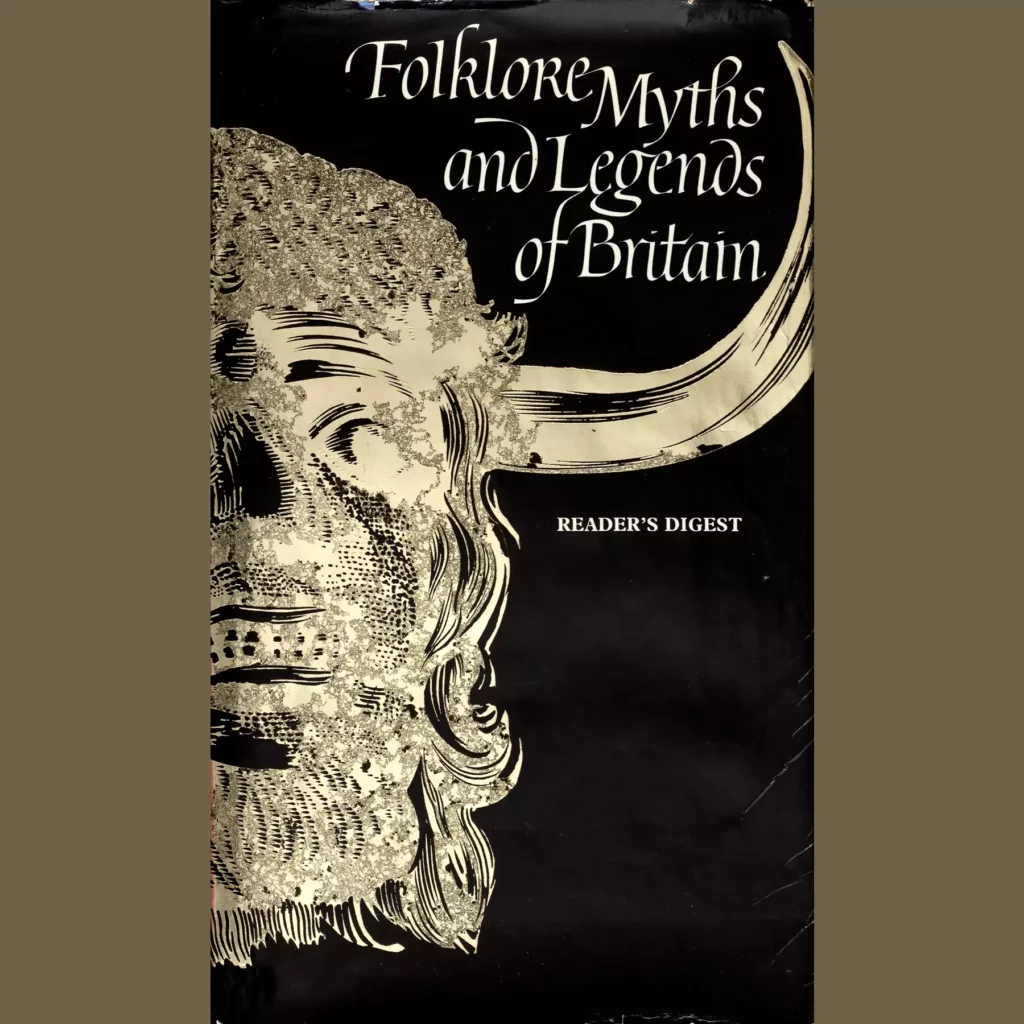
Oh, by stuff, I mean the sort of things that might be collected in Folklore, Myths and Legends of Britain (originally 1973, this is the 1977 revised edition), a landmark, 550-page book from Reader’s Digest, of all places. I don’t even know what to call it. An encyclopedia? Guide book? Codex? It’s all those and more, really, and contains a density of information that is maybe impossible to fully parse — I have trouble just counting up the number of contributing authors. I’ve been reading it for three years now and I feel like I’ve barely made a dent.
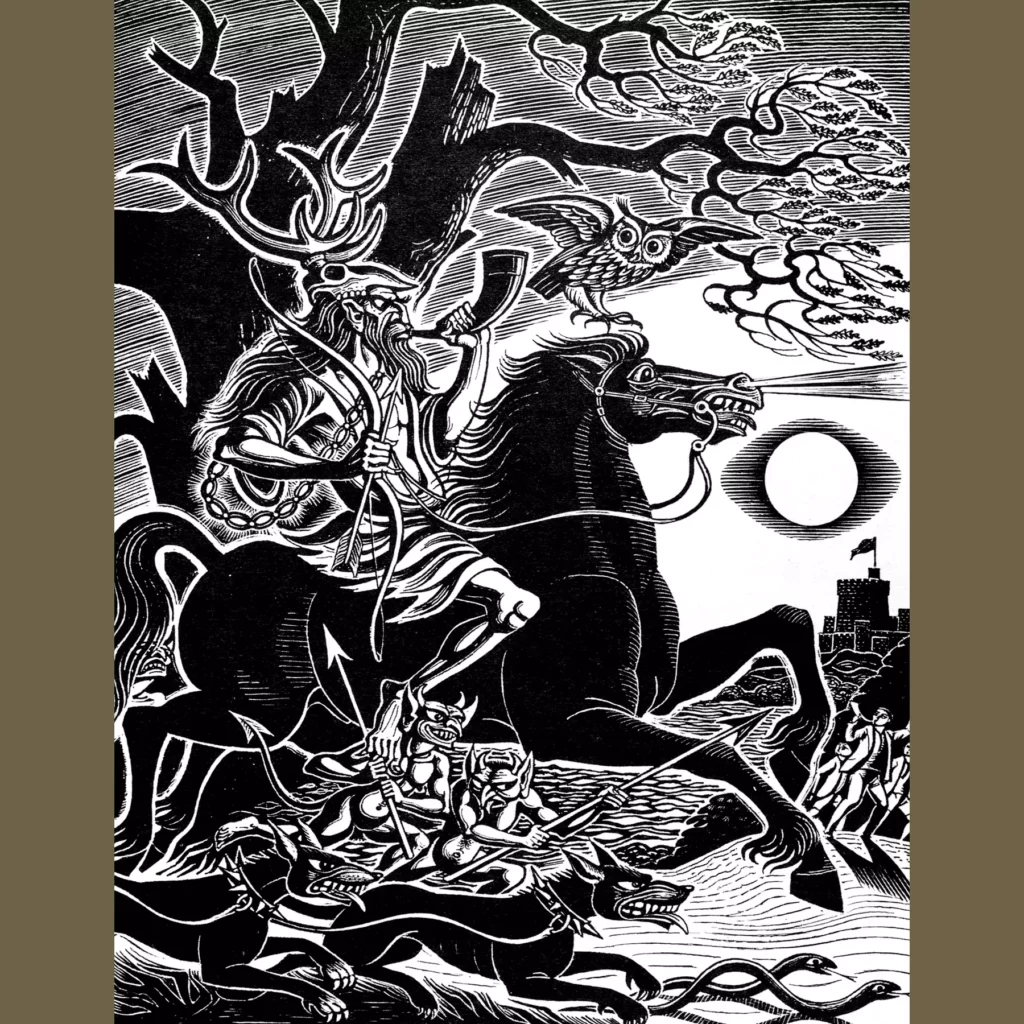
There are detailed within: holy wells, strange creatures (Black Shuck is in here, though they missed the nuckelavee, alas), seemingly every guiser imaginable, notable trees, witches, assassins, stone circles (of course), haunted houses, tragic tales, plenty of Arthurian hangovers. There are maps with intriguing icons, detailing every corner of the countries. There’s so much art, many historical pieces, but a number of strange new illustrations as well. It’s a treasure trove.
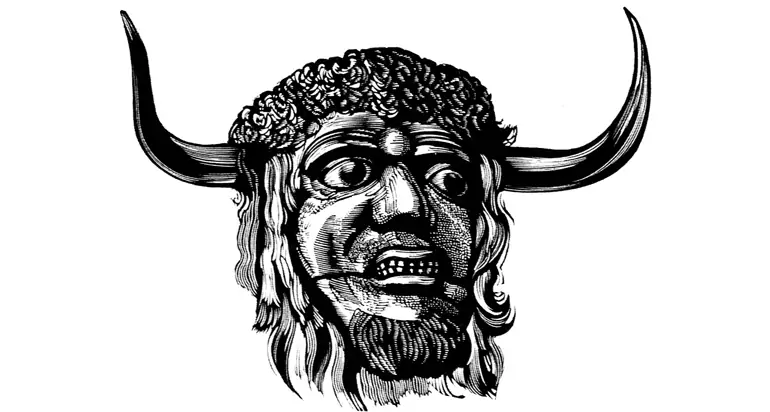
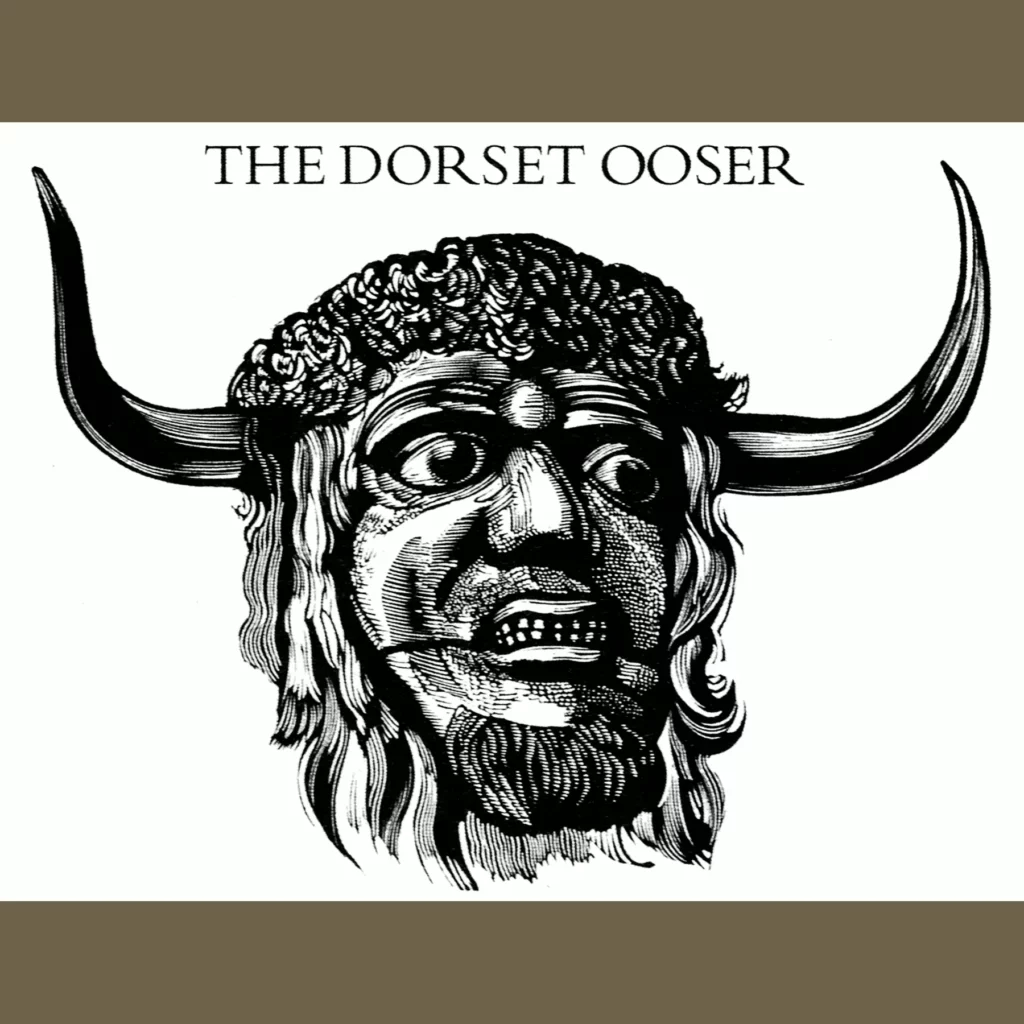
The story behind cover illustration, I think, neatly encapsulates the many strange wonders inside. That’s a stylized drawing of the Dorset Ooser. The book claims it might represent a remnant of worship of the Horned God (unlikely) and that every village in Dorset might have had a similar mask, which was used in parade during the Christmas season and possibly to shame adulterers. But even that isn’t a certainty. There are only two photographs of the mask (it’s hollow inside and could be worn, the jaw hinged, but no eye-holes, so the wearer would have needed to be lead around and wouldn’t know who they were mocking) and sometime around 1900 the thing just went missing. Imagine having that thing laying around and A. Not really knowing what it was for and B. Eventually misplacing it!

Have you come across Children of the Stones? Low budget folk horror TV from the 70s that got a good podcast adaptation recently. Might be right up your alley based on this week’s posts so far!
https://en.m.wikipedia.org/wiki/Children_of_the_Stones
You’re gonna love Friday’s post!
Folklore Myths and Legends was one of the inspirations for Jethro Tull’s 1977 album Songs from the Wood.
Huh! Neat!
and Heavy Horses and Stormwatch according to Ian Anderson
This book is incredible and should be better known. It’s some kind of a nexus for all the different interests that I have. The world we live in in a truly mysterious and magical place and this book opens the door to it all!
Just read about the Children of the Stones, and it tricked some deeply buried memories. I think I saw something like that way back in the eighties on danish television, and it left me with a deep-rooted mistrust of standing stones