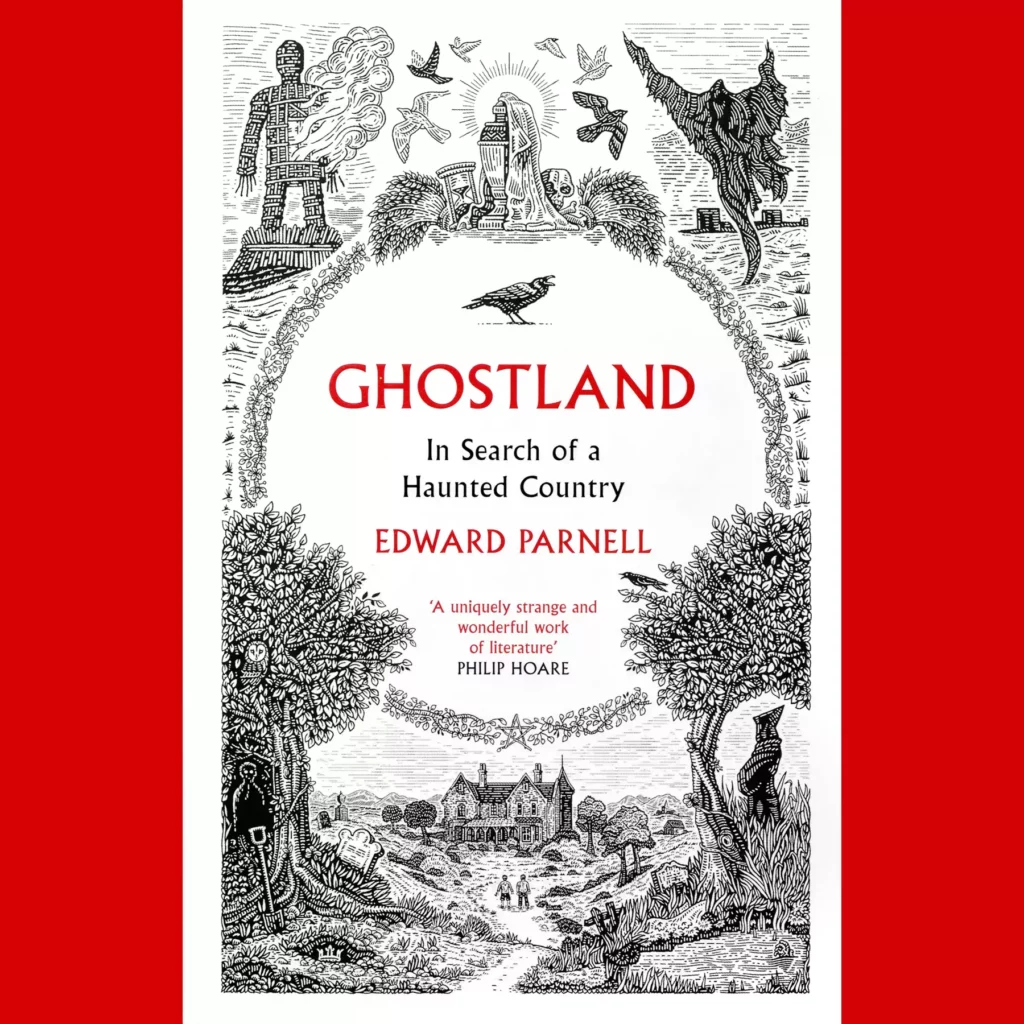
Like The Modern Antiquarian, Ghostland (2020), by Edward Parnell, is a guidebook. A strange and multifaceted one. Let’s start with the ghost stories, both written and televised. Parnell, in the context of this book, is fairly obsessed with them, their writers and their relationship with the topography of their settings. He makes a broad survey, looking at the work of authors like M.R. James, Arthur Machen, Alan Garner, William Hope Hodgson, Charles Dickens, Walter De La Mare, Algernon Blackwood, E.F. Benson as well as television programs and films like Penda’s Fen, Robin Redbreast, Wickerman, the Quatermas series and the terrifying public service announcement Lonely Water. (Is this psychogeography? That term is usually applied to urban landscapes, I think, but it feels appropriate here, but I am not sure because I’ve never been able to get through an Iain Sinclair book). On this level, the book works as an excellent primer for British folk horror and weird tales. My to-watch list grew by feet reading this. Y’all gotta dig into the original Ghost Stories for Christmas, I’m telling you (I’m mostly unimpressed by the modern Mark Gatiss resurrection, though).
Be warned, however, there are two additional narratives intertwined with Parnell’s fiction-related travels. He’s an avid birder (I’m a much lazier birder, but I found myself envious of the energy Parnell is willing to devote to his hobby), a hobby he pursues with his brother and looms with increasing significance as he navigates a series of tragic deaths in his family. In this way, Ghostland is a cathartic memoir and Parnell’s investigation into ghost stories takes on larger implications. This makes the book dififcult reading in some points, particularly near the end, but it stands as one of the most moving pieces of creative non-fiction I’ve read. I find myself thinking about it often.
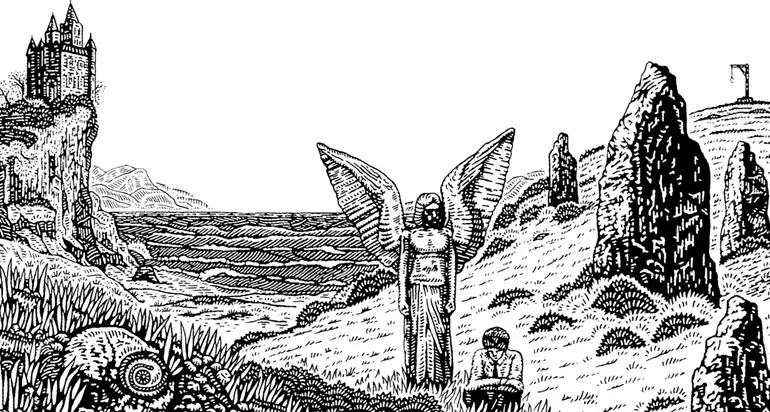
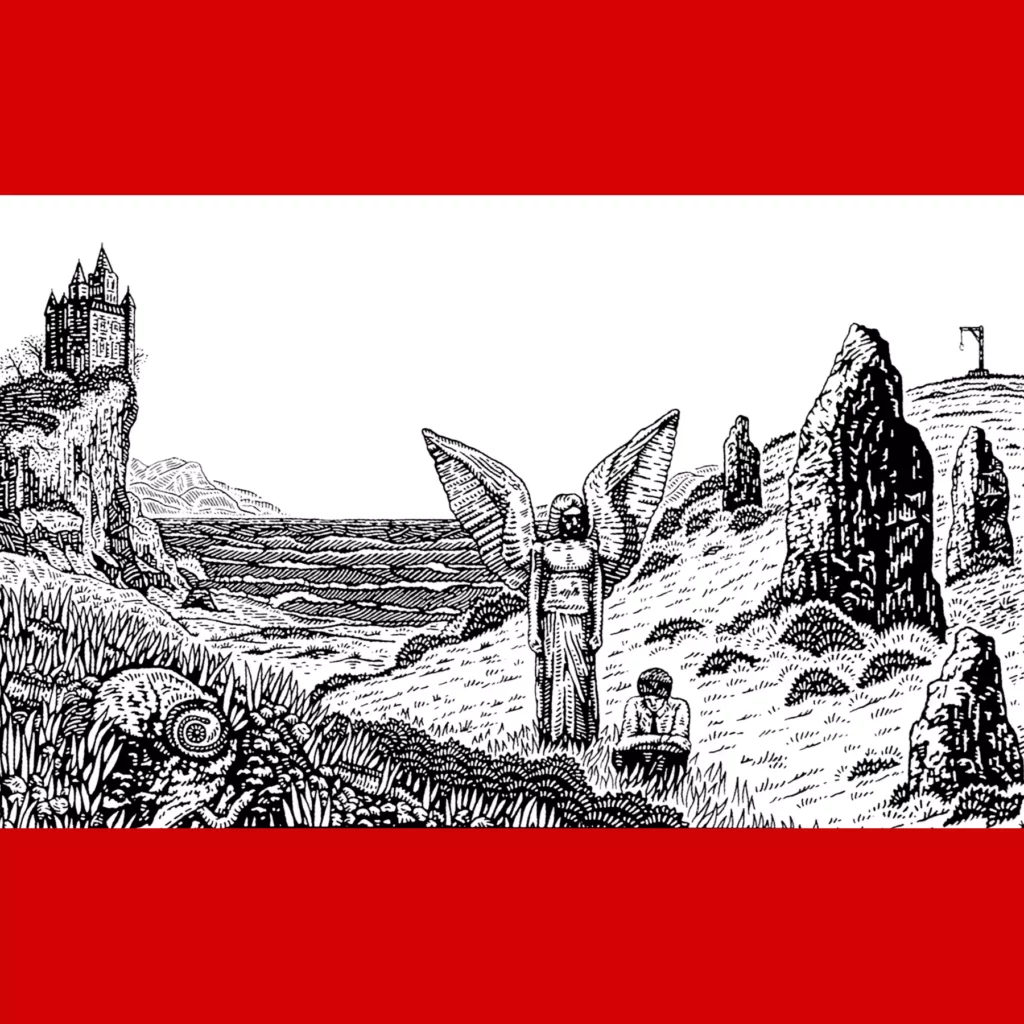
I should note Richard Wells’ excellent cover art that references the fiction Parnell pursues and establishes the mood quite nicely. Each chapter gets a little illustration as well.

“Ghostland” seems like a popular book title. The one I’m familiar with is Colin Dickey’s pop-history book focusing on American ghost stories. He’s highly skeptical about the existence of ghosts, and sees ghost stories as another way to writing about history. Touches on slavery, the House of Seven Gables, the Winchester Mystery House, a haunted Nevada brothel, and a group of freelance ghost hunters.
I’ve been semi aware of Parnell’s book, but the multiple “Ghostland” books make it hard for me to remember which one to put on my wishlist for Christmas…
I had Dickey’s book recommended to me yesterday, keen to check it out.
Given how much inventive reverence The League of Gentlemen crew show for, especially, filmed ghost stores and horror it’s strange how often their reverence seems to get in the way. Both in the staid and unchallenging Ghost Stories and especially in the Hammer homage in the first season of Inside No. 9.
Recently saw Witchfinder General at the BFI introduced by Reece Sheersmith and his passion for that film just absolutely did not translate to their Witchfinder episode…
I guess sometimes too much love for something means wanting to see more of the original and blinds you to opportunities to reinvent and bring down the foundations.
I enjoyed Inside No. 9’s…Bones of St. Nicholas was it called? But for the most part, yea. I find Gatiss’ stuff particularly frustrating but honestly, none of the League’s stuff has made me so livid as the John Hurt adaptation of “Whistle.”