In the back of Barlowe’s Guide to Fantasy (1996), I believe, there are sketches for a book called Pilgrimage to Hell, which appeared two years later under the title Barlowe’s Inferno. Three years later, a follow-up emerged called Brushfire. All three of these things have had a strange hold on me. The sketches are nightmarish, a big shift from the fairly safe and reasonable creatures in the Fantasy and Extraterrestrial books and an even vaster gulf between them and The Pop-up Book of Star Wars, Barlowe’s first published work. I’ve never come across the actual Hell books, though, only seen their covers and a piece here or there, once in person at the Enchanted show. Until I learned about Psychopomp (2021), that is.
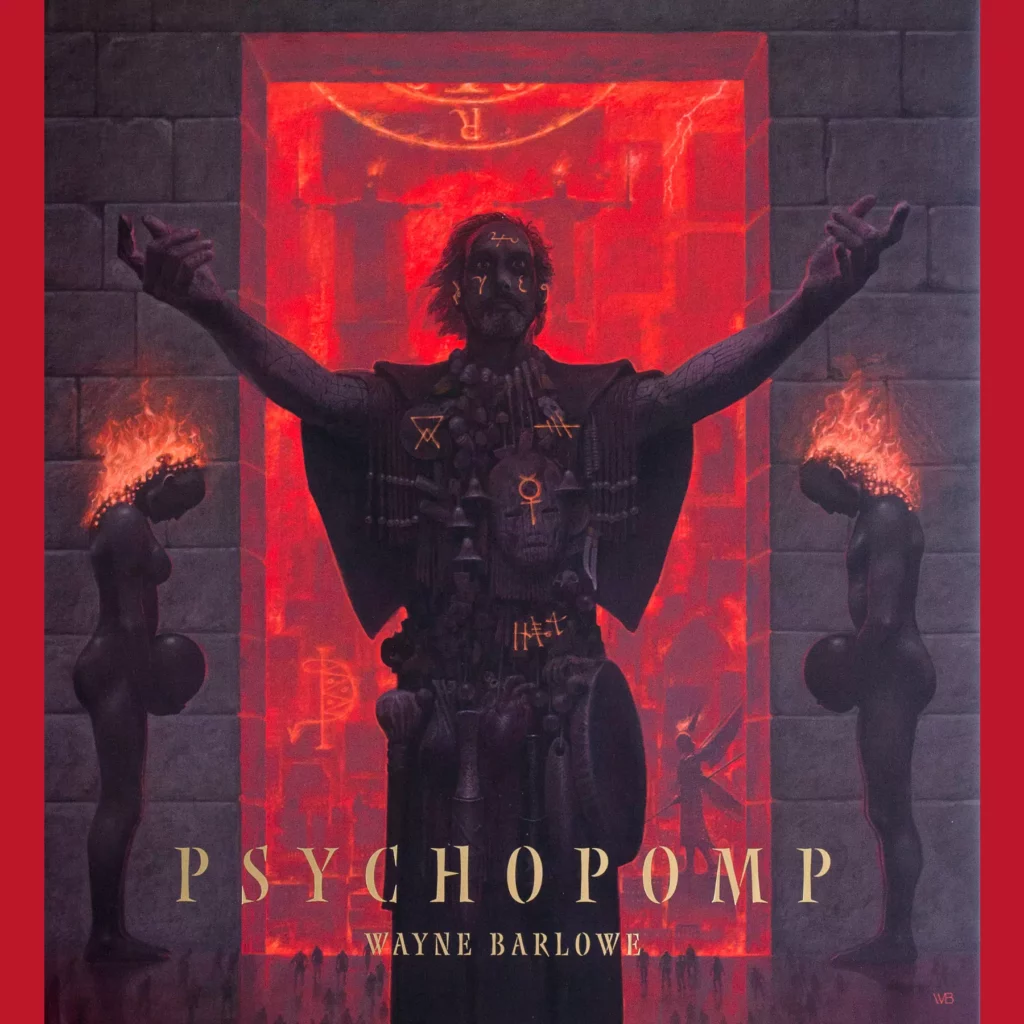
A massive book, it collects just about every piece of Barlowe’s Hell that existed at the time — the contents of Inferno, Brushfire, the art from Barlowe’s two novels about Hell and a gigantic section of character design work (though not the sketches for Pilgrimages, oddly). This vision is both strange and unsettling. I don’t find it horrible, but rather more melancholy than anything. So many of Hell’s inhabitants are petrified to varying degrees, a state I find more sad than upsetting. I also find it so outside my preconceptions of Hell as a medieval torture chamber that it winds up verging on science fiction.
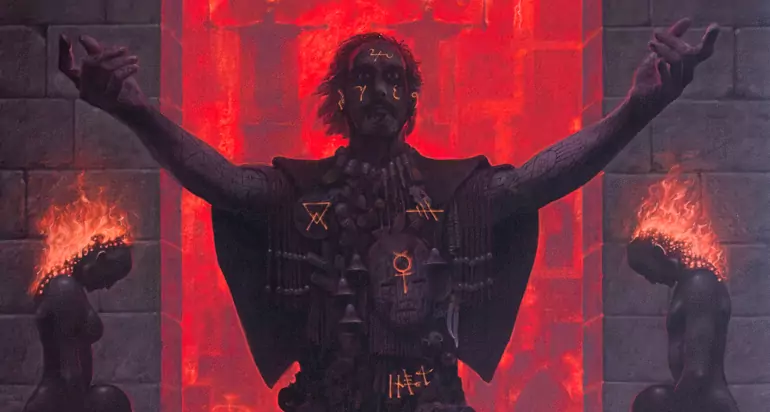
Barlowe is a real master of details, too. The cover alone, a self-portrait, gives you enough amulets and talismans to stare at for an afternoon before you even start trying to parse the background. The city behind is vast, the statues massive, the souls tiny, but is Barlowe a giant or is it a matter of perspective? Psychopomp is rife with these conundrums of scale.
The design section is particularly interesting coming from RPGs — it’s practically a monster manual and sourcebook all in one, and with very few words, at that. Barlowe’s portraits tell stories, but also his subjects’ clothes and ornaments and armor and weapons. No surprise he went on to do production work for del Toro’s Hellboy films.
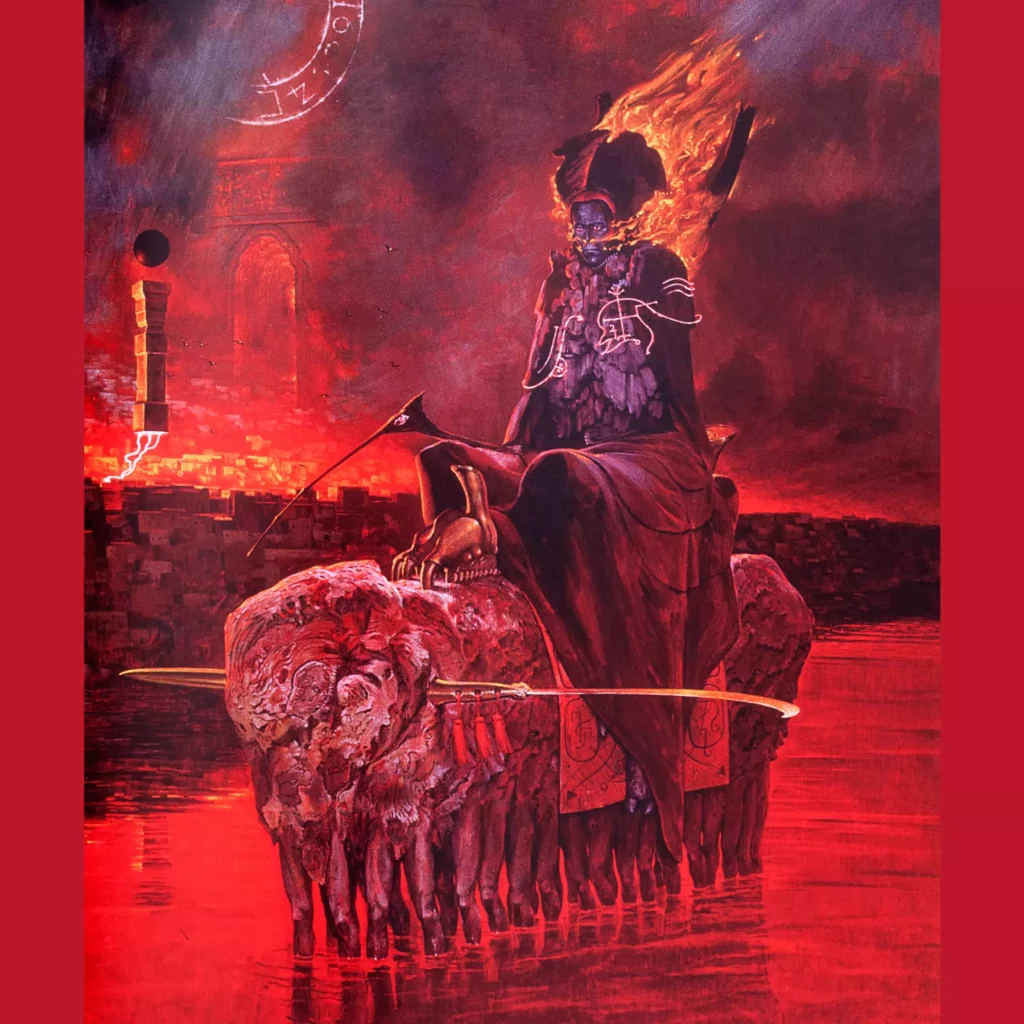
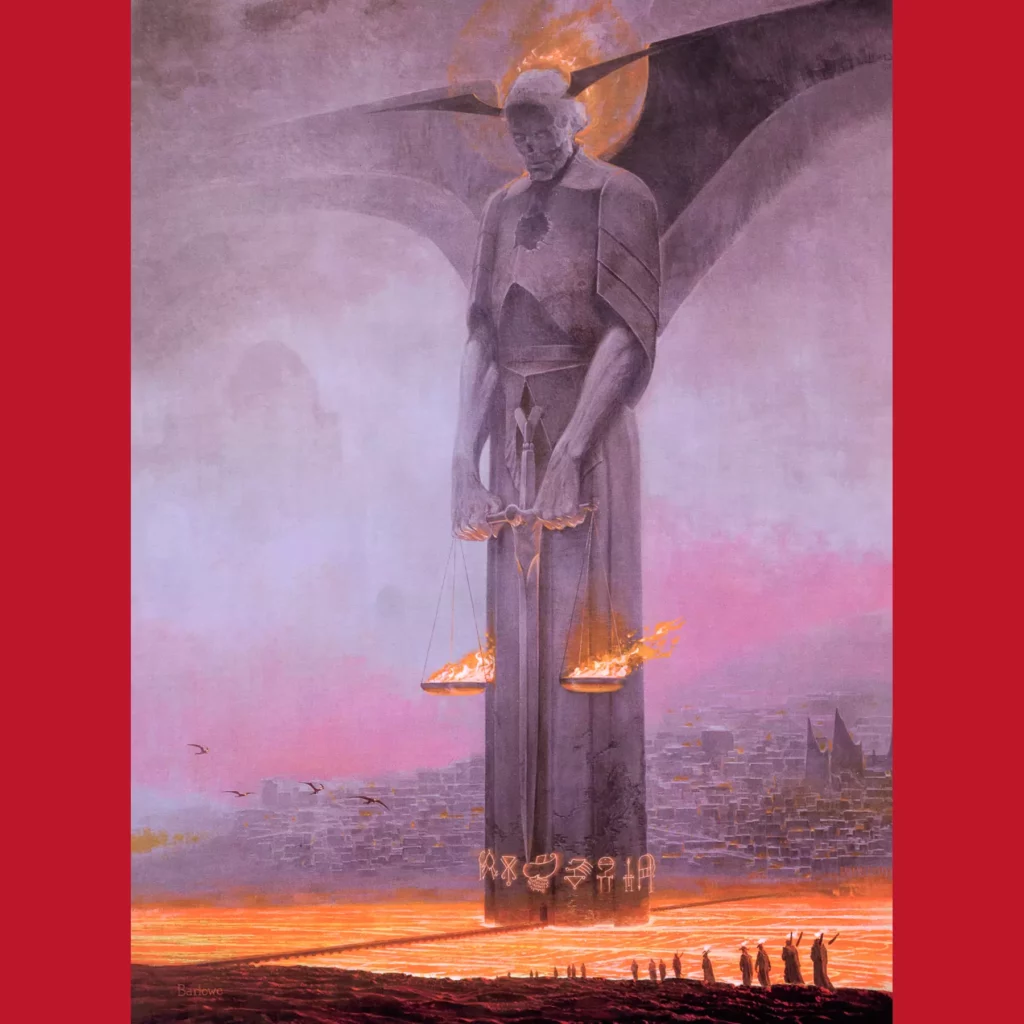
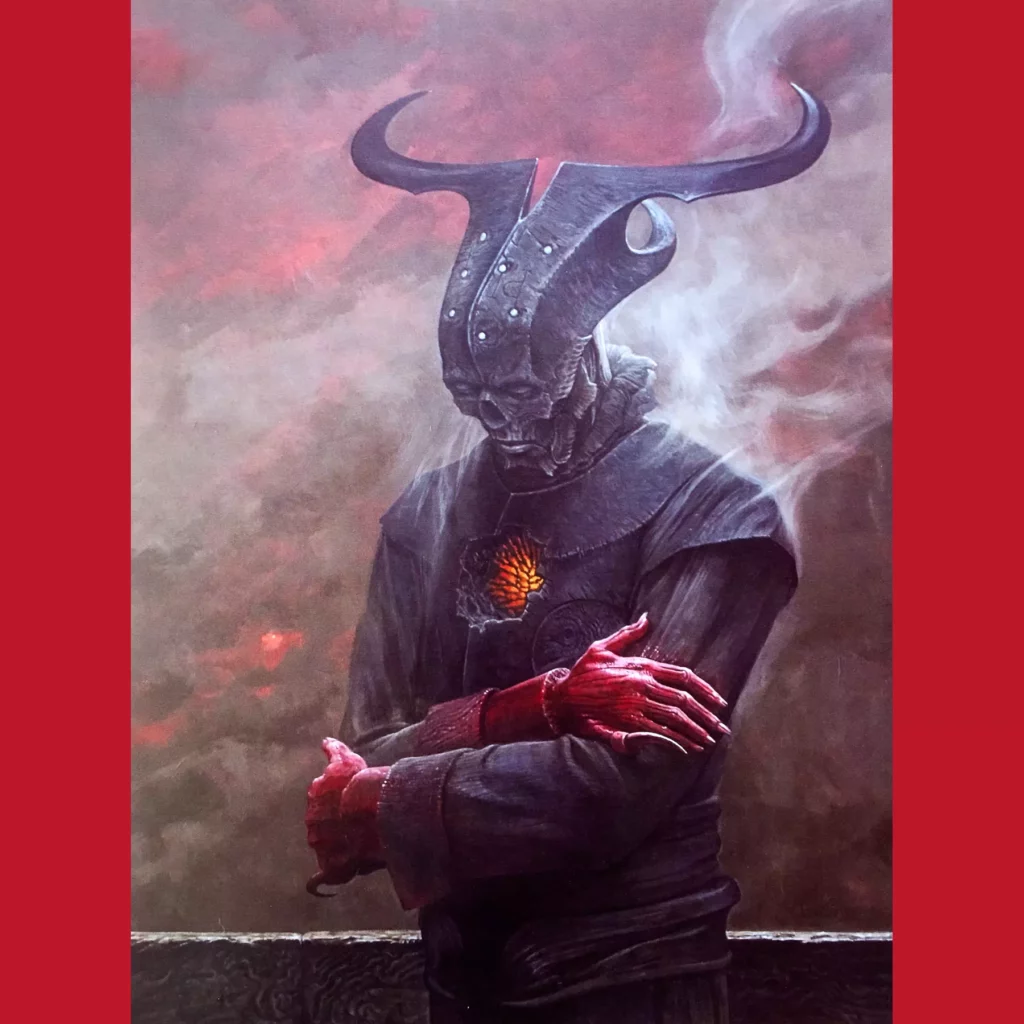
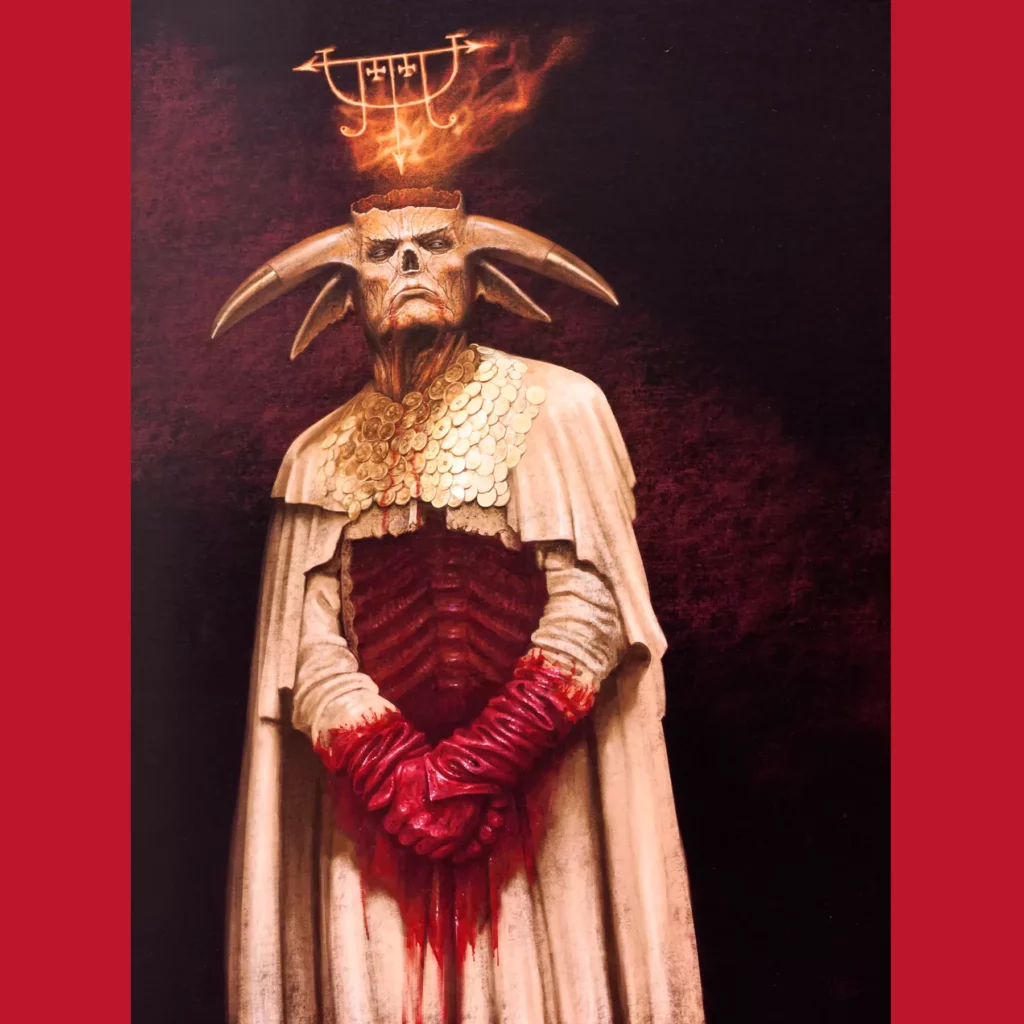
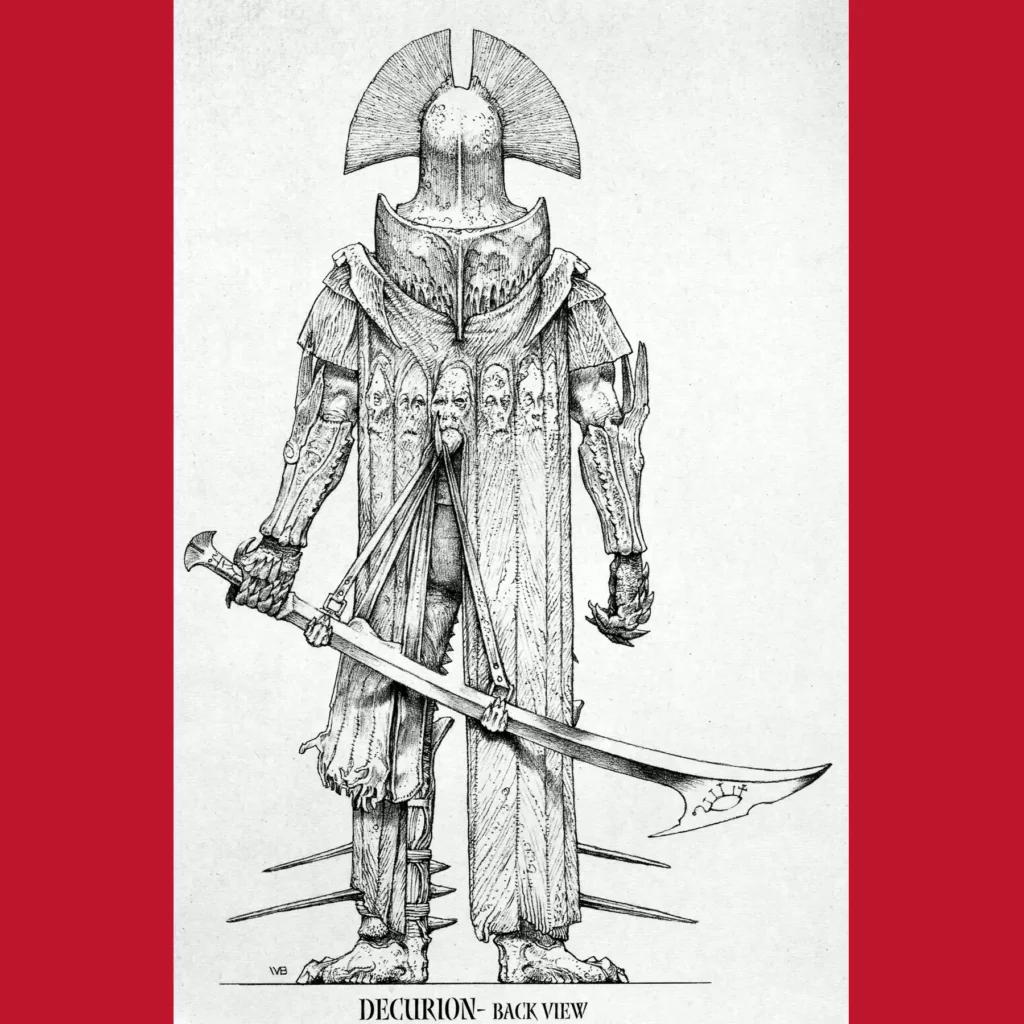
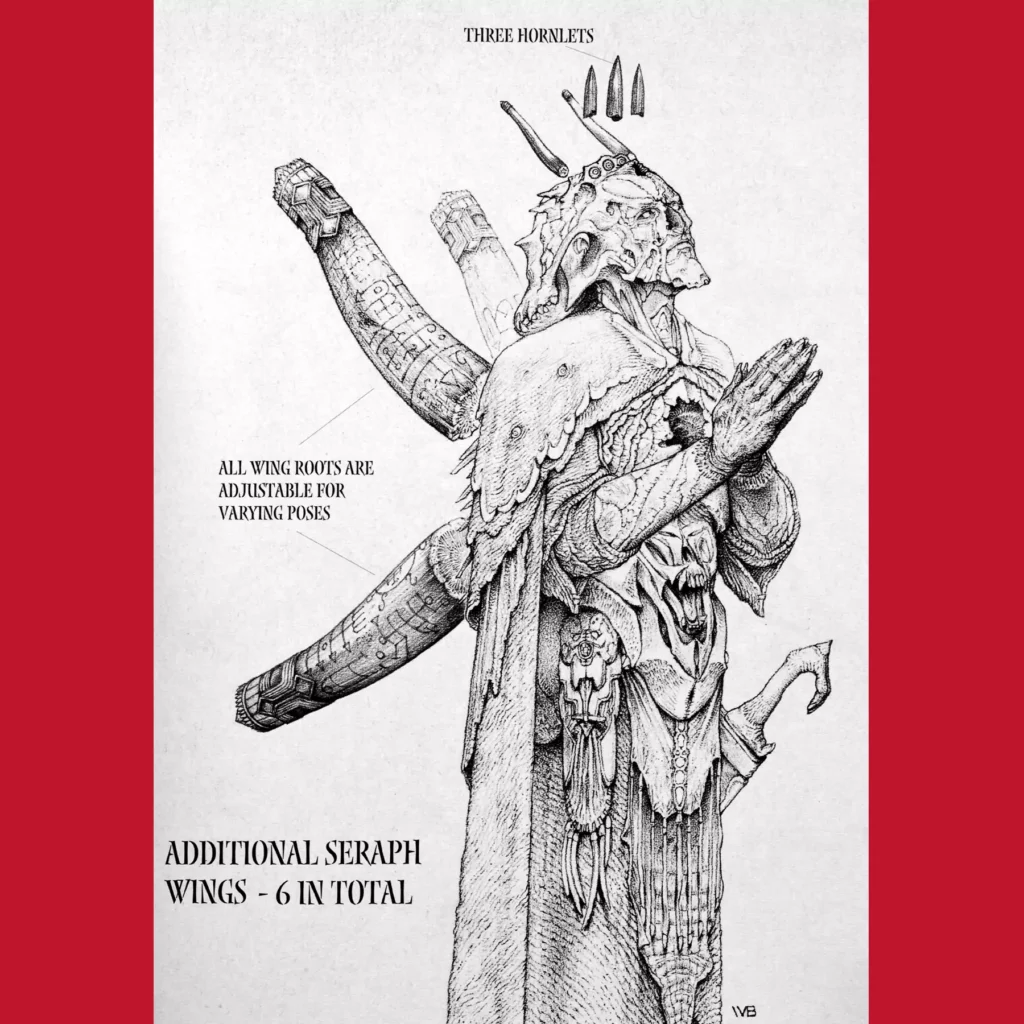
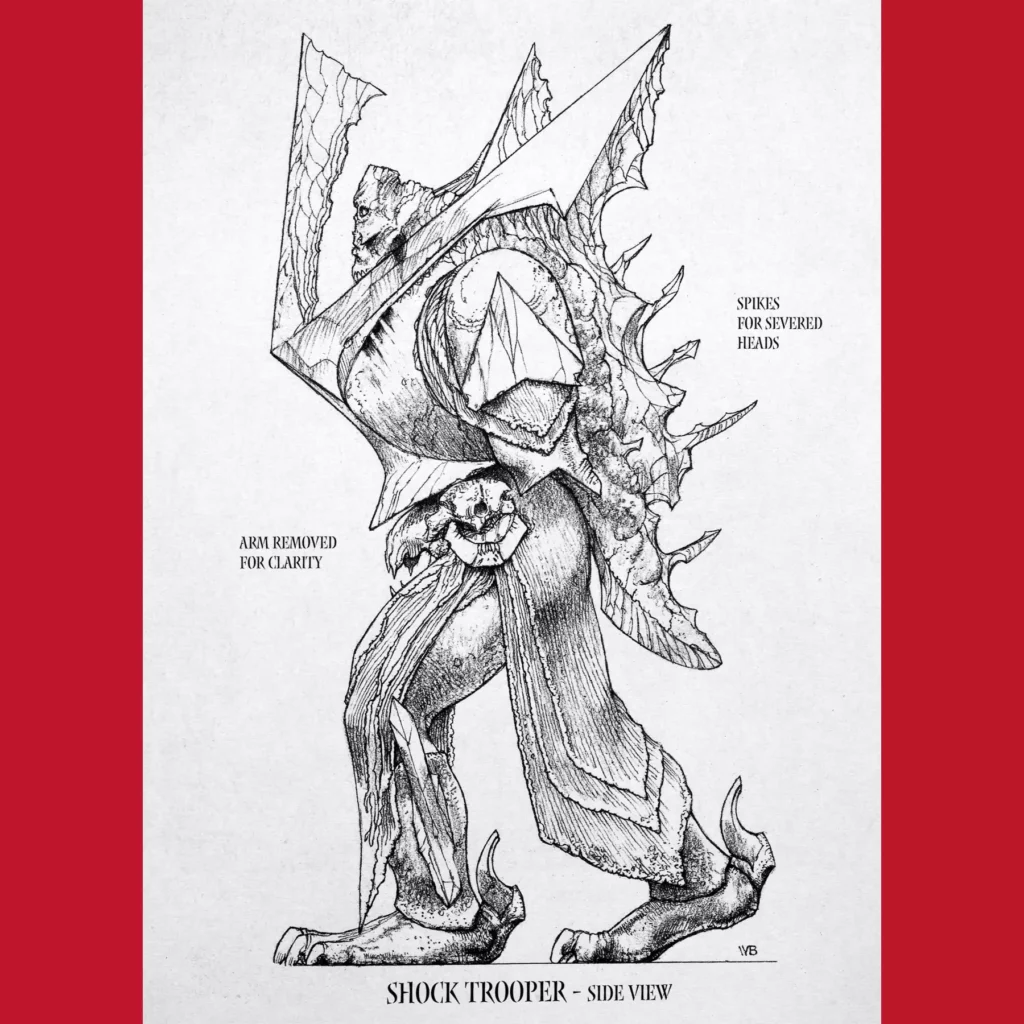
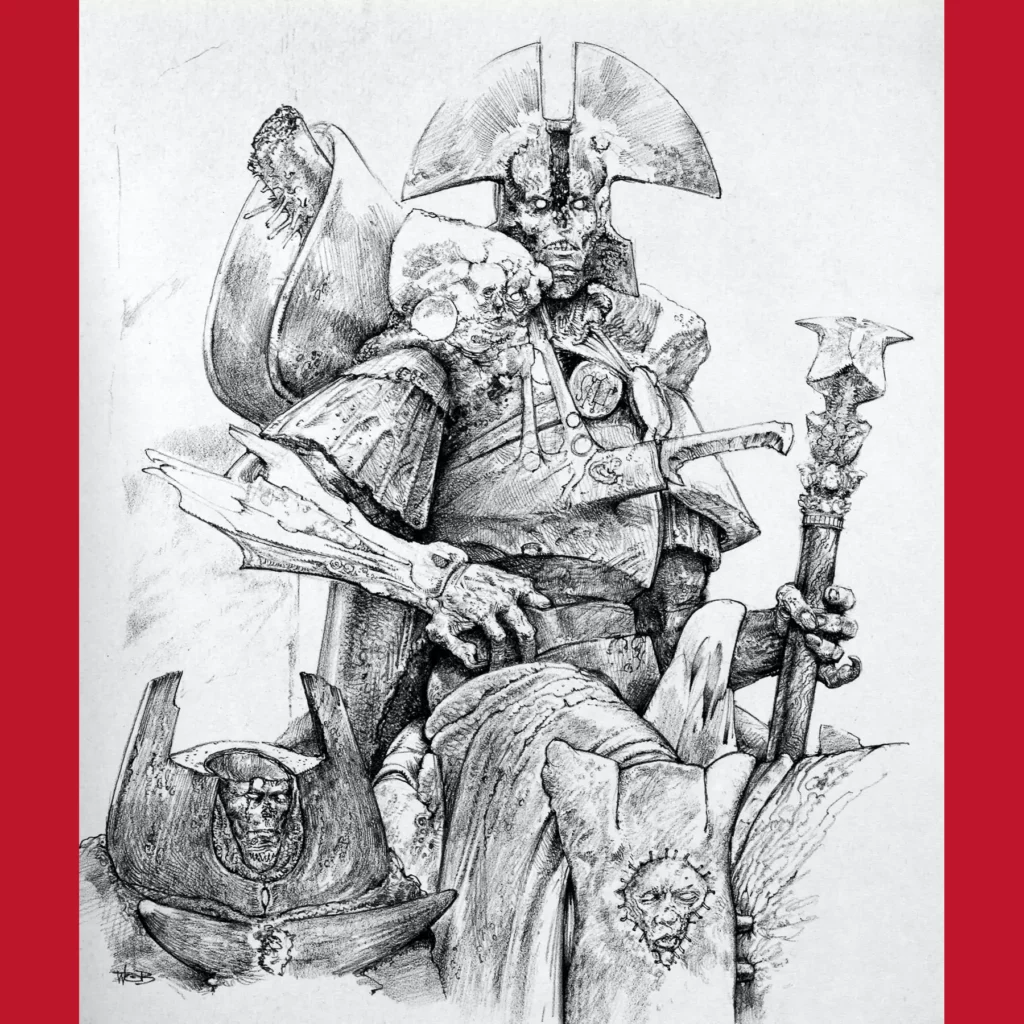
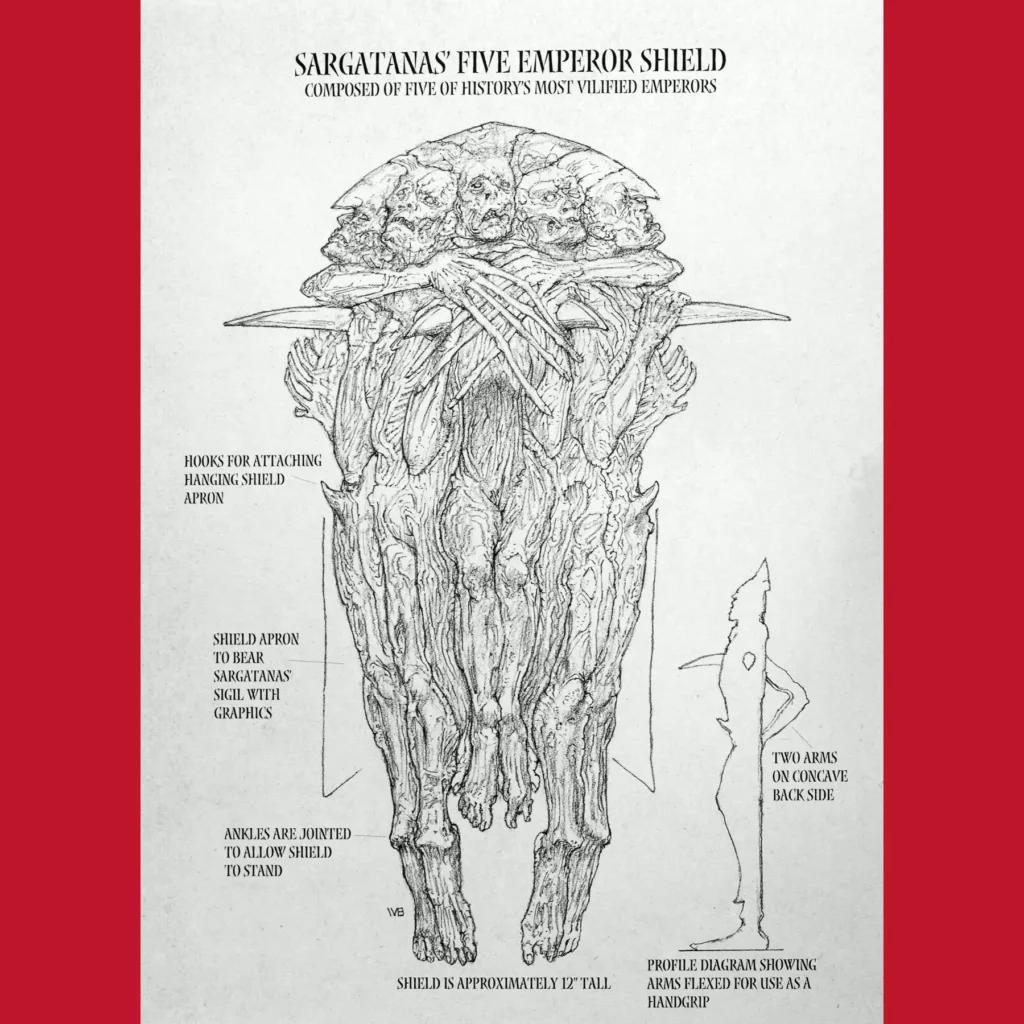

Those first two are reminiscent of the work of Zdzisław Beksiński.