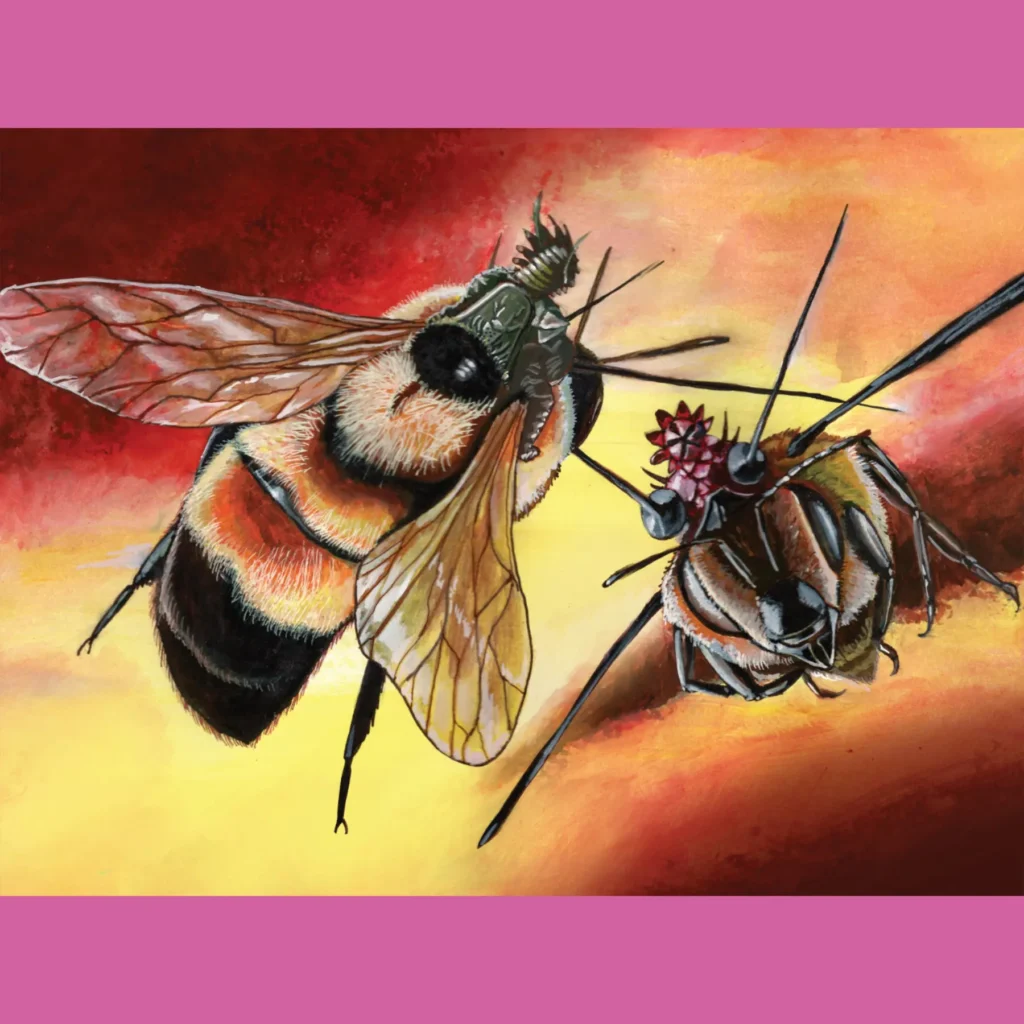
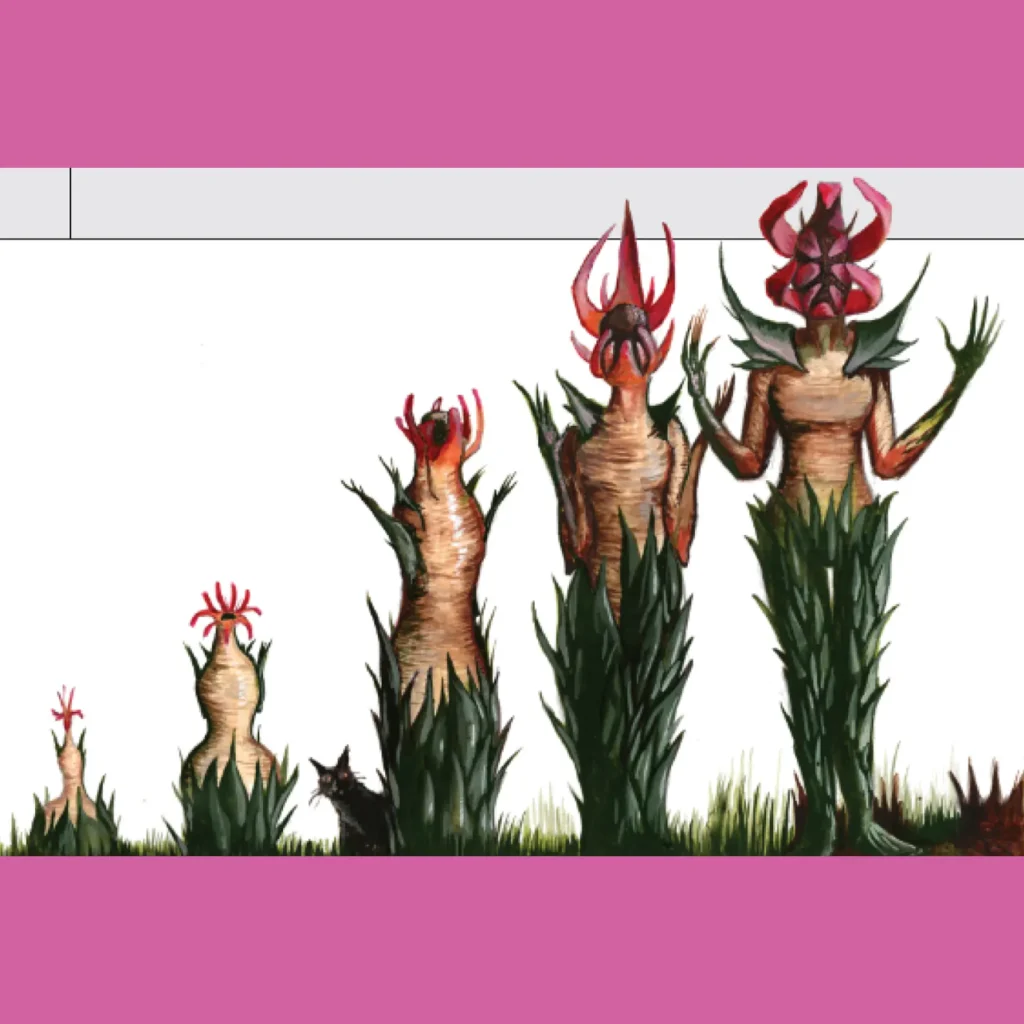
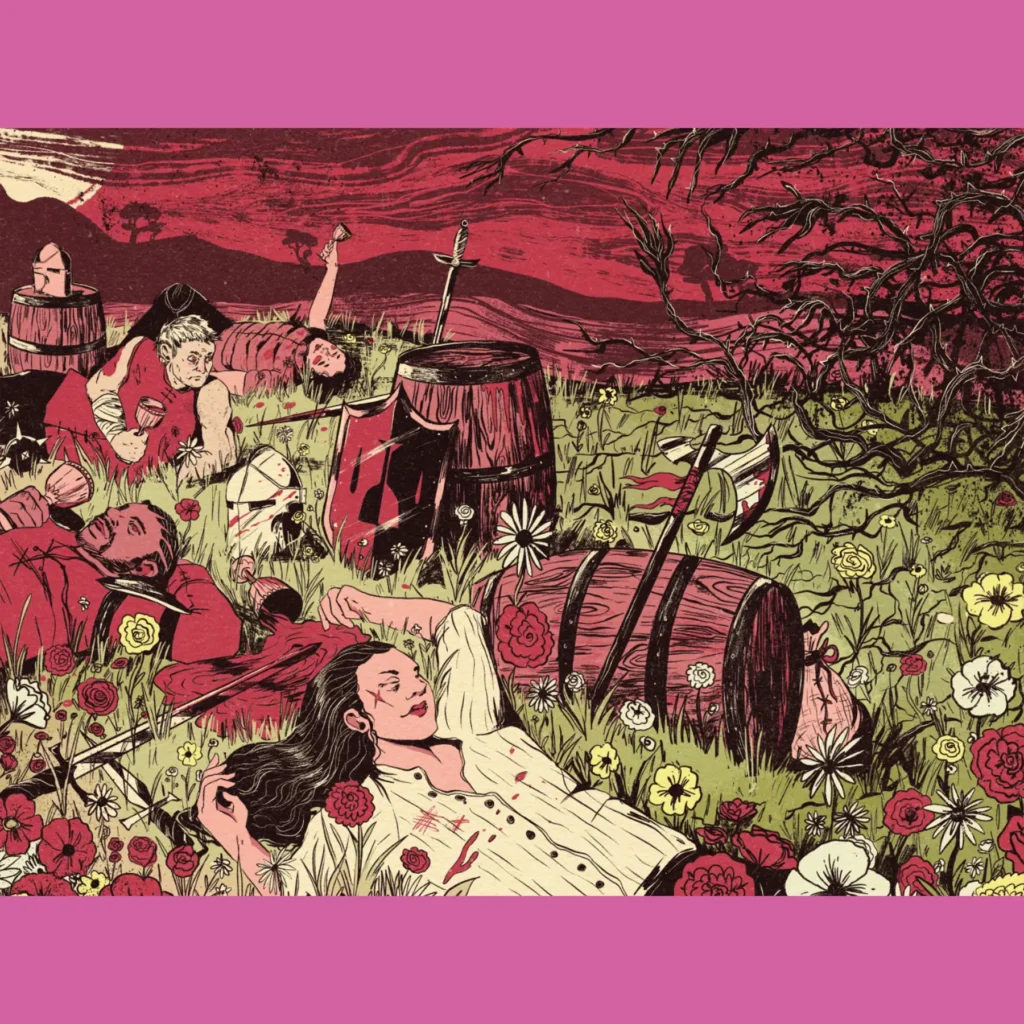
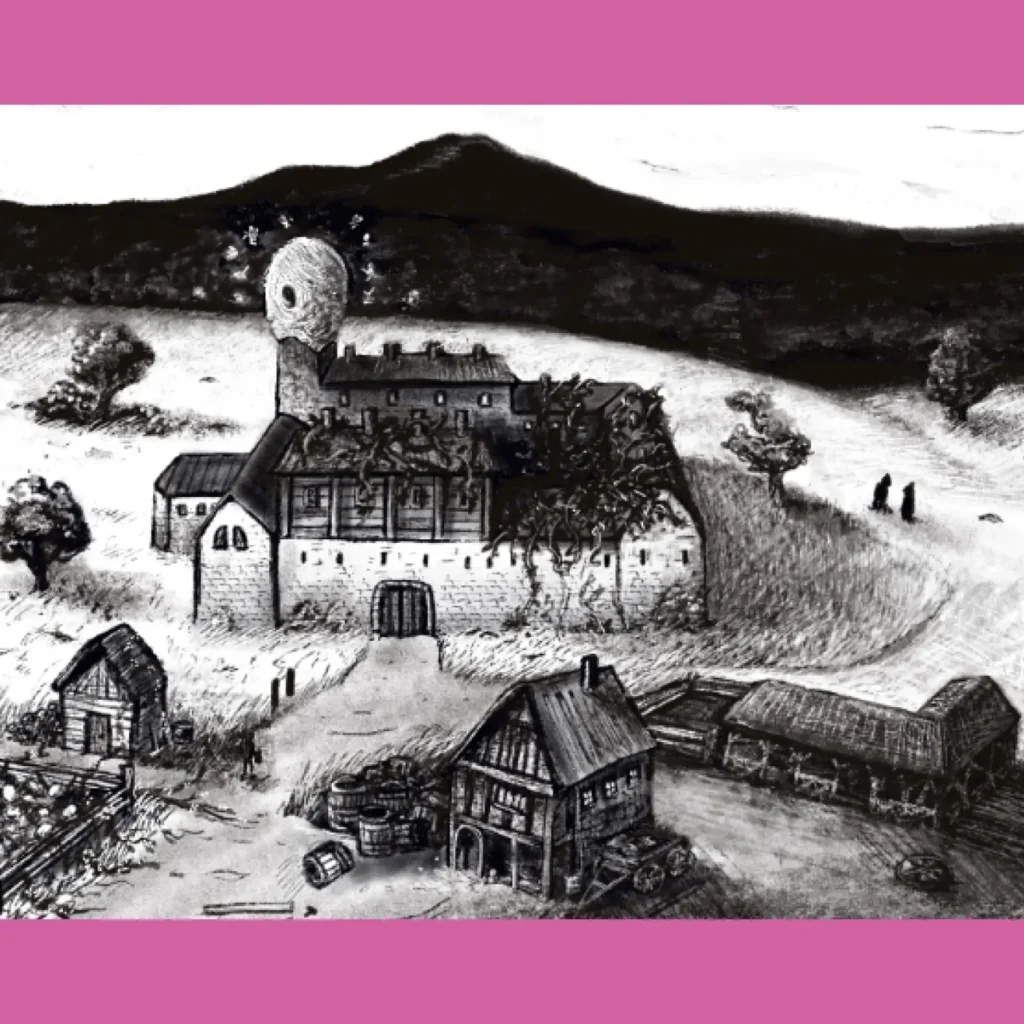
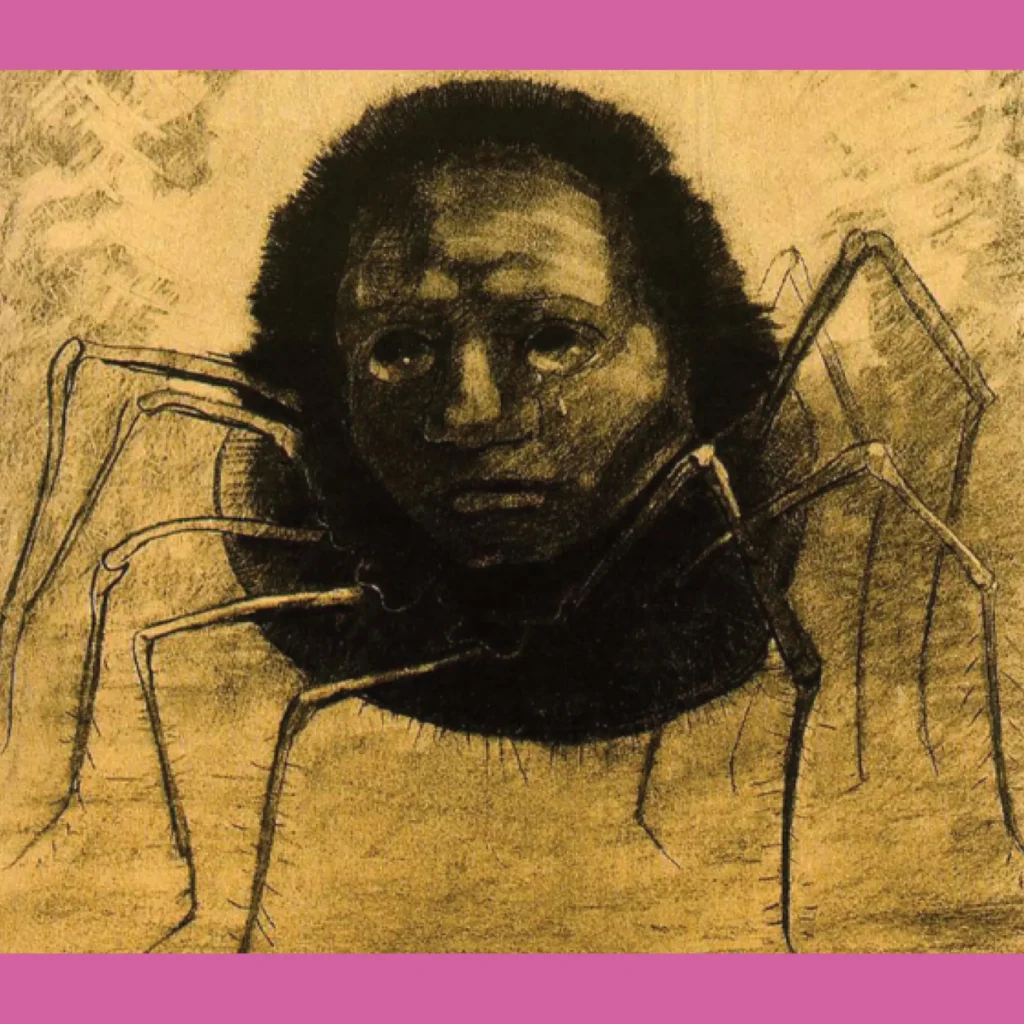
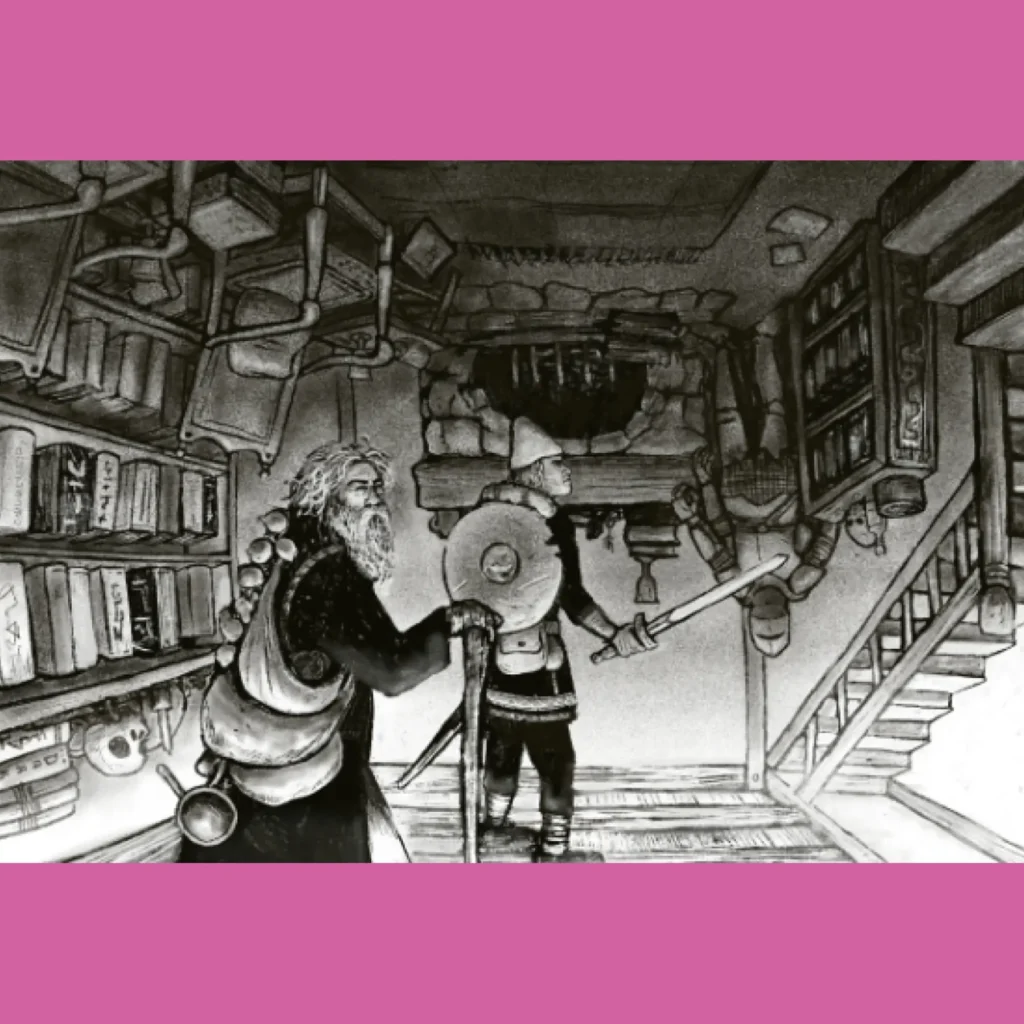
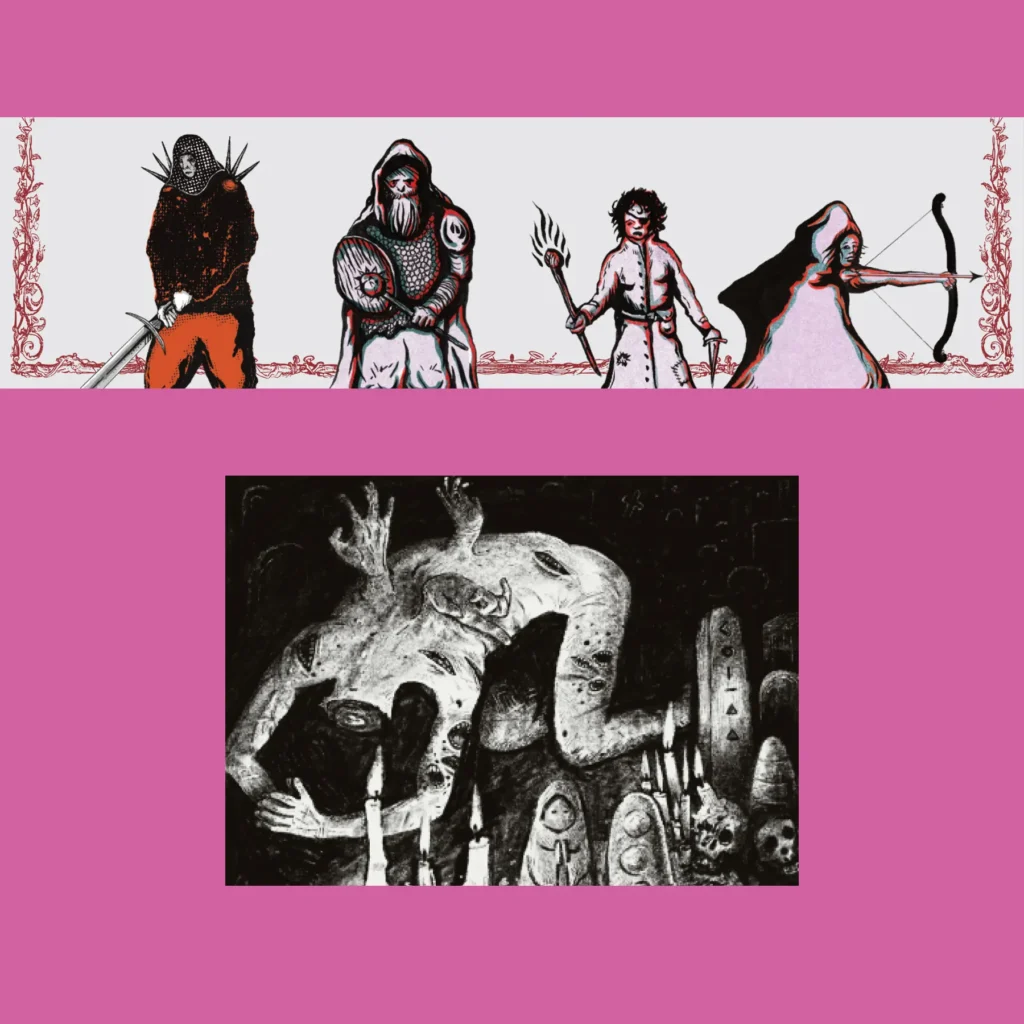
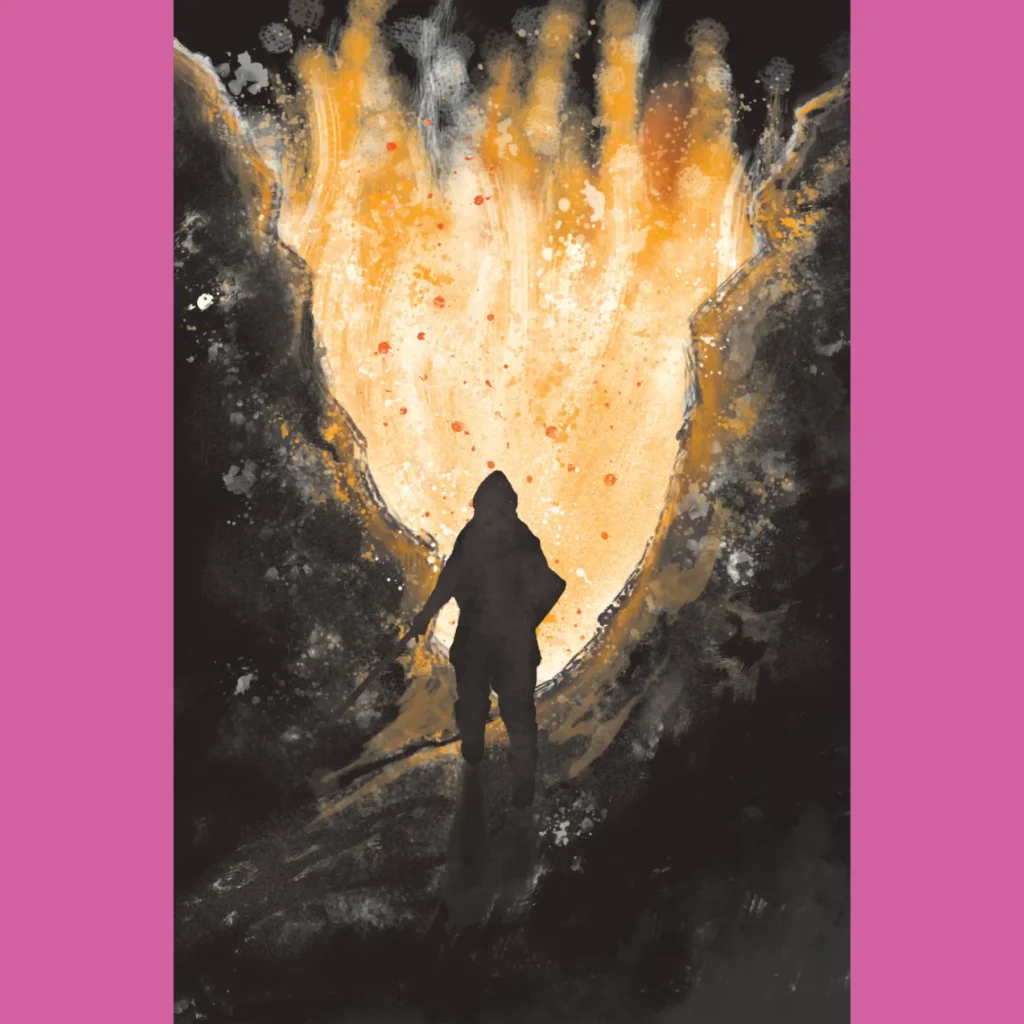
Jedediah Berry has been on my radar for over a decade; I first encountered his work in the form of The Family Arcana, a gothic yarn split across a poker deck that can be shuffled and reshuffled to tell the same story over and over again but also never the same way. I’ve been waiting impatiently for him to start making RPG material. It was inevitable. He got around to it with Dethroners and Psychographia a couple years back, and both those are excellent, but The Valley of Flowers (2023) jumped to the head of the line because it is just absolutely magnificent (and also because he was kind enough to send me a copy).
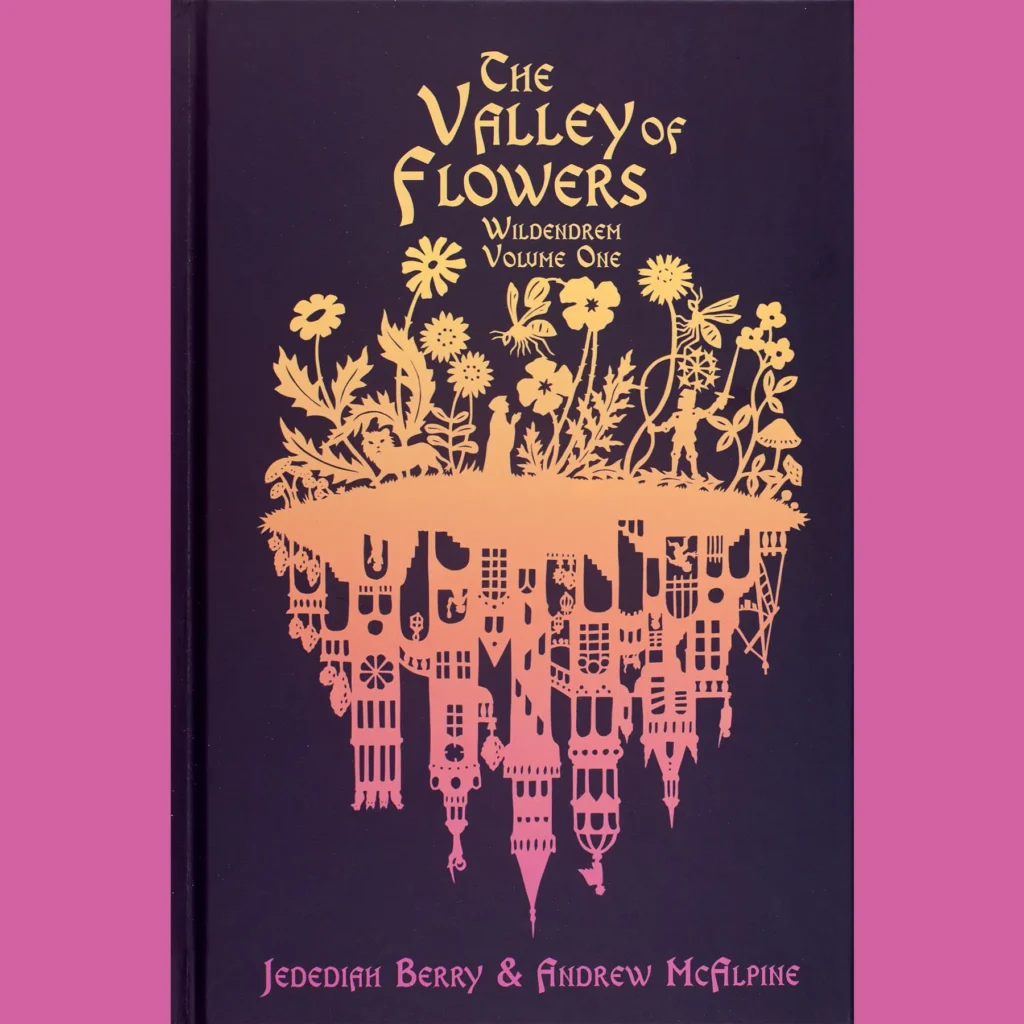
It’s a sandbox/toolkit for exploring an Arthurian kingdom after Arthur’s fall, keyed to Old-School Essentials or Cairn. The glories of the past are still on everyone’s mind, but the marks of tragedy are everywhere. It is unclear whether the lingering optimism is natural and many things in the kingdom are strange. It is also unclear whether this has always been the case, or indicates new instabilities. And something is wrong with the sun. The very first page has the table “What is the Sun Doing Today?” Answer for my roll: “Chuckling quietly at scenes of misery, folly and bad luck.”
It’s hard to adequately convey the tone, and the scope of creativity that is on display here. It’s fantasy, high and low, neither grim nor bright, strange but never silly or gonzo. There’s a poetry running through everything, an inner-logic like a dream or tarot card. All crammed into five hexes packed with points of interest, dungeons and a whole shining city. Each hex overview provides six NPCs, six rumor and a table of encounters, all of which provides ample fuel for adventure without the detailed information on the locations. There are giant golden centipedes in the woods and you can follow them to find treasure? Sure, sign me up. Or maybe I am running away as fast as I can, I can’t decide.
That’s the thing with this book. It beguiles, even as it endangers. I want to see the wonders of Wildendrem, but there is something unseemly about the risk, the way that change or transformation can be more devastating than death. It’s heady. Berry and co-author Andrew McAlpine have discovered something special here.