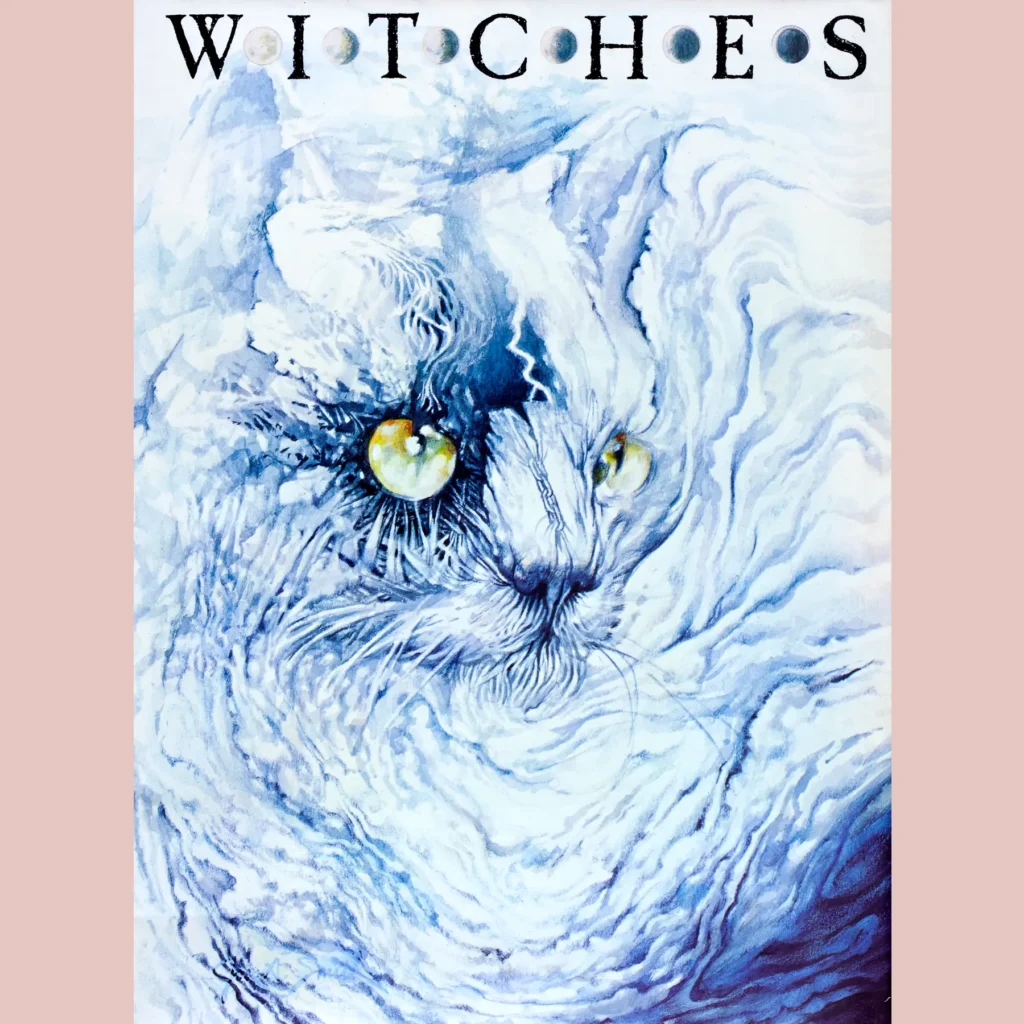
Sometimes, even though it looks like a duck and quacks like a duck, it ain’t a duck. Such is the case with Witches (1981), by Erica Jong and illustrated by Jos. A. Smith. It’s got the white cover, it’s full of gorgeous art, it’s the right size, it even takes the same basic approach as David Larkin’s series of books on fantastic folk (Gnomes, Faeries, Giants), but weirdly, it’s a separate thing. It’s even published by Abrams! So odd, but then, speaking from experience, the publishing world doesn’t always make a lot of sense.
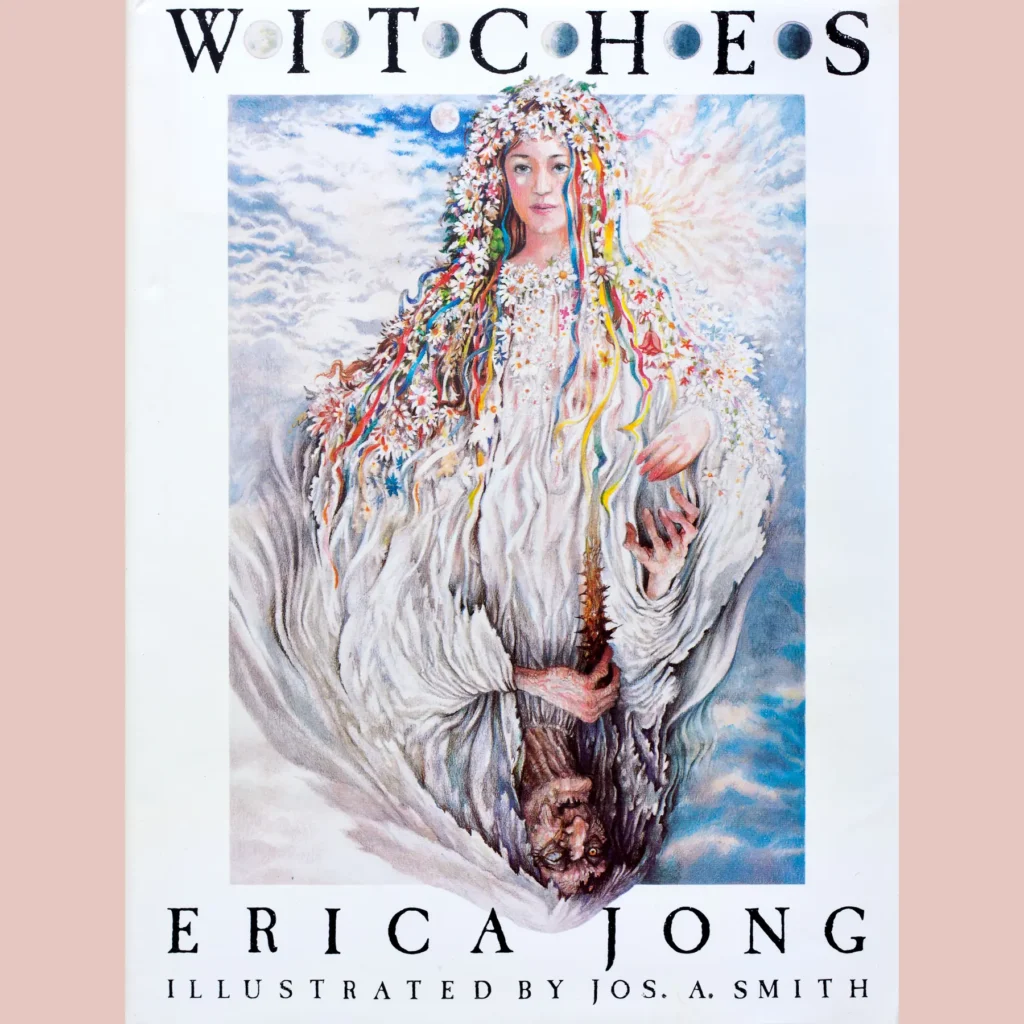
The key difference here, I suppose, is that while Gnomes and company present their obviously fantastical subjects as at least nominally true, they are very clearly works of fiction. Witches isn’t overly concerned with presenting a cohesive, fantastical portrayal of witchcraft; rather it ponders both the folklore and its real-world implications, through a lens of second wave feminism. Despite this, it’s only marginally less fictional than Gnomes, though — Jong takes Margaret Murray’s largely debunked assertion of the existence of a secret, cohesive European witch religion, as laid out in The Witch-Cult in Western Europe (1921), as fact. This muddies her central thesis that the persecution of women and outsiders by patriarchal power is more about their being women and outsiders than being witches. Which, yes, probably. But that argument seems ill at ease both with the idea that witches might have been part of an old religion (innocent enough) and the recounting of the many (usually negative and scary) aspects of witchcraft folklore. Were they witches? Were they innocent? Is black magic a justifiable mode of resistance in the wake of violent persecution? I dunno! And I am not left with the impression that Jong really does either. I daresay this would have been a better book had Larkin held the blue pencil.
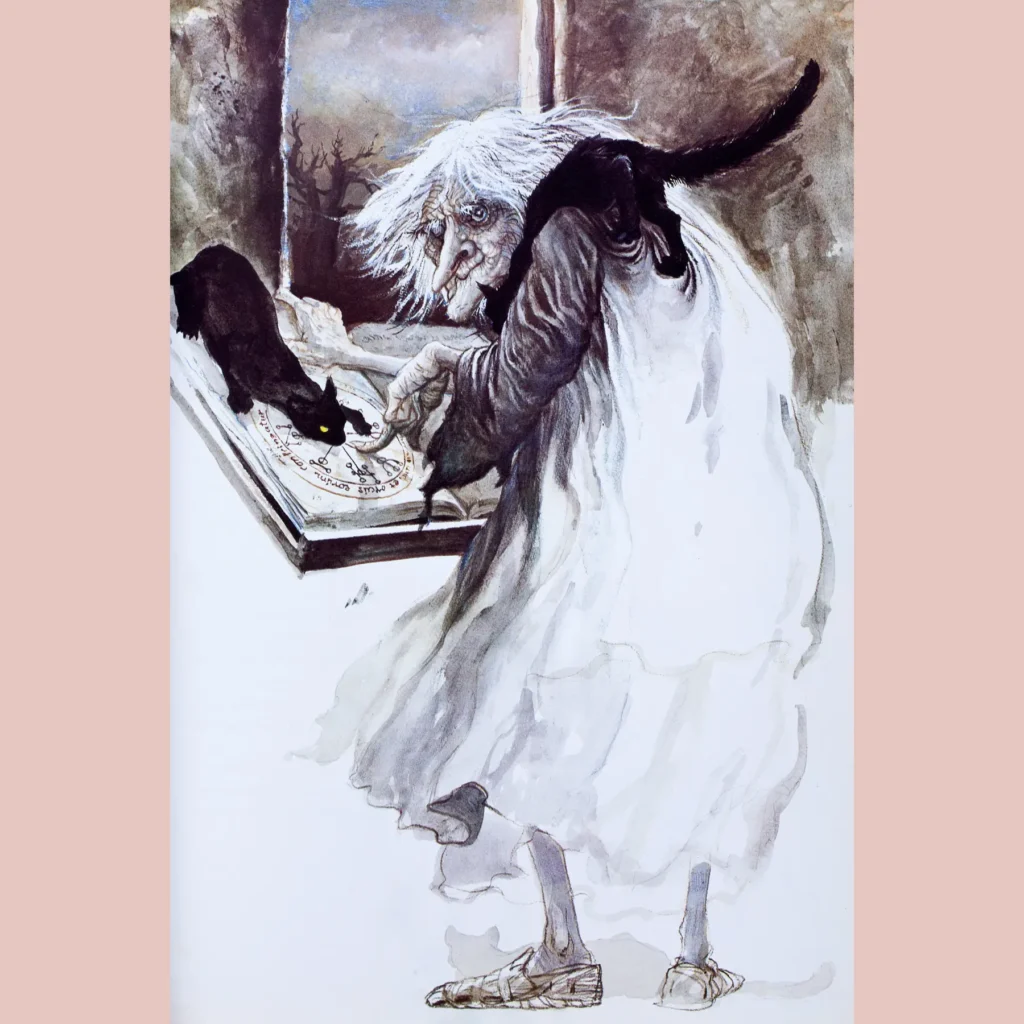
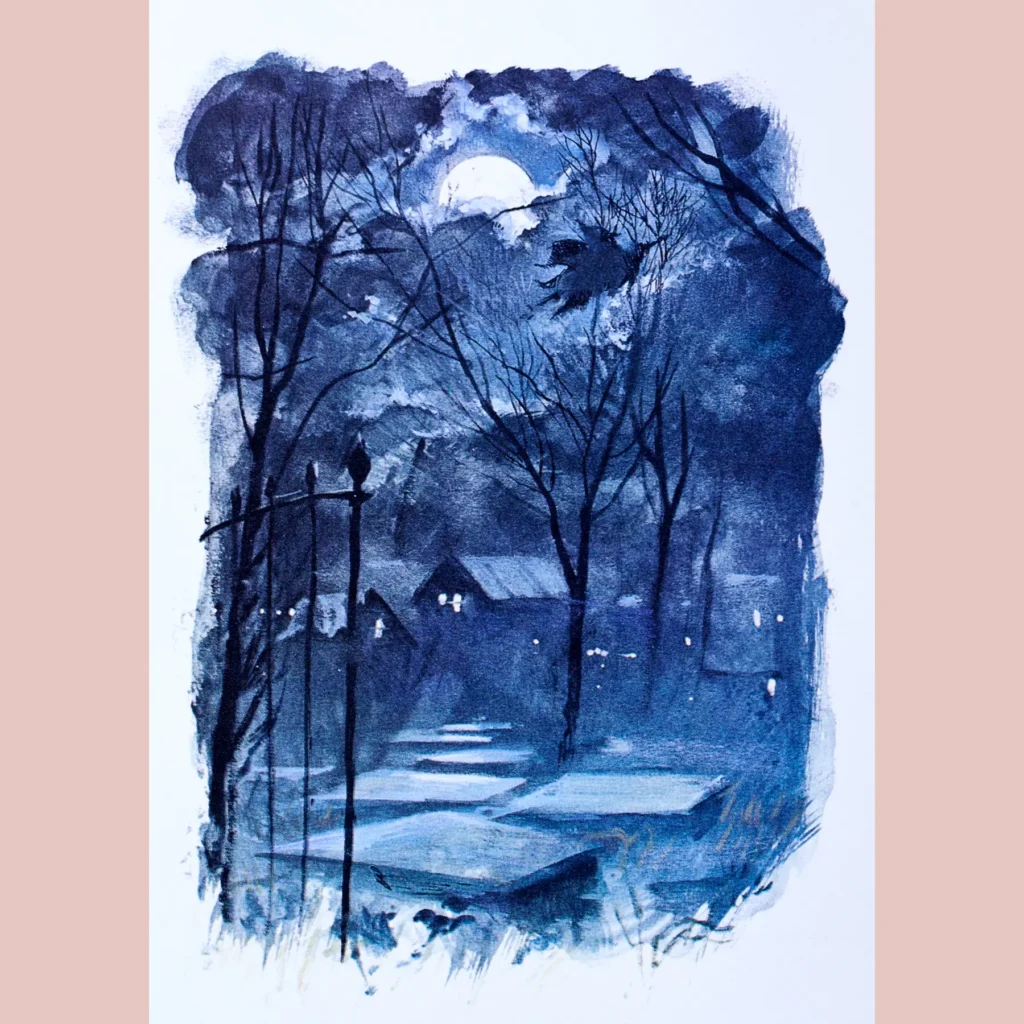
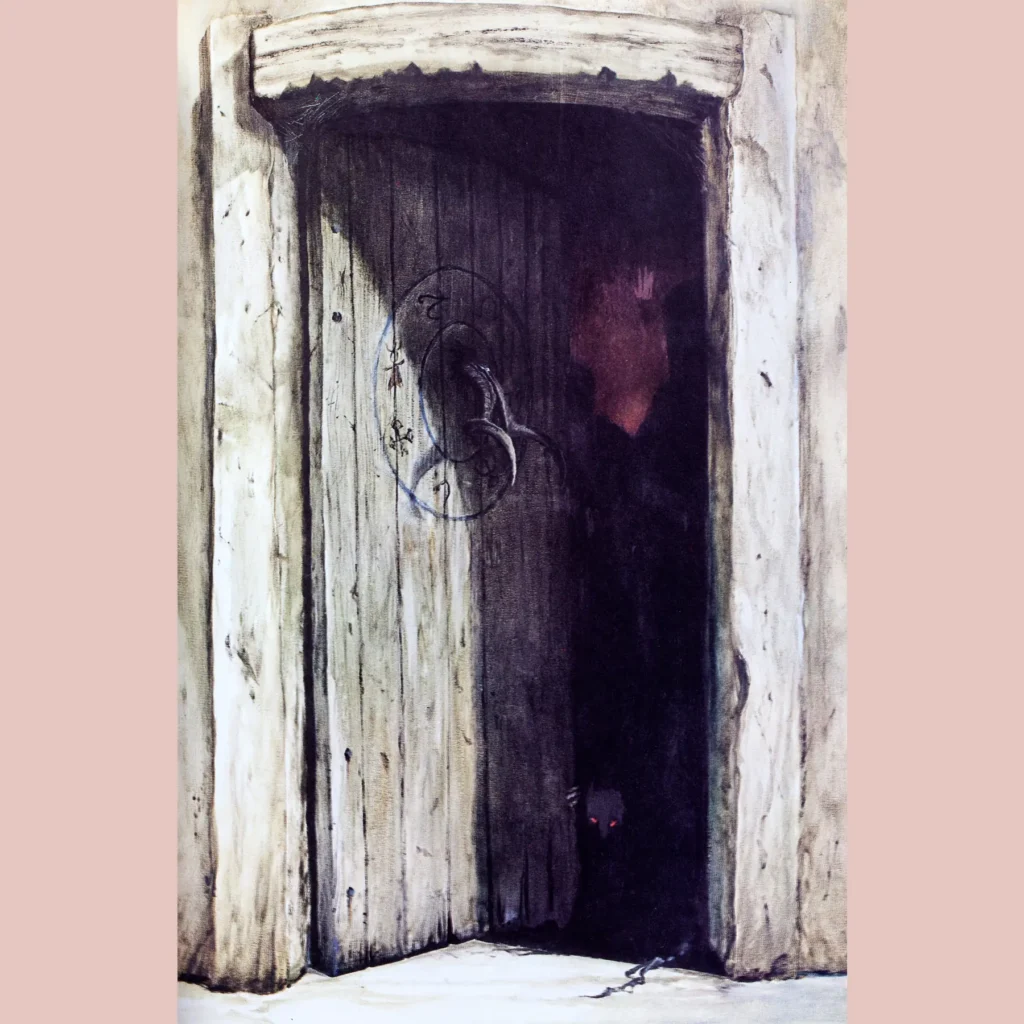
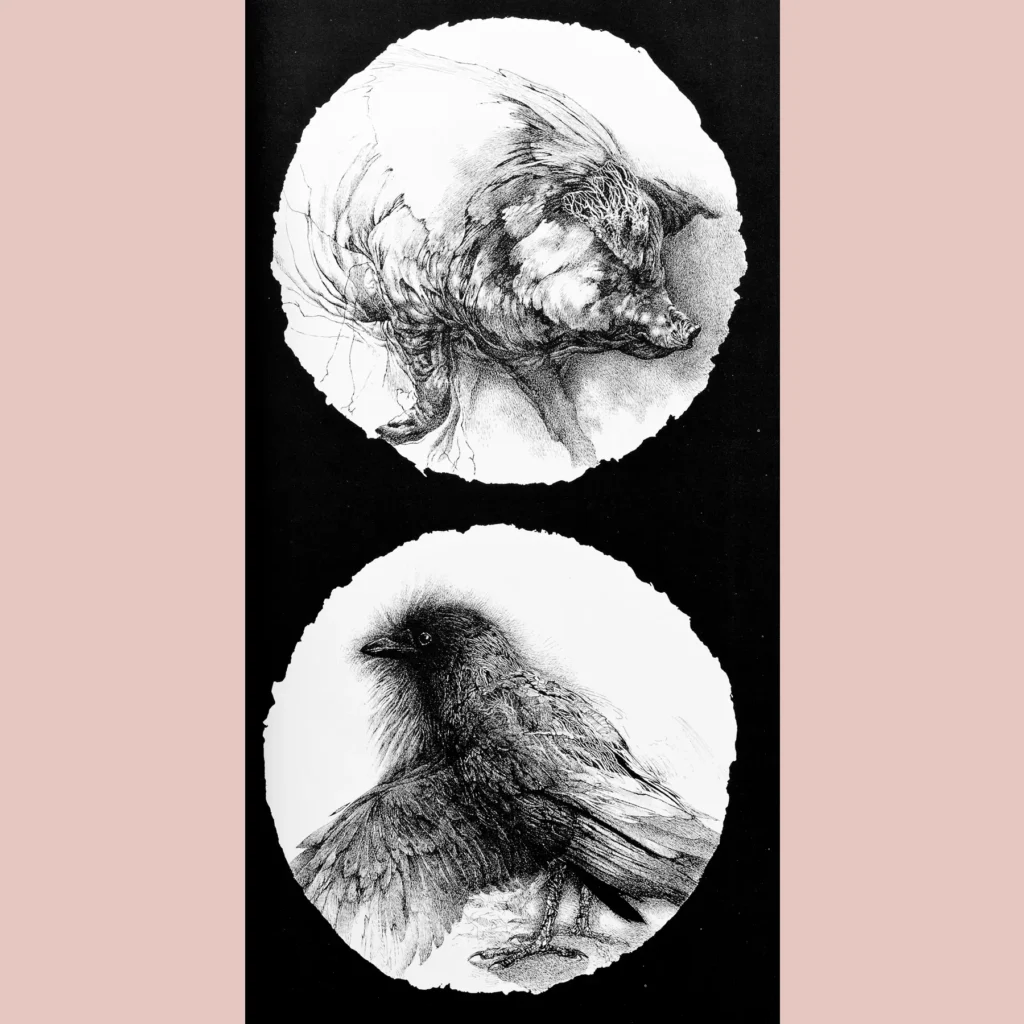
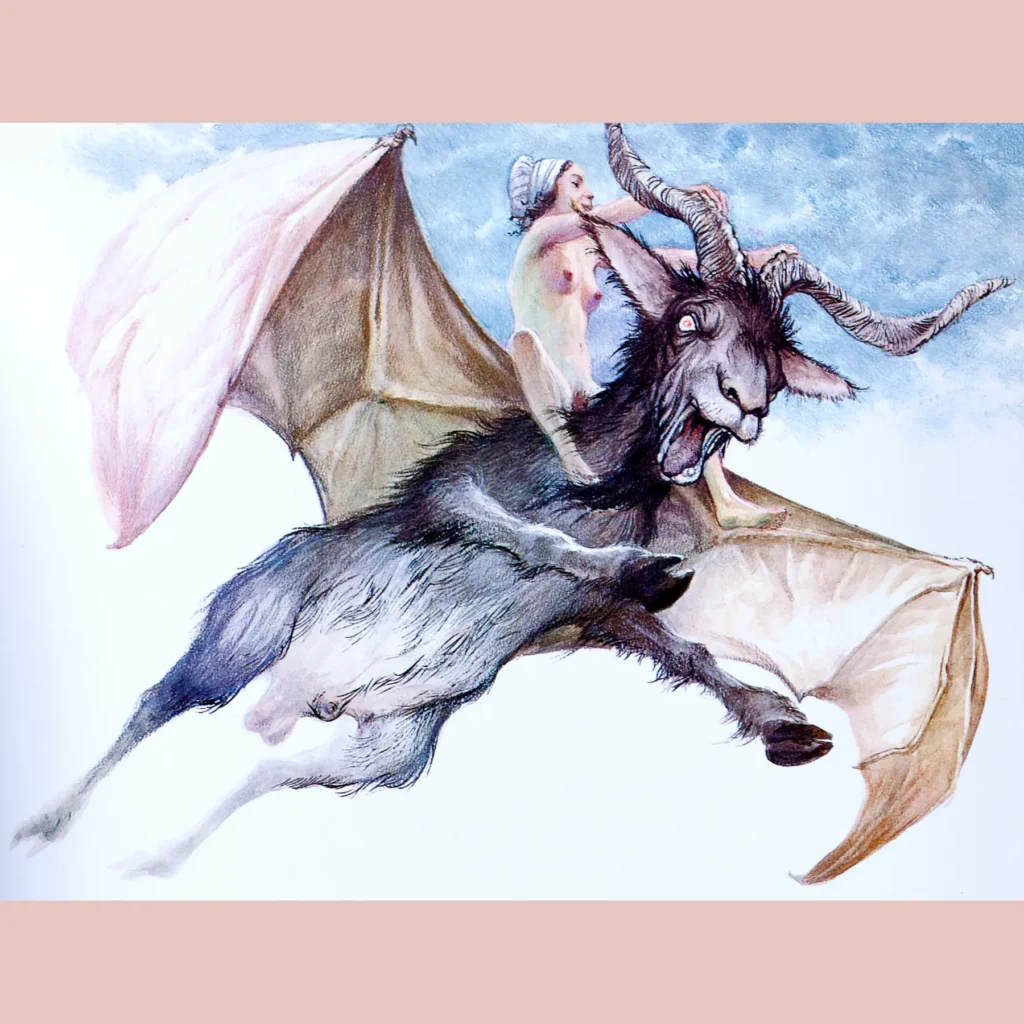
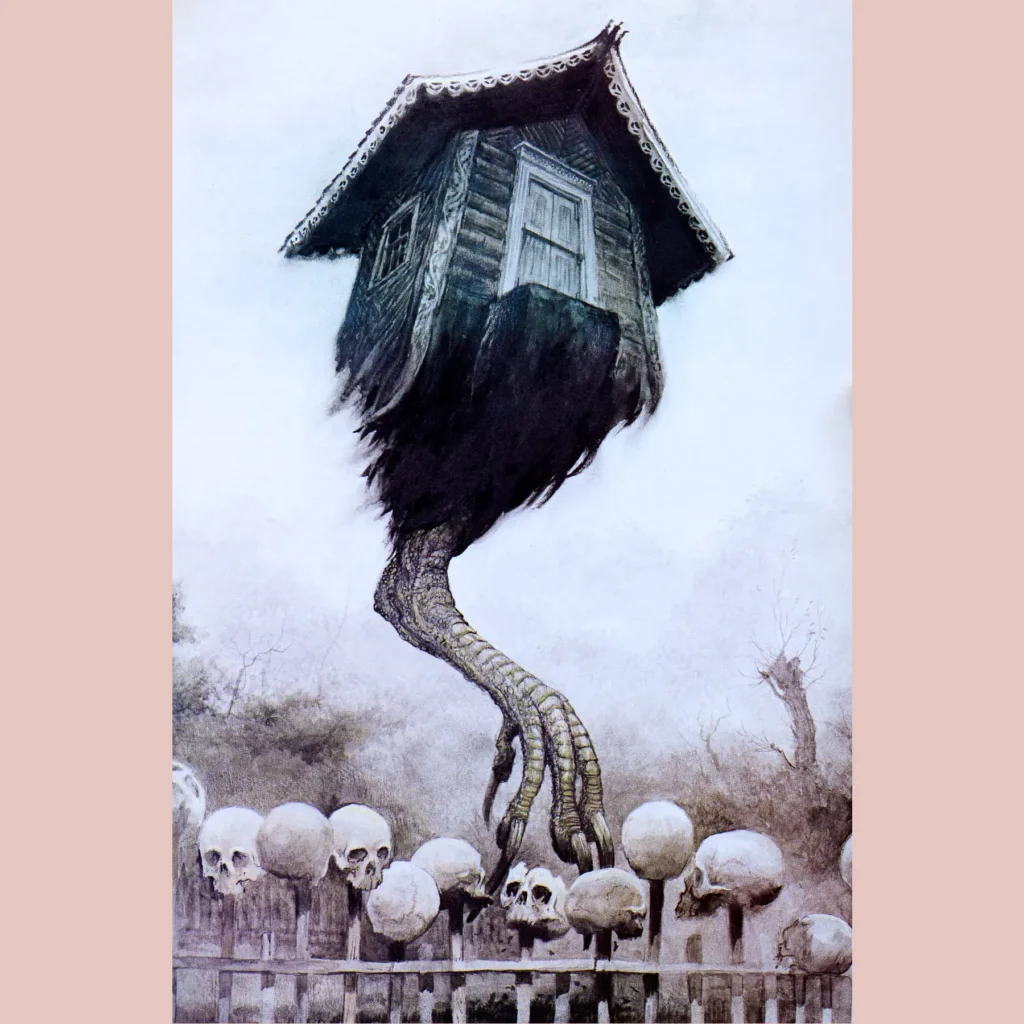
The real star here is Jos. A. Smith, an artist I am primarily aware of via A Creepy Countdown (1998), a picture book my kid likes to take out of the library. His work alternates capably between the bright and the dark, emphasizing the duality of our perception of witches. I detect a certain delight in his paintings of goats and devils, as well.
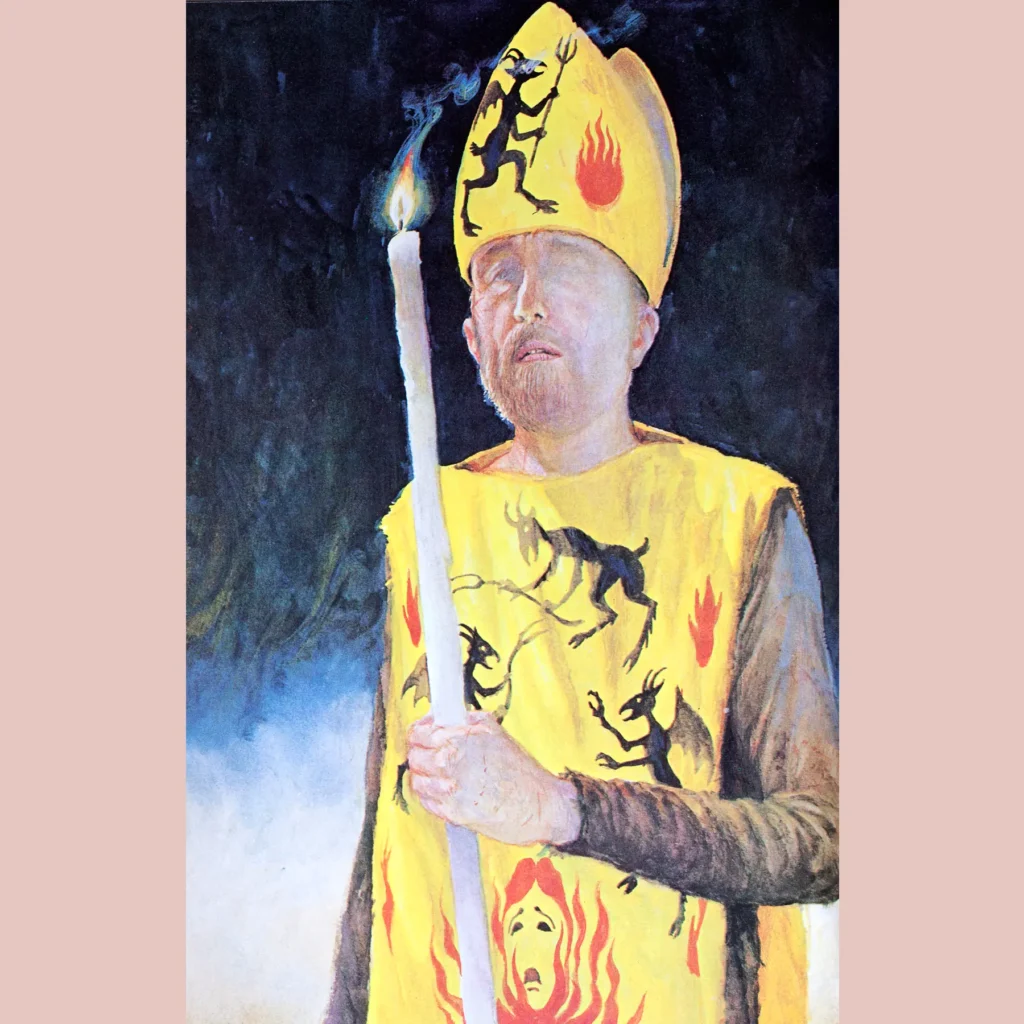
(That one guy’s outfit sure seems to anticipate Gorey’s cover for Devils & Demons, which we saw back in September, right?)