
A while back, someone who hated me sent me practically the entire line of original Millennium’s End books (I kid, it was very nice of them, though I have since lost their name — give me a holler if you see this). This is the core rulebook (1993) and it is somewhat unremarkable, a game about mercenaries in a near-future setting. They characterize this as a techno-thriller, which Wikipedia tells me is a genre that includes the work of Michael Crichton and Tom Clancy. Fair enough. It uses D10s and the skill system is percentile-based. The art…some is better than others. A lot of the proportions of the people are off to the point that you can almost see the mantid aliens hiding under the skin. If I was being generous, I’d say this was a naive attempt to capture something of the elongated proportions in Takao Saito’s Golgo 13, but I am not sure I want to be that generous.
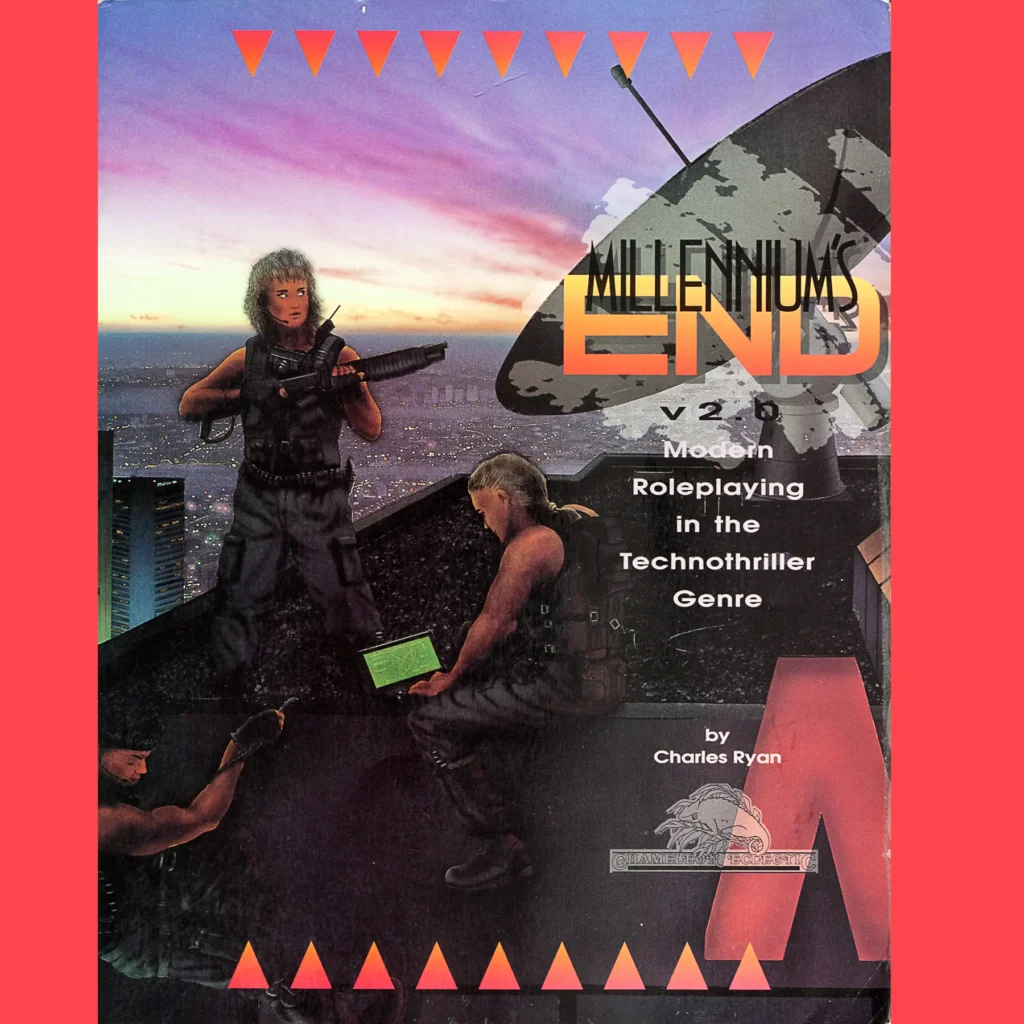
Long-time readers will know that I am fascinated by RPGs that focus on painstaking simulation of firearm combat. I don’t want to play them, I don’t even really want to understand how they work, I mostly want to witness them, to marvel at their existence. These things exist on a spectrum and I have yet to encounter one more punishingly complex than Phoenix Command. But Millennium’s End has long promised if not something greater, then a sort of parallel absurdity. Here’s a sidebar example that is meant to clarify the rules, which I present in order to demonstrate how beyond clarification they are:
Laenna’s stab wound had a Delivered Damage of 8. At home in her living room, she wasn’t wearing any armor, so all of the damage contributes to the wound’s final Trauma Level. The wound is in Body Zone 4, the torso, which has a trauma modifier of 1.4. Laenna is pretty light, with a Mass Factor of 1.2. The GM multiplies the Delivered Damage by the trauma modifier and Laenna’s Mass Factor, getting a 13 (8 x 1.4 x 1.2 = 13.4, rounded to 13). He then consults the Damage Table.
Yea. Not baffling, but far more work than I’ve ever wanted to do to determine a stab wound’s damage. But it gets weirder. To shoot at someone, the player picks a hit-location diagram (max 25 possible locations) that is the nearest match to the target they are aiming at and then places the appropriate aiming overlay on top of it (these vary, primarily by range). The result is determined by finding the amount by which the roll succeeded and cross-referencing it on the overlay. Basically, this additional process can turn hits into misses, which is about the most infuriating mechanic I’ve ever encountered. You’ve already brought randomness in with the dice, why do you need an addition random factor!? (I suppose this does simulate the puzzlement I’ve felt shooting real guns when I missed a target I felt sure I was going to hit, but I can’t imagine wanting to make that part of a game that is at least in theory meant to be fun).
Wildly, people seemed to have liked this game when it came out? Knowing that makes me feel insane.
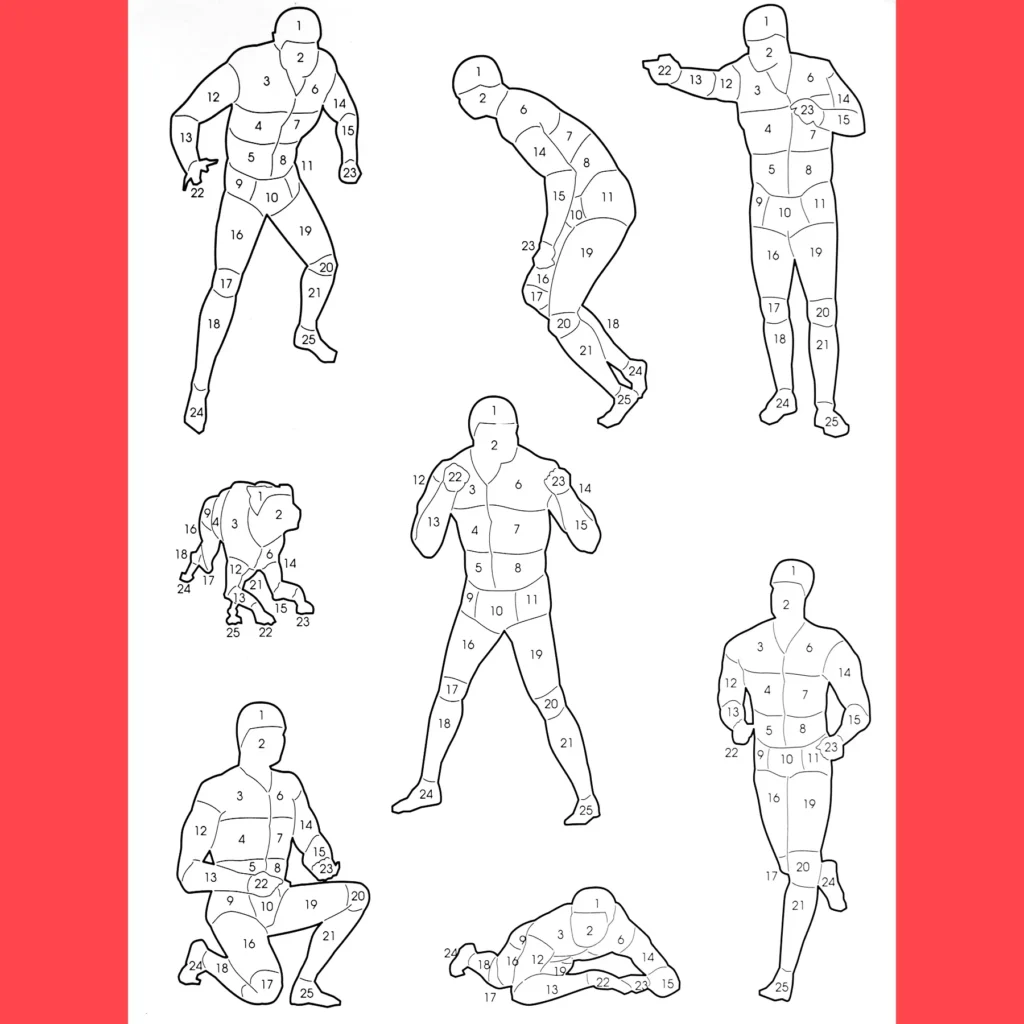
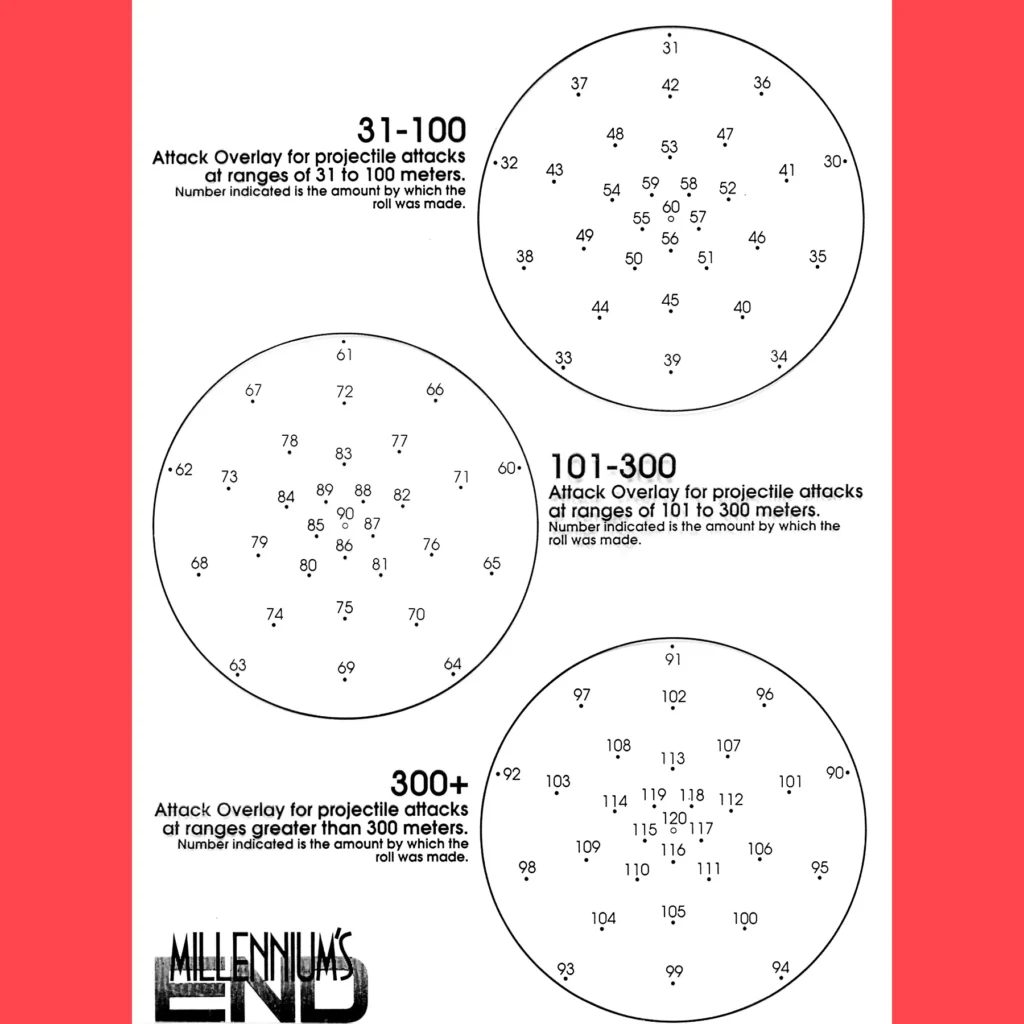
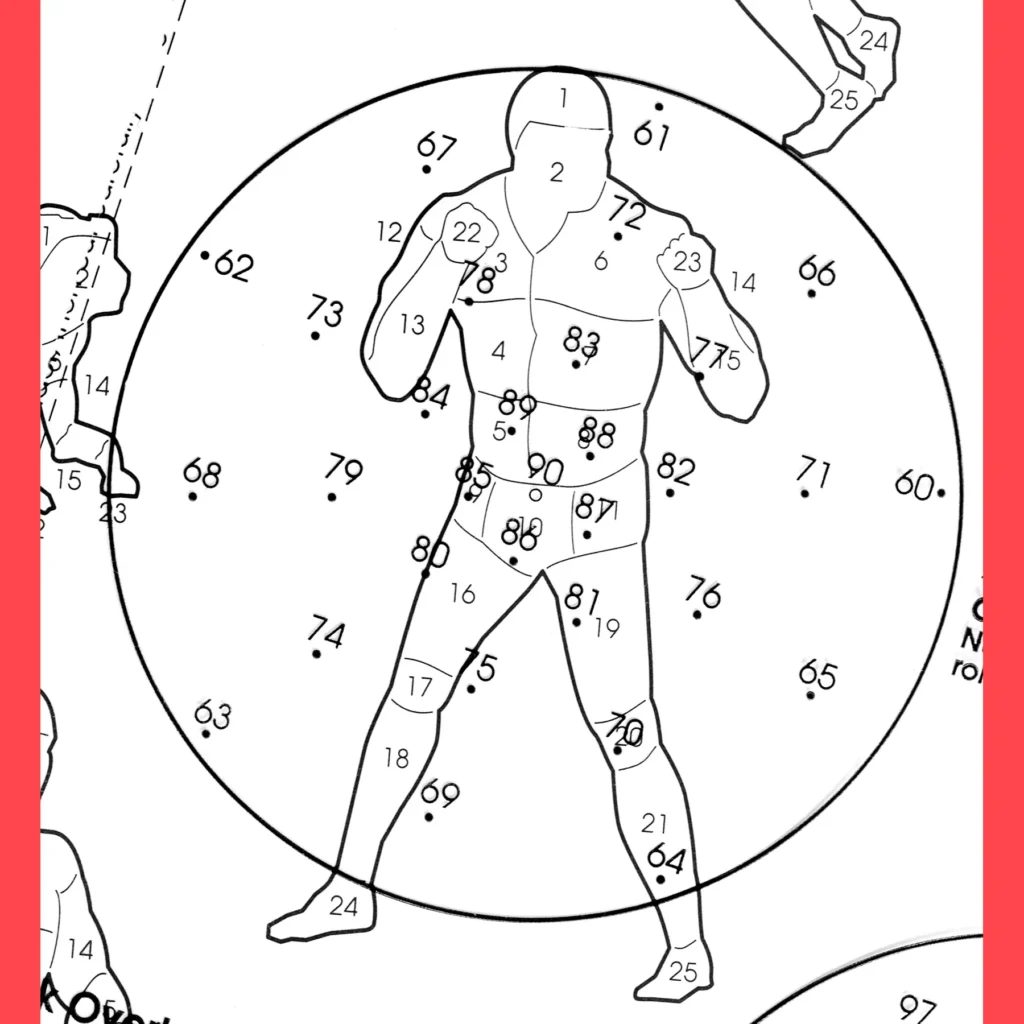
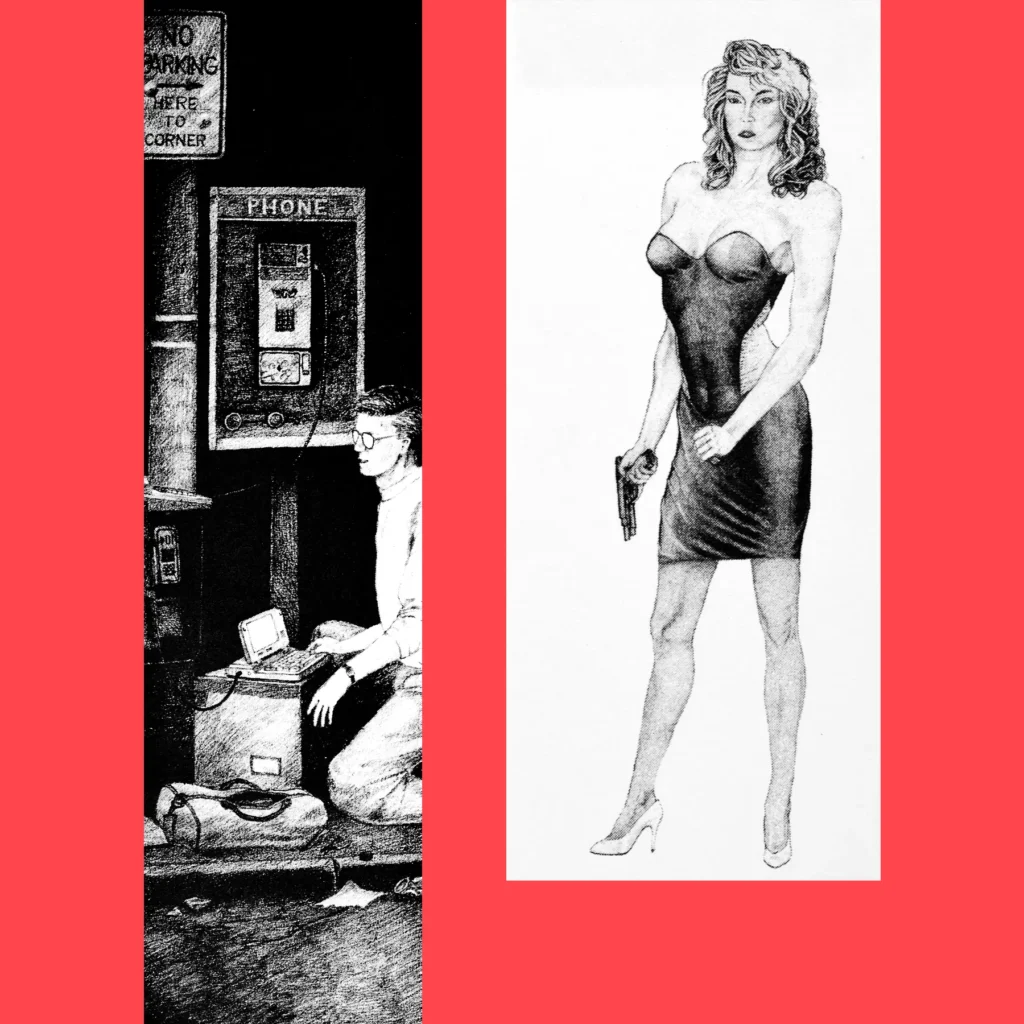
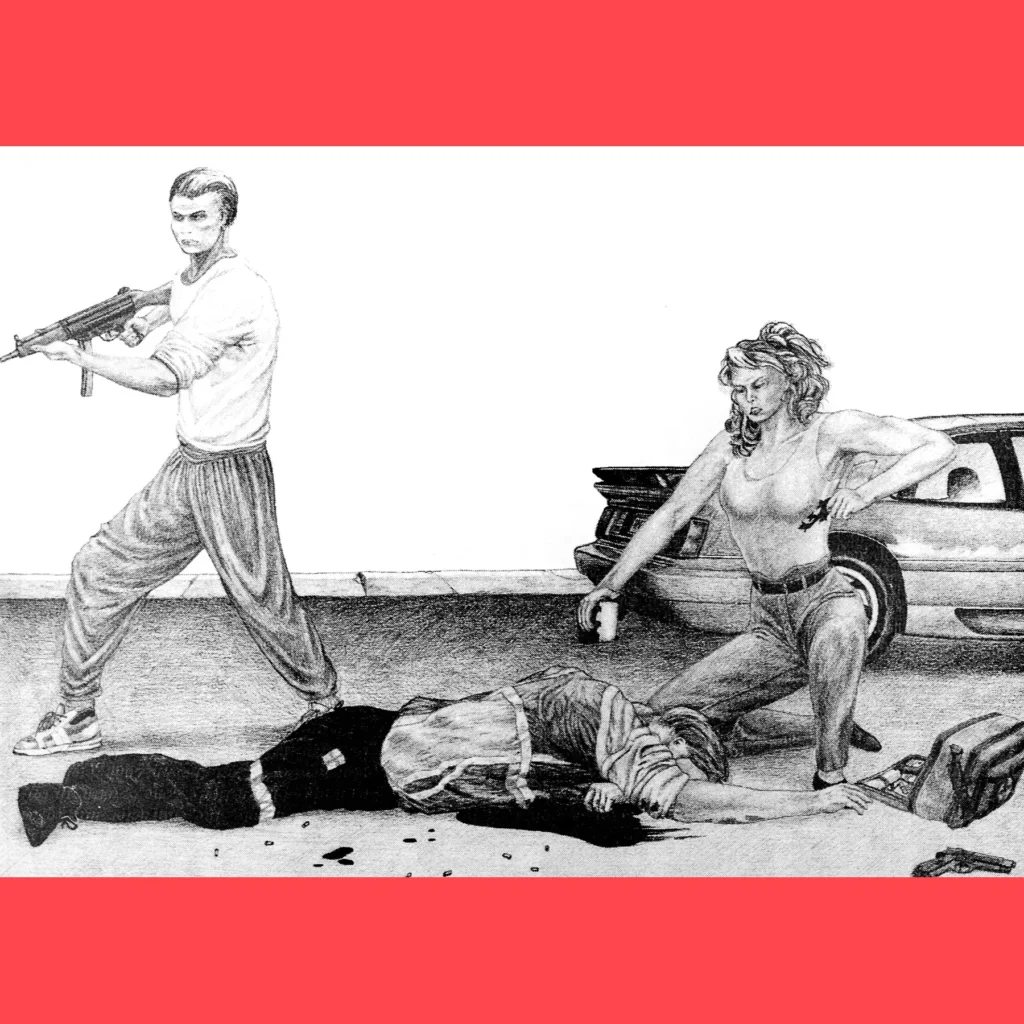
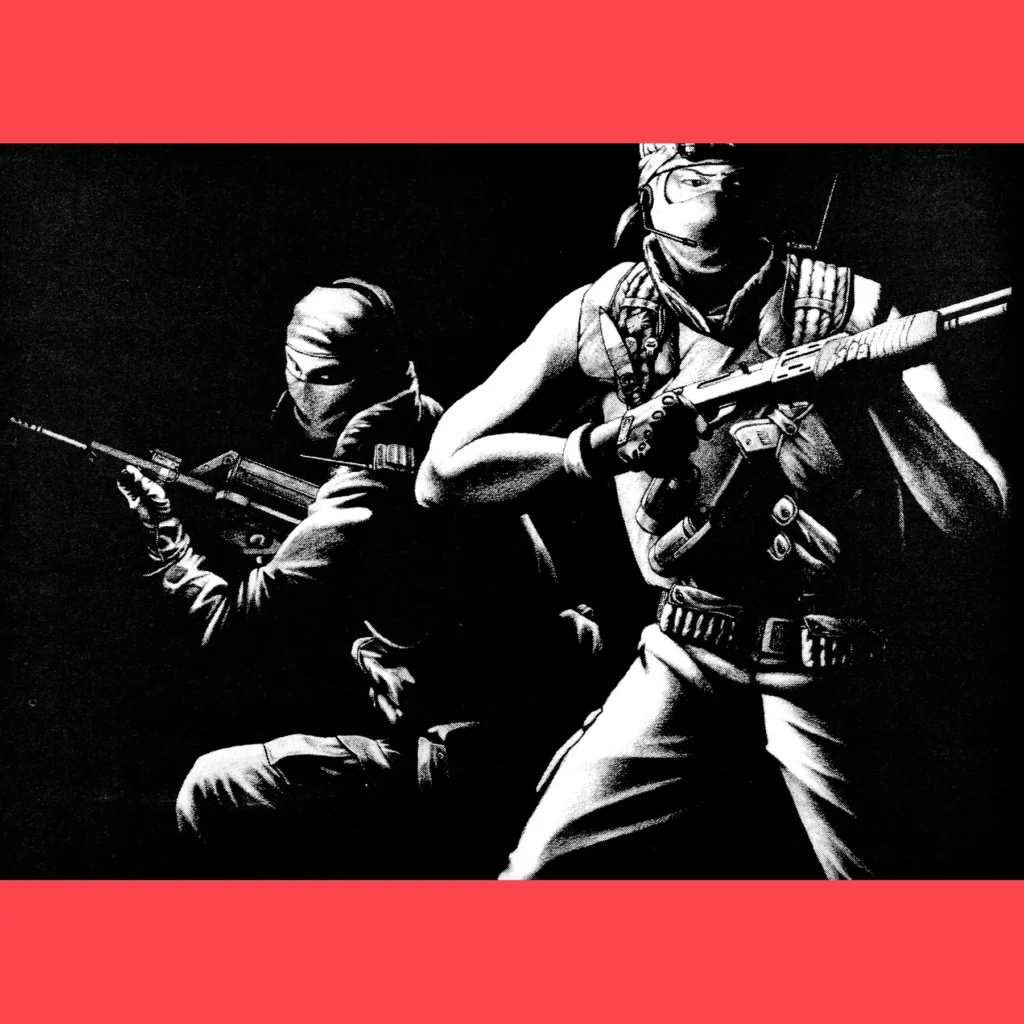

My hate knows no bounds. Well, some bounds apparently.
Hahahaha thank you for the gift of psychic damage.
I’m convinced that nobody actually played ttrpgs in the 90s. They just read rulebooks. (This despite the fact that I somehow did play some ttrpgs in the 90s.)
How does this compare to ARIA and C°ntinuum? They are my two yardsticks for impossibly dense nigh unplayable games.
“Knowing that makes me feel insane.”
😂😂😂😂😂😂😂😂😂😂😂😂😂😂