|
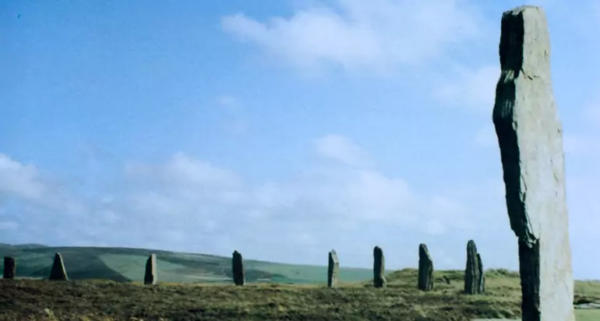
I have had a low-lying obsession with standing stones basically since I learned Stonehenge existed when I was a kid. This week of posts is going to be pretty good evidence of that. I don’t have a very good explanation for my fascination, aside of the self-evident: they are old and mysterious and we don’t have standing stones in New Jersey (one of the few failings of this great state). They often figure in stories I like, to various ends, though I also recently noticed that there is a strange lack of standing stones in places I should expect to see them — why does Dracula hole up in an abbey instead of a barrow under a standing stone? Another way: if there were standing stones in Maine, I’d be really puzzled if Stephen King didn’t regularly set scenes in, around and about them. But there are whole periods of British literature where the stones are ignored or taken for granted. There’s one mention of standing stones in the whole of Ivanhoe; I had to scrape for a reference in the poetry of the Romantics and the one I found (“Of Druid stones, upon a forlorn moor,” from “Hyperion,” by Keats) is part of an extended metaphor about the waning powers of Greek gods. You’d think Britain had no history before the Romans got there.
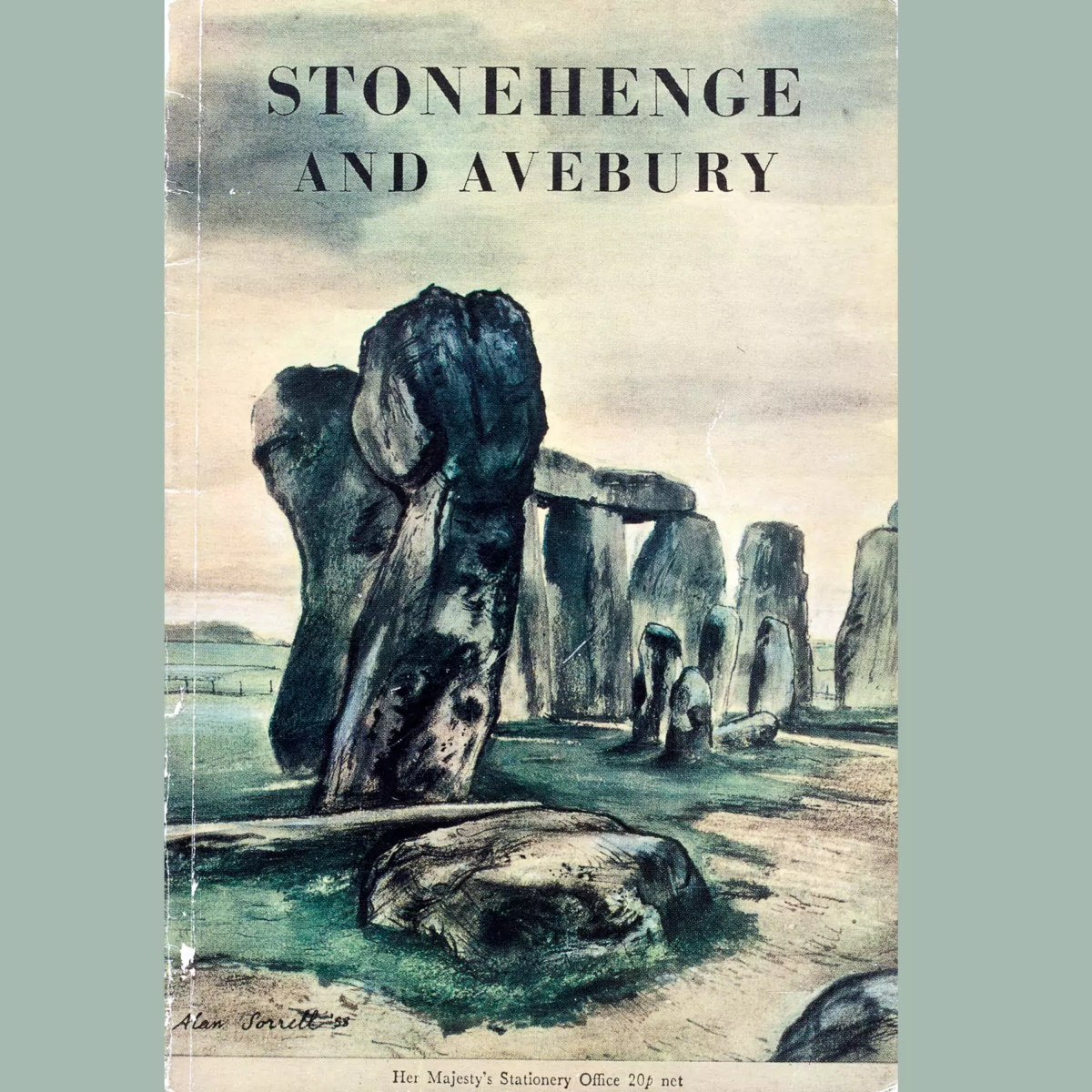
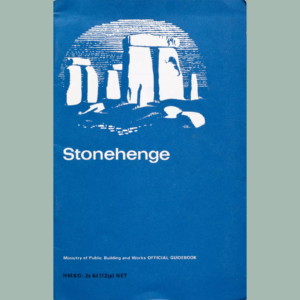
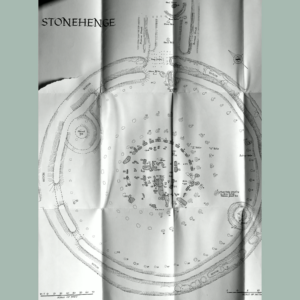
Anyway, these are two tourist books my mom bought on two separate trips to the UK in the ’70s — they’ve been laying around my house my entire life and, though a bit dry, are a good primer on the basic knowledge about Stonehenge, Avebury and a couple other local neolithic sites. Stonehenge (1959, 1970) has a sweet fold-out map and the quote, “…unfortunately called the Slaughterstone. There is no evidence to justify such a name.” I still can still feel the winge of disappointment echoing down from my youth.
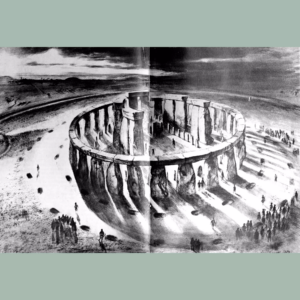
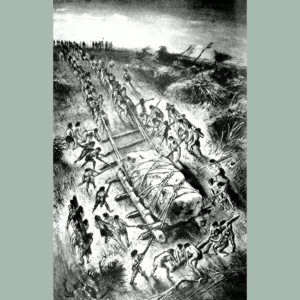
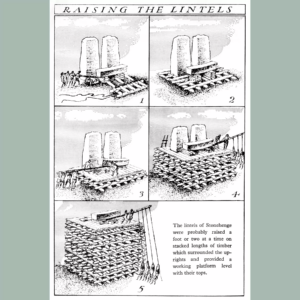
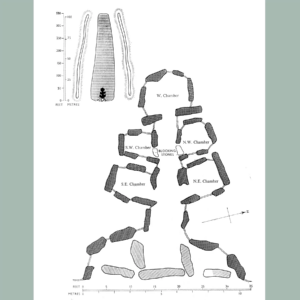
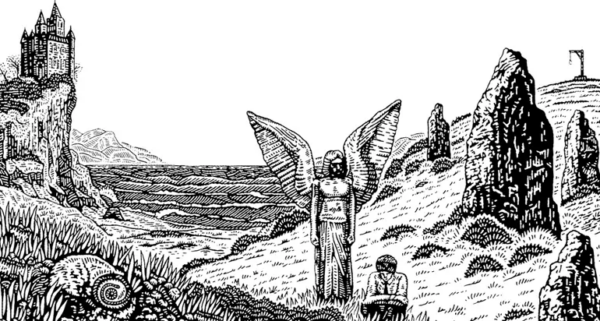
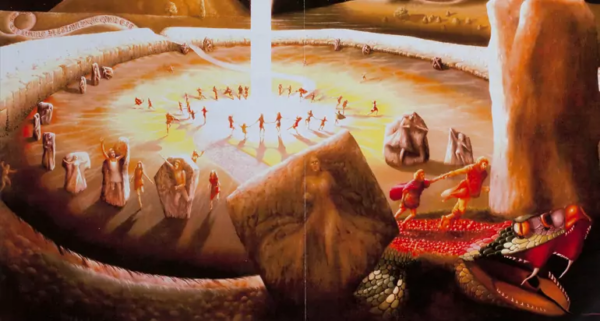
Stonehenge and Avebury (1959, 1973) seems both broader (it hits more sites) and deeper (there’s a lot more speculation about the mysteries of the sites). It has some rad illustrations, too, which I can’t help but wonder if they inspired the painting the figures so prominently in Children of the Stones (stick with me to the end of the week). |