Tunnels & Trolls first came out in 1975, about a year and a quarter after Dungeons & Dragons first appeared, it is literally like the third fantasy RPG. The driving force behind it was Ken St. Andre’s belief that D&D was too complex and too expensive. He’s not wrong and I think you can credit T&T with identifying the desire to strip down that continues in game design to this day.
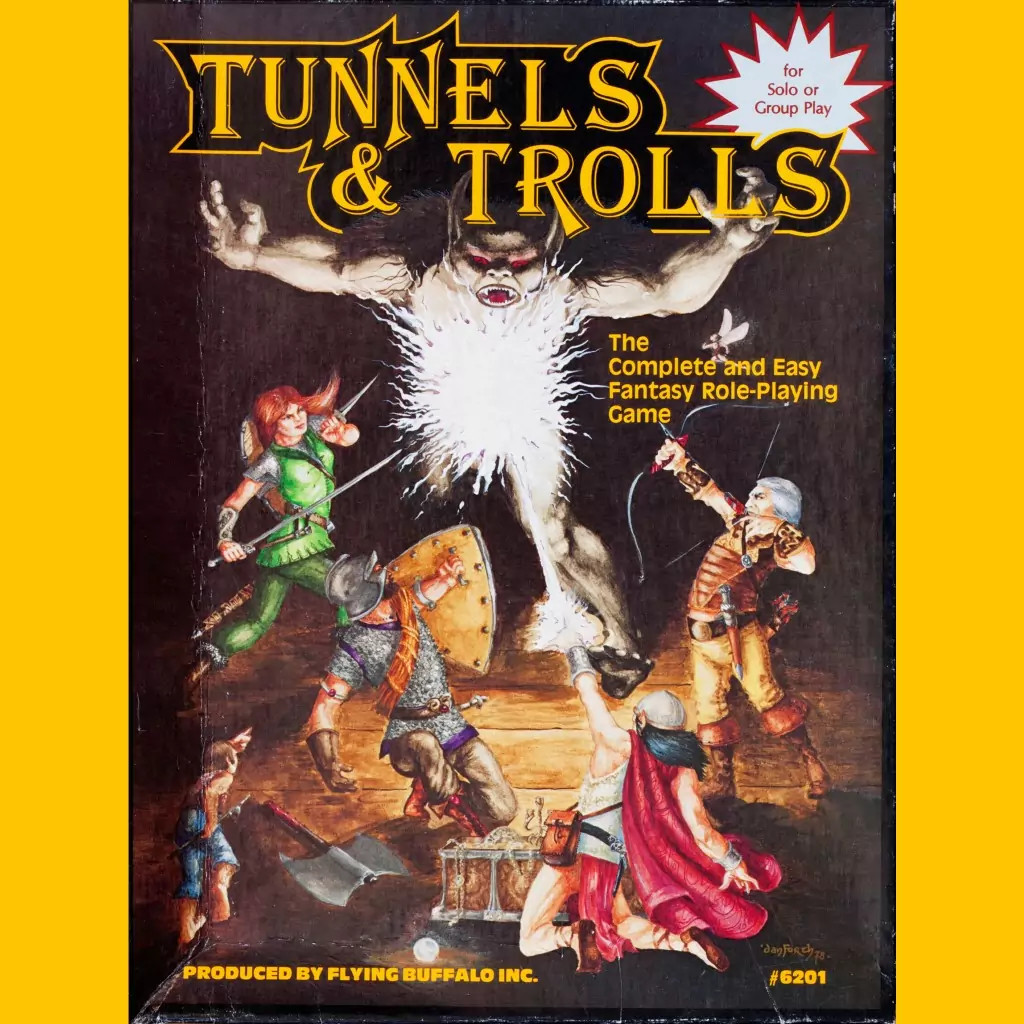
This is the 5th edition (1979), which remained the standard version of the game until a spate of updates starting in 2005. There are two basic classes: warrior and wizard. Combat – both hits and damage – are handled with a single opposed D6 rolls. If the attacker’s number beats the defender’s, the difference is the damage. That’s a heck of a fast path to resolution and, judging from contemporary reviews, a lot of folks mired in the “realism” that was vogue at the time felt that speed and ease meant it was a cruder sort of game. Nothing could be further from the truth!
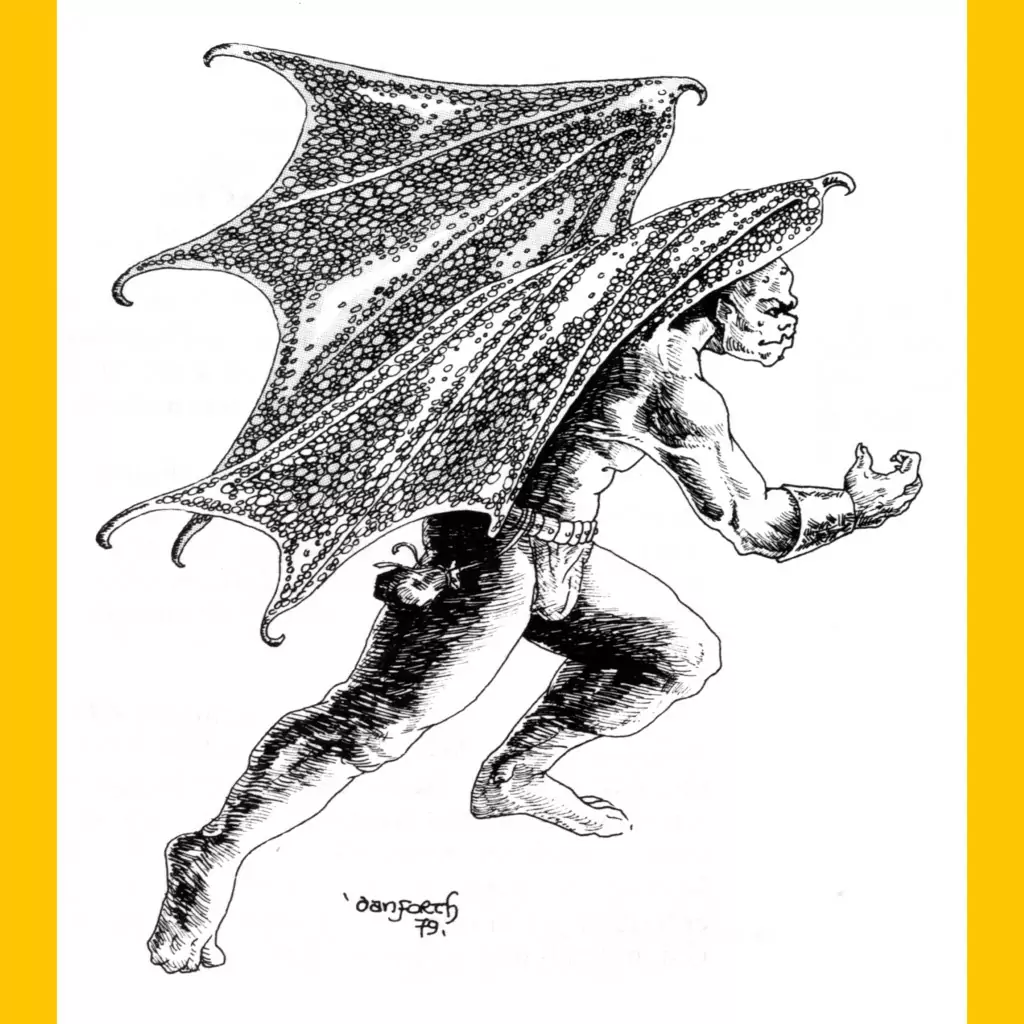
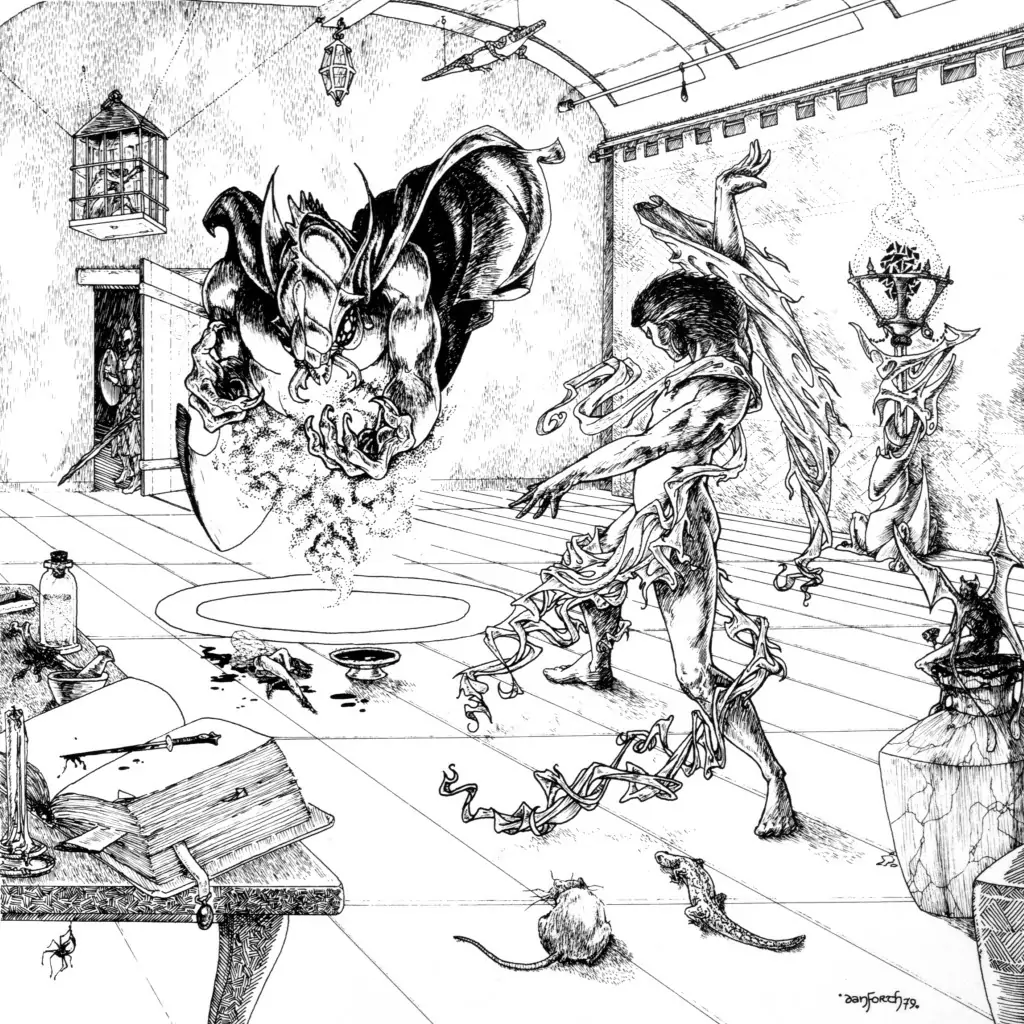
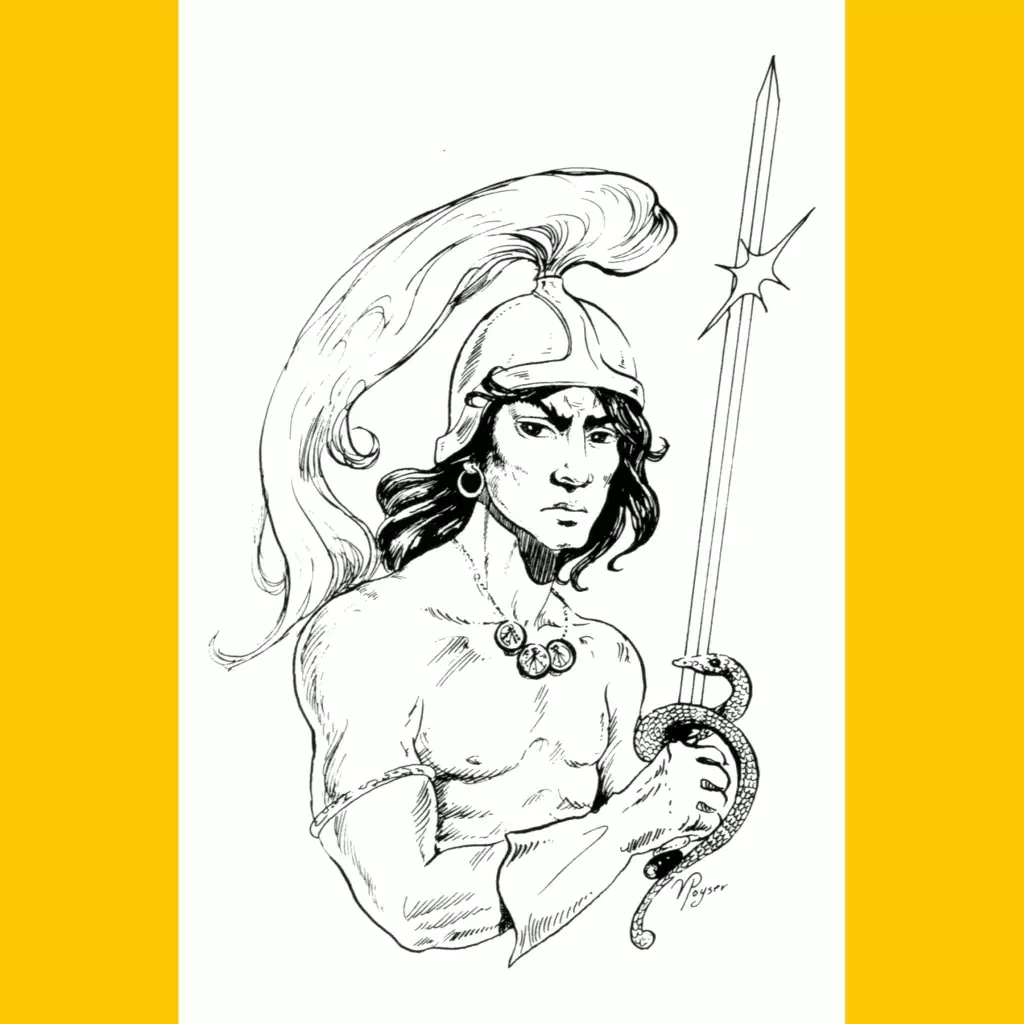
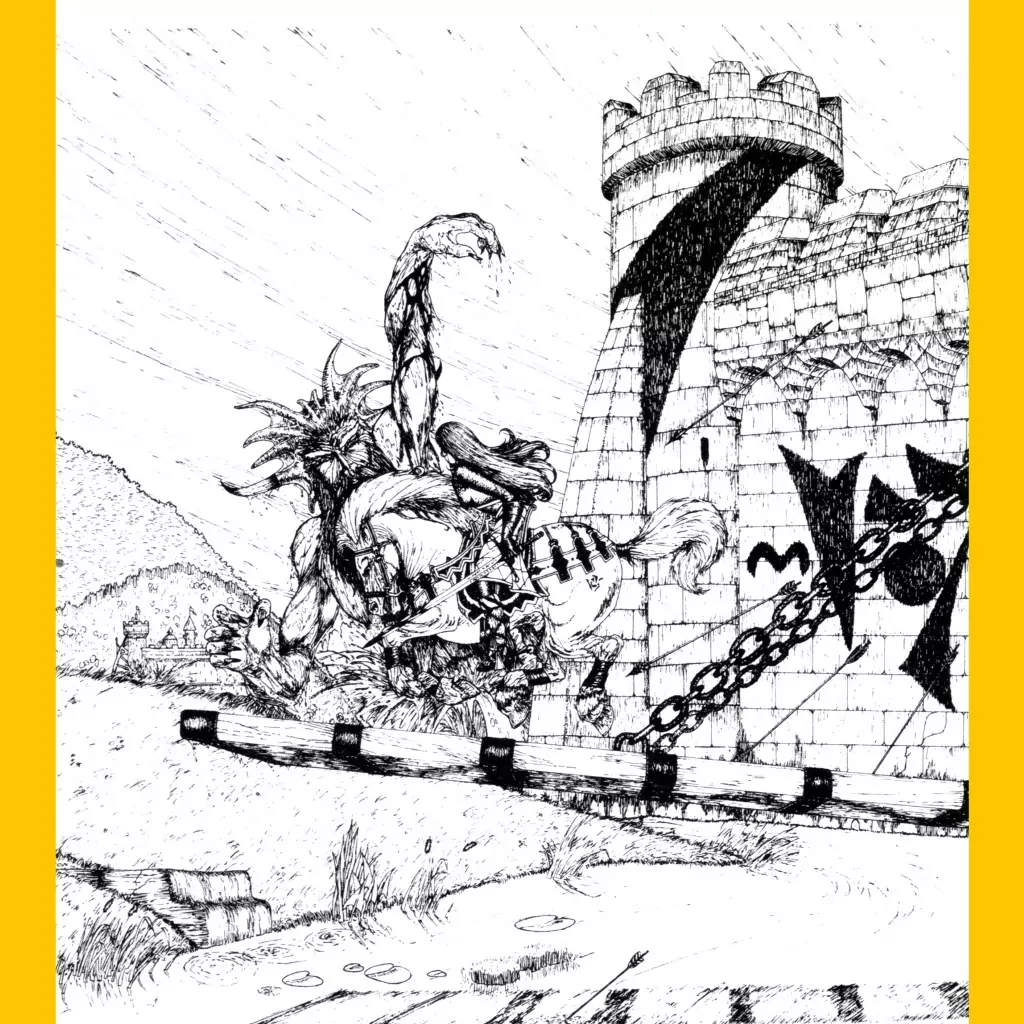
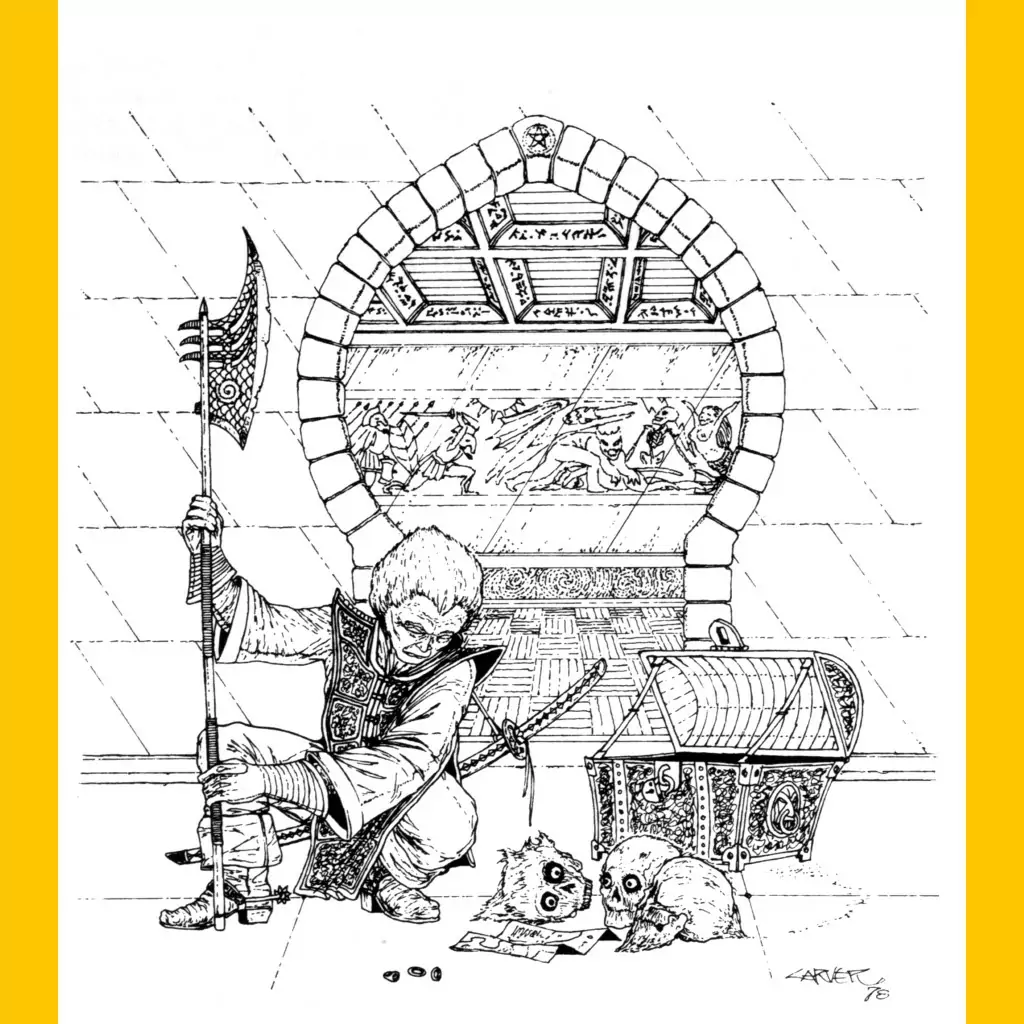
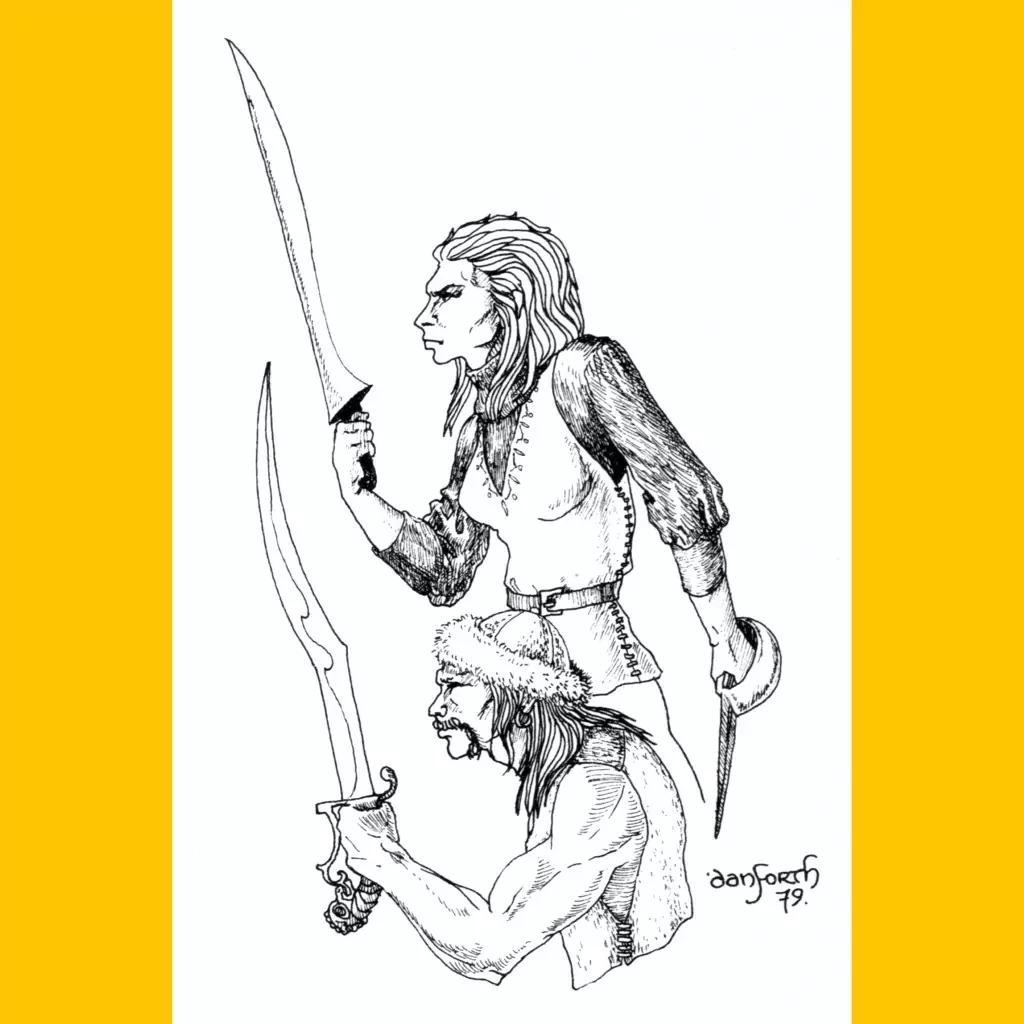
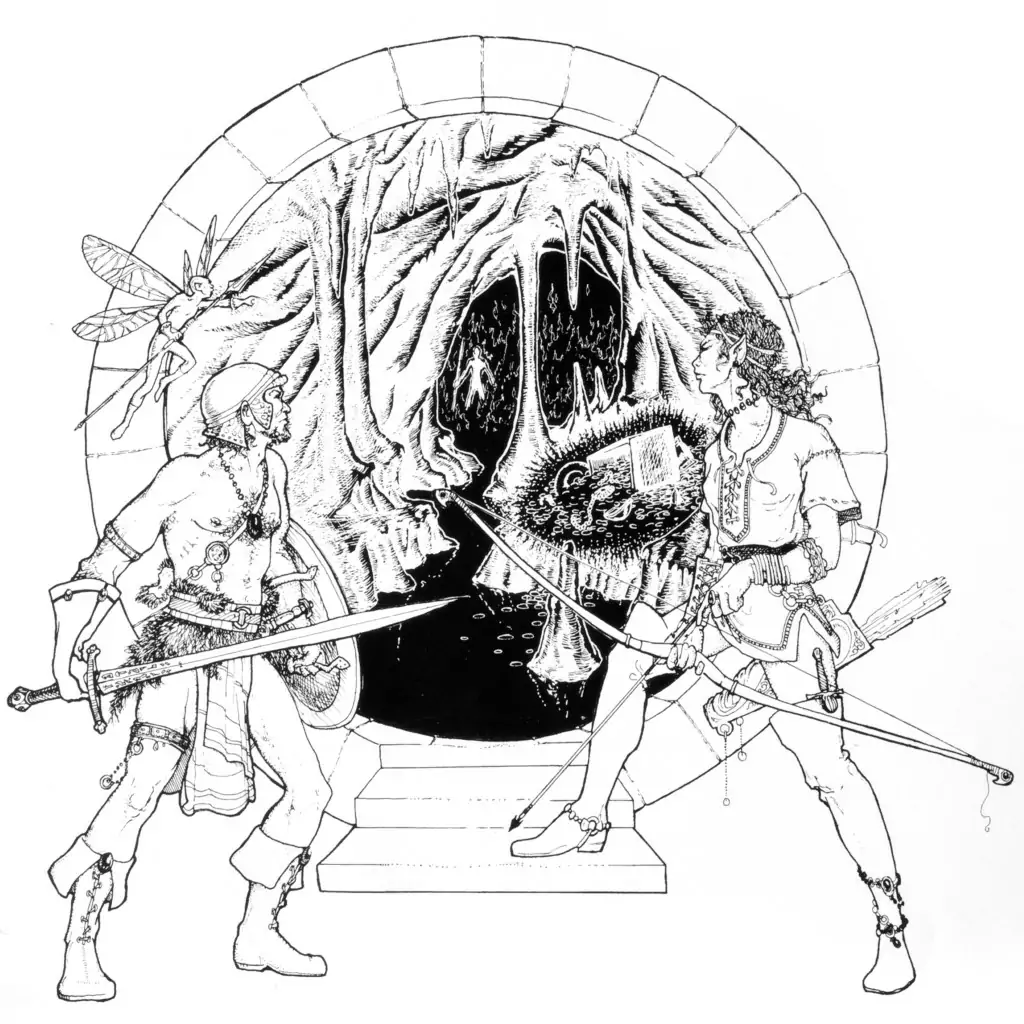
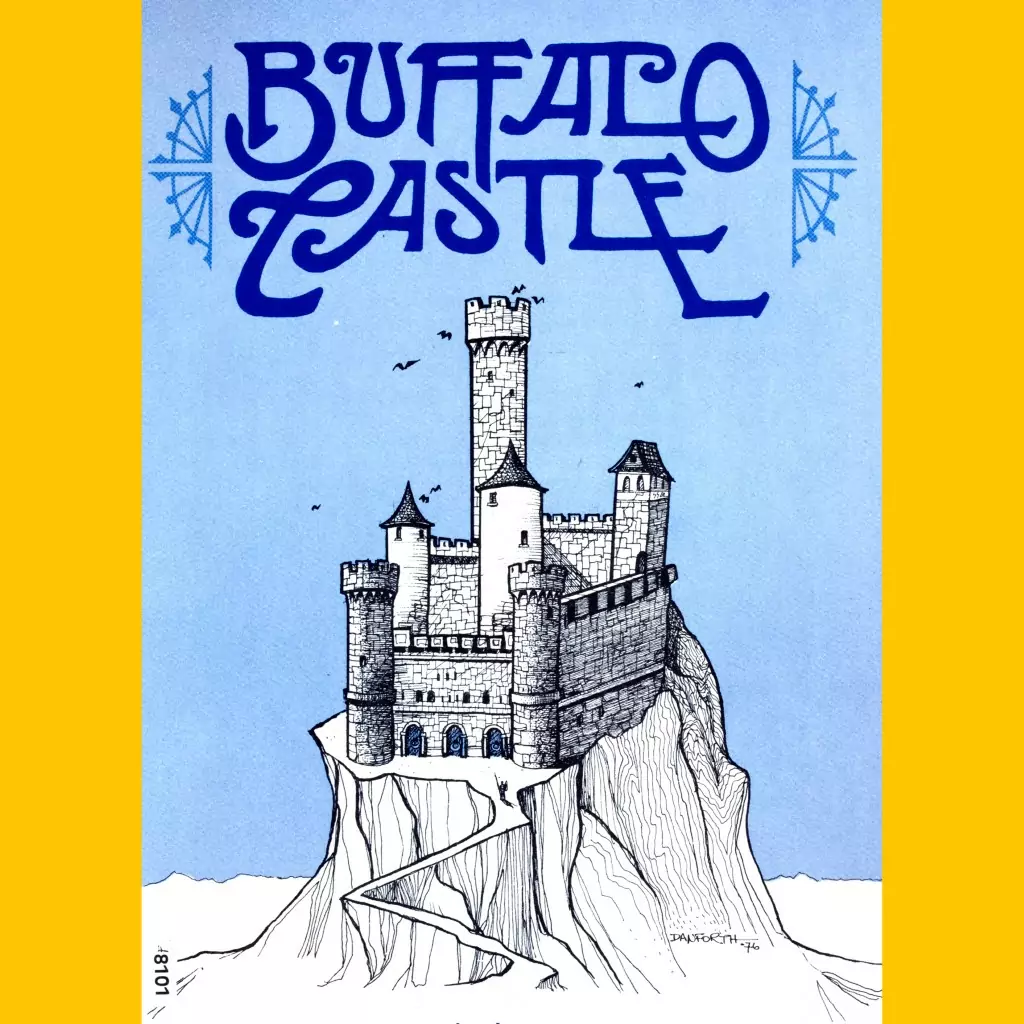
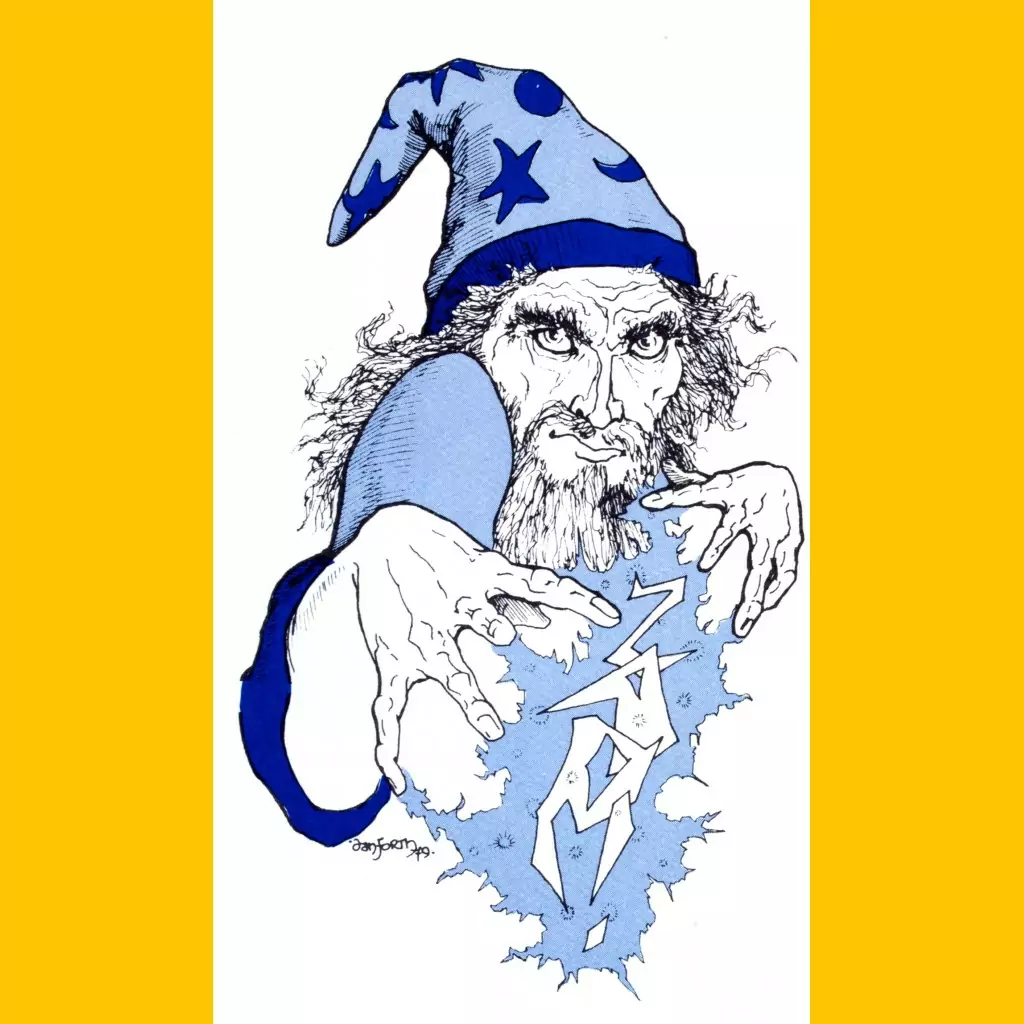
That T&T plays fast is one of its great selling points. Another is that it embraced solo play to the extent that I largely think of it as a solo game first (more on that the rest of this week). Another is the art, which prominently features Liz Danforth (who also served as an editor, I believe), whose art is a bit more raw (pleasingly so) than what I’m used to seeing in MERP books a decade later. There’s also the silly sense of humor that creeps in to T&T – it is a game unafraid of being doofy to get a laugh.
Basically, along with Bunnies & Burrows and Arduin, Tunnels & Trolls was one of the earliest games to identify the fact that D&D was not the only kind of game worth playing.