Daniel Cohen was by far the most prolific author of the books on “the unknown” that peppered the shelves of my local library and school book sales during my childhood in the ’80s. But he was not the only author with a taste for the strange and creepy. There were several, in fact, and as a group, I’ve come to think of them, Cohen included, as a club of monster hunters, chronicling a supposed supernatural world with both a sense of wonder and their tongues planted firmly in their cheeks. I’ve been as just interested in gathering up their output as Cohen’s, so it seems only fair that I give them the same bibliographic treatment.
As with the Cohen list, what follows is cobbled together from research on the internet and sleuthing for details from my own copies. If you have additional information or clarification, I’m all ears! I’m particularly keen to find more biographical information; I’d like to include something along these lines as an appendix in my forthcoming monster book. As with the Cohen list, orange means I own it, black means I don’t, in case you have a copy you’d like to pass along.
Bernhardt J. Hurwood (1929 – 1987)
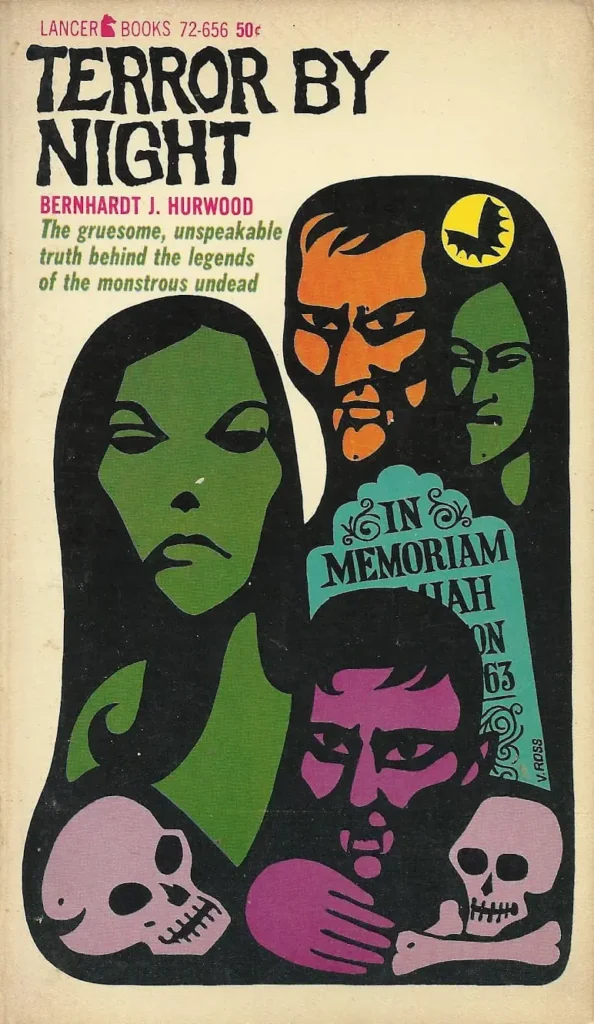
Hurwood’s body of work is…unusual. For starters, they all look similar, with garish, creepy cover paintings that are in line with horror paperbacks of the period. But under those covers is a range of experiences. Hurwood’s first book, Terror by Night, is a serious study of vampires and werewolves aimed at adult readers that doesn’t shrink from the associated violence and sexuality. Which is fine! But nothing really distinguishes it, or his other adult-aimed work, from the lighter fare geared towards young readers, or the horror story anthologies he edited. Further, nearly all his books collecting folklore, for young and old, read like fiction rather than reportage, and often paraphrase horror short stories by established authors. When I pick up a Hurwood book, I never quite know what I’m getting and, when I get there, it often feels more than passingly surreal. Oh, and several were reprinted with different titles and cover art, so what I am getting might be something I already got! So, fair warning when digging into the list below.
Hurwood wrote his own fiction as well (one vampire novel has the amusing tag line: “First there was Interview with the Vampire, now there is By Blood Alone”) and also non-fiction on both technology and topics of intimacy (Joys of Oral Love, 1975, anyone?). These threads came together (er, pun not intended) in his nine-book Man from T.O.M.C.A.T. series of soft porn spy spoofs. Like I said, an unusual body of work!
1963 – Terror by Night (1976 – The Vampire Papers)
1965 – Monsters Galore (fiction anthology)
1966 – Strange Lives
1967 – Strange Talents
1967 – Monsters and Nightmares
1968 – The First Occult Review Reader (edited by)
1968 – Vampires, Werewolves and Ghouls
1969 – The Monstrous Undead
1969 – The Second Occult Review Reader (edited by)
1971 – Ghosts, Ghouls and Other Horrors
1972 – Haunted Houses
1972 – Passport to the Supernatural
1972 – Vampires, Werewolves and Other Demons
1973 – Chilling Ghost Stories (fiction)
1973 – Eerie Tales of Terror & Dread
1975 – Strange Curses
1981 – Vampires
Georgess McHargue (1941 – 2011)
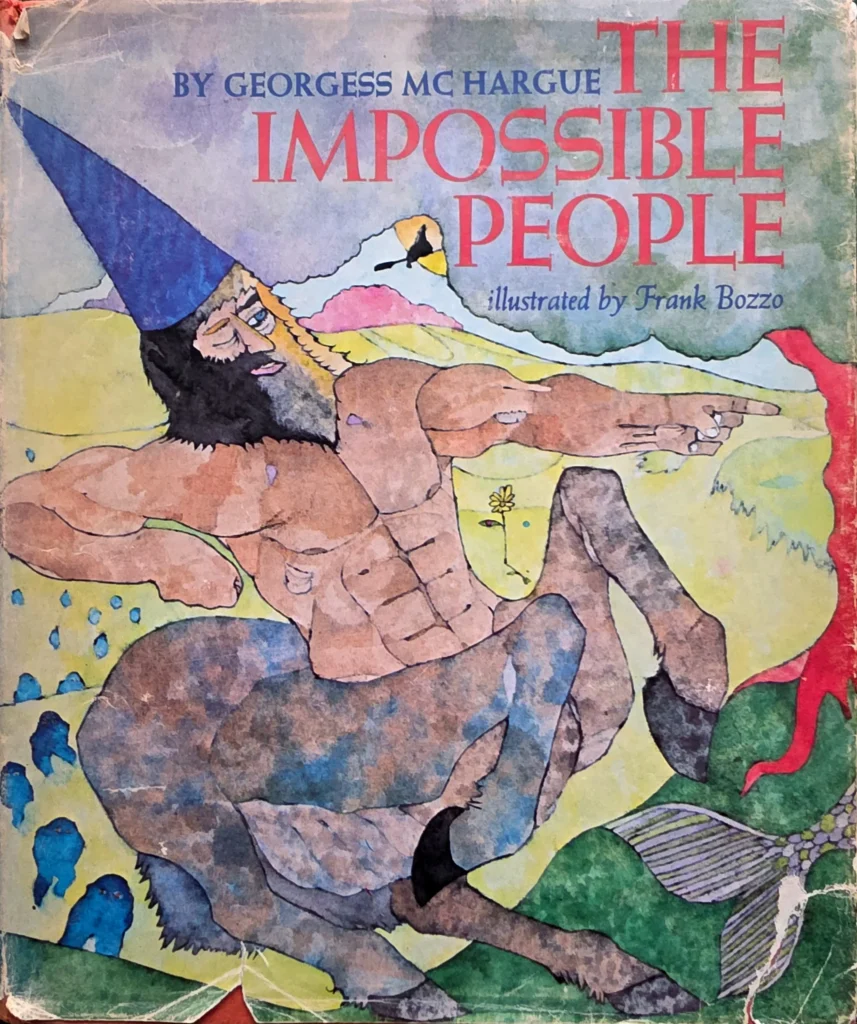
Of all these writers, Cohen included, I think I’d like to have met McHargue the most.
A poet, critic, author and editor, the vast majority of McHargue’s published work is fiction for children and young readers (including The Baker and the Basilisk on the list below). After she married an archaeologist, she primarily edited archeological reports. At various points in-between, she wrote some books about monsters.
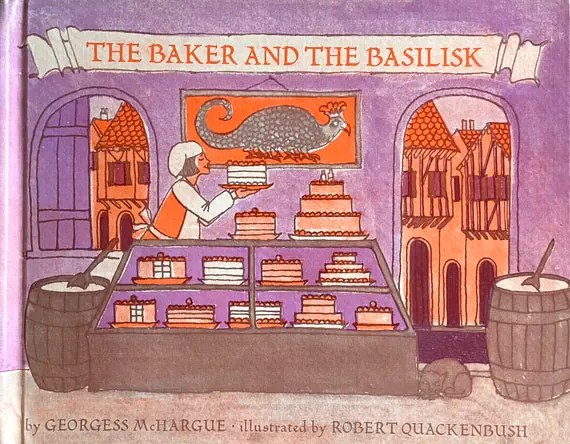
That’s where her inner poet came out, I think. The Beasts of Never is my favorite, a beautiful, philosophical rumination on fantastic creatures. It earned her (and illustrator Frank Bozzo) a National Book Prize nomination. I think about some passages from that book whenever I think about monsters, which is rather often (surprising no one). Her other books are similarly thoughtful, though more painstakingly researched. Like Mummies, which has nothing really to do with the bandage-wrapped monsters, but rather focuses, in squirm-inducing detail, on the various processes of real-world mummification.
I also like that her obituary notes that, “she stood firmly against all social injustice and repression of freedom everywhere.” I’d expect nothing less from a true monster lover, honestly.
1968 – The Beasts of Never
1970 – The Baker and the Basilisk
1972 – Facts, Frauds and Phantasms: A Survey of the Spiritualist Movement
1972 – The Impossible People: A History Natural and Unnatural of Beings Terrible and Wonderful
1972 – Mummies
1976 – Meet the Werewolf
1979 – Meet the Vampire
1984 – Meet the Witches
David C. Knight (1925 – 1984)
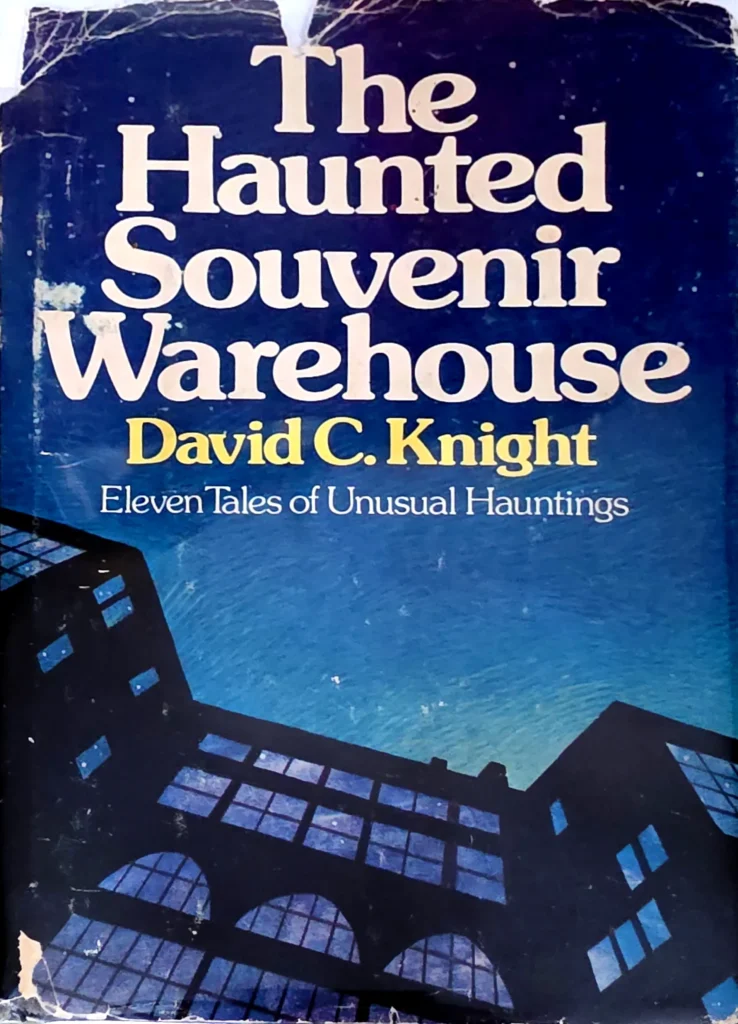
I know very little about Knight, beyond the fact that he was primarily a science writer. Over the course of that career, he found time to write a few books on paranormal topics. It’s the ones on ghosts that I am most familiar with. His retelling of the haunting of Borley Rectory in Best True Ghost Stories spooked the heck out of me as a kid. I got that book several years after its initial publication, well after the ’86 Mets won the World Series, which is probably why I always wondered if he was related to Ray Knight.
1969 – The ESP Reader (edited by)
1972 – Poltergeists: Hauntings and the Haunted
1975 – Those Mysterious UFOs: The Story of Unidentified Flying Objects
1978 – The Haunted Souvenir Warehouse
1979 – UFOs: A Pictorial History from Antiquity to the Present
1983 – The Moving Coffins: Ghosts and Hauntings Around the World
1984 – Best True Ghost Stories of the 20th Century
Thomas G. Aylesworth (1927 – 1995)
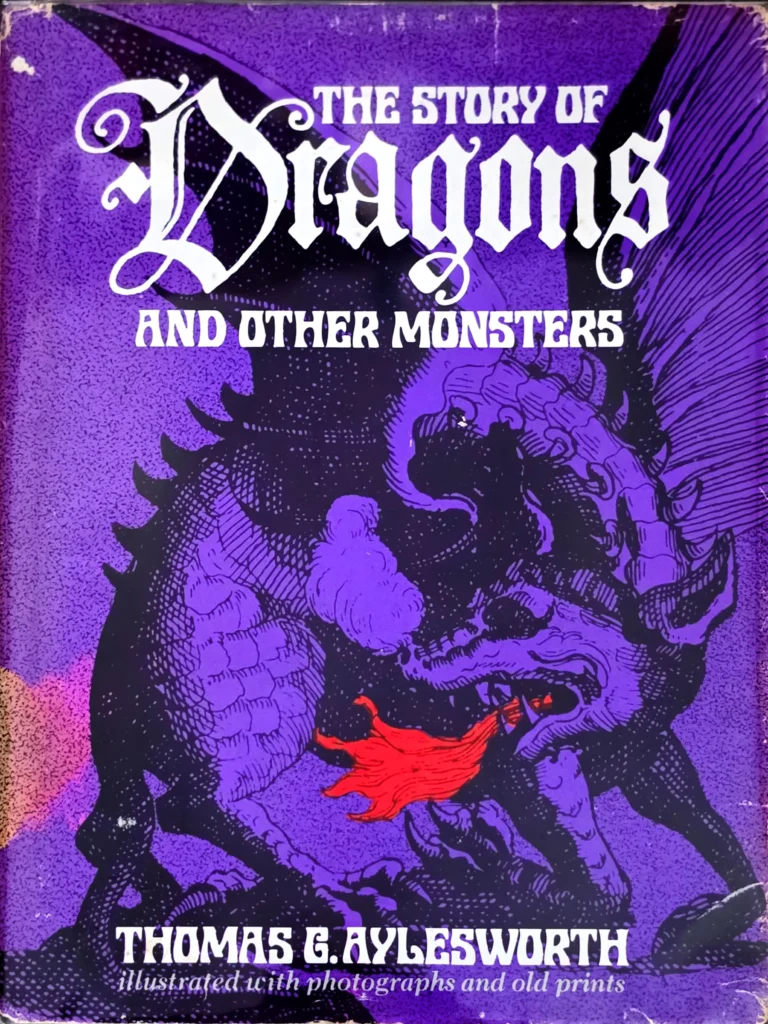
Aylesworth spent much of his career as an editor at Doubleday (I wonder if he crossed paths there with Georgess McHargue) and wrote many books on science for both children and adults. This Vital Air, This Vital Water (1968) was an important early book on the looming climate crisis. He also wrote seventeen regional travel guides for the United States, co-authored with his wife Virginia.
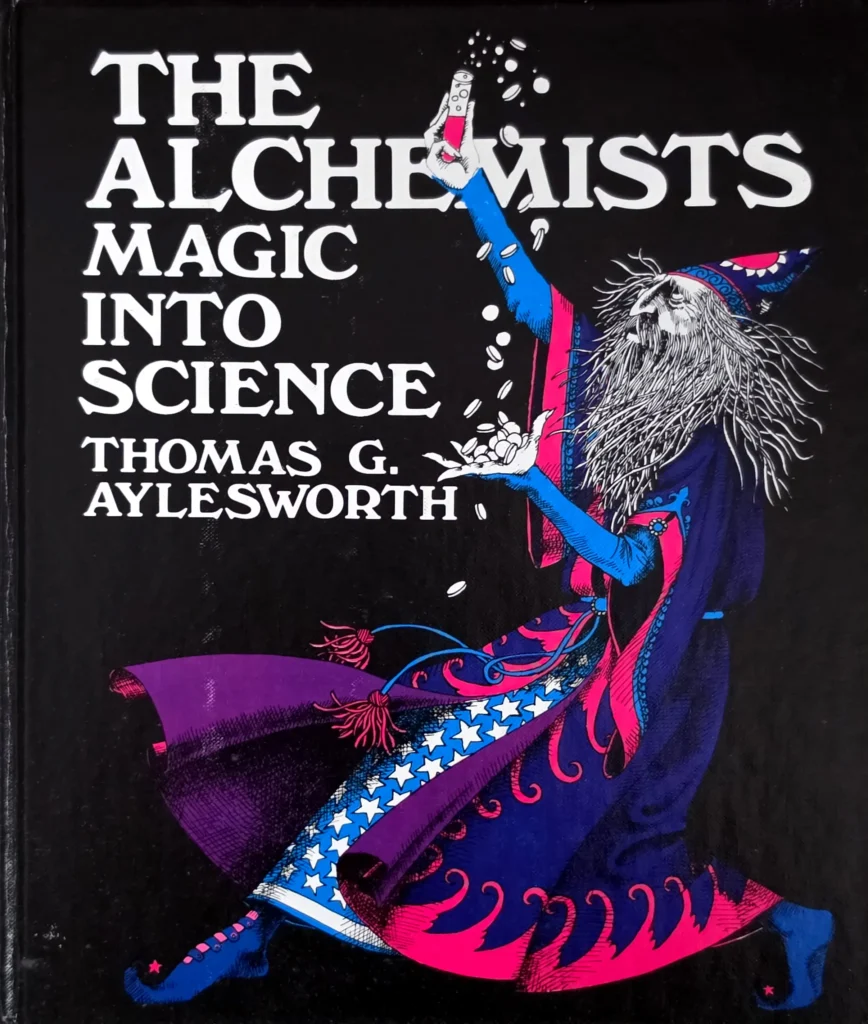
His seventeen books on supernatural and adjacent topics are interesting because he essentially wrote several of them twice without really copying himself (I don’t own it, so I’m not sure if the final monster movie book is a reprint, or truly distinct; the werewolf and vampire books are entirely different, though). Perhaps because of his experience in publishing, many of his books, particularly the early ones like The Alchemists, have a graphical flare that his colleagues’ work lacks. Some of them feel downright cinematic. It’s weird.
1970 – Servants of the Devil
1971 – Werewolves and Other Monsters
1971 – Mysteries from the Past
1972 – Monsters from the Movies
1972 – Vampires and Other Ghosts
1973 – The Alchemists
1973 – Astrology and Foretelling the Future
1975 – ESP
1975 – Movie Monsters
1975 – Who’s Out There?: The Search for Extraterrestrial Life
1976 – Palmistry
1977 – The Story of Vampires
1978 – The Story of Werewolves
1979 – The Story of Witches
1980 – The Story of Dragons and Other Monsters
1981 – Animal Superstitions
1982 – Science Looks at Mysterious Monsters
1986 – Monster and Horror Movies
Nancy Garden (1938 – 2014)
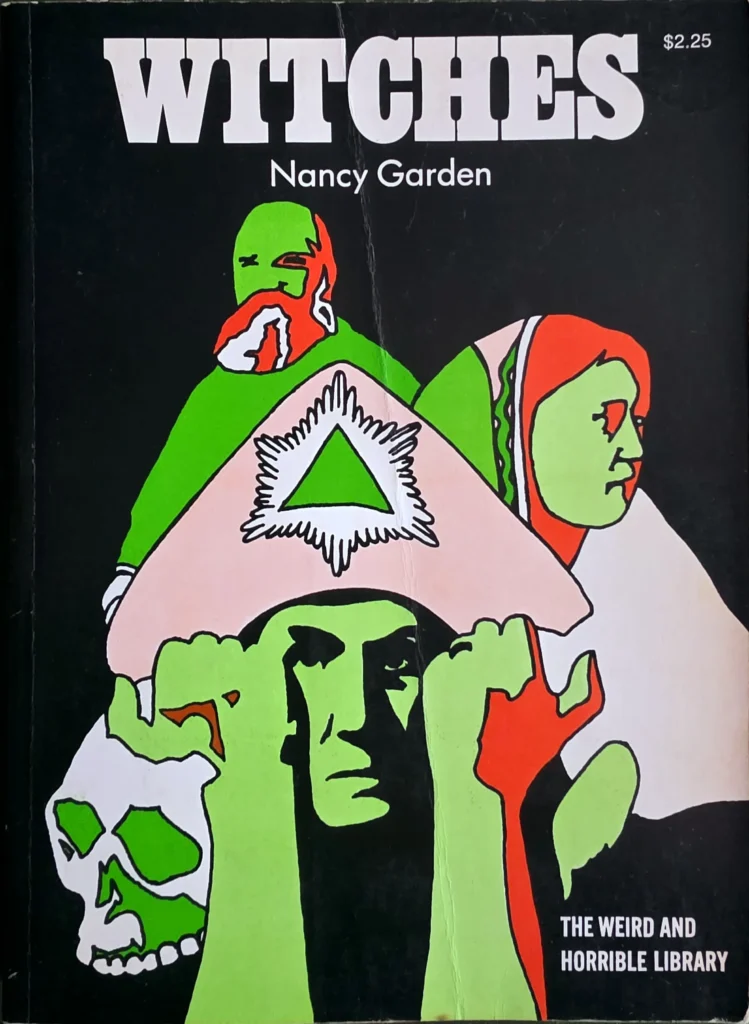
Last but not least of the monster hunters is Nancy Garden. Even if she only wrote four books on supernatural topics, she was a badass and deserves inclusion here. Primarily, she was a writer of fiction for children and young adults (three novels – Prisoner of Vampires, 1985, My Sister, the Vampire, 1992, and My Brother, the Werewolf – even involve monsters). She’s best known for Annie on My Mind (1982), though, a queer novel of romance and coming out featuring a pair of high school girls. Predictably, it was an oft-banned book and even provoked book burnings (which I bet informed her later novel, The Year They Burned the Books, 1999). Her reaction, as I mentioned in the post on Vampires, was “I didn’t think people burned books any more. Only Nazis burn books.”
Her monster books are well researched and lightly progressive (Vampires begins with “Carmilla,” for instance). She’s capable of packing a shocking amount of information into relatively small spaces, so there may be only four books here, but they are mighty.
1973 – Vampires
1973 – Werewolves
1975 – Witches
1976 – Devils and Demons
Series of Note
Finally, there are two series of books I think bear mentioning, both produced by Lippincott: The Weird and Horrible Library (1972 – 1976) and The Eerie Series (1975 – 1984). I know very little about either, aside of their existence. I feel that both were aimed specifically at school libraries and book sales, but that’s honestly just a guess. Most of the volumes saw print in several editions at later dates, many by other publishers, apparently under license. All the monster hunters, with the exception of Hurwood, participated in one or the other, McHargue and Aylesworth in both! It’s like the monster book versions of the Avengers and the Defenders.
The Weird and Horrible Library
1972 – Monsters from the Movies, by Thomas G. Aylesworth
1972 – Mummies, by Georgess McHargue
1972 – Poltergeists: Hauntings and the Haunted, by David C. Knight
1973 – Magicians, Wizards and Sorcerers, by Daniel Cohen
1973 – Vampires, by Nancy Garden
1973 – Werewolves, by Nancy Garden
1974 – Curses, Hexes and Spells, by Daniel Cohen
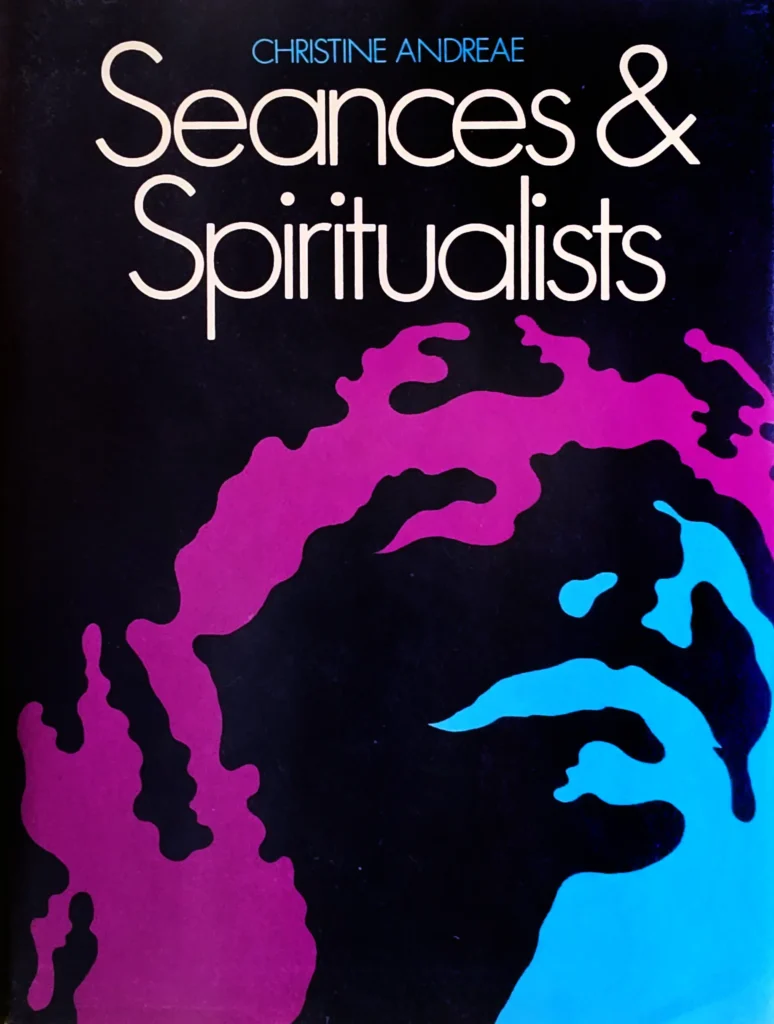
1974 – Seances & Spiritualists, by Christine Andreae
1975 – The Body Snatchers, by Daniel Cohen
1975 – Witches, by Nancy Garden
1976 – Devils and Demons, by Nancy Garden
The Eerie Series
1975 – Movie Monsters, by Thomas G. Aylesworth
1976 – Meet the Werewolf, by Georgess McHargue
1976 – Ghosts, by Seymour Simon
1977 – Space Monsters, by Seymour Simon
1979 – Creatures from Lost Worlds, by Seymour Simon
1979 – Meet the Vampire, by Georgess McHargue
1984 – Meet the Witches, by Georgess McHargue
After taking a quick editing pass on this, Clay Fleischer said, “All these people have names like Call of Cthulhu investigators.” Yes! It’s so true, I had to record it for posterity.

I am pretty sure I saw Joys of Oral Love at the used bookstore in the Milwaukee airport a couple of GaryCons back.