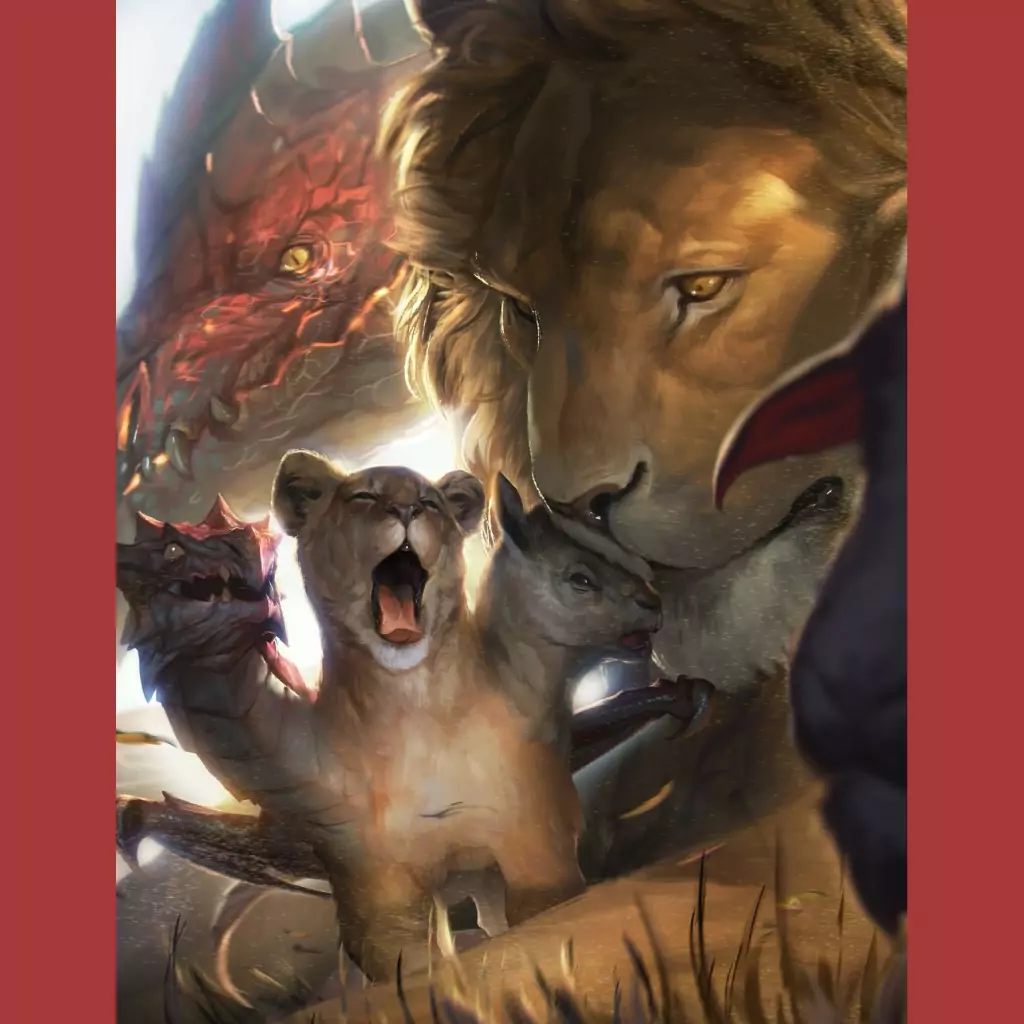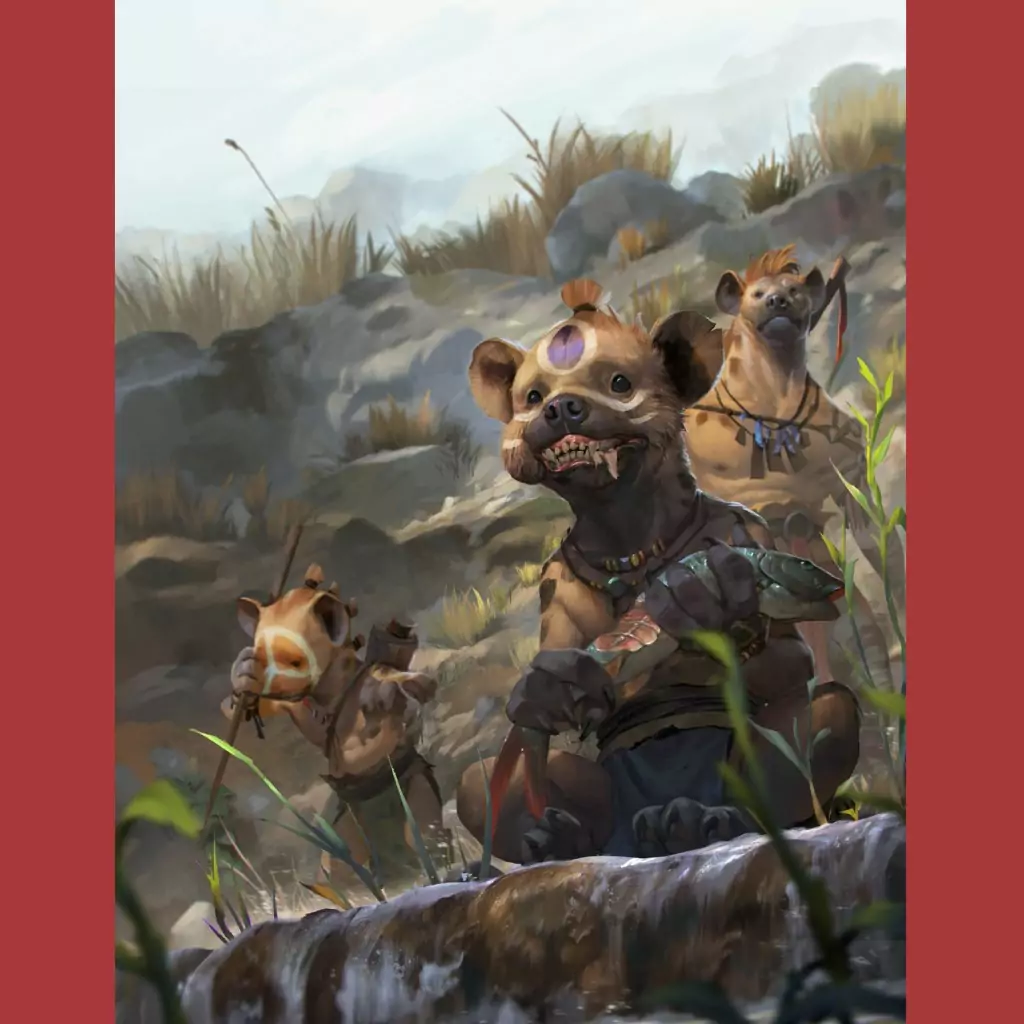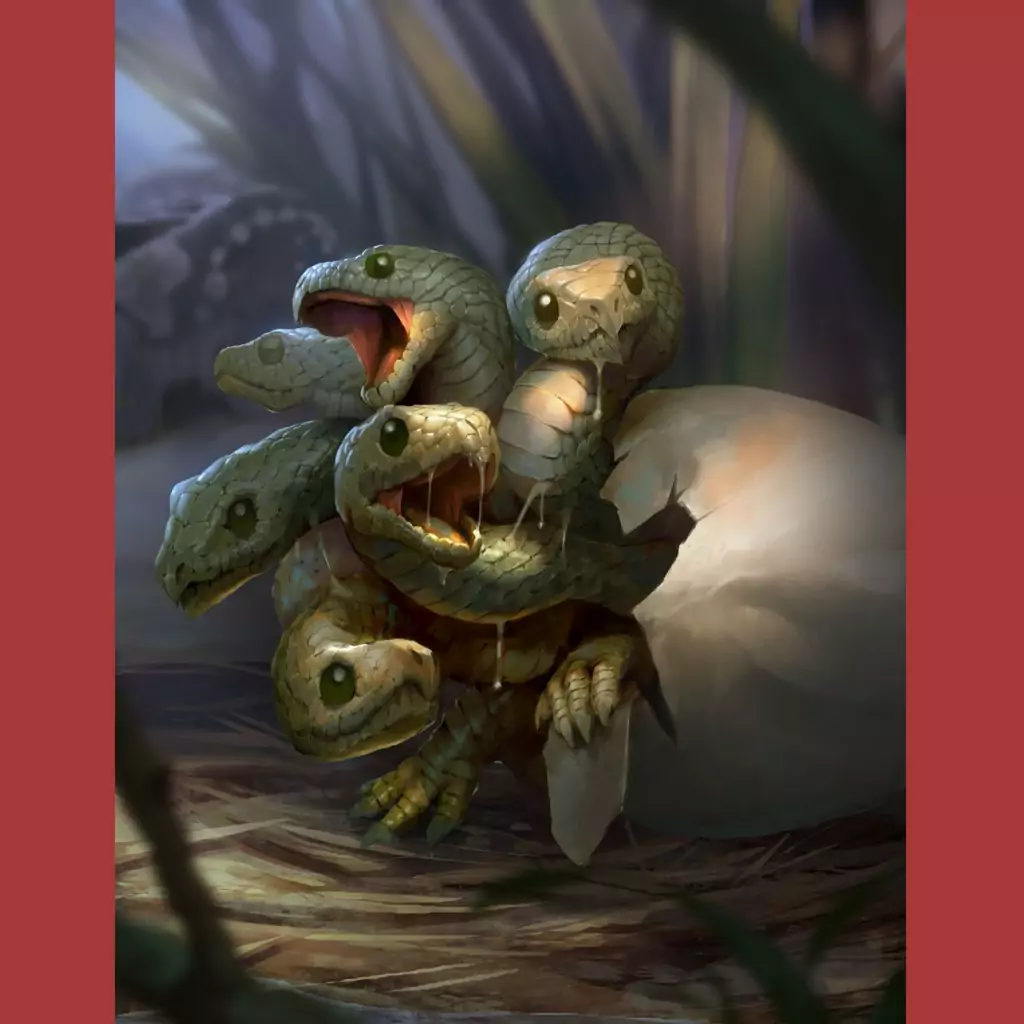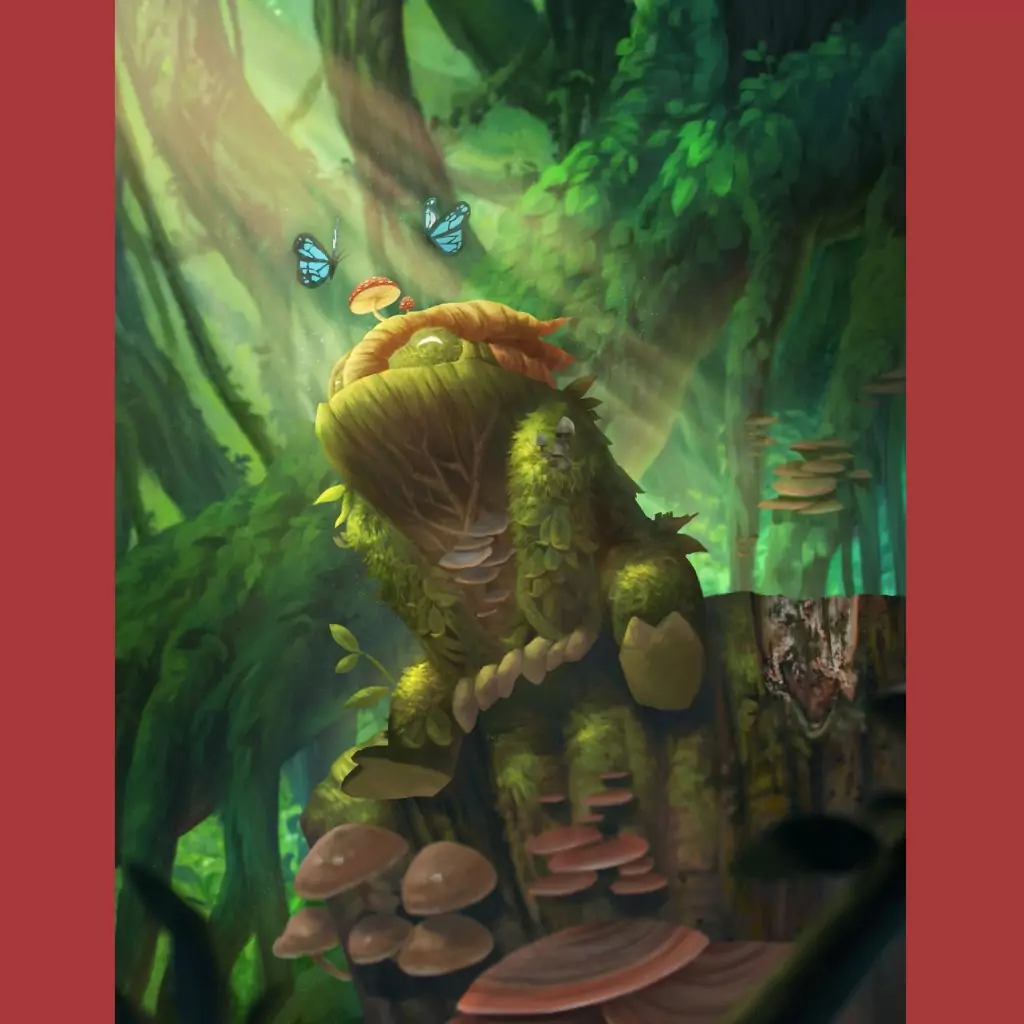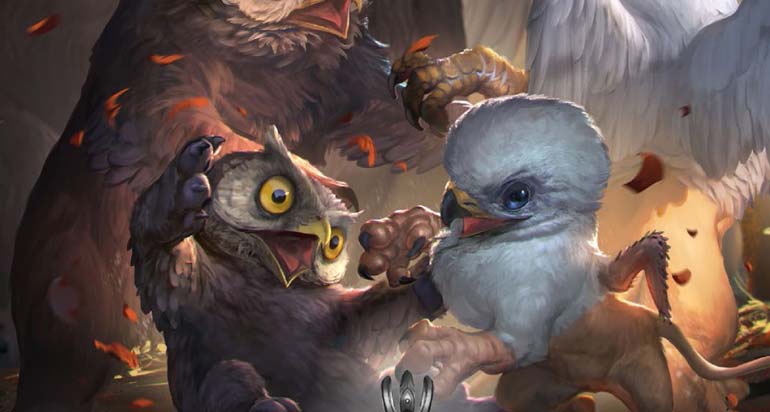
The Baby Bestiary, from Metal Weave Games is recent, and unique, two-volume system neutral sourcebook. The focus: baby monsters. It is very cute.
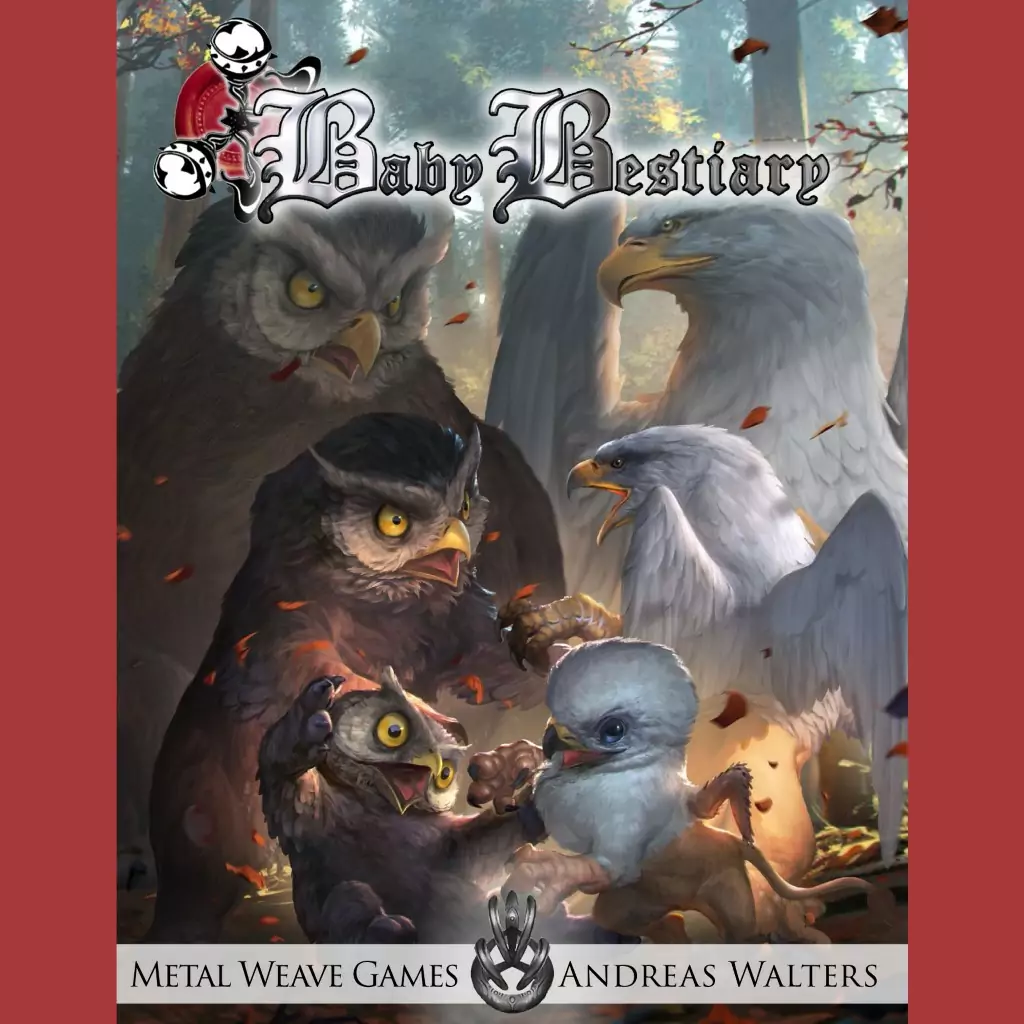
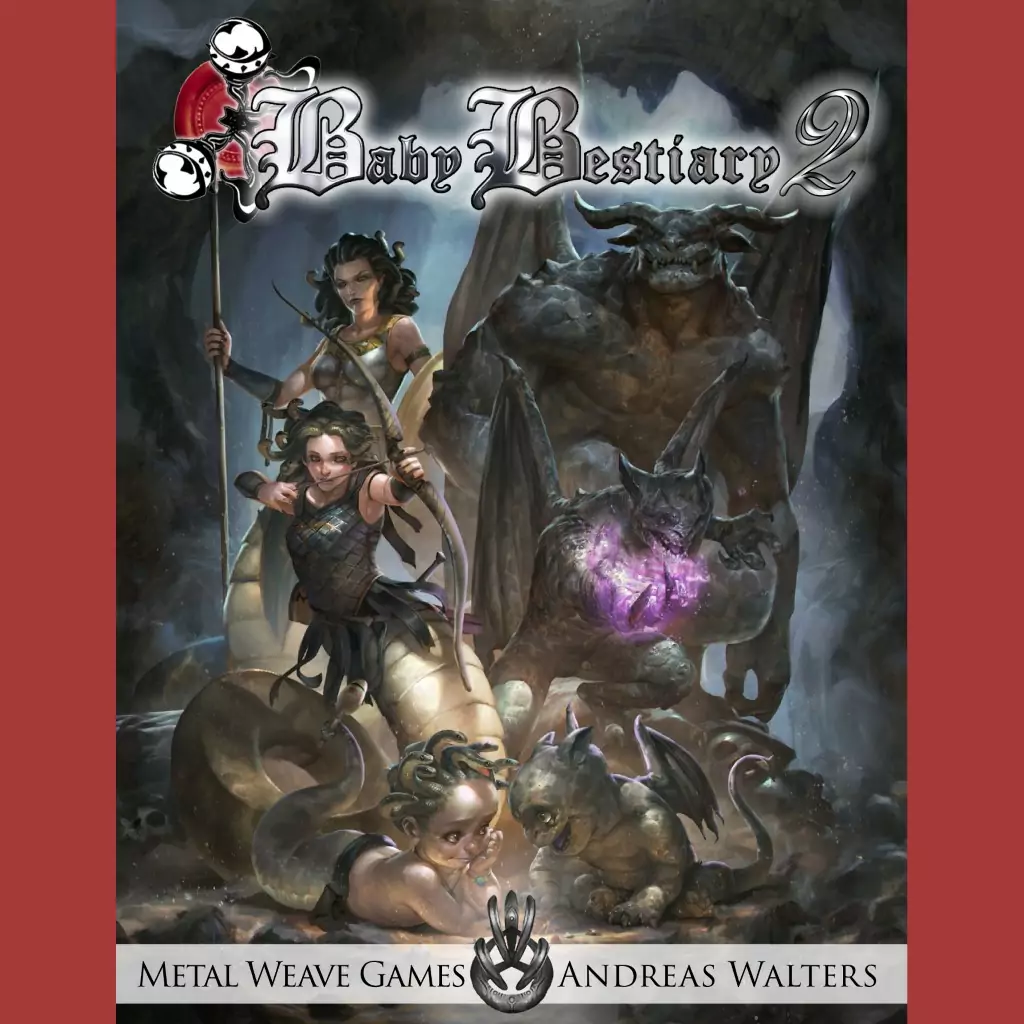
The idea is that every monster was a pup or tadpole or whatever once. The books detail this stage of life for 66 different monsters, many of which are classic D&D critters, and gives guidance on how to care for and train them should the opportunity arise. Each entry is accompanied by a full page, full color illustration. They might not all get you to go, “Aww,” but I guarantee at least one will tug on your heartstrings the same way as puppy and kitten photos do. Admit it, you’re a big softie.
Baby Bestiary, for all its cuteness, dredged up some heavy questions for me about D&D’s alignment system and the weird moral justifications it creates. A couple weeks back, I mentioned how much I hate the Elmore painting of the adventuring party posing around the young dragon they killed. There are a couple of mechanical reasons why players don’t register this as a problem. First, because of the way dragons scale in power as they age, in terms of game balance, low-level parties are in for a heck of a fight against immature dragons. Second, chromatic dragons are recognized as having evil alignments. Hard fight against an evil monster. Easy math. Doesn’t matter if it is a juvenile – it is evil.
The cuteness of Baby Bestiary really drove this home for me and made me question D&D’s central reliance on combat and how alignment justifies it. Anything that has stats is fair game for killing. Never mind that that players are usually trespassing in their territory. The catalog entry for the Bestiary states, “In a world of myth and magic, great heroes vanquish terrible monsters and earn a place in legend. But what about the babies left behind?” How depressing is that?