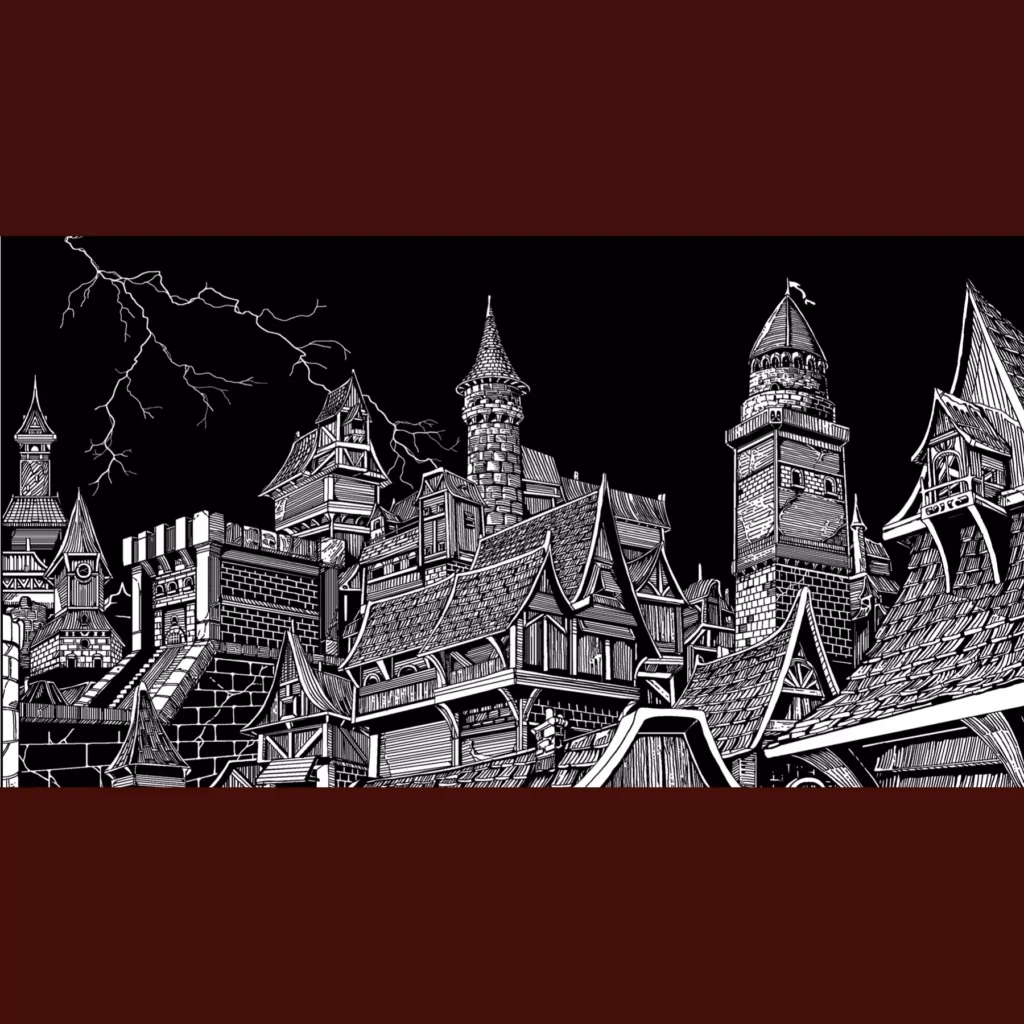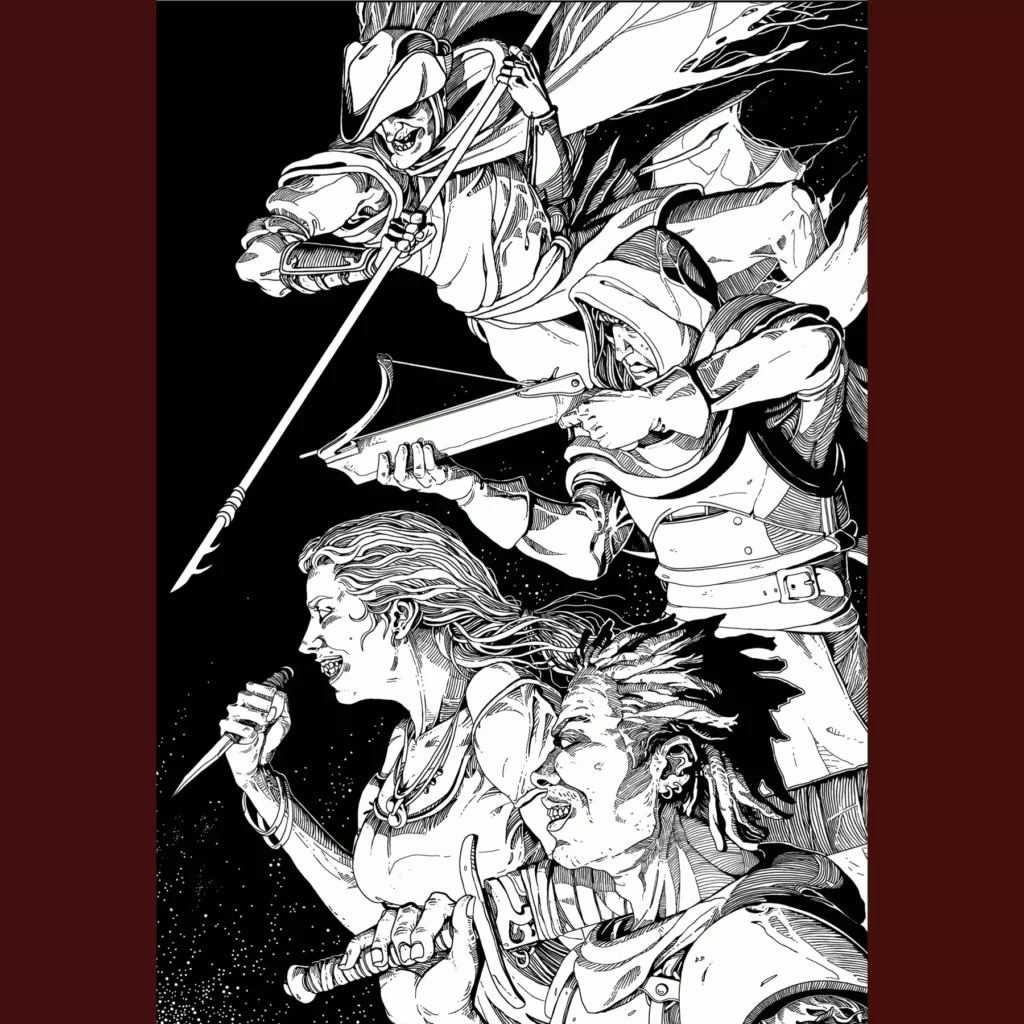
Let’s get this out of the way at the top: “swyve” means “to fuck.” So, swyvers are fuckers. Another meaning of swyve, or swive, is to reap, as in crops and harvest. This is likely the proper definition that lends itself to the metaphorical slang (I’m no farmer, but it seems like reaping is at least in the same neighborhood as ploughing). Swyvers (2024) is indeed a game about fuckers, but more of the “fuck you over” type rather than the copulating sort, though I won’t rule anything out. Thus, these fuckers actually hew to the less obscene definition, by harvesting wealth they don’t actually own. It’s a game about thieving. It’s set in a sort of fantasy late-medieval London, dirty, impoverished, violent.
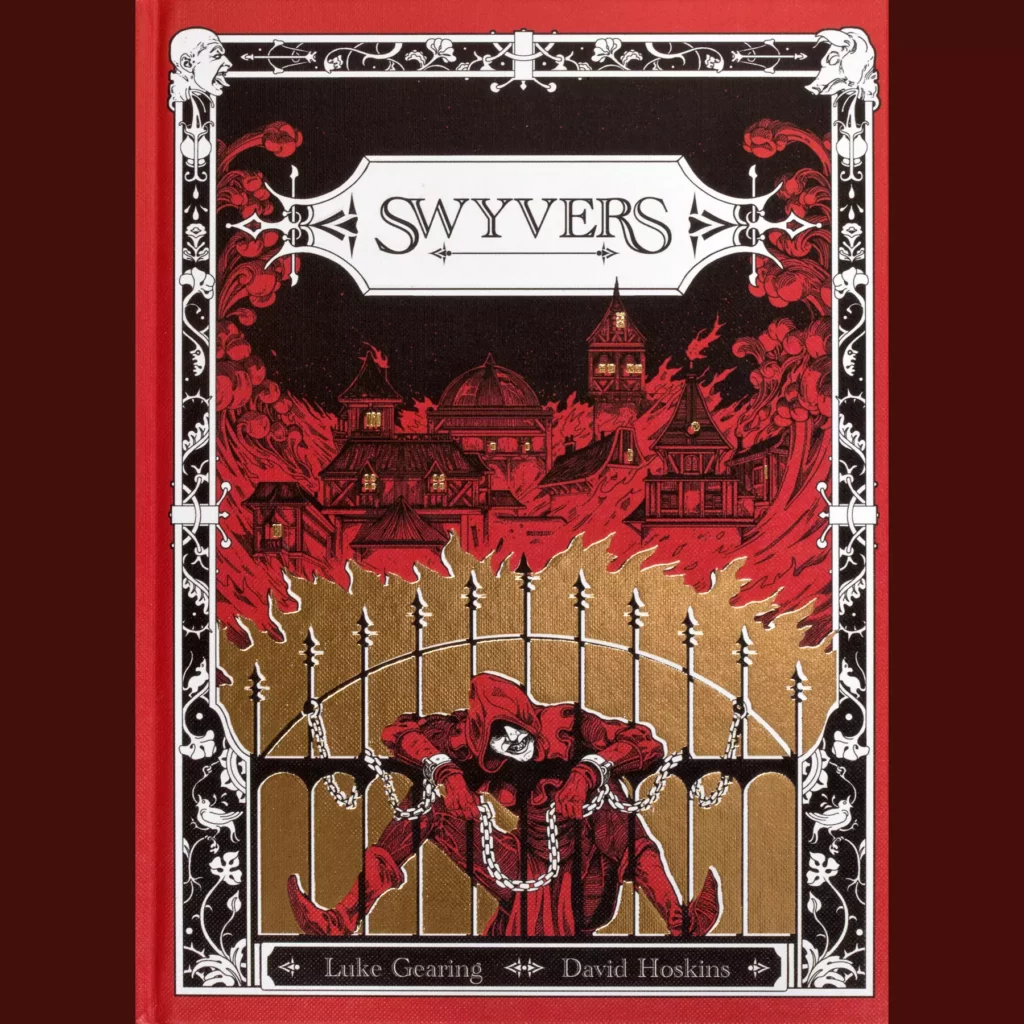
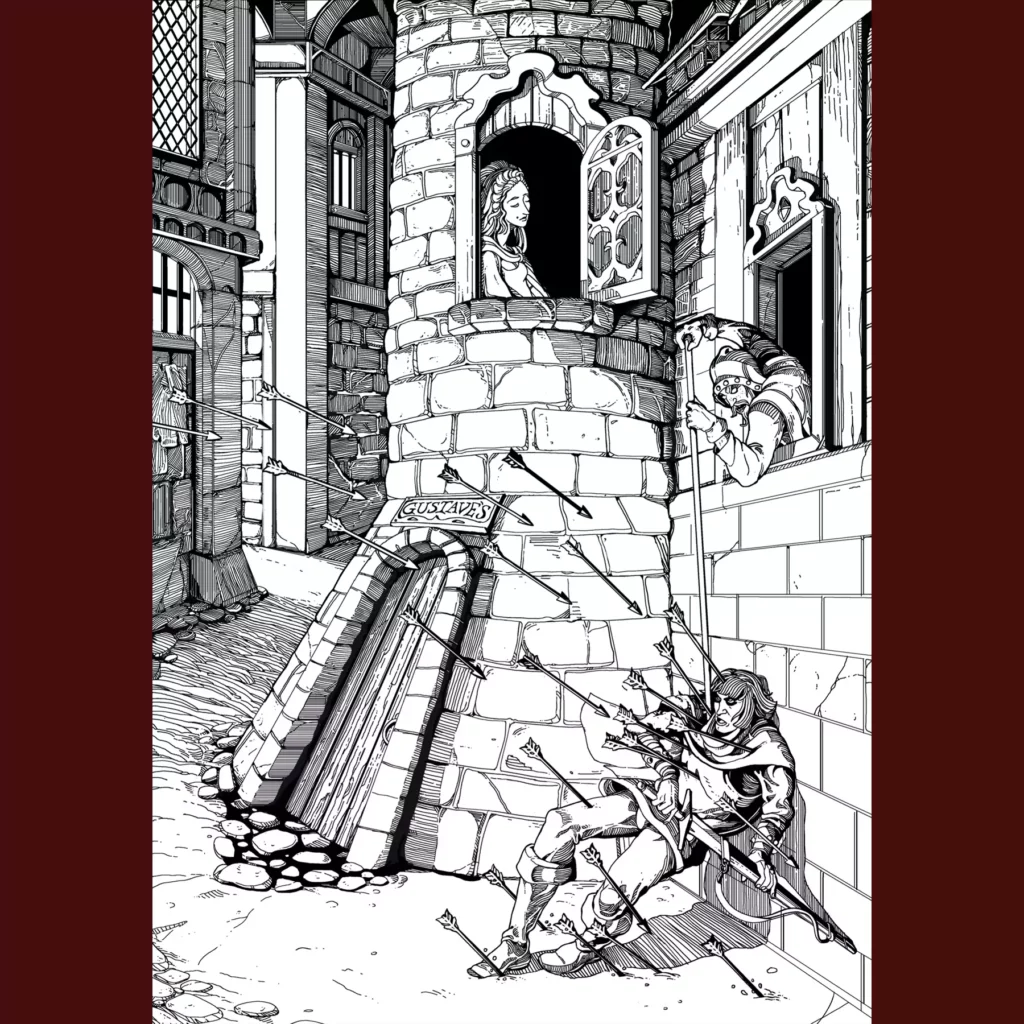
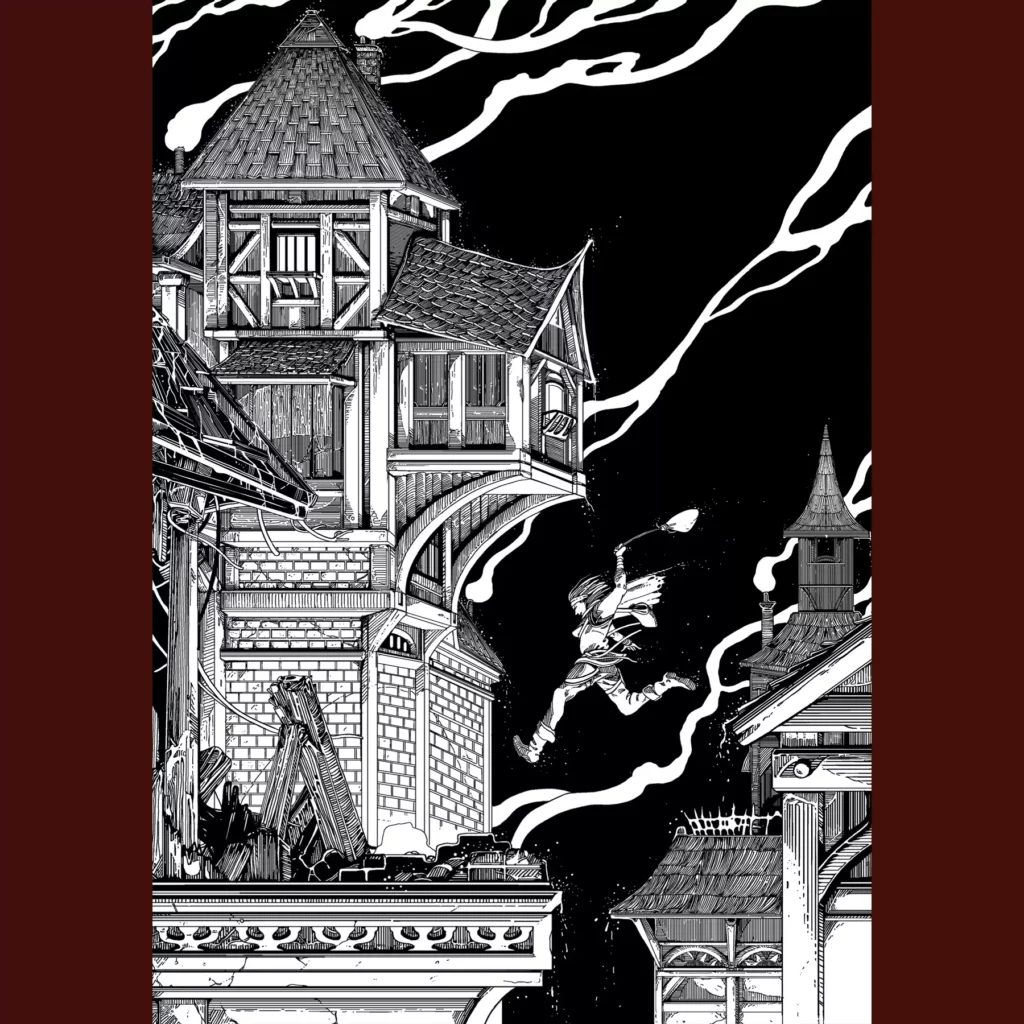
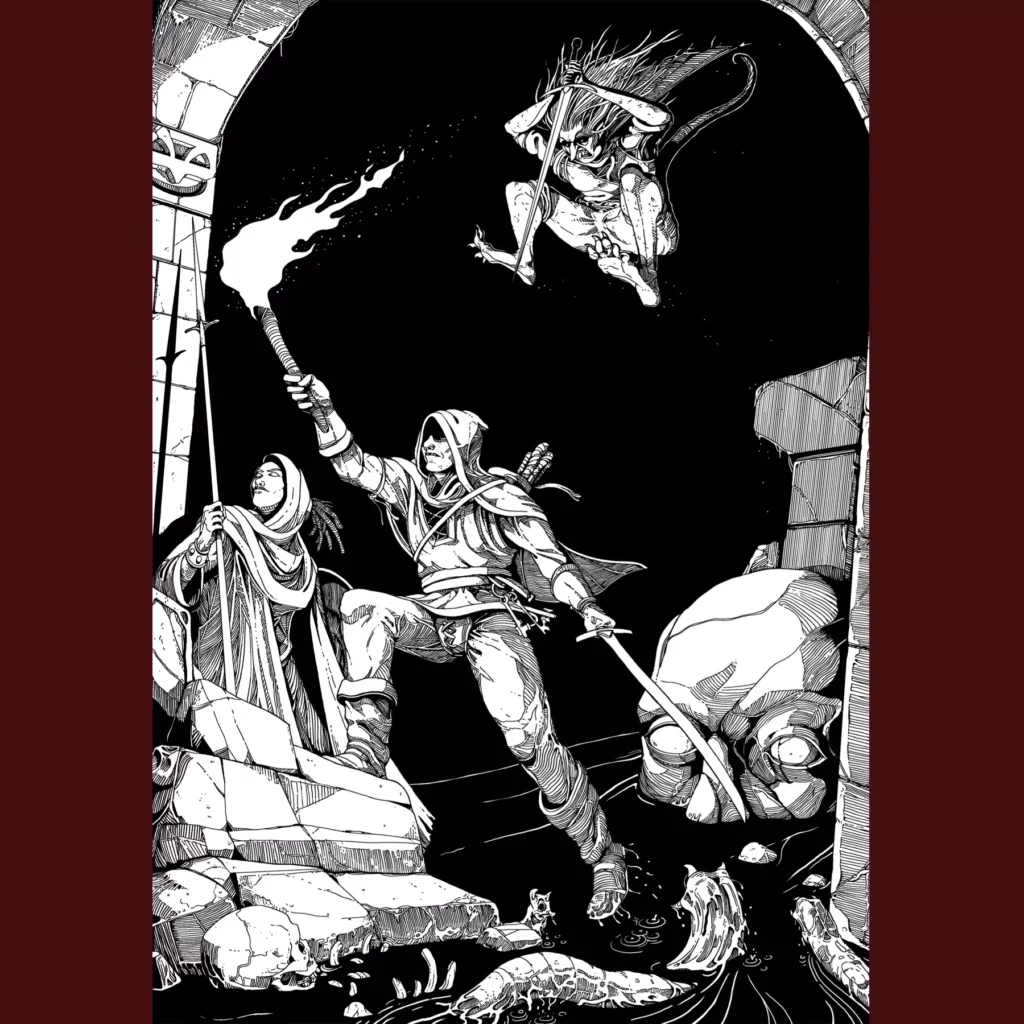
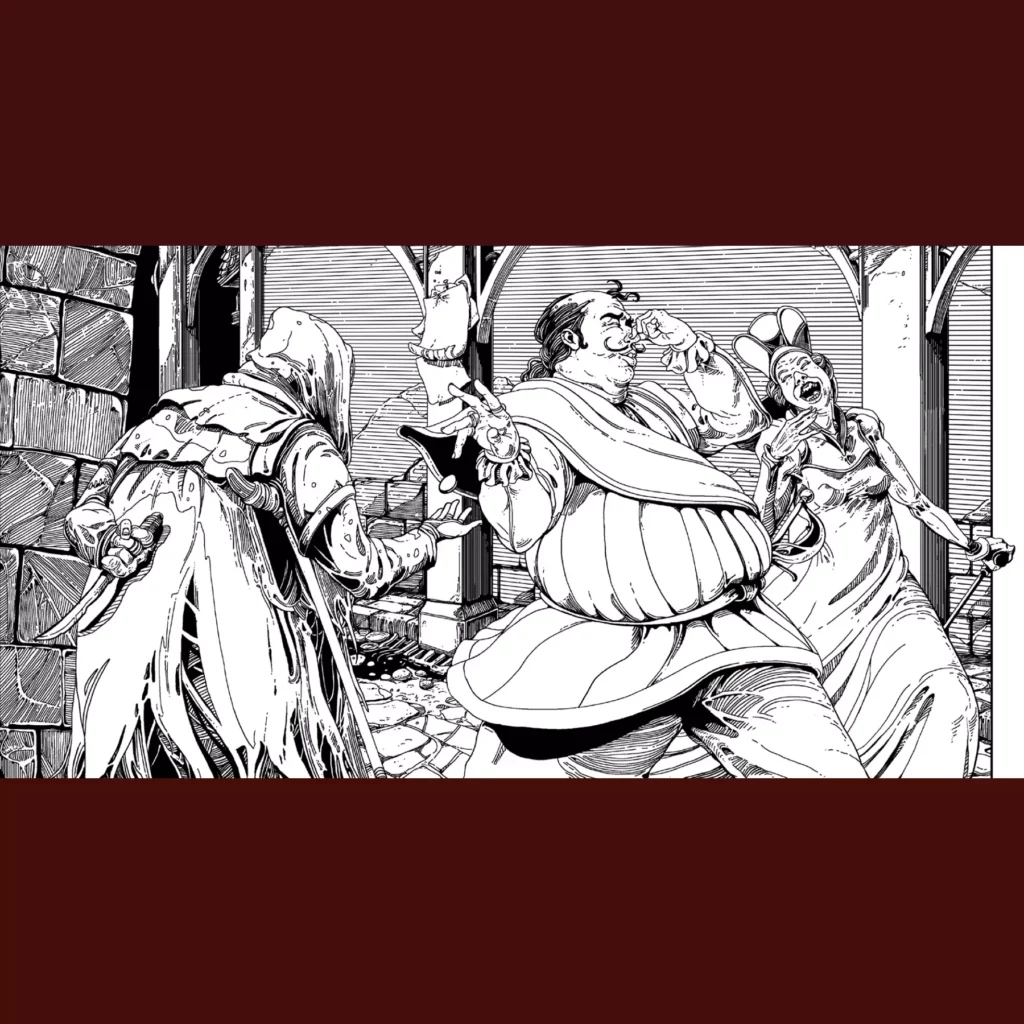
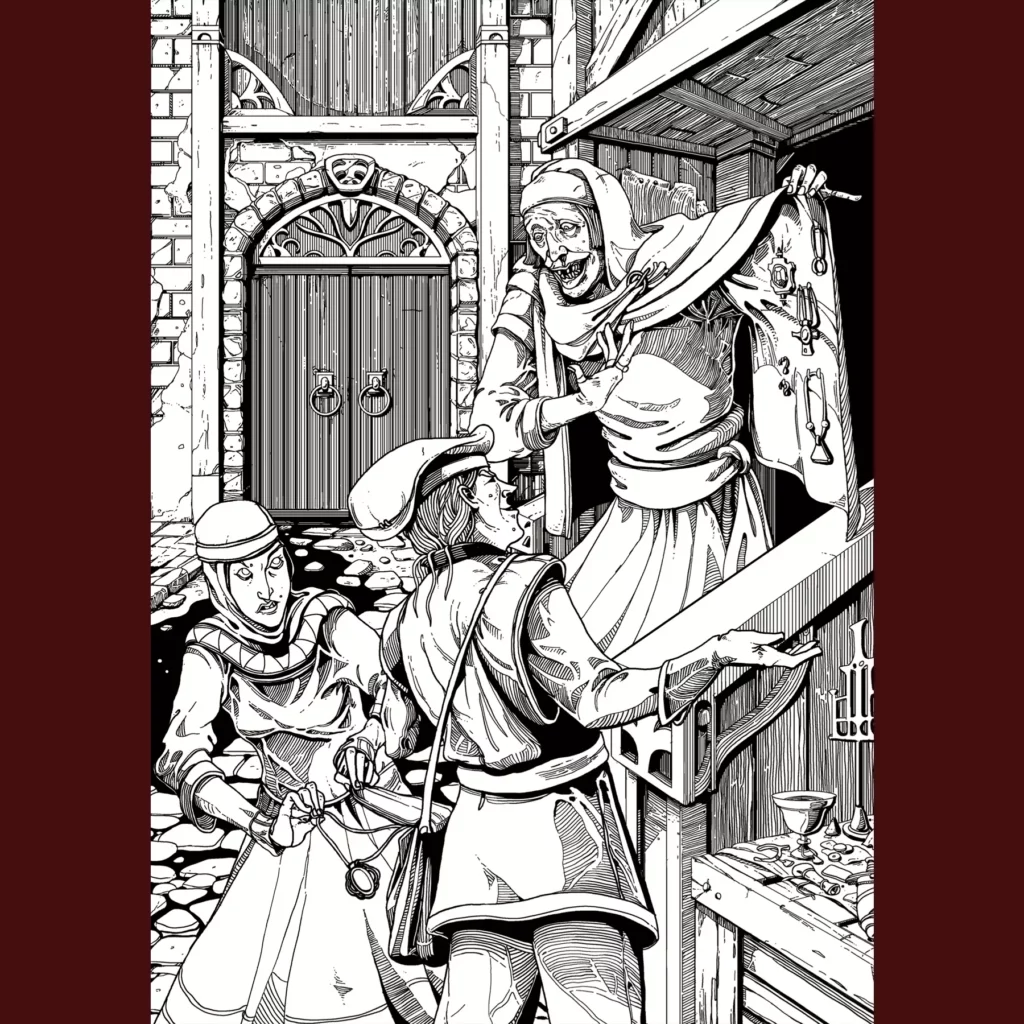
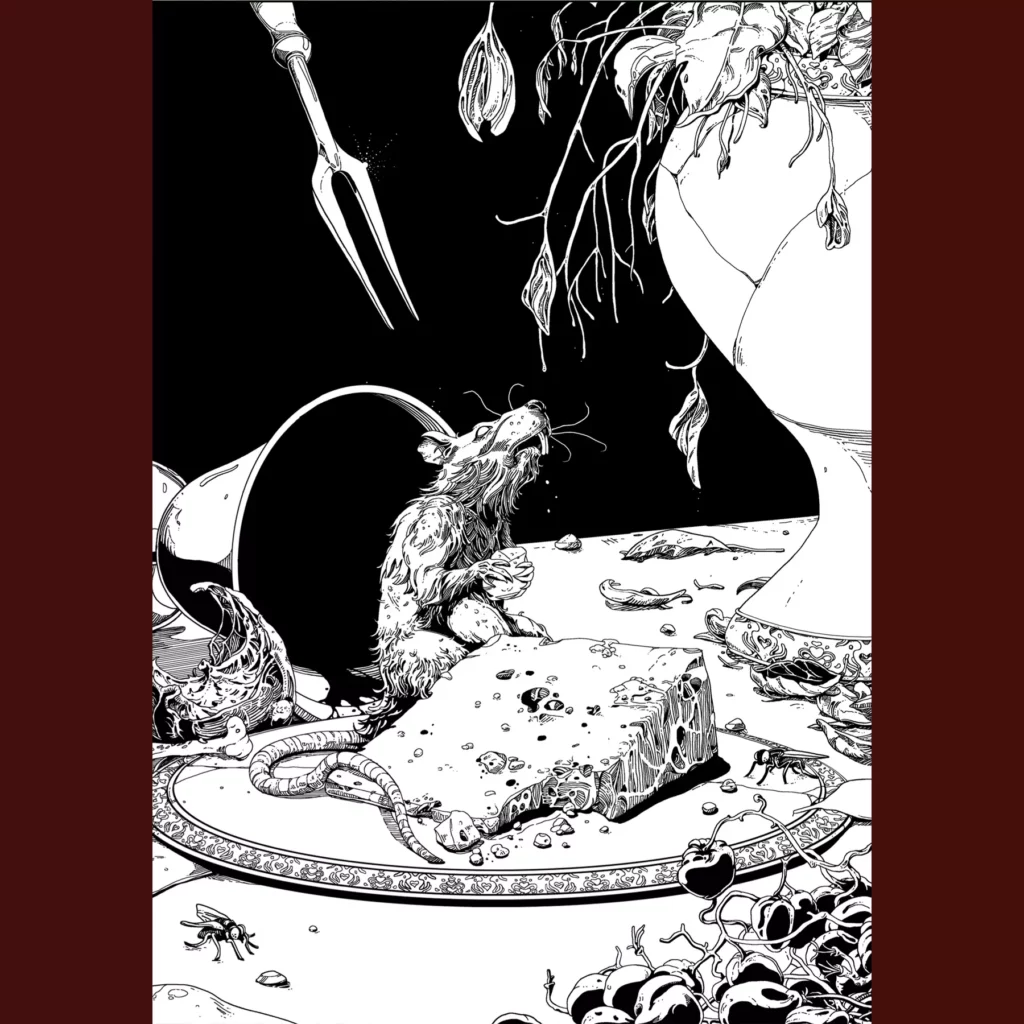
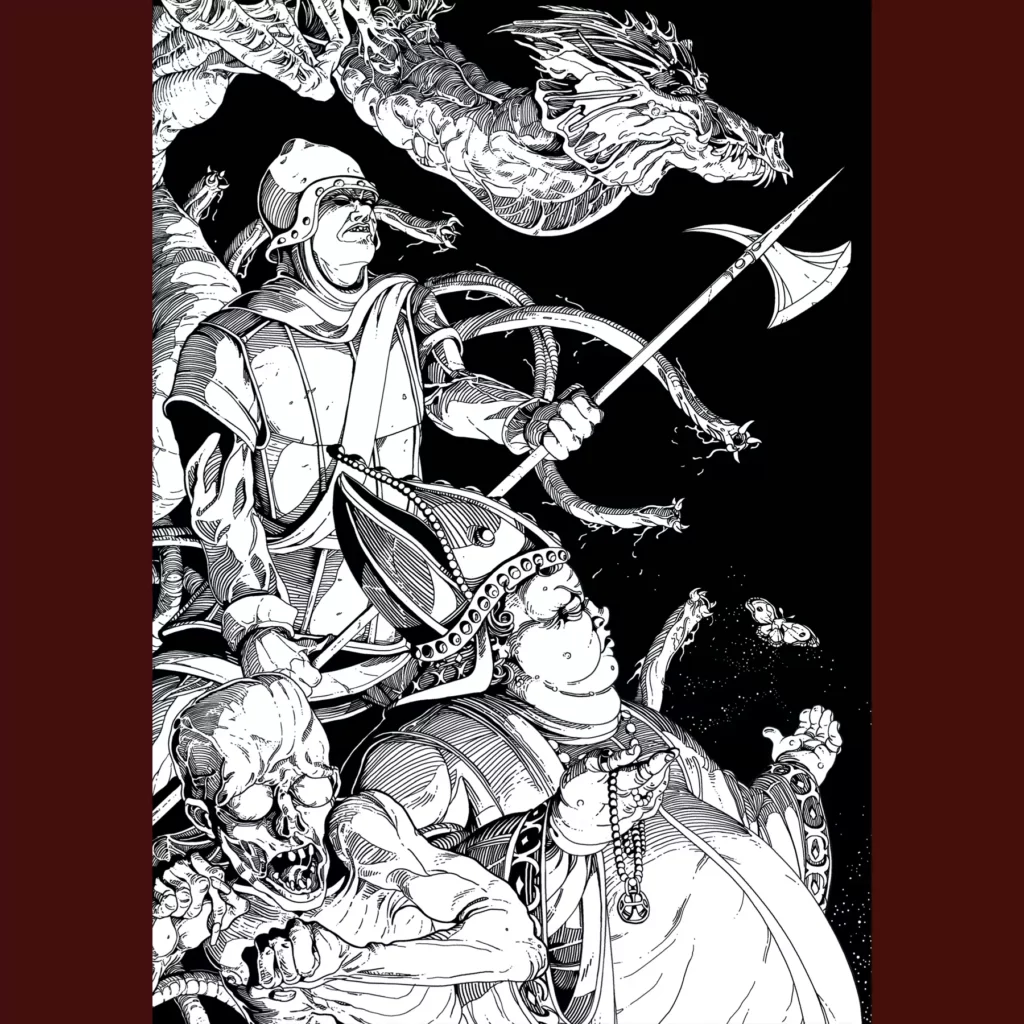
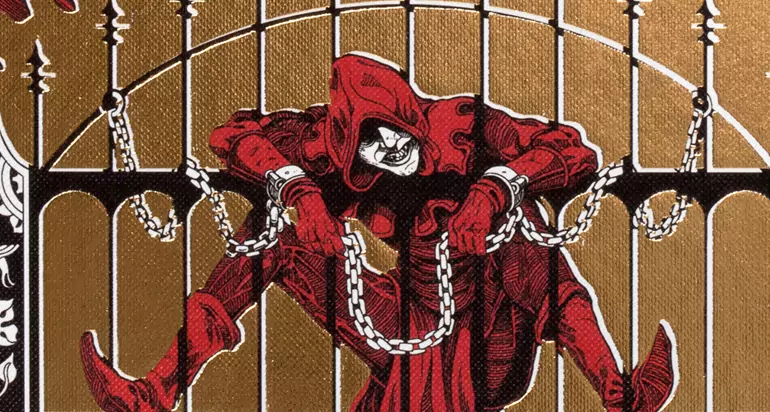
The rules are light. So light that the book doesn’t bother with them until you’ve flipped through 20-ish delightful pages of stage-setting tables (including an exhaustive one dedicated to prosthetics) following the two pages of character creation rules. This is a clear indicator that the game is vibes-first, something emphasized by the tone of the prose (which makes me want to check that I still have my wallet) and David Hoskins’ wonderfully seedy art work. It is a genuine mystery to me how his line work depicting such grime can remain so elegant and clean.
To do things, a Skill system is employed (and modified depending on what a given character might know, guess, or bullshit). When things happen that a player’d rather not have happen, saves are deployed. It’s very savesy, I think. Combat is desperate. The game seems intentional arranged around preposterous and violent things happening. There is a delightful vein of humor in the writing — having that, and having it be so entertaining, really underscores how dour most RPG rulebooks tend to be.
Swyvers is not a dungeoncrawling game, its about heists, but the heists are constructed in a way that just, they are dungeons in their way. The tables, the fast and loose rules, this is a game meant to be constructed on the fly and I think it will work rather nicely once everyone gets the vibe, though I do wish it were a little better organized — I get lost in the highly orderly OSE tome, so this book winds up being surprisingly maze-like when you need a thing. I suppose the counter is to not need anything, which, fair.
All these words, and I haven’t even gotten to the magic system, which is a delight, and maybe my favorite part of the game, or the extremely good starter scenario, once of the most exciting I’ve encountered in a while. I’ll let you discover and be surprised by them on your own. On sale now at Melsonian — don’t sleep on it.