I played a lot of NES games back in the day and genuinely love a bunch of them — I occasionally like to fire up the ol’ system for a refresher (did you know: I can beat the original Contra without the use of the Konami code or having to continue?). Perhaps because I’ve kept them around, I generally don’t have a ton of nostalgia for NES-era videogames. Like, when I talk about how great Shadowgate is, it doesn’t come from a place of longing, it comes from a place of recent experience because I just played through it a couple months ago.
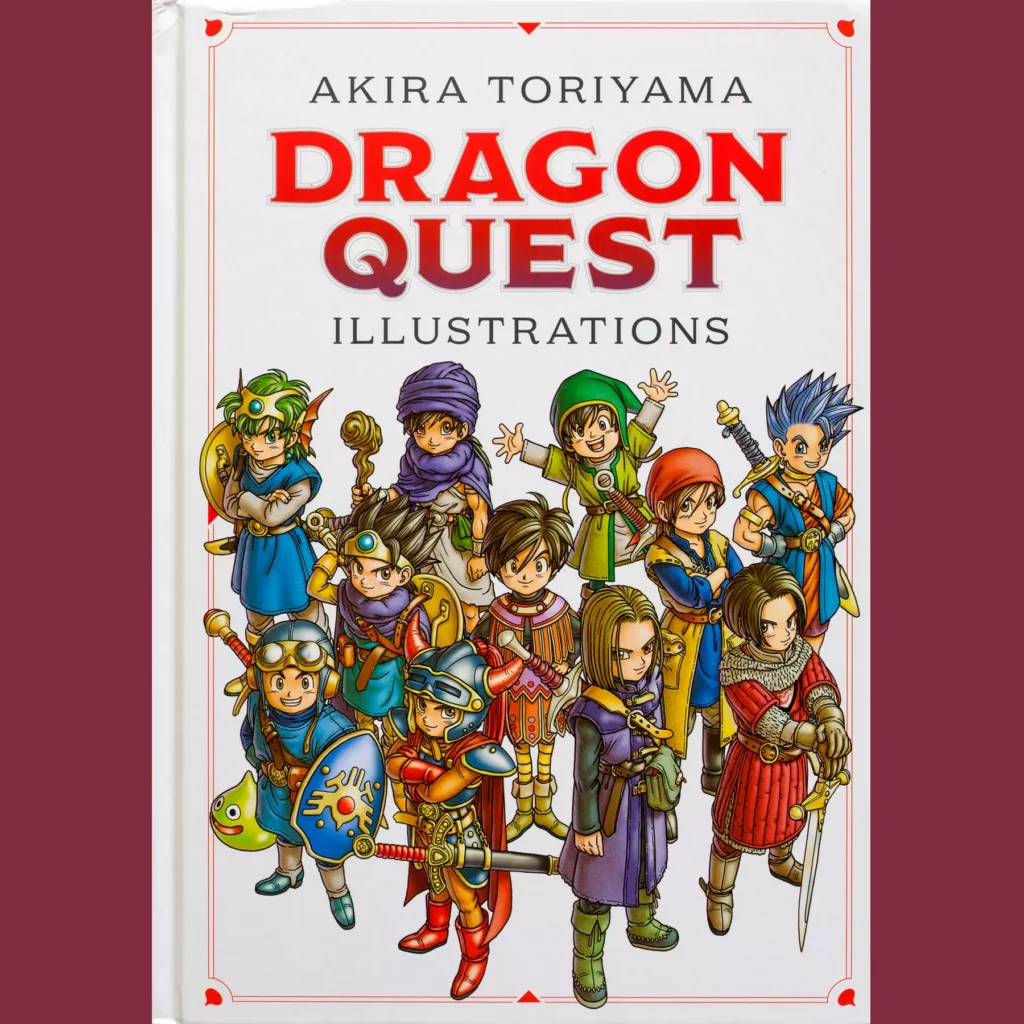
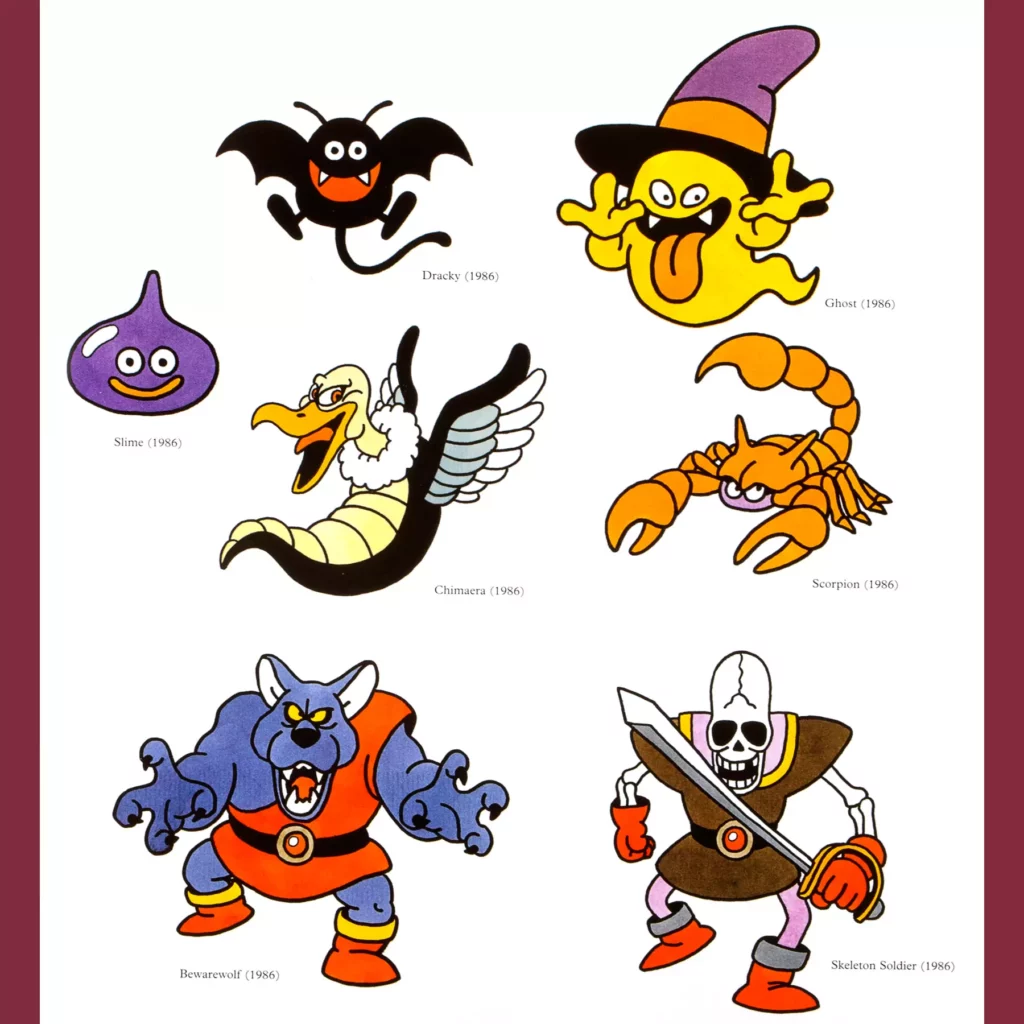
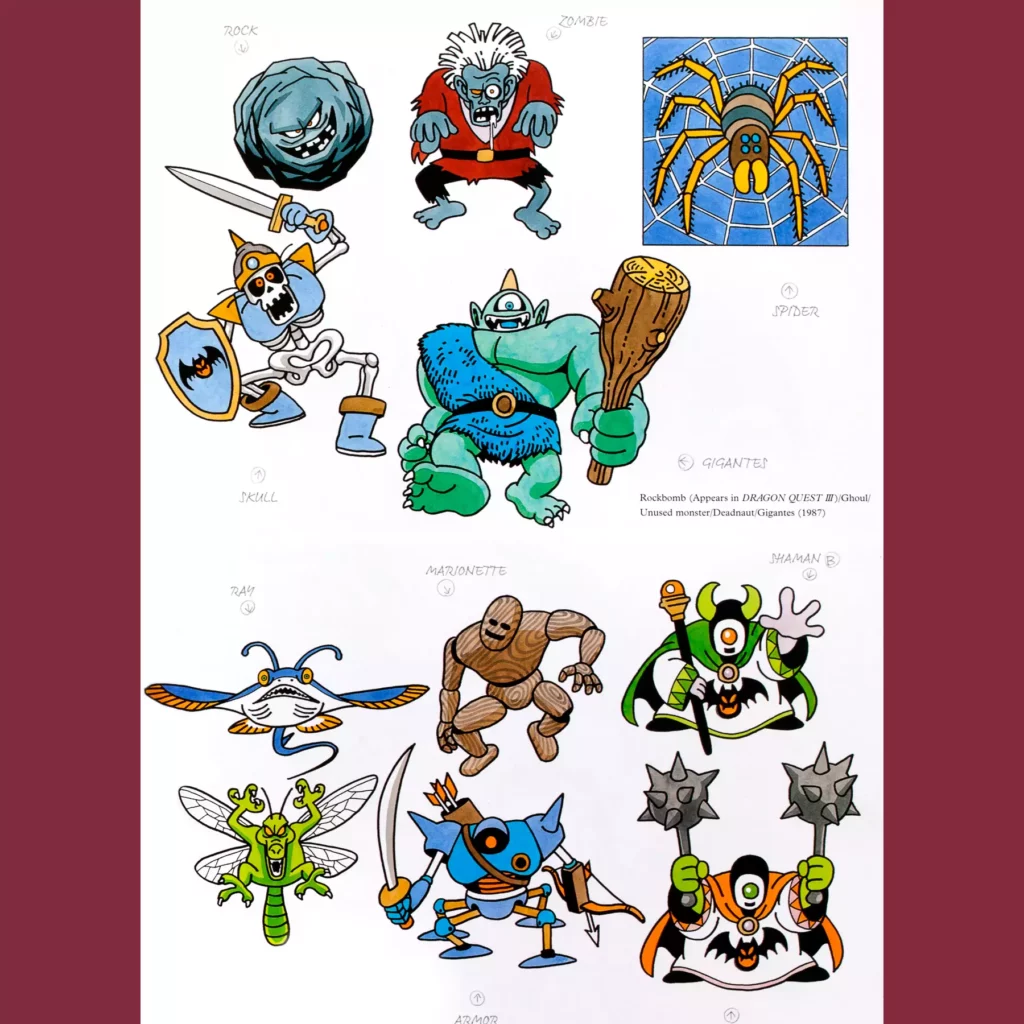
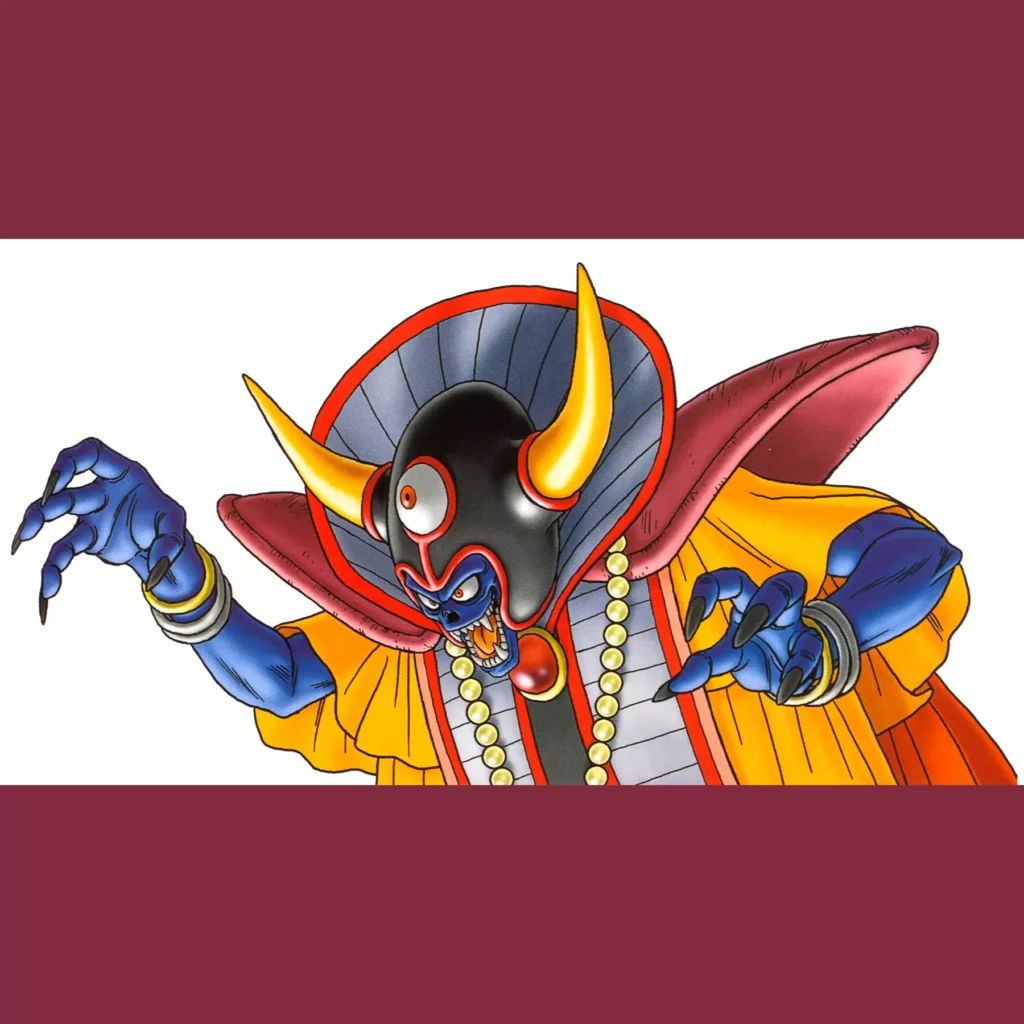
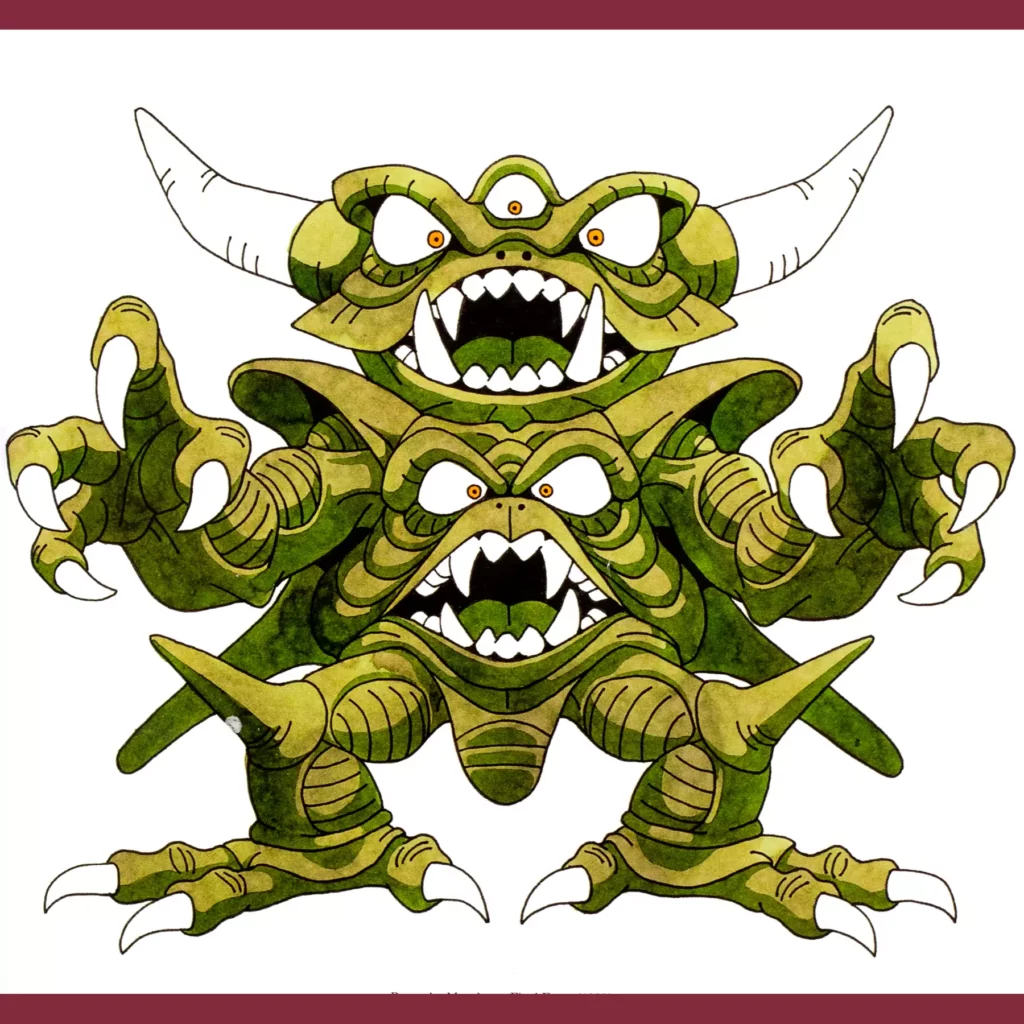
An exception to this is the original handful of Dragon Warrior games. I still own my copies of the first three but I have zero desire to replay them, mostly because of the grind, partly because I find the interface too clunky to go back to. But I love, love, love the monsters in those games. They are clearly inspired by Dungeons & Dragons and that inspiration, recursively, served to further fuel my interest in the mysteries of the tabletop game (when the original Dragon Warrior was in my NES, in 1986, I had D&D books, but it would still be a couple years before I played the game in a sensible way). All this to say, when I came across Dragon Quest Illustrations (2018), I snapped it up with zero hesitation.
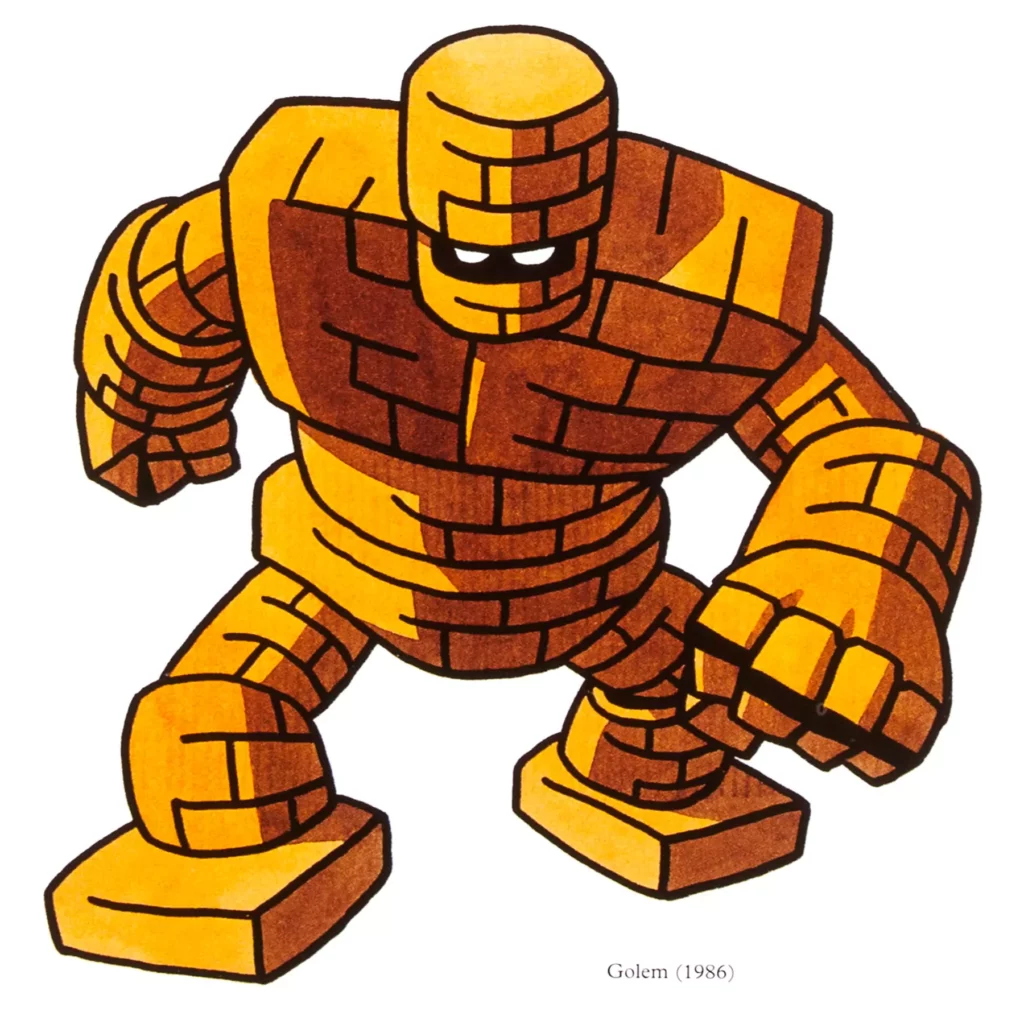
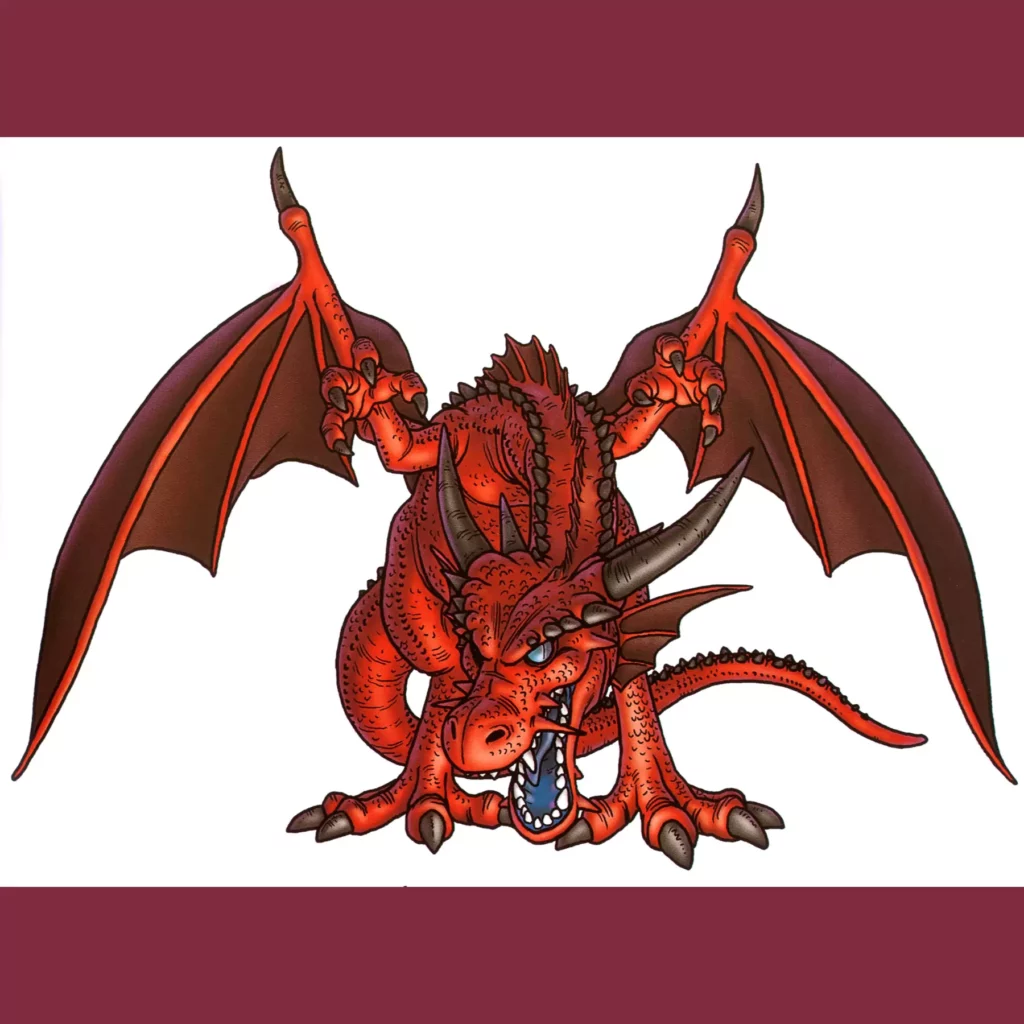
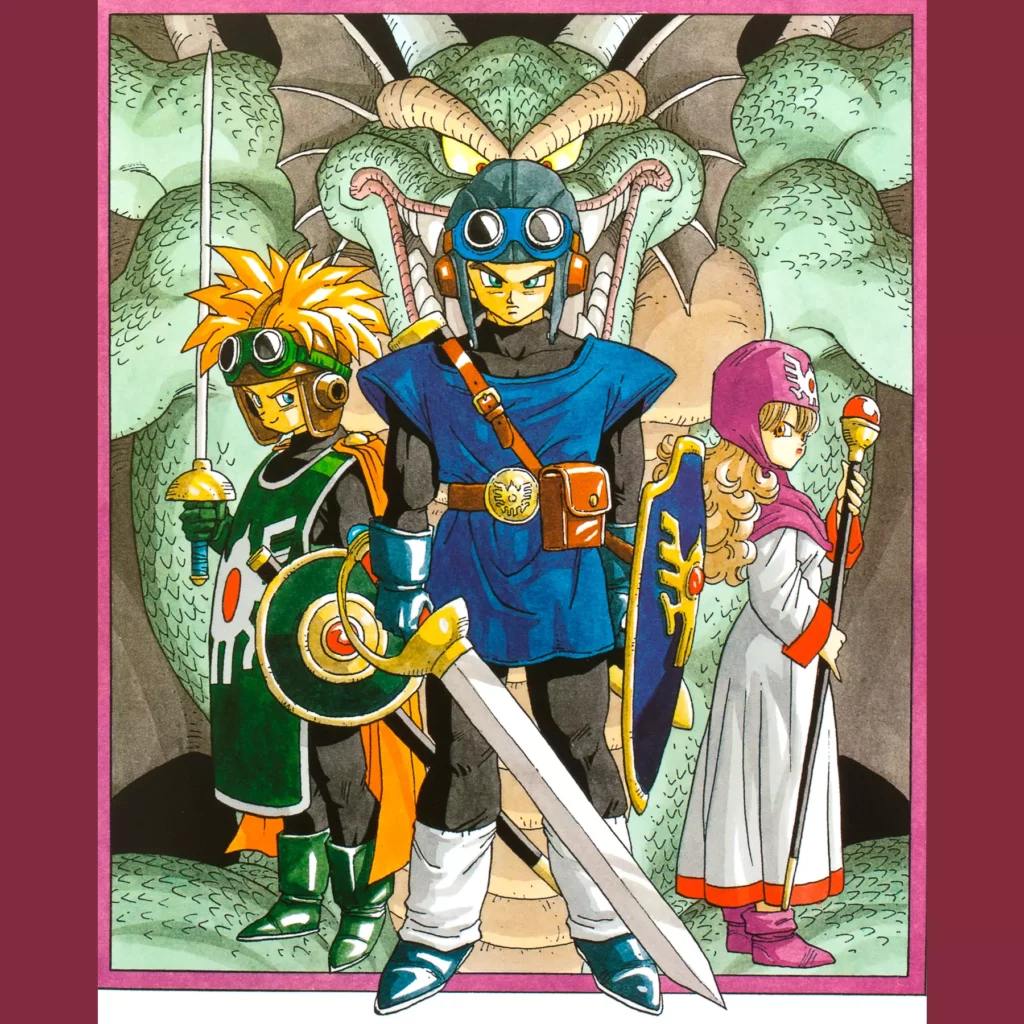
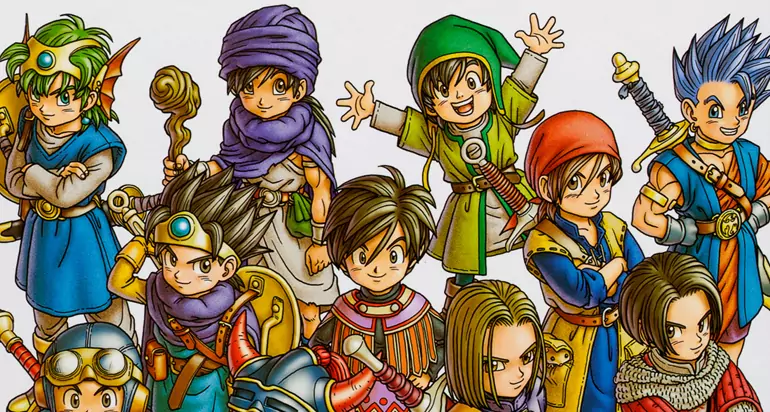
As with Magic Realms, which we’ll talk about later this week, DQI is all killer, no filler, in a way art books seldom really are. It is literally just the illustrations. There is a one-page introduction and a few pages of text in the back, but other than the names and a couple liner notes, it’s all art. Every monster! Even lots of monsters that never made it into the games. A lot of them are doofy as all get out, others are pretty (cartoonishly) terrifying. The rock golem will forever be a fave, as well as the weird shaman guys (though I hated fighting them in the game). There are lots of little details that clearly either come from Dragonball, or will go on to be expanded in Dragonball (I’m not a Dragonball guy, so I can’t tell which is which). Akira Toriyama (RIP) was a real master at creating distinct characters with relatively low complexity — they overflow with both motion and personality. Dusty old fun fact: Americans of a certain age, like me, know the early games as Dragon Warrior instead of Dragon Quest because of SPI’s RPG DragonQuest, which by this time was owned by TSR, so given that company’s habits (They Sue Regularly), the decision was made to change the name in the US.