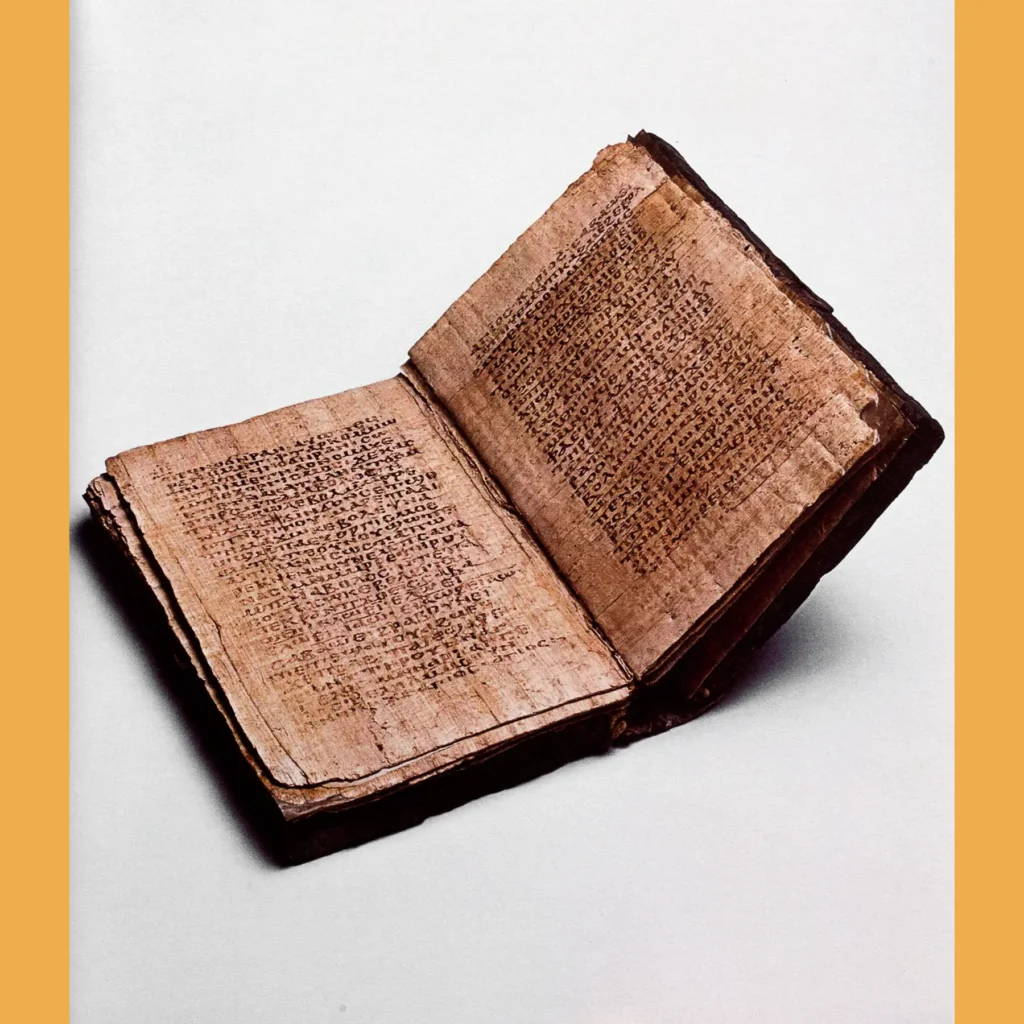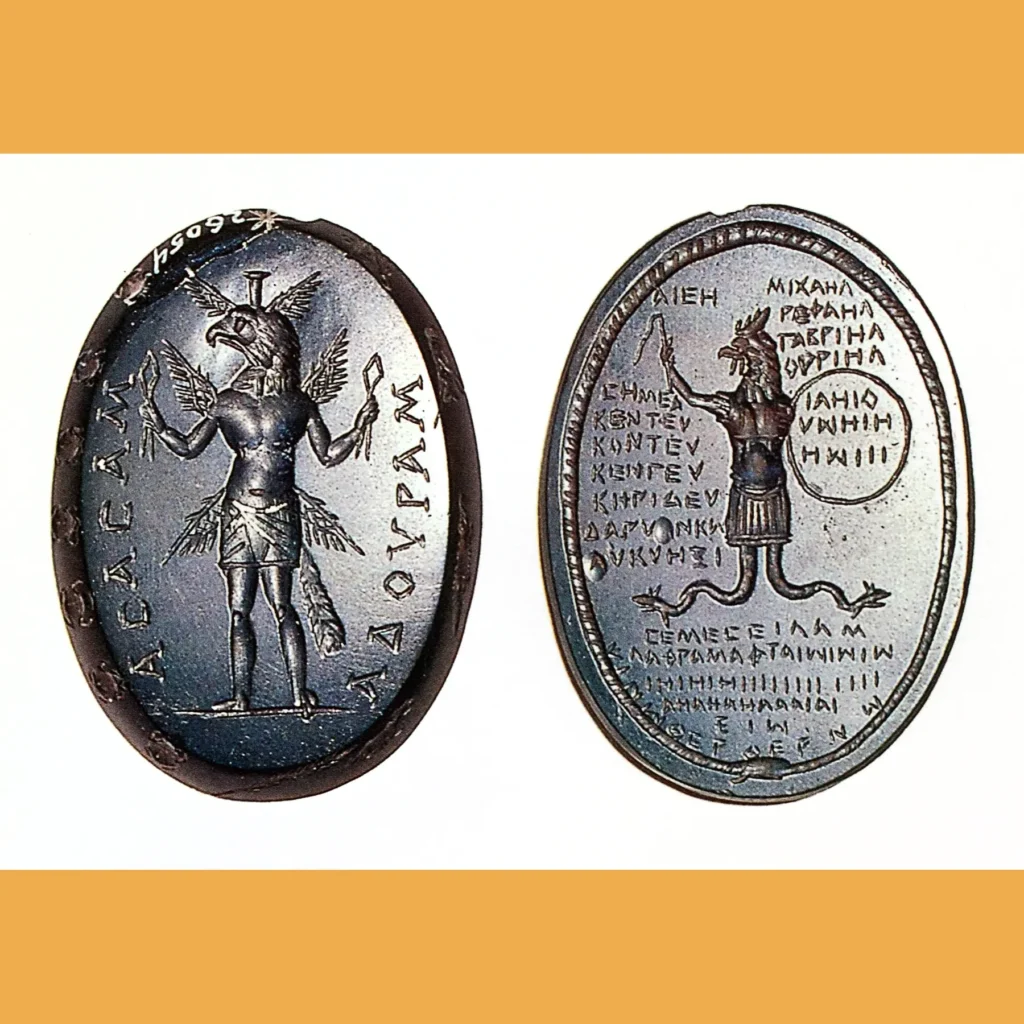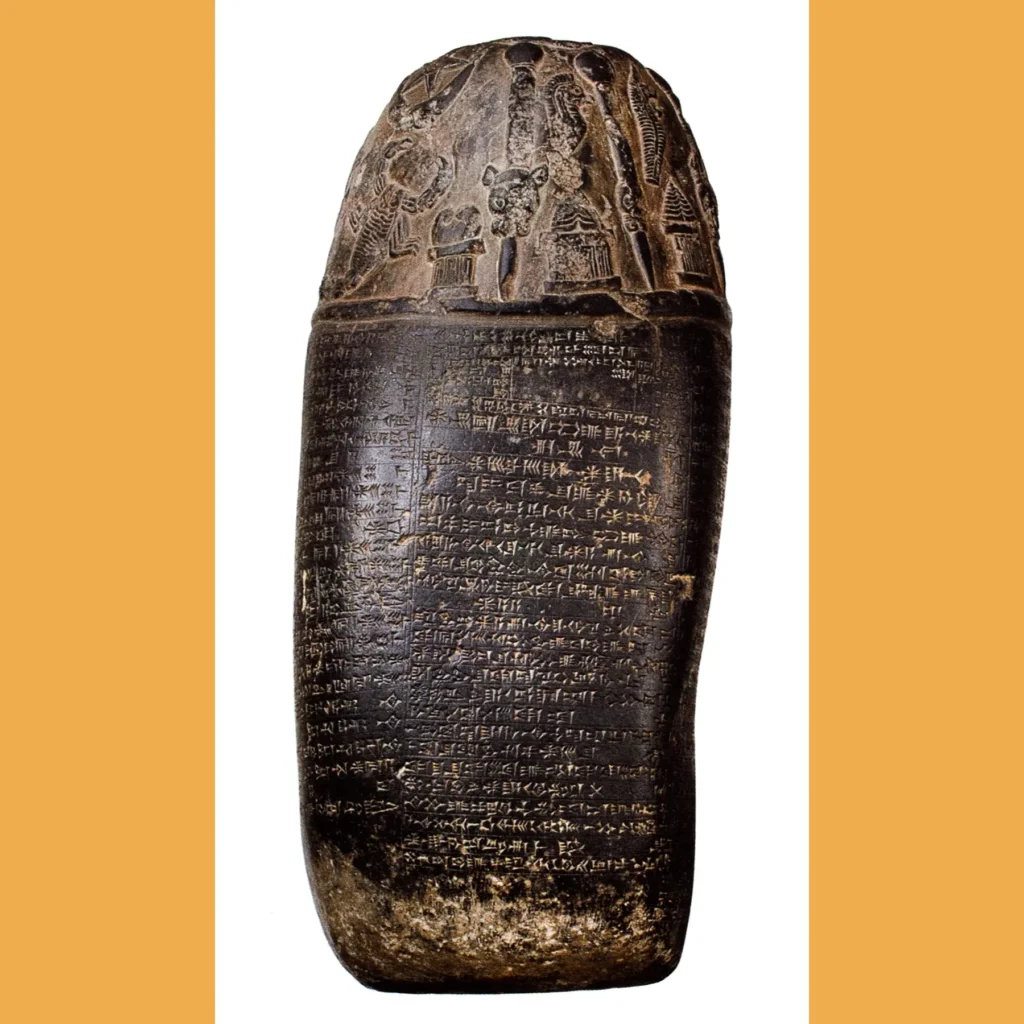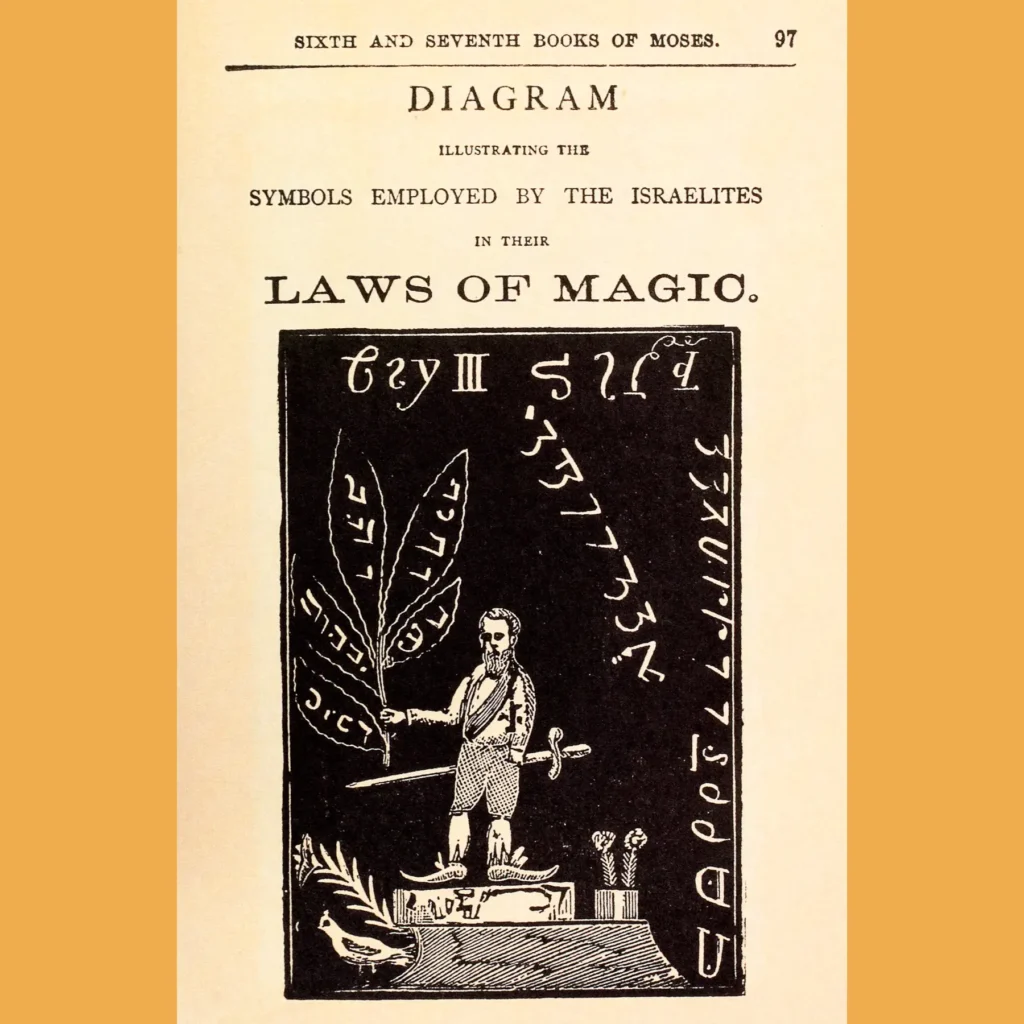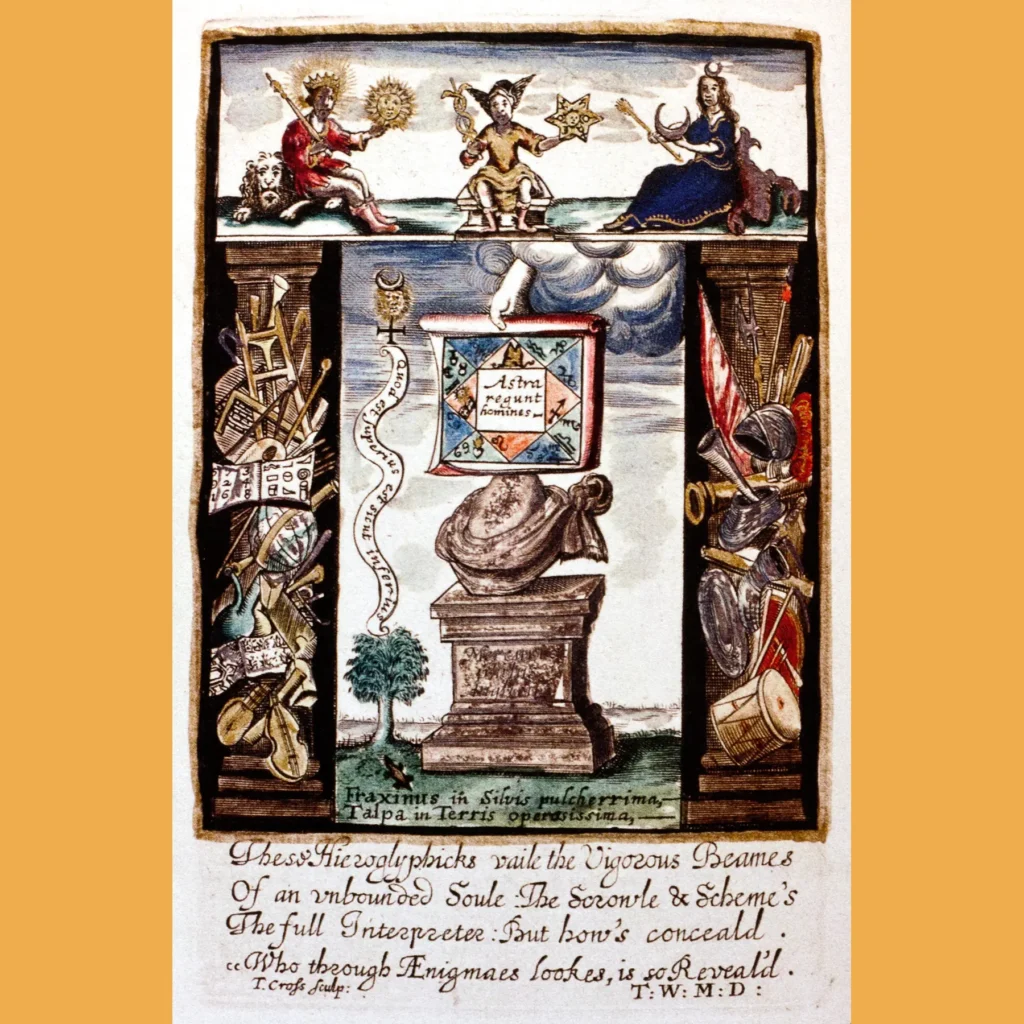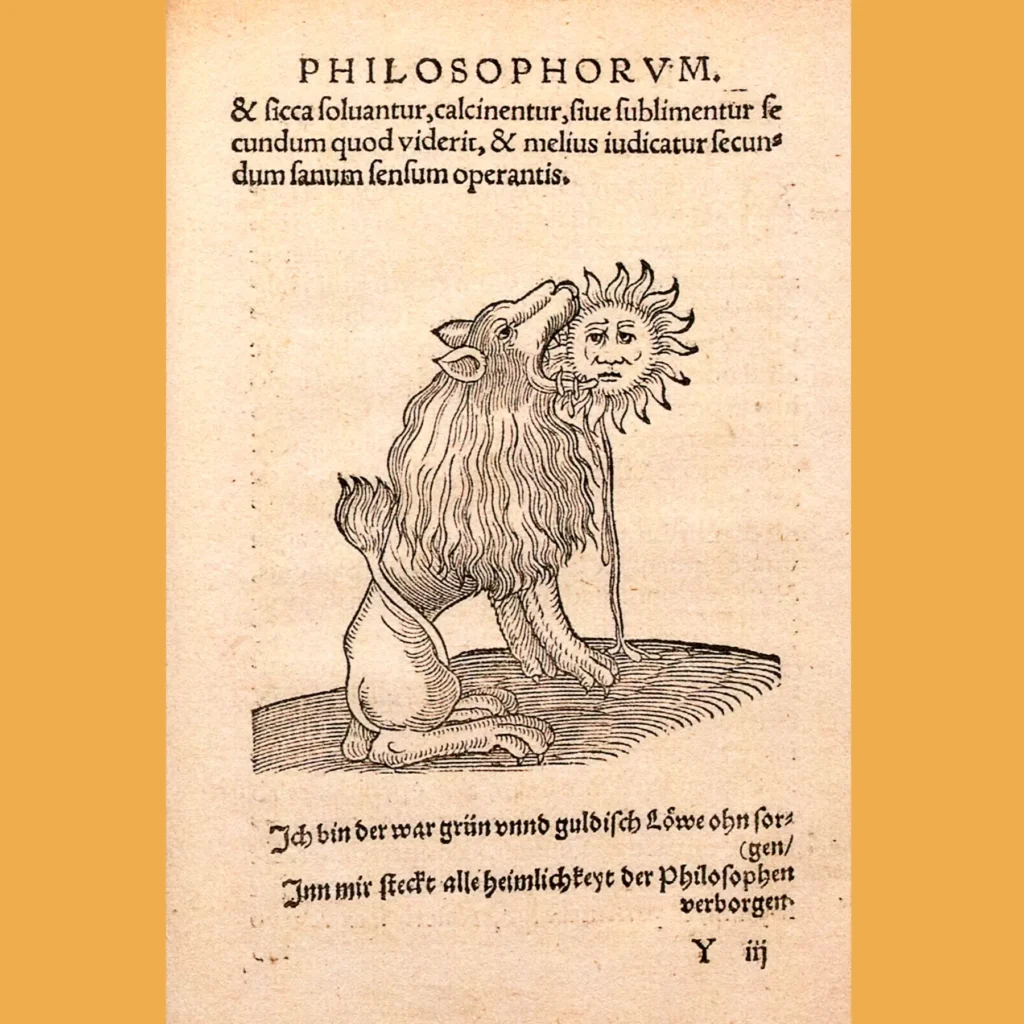
Art of the Grimoire (2023) moves us from implements of the art to the books containing the wisdom of the art. “Book” is doing a lot of work as a term here. We have traditional books, of course, but also scrolls, carved stones, clay tablets, etched lead, bamboo slips, bones, bark pages in a press and an online sigil generator. Even the traditional books often look strange, tattered, obscure or fashioned of unusual materials, at least, until the 19th and 20th century, when cheap printing replaced the previously hand-written books of secrets. Already, though, we have enough material to reconfigure our concept of what a “spellbook” looks like. I particularly like the spells carved on the skull.
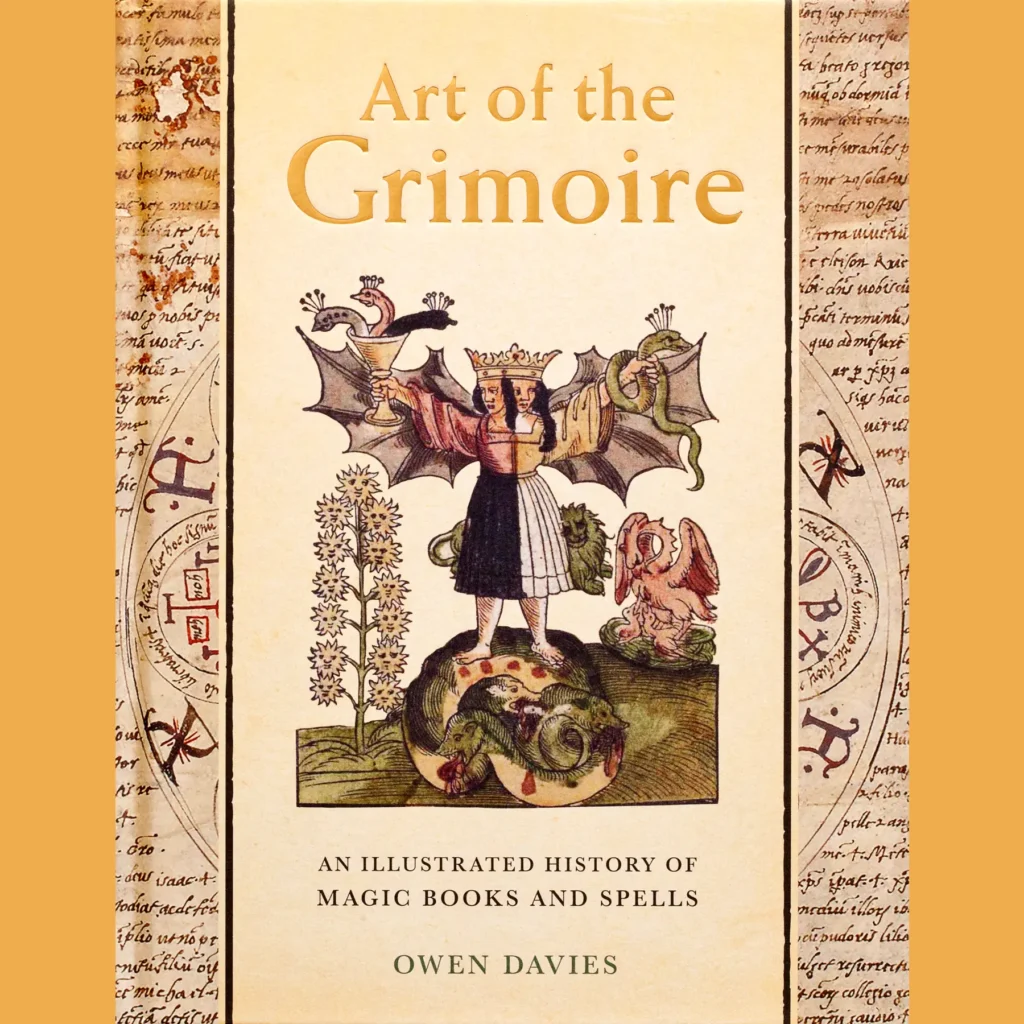
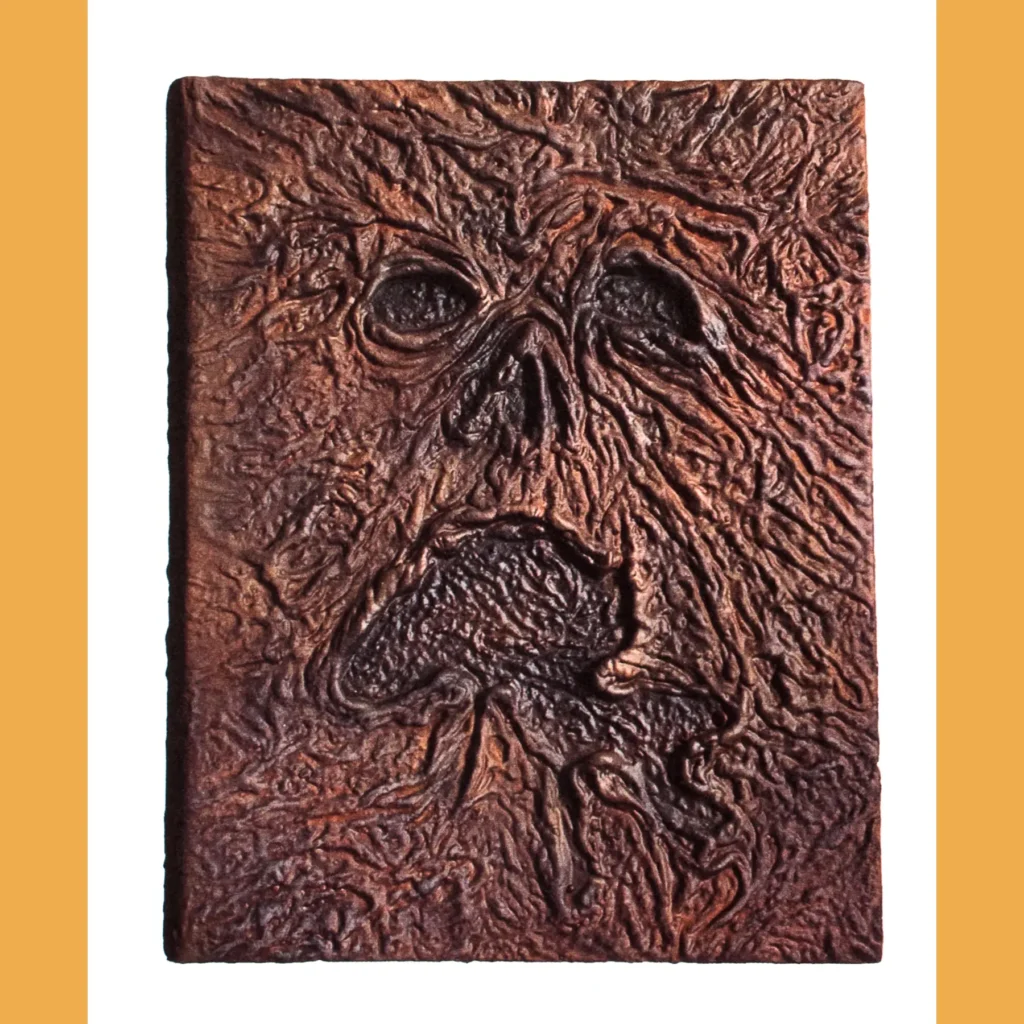
There is an interesting aesthetic through-line in these books of magic, regardless of their era or region of origin. The text (when written, almost always dark brown ink on light brown paper) is always cramped. Space is at a premium (makes sense for hand-written books that you’re not going to have 500-page tomes). Illustrations, figures, sigils and diagrams crowd into the words, and are in turn filled with their own words. Even if these were all written in 20th century English it would be a challenge to comprehend. Most of the grimoires are just pages and pages of this compact script. It’s beautiful, in its sinewy way, but it is far removed from the Hollywood spellbook. Two of those are included — Willow’s, from Willow, and the Tom Sullivan-designed Necronomicon from Evil Dead, both of which are emblematic of a kind of obvious, user-friendly magic. They want to be used, for good or ill, and strive to make that use as simple as possible. Not so for actual historical grimoires, in which the magick is kept within the process and the secrets are kept deeply obscure.