When I started painting miniatures, I started buying up all the orcs that Nick Lund sculpted for Fantasy Warriors. I love them, they have a really grumpy air about them and are just brimming with character. As of this writing, I’m up to 15-foot soldiers, seven wolf-riders, the goblin war giant and a troll. Having never played a miniature wargame properly, I am not sure what number constitutes an army, but I feel well short of it. After a couple years of painting, though, I finally succeeded in luring Ed into the hobby by providing him with all the dwarves and a whole lot of paint. One of these days I’ll edit the 2,000-word painting guide I wrote up for him and post it here on the site. Someday, we’ll have two armies. What will we do with them?
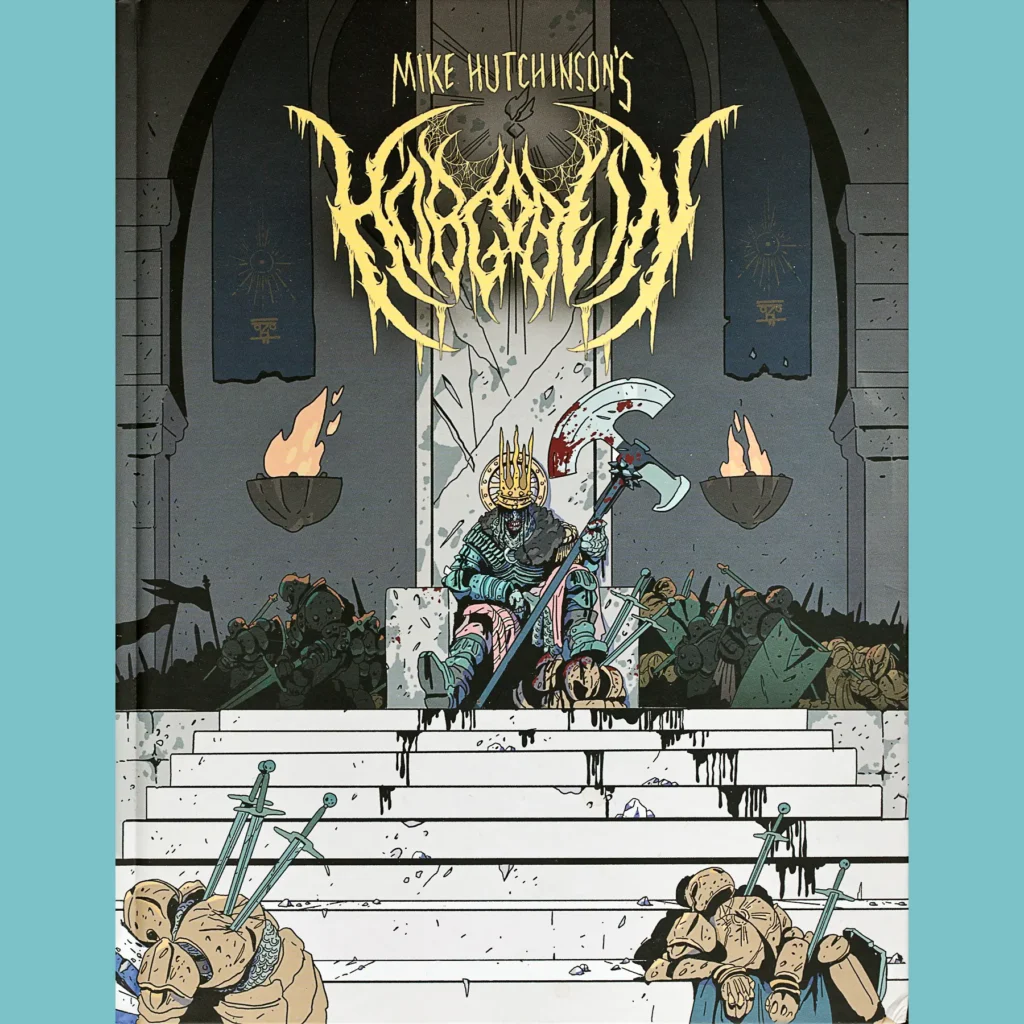
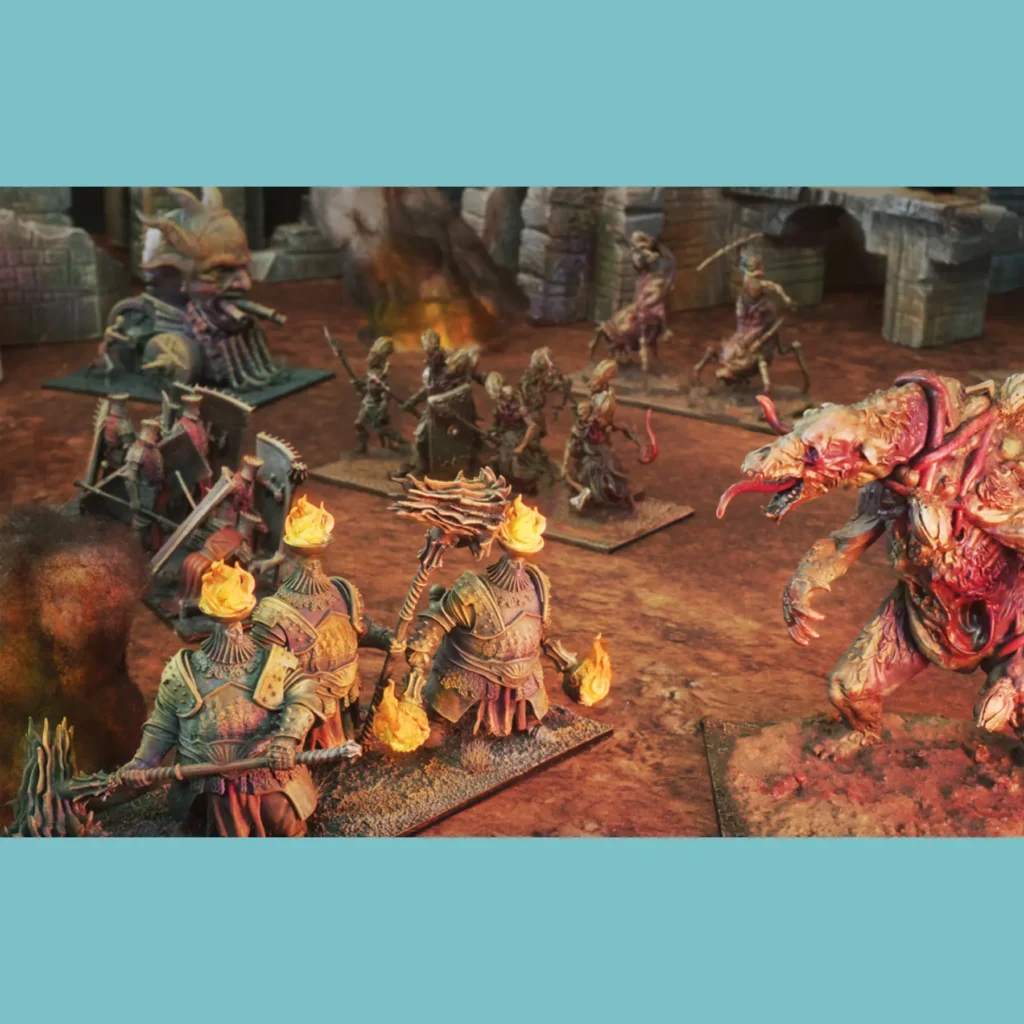
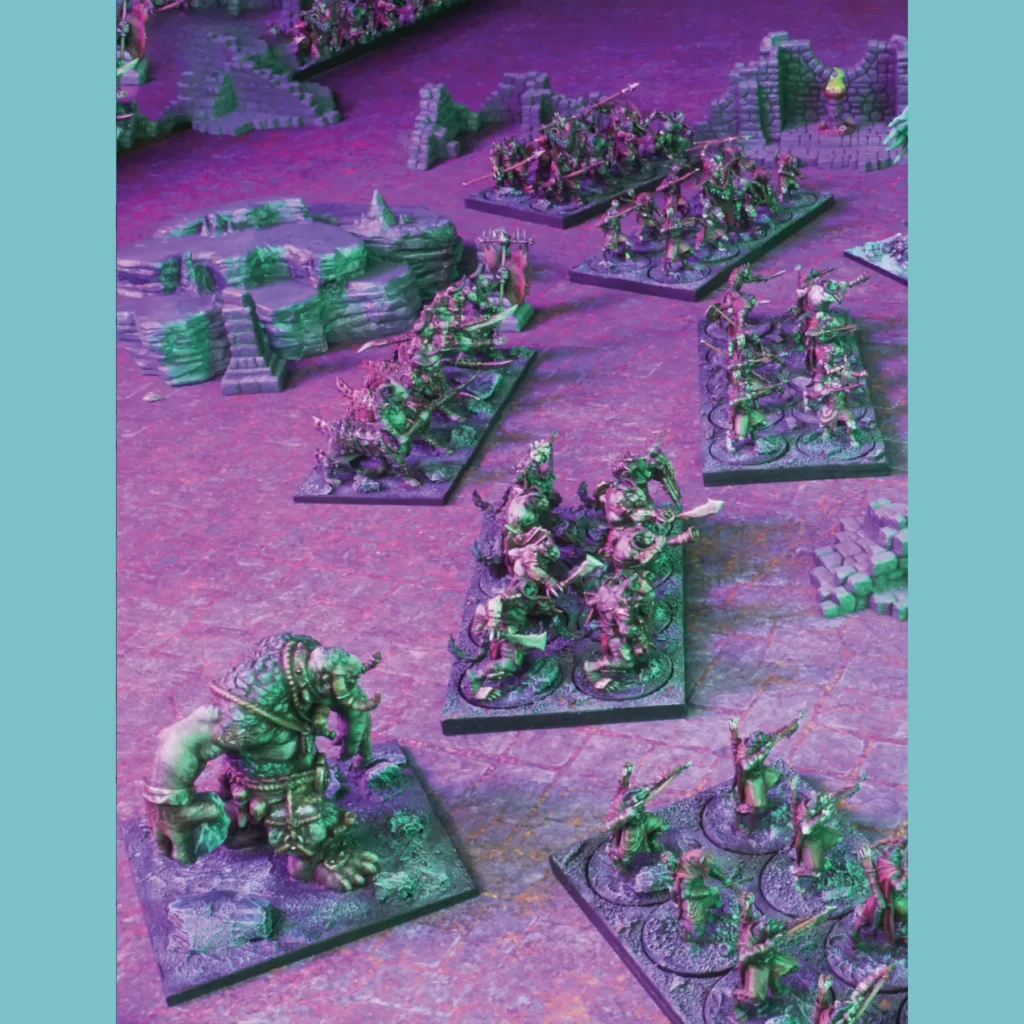
Play Hobgoblin (2024), probably. As soon as I saw this thing hit crowfunding, I knew we were in trouble. From Mike Hutchinson (Gaslands), the idea of the game is to get armies on the table and to crash them into each other with a minimum of fuss. The combat system is light weight and fast; depending on the point value of the armies, a match can run through in as few as 45 minutes of delicious carnage.
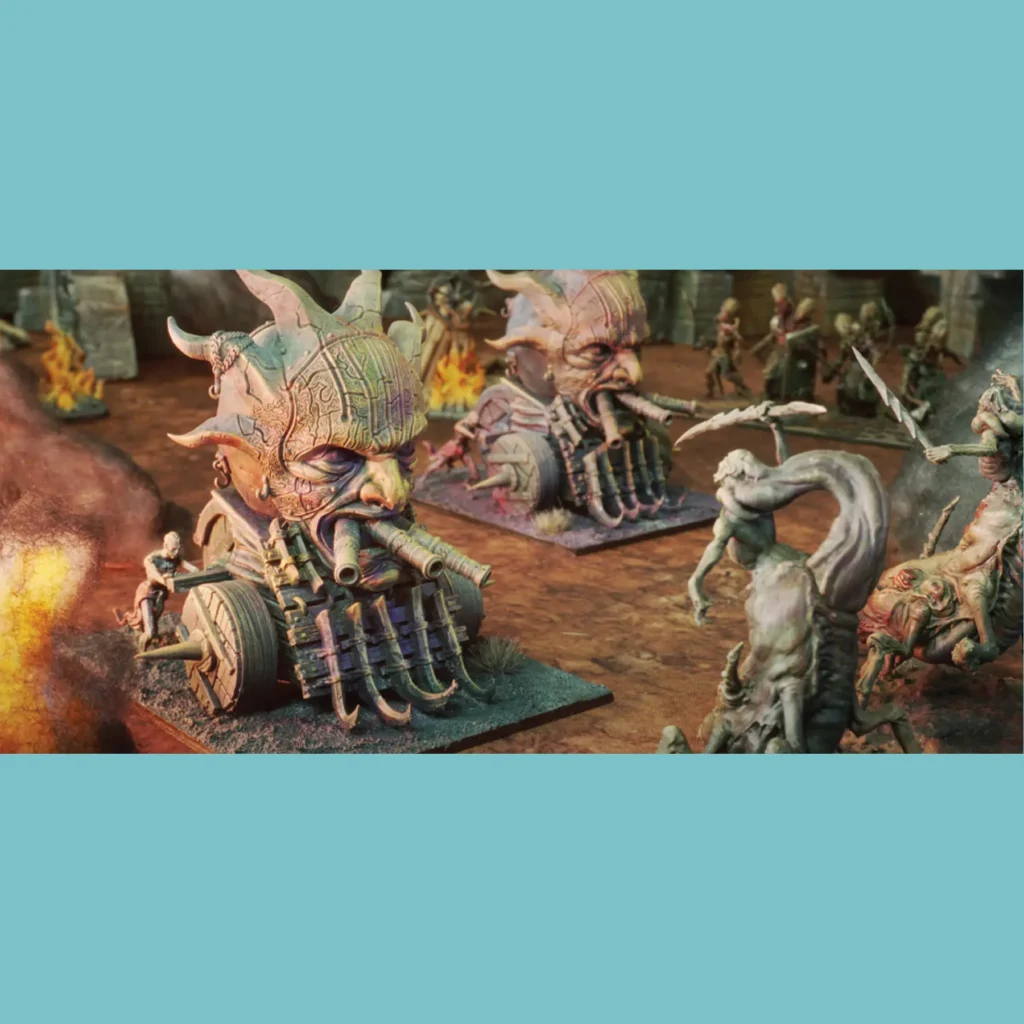
The strategy really takes place before the game, when you build you army. Honestly, you don’t even need painted miniatures to play, you can just cut out cardboard counters of certain dimensions to stand in for units (I have some dignity, though, and will wait until we have enough figures and movement trays to do it properly). Using an app (or paper, that’s fine too) the players assign each grouping of troops a type (Light Infantry, Heavy Cavalry, War Wagon, etc.) and then buy addition keywords (which come as both advantages and disadvantages) to customize them. Thus, my Goblin War Giant would probably be a War Wagon unit, which starts with Narrow Footprint and Towering, to which I might add Unruly and Terrifying. There’s some other stuff to account for if you want, like artifacts and magic, but with an army list, you’re pretty set to go.
The brief rules are supported by a number of scenario frames, examples and details on a campaign setting if you need a narrative. I particularly like the fortune cards, which are used to quickly turn dire situations into a surprise advantage.
This is exactly the amount of wargame I want. I can’t wait to play.
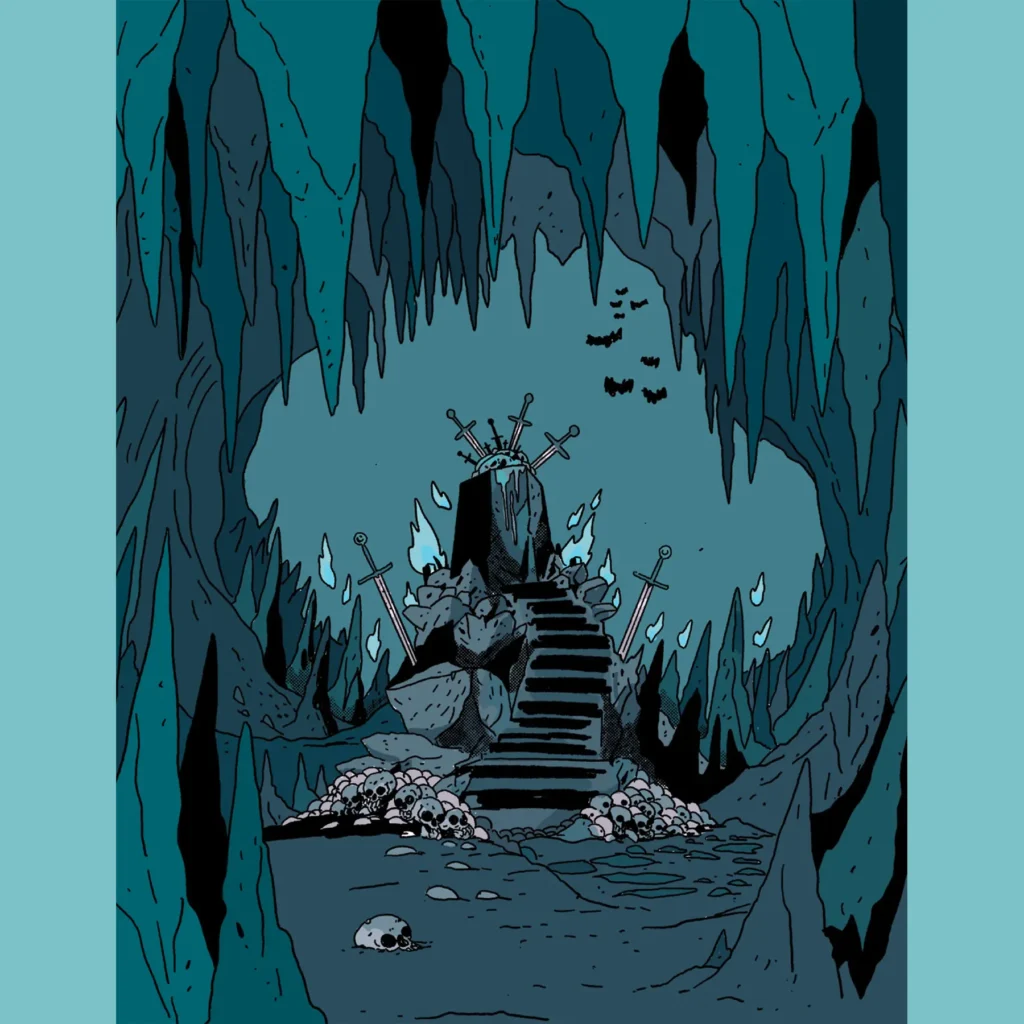
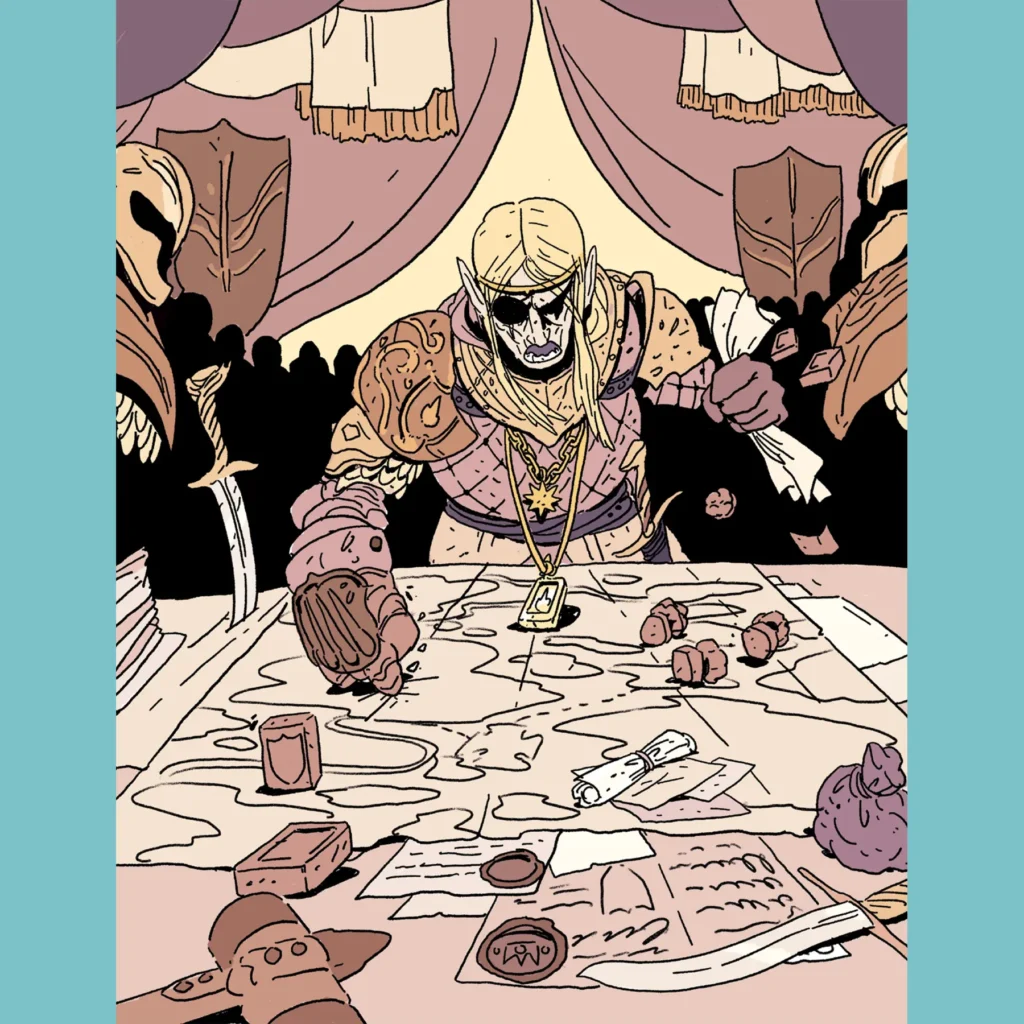
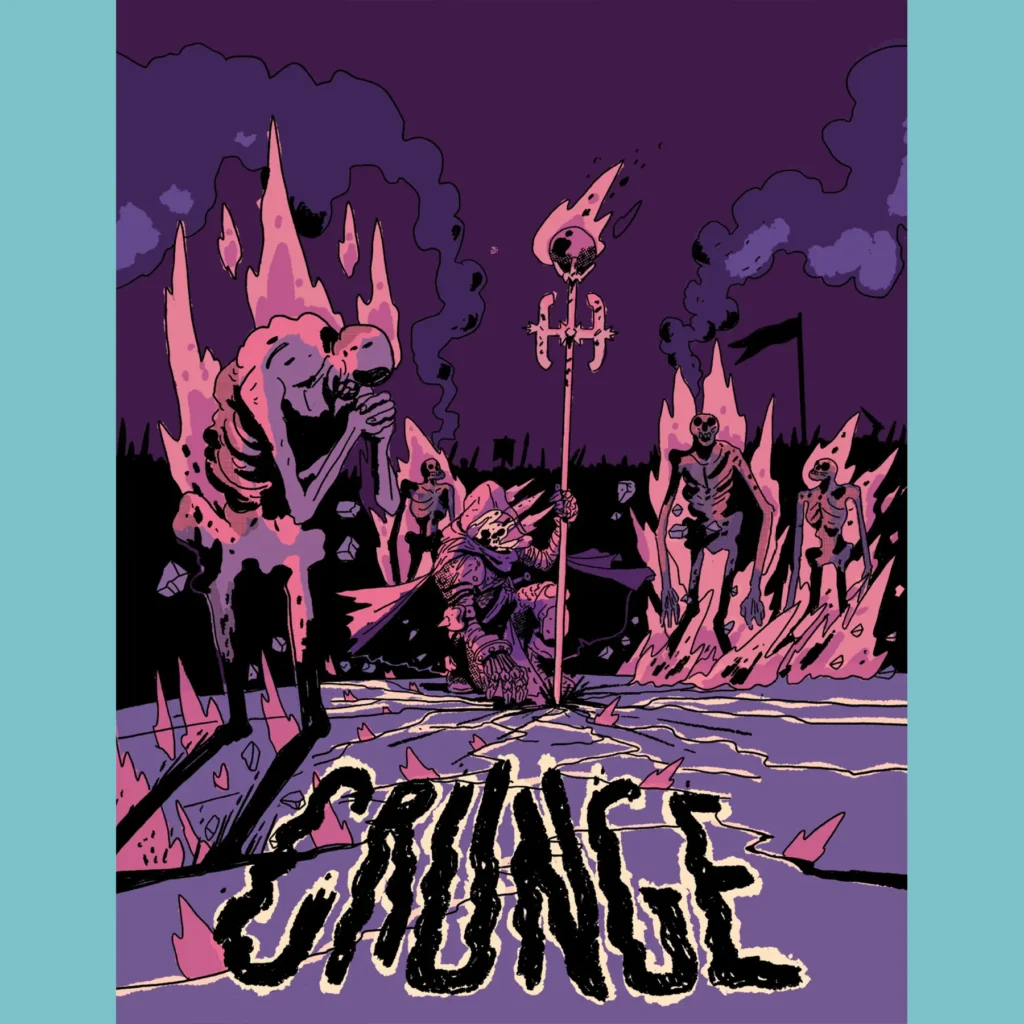
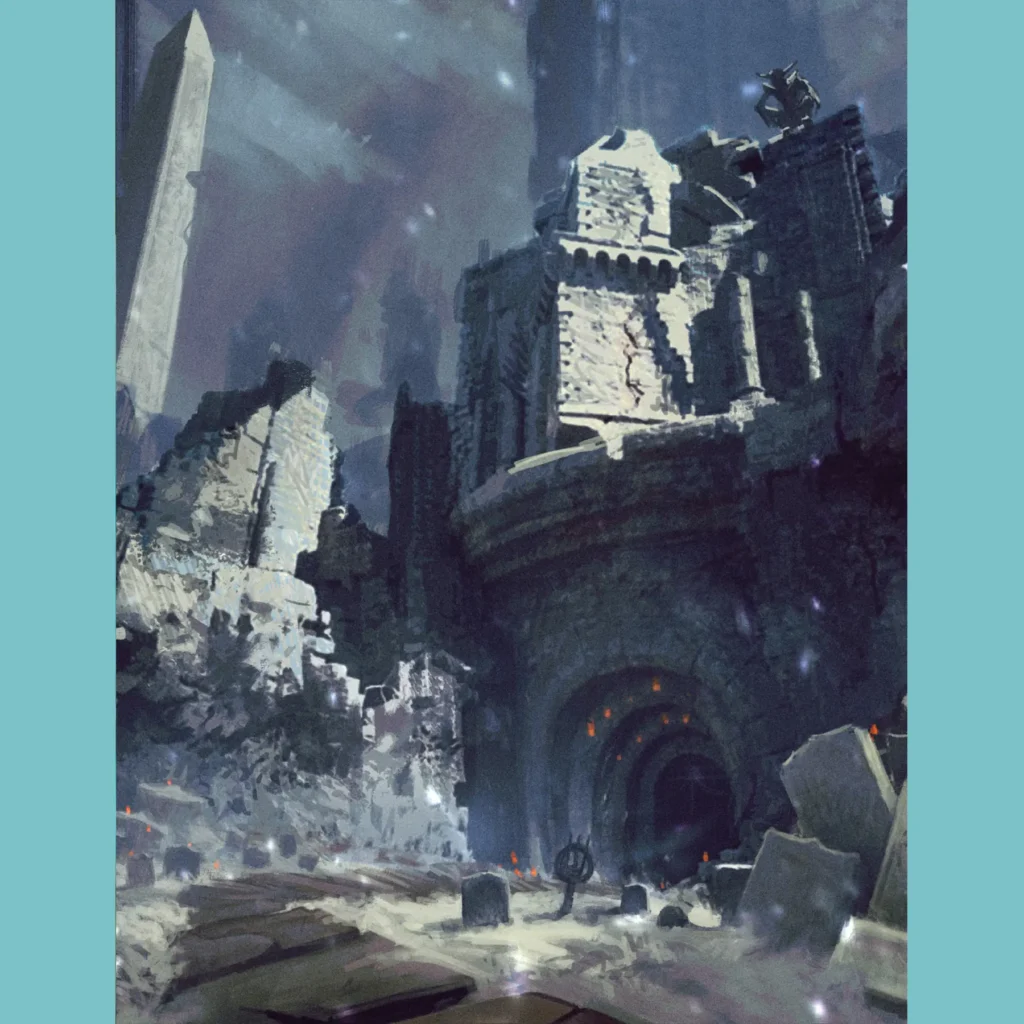
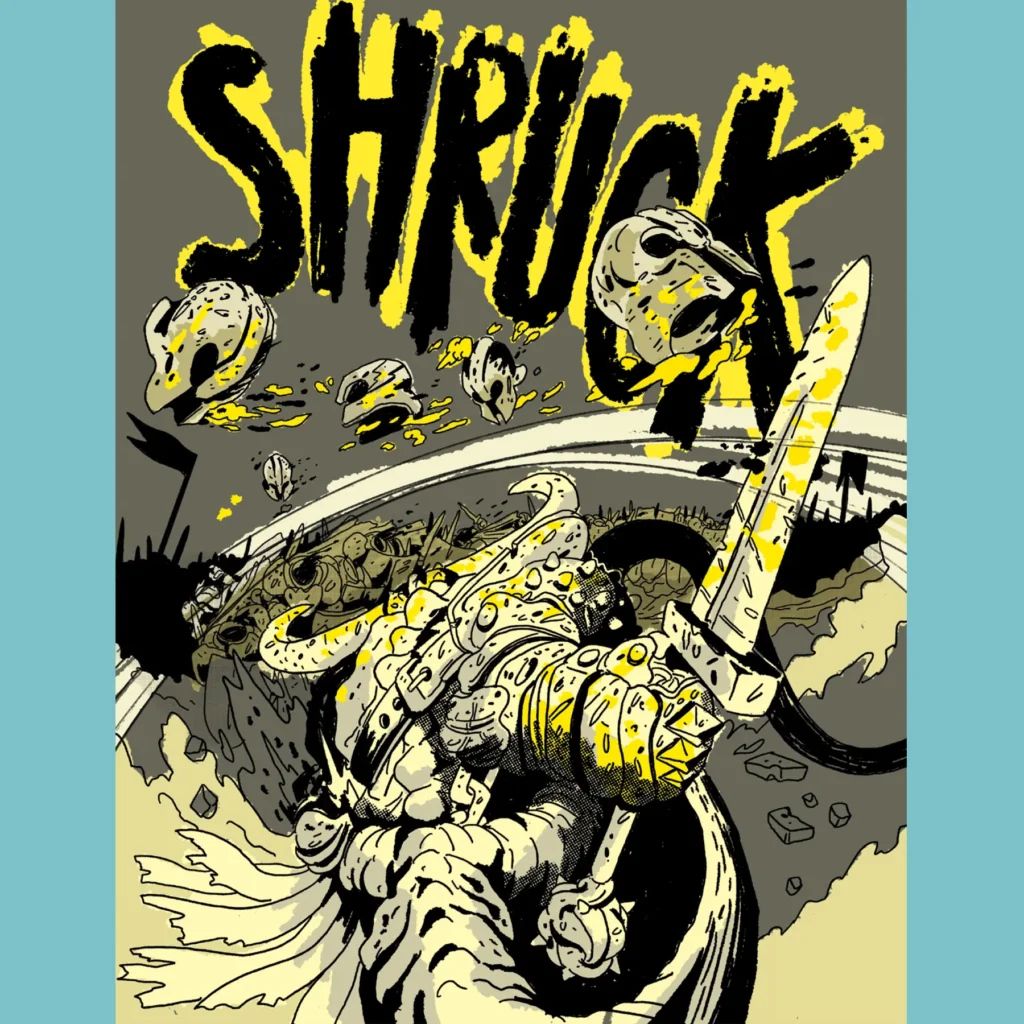
Illustrations primarily by Crom, but also featuring Sean Sutter, the Forge Studios and Domenico Cava, with no clear credits. Lots of miniatures photography, too, which is rad.