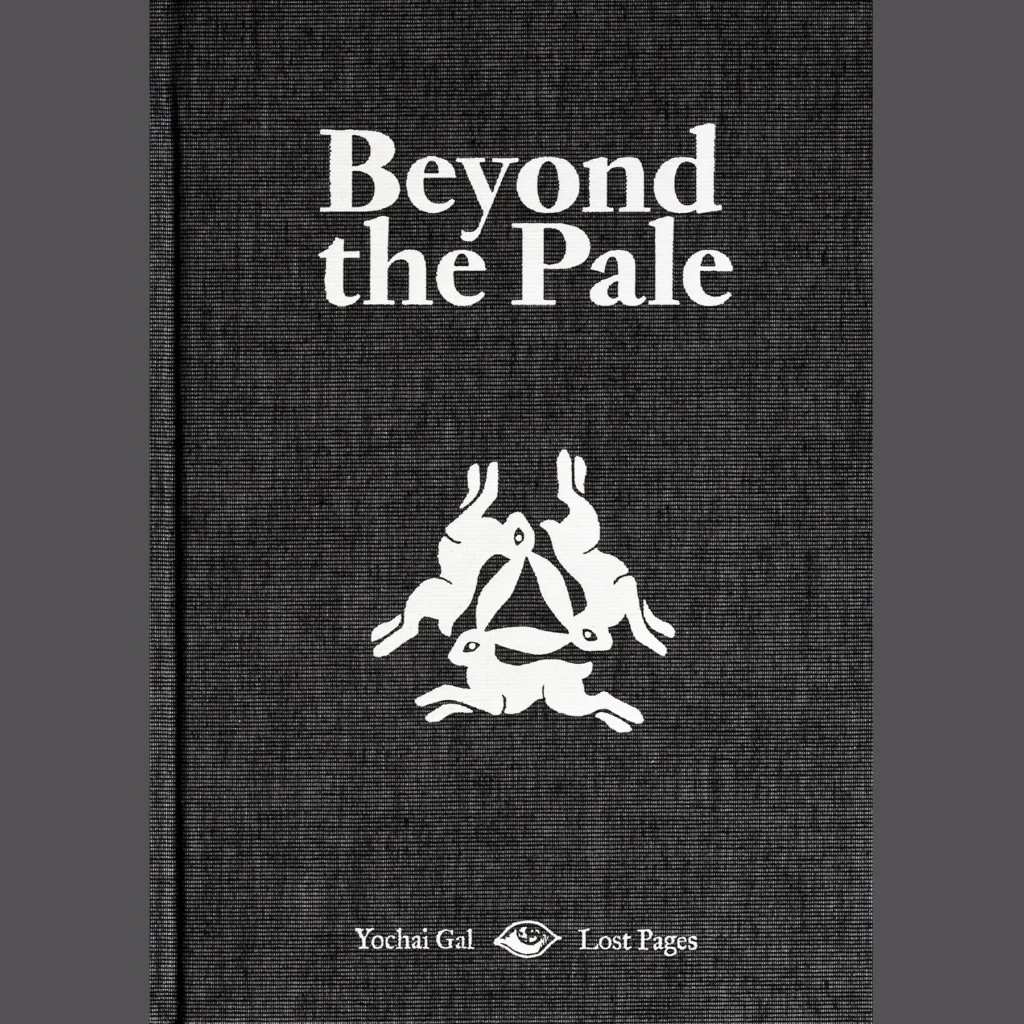
As with the previous RPG books this week, Beyond the Pale (2024) is at pains to evoke a certain time and place. In this case, the inspiration is the Pale of Settlement, the region of western Russia where Jews were permitted to live (generally as impoverished, second-class citizens) from 1791 to 1917. It’s the work of Yochai Gal, the creator of Cairn, and uses that ruleset, though really any OSR-ish system would work.
I have to mention the etymology before we go on. In this case, Pale doesn’t refer to the lightness of a color. It’s actually an archaic word for a narrow post or stake with a pointed end (to impale it into the ground) and a group of them would make a paling fence. At some point, “pale” became synonymous with an enclosed space, often of a political nature — the earliest pale I have found during a brief scan is the Pale of Calais, which was a chunk of France under British rule from 1347 to 1558. The idea of decent people not going “beyond the pale” was originally put forth by the poet John Harrington in 1657. The phrase takes on multiple possible meanings in this adventure.
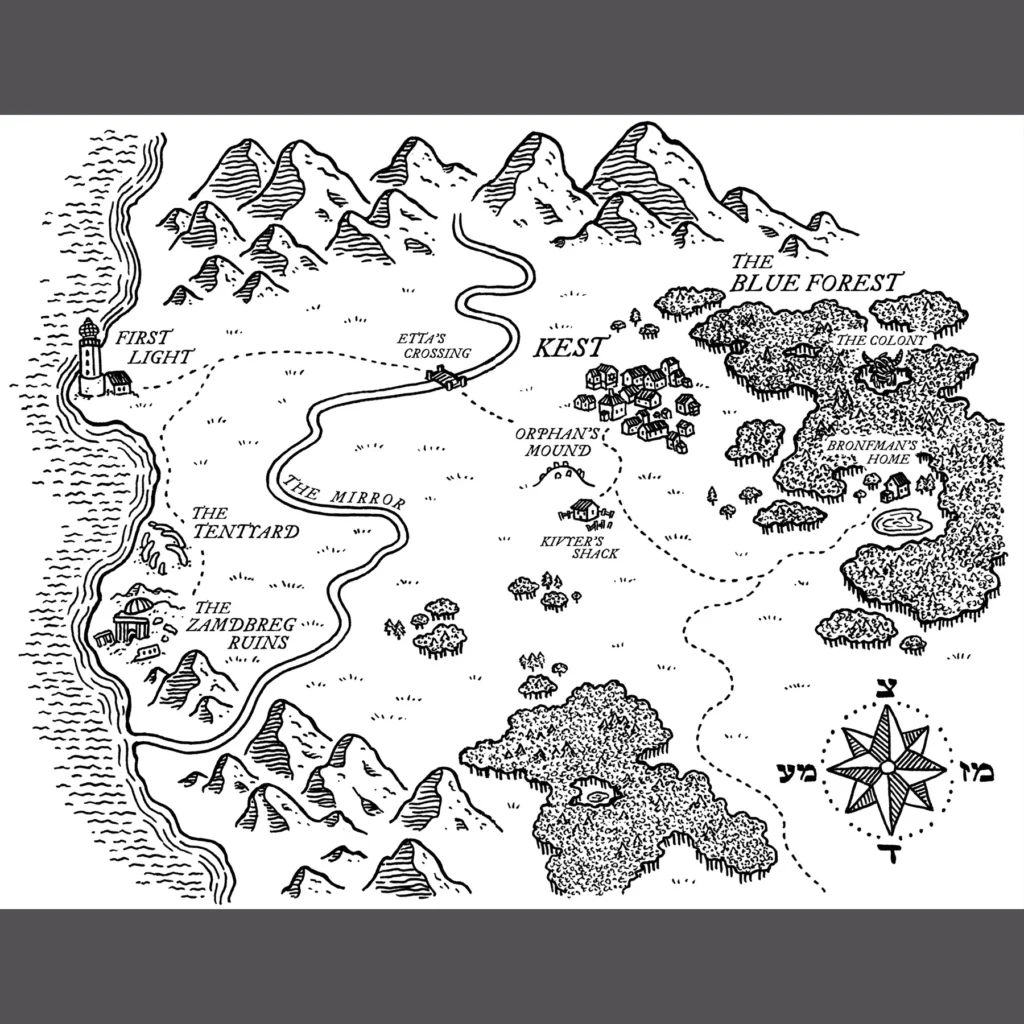
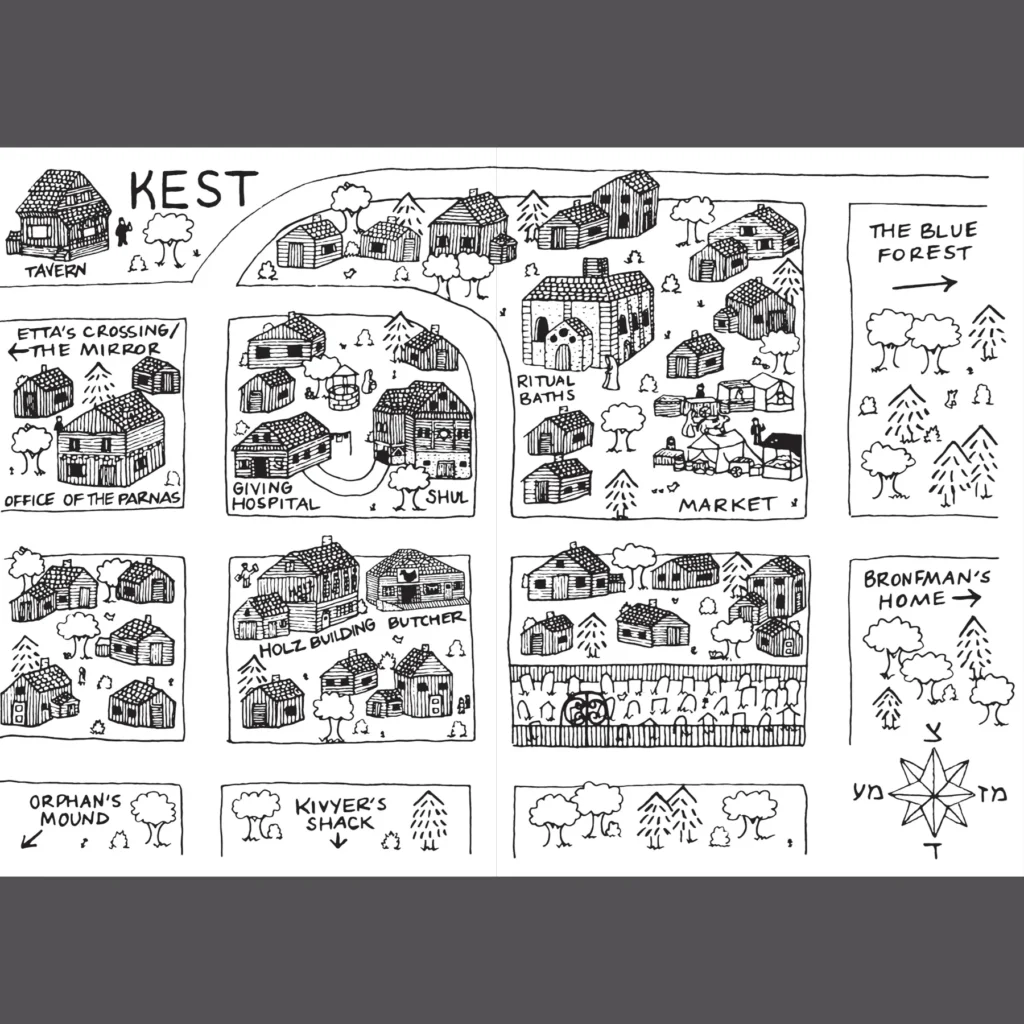
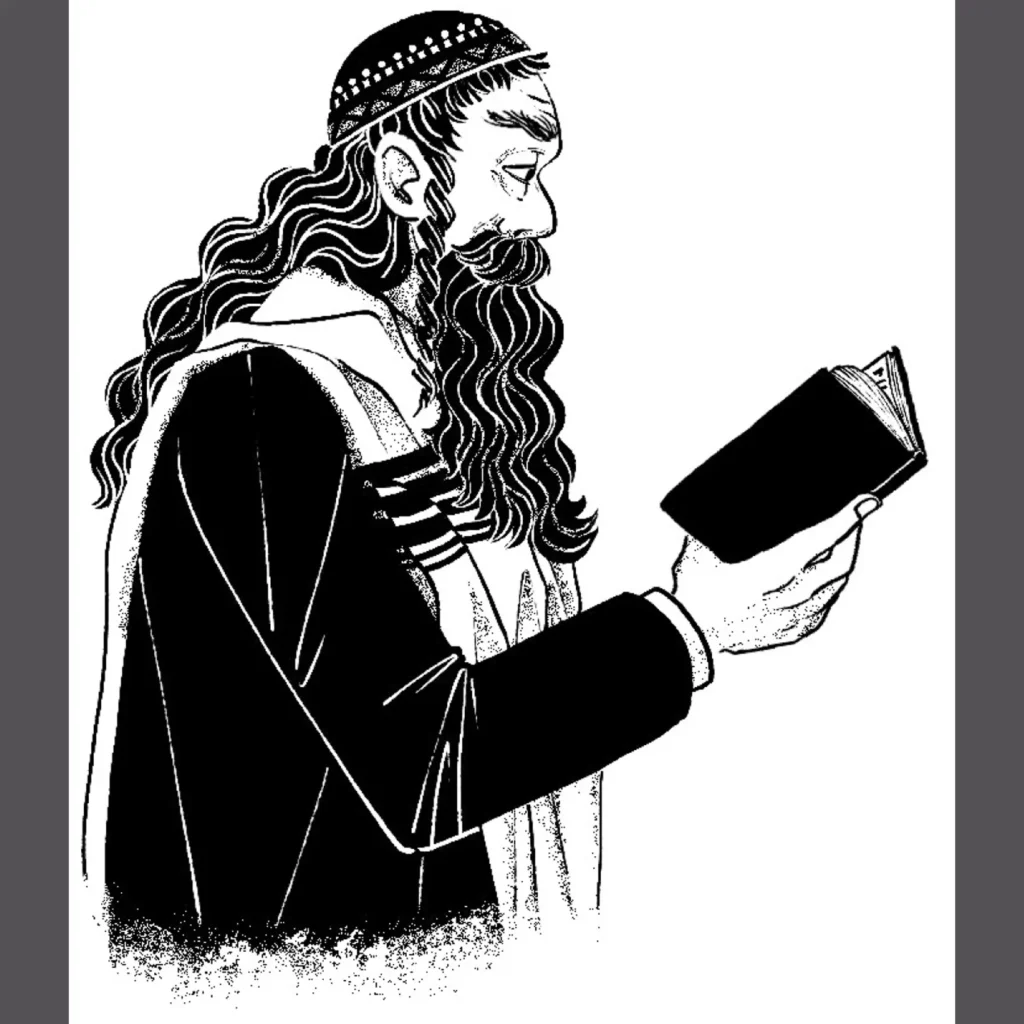
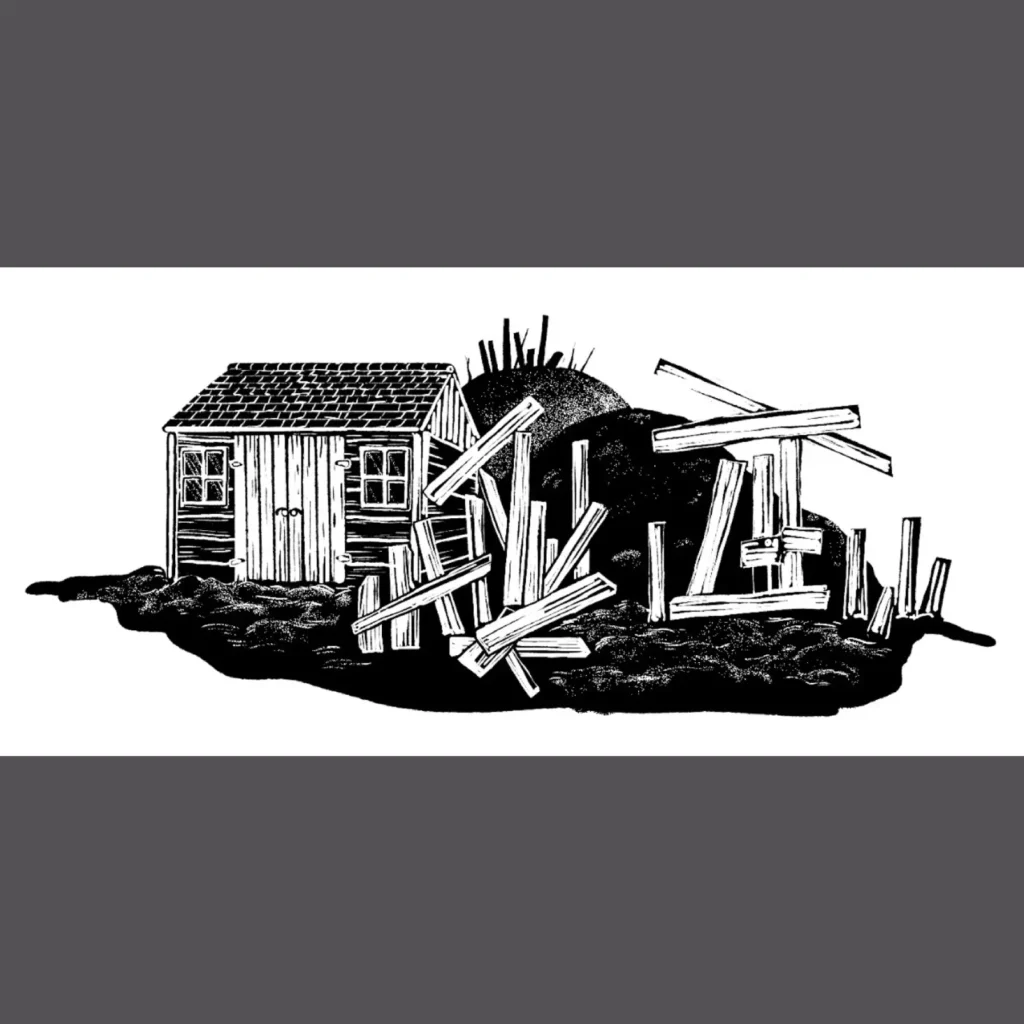
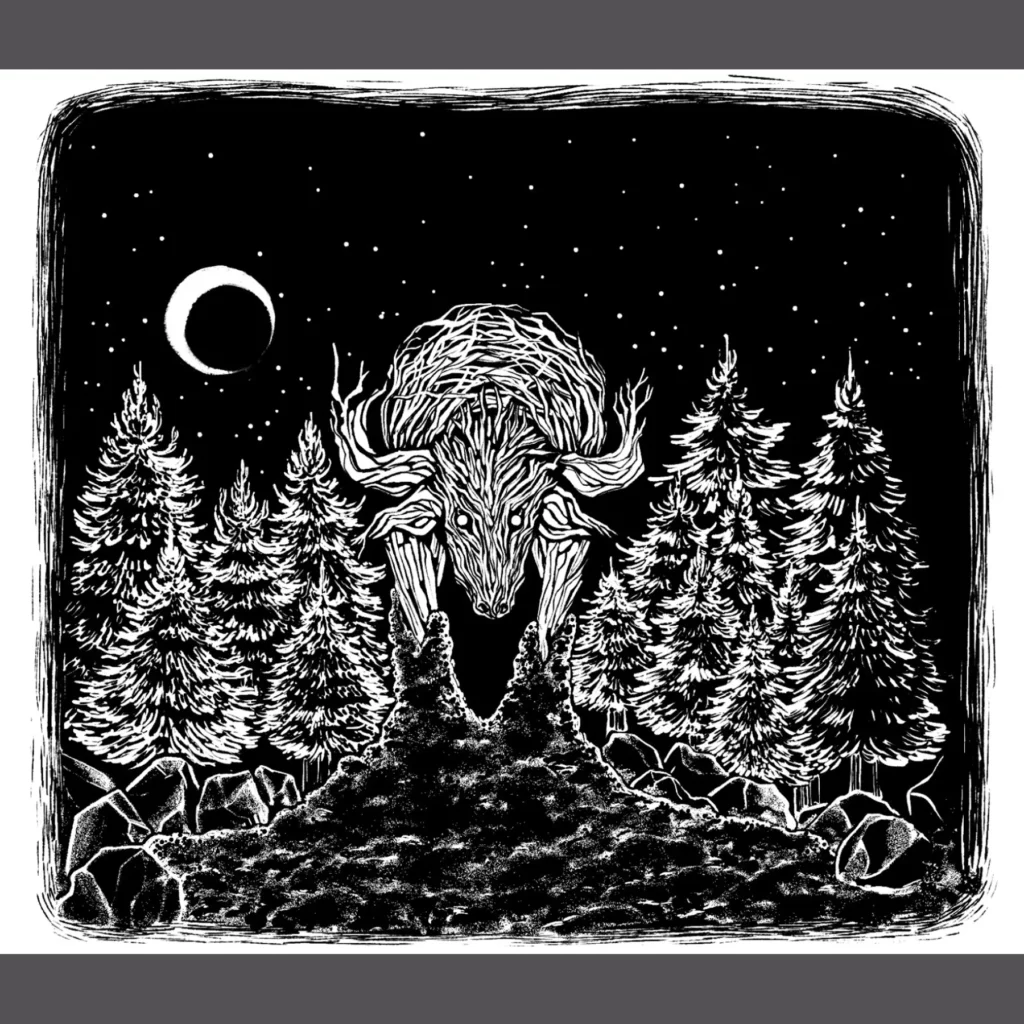
What this book presents is a single settlement amid a haunted wilderness. A conflict has erupted between the rabbi and his brother, who has embraced worldly ways and recently secured a lucrative lumber contract. In the hope of convincing his brother to reconsider, the rabbi created a golem, but in doing so he set in motion a series of cascading supernatural consequences that, if left unaddressed, will lead to catastrophe. Players have a limited amount of time to unravel the various mysteries and save the town.
It reminds me a little bit of Witchburner, actually, though much more structured. It’s nice to come across something working with similar ideas of place and timing. The trappings are much different, though, as this is steeped in Jewish folklore and an unapologetic amount of Yiddish. Coupled with the well-drawn NPCs, the village is delightfully believable and the features of the surrounding countryside almost casually invite adventure.
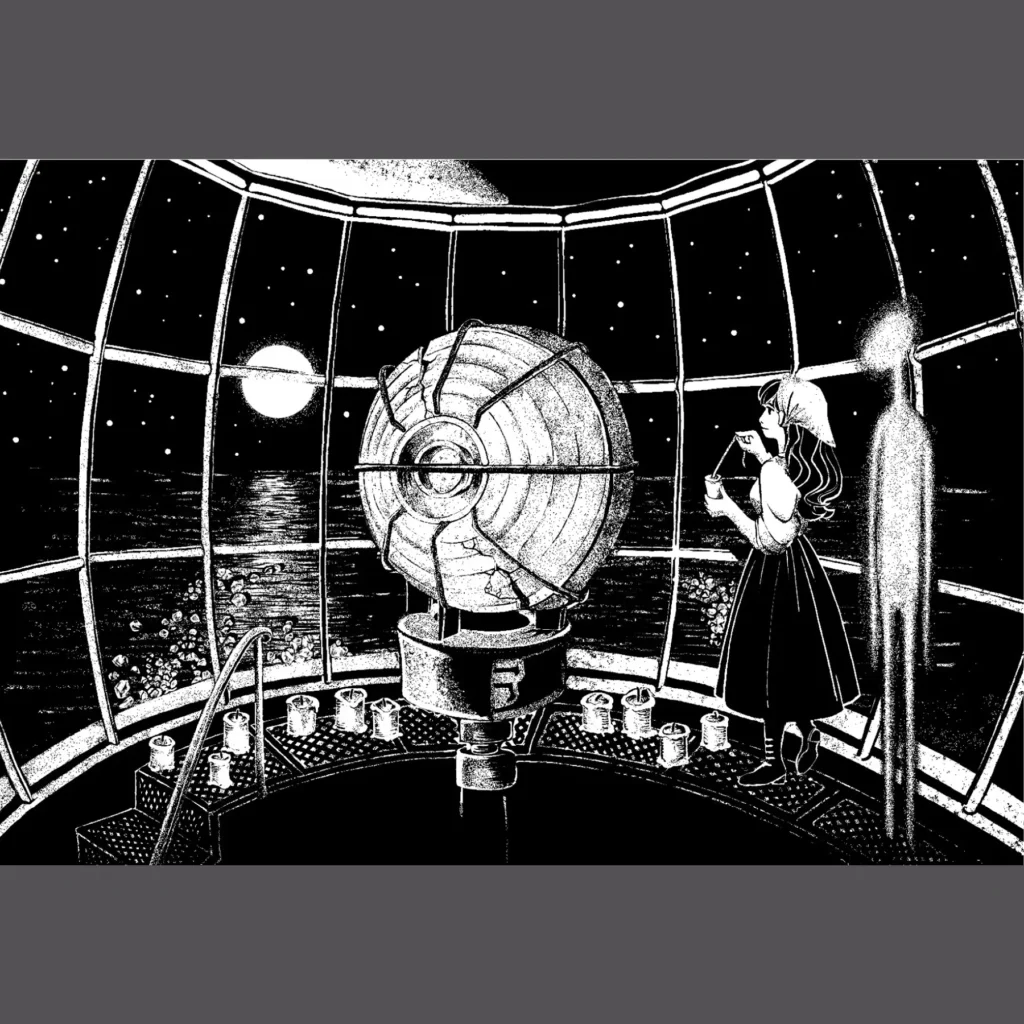
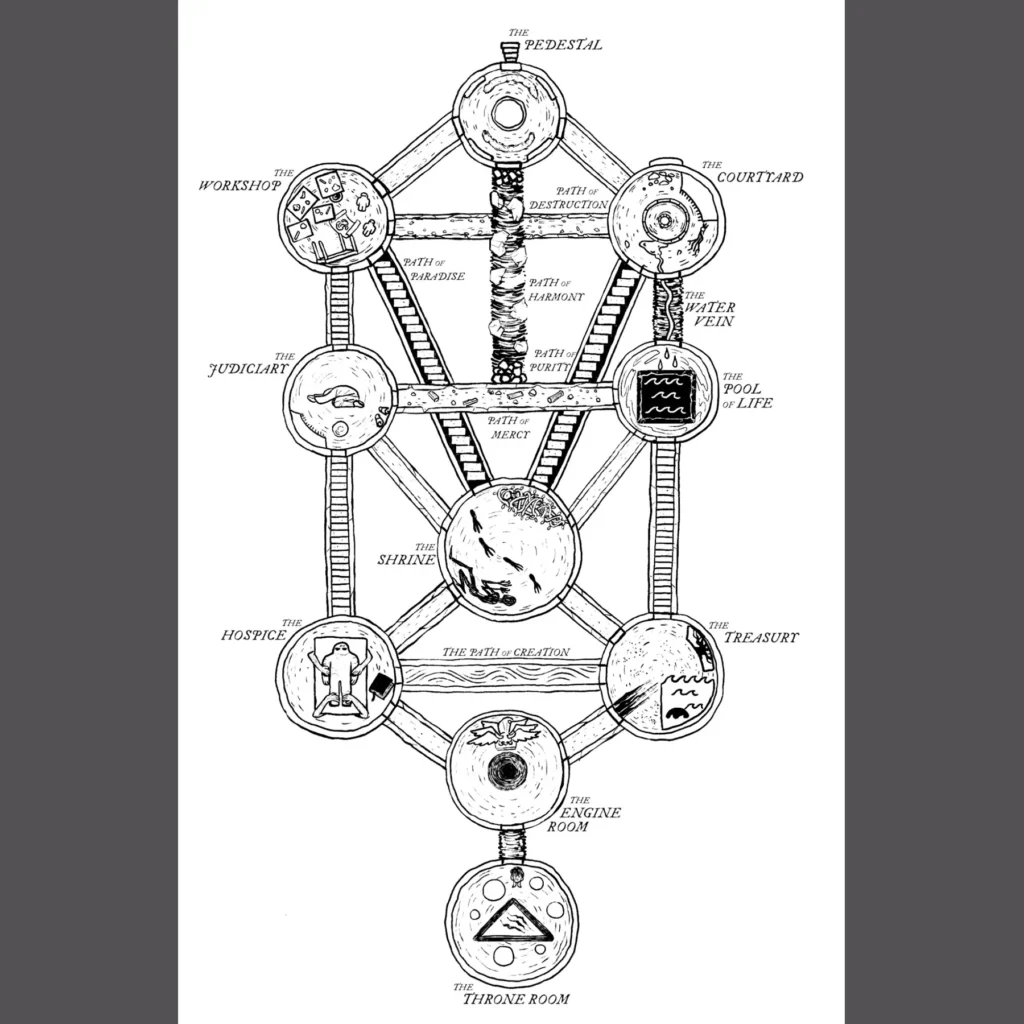
I usually don’t talk about the climax of recently published scenarios, but I have to mention the (likely) final dungeon, because it is remarkable. It’s a sort of metaphysical dungeon structured like Tree of Life from the Kabbalah, with every room corresponding to one of the Sefirot. The space, which is appropriately irrational, is a magical tool of the Rabbi (used primarily as a prison for hostile spirits) that has slipped from his control; to enter it, navigate its dangers and set it right again feels like a genuinely numinous experience. It’s very impressive.
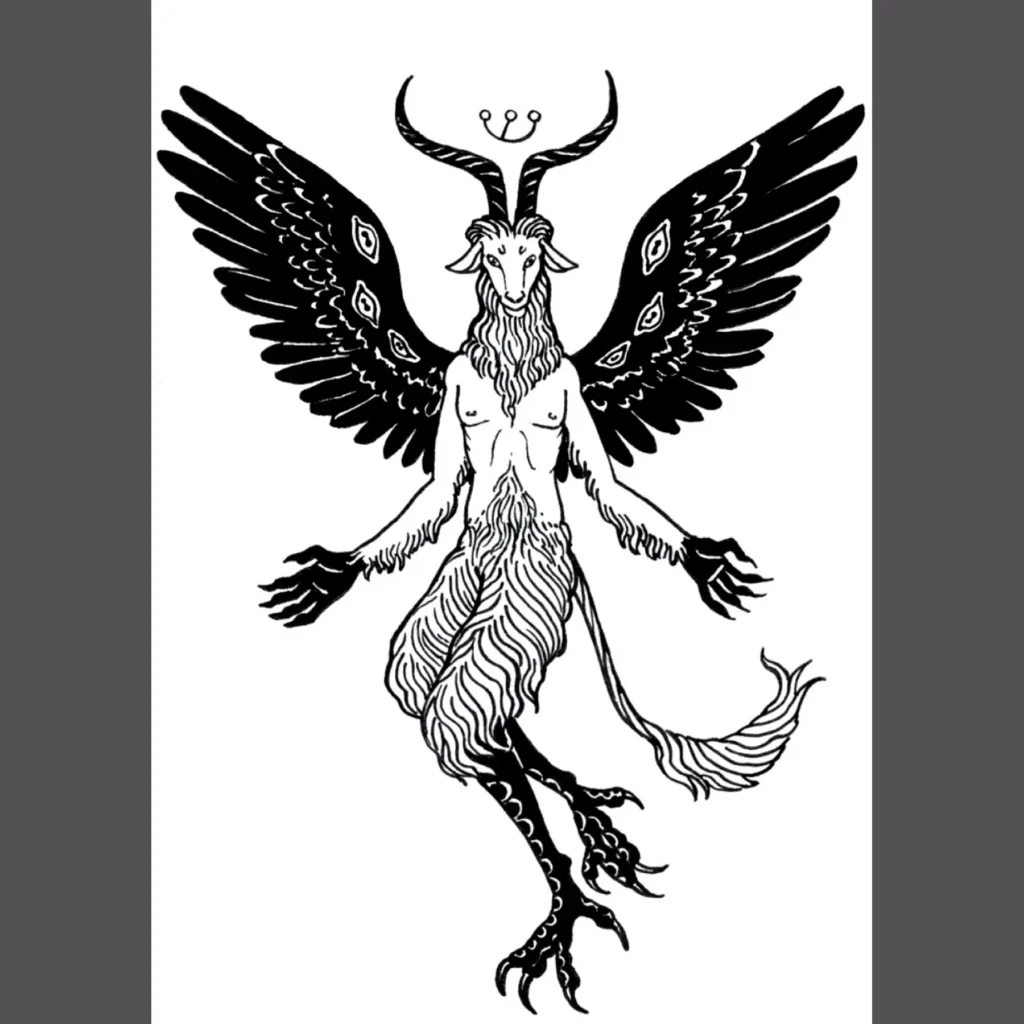
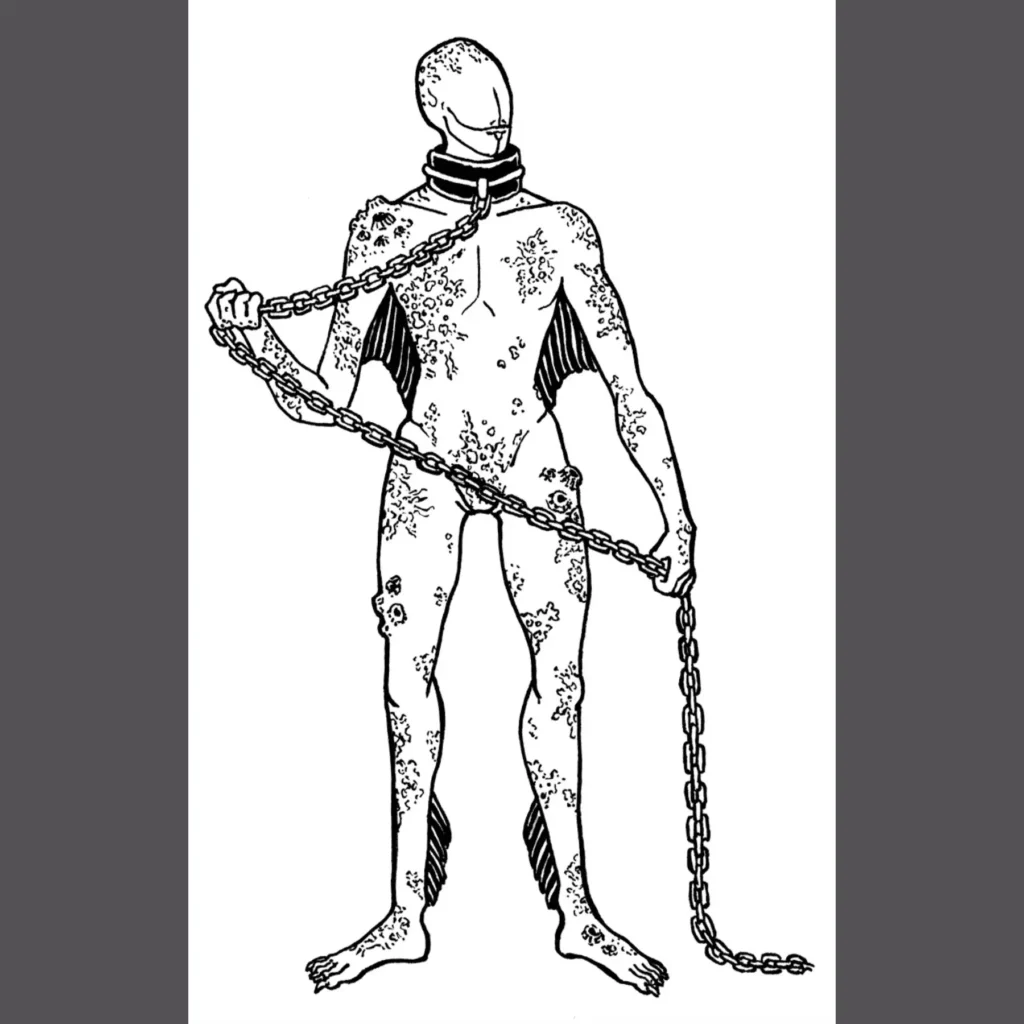
Ezra Rose and Shari Ross did the monsters, NPCs and location illustrations, with Rose on the cover and Ross contributing the dungeon maps. Elizabeth Shulman-Nadoly illustrated the town map. I find all the illustrations pleasing and complimentary. They measurably add to the feel of the world.

Yeah, this is a nice one. Paolo is a friend, so I picked this up automatically but was glad I did. I should play through it now that we play Cairn sometimes.