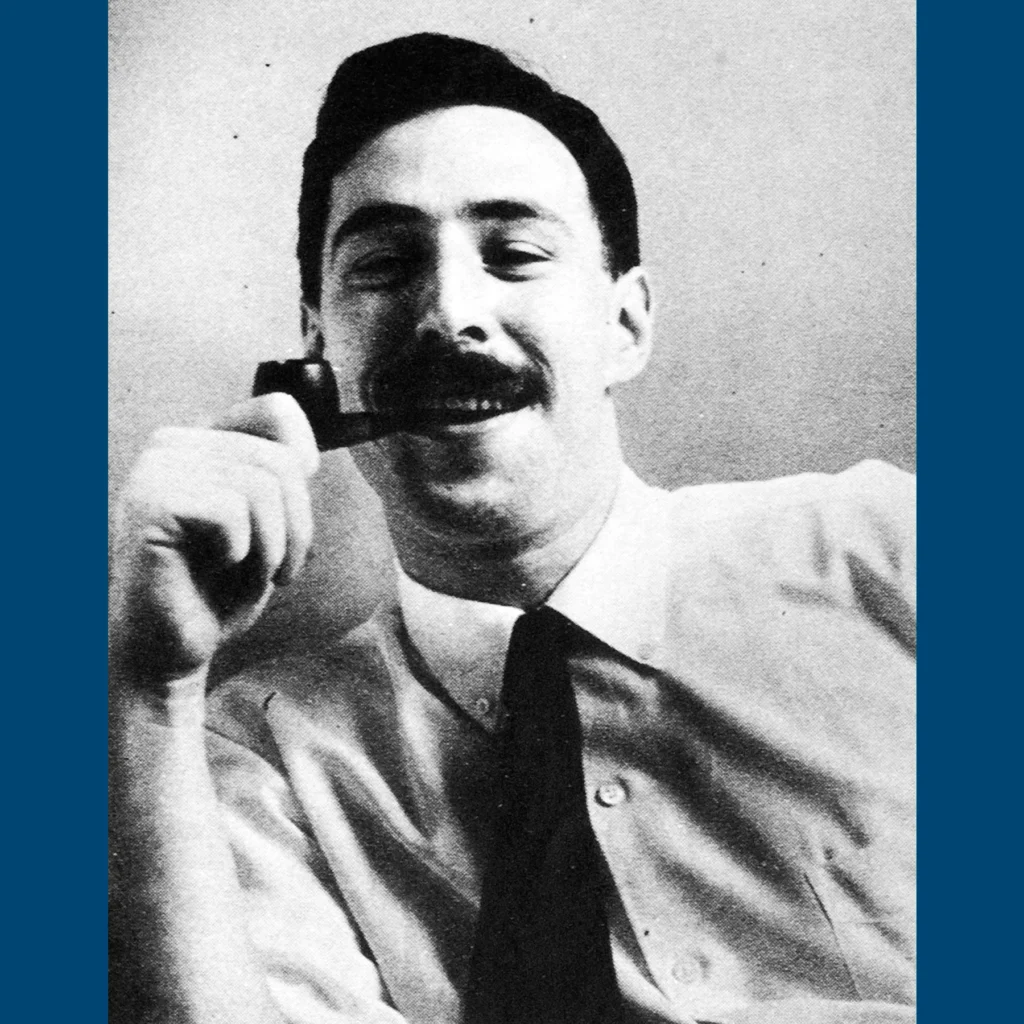
Myths of the Space Age (1967) is Daniel Cohen’s first book, and about the mirror opposite of Sea and Land. A science writer working as an editor for Science Digest magazine, the sub-title says it all: “A Skeptic’s Inquiry into the Pseudo-Scientific World of Today.”
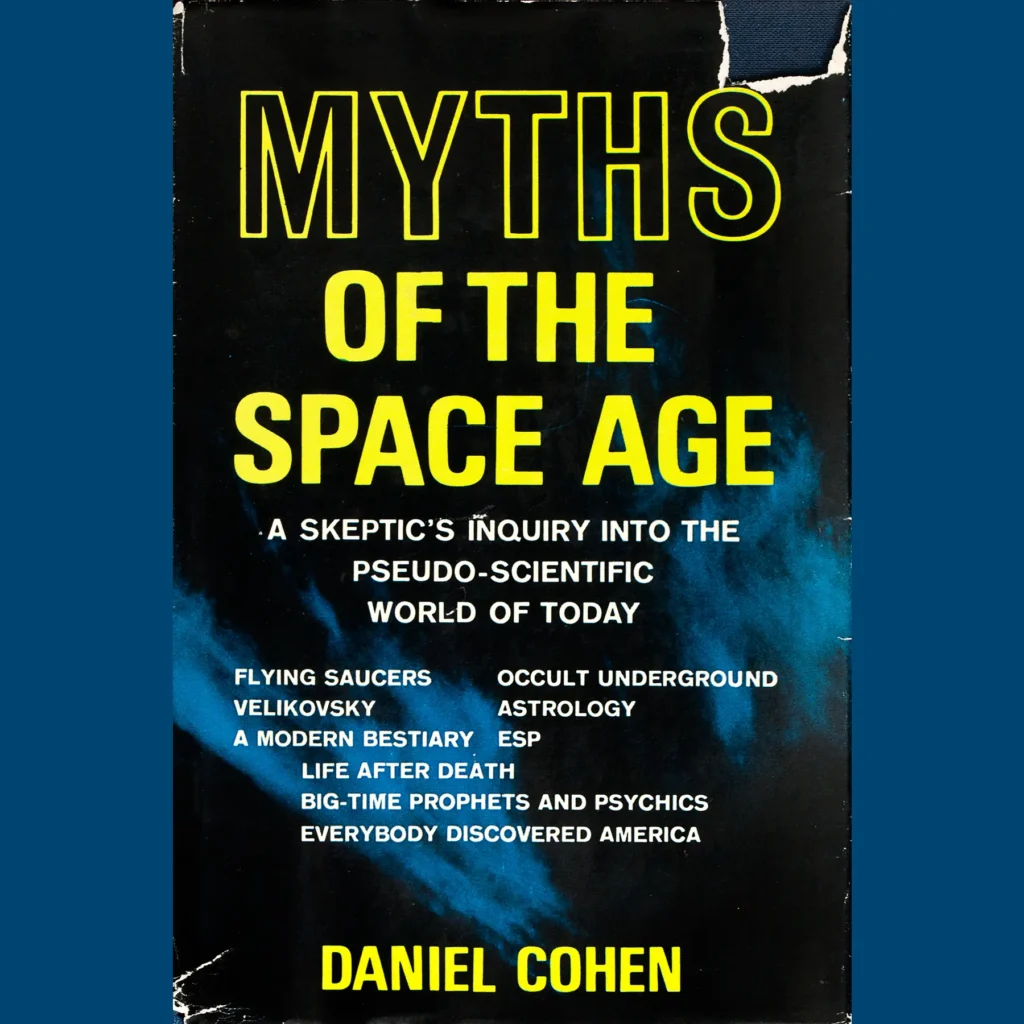
Cohen’s topics can be gathered into two loose groupings. The first, and larger, group includes astrology, ESP, past life experiences, reincarnation, prophesy, psychics, the pseudo-science of Dr. Immanuel Velikovsky and the Loch Ness Monster, all of which Cohen firmly debunks. For the second group — UFOs, pre-Columbian discoverers of the New World and other cryptids — Cohen isn’t quite so definitive. Rather, he sees these as genuine mysteries that have been mucked up by cranks. Mostly. He’s really close to dismissing the Yeti and similar unknown hominids. But not quite.
The thing that makes Cohen special, I think, is his good cheer. He seems genuinely entertained by all this stuff, even as he’s methodically dismantling it. Because it’s genuinely interesting! That’s why folks fall for the con; it promises a magical world, or at least a temporary escape from a mundane one. He understood that, and was willing to entertain it, up to a point.
Cohen would go on to write more books on ghosts, monsters, UFOs and the paranormal. Over 80, by my count, and I have 69 of them (nice)! They gradually become more and more aimed at kids, and thus less interested in outright debunking. But I always felt, growing up reading his work, that he had a tone that always implied that I should take all this stuff with a grain of salt. At the end of the day, we need to reckon with the real world.
(This seems like a good place to point out that Cohen is the man who, in a biography of Jesse “The Body” Ventura, expressed the idea that if a person understood professional wrestling, they understood the soul of the United States of America, which is maybe the profoundest, truest pieces of cultural criticism I’ve ever encountered.)