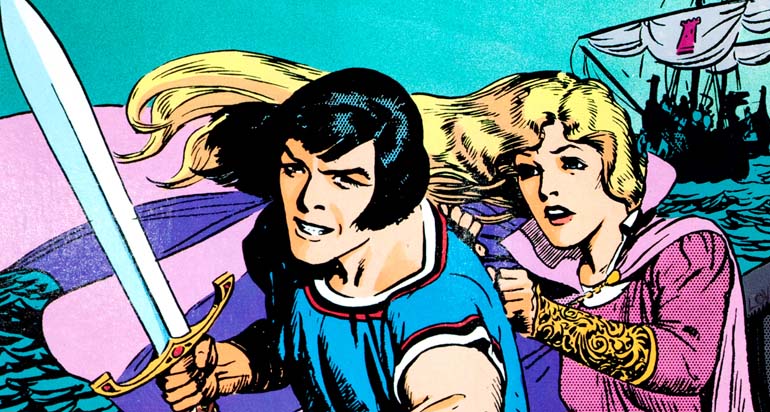
Since the 90s, there has been a movement to create RPGs that focus on narratives rather than elaborate rules for simulation. Storytelling games have probably been around as long as humans have been able to talk but Greg Stafford’s Prince Valiant, from 1989, laid out many of the conventions that narrative-focused games would build upon. It is a wonderful, simple game, perfect for introducing anyone to core RPG concepts without having to deal with complicated rules.
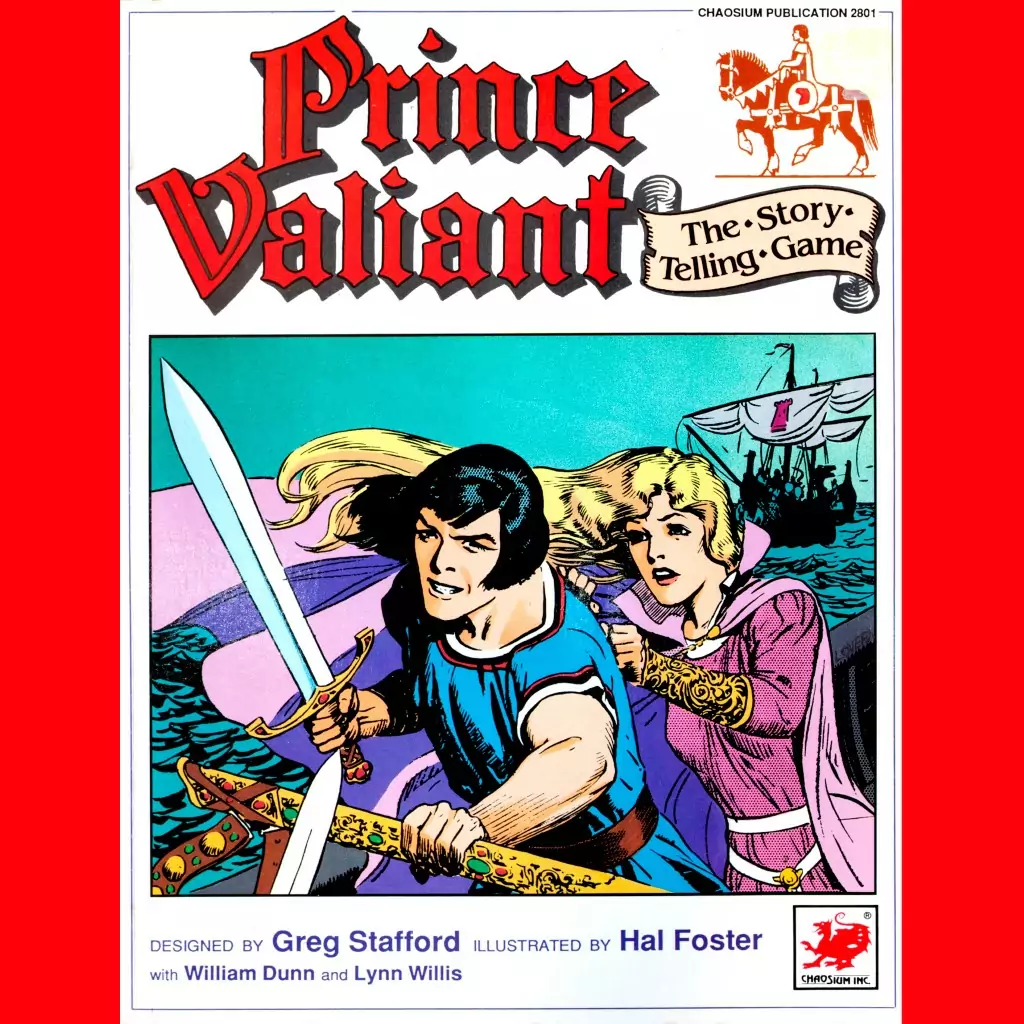
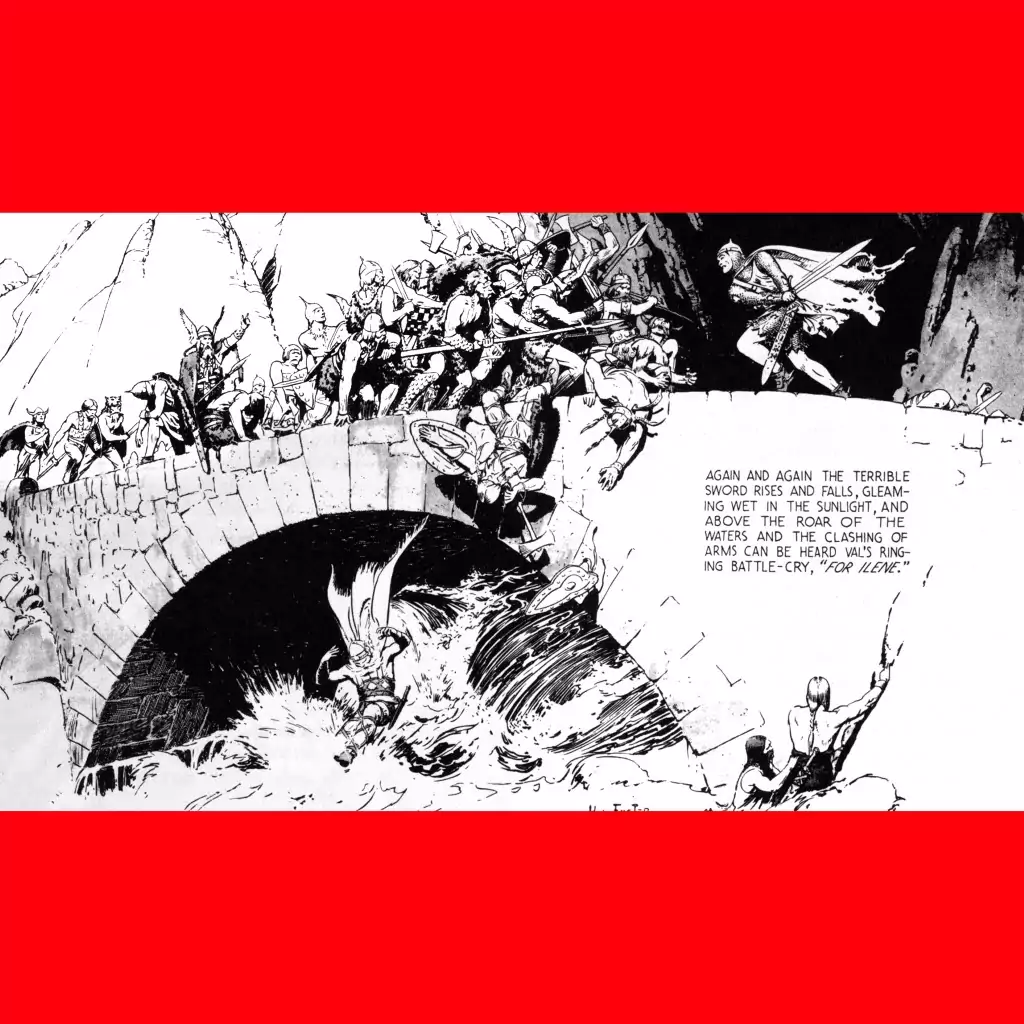
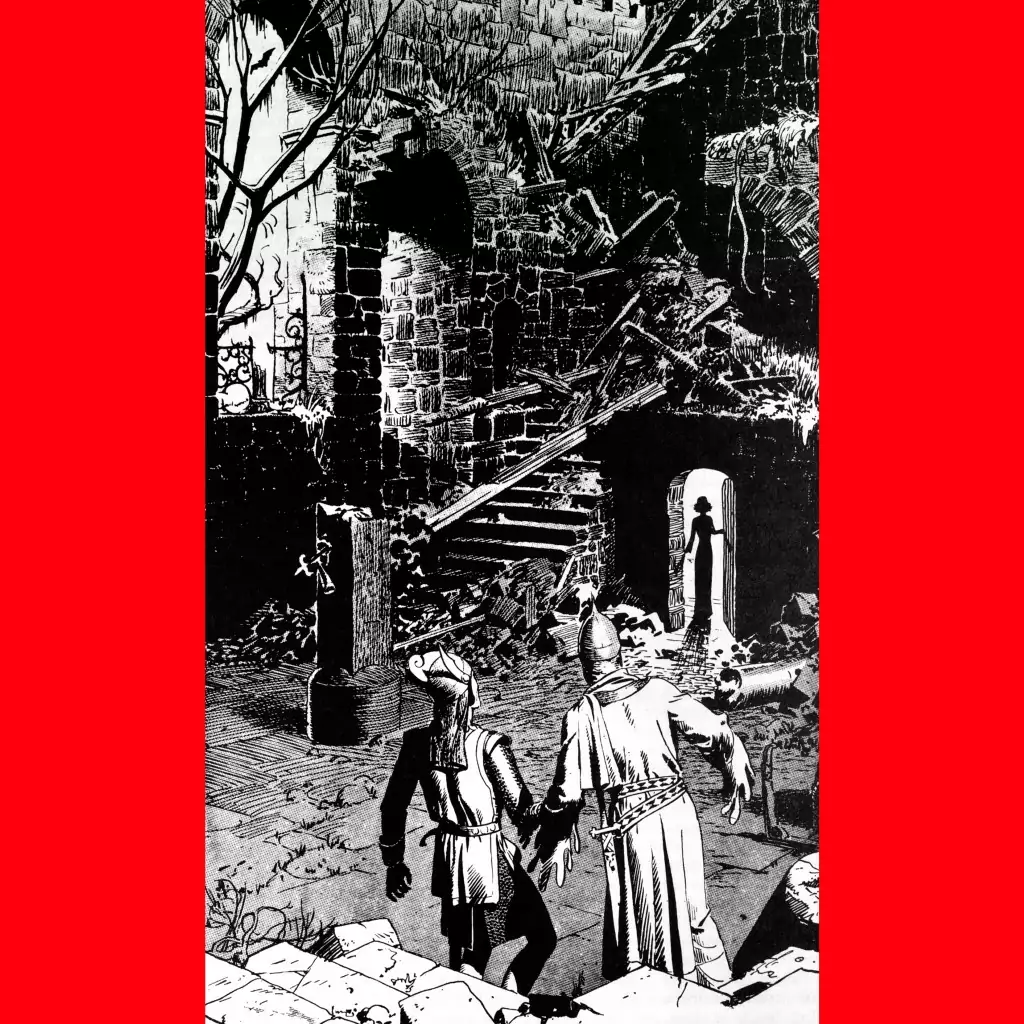
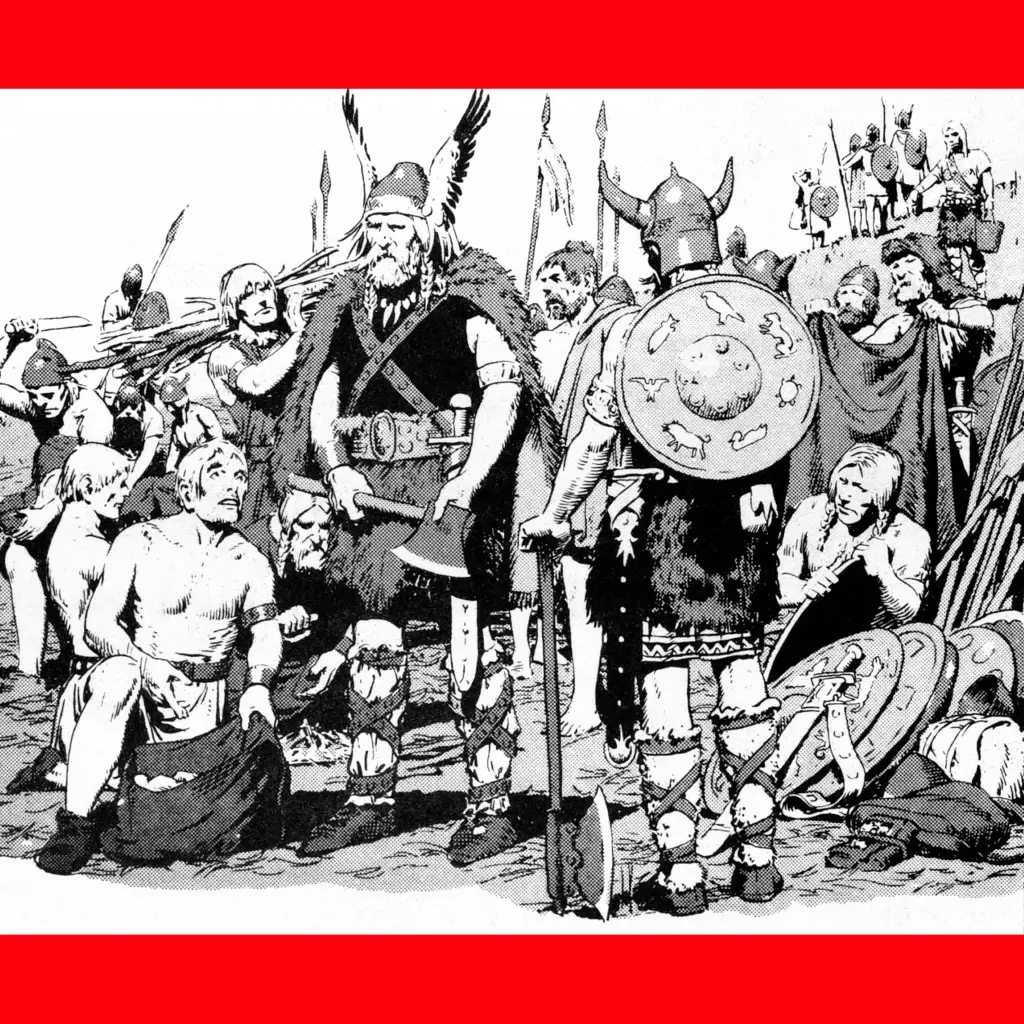
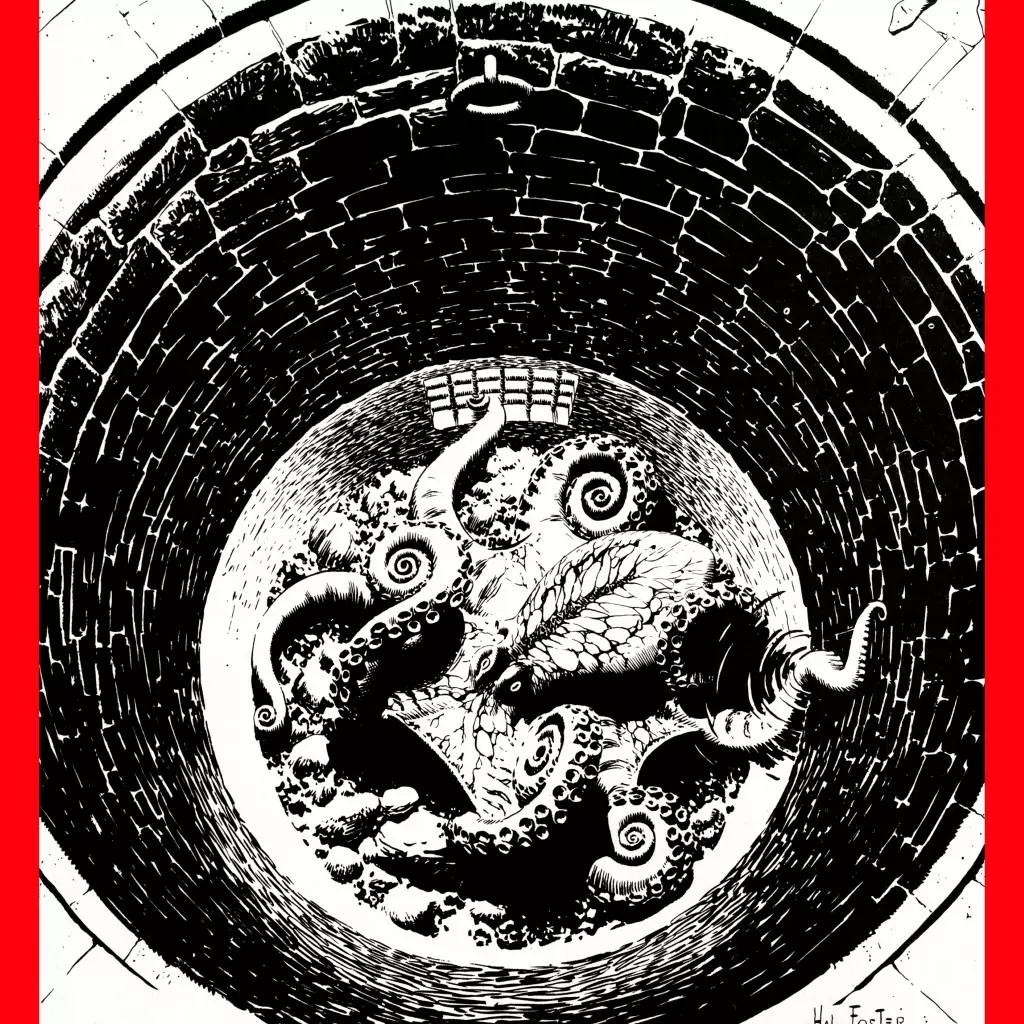
The game is set in the world of Hal Foster’s gorgeous Arthurian newspaper comic strip of the same name. Players take the role of knights. There are two attributes – brawn governs physical activity and presence matters of communication – and a handful of skills. Conflict is resolved through flipping a pool of coins, one for each point of the relevant attribute and skill combined. If the number of heads you have beats the GM’s challenge number, or the number of heads your opponent has, you win. I can’t honestly think of a simpler system – it is so minimal that the rules are distilled in a basic form on a single page.
Prince Valiant also encourages that the role of GM be shared among the players, rotating from scene to scene. Because the system is so simple, conflicts can be laid out and resolved rapidly, with little need for exhaustive knowledge of the system (though the Chief Storyteller maintains a consulting role as the reins change hands).
If all this sounds somehow familiar, it is because there is a clear string of DNA from Prince Valiant in Vampire: The Masquerade and White Wolf’s other storytelling games.
Sadly, despite its influential place in RPG history, Prince Valiant didn’t sell very well and was never expanded beyond the core rulebook. Fortunately, Prince Valiant requires your own imagination more than it does additional sourcebooks.