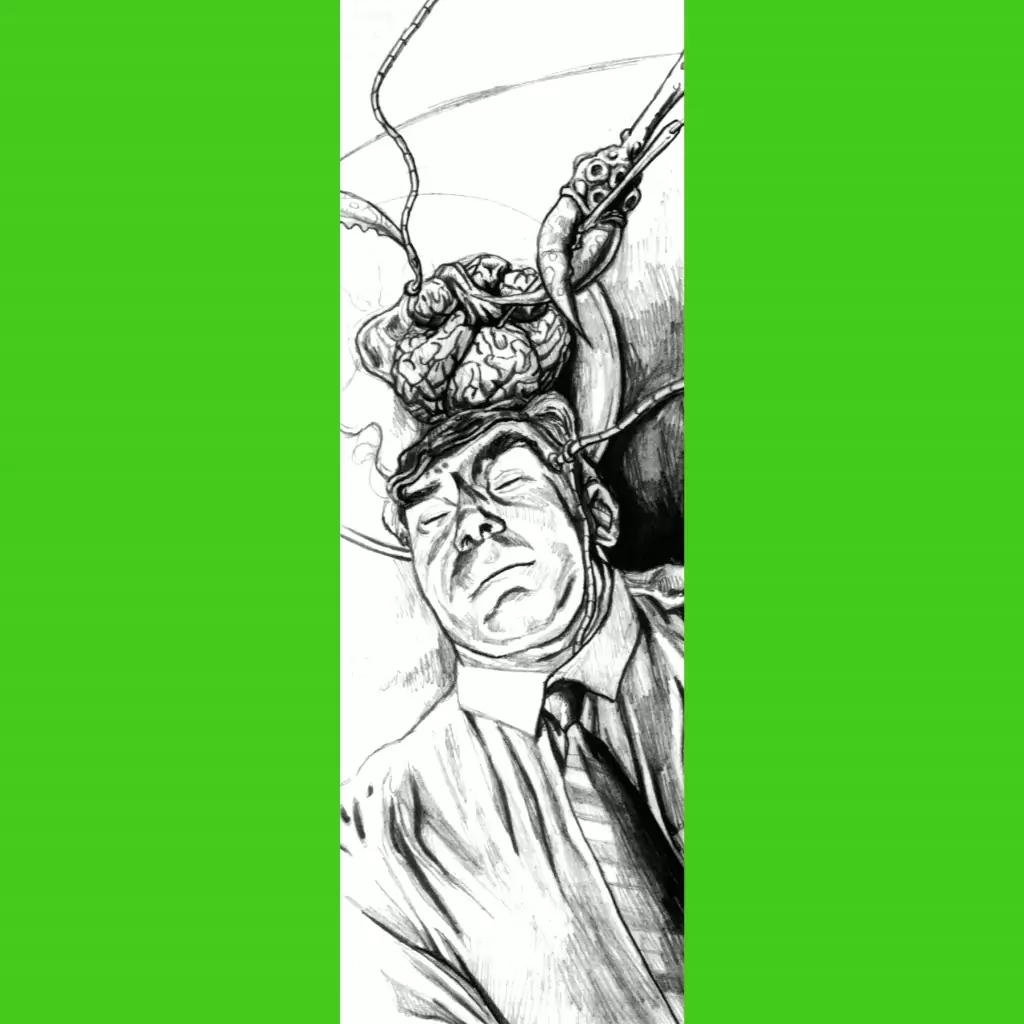
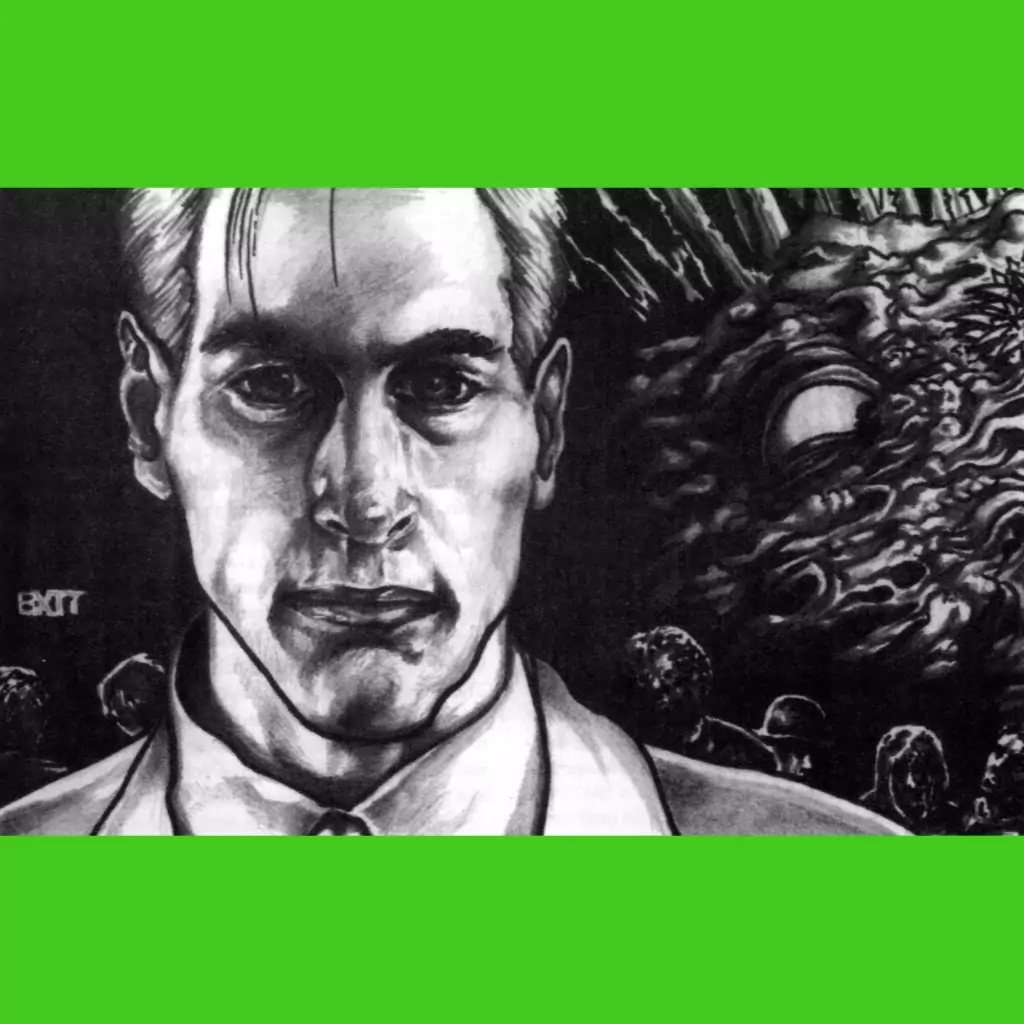
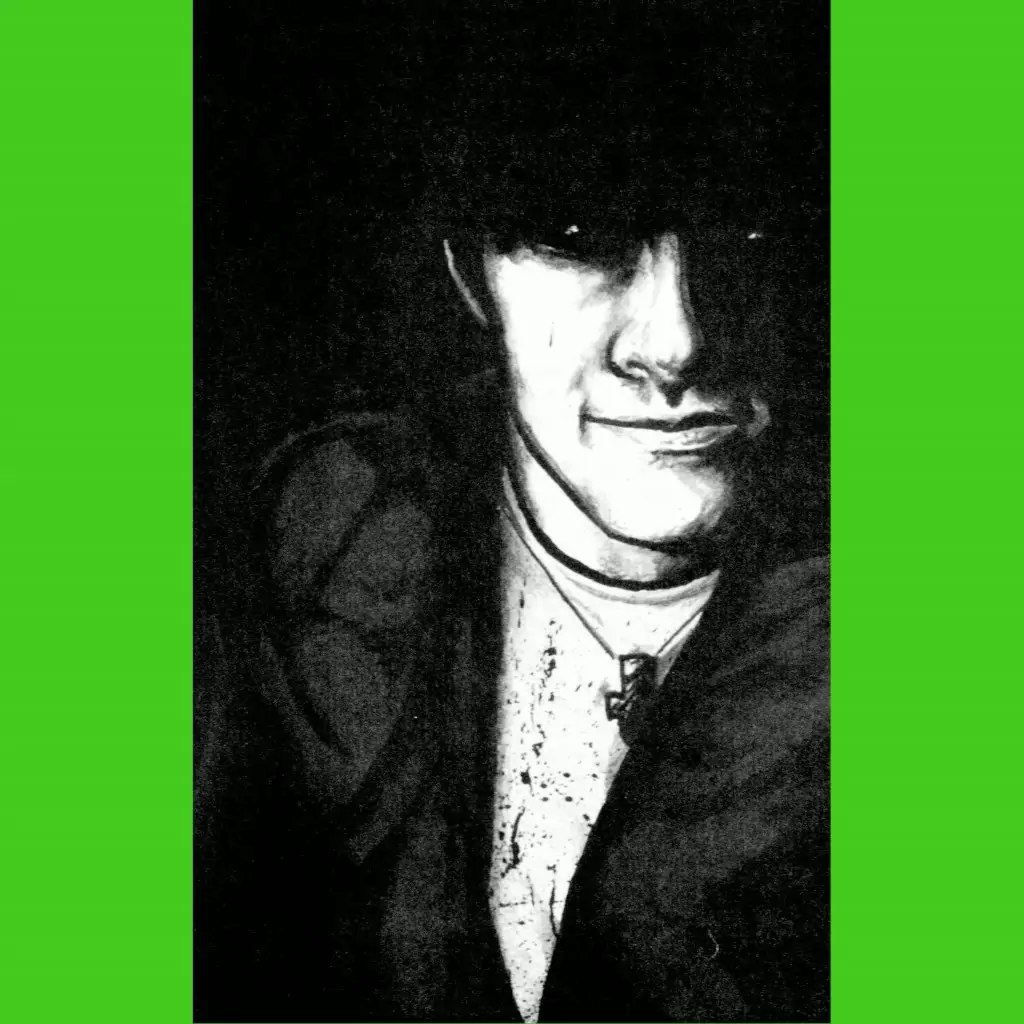
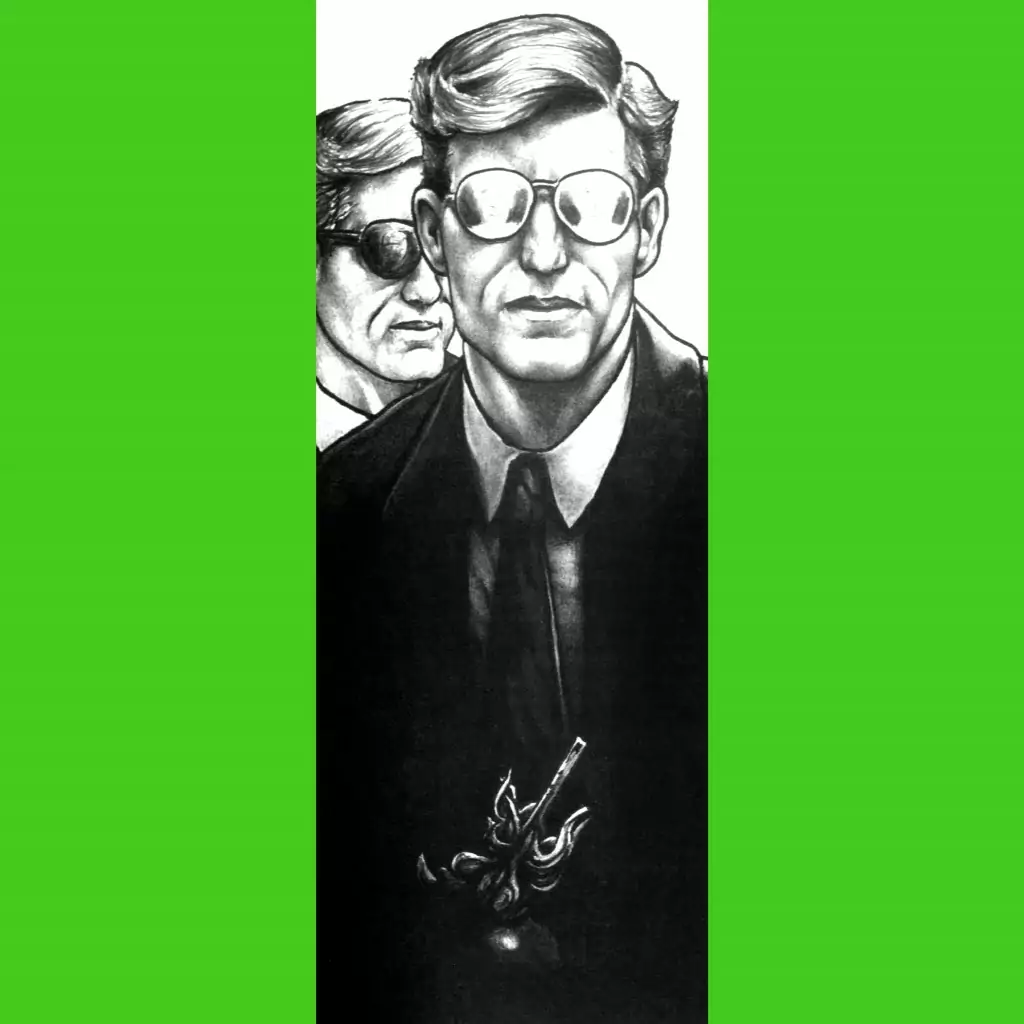
Delta Green begins in the 1992 fall issue of Unspeakable Oath. The organization is mentioned in a scenario, “Convergence,” and author John Tynes explained it provided framework for his homebrew modern Call of Cthulhu game. This makes sense, because as we’ve seen, the Cthulhu Now setting book is rather thin. Tynes’ framework would grow over the next few years into a massive sourcebook, Delta Green (1996)
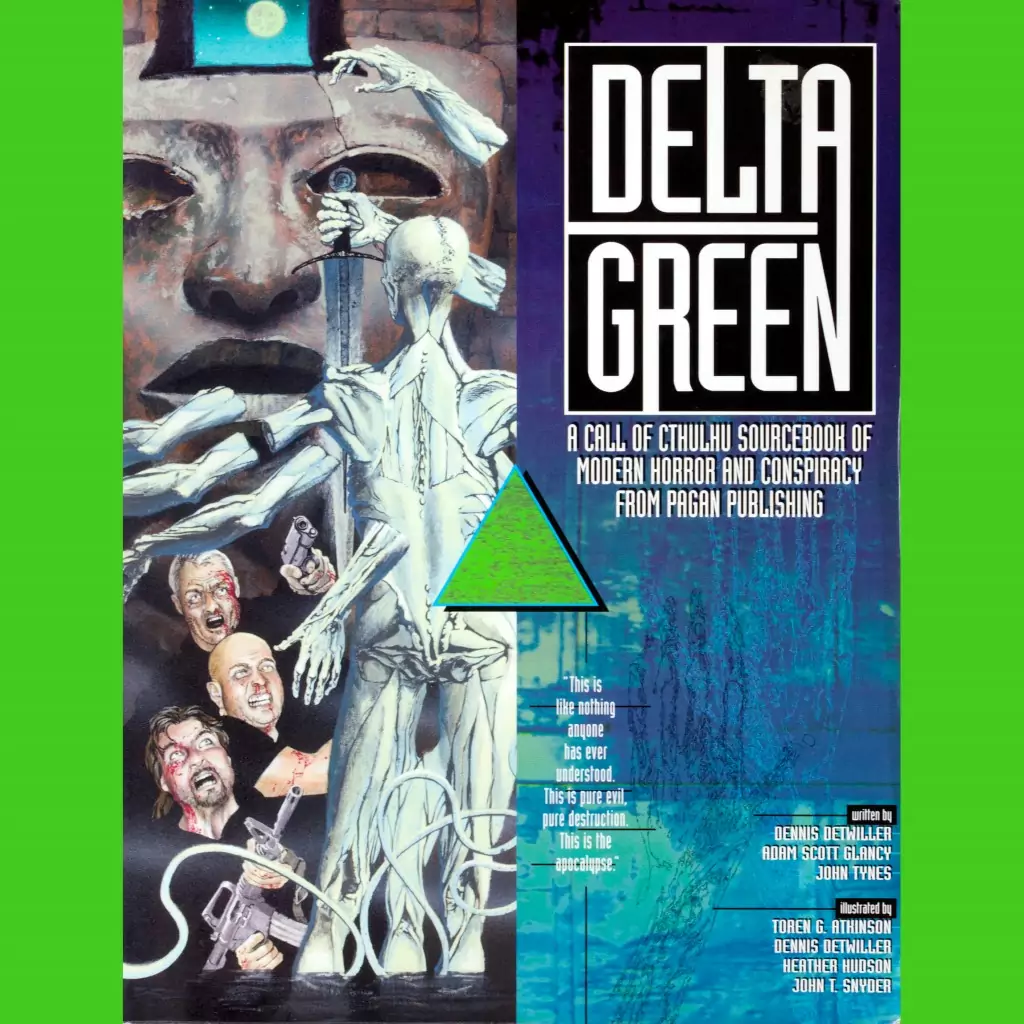
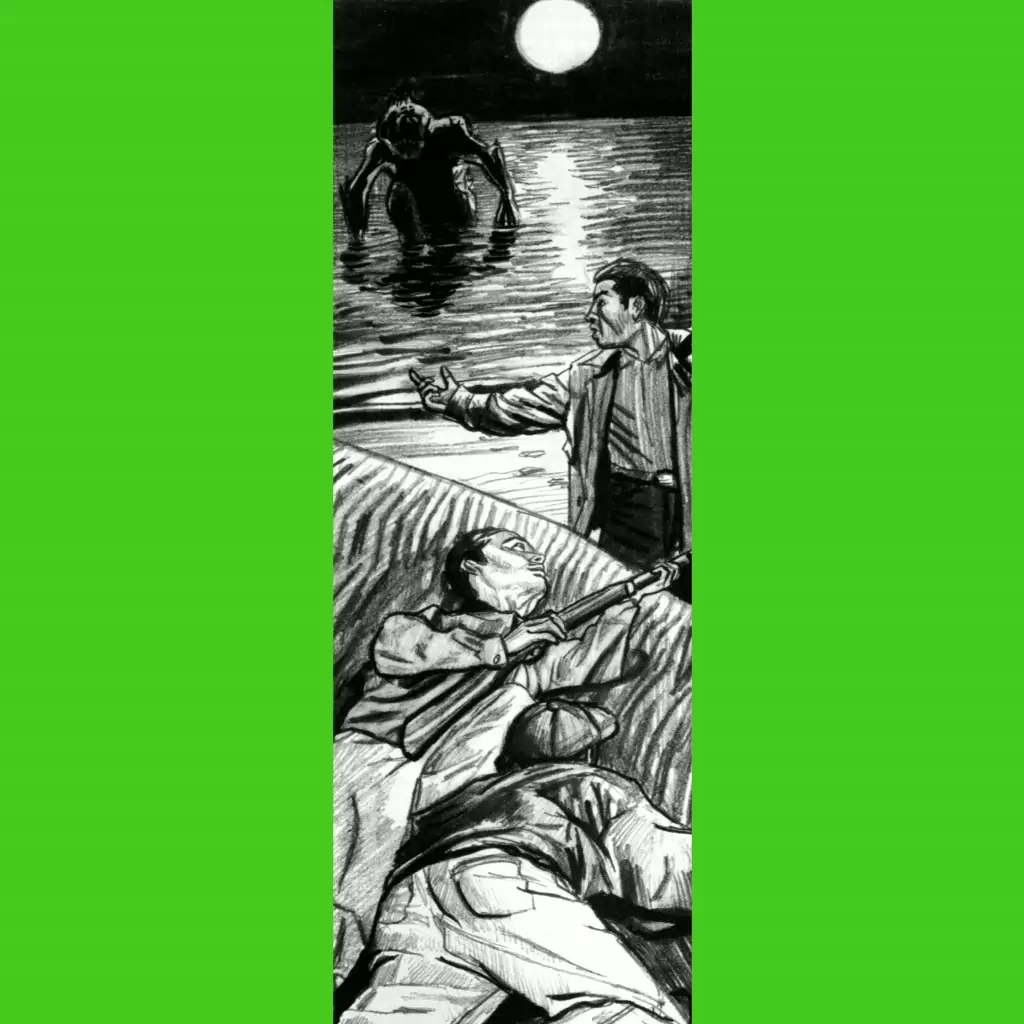
Delta Green works off a couple key assumptions. First, that Lovecraft’s stories are essentially historical accounts. Second, Delta Green extrapolates the repercussions of these events into a rich tapestry of history, conspiracy and horror. It all starts when Robert Olmstead, the protagonist of “The Shadow Over Innsmouth” (1936), flees the horrible fish people of Innsmouth and convinces the federal government that action must be taken. The feds raid the town, encounter things they can’t explain and send a submarine to drop depth charges on something off the coast. These events, which form up the denouement of the story, beg a tantalizing question: what happens when the United States government finds clear proof of existential supernatural threats?
Delta Green offers complicated answers. Some in the government ignore the truth, others try to bury it, a very small group tries to understand it and those with firsthand knowledge of the terrors that lurk in the dark places are highly motivated to see them destroyed. When all else fails, try high explosives.
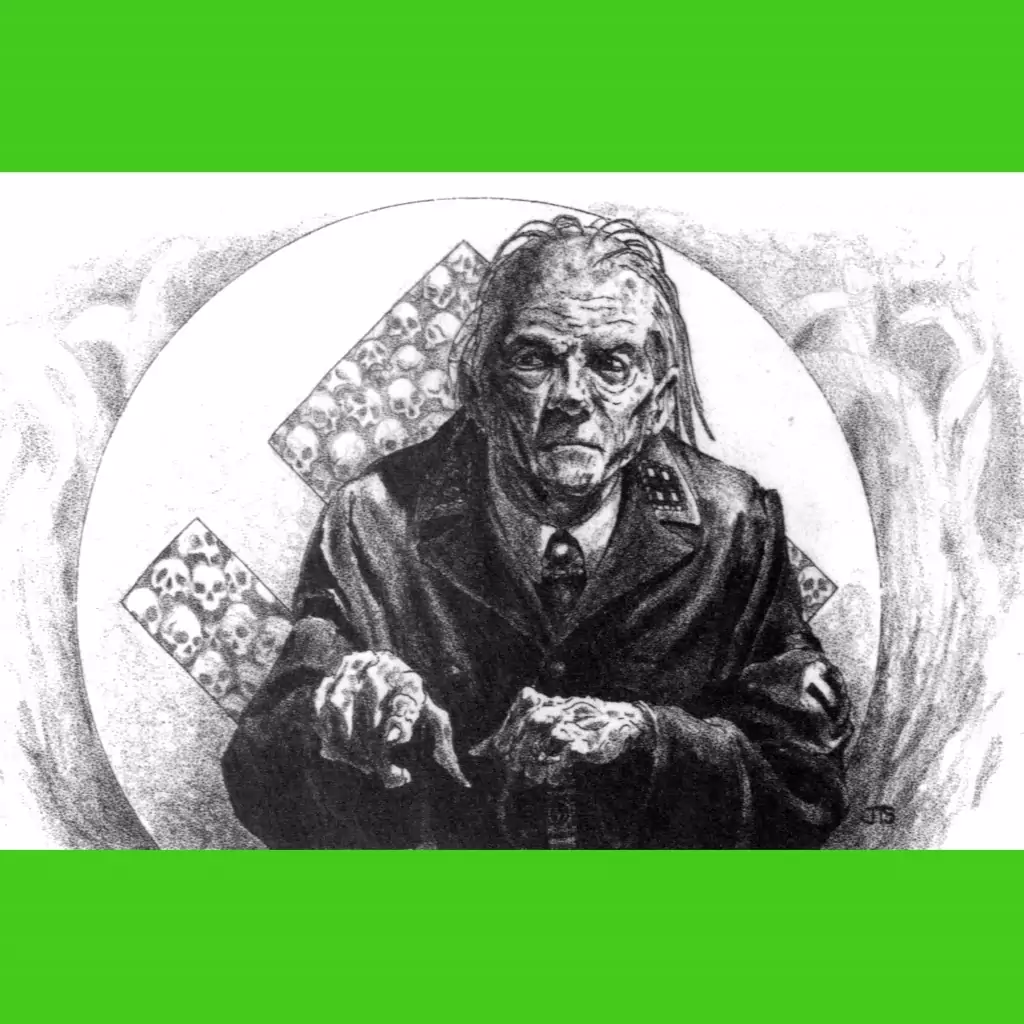
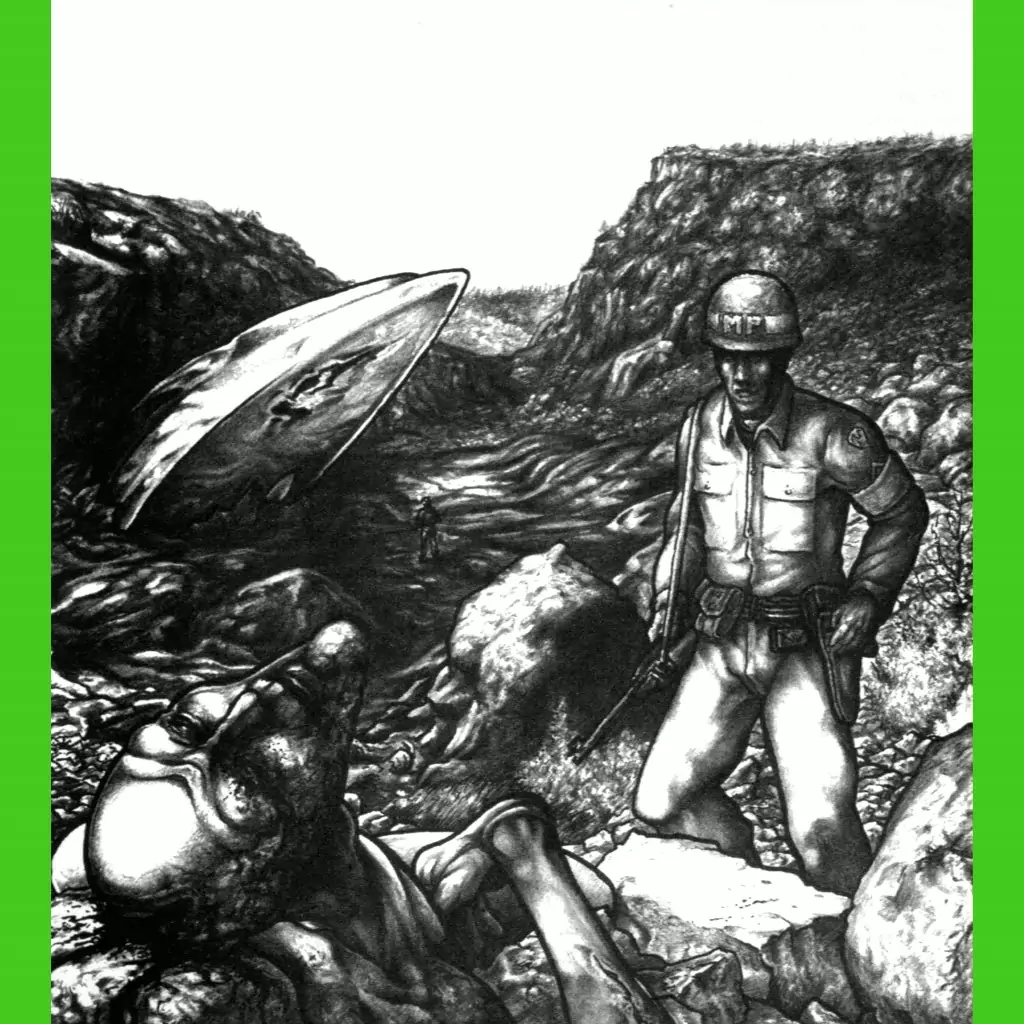
Of course, where one government goes, so go the rest. The sourcebook details the Nazi occult program called the Karotechia, which Delta Green fought a secret war against. After the Roswell crash in 1947, Delta Green even finds a rival within the US government, the UFO and weird science obsessed Majestic-12, which figures prominently in many of our real-world conspiracy theories.
It’s a rich, well thought out classic, one of the best Call of Cthulhu supplements out there and lays out the standard for a modern era game.