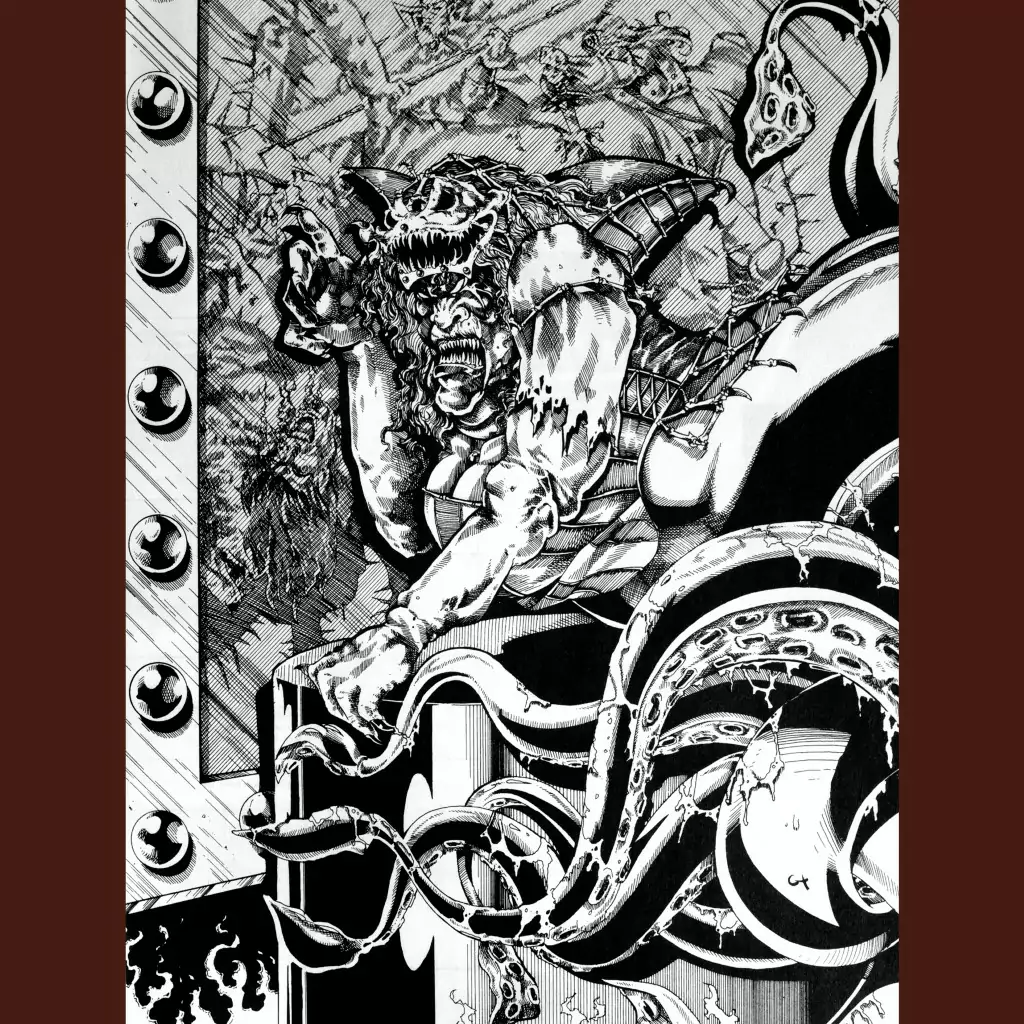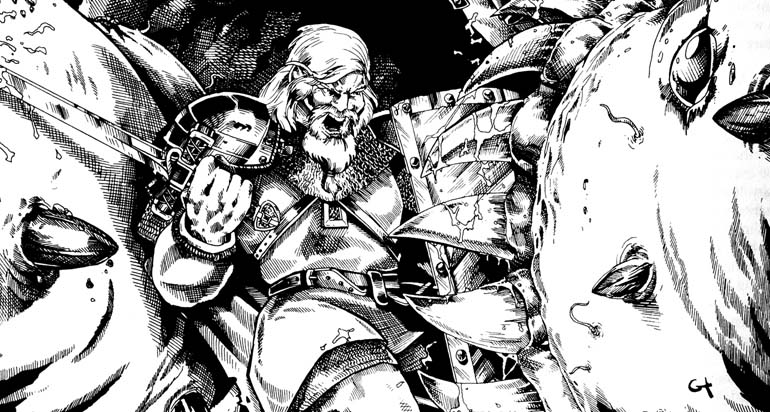
The Rod of Seven Parts is one of the earliest magical artifacts to be detailed in Dungeons & Dragons, which makes sense – being in seven parts makes it ripe for at least seven adventures to put it together again. Each part comes with its own power, and additional abilities start stacking as the rod is assembled.
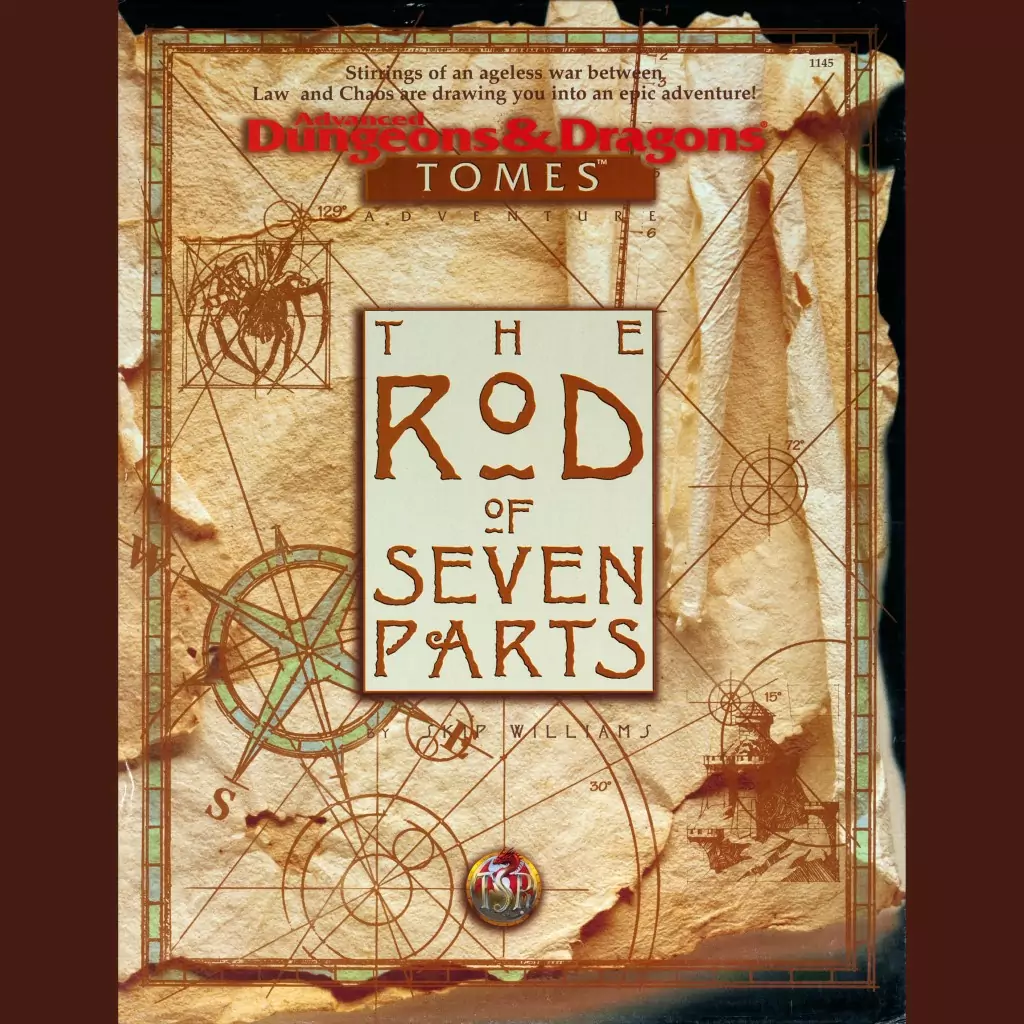
The 1996 Rod of Seven Parts campaign box set, by Skip Williams, is a readymade series of adventures that allows your players to restore the rod while learning firsthand about its role in the defeat of Miska the Spider Demon. There’s some great material here and I think it would work really well as one of multiple ongoing plot threads in a long term campaign.
That said, the Rod of Seven Parts was never a magic item that captured my imagination and the campaign box never really soars for me. In a post-Planescape world, it feels a bit flat, the planar elements a bit prosaic and the real opportunities for weirdness left underdeveloped. This is probably by design – the box carries the generic AD&D branding and I suspect this was to make it easy to incorporate into any campaign. I suppose there is a certain charm in reading through a big box like this making note of all the ways you’d change it to make it yours, of course.
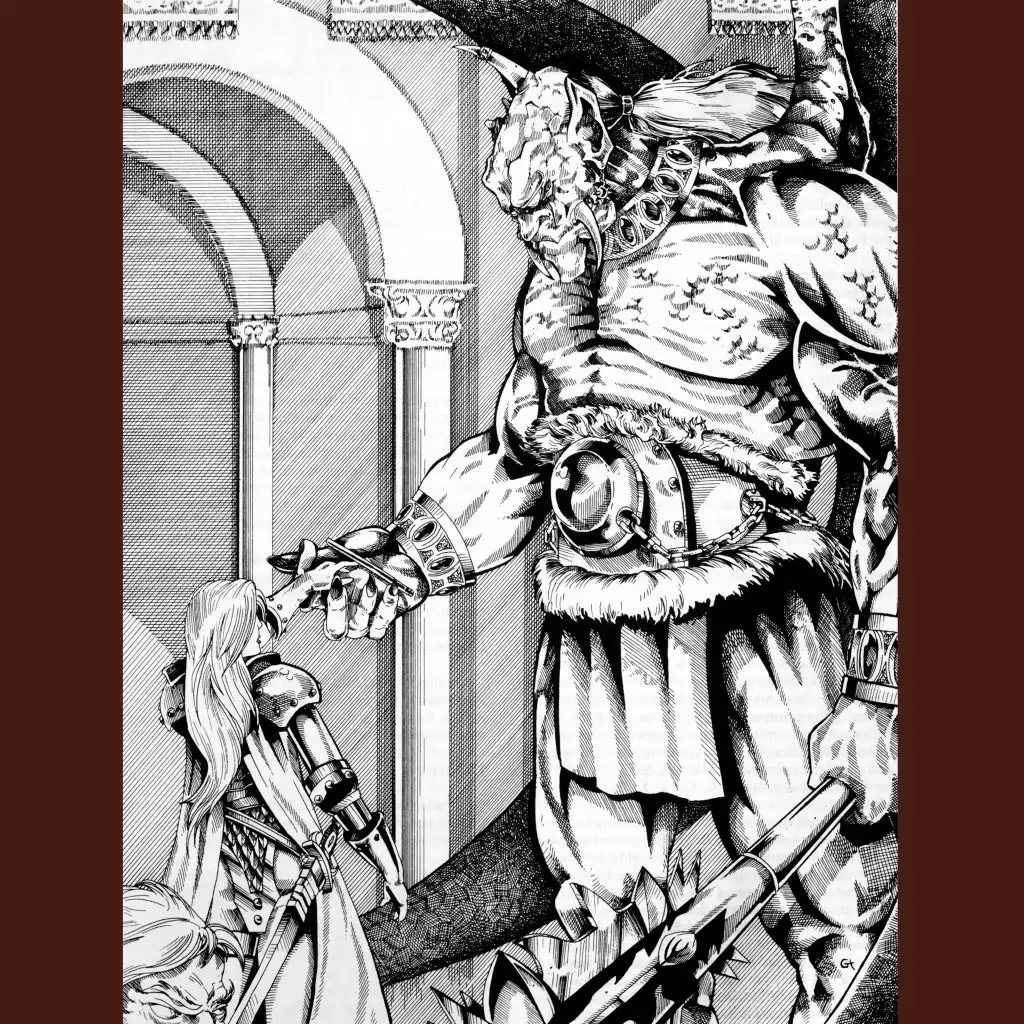
It is also very tough. One portion about halfway through involving a clan of Cloud Giants seems ripe for a TPK disaster. I’d have to run it to be sure, but threading that particular needle with my players would have me in a cold sweat.
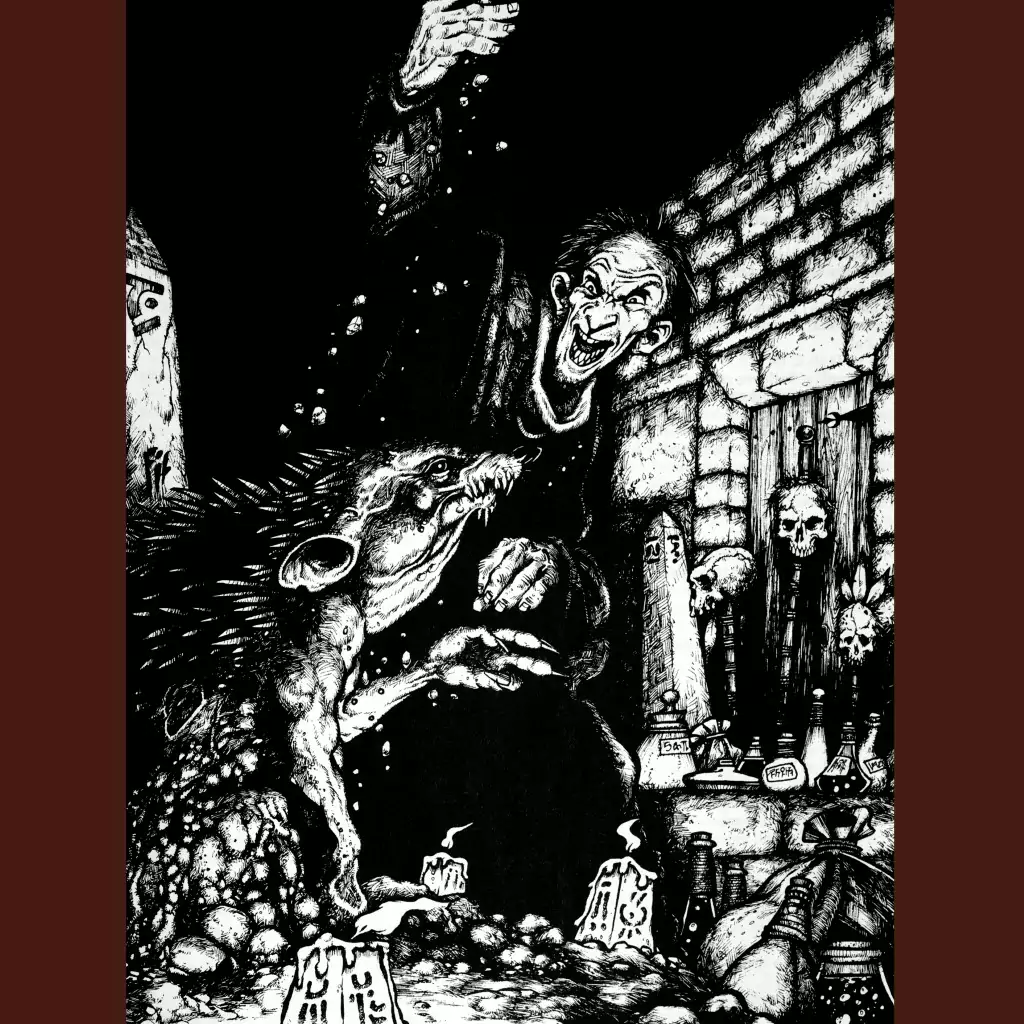
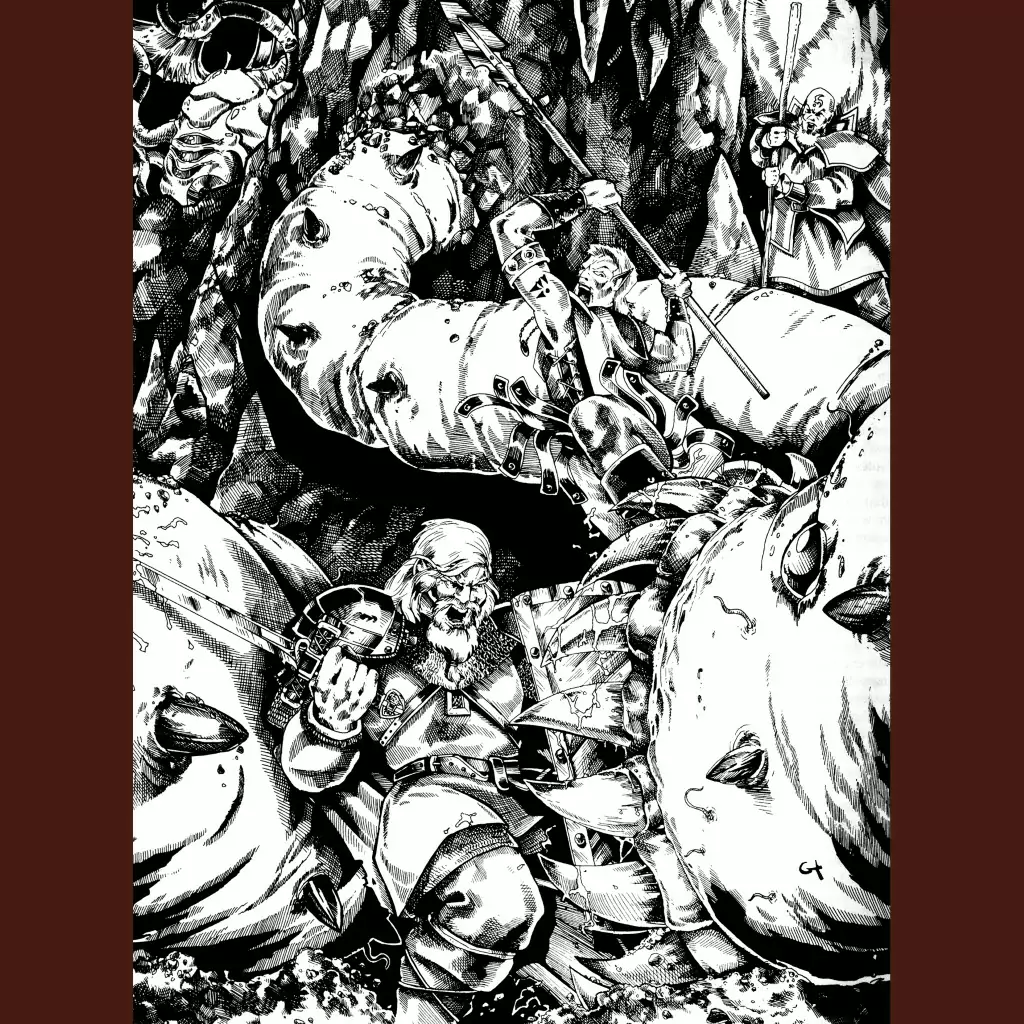
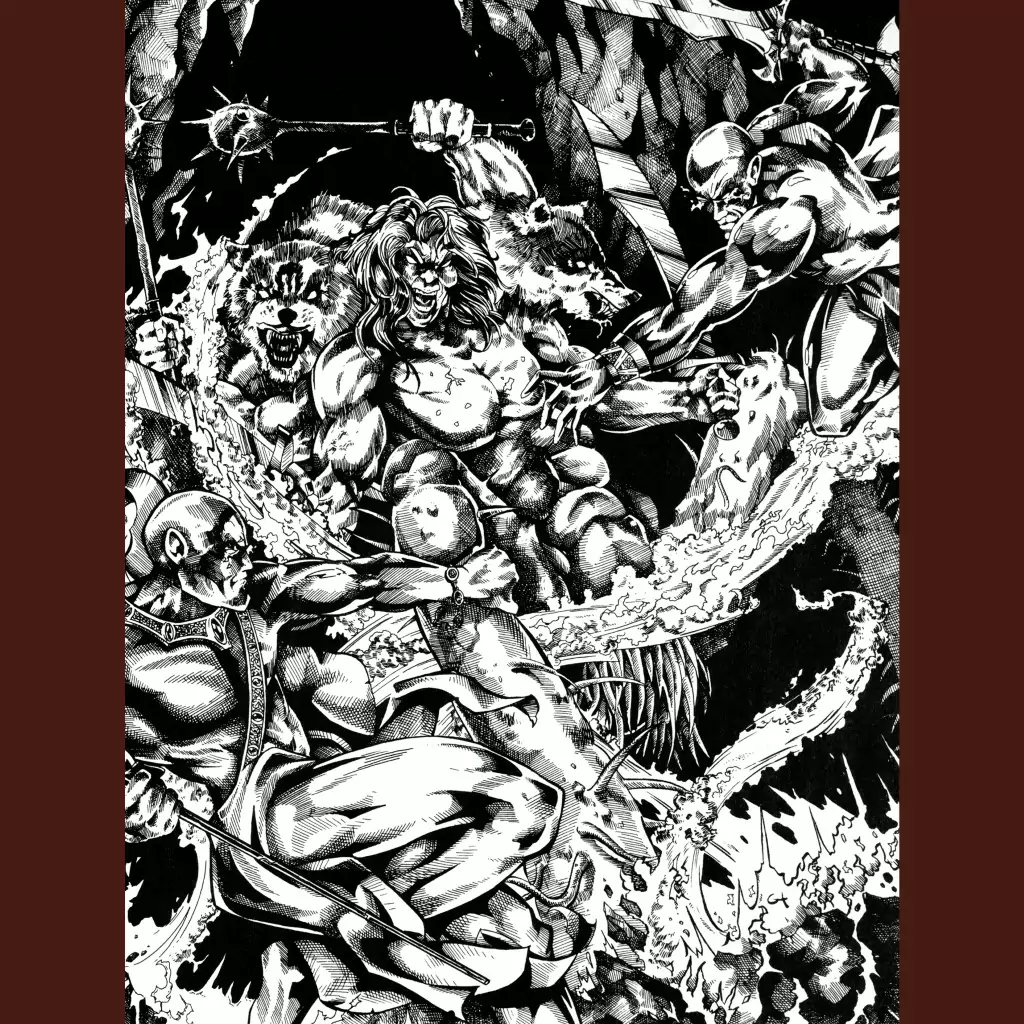
There’s a varied roster of artists here and while I enjoy seeing Erol Otus and Jim Roslof in a latter-day D&D box, the variety of art undermines an aesthetic and atmospheric unity that I think would have benefitted the campaign.
It’s a good, interesting box, but I think there were clear lessons that the designers learned and incorporated into Return to the Tomb of Horrors, which is clearly the superior entry in the Tomes mini-line.