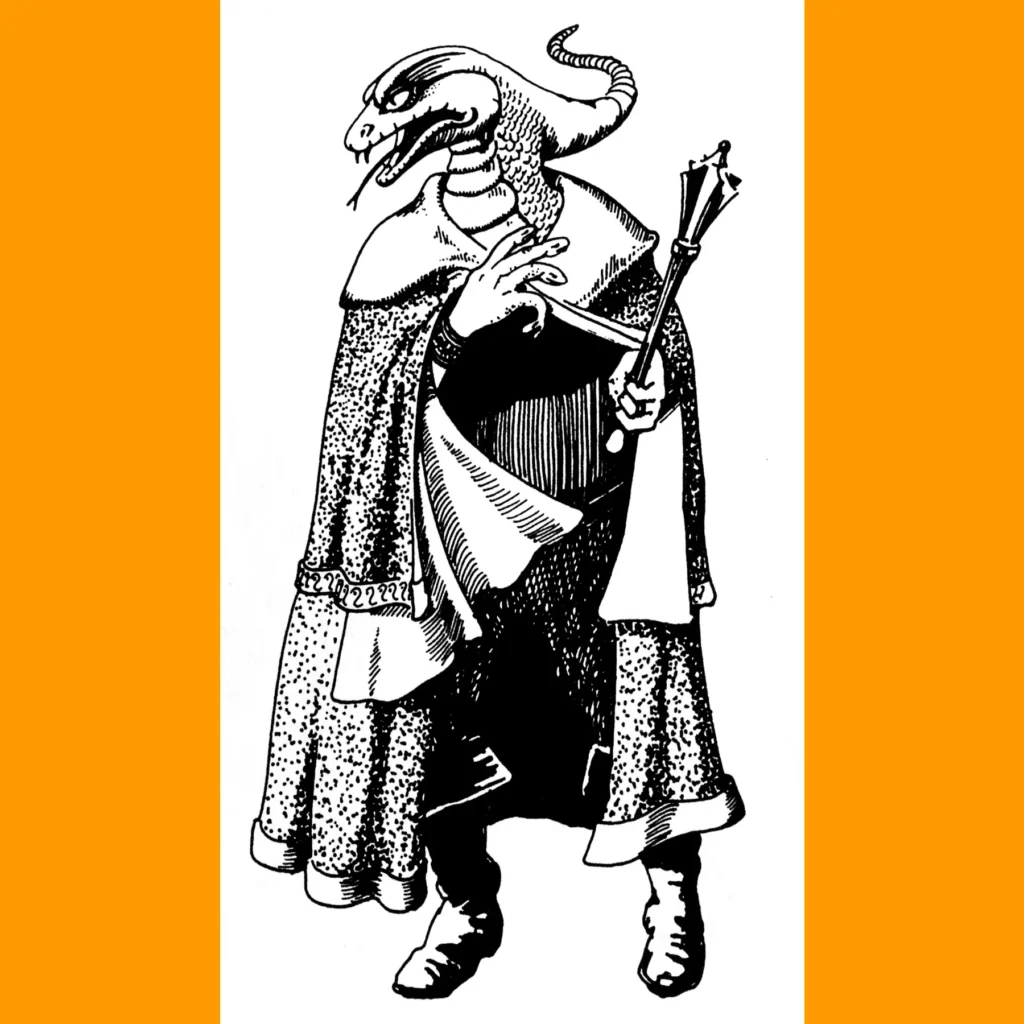
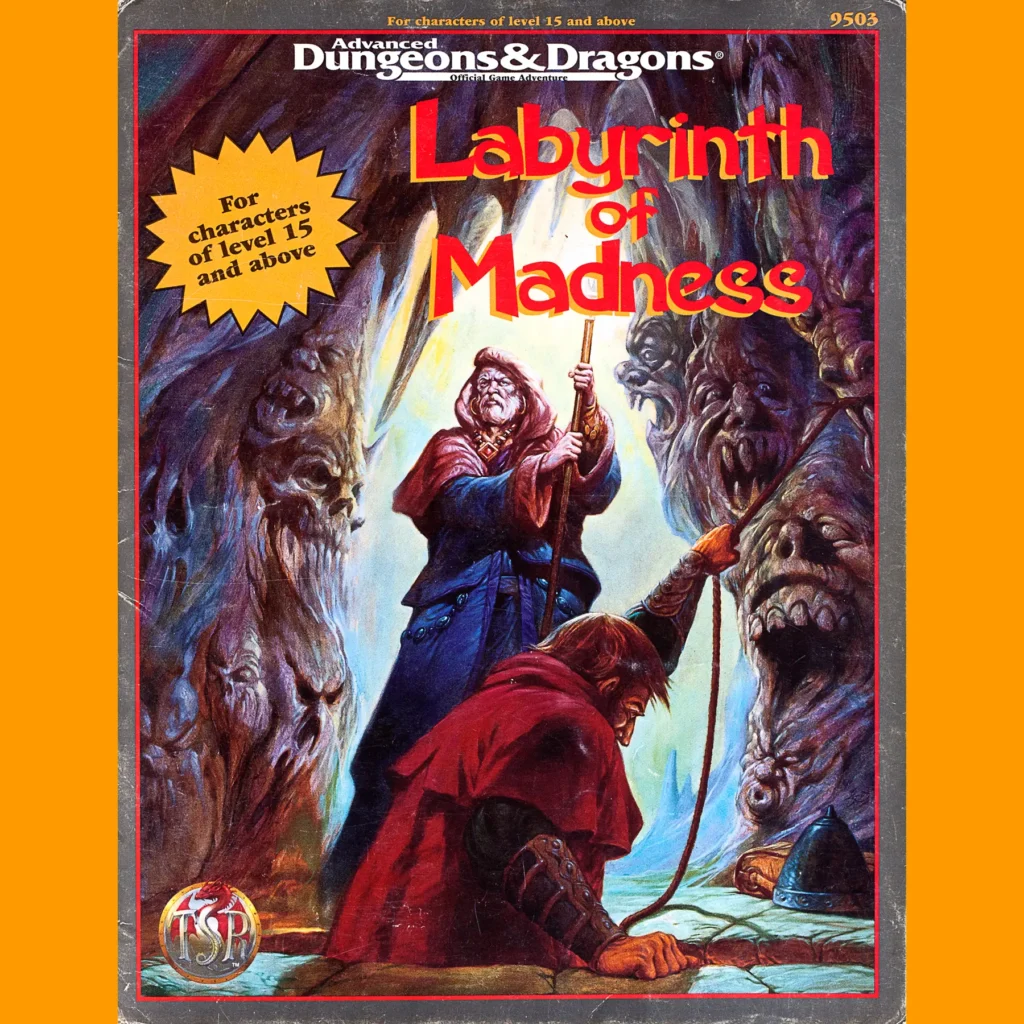
This is Labyrinth of Madness (1995), which Shannon Appelcline tells me was considered S6 at the time of its creation (unlike Dancing Hut, this is slightly more apparent because it includes an illustration booklet a la Tomb of Horrors et al). It’s a complex, extremely difficult dungeoncrawl intended for the highest-level characters. The goal is to break the power of the Labryinth’s inhabitants (a cult of yuan-ti and, ultimately, a mad titan) and rescue the imprisoned soul of a paladin (who, amusingly, didn’t meet the suggested level minimum for the dungeon).
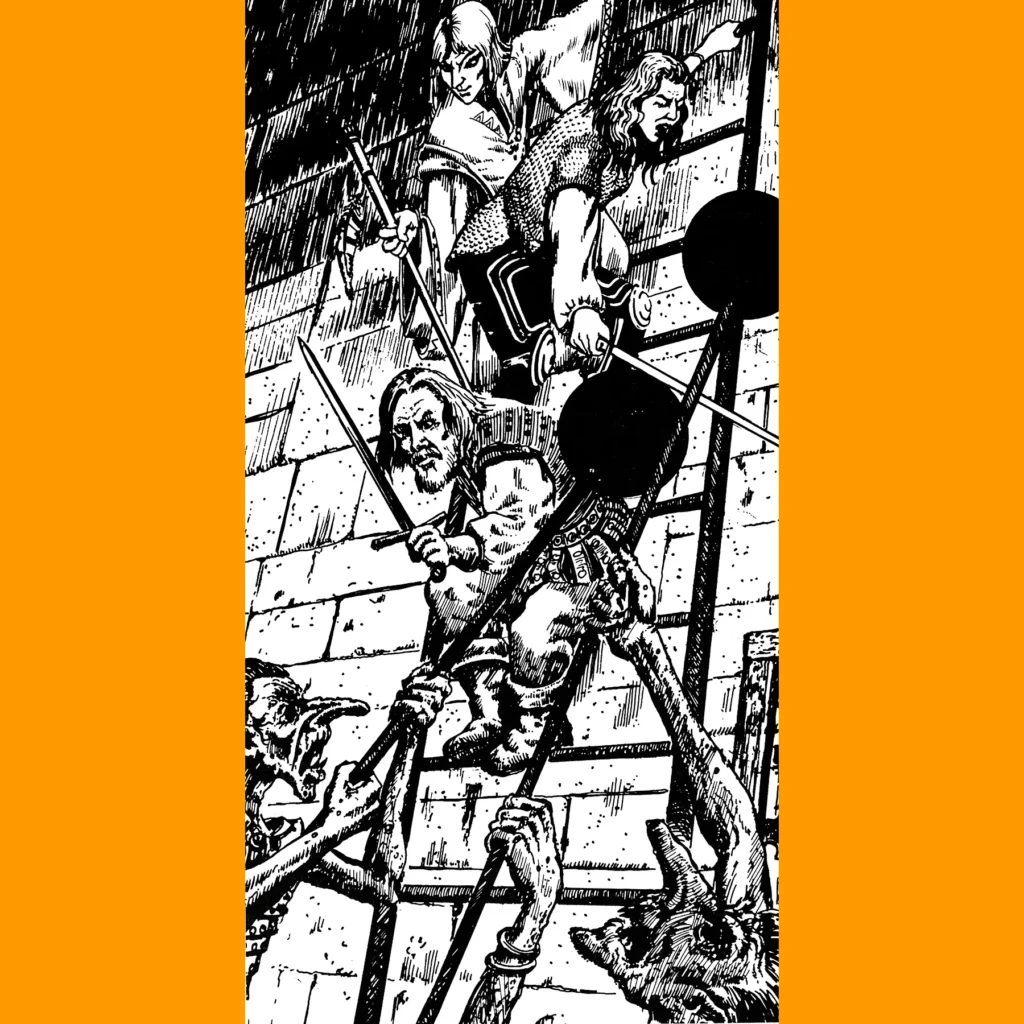
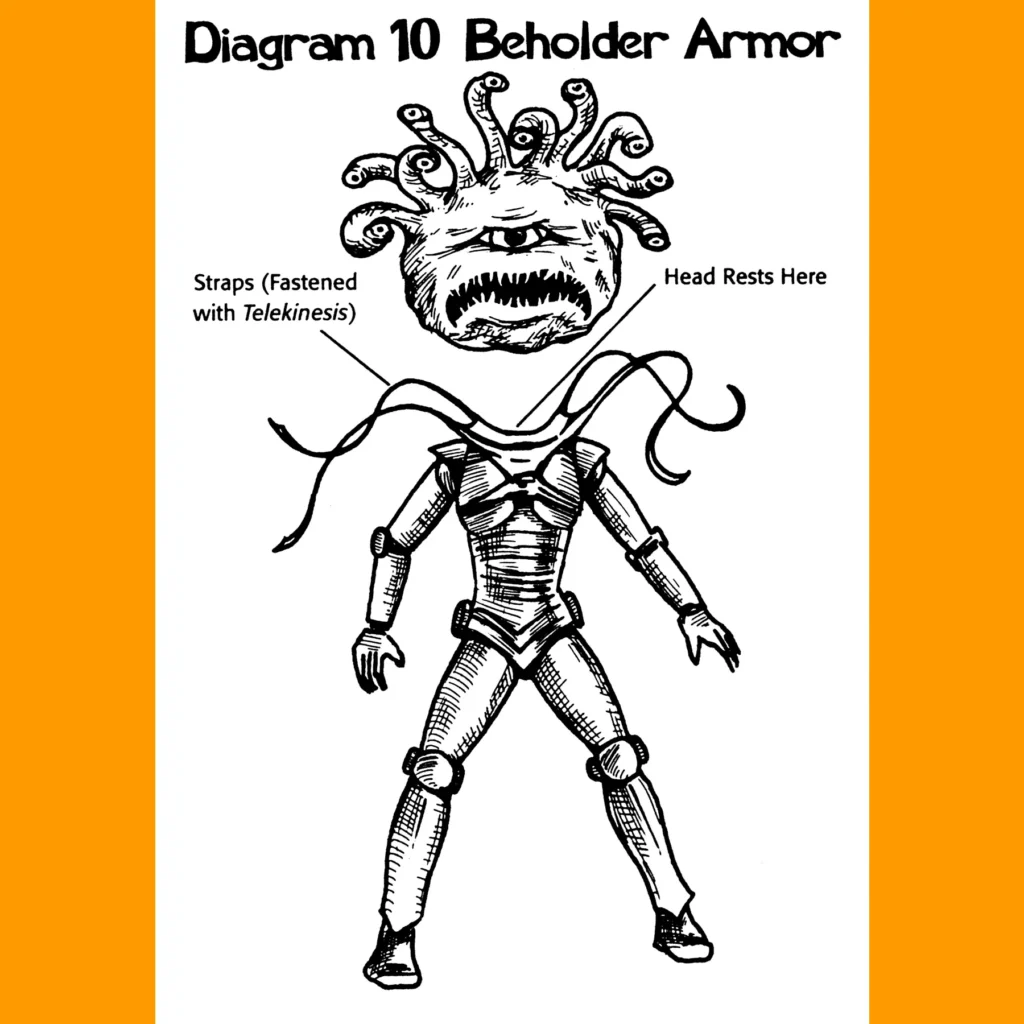
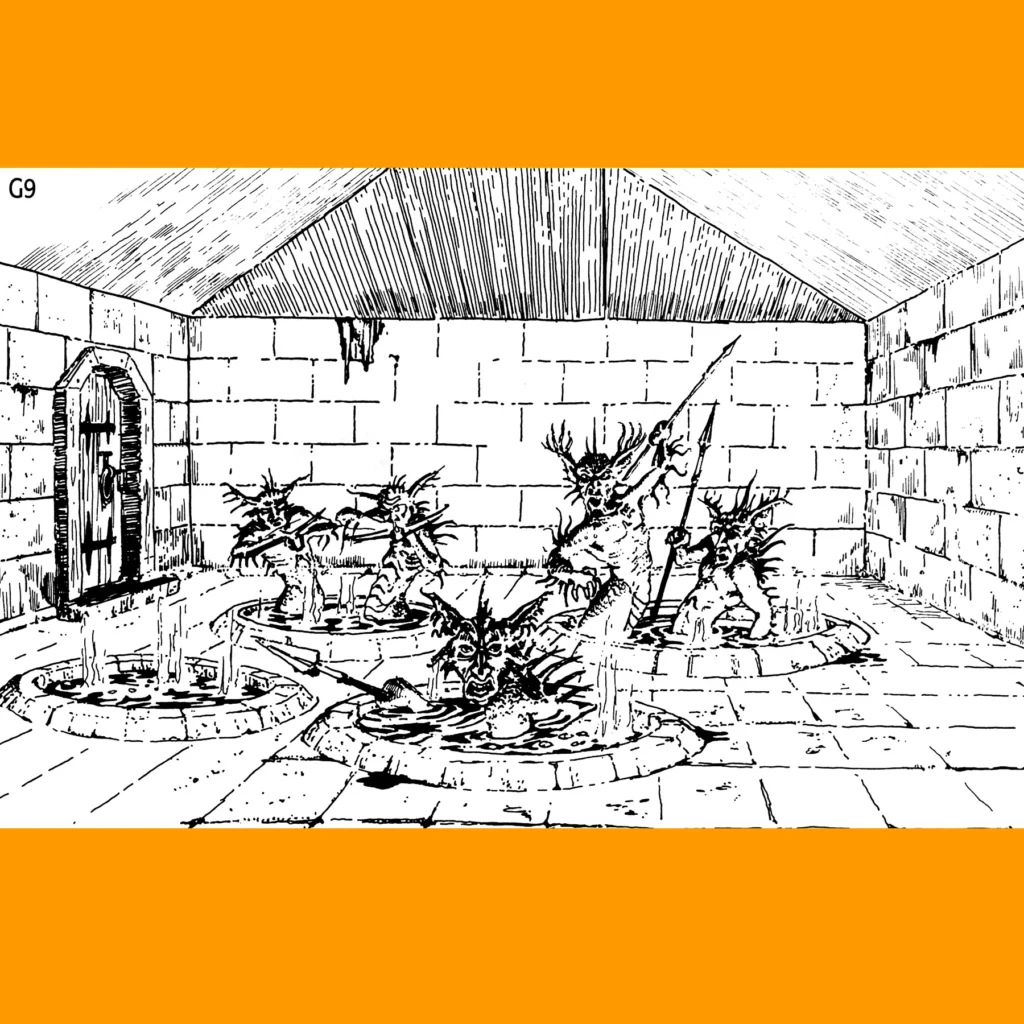
The dungeon is full of old school assholery (though not on the level of Tomb of Horrors). Lots of traps and deadly puzzles. Lots of “clever” tactics for classic monsters. For instance, trolls in one of the very first encounters wield long poles with glass bulbs at the end — in the bulbs are black puddings that are released onto a target when the glass shatters on impact. There is also a walking suit for beholders, which predates I, Tyrant by about a year.
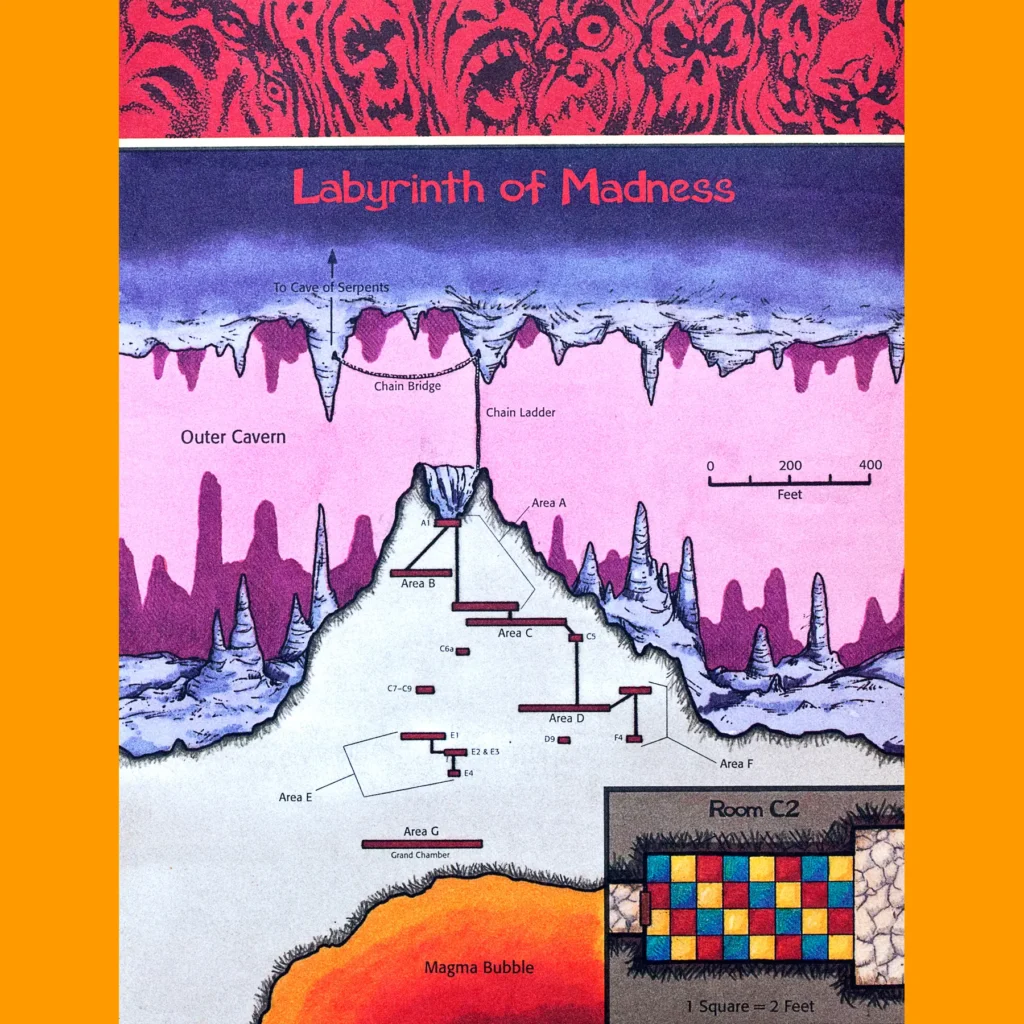
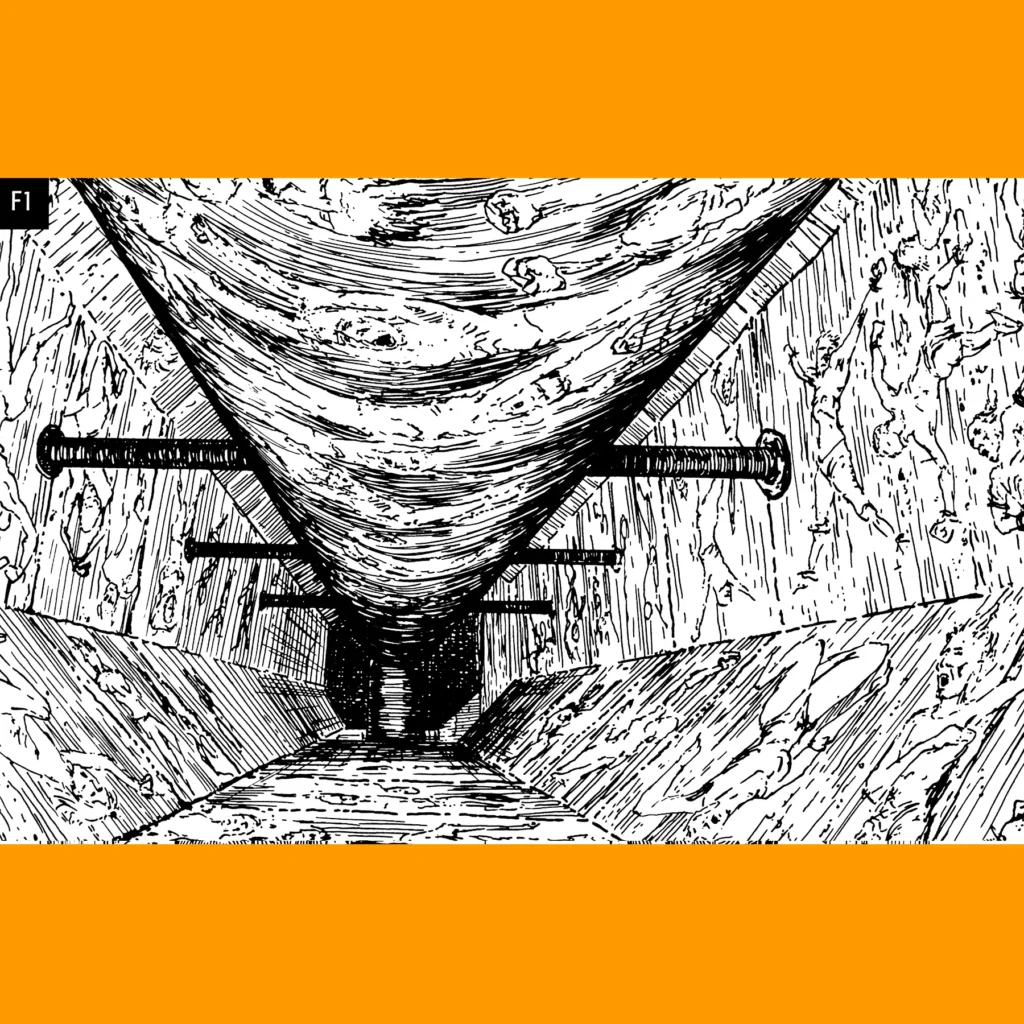
Two additional wrinkles are more modern. The architecture of the dungeon is decidedly three-dimensional, which cuts against player expectation (dungeon design in generally is usually “flat” for lack of a better word) and honestly makes running it seem a bit more challenging than I like. There is also a unifying puzzle involving 20 sigils that must be found and activated in order. Sigils bind to characters and allow them to see objects and situations that are keyed to the associated symbol. If a character doesn’t have a sigil associated with a door, for example, that door simply doesn’t exist for them. Same for a book or magic item and so on. This is also a pain in the neck to account for while running the game, just a layer of really complicated information to constantly manage, but I also really like it. I might not have implemented it on so large a scale, but I enjoy the revelatory quality it imparts and the levels of interaction it opens up.
All in all, a worthy end to the S-series adventures. And if you don’t want a hell dungeon, it’s easy enough to dial down the difficulty, another facet I appreciate.
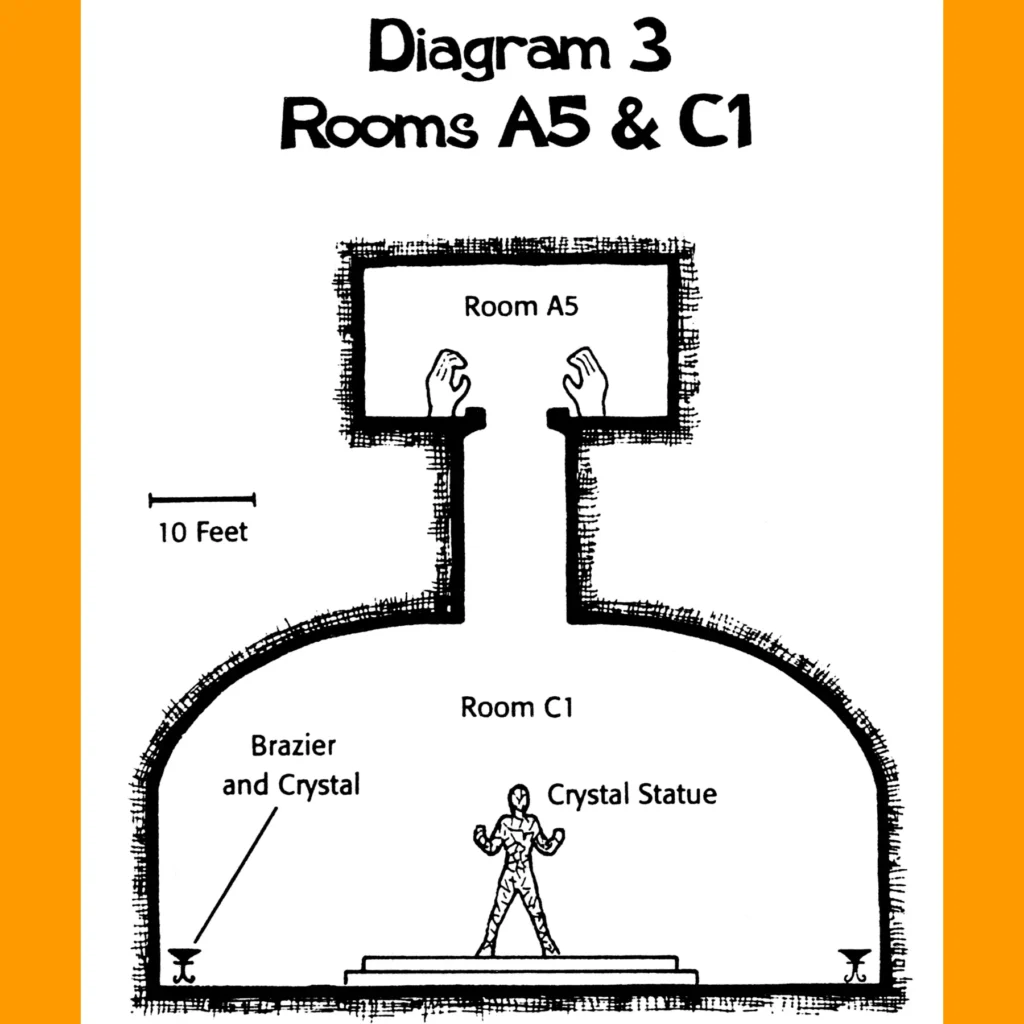
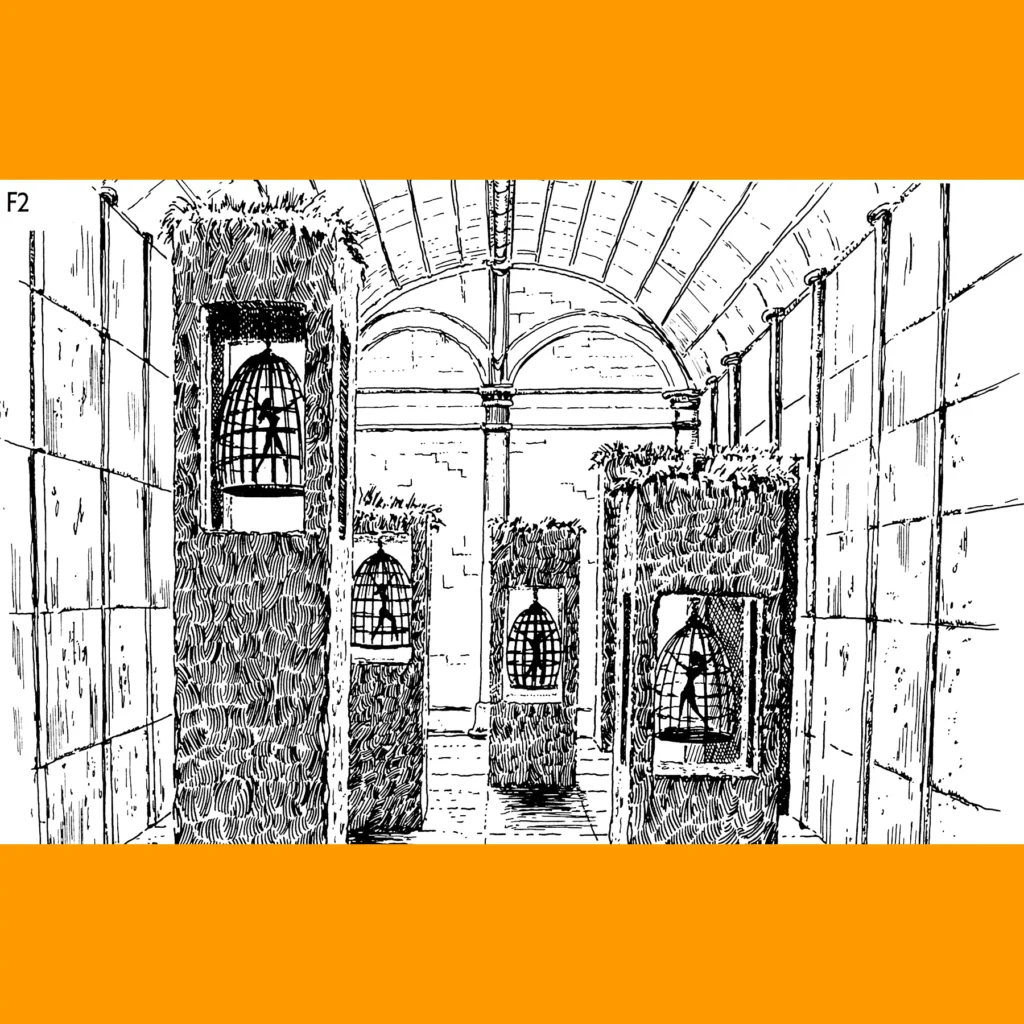
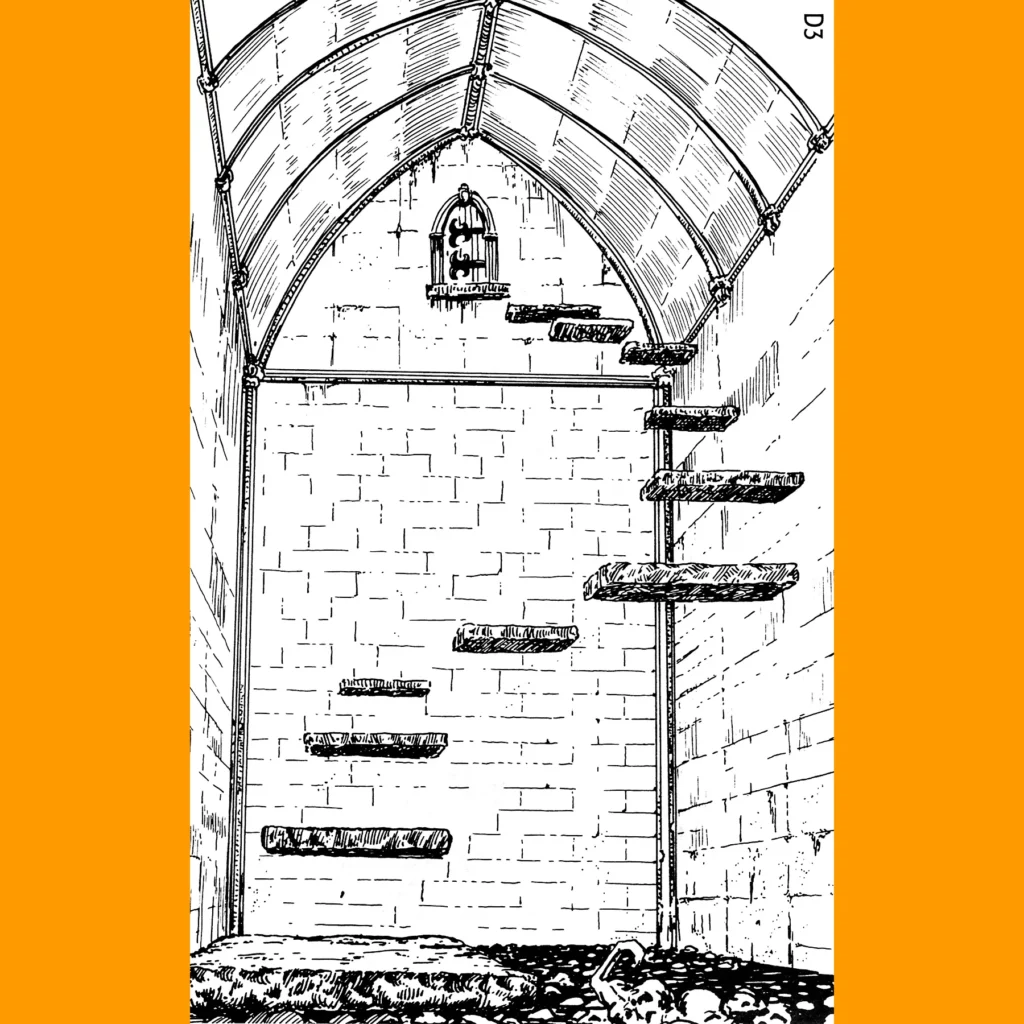
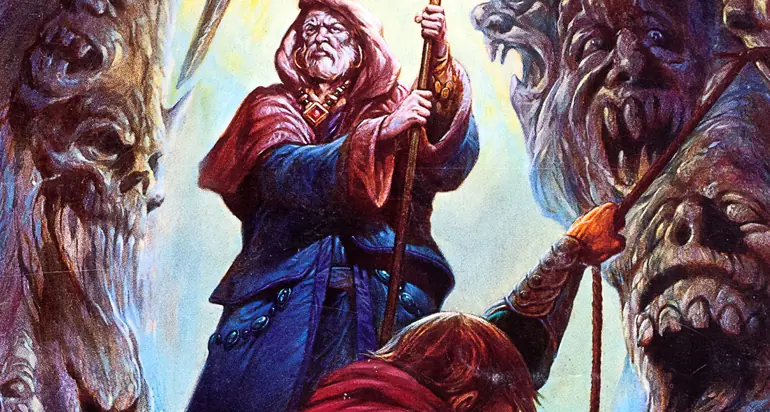
Cover art by Jeff Easley. Usually, this is the sort of cover I would say is underwhelming, but in this case, I think it works. I like all the leering heads. Dan Frazier is the interior illustrator. I’m not familiar with his work, but I think he does well, especially with the room illustrations in the booklet. Diesel has some nice cartography in here, too. Not at all sure why this has gray bordered trade dress, though. Not sure any other book of this era does?